The best cycling routes around Mátra
4.7
(31)
659
riders
11
rides
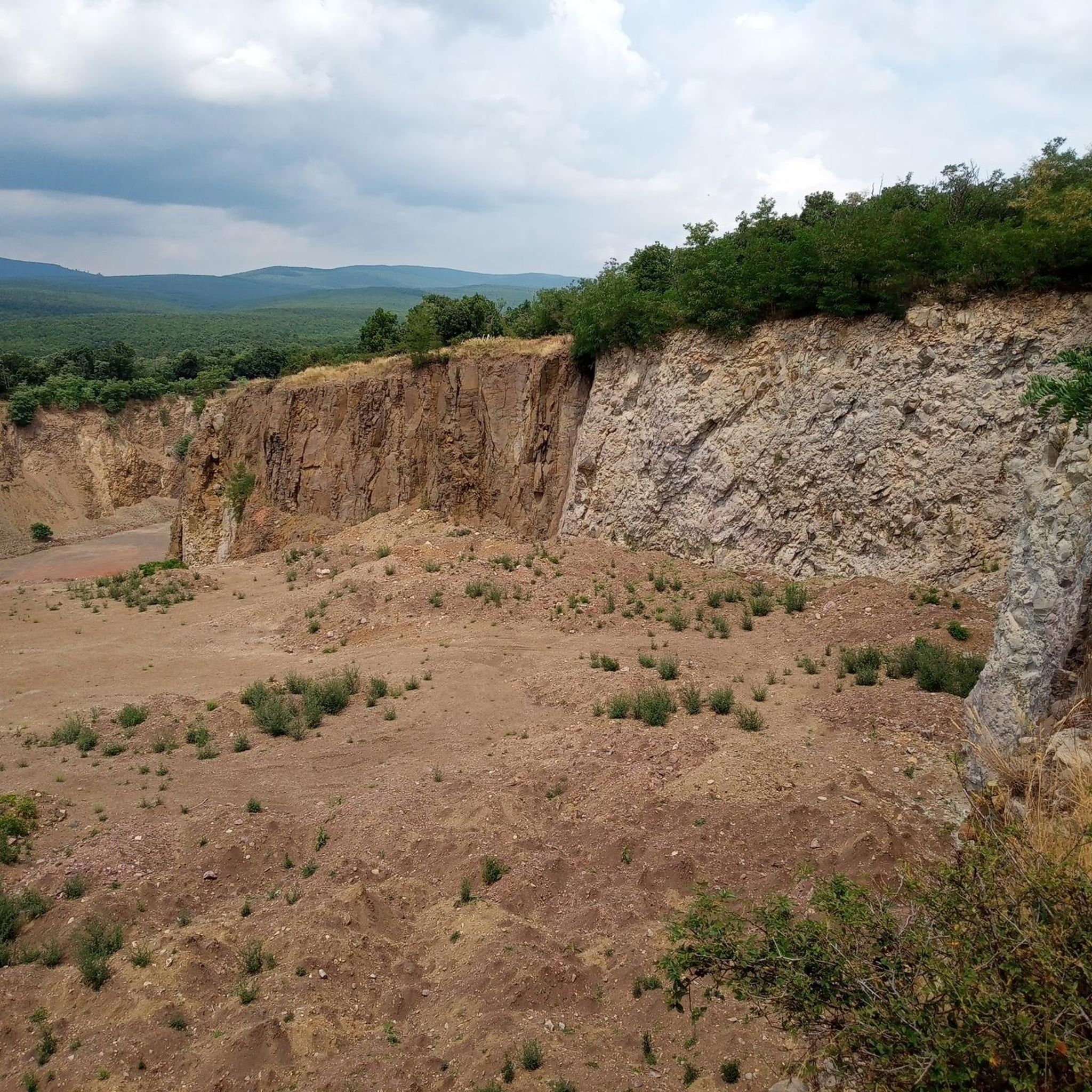
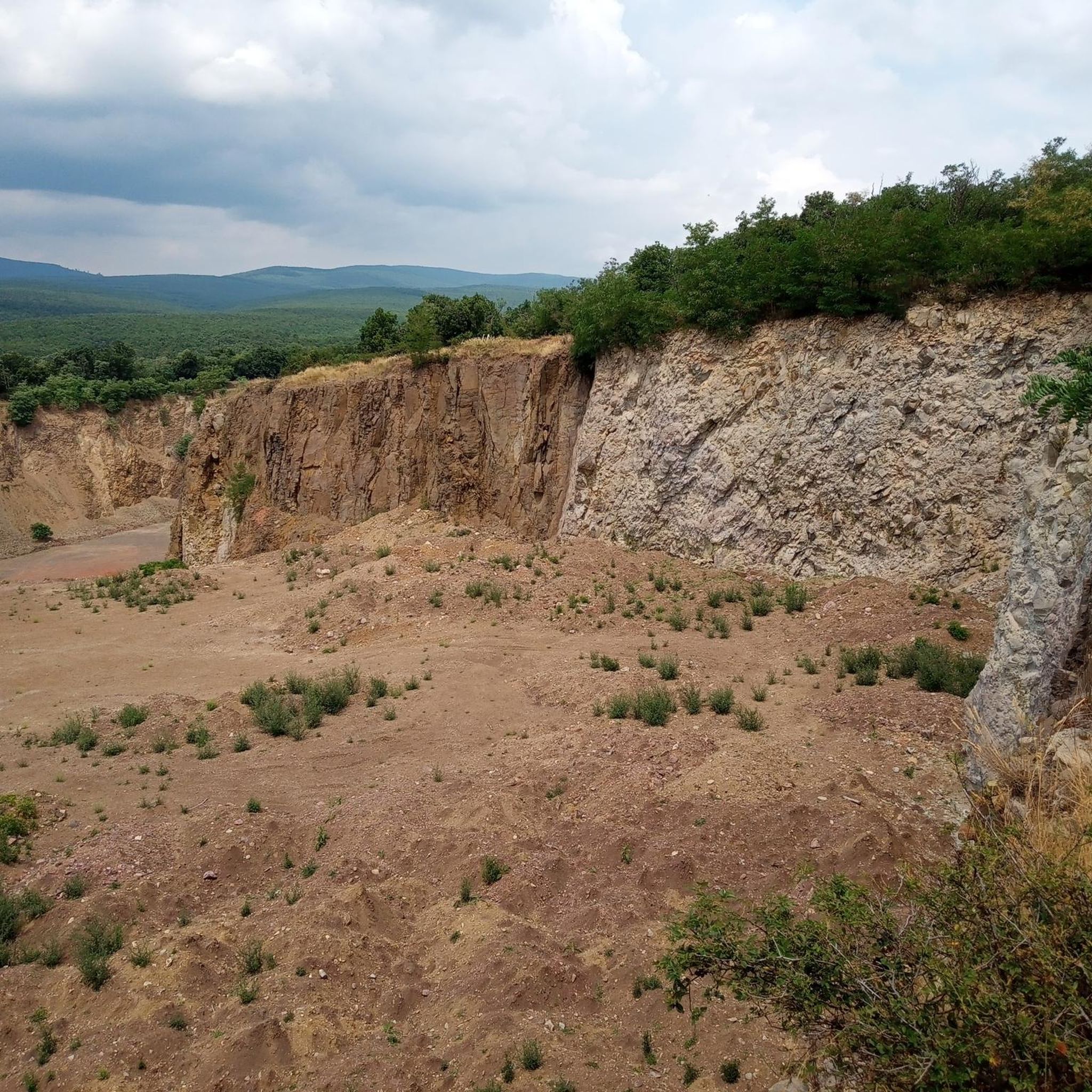
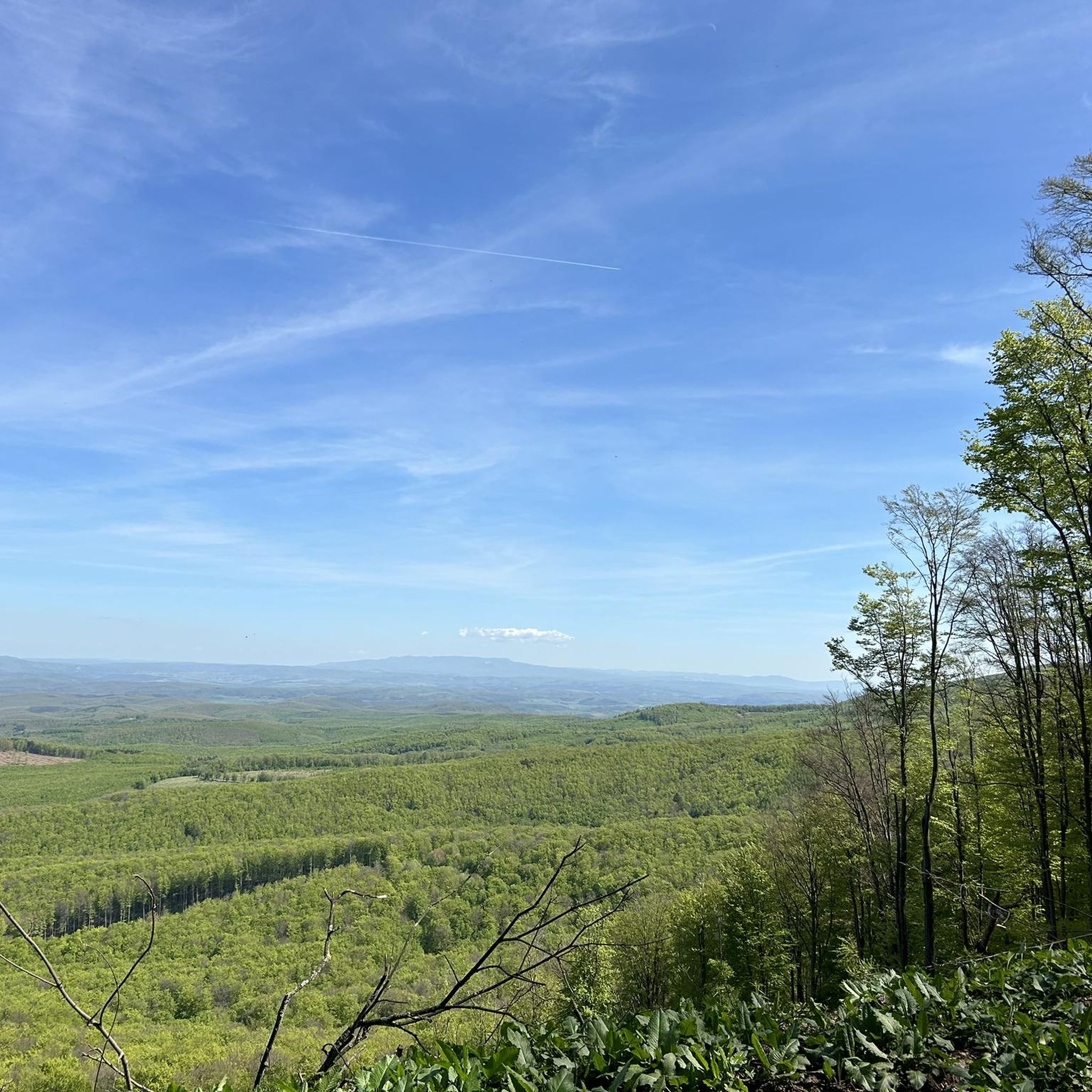
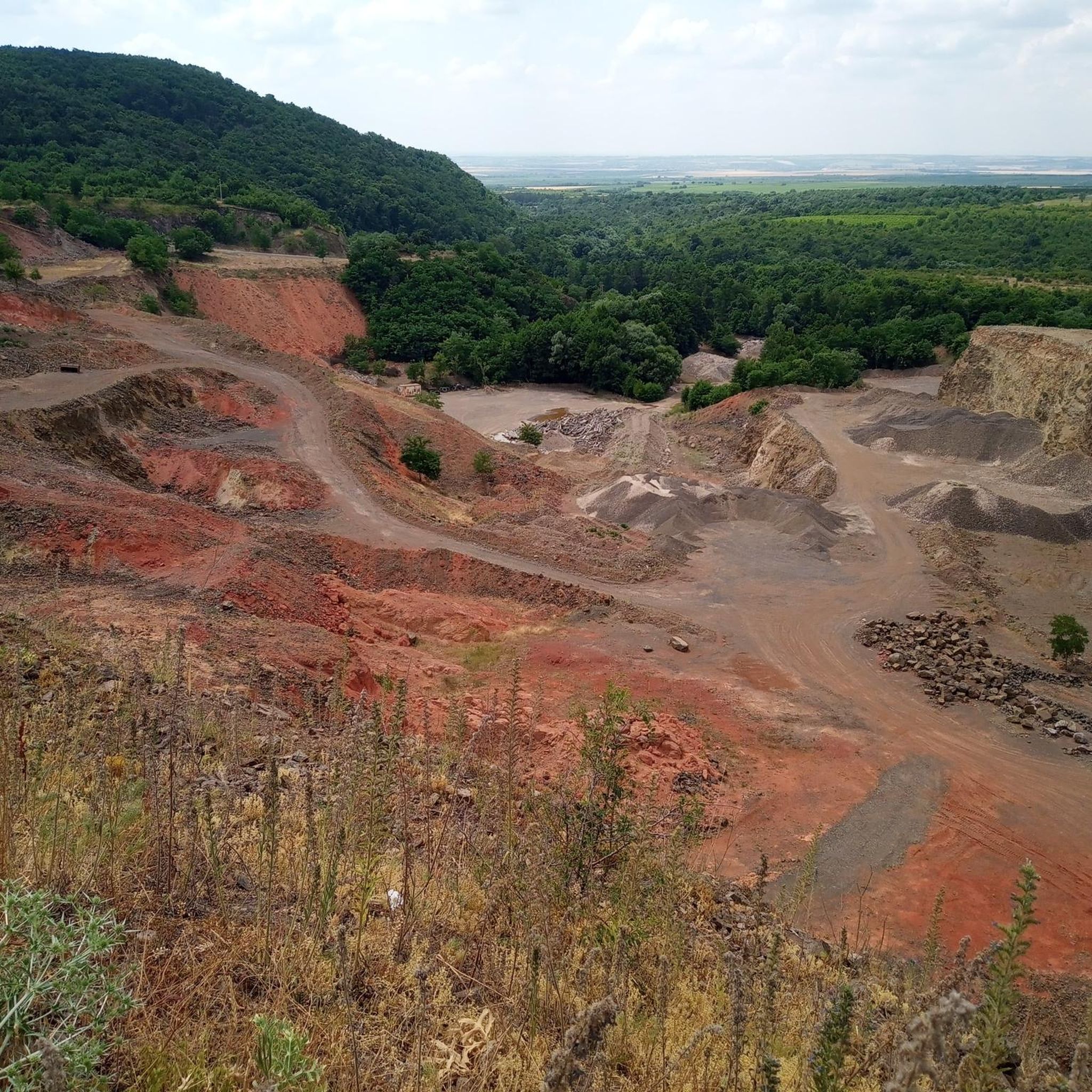
Best touring bike trails in Mátra navigate through Hungary's highest mountain range, characterized by its dense oak and beech forests, volcanic peaks, and deep valleys. The region offers significant elevation changes, with routes often ascending to prominent hills like Kékes, the country's highest point. Touring cyclists can expect winding roads and challenging climbs, providing panoramic views of the surrounding landscape. The terrain is predominantly hilly, making it suitable for those seeking a more demanding cycling experience.
Best touring cycling routes…
Last updated: October 5, 2026
5.0
(2)
21
riders
38.5km
02:48
790m
790m
Hard bike ride. Very good fitness required. Mostly paved surfaces. Suitable for all skill levels.
5.0
(2)
27
riders
44.1km
03:19
990m
990m
Hard bike ride. Very good fitness required. Mostly paved surfaces. Suitable for all skill levels.

5.0
(1)
10
riders
51.9km
03:45
990m
990m
Hard bike ride. Very good fitness required. Mostly paved surfaces. Suitable for all skill levels.
11
riders
32.4km
03:00
790m
790m
Hard bike ride. Very good fitness required. Mostly paved surfaces. Suitable for all skill levels.
9
riders
44.0km
03:09
880m
880m
Hard bike ride. Very good fitness required. Mostly paved surfaces. Suitable for all skill levels.
Get access to more routes and recommendations from other explorers.
Already have an account?
Our route recommendations are based on thousands of hikes, rides, and runs completed by other people on komoot.
Start today with a free account
Your next adventure awaits.

Tips from the Community

These are very old designations, that's not true!
0
0

This is the end of the tourist narrow-gauge railway from Gyöngyös to Matrafüred.
0
0
From here the Matrabahn starts in the direction of Matrafüred.
0
0
The dish is of Greco-Roman origin. 350 B.C. The ancient Greek poets Archestratos and Antiphanes first mentioned Plakous. Cato the Elder, in his short work De agri cultura ("On the Cultivation") of around 160 BC wrote a detailed recipe for placenta. The pancake still bears the name of its Greek and Roman ancestors. The name comes from the Latin word placenta, which in turn is derived from the Greek word plakous for thin or layered flatbread. The dish's name follows a line of borrowing through several languages of central and south-eastern Europe; The dish dates back to the Roman era of Central Europe, and it is believed that the Austro-German term palatschinke(n) was borrowed from Czech palačinka, which in turn came from Hungarian palacsinta, and which in turn came from Romanian plăcintă (a cake, a cake), where it finally derives from the Latin placenta. According to the Hungarian Ethnographic Encyclopedia, the Hungarian word palacsinta is an Italian loanword[4]. Palačinka is also the name in most West and South Slavic languages (Slovak palacinka, Bosnian, Bulgarian, Czech, Croatian, Montenegrin, Macedonian, Serbian, Slovenian palačinka, палачинка). In Polish the equivalent is called naleśnik, in Ukrainian налисник (nalysnyk) or млинець (mlynec), in Russian налистник (nalistnik) or блинчик (blinchik), in Romanian clătită.
0
0
The original church dates back to the Middle Ages and was later rebuilt several times. Interestingly, in the summer of 1713, the Gyöngyös city senate decided to hold a thanksgiving service every year on June 26 in the Johannes chapel in Bene to commemorate the escape from the great plague. The sanctuary was completed in 1767, and the facade was completed in 1795 with the coat of arms of the city of Gyöngyös on the facade (source: https://www.gyongyos-matra.hu/latnivalok/templomok-kegyhelyek/keresztelo-szent-janos-kapolna- matrafured/).
0
0

Worth checking out. It is surrounded by a beautiful park.
8
0

According to the tradition, this is a sacred place, but there are also rumours and myths that witches were burned here too. Either way, this worth to check out and climb the rocks. Nothing too dangerous or fancy, but for young children will appreciate. It's off the cycle path on a single path, so make sure your bike can handle it!
1
0

The church of St. John the Baptist was built in 1766-67 on the ruins of the church of the Pauline monastery, founded in 1301. Its tower was completed in 1795. With the support of the Upper Town Roman Catholic Parish, the Archdiocese, the Gyöngyös Municipality and the faithful, the facade and roof structure of the church were renovated in 2017.
3
0
Frequently Asked Questions
What is the general difficulty level for touring cycling in Mátra?
Mátra is renowned for its challenging terrain. The majority of touring cycling routes here are rated as difficult, featuring significant elevation changes and climbs to prominent peaks like Kékes. There are also a few moderate options available for those seeking a slightly less demanding experience.
Are there any touring cycling routes suitable for beginners or families in Mátra?
While Mátra is primarily known for its challenging routes, there are a few moderate options that might be more suitable for less experienced touring cyclists or families with older children. However, be prepared for hills as the region is mountainous. Currently, there are no routes specifically rated as easy for touring cyclists in our selection.
What kind of landscapes can I expect to see while cycling in Mátra?
Touring cyclists in Mátra will navigate through Hungary's highest mountain range, characterized by dense oak and beech forests, volcanic peaks, and deep valleys. Routes often ascend to prominent hills, offering panoramic views of the surrounding landscape, especially from high points like Kékes.
Are there any circular touring cycling routes in Mátra?
Yes, many of the touring cycling routes in Mátra are designed as loops, allowing you to start and finish in the same location. For example, the Kékes – Galya-tető loop from Mátraszentimre is a popular circular route that takes you through two of Mátra's highest points.
What are some scenic viewpoints or natural attractions along the touring cycling routes?
Mátra offers numerous scenic viewpoints and natural attractions. You can find stunning vistas from Kékes Peak and Galyatető. The Bába-kő Rock Formation – Kékes loop from Galya-tető passes by the unique Bába-kő Rock Formation. Don't miss the Ilona Valley Waterfall for a refreshing stop.
What is the best season for touring cycling in Mátra?
The best seasons for touring cycling in Mátra are typically spring and autumn. During these times, the weather is generally mild, and the natural scenery is particularly vibrant with blooming flowers or colorful foliage. Summer can also be pleasant, but be prepared for potentially warmer temperatures, especially on climbs. Winter cycling is possible but requires appropriate gear due to colder temperatures and potential snow or ice at higher elevations.
How long do touring cycling routes in Mátra typically take to complete?
The duration of touring cycling routes in Mátra varies depending on the distance, elevation gain, and your cycling pace. For instance, the Kékestető – View of Kékes TV Tower loop from Mátraszentimre, a difficult 42.6 km route, typically takes around 3 hours 20 minutes. Longer routes, like the Nagy-rózsás loop from Mátraszentistván (43.9 km), can take closer to 3 hours 10 minutes.
Are there any less crowded touring cycling routes in Mátra?
While popular routes like those to Kékes can see more traffic, exploring some of the less-traveled paths can offer a more serene experience. Consider routes that venture deeper into the forests or connect smaller villages, such as the Gombás halastó – Gulyásvár loop from Parádsasvár, which offers a challenging ride through varied terrain.
What do other touring cyclists enjoy most about cycling in Mátra?
The area is highly rated by the komoot community, with an average score of 4.7 stars from more than 20 reviews. Reviewers often praise the challenging climbs, the rewarding panoramic views from the peaks, and the immersive experience of cycling through dense, beautiful woodlands.
What are the parking options for accessing touring cycling routes in Mátra?
Parking is generally available in the towns and villages that serve as common starting points for routes, such as Mátraszentimre, Galya-tető, or Parádsasvár. Look for designated parking areas, often near trailheads or local amenities. It's advisable to check local signage for any parking fees or restrictions.
Most popular routes around Mátra
Most popular attractions around Mátra

Get inspired with the komoot mobile app


Explore more
Browse the best Cycling routes in other regions.
