The best cycling routes around Dörnick
4.5
(12889)
49,521
riders
657
rides
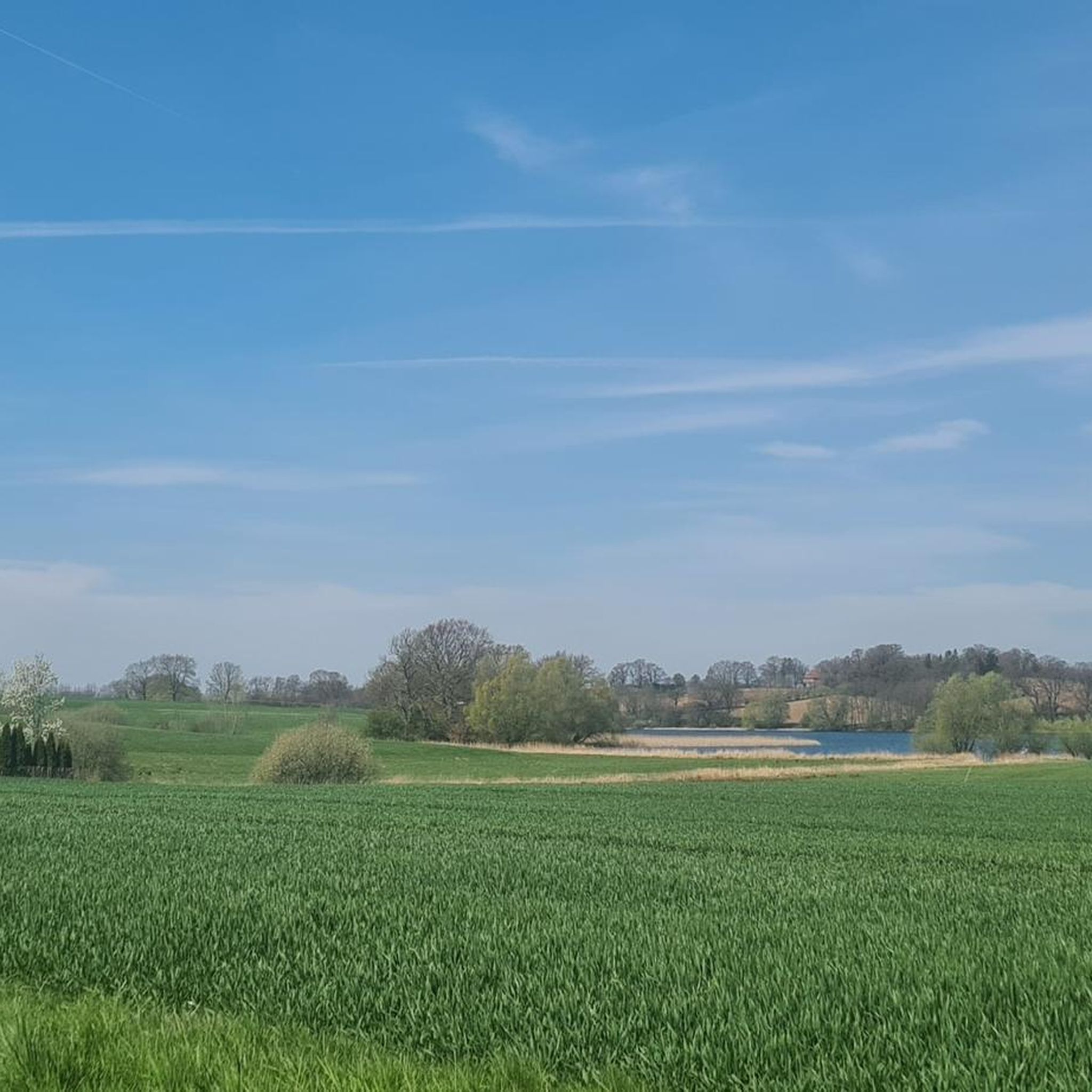
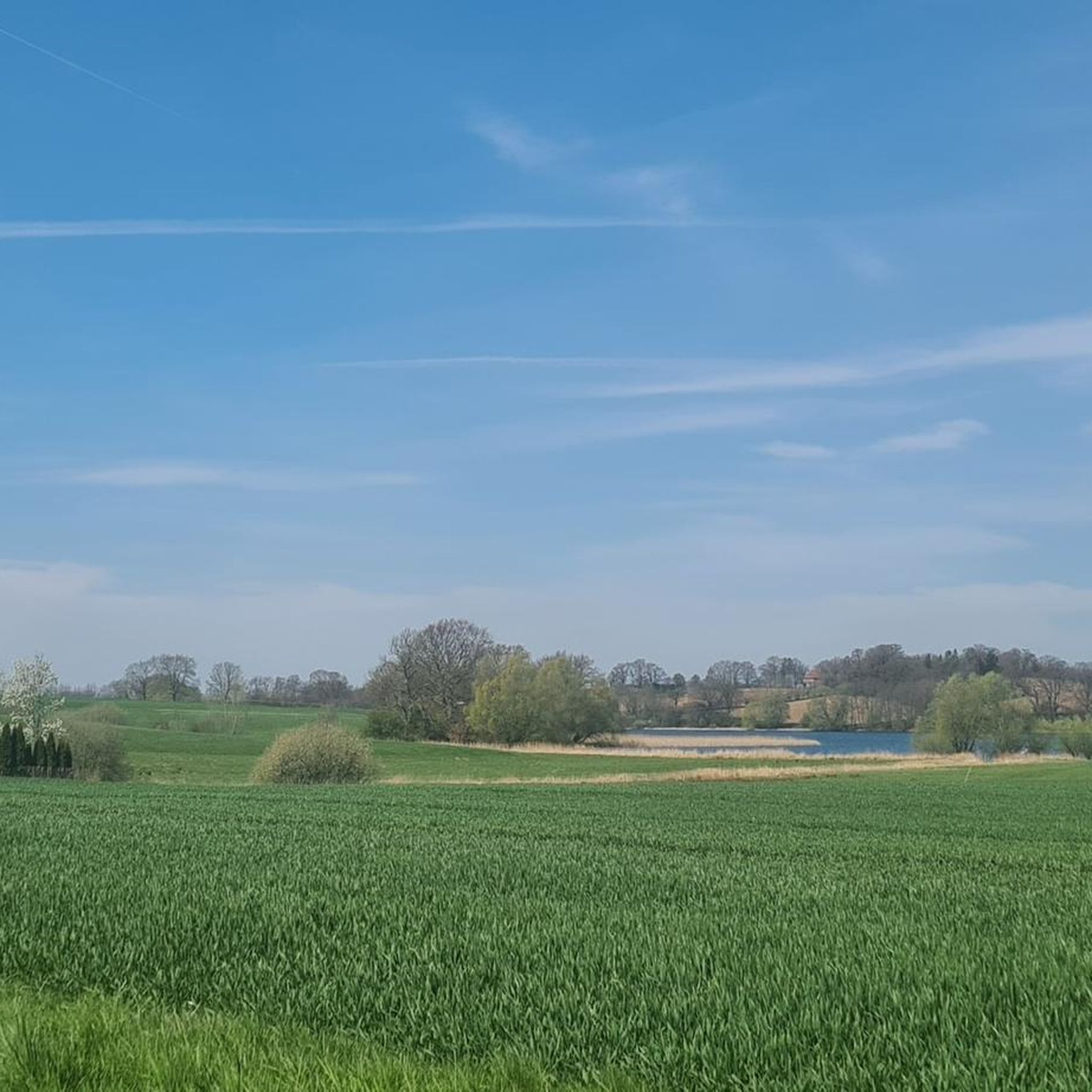
Touring cycling routes around Dörnick are set within Holstein Switzerland, a region characterized by rolling hills and a distinctive lake district. The area features numerous lakes, including the Großer Plöner See, and the idyllic River Schwentine, providing varied terrain for cyclists. This landscape offers a mix of leisurely routes along lake shores and more challenging paths through the hilly countryside.
Best touring cycling routes around Dörnick
- The most popular touring cycling route is Plön Castle loop from Plön, a…
Last updated: June 26, 2026
4.6
(107)
520
riders
13.9km
00:53
50m
50m
Easy bike ride. Great for any fitness level. Mostly paved surfaces. Suitable for all skill levels.
4.6
(63)
442
riders
19.7km
01:20
70m
70m
Easy bike ride. Great for any fitness level. Mostly paved surfaces. Suitable for all skill levels.

Sign up for free
4.5
(16)
74
riders
27.9km
01:43
180m
180m
Moderate bike ride. Good fitness required. Mostly paved surfaces. Suitable for all skill levels.
4.8
(4)
161
riders
12.1km
00:47
110m
110m
Easy bike ride. Great for any fitness level. Mostly paved surfaces. Suitable for all skill levels.
4.4
(19)
144
riders
Easy bike ride. Great for any fitness level. Mostly paved surfaces. Suitable for all skill levels.
Get access to more routes and recommendations from other explorers.
Sign up for free
Already have an account?
Our route recommendations are based on thousands of hikes, rides, and runs completed by other people on komoot.
Start today with a free account
Your next adventure awaits.
Login or Signup

Tips from the Community

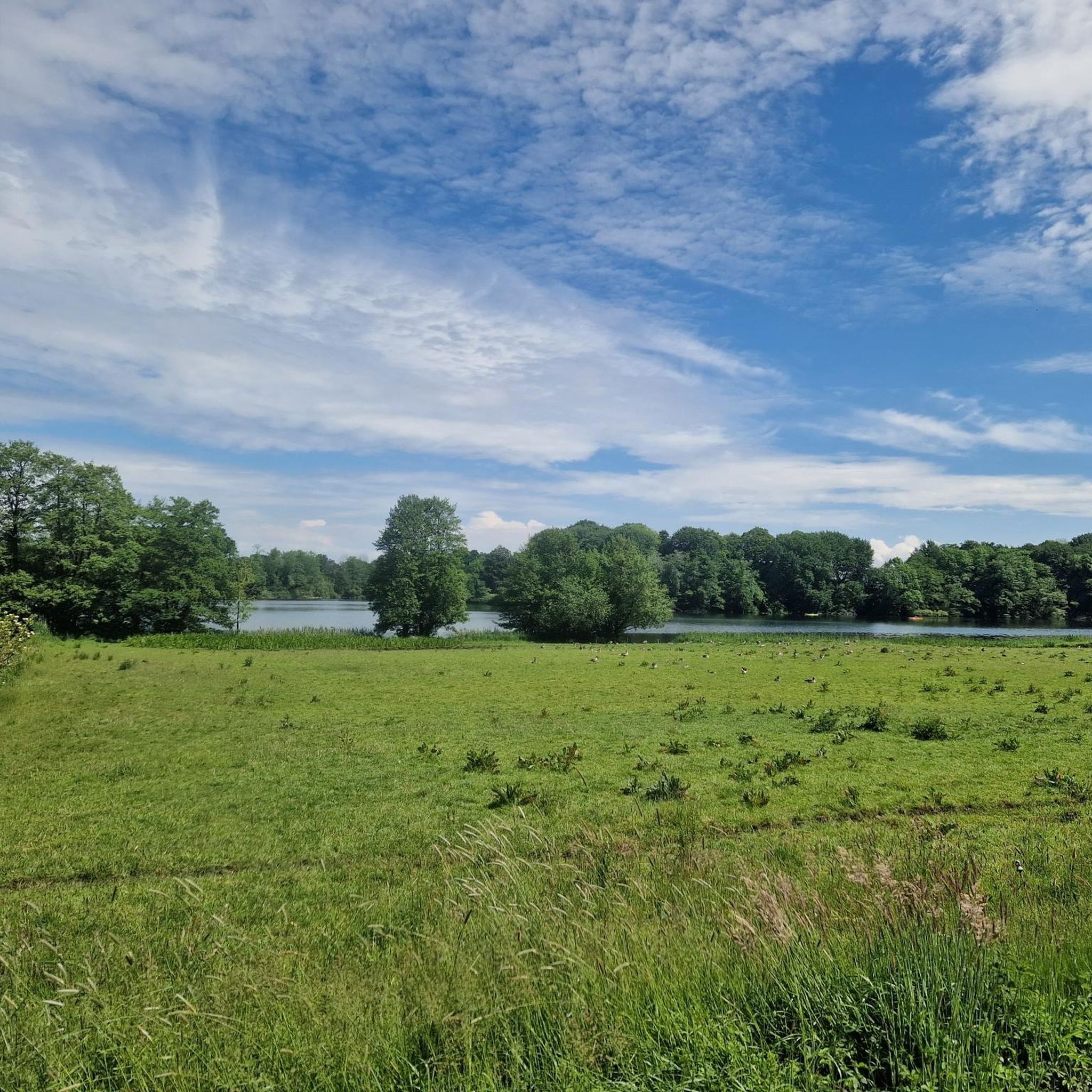
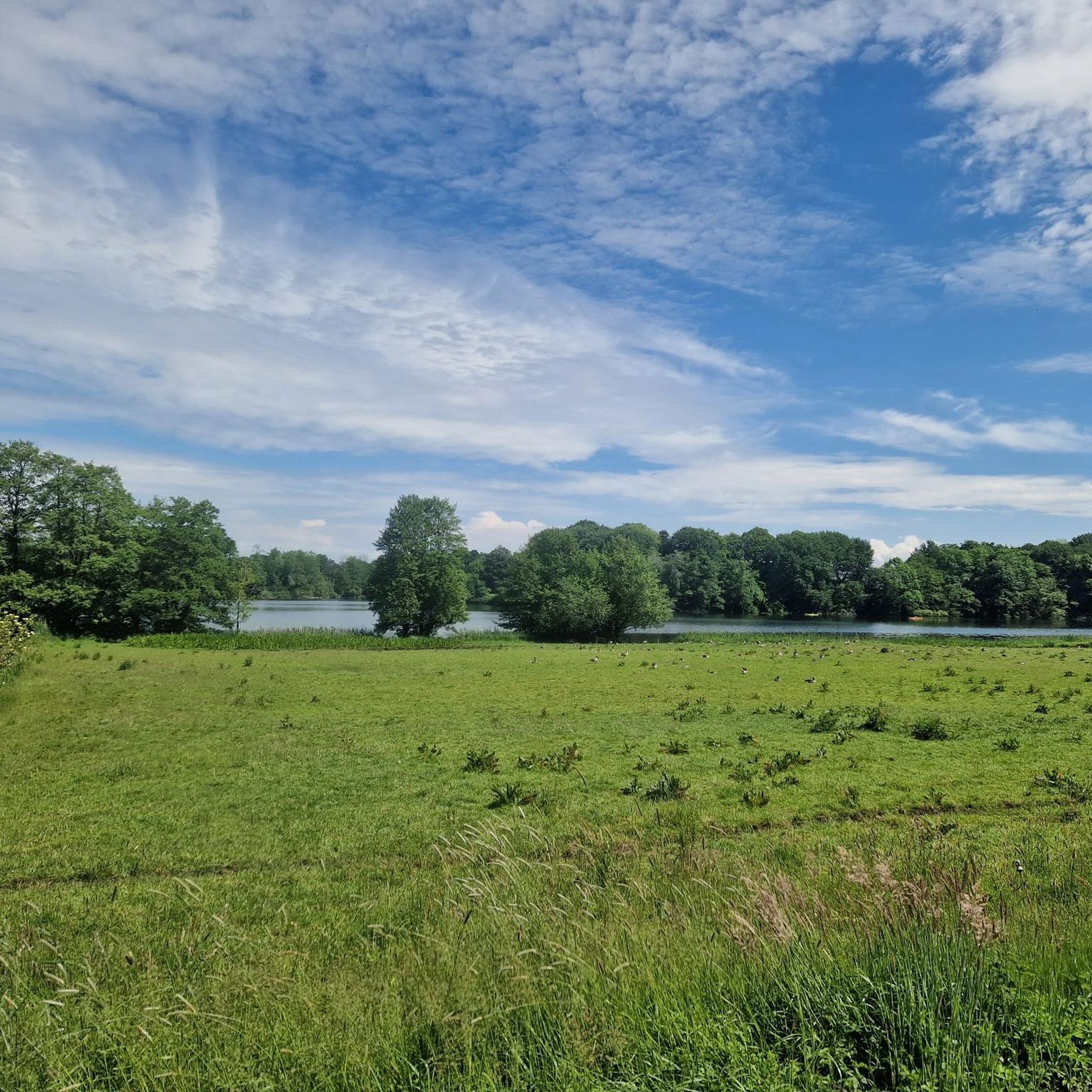
With a lake area of 28 km² and a depth of up to 56 m, the lake, located entirely within the Holstein Switzerland Nature Park, is the largest and deepest in Schleswig-Holstein. On the north bank lies the district town of Plön, with the lake's landmark, Plön Castle, situated on a hill. Other towns on the shores of the Großer Plöner See include Bosau, Dersau, and Ascheberg. Origin Edit The Großer Plöner See was formed as a result of the glaciation of Schleswig-Holstein after the last Ice Age. It is a typical Weichselian tongue basin, the shape of which can be particularly well traced on the southern shore between Bosau and Nehmten. Two glaciers essentially formed the deeper eastern Plön Basin with 58 m and the shallower western Ascheberg Basin with 30 m. The northern boundary of the lake consists of a land bridge between the Großer Plöner See and the Kleiner Plöner See, which was formed as a terminal moraine during a later glacial advance. Islands Edit The eastern and western parts of the lake are connected by a shallow water area, designated since 1992 as the nature reserve "Islands in the Großer Plöner See and Störland Peninsula". The majority of the islands are located in this area. They offer various bird species, such as white-tailed eagles, common goldeneyes, common mergansers, and greylag geese, undisturbed and wind-sheltered breeding and moulting sites. The Prinzeninsel, which became a peninsula in the 19th century due to the artificial lowering of the water level, extends from here over a length of 2 km to the north and is a popular excursion destination for tourists in summer. With the "Ascheberger Warder im Großen Plöner See", there is another nature reserve, existing since 1955, in the western part of the lake around the Ascheberger Warder. In total, more than 20 islands are distributed across the surface of the Großer Plöner See. Culturally and historically significant are the islands Olsborg and Bischofswarder as former Slavic settlement sites. Water levels Edit Originally (at the beginning of the Postglacial period), the lake's water level was 15 to 18 m above the current level and covered the entire area of the Holstein Switzerland lakes, which are now flowed through by the Schwentine. Sediment samples taken from the lakebed at a water depth of 41 m indicate that the first damming structures were already erected in the 13th century. After the dissolution of the water rights of the old mill (mentioned as early as 1221) and the eel fishing rights, the lake's water level was lowered by 1.14 m. The associated goal of land reclamation was achieved, but the land gained proved to be a stony, unpromising area. Furthermore, with the lowering of the water level, the drainage was improved. The lake's water level is currently at approx. 21 m above sea level and fluctuates seasonally by about 40 cm. Source Wikipedia
0
0

The Langenrade windmill (also known as the "Sventana" windmill) is an impressive historical monument in the municipality of Ascheberg, very close to Plön.
2
1
The only fully functional of the three windmills within the Holstein Switzerland Nature Park is located in Ascheberg-Langenrade. The windmill, named "Sventana," was built in 1860 in Kleinmühlen near Plön. It has stood in Ascheberg only since 1890, replacing a predecessor that burned down. In 1982, three couples with a passion for windmills decided to restore it to working order. After considerable financial investment and many hours of labor, the single-story smock mill has been operational and flying again since 1990. The restoration of the mill's sails was financially supported, among other things, by state funds for nature parks.
3
1

A super quiet and well-maintained campsite. Most pitches are hedged, so you can enjoy some peace and quiet. Plenty of playgrounds, a cinema, a heated pool, an indoor playground, and much more.
1
0
Swimming area on the Großer Plöner See (Great Plön Lake) with a sandy beach, playground, and sunbathing lawn. The long, sandy beach is the ideal swimming spot for families. A sunbathing lawn, benches, a hammock, a slide, mini-golf, and a small playground invite you to linger. The water is gently sloping and marked with a non-swimmer's boundary. Shady spots and a jetty into the water are available, as are changing facilities and restrooms.
11
4

The large Plön Lake is divided into two basins: the eastern Plön Basin and the western Ascheberg Basin. The small Plön Lake borders it to the north. The shores of the large Plön Lake are wooded, and several bird species can be found on the many islands. A visit to the Princes' Island is highly recommended!
0
0

The smoked salmon is first-class. The fish sandwiches were freshly prepared.
1
0

Lasner Fishery & Smokehouse, perfect for a break 🤩
1
0
Frequently Asked Questions
How many touring cycling routes are available around Dörnick?
There are over 600 touring cycling routes in the Dörnick area, offering a wide variety of options for cyclists of all skill levels. These routes are set within the picturesque Holstein Switzerland region, characterized by its rolling hills and extensive lake district.
What types of terrain can I expect on touring cycling routes near Dörnick?
The terrain around Dörnick is quite diverse. You'll find leisurely routes winding along the shores of numerous lakes like the Großer Plöner See, Kellersee, and Dieksee. There are also paths following the idyllic River Schwentine. For those seeking more challenge, the region's rolling hills offer routes with some ascents and descents, providing a varied cycling experience.
Are there easy touring cycling routes suitable for beginners or families in Dörnick?
Yes, Dörnick offers a significant number of easy touring cycling routes, with over 330 options. These routes are often flat or have gentle gradients, making them ideal for beginners or families. Many follow lake shores, providing continuous scenic views. An example is the Prinzenbad Beach, Lake Plön – Prinzenbad Beach, Prinzeninsel loop from Koppelsberg, which is an easy 14.3 km path.
What landmarks or attractions can I see along the touring cycling routes?
Many routes offer views of significant landmarks and natural beauty. You can often spot historic sites like Eutin Castle or enjoy views of Plön Castle, such as on the Plön Castle loop from Plön. The region is also rich in natural attractions, including the many lakes and the River Schwentine. For specific points of interest, you might encounter highlights like The Large Woman Sitting in the Sun (Fritz During) at Plön Castle or the View of Plön Castle from Prinzeninsel Pier.
Are there any circular touring cycling routes around Dörnick?
Yes, many touring cycling routes around Dörnick are designed as loops, allowing you to start and end at the same point. This is particularly common for routes encircling the region's numerous lakes. For instance, the View of the Great Plön Lake – Dieksee Promenade loop from Plön is a popular circular route that takes you through the lake district.
What is the best time of year for touring cycling in Dörnick?
The best time for touring cycling in Dörnick is typically from spring to autumn. During these seasons, the weather is generally mild and pleasant, making it ideal for enjoying the picturesque landscapes, lake views, and charming villages. The natural beaches and bathing facilities also offer refreshing breaks during the warmer months.
Are there any challenging touring cycling routes for experienced cyclists?
While Dörnick is known for its gentle lake-side paths, there are also routes that offer more challenge. The region's rolling hills within Holstein Switzerland provide some ascents and descents, with over 50 routes classified as difficult. These routes will test your endurance and offer rewarding views of the diverse terrain.
What do other touring cyclists say about the routes in Dörnick?
The touring cycling routes in Dörnick are highly regarded by the komoot community, holding an average rating of 4.5 stars from over 11,000 reviews. Cyclists often praise the well-signposted paths, the continuous water views along the lakes, and the diverse landscapes that combine serene lake shores with rolling hills.
Can I find routes that offer views of the Great Plön Lake?
Absolutely. The Großer Plöner See, being Schleswig-Holstein's largest lake, is a central feature of many touring cycling routes in the area. You can find numerous paths that offer continuous views of its shimmering waters. The View of the Great Plön Lake – Fegetasche Pier on Beach Path loop from Koppelsberg is an excellent example, providing extensive lake vistas.
Are there options for e-bike users in Dörnick?
Yes, the hilly terrain of Holstein Switzerland makes it a great region for e-bike users. There are specific e-bike routes available that allow riders to comfortably navigate the ascents and enjoy the many lakes and scenic views without excessive effort. This ensures that cyclists of all fitness levels can explore the region.
Are there any bike parks or singletracks for mountain biking near Dörnick?
While this guide focuses on touring cycling, the Dörnick area does offer options for mountain biking enthusiasts. You can find highlights such as the Flow trail, North Short Bikepark Dieksee, and various singletracks like the Singletrack in Weinbergholz and Behler See Trail, which are suitable for mountain bikes.
Most popular attractions around Dörnick

Get inspired with the komoot mobile app


Explore more
Browse the best Cycling routes in other regions.
