The best running trails around Weberkuhle
4.3
(69)
1,397
runners
92
runs
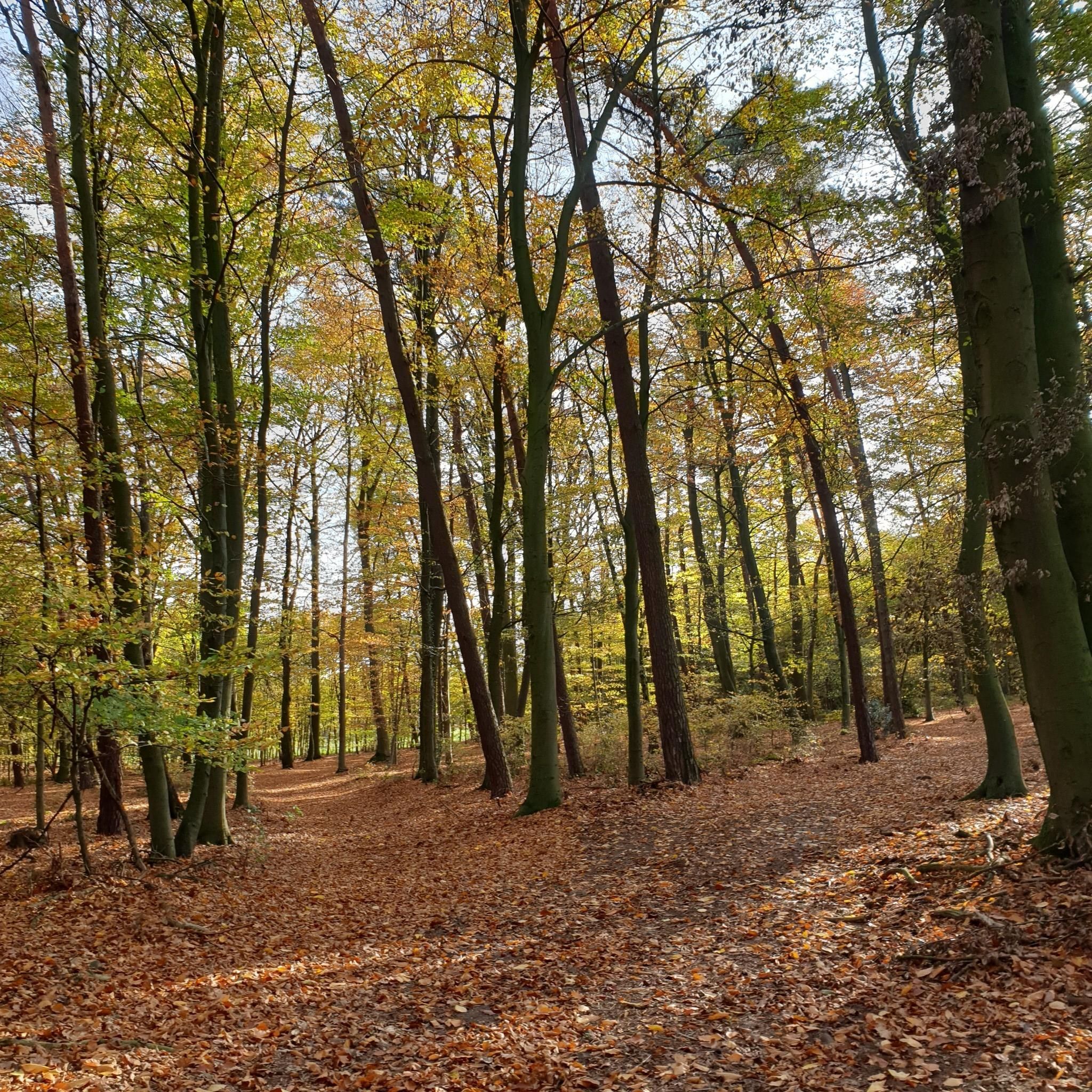
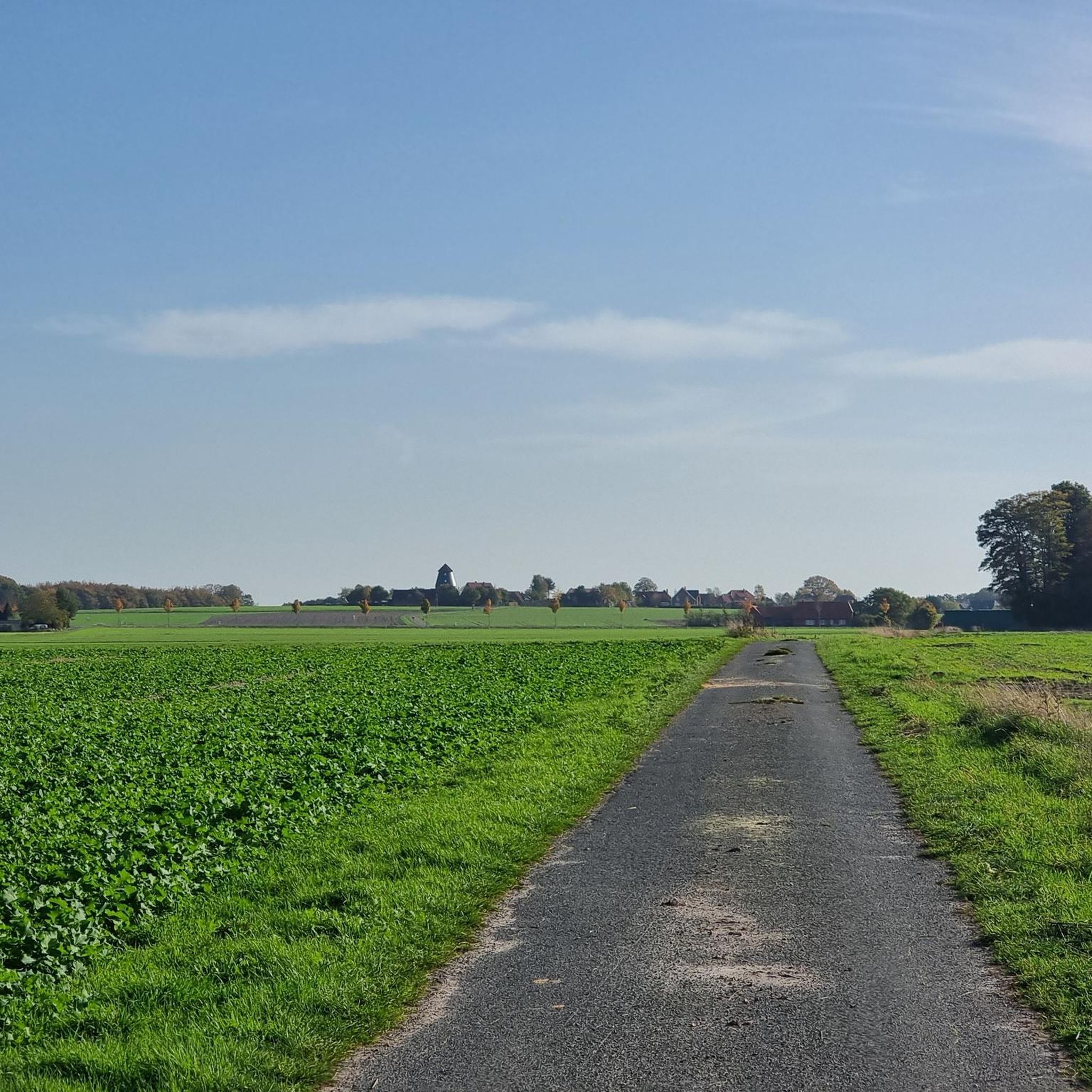
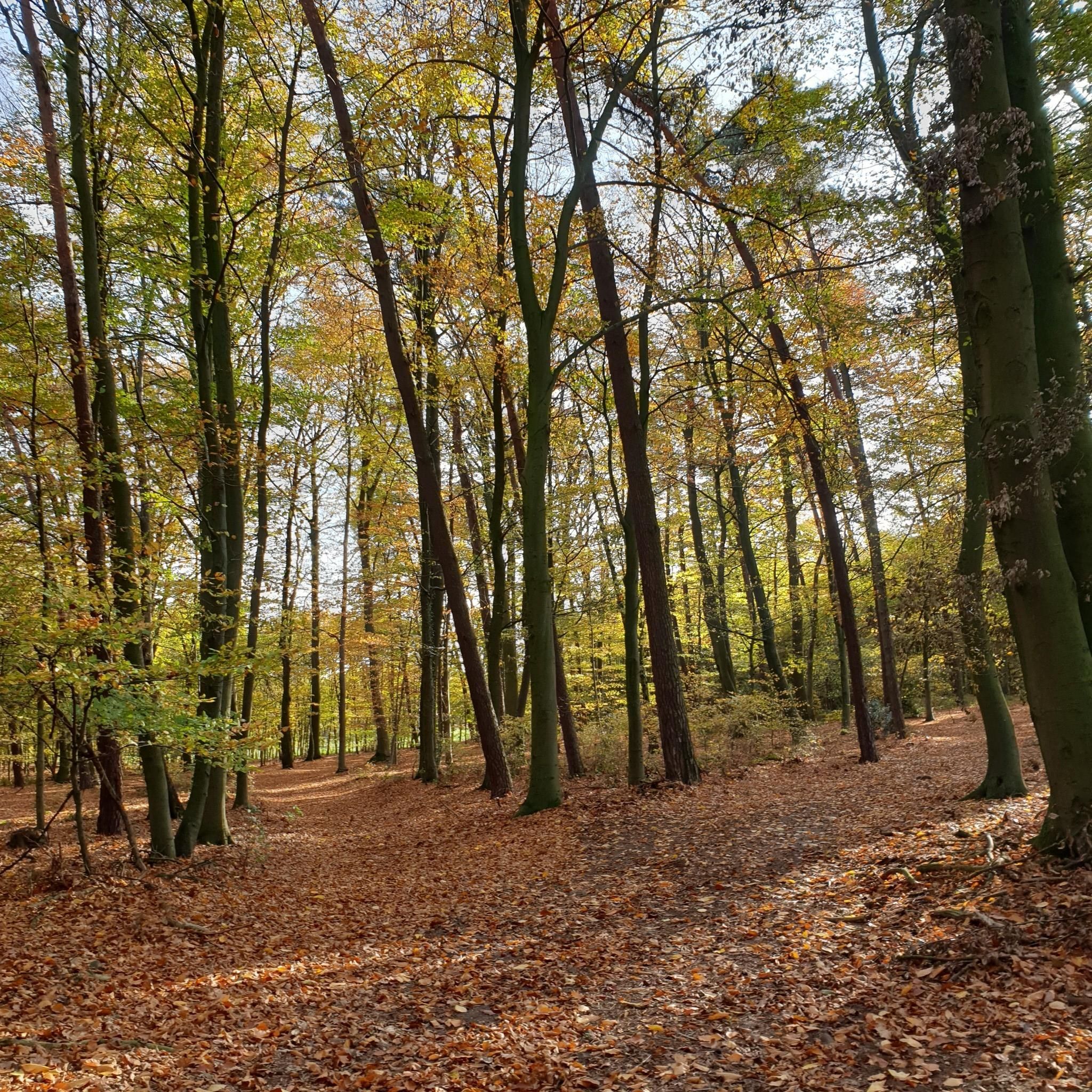
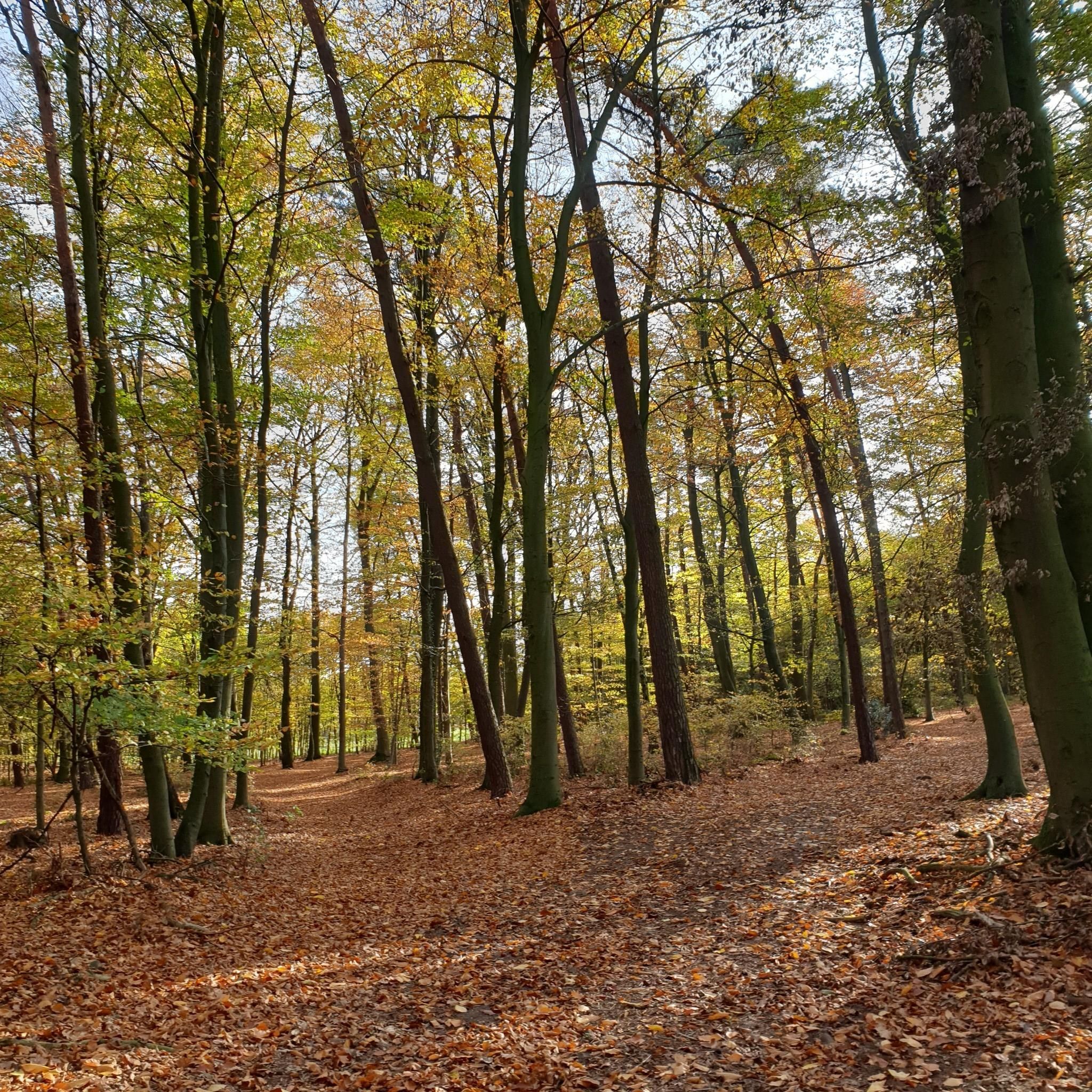
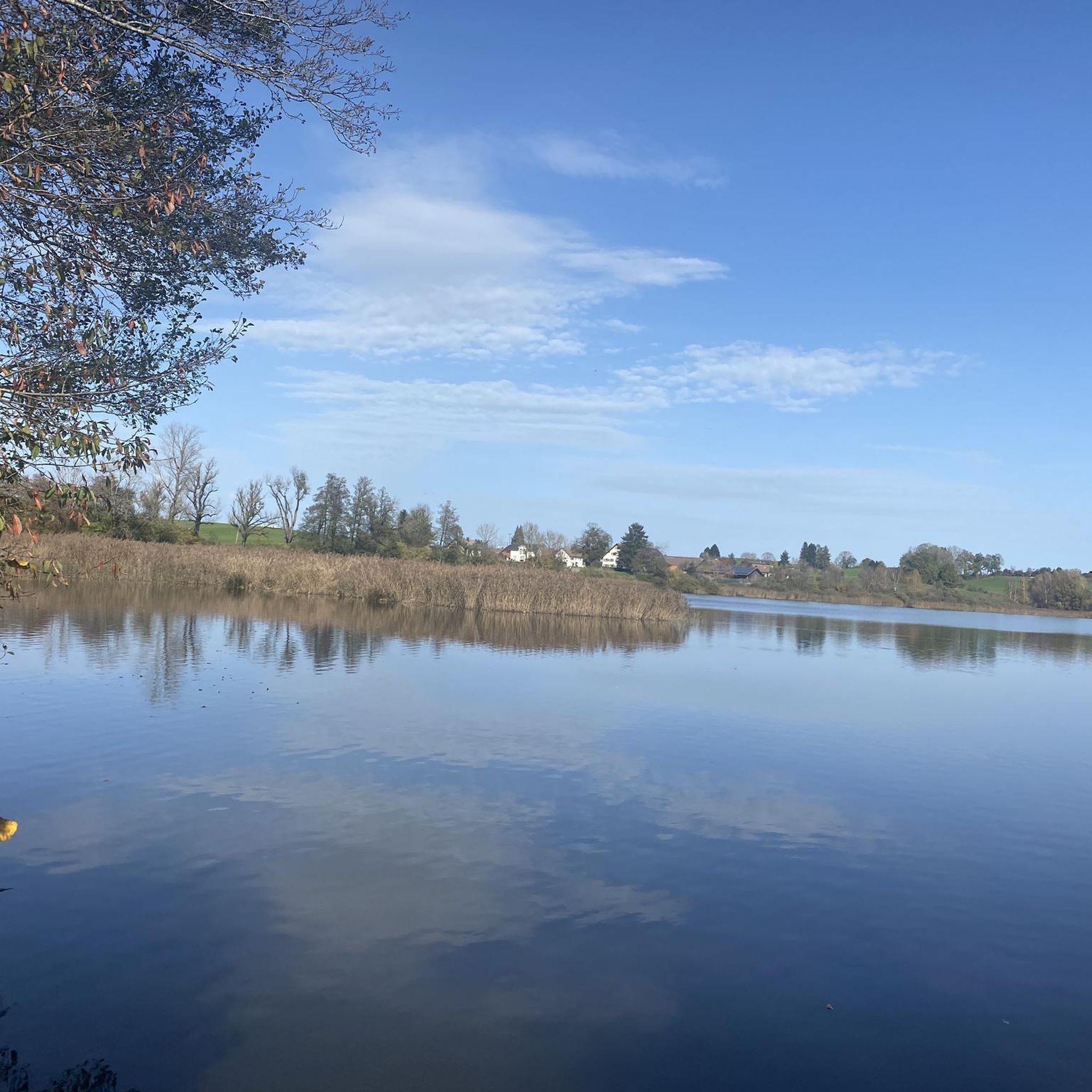
Jogging routes around Weberkuhle are characterized by generally flat terrain, with minimal elevation changes, making them suitable for various fitness levels. The region features paths that traverse local areas, offering glimpses of village surroundings and open landscapes. Some running routes also provide views of local water bodies, such as Lake Rolle. The area's topography supports accessible running, with routes primarily on even surfaces.
Best jogging routes around Weberkuhle
- The most popular jogging route is Running loop from Wietzen, a…
Last updated: October 4, 2026
5.0
(3)
4
runners
5.37km
00:33
10m
20m
Moderate run. Good fitness required. Mostly paved surfaces. Suitable for all skill levels.
3
runners
8.01km
00:56
30m
30m
Moderate run. Good fitness required. Mostly paved surfaces. Suitable for all skill levels.

5.0
(4)
17
runners
18.0km
02:00
50m
50m
Hard run. Very good fitness required. Mostly paved surfaces. Suitable for all skill levels.
16
runners
16.5km
01:47
60m
60m
Hard run. Very good fitness required. Mostly paved surfaces. Suitable for all skill levels.
8
runners
12.9km
01:25
30m
30m
Moderate run. Good fitness required. Mostly paved surfaces. Suitable for all skill levels.
Get access to more routes and recommendations from other explorers.
Already have an account?
Our route recommendations are based on thousands of hikes, rides, and runs completed by other people on komoot.
Start today with a free account
Your next adventure awaits.
Tips from the Community

The oldest house in Nienburg is located at Kleine Kirchstraße 2, directly next to St. Martin's Church. It was built around 1490-1500 and is part of the original development around the church.
2
0

Nienburg's oldest house stands at Kleine Kirchstraße 2, right next to St. Martin's Church. It was built around 1490-1500 and is part of the original development surrounding the church. Its slightly crooked appearance is not without reason, as naturally grown oak beams had to be used for economic reasons at the time, and so the inhabitants quite naturally lived on a sloping floor. This is still visible from the outside today, as the house's basic structure has been preserved. Also, almost nothing has changed in the surrounding area. The unique location next to the chancel of St. Martin's Church prevented any alterations. In and around the house, one can easily imagine oneself transported back to a time over 500 years ago. At that time, castles were being replaced by urban fortresses, and Nienburg became the strongest fortress in the Middle Weser region. It was the time of Copernicus, Columbus, Riemenschneider, Dürer, and Leonardo da Vinci, who was competing with Michelangelo in Italy and had just completed what is now the world's most famous painting, the Mona Lisa. Humanity still believed it lived on a flat surface and could only feel somewhat safe behind fortress walls. Source: https://www.pension-st-martin.de/Wie-alles-begann
1
0
The glacial erratics from Småland in Nienburg/Weser are impressive relics of a natural history dating back tens of thousands of years. These large, often smoothly polished boulders originally came from the southern Swedish region of Småland and were transported to northern Germany by mighty glaciers during the last Ice Age. As the ice sheet slowly moved south, it tore rocks from the Scandinavian bedrock and carried them over long distances. When the ice melted, these so-called erratics were left behind in the landscape – far from their place of origin. Such glacial erratics, which can be geologically clearly attributed to Sweden, can also be found in Nienburg. Their composition, such as granite or gneiss, as well as characteristic structures, allow conclusions to be drawn about their Småland origin. They thus vividly illustrate the immense forces of the Ice Age and demonstrate how profoundly glaciers shaped the landscape we see today. The glacial erratics are silent witnesses to history, forging a connection between the Nienburg region and Scandinavia. Beyond their geological significance, these erratics also play a cultural and design role. In Nienburg, they are deliberately used as striking elements in the cityscape and green spaces, serving simultaneously as a starting point for environmental education and the preservation of historical memory.
1
0

The town hall is one of the oldest and most impressive buildings in the city. The first town hall tower, featuring a bell, was built in 1614. It received its current form in 1778/79 and was renovated in 2012.
3
0

Also great and interesting is the Lower Saxony Police Museum at Lange Str. 20.
3
1

Small harbor on the Weser. To go around by bike and then head north towards Drakenburg.
3
0

The Benedictine monastery was initially founded in Thankmarsfelde in 970 and moved to Nienburg in 975. The church was consecrated in 1004 and burned down in 1042. Only a remnant of the foundation remains of this building under the southern choir room of today's building. The successor building to the Nienburg monastery, built between 1042 and 1060, was built by Emperor Heinrich III. promoted and had a typical Saxon floor plan with a cross-shaped eastern section consisting of a transept, choir square and three apses and a three-aisled nave with alternating supports. This building had a gallery transverse building in the west and a crypt under the choir, of which a window can still be seen in the southern choir room.
5
0
The Lower Saxony police history collection was compiled in 1987 and was housed in a 1,400 square meter exhibition area in Hanover-Ricklingen in a former production hall on the factory premises of the former radio equipment manufacturer Telefunken in 2001 and made accessible to the public.[6] It was open two days a week and upon request. According to its own information, the museum had around 7,000 visitors annually, and 1,000 guests at the Hanover Long Night of Museums alone.
4
0
Frequently Asked Questions
How many running routes are available around Weberkuhle?
There are nearly 100 running routes available around Weberkuhle, offering a variety of options for different fitness levels. The komoot community has explored over 99 routes in the area.
What is the typical terrain like for running in Weberkuhle?
The running routes around Weberkuhle are characterized by generally flat terrain with minimal elevation changes, making them suitable for various fitness levels. Paths primarily traverse local areas, offering glimpses of village surroundings and open landscapes, often on even surfaces.
Are there any running routes with views of water bodies or natural features?
Yes, some running routes in Weberkuhle provide views of local water bodies. For example, the View of Lake Rolle loop from Marklohe offers scenic vistas of Lake Rolle along its 11.2-mile path.
Are the running trails around Weberkuhle suitable for beginners?
Absolutely. Weberkuhle offers a good selection of easy running routes, with 13 routes specifically categorized as easy. These routes typically feature flat terrain and shorter distances, perfect for those new to running or looking for a relaxed jog.
Can I find longer running routes in the Weberkuhle area?
Yes, for runners looking for more distance, Weberkuhle has several longer options. The View of Lake Rolle loop from Marklohe is a challenging 11.2-mile (18.0 km) trail, and the Nienburg Market Square – Nienburg Town Hall loop from Marklohe covers 10.1 miles (16.3 km).
Are there circular running routes available in Weberkuhle?
Many of the running routes in Weberkuhle are designed as loops, allowing you to start and finish at the same point. Popular circular routes include Running loop from Wietzen and Running loop from Bötenberg, Feuerwehrgerätehaus.
What do other runners say about the routes in Weberkuhle?
The running routes in Weberkuhle are highly rated by the komoot community, with an average score of 4.4 stars from over 60 reviews. Runners often praise the flat paths, lakeside views, and the pleasant village surroundings that define the area's running experience.
Are the running paths around Weberkuhle dog-friendly?
While specific regulations for dogs on each trail may vary, the generally open and flat nature of many routes in Weberkuhle makes them suitable for running with dogs. It's always recommended to keep dogs on a leash and clean up after them.
Are there family-friendly running options in Weberkuhle?
Given the predominantly flat terrain and numerous easy routes, many of Weberkuhle's running paths are suitable for families. Shorter, well-maintained loops like the Running loop from Wietzen are great choices for a family jog.
Is parking available near the running routes in Weberkuhle?
While specific parking information for every trailhead isn't detailed, routes often start from villages or accessible points where local parking options are typically available. For example, the Running loop from Bötenberg, Feuerwehrgerätehaus suggests a starting point near a fire station, which often indicates nearby parking.
How can I reach the running trails around Weberkuhle using public transport?
Information on specific public transport links to every trailhead is not readily available. However, many routes originate from villages like Wietzen, Bötenberg, or Marklohe, which may have local bus services. It's advisable to check local public transport schedules for these villages.
What is the best season for running in Weberkuhle?
With its generally flat terrain and open landscapes, Weberkuhle is suitable for running in most seasons. Spring and autumn offer pleasant temperatures and scenic views, while summer can be enjoyable, especially in the mornings or evenings. Winter running is also possible, though conditions may vary.
Are there any challenging running routes for experienced runners?
Yes, for experienced runners seeking a challenge, Weberkuhle offers several difficult routes. The View of Lake Rolle loop from Marklohe and the Nienburg Market Square – Nienburg Town Hall loop from Marklohe are both categorized as difficult, offering longer distances and more sustained effort.
Most popular routes around Weberkuhle

Get inspired with the komoot mobile app


Explore more
Browse the best Running Trails & Routes in other regions.
