The best walks and hikes around Pferdsbroich
4.3
(3972)
21,442
hikers
1,045
hikes
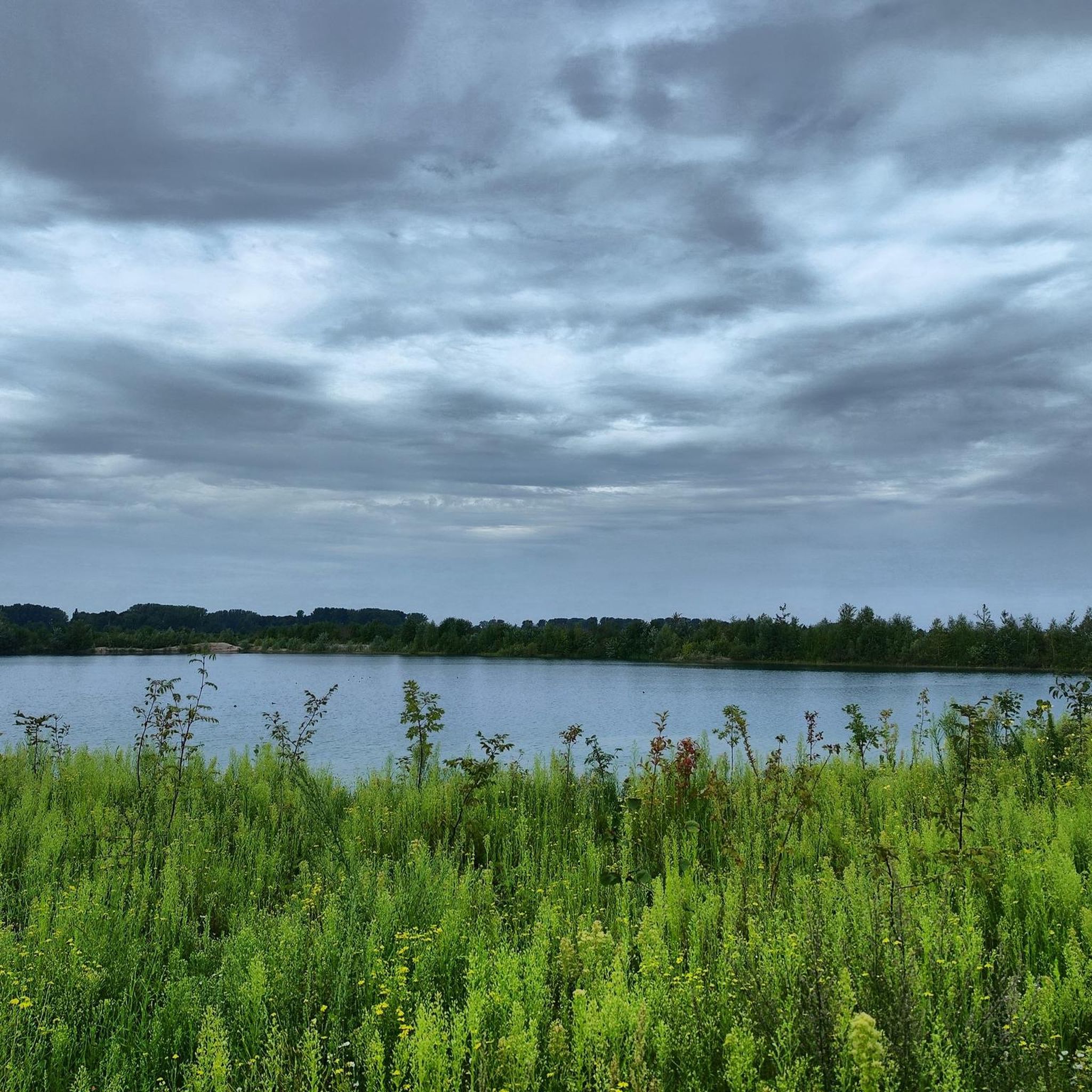
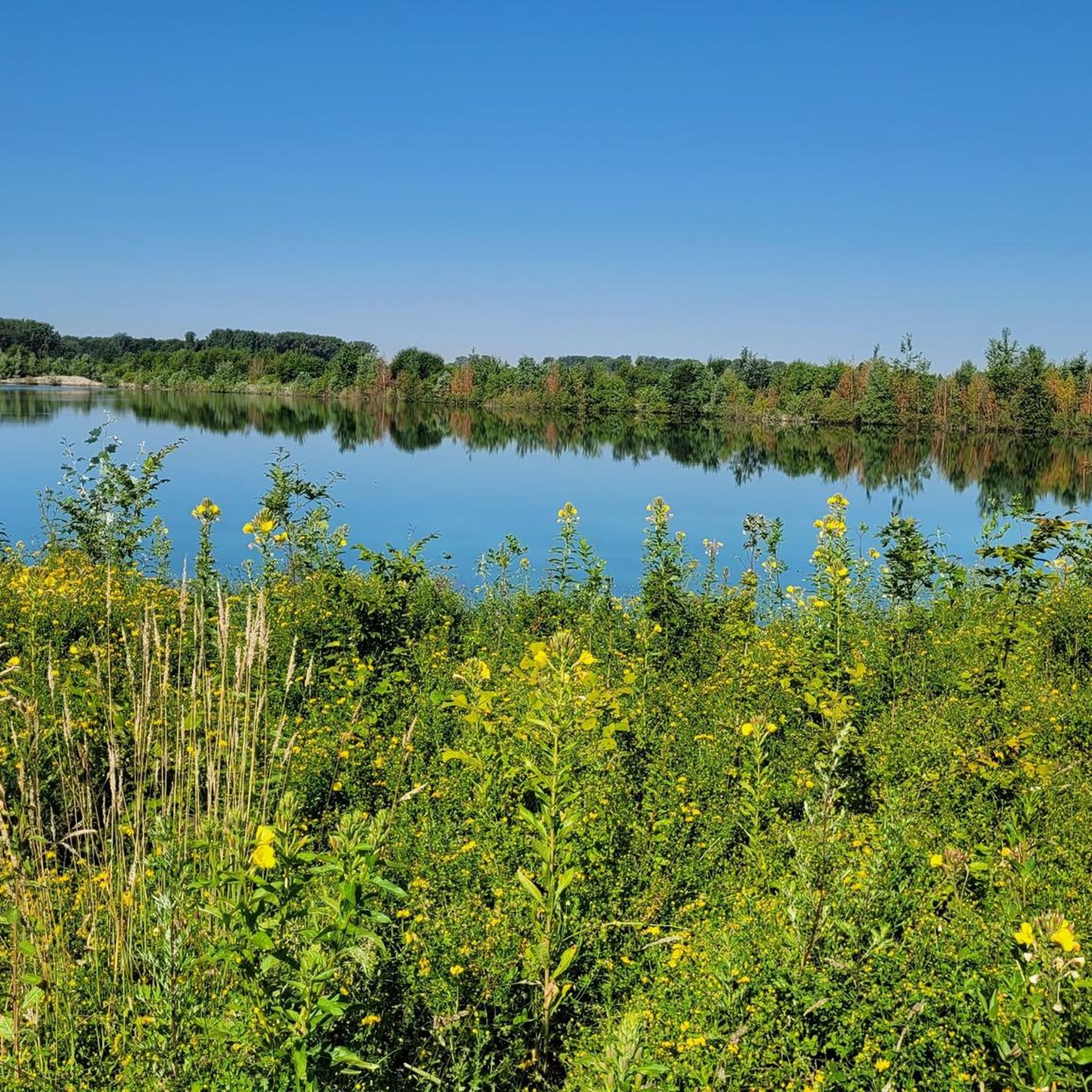
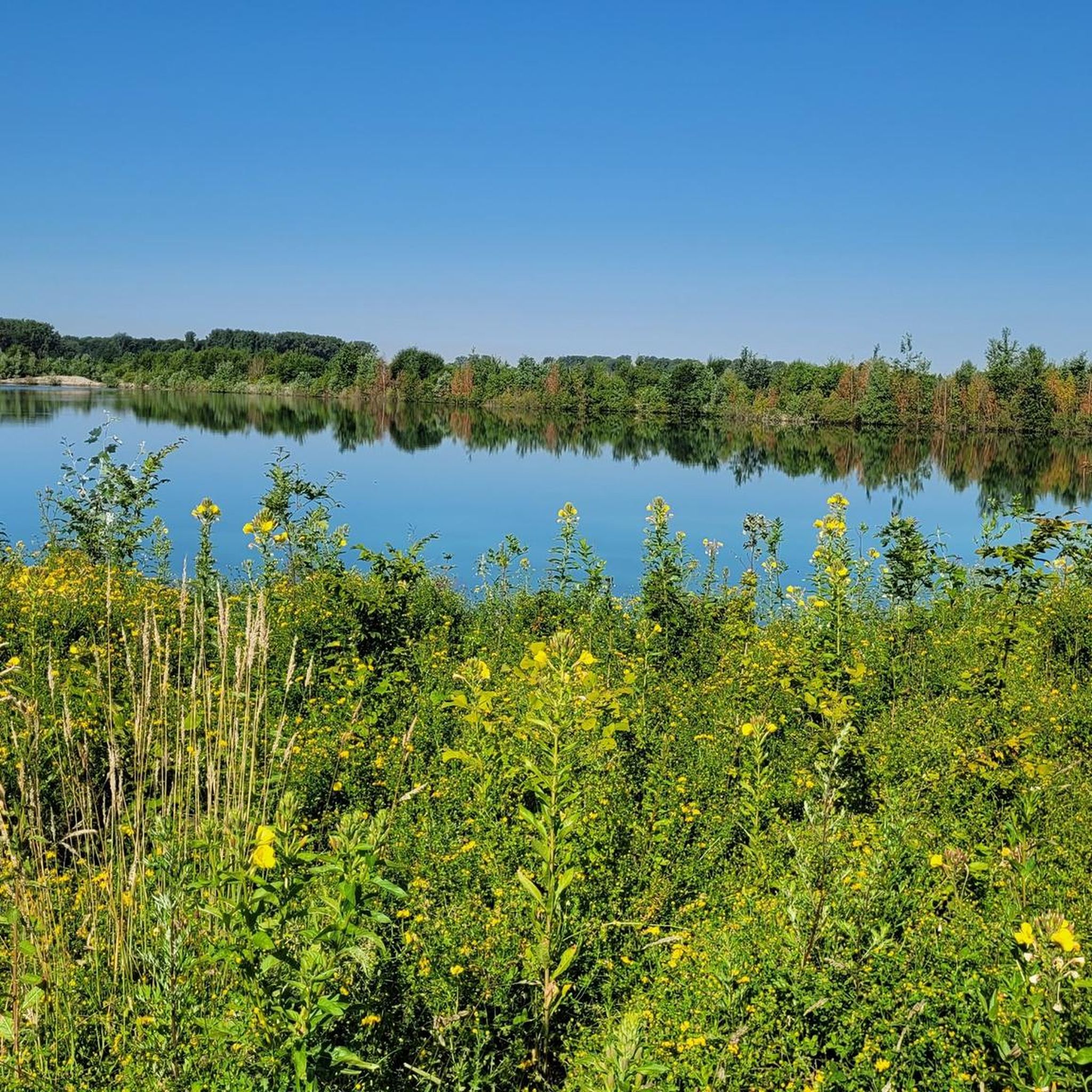
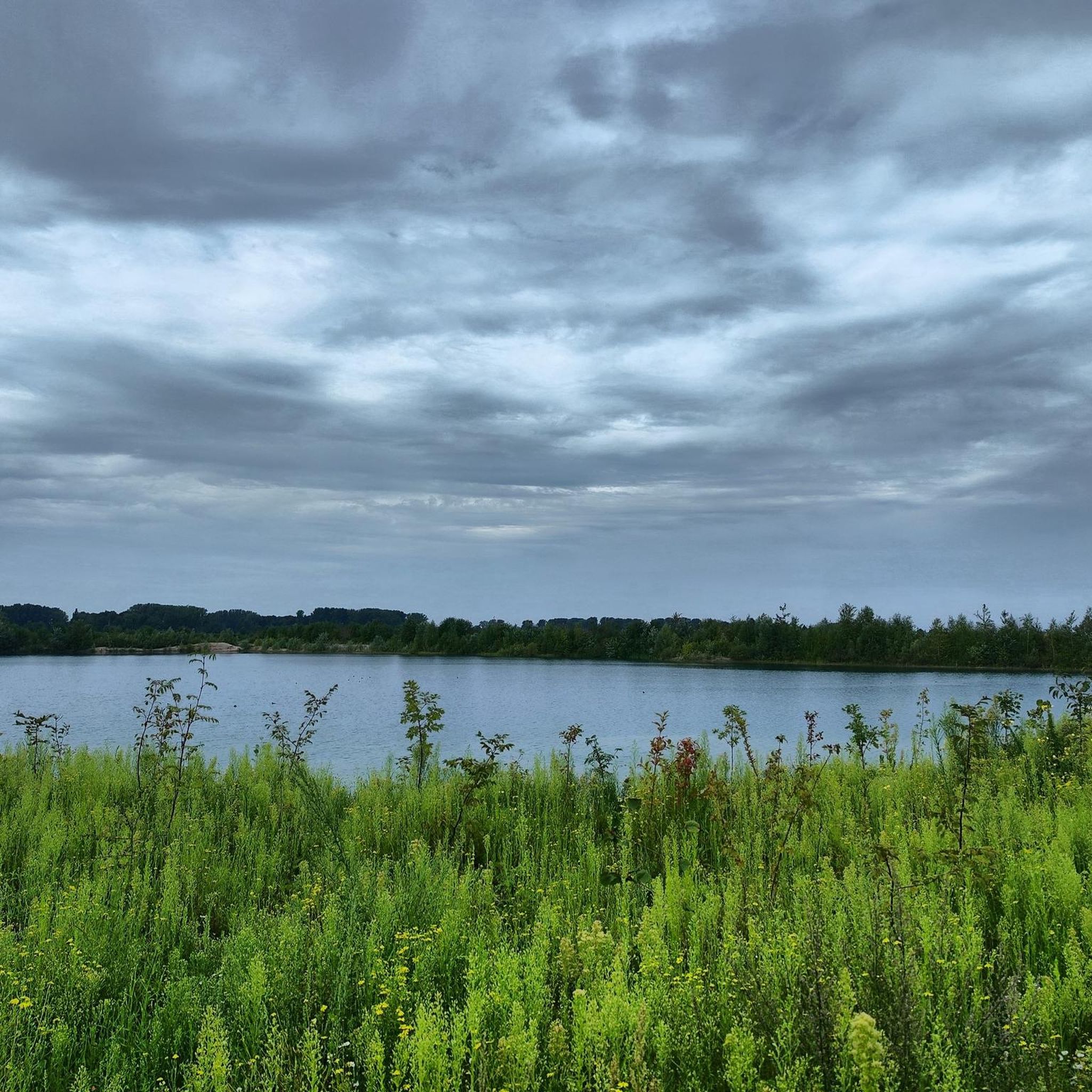
Hiking around Pferdsbroich offers routes through a unique wetland landscape, characterized by its extensive fen and diverse forest types. The region features a mix of alder-birch, bird cherry-alder-ash, and moist pedunculate oak-hornbeam forests, many of which are considered endangered. The area also includes wet meadows, game fields, and former gravel lakes, with the Nordkanal bordering the nature reserve to the north. This varied terrain provides a tranquil setting for outdoor activities.
Best hiking trails around Pferdsbroich
- The most popular hiking…
Last updated: June 21, 2026
4.1
(99)
341
hikers
Moderate hike. Good fitness required. Easily-accessible paths. Suitable for all skill levels.
3.5
(21)
111
hikers
Easy hike. Great for any fitness level. Easily-accessible paths. Suitable for all skill levels.

Sign up for free
3.0
(4)
13
hikers
Moderate hike. Good fitness required. Easily-accessible paths. Suitable for all skill levels.
5.0
(3)
5
hikers
Easy hike. Great for any fitness level. Easily-accessible paths. Suitable for all skill levels.
4
hikers
Easy hike. Great for any fitness level. Easily-accessible paths. Suitable for all skill levels.
Get access to more routes and recommendations from other explorers.
Sign up for free
Already have an account?
Our route recommendations are based on thousands of hikes, rides, and runs completed by other people on komoot.
Start today with a free account
Your next adventure awaits.
Login or Signup

Tips from the Community

great area 👀Tipptop we recommend 👊 will come again no question
0
0
Say what you will... This place is always superbly maintained... Compliments to those who run it. 👌
0
0

Kaarster See station is one of five rail stops in Kaarst and a stop on the Rhine-Ruhr S-Bahn. It is located on the Neuss-Viersen railway line and is the western terminus of line S 28. It is named after Lake Kaarster. The station was opened in 1999 on the Neuss-Viersen railway line to serve the western part of Kaarst. Since then it has served as the start/end point of the S 28, which was newly created in the same year. It is also the terminus at the western end of the part of the railway line that is in operation. Deutsche Bahn wanted to close the railway line completely in the 1990s, but sold it to Regiobahn GmbH, which took it over and renovated it in 1998. The station is located around 900 meters east of Lake Kaarster and at the westernmost point of the populated Kaarst urban area, as well as immediately south of the Nordkanal and Neersener Straße. The Kaarster See hiking car park is 1000 meters away and the Kaarster See sports center, which is not directly on the shore, is 750 meters from the S-Bahn station. (...) On the other side of Neersener Straße there is a bus stop, a P+R car park and bicycle parking spaces. Access to the platform is via ramps and is therefore barrier-free. The station is now the western starting point of line S 28 of the Rhine-Ruhr S-Bahn. It is operated by Regiobahn and runs every 20 minutes Monday to Friday from Kaarster See to Mettmann-Stadtwald via Neuss main station and Düsseldorf main station. Two out of three trips per hour run via Mettmann to Wuppertal main station. On weekends and public holidays, a 30-minute interval is offered along the entire route. The station is also the starting point for two regional bus lines from neighboring Willich and a regional bus line to Kaarst, Neuss-Neusserfurth and Düsseldorf-Oberkassel. Source and link to the full article: https://de.wikipedia.org/wiki/Bahnhof_Kaarster_See
0
0
(Only that this highlight doesn't show the North Canal at all, but the Jüchener Bach, @Irma and @Oliver... 🙄) The Jüchener Bach is a river near Jüchen. The Jüchener Bach, whose source is near Jüchen, was originally fed by three spring streams on the eastern slope of the Lösshöhe and ends at Unterbruch, a district of Willich-Schiefbahn, in the North Canal, west of Kaarst. According to an older map, which does not take into account recent relocations, the Jüchener Bach flows from the area of the Jüchen train station in a northeasterly direction to Bedburdyck, then turns north, flows north via Aldenhoven, St. Nikolas, Scherfhausen, Glehn and Kleinenbroich and flows into the North Canal east of the Schiefbahn train station and west of Linning. Tributaries • Kotthundsgraben (right), 0.8 km • Scheulenbendgraben (left), 1.4 km • Kelzenberger Bach (left), 8.0 km • Kommerbach (left), 7.8 km The Jüchener Bach was called Dieckbach in the 19th century and was at that time a right-bank tributary of the Trietbach, which flowed into the Niers on the right bank via a canalized estuary, the Klergraben,[10] near the district of Unterbroich or Unterbruch of Schiefbahn. The source and course of the stream have changed again and again due to open-cast lignite mining and the development of the cultural landscape. Today the stream is mainly fed by replacement water. Source and link to the full article: https://de.wikipedia.org/wiki/J%C3%BCchener_Bach
1
0
The Willich-Schiefbahn radio tower (also called the Roman Tower) is located in the east of the Willich district of Schiefbahn near the A52. It is 123 meters high and was built in 1970 by the German Federal Post Office. The tower and the platform are built in a solid reinforced concrete construction. It is managed by Deutsche Funkturm, which is part of Deutsche Telekom AG. The tower is not open to the public and is built exclusively for use as a radio tower. The radio tower is currently (2023) used for mobile phone and radio antennas. The tower was previously also used for terrestrial television and radio. The regional radio station NE-WS 89.4 was broadcast from there until 1996. Source and link to the full article: https://de.wikipedia.org/wiki/Fernmeldeturm_Willich-Schiefbahn
1
0
The Pferdsbroich (...) is a protected swamp forest area. (...) The Pferdsbroich lies between Kleinenbroich (in the south) and the neighboring towns of Kaarst-Vorst (in the east) and Willich-Schiefbahn (in the northwest). (...) In the east and south of the area there are two quarry lakes in the Kaarst Lake District. (...) The eastern Pferdsbroichsee, known as the Bressersee, was designed as a natural area after the gravel mining was completed and complements the neighboring nature reserve. In addition to the large quarry lake, a number of smaller, shallow ponds were created as spawning grounds for fish and habitats for amphibians. A similar process will be followed with the southern lake after the gravel extraction has been completed. The Pferdsbroich nature reserve is embedded in the Jüchener Bachaue landscape conservation areas in the east and the Trietbachaue / Raderbroicher Busch / Hoppbruch in the west. The Pferdsbroich is located at the outermost edge of the area of influence of the floodplain for the Garzweiler opencast mine, which is located about 15 km further south. However, this only results in a slight lowering of the water levels in the area. The embankment of the Rhine and the gravel mining had a more serious effect on the moisture. The Pferdsbroich is a floodplain forest area typical of the Lower Rhine region in a silted-up old river channel (...) of the (...) original Rhine. As the silting increased, (...) a fen of fen forest and swampy waters developed in the lowlands. On the edge of the floodplain and fen forest there are some agriculturally used wet meadows and wild fields (...). The Pferdsbroich forms the habitat for numerous moisture-loving animal and plant species (...): Depending on the moisture, the tree population ranges from sedge-alder swamp forest in the wettest locations to poplar, bird cherry-alder-ash forest and pedunculate oak-hornbeam forest to partially reforested mixed forest of ash, linden, maple and oak in the dry areas. The rare and endangered plant species include snakeroot, marsh marigold, stiff sedge, millet sedge, autumn crocus, water fern, winged St. John's wort, marsh trefoil, spiked milfoil, greater fleawort, yellow meadow rue and marsh fern. (...) Source and link to the full article: https://de.wikipedia.org/wiki/Pferdsbroich
3
0

Nice gimmick on a beautiful forest circuit in the Nordkanal area near the Kaarster See.
0
0
Beautiful path that can also be used as a parallel path to the cycle path along the North Canal. In summer it is shady and sheltered from the wind.
2
0
Frequently Asked Questions
How many hiking trails are available in Pferdsbroich?
Pferdsbroich offers a wide variety of hiking opportunities, with over 1000 routes available on komoot. This includes more than 800 easy trails and over 200 moderate options, catering to different fitness levels.
What kind of terrain can I expect when hiking in Pferdsbroich?
The terrain in Pferdsbroich is characterized by its unique wetland landscapes, primarily featuring a wetland forest (Bruchwald) and fen (Niedermoor). You'll encounter diverse forest types, including alder-birch and moist pedunculate oak-hornbeam forests, along with wet meadows and former gravel lakes. Paths are generally accessible, offering a tranquil experience through this ecologically significant area.
Are there hiking routes suitable for beginners or those looking for an easy walk?
Yes, Pferdsbroich is very beginner-friendly, with over 800 easy routes available. An excellent option for an easy walk is the Pferdsbroich Nature Reserve – Jüchener Bach Path loop from Pferdebroich, which is 3.6 miles (5.8 km) long and explores the nature reserve's wetland ecosystems.
What natural features make Pferdsbroich unique for hiking?
Pferdsbroich is unique due to its status as the largest remaining fen in the Nordkanal lowlands, featuring a rare wetland forest. Hikers can experience diverse and often endangered forest types, such as alder-birch and bird cherry-alder-ash forests. The area also includes re-naturalized gravel lakes and the Nordkanal, providing varied and scenic natural backdrops.
What kind of wildlife might I encounter in Pferdsbroich?
The diverse ecosystems of Pferdsbroich support numerous moisture-loving plant and animal species, including several endangered ones. You might spot rare plants like marsh calla, marsh marigold, and bogbean. Early mornings or dusk offer opportunities to see deer and hares, while various bird species, including woodpeckers, are commonly heard and seen throughout the reserve.
Are there any specific points of interest or landmarks to look out for during a hike?
Yes, the area offers several interesting points. You can explore the Pferdsbroich Nature Reserve itself, which is a natural monument. Another unique feature is the Overgrown Old Country Road, where nature is reclaiming a paved section, offering a distinctive sight. There are also narrow paths within the reserve, like the Narrow path in Pferdebroich Nature Reserve, providing an intimate experience of the protected environment.
Is Pferdsbroich suitable for family hikes?
Yes, Pferdsbroich is well-suited for family hikes. Many of the paths are generally accessible and easy, making them suitable for all ages. The tranquil natural setting and opportunities to observe wildlife and unique plant species can make for an engaging outdoor experience for families.
Can I bring my dog on the hiking trails in Pferdsbroich?
While the region is a nature reserve, dogs are generally welcome on the hiking trails in Pferdsbroich. However, it's always recommended to keep dogs on a leash to protect the local wildlife and sensitive ecosystems, especially given the presence of endangered species and ground-nesting birds.
Are there any circular hiking routes in Pferdsbroich?
Yes, many of the hiking routes in Pferdsbroich are circular, allowing you to start and end at the same point. For example, the Pferdsbroich Nature Reserve – Raderbroicher Busch loop from Pferdebroich is a popular 6.8 miles (11.0 km) circular trail that takes you through diverse forest types.
What do other hikers enjoy the most about hiking in Pferdsbroich?
The area is highly rated by the komoot community, with an average score of 4.3 stars from over 3,700 reviews. Hikers often praise the tranquil natural setting, the unique wetland ecosystems, and the diverse forest landscapes that offer a peaceful escape into nature.
What is the best time of year to hike in Pferdsbroich?
Pferdsbroich offers distinct natural beauty throughout the year. Spring brings the fresh scent of wild garlic and blooming marsh plants. Summer provides lush greenery. Autumn transforms the landscape with vibrant colors and the sweet scent of damp leaves. Even winter offers a serene experience, though paths might be wetter due to the wetland nature of the reserve.
Most popular routes around Pferdsbroich
Most popular attractions around Pferdsbroich

Get inspired with the komoot mobile app


Explore more
Browse the best Hikes in other regions.
