The best walks and hikes around Kaloko
4.7
(39)
909
hikers
32
hikes
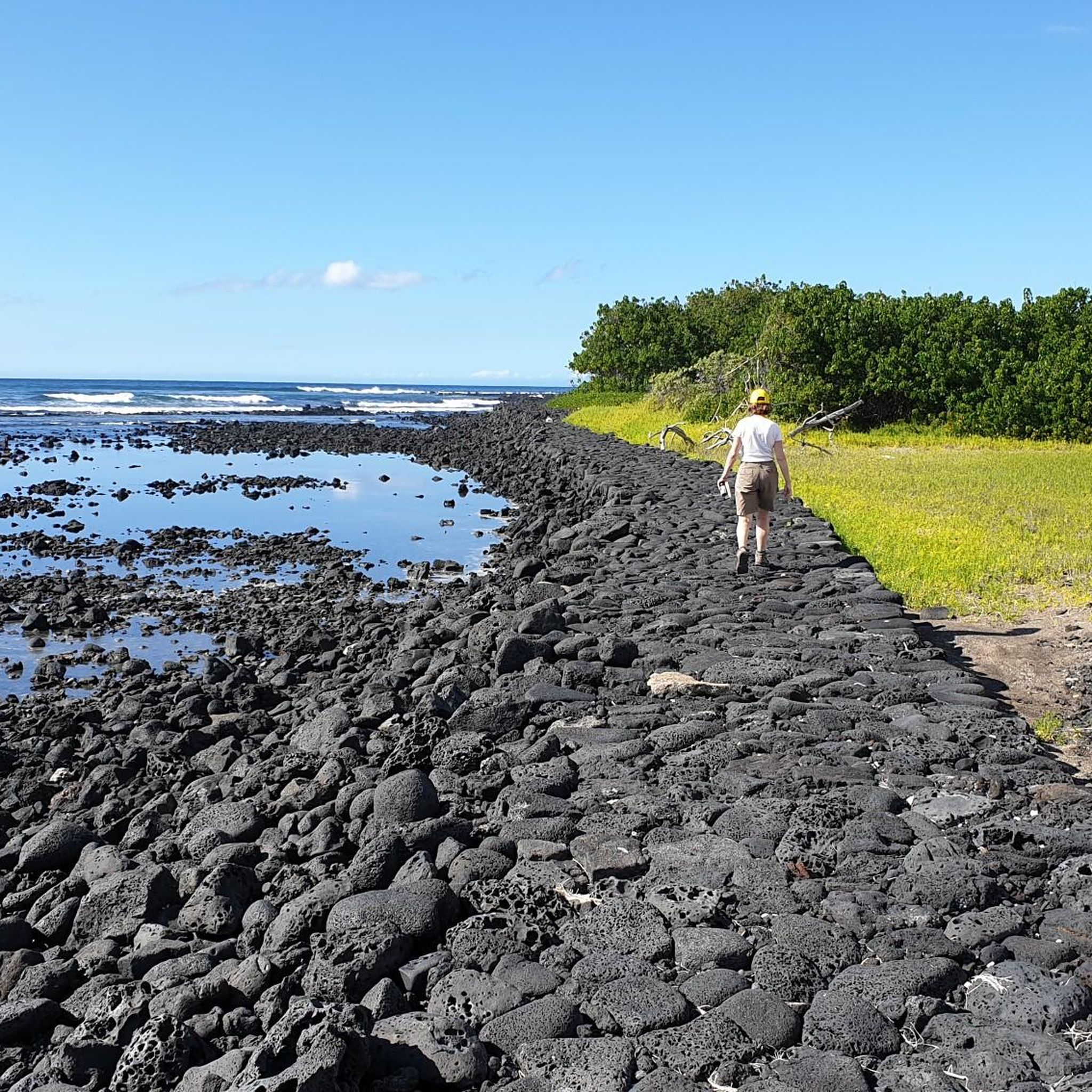
Hiking around Kaloko features a diverse landscape characterized by its rugged Kona coastline, arid lava fields, and rocky shorelines, interspersed with sandy beaches and mangrove wetlands. The region preserves ancient Hawaiian settlements, offering trails that traverse traditional *ahupuaʻa* land divisions. Hikers can explore areas with brackish water springs and anchialine pools, providing varied natural features.
Best hiking trails around Kaloko
- The most popular hiking route is Petroglyph Boardwalk Trail loop from Kaloko-Honokōhau National Historical Park, a 3.8 miles (6.1…
Last updated: July 7, 2026
4.4
(14)
133
hikers
5.46km
01:39
180m
180m
Easy hike. Great for any fitness level. Easily-accessible paths. Suitable for all skill levels.
5.0
(1)
24
hikers
6.40km
01:39
40m
40m
Easy hike. Great for any fitness level. Easily-accessible paths. Suitable for all skill levels.

Sign up for free
4.2
(5)
49
hikers
Easy hike. Great for any fitness level. Easily-accessible paths. Suitable for all skill levels.
4.5
(2)
40
hikers
Easy hike. Great for any fitness level. Easily-accessible paths. Suitable for all skill levels.
3.8
(4)
34
hikers
Easy hike. Great for any fitness level. Easily-accessible paths. Suitable for all skill levels.
Get access to more routes and recommendations from other explorers.
Sign up for free
Already have an account?
Our route recommendations are based on thousands of hikes, rides, and runs completed by other people on komoot.
Start today with a free account
Your next adventure awaits.
Login or Signup
Popular around Kaloko
Tips from the Community

great place to spot sea turtles
1
0

Remains of an old Hawaiian settlement
4
0
The small circular path leads past numerous petroglyphs
2
0
beautiful sandy beach for swimming and during our visit we saw numerous sea turtles
3
0

The Jurassic Park Trail is a short, switchbacking trail that connects the Flat Top Trail to the Tree Stump Trail. This tight technical descent through a rooty jungle to a dead end street where you can park you car, but you can also take a trail just before the trail poster board, Tree Stumps Trail, and to meet up along Old Hao Road to complete the Kaloko Loop.
0
0

Ka'elehuluhulu Beach is part of the Kekaha Kai State Park and the easiest of the beaches in the state park to reach due to some of the roads. Here you can find restrooms, BBQ grills, picnic tables, and plenty of shade. The waters surrounding the beach are part of the Hawaiian Islands Humpback Whale National Marine Sanctuary!
0
0

Makāula ʻOʻoma Trail is a trail system of almost 4 miles in the Honuaʻula Forest Reserve. The loop can be shortened if you don't want to go for the whole distance. Thanks to the higher elevation, it gets much colder and wetter inside the tree fern forest compared to other parts of the island.
0
0
Compared to nearby Ka‘elehuluhulu Beach, it takes a little walking to reach Mahai‘ula Beach (it's still not a long hike from the parking lot, don't worry!). But when you reach the beach, you will find a rarely crowded, beautiful beach to go swimming and snorkeling in the crystal clear water. It is not uncommon to spot monk seals or sea turtles relaxing at the beach.
1
0
Frequently Asked Questions
What is the typical terrain like for hiking in Kaloko?
Hiking in Kaloko features a diverse landscape, primarily characterized by its rugged Kona coastline, arid lava fields, and rocky shorelines. You'll also find sandy beaches and mangrove wetlands. Trails often traverse ancient Hawaiian *ahupuaʻa* land divisions, offering a mix of coastal paths and historical routes. Be prepared for exposed areas with little shade, especially along the coast.
What historical sites can I explore while hiking in Kaloko?
Kaloko-Honokōhau National Historical Park is rich in historical and cultural attractions. Hikers can discover ancient Hawaiian fishponds like Kaloko Fishpond and ʻAimakapā Fishpond, as well as the ʻAiʻopio Fishtrap. The Petroglyph Boardwalk Trail loop, for instance, leads through historical sites and past *kiʻi pōhaku* (petroglyphs). You can also find *kahua* (house site platforms) and *heiau* (religious temples) throughout the park. For more information on the park's history, you can visit the National Park Service website.
Are there any unique natural features to see on Kaloko's trails?
Yes, the region boasts several unique natural features. You can encounter brackish water springs and anchialine pools, which are tide-influenced pools near the shoreline that host various crustaceans, including the endemic *ʻopaeʻula* (red shrimp). The diverse ecosystems also include lava fields, rocky coastlines, and sandy beaches like Ka‘elehuluhulu Beach and Makalawena Beach.
Do I need a permit to hike in Kaloko-Honokōhau National Historical Park?
Generally, you do not need a permit for day hiking within Kaloko-Honokōhau National Historical Park. However, it's always a good idea to check the official National Park Service website for any updated regulations or specific requirements for certain activities or areas within the park.
What is the best time of year to go hiking in Kaloko?
Kaloko experiences a hot, arid climate typical of the Kona coastline. Hiking is generally possible year-round, but it's advisable to hike during the cooler parts of the day, such as early mornings or late afternoons, to avoid the midday heat. Always carry plenty of water, as shade is limited on many trails.
Are there family-friendly hiking options in Kaloko?
Yes, many of the trails in Kaloko are rated as easy, making them suitable for families. For example, the Petroglyph Boardwalk Trail loop is an easy 3.8-mile route that offers historical insights without significant elevation gain. The Ka‘elehuluhulu Beach & Mahai‘ula Beach trail is another easy option, providing scenic coastal views and beach access.
Are dogs allowed on the hiking trails in Kaloko?
Within Kaloko-Honokōhau National Historical Park, pets are generally permitted on paved roads and in parking areas, but not on trails, beaches, or in archaeological sites, with the exception of service animals. Always check the specific regulations on the National Park Service website before bringing your dog.
What wildlife can I expect to see while hiking in Kaloko?
The park is a sanctuary for diverse wildlife. Hikers often spot *honu* (Hawaiian green sea turtles) basking on the sandy shores and Hawaiian monk seals. Birdwatchers can look for native birds such as the endangered *aeʻo* (Hawaiian stilt) and *ʻalae keʻokeʻo* (Hawaiian coot), particularly around the fishponds and wetlands.
Are there any circular hiking routes in Kaloko?
Yes, there are several circular routes available. A popular option is the Petroglyph Boardwalk Trail loop from Kaloko-Honokōhau National Historical Park, which is 3.8 miles long. Another loop trail is the Makāula ʻOʻoma Trail loop in Honuaʻula Forest Reserve.
What should I bring for a hike in Kaloko?
Given the hot and exposed conditions, it's crucial to bring plenty of water, sun protection (hat, sunscreen, sunglasses), and sturdy closed-toe shoes. Light, breathable clothing is recommended. A map or GPS device is also helpful, as some areas may have limited signage. Consider bringing snacks and a camera to capture the scenic views and wildlife.
What do other hikers enjoy the most about hiking in Kaloko?
The area is highly rated by the komoot community, with an average score of 4.5 stars from over 30 reviews. Reviewers often praise the unique blend of historical significance, diverse landscapes, and opportunities for wildlife viewing, especially the chance to see green sea turtles. The coastal views and ancient Hawaiian sites are frequently highlighted as favorite aspects.
Are there any challenging trails near Kaloko for experienced hikers?
While many trails in the immediate Kaloko area are rated easy to moderate, the challenging coastal environment with its exposed areas and lava fields can be demanding. The region's trails generally offer options for easy to moderate ability levels. For more strenuous hikes, you might need to explore areas further inland or longer sections of the Ala Kahakai National Historic Trail that traverse the park, which can be more challenging due to length and exposure.
Most popular routes around Kaloko
Most popular attractions around Kaloko

Get inspired with the komoot mobile app


Explore more
Browse the best Hikes in other regions.
