The best cycling routes around Aqualate Mere
4.6
(29)
571
riders
119
rides
Touring cycling routes around Aqualate Mere are characterized by a generally flat terrain, making them accessible for a wide range of cyclists. The region, located near Newport on the Shropshire/Staffordshire border, features a blend of lush woodlands and open grasslands. Aqualate Mere itself is the largest natural lake in the English Midlands, a shallow glacial lake surrounded by diverse wildlife. Many routes utilize dedicated cycling infrastructure, including sections of National Cycle Network Route 55 and Regional Route 75, often on…
Last updated: August 16, 2026
8
riders
19.5km
01:10
100m
100m
Easy bike ride. Great for any fitness level. Mostly paved surfaces. Suitable for all skill levels.
4
riders
Easy bike ride. Great for any fitness level. Mostly paved surfaces. Suitable for all skill levels.

Sign up for free
6
riders
29.5km
01:45
180m
180m
Moderate bike ride. Good fitness required. Mostly paved surfaces. Suitable for all skill levels.
8
riders
71.0km
04:11
400m
400m
Moderate bike ride. Good fitness required. Mostly paved surfaces. Suitable for all skill levels.
4.0
(1)
4
riders
43.2km
02:39
280m
280m
Moderate bike ride. Good fitness required. Mostly paved surfaces. Suitable for all skill levels.
Get access to more routes and recommendations from other explorers.
Sign up for free
Already have an account?
Our route recommendations are based on thousands of hikes, rides, and runs completed by other people on komoot.
Start today with a free account
Your next adventure awaits.
Login or Signup

Tips from the Community

In the search for a worthy patron saint for this church, the Archangel Michael was initially chosen, whose name (derived from Hebrew) means "Who is like God?". However, it was then apparently decided that it wouldn't hurt to significantly increase the number of intercessors before God's throne for this church and its parishioners. Thus, the idea arose not to choose just a single patron saint, but to extend the patronage to the entire heavenly host (i.e., "All Angels").
0
0


Is the Cafe’s name just that - Cycle Stop? Thanks
0
0

The present Church of St Nicholas is of Norman origin but was lengthened in the 14th century. The Perpendicular style tower was added around 1460 by the Earl of Warwick but he didn't get round to finish the job and top it off with a spire. Being an Earl must be a tad busy I guess!
0
0

There has been a Church in Norbury for well over 1000 years. North Burie (Norbury) was a Saxon Settlement and St. Chad, the first Bishop of Mercia, may have come from Lichfield to found a church here. The current building was completed in the 14th Century, circa 1340, probably by Ralph de Botiller (d 1342), Lord of the Manor, whose tomb is in the chancel. Close by the tomb is the oldest Staffordshire brass memorial plate. The lady depicted is the wife of Ralph de Botiller (d 1359). The home in the 14th Century of the Bottilers and subsequent Lords of the Manor was on a moated site which the remains can still be seen close to Norbury Manor Farm (a short walk from Norbury Junction). The church was constructed in the 'Decorated' Style, indicated by the design of the medieval windows, and other architectural features including the Sedilia- stone niches for seats for the clergy. The Church consists of a wide nave and a long chancel, constructed from local red sandstone. The high pitched, lofty timber framed nave roof is thought to be the original, although the chancel roof, is probably late 15th or 16th Century. The medieval church had a west tower, which was replaced in brick in 1759, possibly by William Baker (1705-71), architect of Audlem, although the new tower is said to have been built around older stonework at the base (and has 17th Century bells). Restoration in 1826-29 (recorded on tablet on north vestry) included addition of north vestry and a west gallery, at a cost of £700. The gallery was later taken down and the present pews were installed later in the 19th Century. The east window was installed in 1873 to the design of Miss C.S. Burne.
0
0
Frequently Asked Questions
How many touring cycling routes are available around Aqualate Mere?
There are over 140 touring cycling routes around Aqualate Mere, offering a wide range of options for different skill levels and preferences. You'll find routes suitable for easy rides and more moderate challenges.
What is the terrain like for touring cycling around Aqualate Mere?
The terrain around Aqualate Mere is generally flat, making it accessible for most cyclists. Routes often feature mostly paved surfaces or quiet rural lanes. While some paths might be unpaved and muddy in wetter months, the majority are well-suited for touring bikes. The area is characterized by lush woodlands, open grasslands, and the unique glacial lake itself.
Are there any family-friendly cycling routes in the Aqualate Mere area?
Yes, Aqualate Mere offers several easy routes suitable for families. For example, the Willow-Covered Pond – Vintage Water Fountain loop from Newport is an easy 19.3 km path that provides scenic views of the natural park and its diverse habitats, perfect for a relaxed family outing.
What kind of wildlife can I expect to see while cycling around Aqualate Mere?
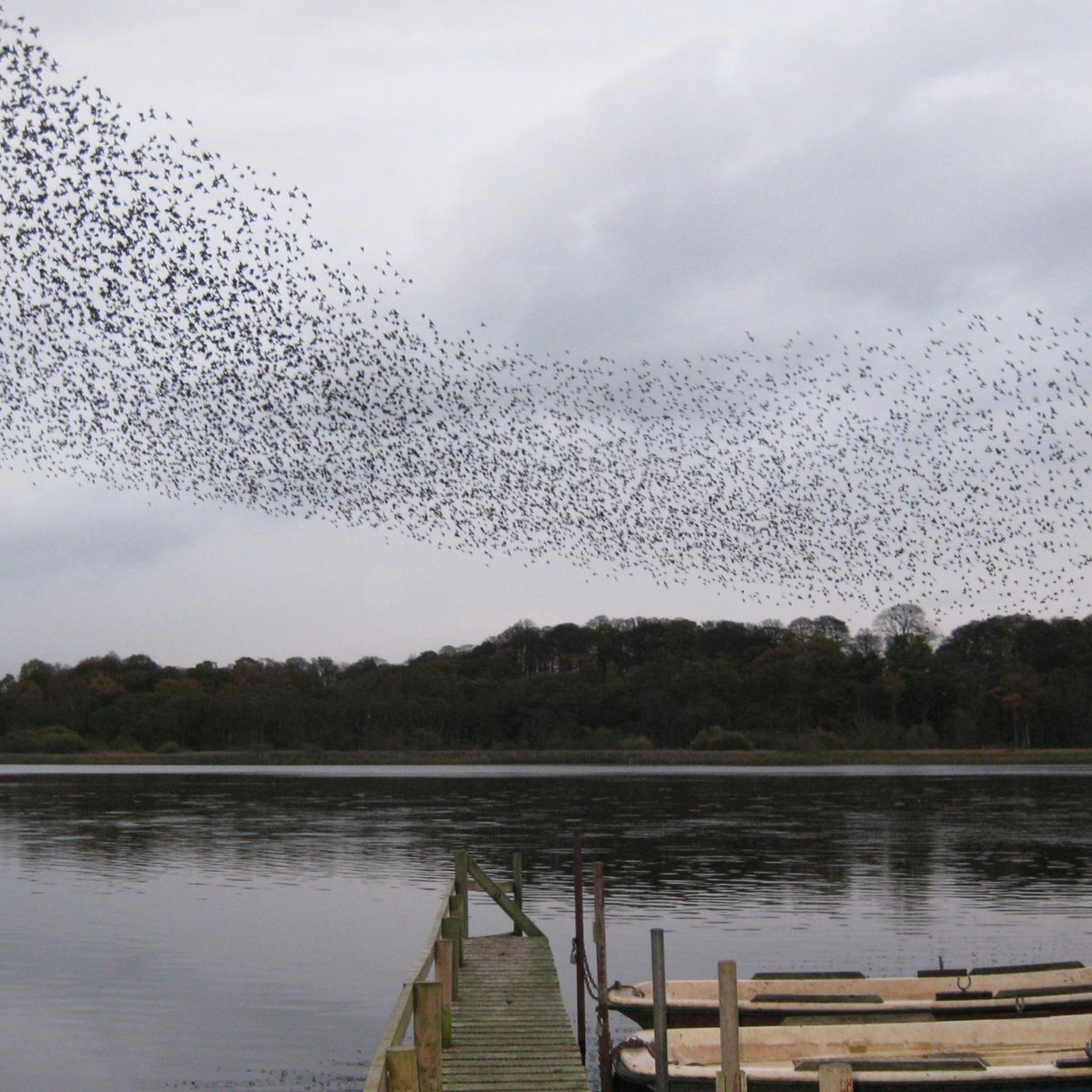
Aqualate Mere is a National Nature Reserve and a haven for wildlife. Cyclists can often spot diverse bird species, including wintering and breeding wildfowl like mallard, teal, and heron. The reserve also hosts a large heronry. Mammals such as otters, polecats, and various bat species inhabit the area. During winter evenings, large murmurations of starlings can be observed.
Are there circular cycling routes available around Aqualate Mere?
Many of the touring cycling routes around Aqualate Mere are designed as loops, allowing you to start and finish in the same location. A popular example is the St Nicholas' Church, Newport – Hundred Acre Forest Café loop from Newport, which is a moderate 20.7 km trail exploring varied landscapes.
What are some notable landmarks or towns to explore near the cycling routes?
The cycling routes often pass near or through charming towns. Newport offers a waterside stroll along its old canal. Eccleshall boasts a high street with Georgian buildings, a 12th-century church, and a 13th-century castle. You might also encounter specific points of interest like the Wooden Smiling Man Birdhouse or the Pretty Pinks Café along various routes.
Where can I find refreshments or places to eat along the cycling routes?
Towns like Newport, Forton, and Eccleshall, which are often part of or close to the cycling routes, offer options for refreshments. In Forton, you can find the Swan Inn. Many routes also feature cafes or tea rooms, such as the Hundred Acre Forest Café or the Smallwood Lodge Tea Room, providing convenient stops for cyclists.
What is the best time of year to go touring cycling around Aqualate Mere?
The area is enjoyable for cycling throughout much of the year. The generally flat terrain makes it accessible. While some paths can be muddy in wetter months, the majority of touring routes are on well-surfaced roads or quiet lanes. Spring and summer offer lush scenery, while autumn provides beautiful colors. Winter can be good for spotting specific wildfowl and starling murmurations.
Are there options for longer touring cycling routes in the region?
Yes, for those seeking a longer ride, routes like the Wroxeter Roman City – Cruck Cottage, Upton Magna loop from Forton offer a substantial journey of over 72 km, exploring areas further afield while still being accessible from the Aqualate Mere vicinity.
What do other touring cyclists enjoy most about cycling in Aqualate Mere?
The area is highly rated by the komoot community, with an average score of 4.6 stars. Reviewers often praise the quiet rural lanes, the diverse scenery ranging from woodlands to open grasslands, and the accessibility of the generally flat routes. The opportunity for wildlife spotting and the well-maintained paths are also frequently highlighted.
Is there dedicated cycling infrastructure around Aqualate Mere?
Yes, the area benefits from dedicated cycling infrastructure. Sections of National Cycle Network Route 55 and Regional Route 75 pass through or near the reserve, providing clear pathways for cyclists. There is also a bicycle rack available at the car park for convenience.
Most popular routes around Aqualate Mere

Get inspired with the komoot mobile app


Explore more
Browse the best Cycling routes in other regions.
