Top 9 Waterfalls around Mammoth Lakes
Best waterfalls around Mammoth Lakes are found in the Eastern Sierras of California, an area characterized by its mountainous terrain and diverse natural features. The region is known for its impressive waterfalls, often formed by glacial erosion and volcanic activity. These natural cascades contribute to the area's appeal for outdoor enthusiasts seeking varied landscapes. The waterfalls are often integrated into larger trail systems, offering opportunities for exploration within a significant natural environment.
Best waterfalls around Mammoth Lakes
- The most popular…
Last updated: October 11, 2026
Rainbow Falls
Highlight • Waterfall
Tip by

Twin Lakes
Highlight • Lake
Translated by Google •
Tip by

Sign up now to discover places like this
Get recommendations on the best single tracks, peaks, & plenty of other exciting outdoor places.
Beautiful bridge over Shadow Creek
Highlight • Bridge
Tip by
Great camp spot at Minaret Falls
Highlight • Rest Area
Tip by
View of Shadow Creek falls 🌊 from PCT
Highlight • Viewpoint
Tip by
Start today with a free account
Your next adventure awaits.
Tips from the Community

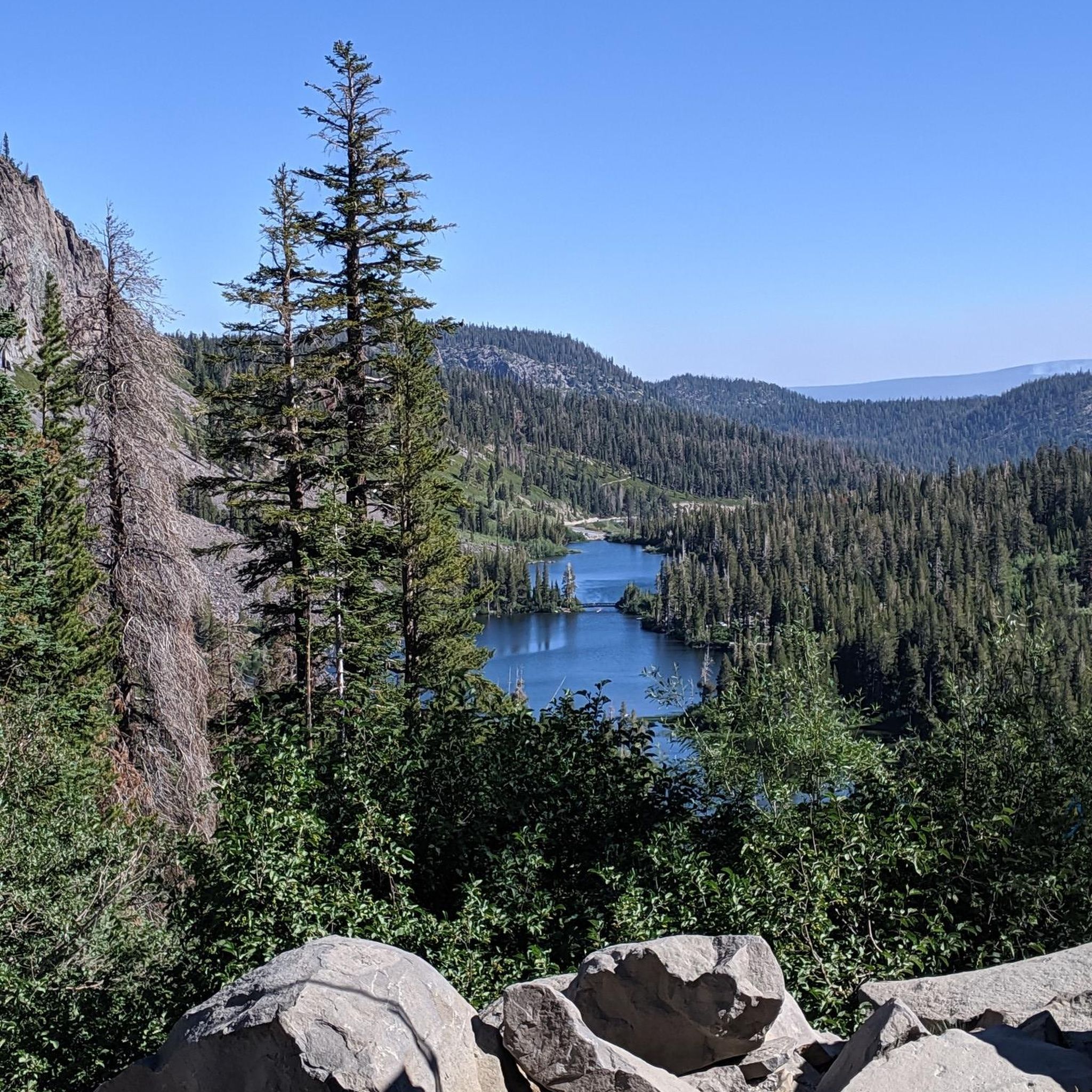
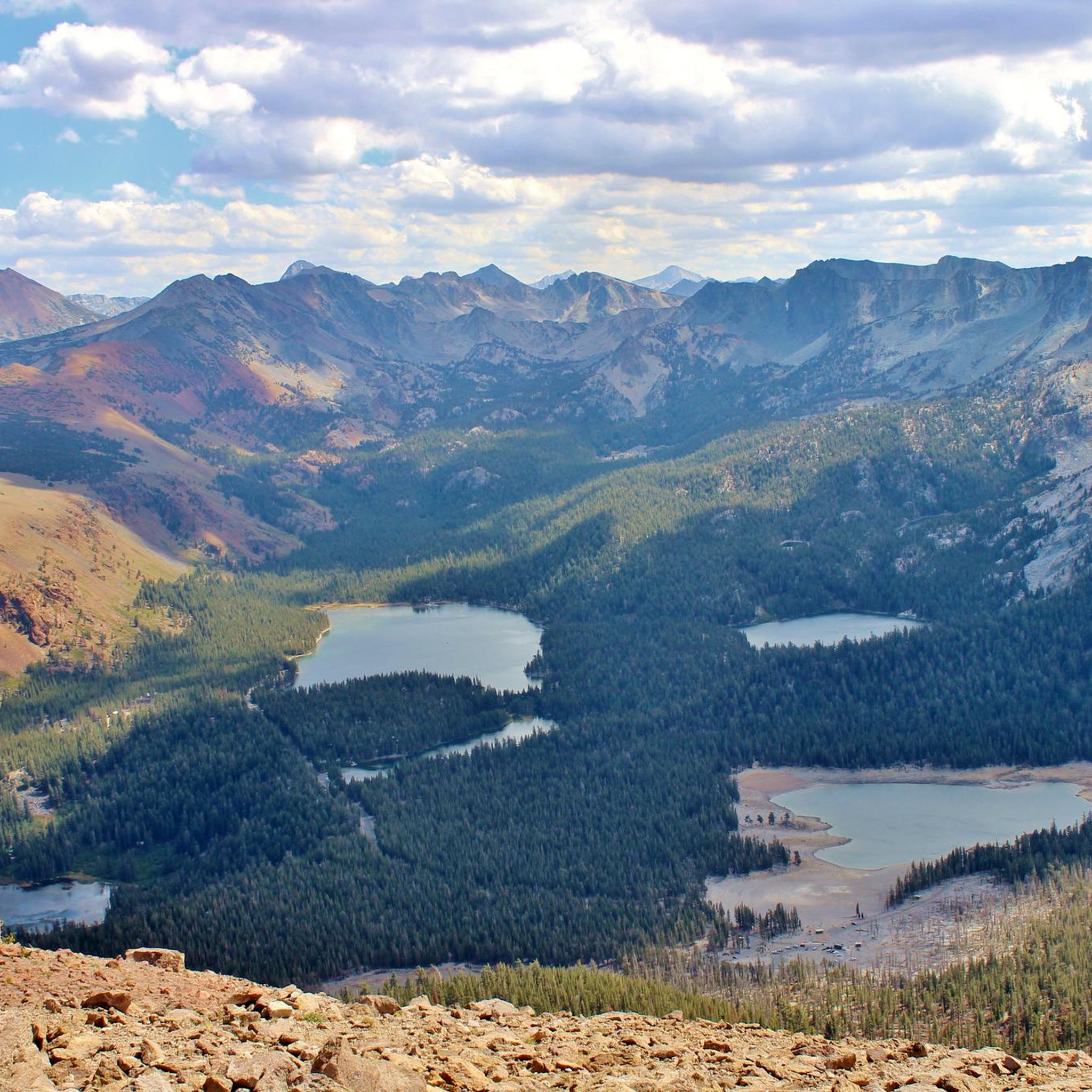
Twin Lakes, as its name suggests, is a park comprised of a set of connected lakes to the southeast of Mammoth Mountain. Eruptions of Mammoth Mountain caused the formation of lava cliffs on one side of the lakes. The other side has a campground and ski lodge.
0
0

Rainbow Falls is a 101-foot waterfall, which is the largest falls on the San Joaquin River. The falls are located a short distance off the Pacific Crest Trail.
0
0

Twin Lakes is just a few minutes drive from Mammoth Lakes. In spring a huge waterfall thunders from the mountains. The lakes are filled with trout, so it is worth taking a fishing rod.
2
0
Just a few yards from the stunning Minaret Falls is this little wild campspot. It is flat enough for two tents. You can get water from a small stream close to the San Joaquin River.
3
0
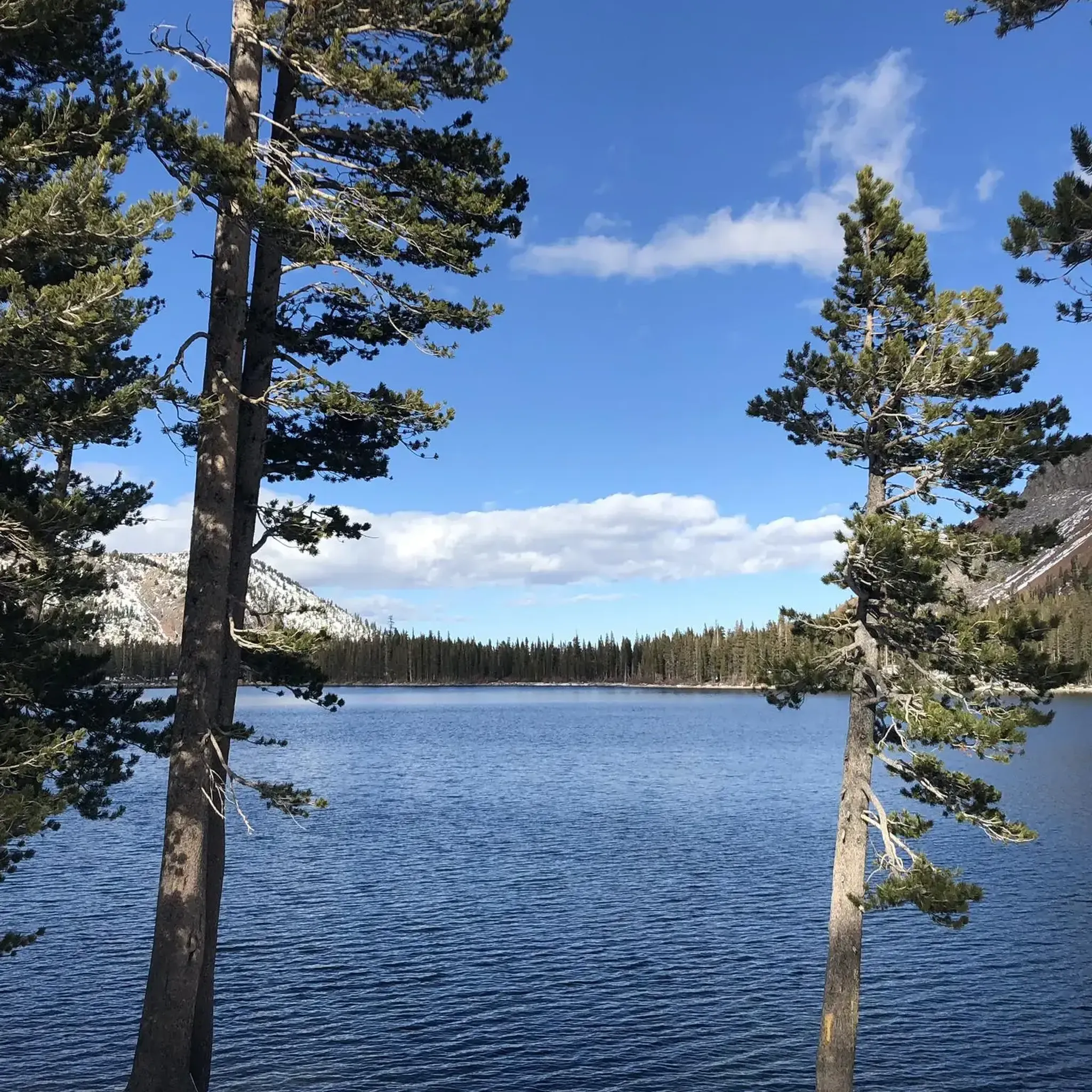
Crystal clear water flows from the top of the mountains into Shadow Creek that drains into stunning Shadow Lake. A wooden bridge is there for you to keep your feet dry. It is a perfect place for a break.
6
0

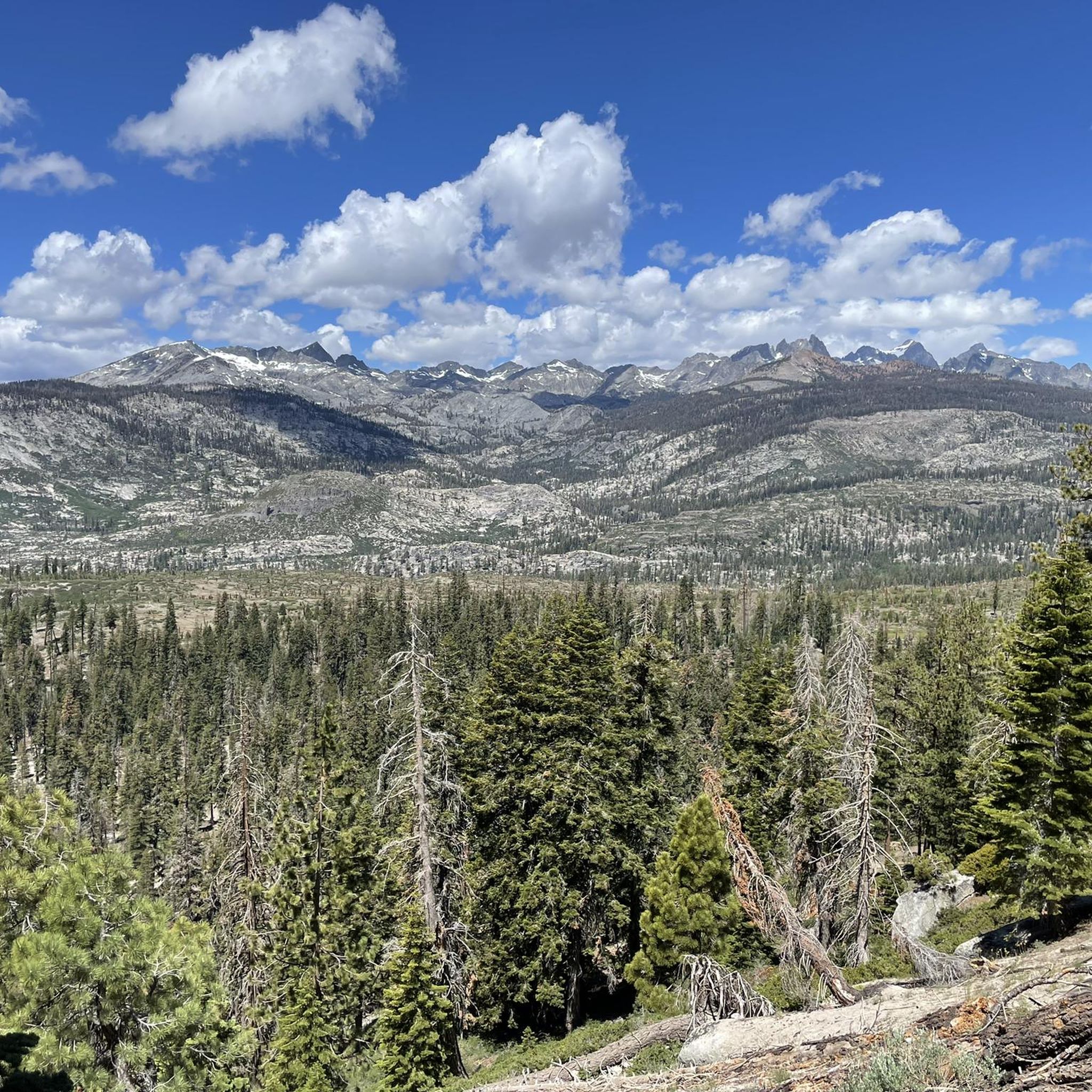
Almost every turn of this stretch of the PCT high above the San Joaquin river valley opens new vistas to the West, here of the water gushing out of Shadow lake down the exposed granite walls, with the Minarets range in the background.
1
0
Twin Lakes is just a few minutes drive from Mammoth Lakes. In spring a huge waterfall thunders from the mountains. The lakes are filled with trout, so it is worth taking a fishing rod.
5
0
Rainbow Falls is the highest waterfall on the Middle Fork of the San Joaquin River. Plunging 101-feet down to the turbulent water below, the falls are named for the rainbows that appear in its mist throughout sunny summer days. It is located in Devils Postpile National Monument near Mammoth Mountain. The national monument protects Devil's Postpile, an unusual rock formation of columnar basalt. Devils Postpile National Monument encompasses 798 acres. In addition, the John Muir Trail and Pacific Crest Trail merge into one trail as they pass through the monument. Excluding a small developed area containing the monument headquarters, visitor center and a campground; the National Monument lies within the borders of the Ansel Adams Wilderness. About 75,000 years ago, lava erupted from a vent just east of the present-day Falls. The eruption occurred in two stages. The first pulse of lava flowed about 1 kilometre (0.62 mi) westward and pooled in the Middle Fork of the San Joaquin drainage. The second pulse of lava insulated the first, allowing it to cool slowly and to fracture vertically. The layer above cooled under different conditions and fractured horizontally. Geologists describe these rocks as platy rhyodacite and are visible in the cliffs that surround Rainbow Falls. As water rushes over the cliff, it erodes the vertically fractured rhyodacite more easily. A small cavern begins to form at the base of the Falls, and the overlying rock loses its support and collapses. This process, known as undercutting, causes the waterfall to recede slowly upstream. To date Rainbow Falls has retreated about 500 feet (150 m) due to undercutting. https://en.wikipedia.org/wiki/Rainbow_Falls_%28California%29 https://en.wikipedia.org/wiki/Devils_Postpile_National_Monument https://www.nps.gov/depo/planyourvisit/nearbyattractions.htm
4
0
Frequently Asked Questions
When is the best time to visit the waterfalls around Mammoth Lakes?
The best time to visit the waterfalls in Mammoth Lakes is typically in spring and early summer. During these months, snowmelt from the mountains ensures the waterfalls are at their most powerful and spectacular. For instance, Horsetail Falls has its best flow in spring and early summer, and Twin Lakes sees a huge waterfall from the mountains in spring.
Are there family-friendly waterfalls in the Mammoth Lakes area?
Yes, several waterfalls are suitable for families. Twin Lakes is easily accessible and offers picturesque views, making it a great spot for all ages. The hike to Rainbow Falls is also popular and relatively flat, making it accessible for many families.
What outdoor activities can I do near the waterfalls in Mammoth Lakes?
The area around Mammoth Lakes offers a variety of outdoor activities. You can find numerous hiking trails, including easy routes like the McLeod Lake Trail or more moderate options like the Twin Lakes and Lake Mary Loop. There are also opportunities for gravel biking and running trails, allowing you to explore the diverse landscapes surrounding the waterfalls.
Are there any waterfalls where I can swim or cool off?
Yes, at the base of Rainbow Falls, some visitors enjoy swimming in the pool, especially on warm summer days. The powerful cascade and refreshing mist make it a popular spot to cool down.
What are some less crowded waterfalls to visit in Mammoth Lakes?
For a potentially less crowded experience, consider exploring Lundy Canyon Waterfalls, known for their incredible cascades and vibrant canyon views. Minaret Falls, visible from various vantage points, also offers a more secluded feel, especially if you venture along the River Trail/Pacific Crest Trail.
Are permits required to hike to waterfalls in Mammoth Lakes?
Permit requirements can vary depending on the specific trail and whether you plan to enter wilderness areas or stay overnight. For example, Rainbow Falls is located within Devils Postpile National Monument, which may have specific entry or use regulations. It's always best to check with the local ranger station or park service for the most current information regarding permits before your visit.
Where can I find parking for waterfalls like Rainbow Falls?
For Rainbow Falls, parking is typically available at the Rainbow Falls Trailhead. For Twin Lakes, parking areas are available off Lake Mary Road, providing easy access to views of the falls and lakes.
What unique natural features can I expect to see near the waterfalls?
Beyond the waterfalls themselves, you can encounter unique geological formations. Near Rainbow Falls, you'll find Devils Postpile, an unusual rock formation of columnar basalt. The area also features diverse forest landscapes and, in some places, cliffs of platy rhyodacite, which contribute to the formation of the falls.
Can I see waterfalls that are not the main highlights?
Absolutely. Beyond the most popular spots, you can discover other beautiful cascades. Minaret Falls plunges over a granite buttress, and Rush Creek Falls, located in the June Lake Loop, is a seasonal waterfall that flows when the dam at Agnew Lake is released. Horsetail Falls, also in the June Lake Loop, is another iconic waterfall rushing 270 feet.
What do visitors enjoy most about the waterfalls in Mammoth Lakes?
Visitors frequently appreciate the stunning natural beauty and the accessibility of many of the falls. The opportunity to witness phenomena like the rainbows in the mist at Rainbow Falls, or the picturesque backdrop of Twin Lakes with its flowing waterfall, are often highlighted. The integration of waterfalls into larger trail systems also provides excellent opportunities for exploration and photography.
Are there any waterfalls that are visible directly from the road?
Yes, Twin Falls is easily viewed from Lake Mary Road, with parking available and two bridges crossing the Twin Lakes offering excellent vantage points. Rush Creek Falls is also visible from the road in the June Lake Loop, though a hike will offer a different perspective.
What is the geological significance of the waterfalls in Mammoth Lakes?
The waterfalls in Mammoth Lakes are often formed by a combination of glacial erosion and volcanic activity. For example, Rainbow Falls is a result of water eroding vertically fractured rhyodacite, a process called undercutting that causes the waterfall to slowly recede upstream. This geological history contributes to the unique and dramatic landscapes of the region.
Most popular routes around Mammoth Lakes
Most popular attractions around Mammoth Lakes

Get inspired with the komoot mobile app


