Attractions and Places To See around Mount Shasta - Top 20
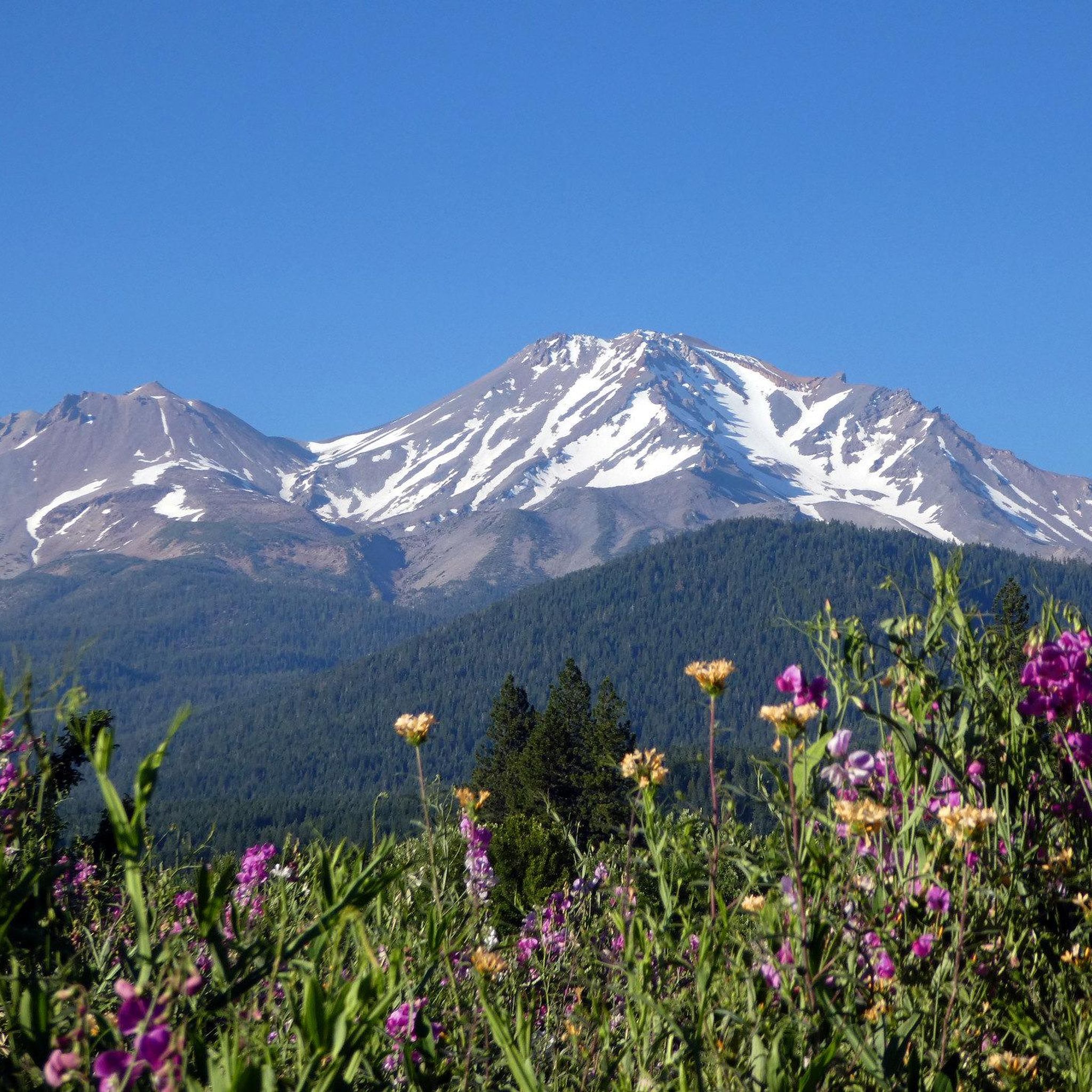
Best attractions and places to see around Mount Shasta include the towering stratovolcano itself, a prominent landmark rising to 14,179 feet. This region, part of the Shasta-Trinity National Forest, offers diverse natural landscapes from alpine lakes to numerous waterfalls. Mount Shasta is also recognized for its spiritual significance and as a National Natural Landmark. Visitors can explore a variety of natural features and cultural points of interest.
Best attractions and places to see around Mount Shasta
- The most popular attractions…
Last updated: October 5, 2026
Bunny Flat Trailhead
Highlight • Trail
Tip by

Horse Camp Sierra Club Hut
Highlight • Mountain Hut
Tip by

Sign up now to discover places like this
Get recommendations on the best single tracks, peaks, & plenty of other exciting outdoor places.
Castle Lake
Highlight • Lake
Tip by
Lake Siskiyou
Highlight • Lake
Tip by
Gateway Trail
Highlight (Segment) • MTB Park
Not too technical or challenging but …
Tip by

Sign up for free to discover even more attractions around Mount Shasta.
Already have an account?
Start today with a free account
Your next adventure awaits.




Tips from the Community

They stop maintaining the trail at Little Castle Lake so we didn’t hike to Mt Bradley.
0
0

This stunning glacial lake is a popular destination for hiking, camping, and even fishing. From here you can climb up to Heart Lake and enjoy some amazing views of Mount Shasta or take Castle Lake Trail all the way to Mount Bradley.
0
0
While this is the ultimate gateway to Mount Shasta's winter activities, it is also widely used in the summer since it serves as a starting point for five of the nine hiking trails on Mount Shasta. It provides access to Horse Camp, Hidden Valley, and Green Butte Ridge.
1
0

Large lake east of the Trinity Alps, with excellent loop trail and surprisingly decent water levels so far.
1
0
Most active Trailhead for climbing Mt Shasta in spring and summer, providing access to the popular Avalanche Gulch and Casaval Ridge routes ( http://komoot.com/tour/9090975 ) and Hidden Valley/West Face http://komoot.com/tour/9089213
2
1
Excellent shelter hut for winter ascents, though should not be used for camping by non-members except for emergencies.
0
0

Subtle climb from the parking lot followed by a super fun and flowy ride through the forest. It’s a really well maintained MTB trail! Not too technical or challenging but be careful not to slip since there is quite a bit of dust and sand (depending on the weather I suppose). There are a couple of interesting optional features (jumps etc.) along the trail.
0
0
Horse Camp is a property on Mount Shasta owned by the nonprofit Sierra Club Foundation. It is a 720-acre (2.9 km2) enclave within the Mount Shasta Wilderness of the Shasta-Trinity National Forest in California, United States. It is located at approximately 7,950 feet (2,420 m) elevation at the lower end of Avalanche Gulch, the most popular climbing route on the mountain. Horse Camp is accessible from the Bunny Flat trailhead by hiking approximately 2 miles (3.2 km) on a developed trail with an elevation gain of about 950 feet (290 m). The most notable feature of Horse Camp is the Shasta Alpine Lodge, a climber's hut constructed in 1923. Mostly indigenous materials were used for construction, including volcanic rock and Shasta red fir. The lodge can be used for emergency shelter for climbers. It contains a guest register, a library of mountain books, and displays about Mount Shasta. Other features of Horse Camp include a freshwater spring, low impact campsites, and a solar-powered composting toilet facility. The lodge measures about 450 square feet (42 m2), and was financed primarily by a donor named Hall McAllister at a cost of $6,725. A caretaker is on duty during the summer months. The first caretaker (1923–1934) was Joseph Macatee "Mac" Olberman (1862–1946). With the help of volunteers, Olberman built a 950 yard long flagstone paved path leading uphill from Horse Camp to facilitate access to the Avalanche Gulch climbing route. This structure still exists and is known as Olberman's Causeway. The camp and the lodge are open year round, even when no caretaker is on duty. Horse Camp is utilized as a mountaineering base camp for ascents of Mount Shasta by Avalanche Gulch, Casaval Ridge, the West Face Gully and other routes on the south and west side of the mountain. https://en.wikipedia.org/wiki/Horse_Camp http://www.sierraclubfoundation.org/what-we-fund/horse-camp-mt-shasta
1
0
Frequently Asked Questions
What are some popular hiking trails around Mount Shasta?
The Mount Shasta area offers a variety of hiking trails. A popular starting point for many routes on Mount Shasta itself is Bunny Flat Trailhead, which provides access to routes like Avalanche Gulch. For a scenic loop, consider the trail around Lake Siskiyou. From Castle Lake, you can hike up to Heart Lake for panoramic views of Mount Shasta. You can find more hiking options in the guide Hiking around Mount Shasta.
Are there any easy hikes suitable for beginners or families?
Yes, the Mount Shasta region has several easy hikes perfect for beginners or families. Options include the Hedge Creek Falls Trail, the Mount Shasta City Park Meadows Loop, and the Foundation Trail. These are generally shorter and less strenuous. For more details, check the guide Easy hikes around Mount Shasta.
Where can I find the best views of Mount Shasta?
Excellent views of Mount Shasta can be enjoyed from various locations. Lake Siskiyou offers classic west-side views, especially from Cable Beach at sunset. Highway 97 provides a straight-on perspective, and Bunny Flat is known for golden-pink sunset views of the snow-capped peak. The hike from Castle Lake to Heart Lake also provides epic panoramic views.
What water activities can I enjoy in the Mount Shasta area?
The lakes around Mount Shasta are ideal for water activities. Lake Siskiyou is a popular spot for kayaking, paddleboarding, swimming, and fishing. Castle Lake also offers pristine alpine waters for swimming and fishing.
Are there any dog-friendly trails or attractions?
Many trails in the Shasta-Trinity National Forest are dog-friendly, though leash laws and specific park regulations should always be checked. For instance, the Lake Siskiyou Trail is generally welcoming to dogs. Always ensure your pet is under control and that you pack out any waste.
What cultural or historical sites are worth visiting?
Beyond its natural beauty, Mount Shasta offers cultural and historical points of interest. You can visit the Mt. Shasta Sisson Museum to learn about local history, or the Mount Shasta Fish Hatchery for an educational experience. The Shasta Abbey is a Buddhist monastery, and Stewart Mineral Springs is known for its historical indigenous traditions and mineral waters.
Is Mount Shasta considered a spiritual place?
Yes, Mount Shasta is widely regarded as a sacred place and a powerful spiritual vortex by many, including Native American tribes. It is believed to hold healing energy and be a gateway to higher dimensions. Panther Meadows, for example, is considered an ancient outdoor temple site with strong spiritual energy.
What are the best times of year to visit Mount Shasta for outdoor activities?
The best time to visit Mount Shasta for outdoor activities largely depends on what you want to do. Spring and summer (roughly May to September) are ideal for hiking, backpacking, and water activities, with Bunny Flat Trailhead being the most active for climbing. Fall offers beautiful foliage and cooler temperatures for hiking. Winter provides opportunities for skiing, snowboarding, and snowshoeing at Mount Shasta Ski Park.
Are there opportunities for mountain biking near Mount Shasta?
Yes, the Mount Shasta area has mountain biking trails. The Gateway Trail is known for its fun and flowy ride through the forest. You can explore various routes, including loops from Gateway Trailhead or Mount Shasta Park And Ride. More details can be found in the guide MTB Trails around Mount Shasta.
Do I need a permit to hike or climb Mount Shasta?
Yes, permits are generally required for climbing Mount Shasta, especially for routes that ascend above 10,000 feet or for overnight stays in the wilderness. It's essential to check with the Shasta-Trinity National Forest for the most current permit requirements and regulations before your trip.
What winter activities are available around Mount Shasta?
During the winter months, Mount Shasta Ski Park offers skiing, snowboarding, and snowshoeing. The Bunny Flat Trailhead also serves as a gateway to various winter activities on the mountain, including snowshoeing and backcountry skiing.
Are there any unique natural features to explore besides the main mountain?
Absolutely. Beyond Mount Shasta itself, you can explore the series of three McCloud Waterfalls (Upper, Middle, Lower), the dramatic granite spires of Castle Crags State Park, or the unique cave behind Hedge Creek Falls. Pluto's Cave, a partially collapsed lava tube, offers a distinct caving experience.
What facilities are available at popular trailheads like Bunny Flat?
Bunny Flat Trailhead is a well-equipped starting point, offering parking and serving as a major access point for multiple hiking trails on Mount Shasta. It's also the most active trailhead for climbing in spring and summer. Further up, Horse Camp Sierra Club Hut provides emergency shelter, a guest register, a library, a freshwater spring, low-impact campsites, and a solar-powered composting toilet facility.
Most popular attractions around Mount Shasta

Get inspired with the komoot mobile app


Explore more
Still not found the Highlight you’re looking for? See guides of the top attractions in other regions:
