The best walks and hikes in Six Rivers National Forest
4.7
(127)
1,294
hikers
15
hikes
Hikes in Six Rivers National Forest navigate a vast area of northwestern California characterized by rugged, mountainous terrain and dense, old-growth forests. The region's landscape is defined by the six major rivers that flow through it—the Smith, Klamath, Trinity, Mad, Van Duzen, and Eel. Elevations range from near sea level to almost 7,000 feet (2,134 m), creating a diverse network of trails with varied ecosystems.
Best hiking trails in Six Rivers National Forest
- The most popular hiking route is Myrtle Creek Trail – Smith River National Recreation Area, a 2.1 mile (3.3 km) trail that takes around 56 minutes to complete. This easy interpretive route follows the path of a historic mining flume.
- Another top favourite among local hiking enthusiasts is Doe Flat Trail to Devil's Punchbowl – Siskiyou Wilderness, a moderate 8.9 mile (14.3 km) path. The trail features a steady ascent through the Siskiyou Wilderness to reach two small lakes.
- Local hiking enthusiasts also love the Craigs Creek Trail – Jedediah Smith Redwoods State Park, a 3.8 mile (6.1 km) trail leading through changing vegetation, often completed in about 1 hour 49 minutes.
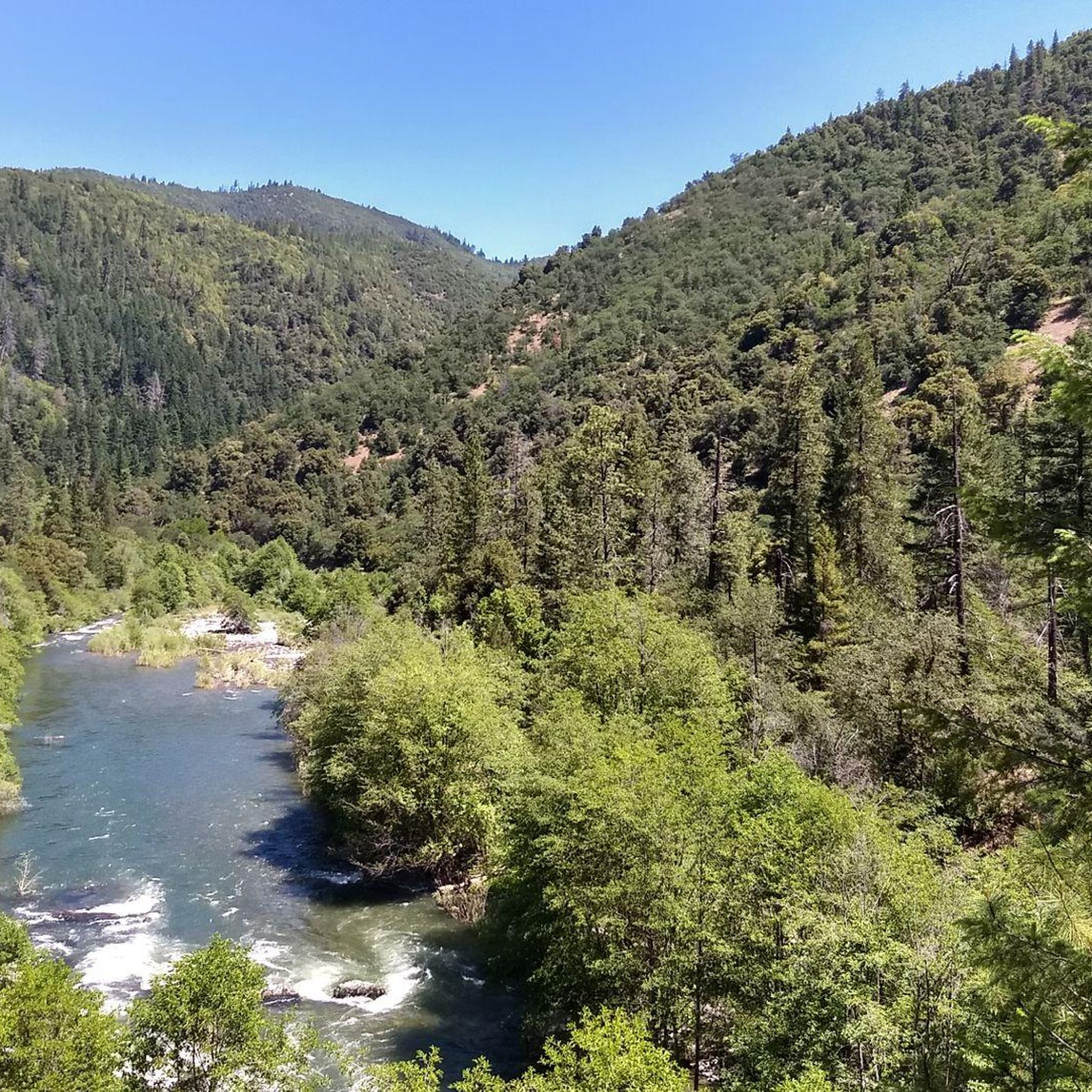
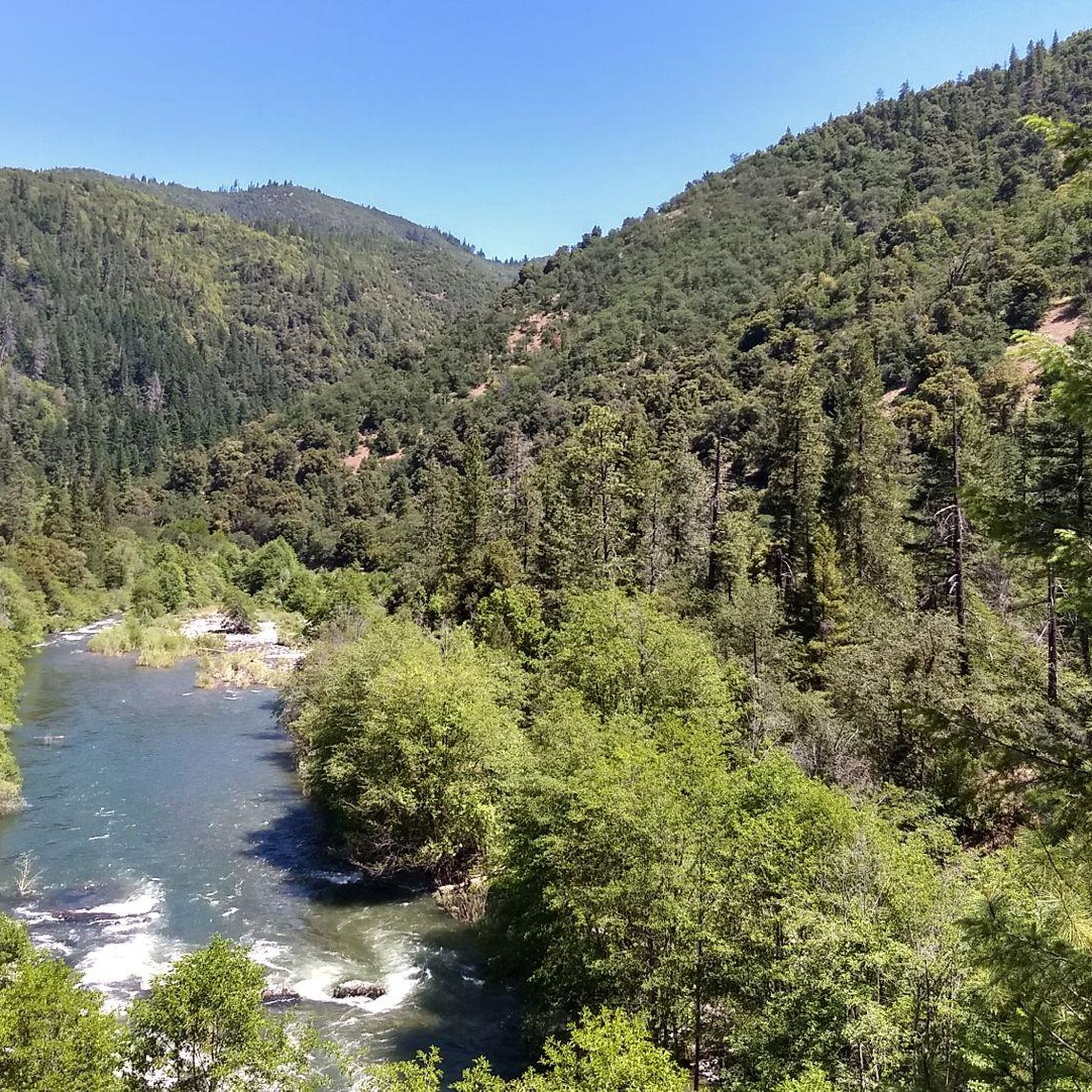
- Hiking in Six Rivers National Forest is defined by its wild and scenic rivers, extensive coniferous forests, and steep river canyons. The trail network provides options for different ability levels, from easy interpretive walks to more challenging backcountry hikes.
- The routes in Six Rivers National Forest are highly rated by the komoot community with an average score of 4.7 stars from 100 reviews. More than 900 hikers have used komoot to explore Six Rivers National Forest's varied terrain.
Last updated: October 10, 2026
5.0
(1)
2
hikers
7.54km
02:20
290m
200m
Moderate hike. Good fitness required. Easily-accessible paths. Suitable for all skill levels.
726m
00:12
10m
10m
Easy hike. Great for any fitness level. Easily-accessible paths. Suitable for all skill levels.

7
hikers
3.30km
00:56
70m
70m
Easy hike. Great for any fitness level. Easily-accessible paths. Suitable for all skill levels.
3
hikers
6.11km
01:50
190m
190m
Easy hike. Great for any fitness level. Easily-accessible paths. Suitable for all skill levels.
5.0
(1)
4
hikers
14.3km
04:23
480m
480m
Moderate hike. Good fitness required. Easily-accessible paths. Suitable for all skill levels.
Get access to more routes and recommendations from other explorers.
Already have an account?
Our route recommendations are based on thousands of hikes, rides, and runs completed by other people on komoot.
Start today with a free account
Your next adventure awaits.
Popular around Six Rivers National Forest
Tips from the Community

Myrtle Creek is located between two major soil types providing a variety of conditions for plant life. It's also the site of one of the earliest and most productive discoveries of gold in the area.
0
0
a lovely trail along Smith River for all levels. It's unfortunate that a landslide cuts the trail short to get all the way to craigs creek
0
0
Amazing hike to this pictureque lake, there are several trails that you can take to here, but the shortest is Doe Flat Trail from the west.
1
0
Frequently Asked Questions
Are dogs allowed on the trails in Six Rivers National Forest?
Yes, dogs are generally permitted on trails within Six Rivers National Forest, but they must be kept on a leash at all times. However, rules can be more restrictive in designated wilderness areas, so it's always best to check for specific regulations at the trailhead before you start your hike.
What are some good, easy hikes for families or beginners?
For a gentle and educational walk, the Myrtle Creek Trail is an excellent choice. It's a short, 2-mile interpretive route that follows a historic mining flume, making it both easy and interesting for all ages.
Are there any challenging hikes for experienced trekkers?
Yes, the forest offers plenty of demanding terrain. For a rewarding challenge, consider the Doe Flat Trail to Devil's Punchbowl. This 8.9-mile hike involves a steep, steady ascent with switchbacks into the Siskiyou Wilderness, leading to two scenic alpine lakes.
Can I find any hikes with waterfalls?
While the region is defined by its six major rivers, prominent waterfalls directly on the main trails are less common. However, some routes, like the trail to Island Lake, pass smaller waterfalls, especially during the spring melt. The true spectacle is the powerful, crystal-clear water flowing through the steep river canyons you'll hike alongside.
What should I pack for a day hike in this area?
It's essential to be prepared for changing conditions. Pack layered clothing, as temperatures can vary with elevation. Bring plenty of water and snacks, a reliable map or GPS device (cell service is spotty), sun protection, and insect repellent. Sturdy hiking shoes are a must due to the rugged and sometimes uneven terrain.
How do I get to the trailheads and is there parking?
Most trailheads are accessed via forest service roads, which can be unpaved and rough. A vehicle with higher clearance is often recommended. Parking is typically available at designated trailheads, but lots can be small and fill up on weekends. Arrive early to secure a spot, and be aware that some remote trailheads may require a longer drive on winding roads.
Are there opportunities for backpacking or multi-day hikes?
Absolutely. Six Rivers National Forest is a great destination for backpacking. Trails like the South Kelsey Trail offer longer routes suitable for overnight trips. The vast wilderness areas provide ample opportunity for solitude and wilderness camping. Always check permit requirements and practice Leave No Trace principles.
What kind of wildlife might I see while hiking?
The forest's diverse habitats support a wide array of wildlife. It's not uncommon to spot black bears, so it's wise to carry bear spray and know how to use it. You might also see bald eagles, ospreys, and mountain lions, though the latter are elusive. Always observe wildlife from a safe distance and never feed the animals.
How can I check current trail conditions and closures?
Before heading out, it's critical to check for the latest updates on trail conditions, road closures, or fire restrictions. The best source for this information is the official U.S. Forest Service website for Six Rivers National Forest or by contacting a local ranger station directly.
What do other hikers enjoy most about Six Rivers National Forest?
The area is highly regarded by the komoot community. Reviewers frequently praise the solitude and wildness of the trails, the stunning beauty of the crystal-clear rivers, and the immersive experience of walking through dense, old-growth coniferous forests. The feeling of being in a truly rugged and untamed part of California is a common highlight.
Are the hiking trails mostly loops or out-and-back routes?
Many of the established trails in the forest are out-and-back routes that lead to a specific destination like a lake, viewpoint, or river confluence. For example, the Craigs Creek Trail follows the river to its end point and returns the same way. While some loop options exist by connecting different trails, you should plan for most day hikes to be return journeys.
Are there any trails with historical significance?
Yes, the region has a rich history of mining and settlement. A great example is the French Hill Trail. This route follows old mining roads and offers a glimpse into the area's past while providing a moderately challenging hike with significant elevation gain.
Most popular attractions in Six Rivers National Forest

Get inspired with the komoot mobile app


Explore more
Browse the best Hikes in other regions.
