The best running trails in Olympic National Forest
44
runners
12
runs
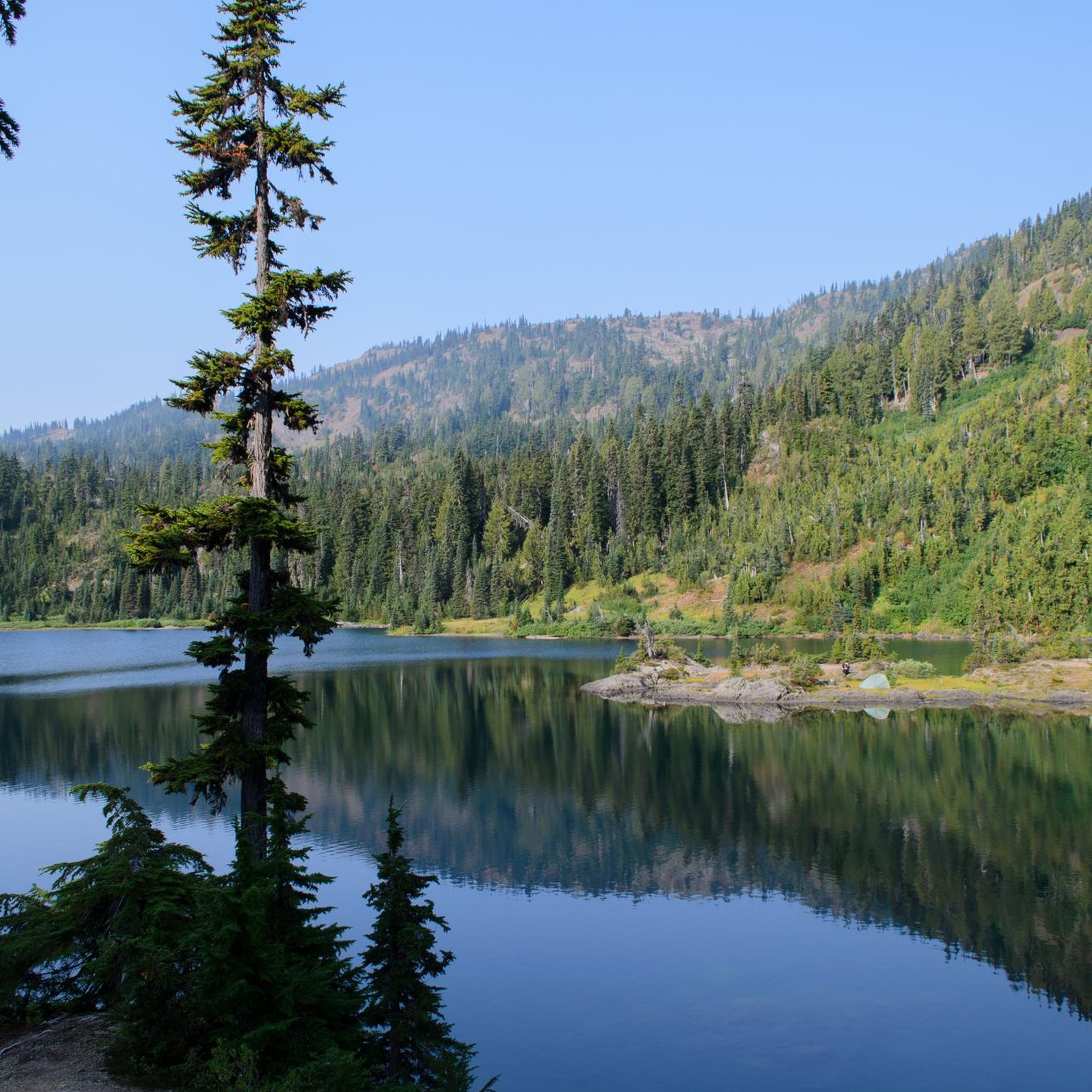
Jogging in Olympic National Forest offers diverse terrain across approximately 632,000 acres on the Olympic Peninsula. The region features lush temperate rainforests, high mountain ridges, and picturesque lakes and rivers. This varied landscape provides a wide array of running routes, from relatively flat paths through ancient forests to challenging ascents with significant elevation gain.
Best jogging routes in Olympic National Forest
- The most popular jogging route is Lena Lake Trail #810, a 6.2 miles (9.9 km) trail that takes 1 hour 28 minutes to complete. This difficult route leads to a picturesque sub-alpine lake.
- Another top favourite among local runners is Mount Townsend Trail, a difficult 7.8 miles (12.5 km) path. It features significant elevation gain, culminating in 360-degree summit views.
- Local runners also love the Dosewallips River Road Trail, an 8.4 miles (13.6 km) trail leading through forested terrain alongside the Dosewallips River, often completed in about 1 hour 40 minutes.
- Jogging in Olympic National Forest is defined by temperate rainforests, mountain ridges, and scenic lakes. The network of routes offers options for different ability levels, from moderate riverside paths to difficult mountain trails.
- The guide includes highly-rated routes that showcase the best of the region's landscape. More than 80 runners have used komoot to explore Olympic National Forest's varied terrain.
Last updated: April 24, 2026
10
runners
9.93km
01:28
460m
460m
Jog the difficult 6.2-mile Lena Lake Trail #810 in Olympic National Forest, gaining 1497 feet to a picturesque sub-alpine lake.
10
runners
12.5km
02:07
880m
880m
The Mount Townsend Trail offers a challenging jogging experience, taking you through varied landscapes in Olympic National Forest. You will start in old-growth forests, then ascend to rocky slopes and alpine meadows, where you might spot rhododendrons in late spring or other wildflowers later in summer. This difficult route covers 7.8 miles (12.5 km) with a significant elevation gain of 2887 feet (880 metres), typically taking around 2 hours and 6 minutes to complete.
When planning your visit, be aware that while the trail is generally well-maintained, you might encounter muddy sections, especially where water flows across the path. This demanding route requires good physical conditioning, so make sure to bring enough food and water for your journey. Parking is usually available at the trailhead, making access straightforward for those driving.
From the summit of Mount Townsend, you are rewarded with expansive 360-degree views that sweep across the Olympic Mountains, the sparkling Salish Sea, and even distant peaks of the Cascade range. The path features many switchbacks as you climb, offering a steady ascent and diverse perspectives of the surrounding natural beauty. This trail is a notable option for experienced joggers seeking a rewarding workout with stunning panoramic vistas.

Sign up for free
4
runners
9.98km
01:25
610m
610m
Prepare for a challenging jogging route on the Mount Walker Trail loop Run, a difficult 6.2 miles (10.0 km) journey that climbs 2005 feet (611 metres) in about 1 hour and 25 minutes. As you ascend, you'll move through dense forests of Douglas-fir, western hemlock, and cedar, creating a lush, moss-covered environment. Keep an eye out for vibrant Pacific rhododendrons in late spring, and enjoy occasional clearings that provide glimpses of the Olympic Mountains before reaching the panoramic views from the Mount Walker North Viewpoint at the summit, where you can see the Hood Canal, Puget Sound, Seattle, and Mount Rainier.
When planning your visit, remember there are no water sources along the route, so you must carry enough for your entire run. While the summit road closes to vehicles in winter, the trail itself remains accessible year-round, offering a consistent challenge regardless of the season. You will find picnic tables and pit toilets at the summit for your convenience, making it a good spot for a brief rest before your descent.
This route stands out within the Olympic National Forest for its rewarding summit views and diverse forest experience. The trail's unique position allows you to appreciate both the immediate natural beauty of the Pacific Northwest's flora and the expansive vistas stretching across the region. It's a great option if you are looking for a vigorous jogging workout combined with iconic scenery, showcasing the best of the area's natural landscape.
1
runners
9.19km
01:21
670m
670m
Prepare for a challenging jogging experience on the Kloshe Nanitch Trail, a difficult route that covers 5.7 miles (9.2 km) with a significant elevation gain of 2201 feet (671 metres). You can expect to complete this workout in about 1 hour and 21 minutes. The trail begins gently alongside the Sol Duc River before you face a relentless uphill climb through dense Douglas-fir forests, rich with salal, ferns, and mosses as you ascend Snider Ridge. The effort is well worth it for the panoramic views from the Kloshe Nanitch Viewpoint.
When planning your visit, you will find the Kloshe Nanitch Trail is generally quiet, so you can enjoy a peaceful outing with little traffic. The route is dog-friendly, allowing you to bring your leashed canine companion along for the adventure. Always remember to check local conditions before heading out to ensure the best experience.
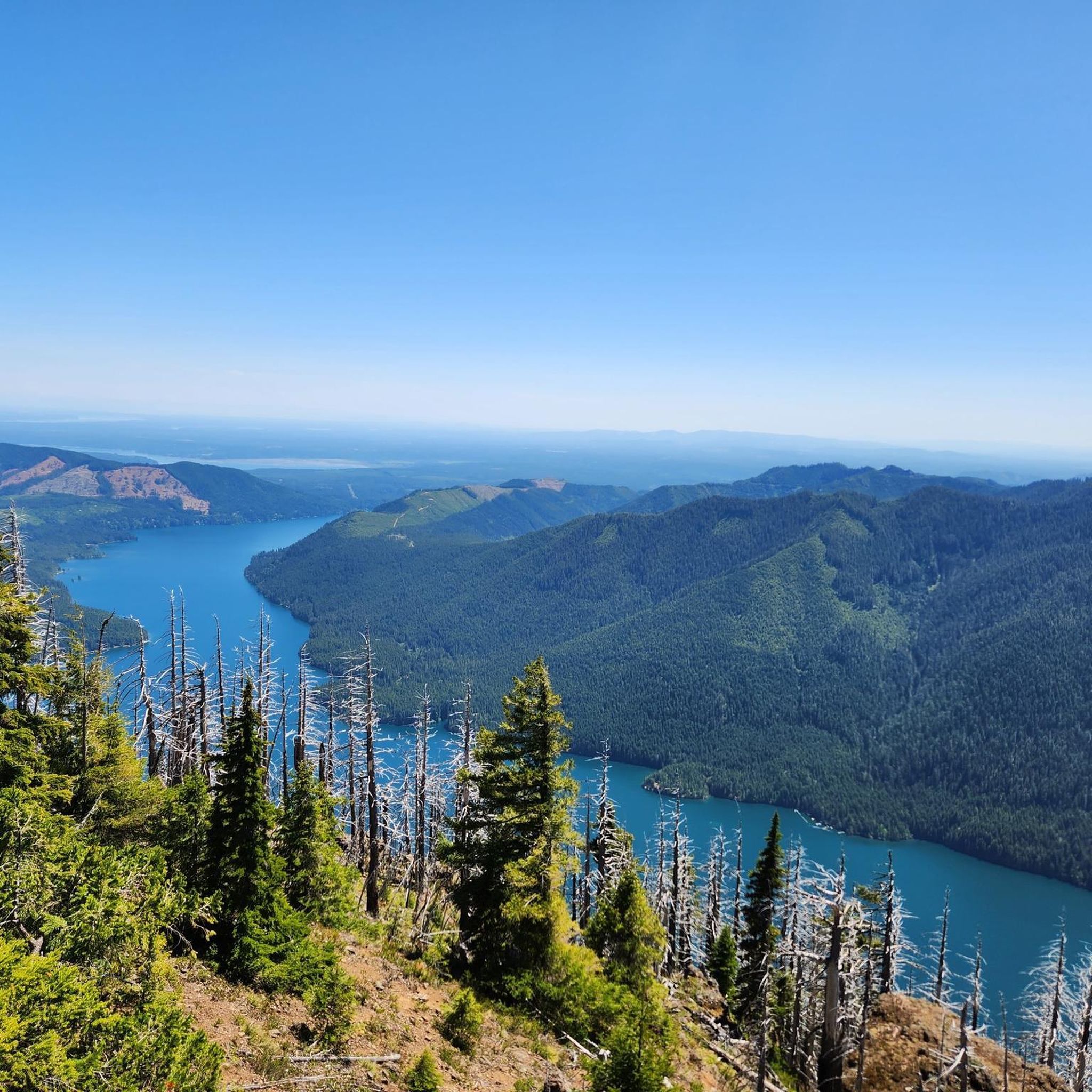
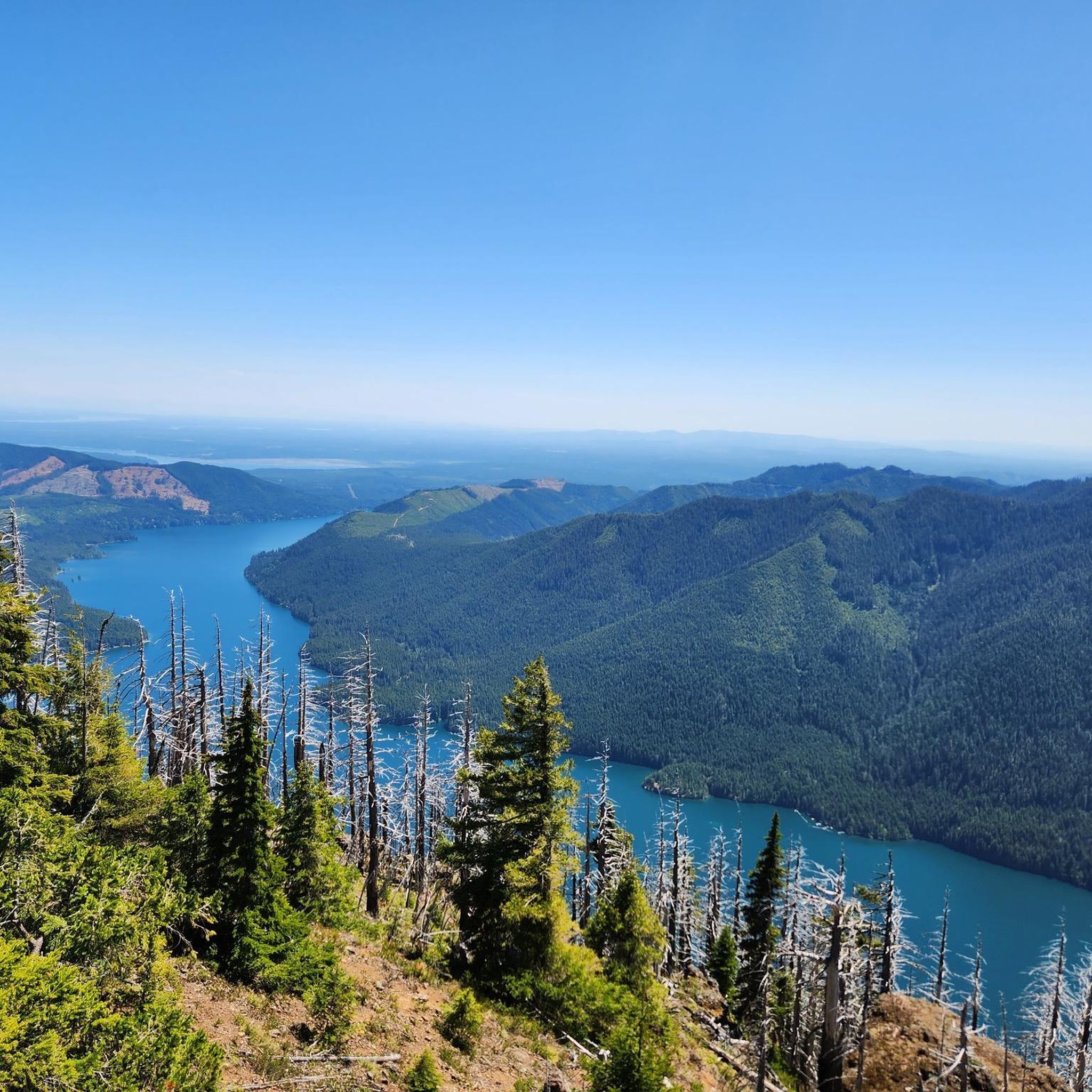
This trail is notable for its journey through diverse forest landscapes within the Olympic National Forest, leading to the historic Kloshe Nanitch Viewpoint, which was once a lookout. From this vantage point, you will see expansive views of Lake Crescent, the Sol Duc River Valley, and even Mount Olympus. It offers a rewarding challenge for experienced runners looking for a robust workout and stunning scenery.
11.7km
01:32
290m
290m
Embark on a moderate jogging route along the Lower Big Quilcene Trail, covering 7.3 miles (11.7 km) with a total elevation gain of 965 feet (294 metres). You can expect to complete this journey in about 1 hour and 31 minutes. As you jog, the trail immerses you in a lush lowland forest, where ancient old-growth cedars stand tall alongside younger trees. The path closely follows the Big Quilcene River, offering continuous views of its energetic rapids and a soothing natural soundtrack. Look out for the distinctive Big Quilcene River Bridge, a prominent landmark that marks a point along your run. In springtime, the forest floor comes alive with the vibrant hues of blooming rhododendrons, adding a splash of color to your experience.
Before heading out, remember that a Northwest Forest Pass or an Interagency Pass is required for day use at the trailhead, so secure one in advance. The trail is a popular multi-use path, meaning you will share it with hikers, mountain bikers, and even pack stock, so be mindful of others. This route is both kid-friendly and dog-friendly, making it a great option if you are bringing the whole family along. Plan your visit accordingly to ensure you have the necessary pass and are prepared for a shared trail experience.
This trail is nestled within the Olympic National Forest, offering a classic Pacific Northwest forest experience. Its consistent proximity to the Big Quilcene River is a defining feature, providing both scenic beauty and the calming sound of flowing water throughout your jog. The presence of old-growth cedars highlights the area's rich natural heritage and provides a sense of timelessness. This route stands out as an accessible yet rewarding option for experiencing the diverse ecosystems of the region.
Get access to more routes and recommendations from other explorers.
Sign up for free
Already have an account?
Our route recommendations are based on thousands of hikes, rides, and runs completed by other people on komoot.
Start today with a free account
Your next adventure awaits.
Login or Signup
Tips from the Community

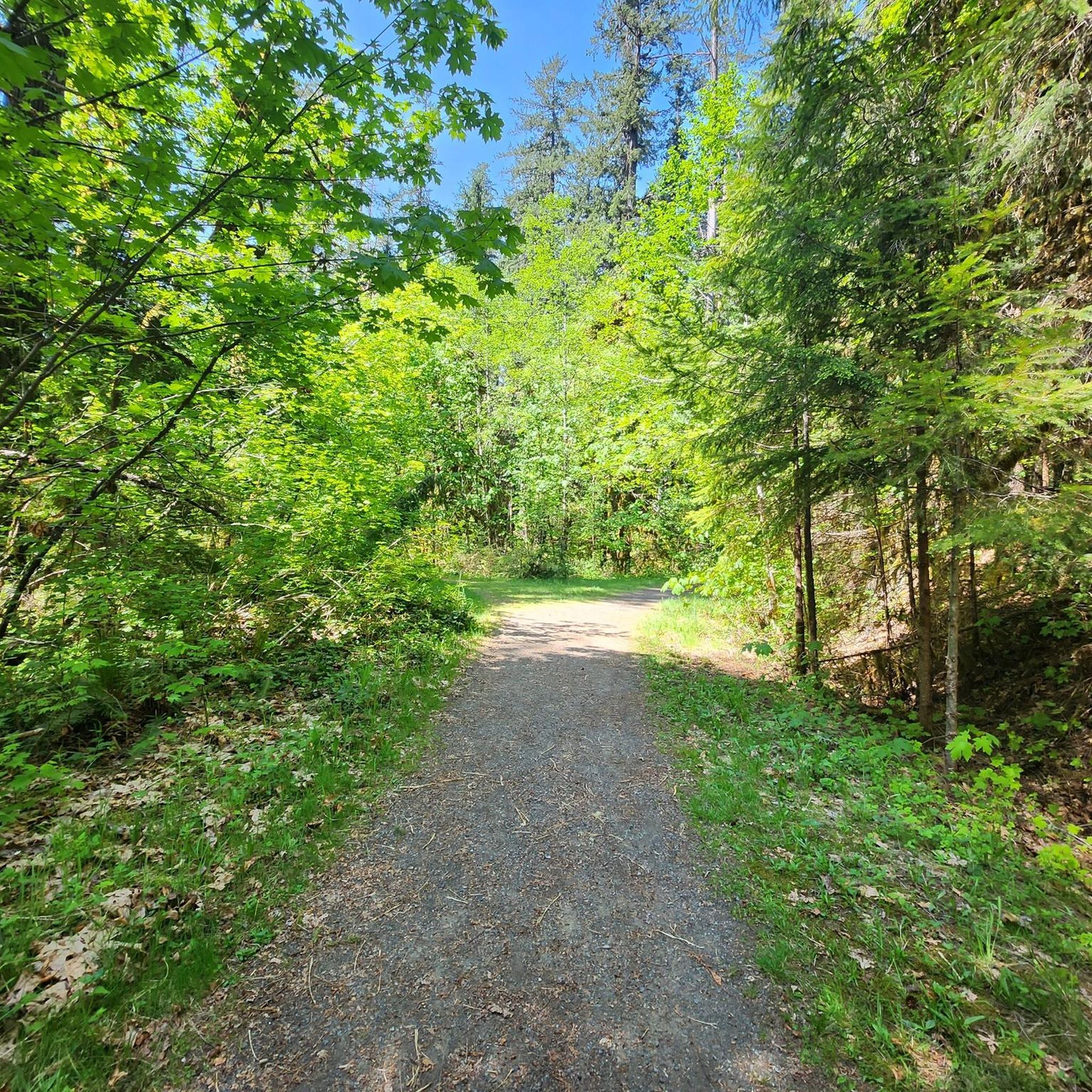
This footbridge crosses the river to continue on the trail or is an excellent spot to turn around at the halfway point of a great run. The beautiful views of the river, surrounded by the lush forest, and the calm sounds of the water flowing by are fantastic.
0
0
Mount Townsend is a widely popular destination for good reason. This beautiful alpine turtleback summit surrounded by the Welch Peaks offers panoramic views of the San Juans to the north across the Straight, the Olympics to the west, and east across the Sound to the Cascades. In the spring, there are lots of rhododendrons and wildflowers in bloom. You can even see a few waterfalls tucked away in the old-growth forest.
0
0

The 5k run up to Kloshe Nanitch Viewpoint is steep and unpaved, but the views at the top are absolutely worth it! On a clear day, enjoy views of Mount Olympus, Lake Crescent, and the Sol Duc River Valley.
0
0
This trail takes you along Townsend Creek before you head into switchbacks through old-growth, filled with an understory of rhododendrons. There are three ravines along the way, where you can catch glimpses of some nice views across the valley before the route opens up into gorgeous alpine meadows, where you can enjoy the sweeping views on your way to the summit.
0
0
Mount Townsend is a widely popular destination for good reason. This beautiful alpine turtleback summit surrounded by the Welch Peaks offers panoramic views of the San Juans to the north across the Straight, the Olympics to the west, and east across the Sound to the Cascades. In the spring, there are lots of rhododendrons and wildflowers in bloom. You can even see a few waterfalls tucked away in the old-growth forest.
0
0
This trail takes you on a steep 2-mile run through switchbacks in a forest filled with Douglas fir. In the spring, you can enjoy beautiful salal, Oregon Grape and blooming Pacific rhododendrons (especially in June). It is a popular route for trail runners looking for a short jaunt to and from the summit.
0
0
This road makes its way around the northern portion of Mount Walker on moderate grades hidden within lush, dense forest. Once you reach the top, the road ends at a summit with two viewpoints, including a few benches and restrooms. From there, you can soak up the panoramic views before descending the steep Mount Walker Trail #894's relentless switchbacks to reach the end of a fantastic and challenging run.
0
0

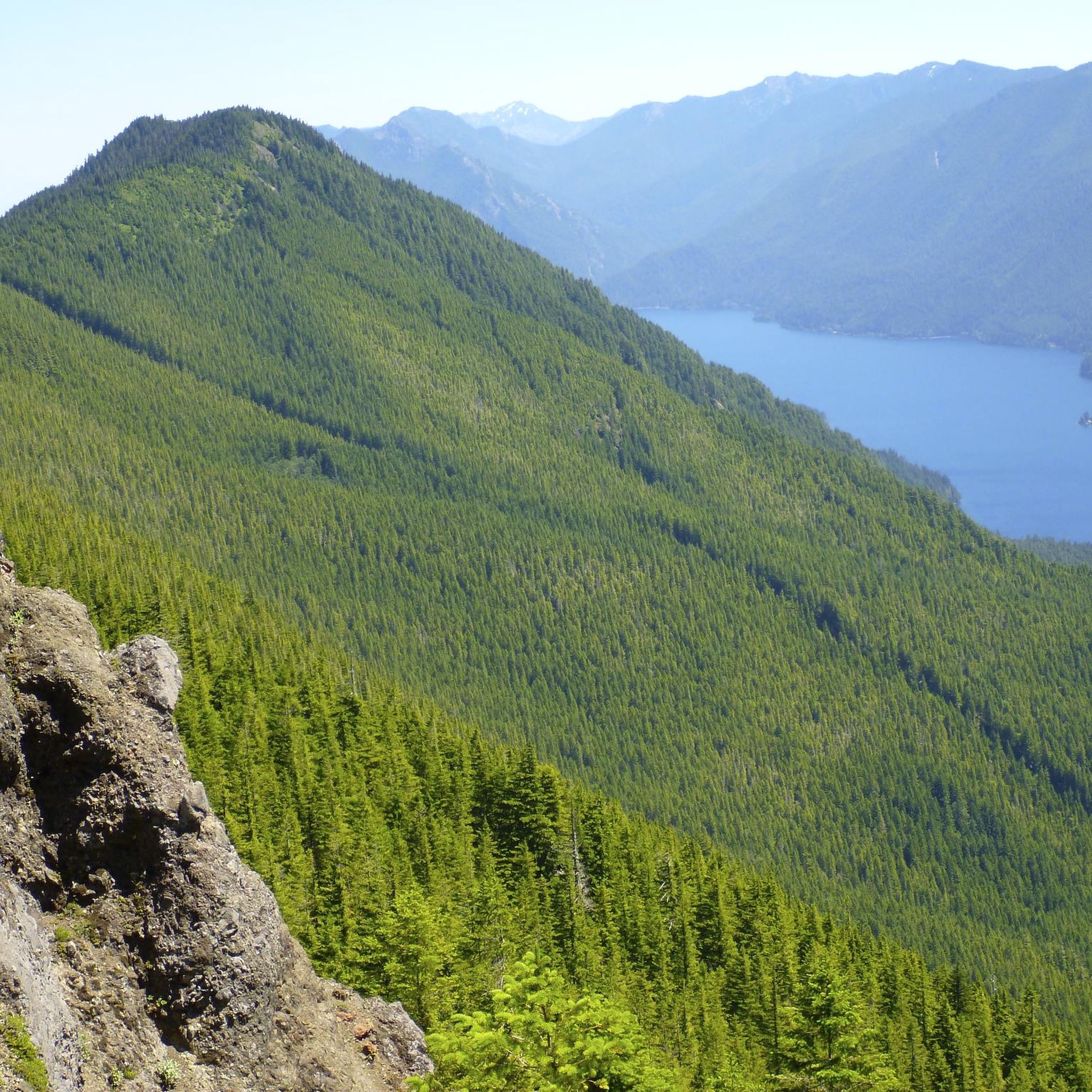
The climb up can be a challenge, but the rewards are well worth it. From this viewpoint, you're treated to stunning 360 views. To the west, you'll catch a glimpse of Mt. Jupiter, the nearest high peak to Hood Canal. Further on, Mt. Constance stands as the third-highest peak in the Olympics, with its awe-inspiring rock faces. On exceptionally clear days, you'll even spot Mt. Baker to the northeast, the state's fourth-highest peak with a remarkable glacial system.
0
0
Frequently Asked Questions
How many running routes are available in Olympic National Forest?
Olympic National Forest offers a variety of running routes. Our guide features 14 distinct routes, ranging from easy riverside paths to challenging mountain trails, catering to different preferences and fitness levels.
What kind of terrain can I expect on running trails in Olympic National Forest?
You'll find a diverse range of terrain. The forest is known for its lush temperate rainforests with monumental trees and moss-draped paths, as well as high mountain ridges offering alpine views. You can also run alongside picturesque lakes and rivers. Expect everything from relatively flat, wide paths to trails with significant elevation gain.
Are there running routes suitable for beginners or those seeking an easier run?
Yes, there are routes for all fitness levels. While many trails offer a challenge, you can find easier options. For example, the Dosewallips River Road Trail is a moderate route with relatively low elevation gain, providing a good option for a longer, flatter run alongside the river.
What natural features or landmarks can I see while running in Olympic National Forest?
Many routes offer stunning natural features. You can encounter sub-alpine lakes like Lena Lake, enjoy 360-degree summit views from peaks like Mount Townsend, or run alongside rivers like the Dosewallips. The forest's temperate rainforests themselves are a major attraction, with ancient trees and lush vegetation.
Are there any running routes that offer scenic viewpoints?
Absolutely. Trails like the Mount Townsend Trail reward runners with expansive 360-degree summit views. The Mount Walker Trail loop Run also leads to a viewpoint, specifically Mount Walker North Viewpoint, offering panoramic vistas.
Can I bring my dog on the running trails in Olympic National Forest?
Generally, dogs are permitted on trails within the Olympic National Forest, but it's always best to check specific trail regulations before you go. Dogs must typically be on a leash and under control. Note that regulations can differ between the National Forest and the adjacent Olympic National Park.
What is the best season for running in Olympic National Forest?
The best season for running largely depends on the specific trail and your preference. Summer and early fall generally offer the most favorable conditions with warmer weather and less precipitation, making high-elevation trails more accessible. Spring brings lush greenery and blooming wildflowers, while late fall can offer beautiful foliage. Winter running is possible, especially on lower elevation trails, but requires preparedness for colder temperatures and potential snow or ice.
Are there any circular running routes in the area?
Yes, there are loop options available for runners who prefer not to retrace their steps. For instance, the Mount Walker Trail loop Run provides a challenging circular path with significant elevation gain and rewarding views.
Are permits required for running in Olympic National Forest?
For most day-use running in the Olympic National Forest, permits are generally not required. However, if you plan to camp overnight or access certain wilderness areas, specific permits might be necessary. It's always advisable to check the latest regulations with the U.S. Forest Service before your visit.
What do other runners enjoy most about jogging in Olympic National Forest?
Runners frequently praise the diverse and inspiring environments. The unique experience of running through ancient temperate rainforests, the challenge and reward of mountain ascents with stunning views, and the serenity of lakeside and riverside paths are often highlighted. The variety of routes ensures there's something for every preference.
Are there any routes that are particularly challenging for experienced runners?
Yes, experienced runners will find plenty of challenging options. Trails like the Lena Lake Trail #810 and the Mount Townsend Trail are rated as difficult, featuring significant elevation gains and rugged terrain that provide a demanding workout and rewarding views.
What should I bring for a run in Olympic National Forest?
Given the varied terrain and weather, it's wise to be prepared. Essential items include appropriate running shoes for trails, layers of clothing (even in summer), water, snacks, a map or GPS device (like komoot's app), and basic first-aid supplies. For longer or more remote runs, consider a headlamp and emergency shelter. Always check weather forecasts before heading out.
Most popular routes in Olympic National Forest
Most popular attractions in Olympic National Forest

Get inspired with the komoot mobile app


Explore more
Browse the best Running Trails & Routes in other regions.
