The best walks and hikes around Fårup Sø
4.5
(177)
1,644
hikers
115
hikes
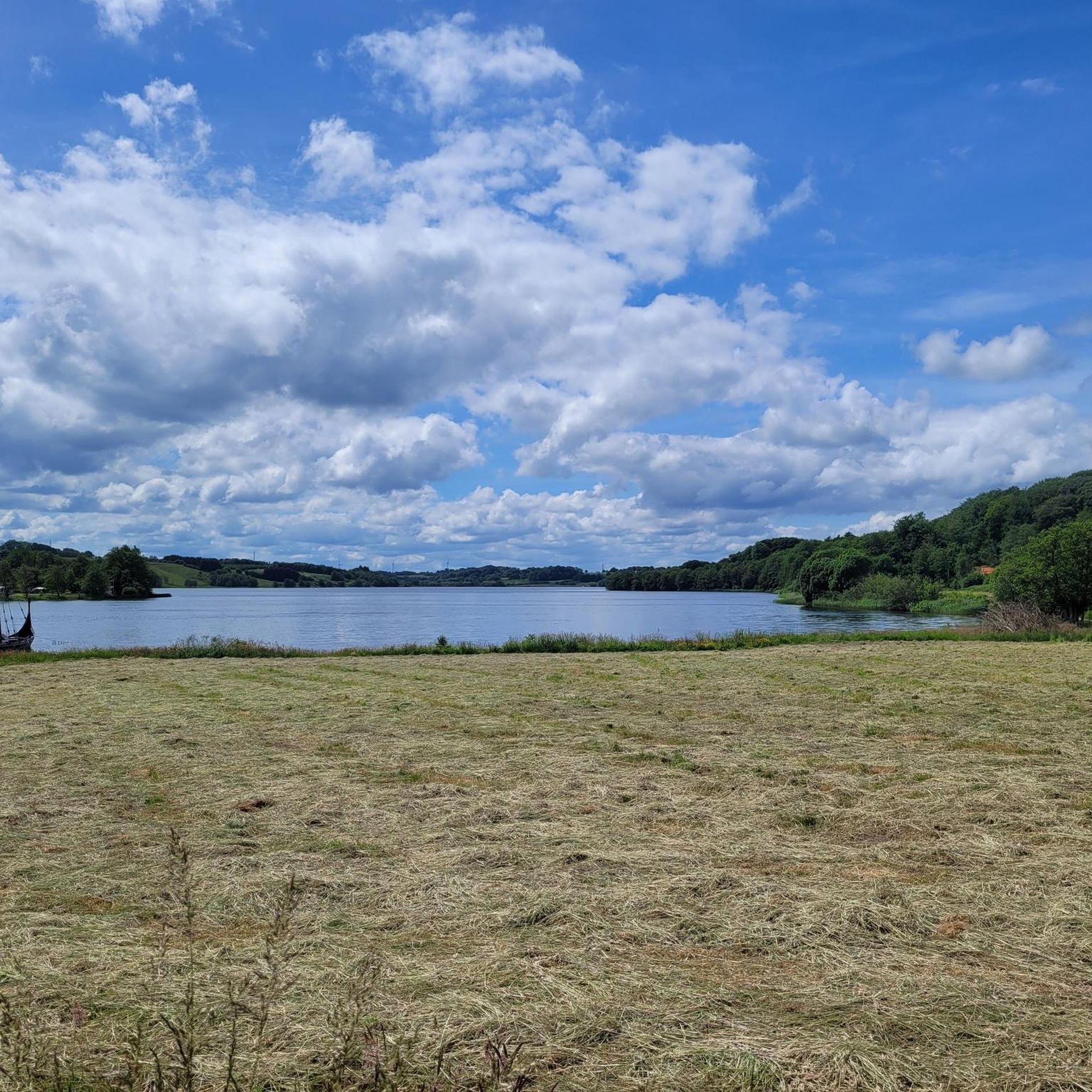
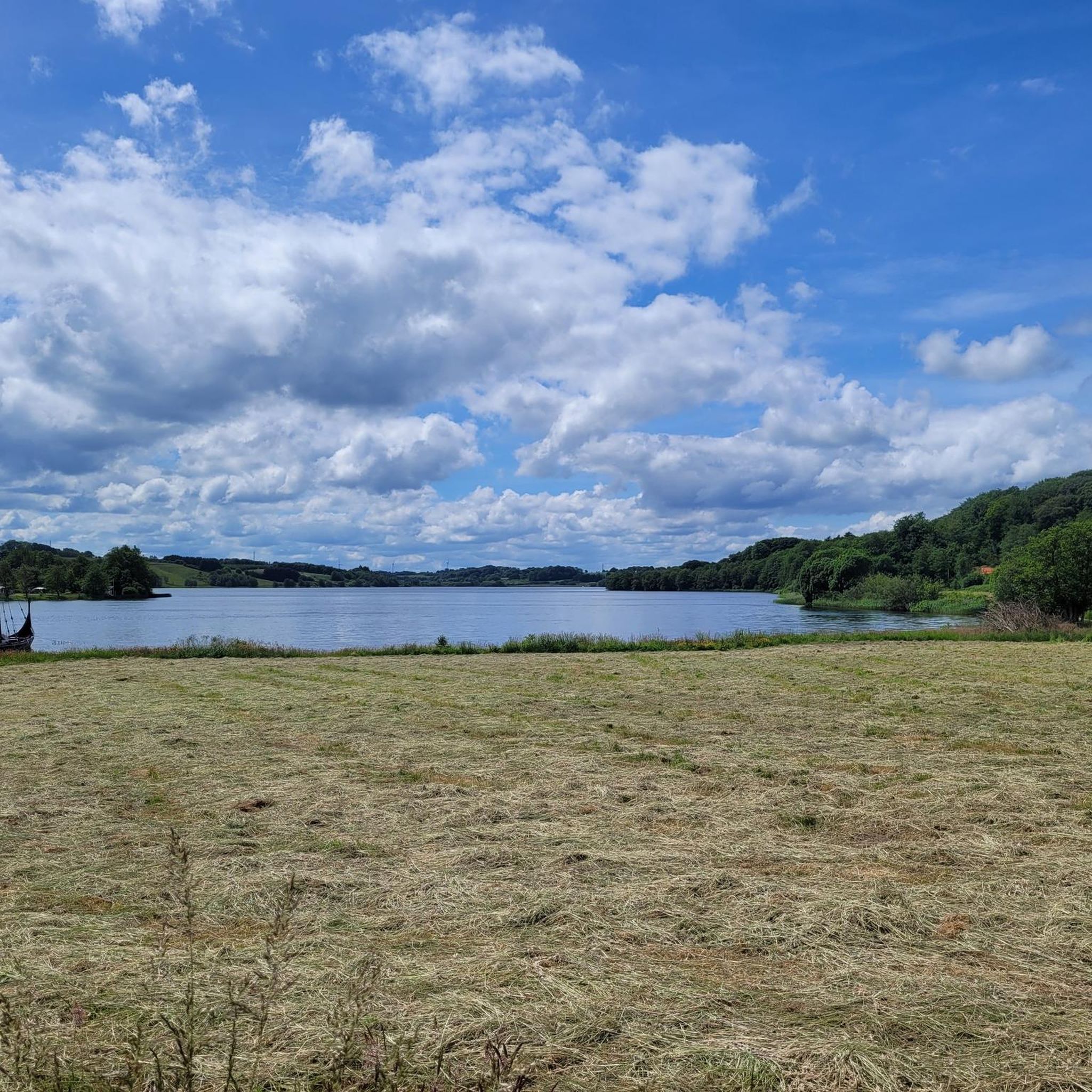
Hiking around Fårup Sø offers diverse landscapes, from the lake's shores to surrounding forests and marshlands. The region features a varied and often hilly terrain, including unpaved sections and areas with kildekalk formations. Trails frequently lead through Jelling Skov and Rugballe Mose, providing immersion in woodland and bog environments. Fårup Sø is also the source of Grejs Å, flowing through the scenic Grejs Ådal.
Best hiking trails around Fårup Sø
- The most popular hiking route is Jelling Runestones – Jelling…
Last updated: October 11, 2026
4.2
(6)
16
hikers
5.48km
01:28
60m
60m
Easy hike. Great for any fitness level. Easily-accessible paths. Suitable for all skill levels.
4.0
(2)
6
hikers
11.3km
02:57
80m
80m
Moderate hike. Good fitness required. Easily-accessible paths. Suitable for all skill levels.

4.6
(7)
21
hikers
12.0km
03:12
140m
140m
Moderate hike. Good fitness required. Easily-accessible paths. Suitable for all skill levels.
7.34km
01:55
60m
60m
Easy hike. Great for any fitness level. Easily-accessible paths. Suitable for all skill levels.
5.0
(2)
4
hikers
5.02km
01:22
80m
80m
Easy hike. Great for any fitness level. Easily-accessible paths. Suitable for all skill levels.
Get access to more routes and recommendations from other explorers.
Already have an account?
Our route recommendations are based on thousands of hikes, rides, and runs completed by other people on komoot.
Start today with a free account
Your next adventure awaits.

Tips from the Community

The chopping house is a good rest break. There are some tables and benches here, inside and out, along with some map boards. There is also a toilet. All in all, it is a super nice place to stop, especially in adverse weather.
0
0

The Jelling Church was built around 1100 and is the fourth church on this site. Three wooden churches – the first built in the 10th century by Harald Bluetooth as a kind of mausoleum for his father Gorm the Old – had previously burned down. The church is part of the UNESCO World Heritage. The Romanesque church was built of travertine (sinter). The low west tower was added in the late Middle Ages. In the cemetery stand Europe's most important monuments from the Viking Age: the two large burial mounds and two runestones, erected by Kings Gorm the Old and Harald Bluetooth in the 10th century. The runestones, the church, and the two burial mounds, all of which have been part of the UNESCO World Heritage since 1994, are a symbol of the transitional period between paganism and Christianity. https://www.visitvejle.de/vejle/reiseplanung/jelling-kirche-gdk607969
2
1
In the 10th century, King Harald Bluetooth had Denmark's baptismal certificate carved onto a runestone in Jelling and erected two large burial mounds. The Jelling Monuments have been on the UNESCO World Heritage List since 1994. The year is 965. The Viking king Harald Bluetooth says goodbye to the Norse gods and yes to the Christian God. He had this event carved onto a large runestone in Jelling, near the stone his father Gorm the Old had erected a few years earlier. On the stone, Harald boasts that he conquered Denmark and Norway and converted the Danes to Christianity: "King Harald erected this memorial for Gorm, his father, and Thyra, his mother; Harald, who won all of Denmark and Norway and made the Danes Christians." The runestone is considered Denmark's baptismal certificate, and the Christ figure from the stone can be found in all Danish passports. Gorm the Old's somewhat smaller memorial stone for Queen Thyra bears the inscription: "King Gorm erected this memorial for his wife Thyra, Denmark's adornment." It is the oldest evidence of the name Denmark, which is why the runestone is also referred to as Denmark's name certificate. During his reign, Harald also had two enormous mounds and a huge enclosure, called the Palisade, erected at this site. https://www.visitvejle.de/vejle/reiseplanung/die-jelling-monumente-unesco-gdk607895
2
0

UNESCO World Heritage Site and the "Taufstein of Denmark"
0
0


A magnificent, simple monument… but with a background! Even here, the Viking king immortalized his life.
7
0
Magnificent view over the wide countryside in a dreamy silence… the cemetery at your feet… the expanse ahead
6
0
In the right sunlight the inscription is very clearly visible
7
0
Frequently Asked Questions
How many hiking trails are available around Fårup Sø?
There are nearly 120 hiking trails around Fårup Sø, offering a wide range of options for all skill levels. You'll find everything from easy strolls to more challenging routes through varied terrain.
What kind of terrain can I expect on the trails around Fårup Sø?
The trails around Fårup Sø feature diverse and often hilly terrain. You can expect to traverse beautiful natural areas with unpaved sections, serene woodlands like Jelling Skov, and marshlands such as Rugballe Mose. Some routes, particularly near Hestedamshoved, include steeper ascents, while others offer gentler paths along the lake's edge.
Are there any easy hiking routes suitable for families or casual walkers?
Yes, Fårup Sø offers many easy routes. For example, the Jellingløbet Trail Route – Jelling Skov loop from Jelling is an easy 5 km trail through Jelling Skov. Another accessible option is the Jelling Church – Jelling Runestones loop from Jelling, which is about 4.5 km and also considered easy.
Can I walk all the way around Fårup Sø?
Yes, walking around Fårup Sø is a popular activity. The 'Rundt om Fårup Sø' trail is approximately 7.7 km long, offering continuous scenic views. Another route, 'Fårup Sø, - Jelling Skov - Rugballe Mose,' also allows for a complete circuit, with some sections only suitable for walkers due to their unpaved nature.
What natural features or landmarks can I see while hiking?
Hikers can enjoy a variety of natural features and landmarks. You'll pass through Jelling Skov and Rugballe Mose, and might encounter unique kildekalk (spring lime) formations, especially near Rugballe Mose. The lake itself is known for its clean water and diverse birdlife, including great crested grebes and shelducks. There are also viewpoints and an observation platform in Fårup Skov on the north side of the lake.
Are there any historical or cultural sites accessible from the trails?
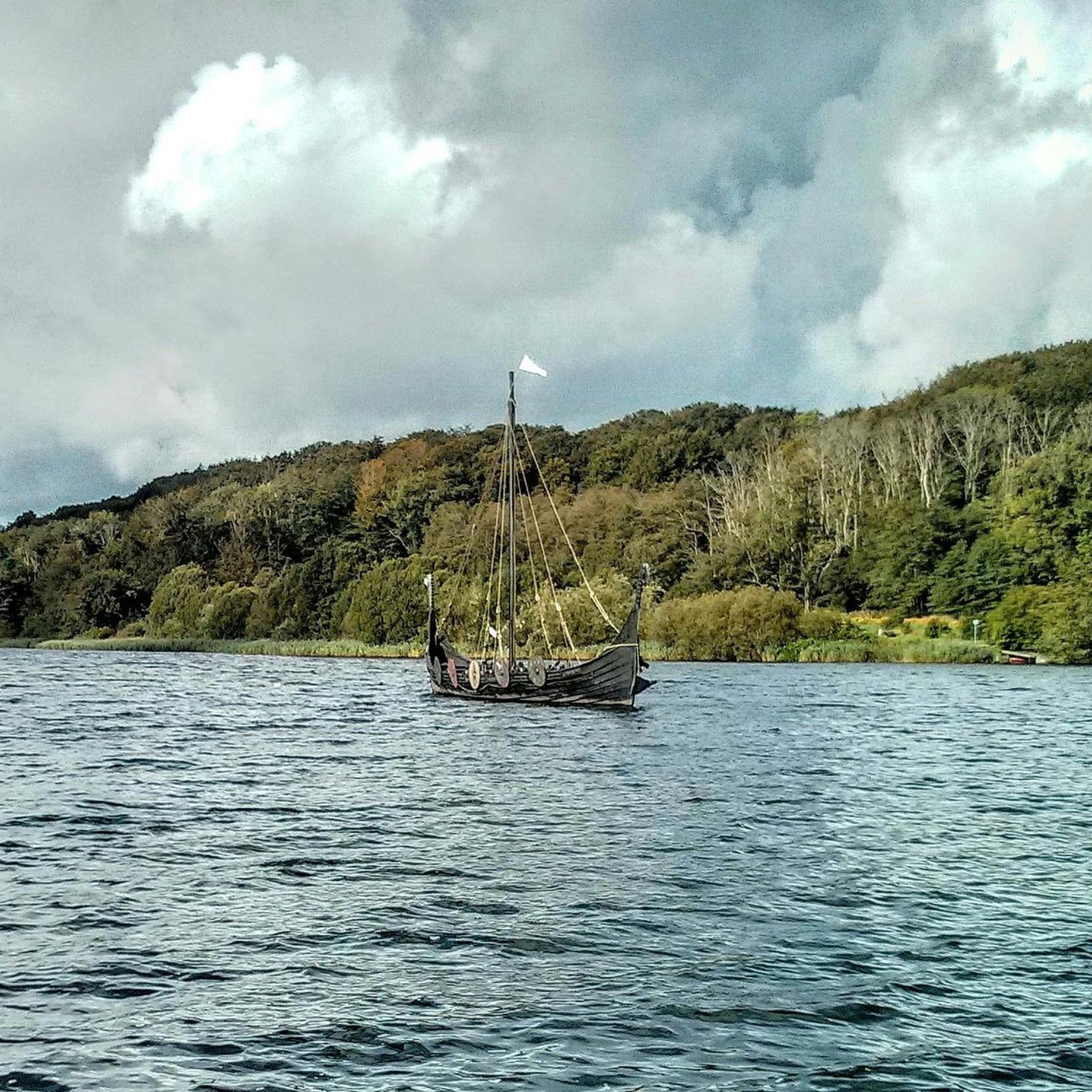
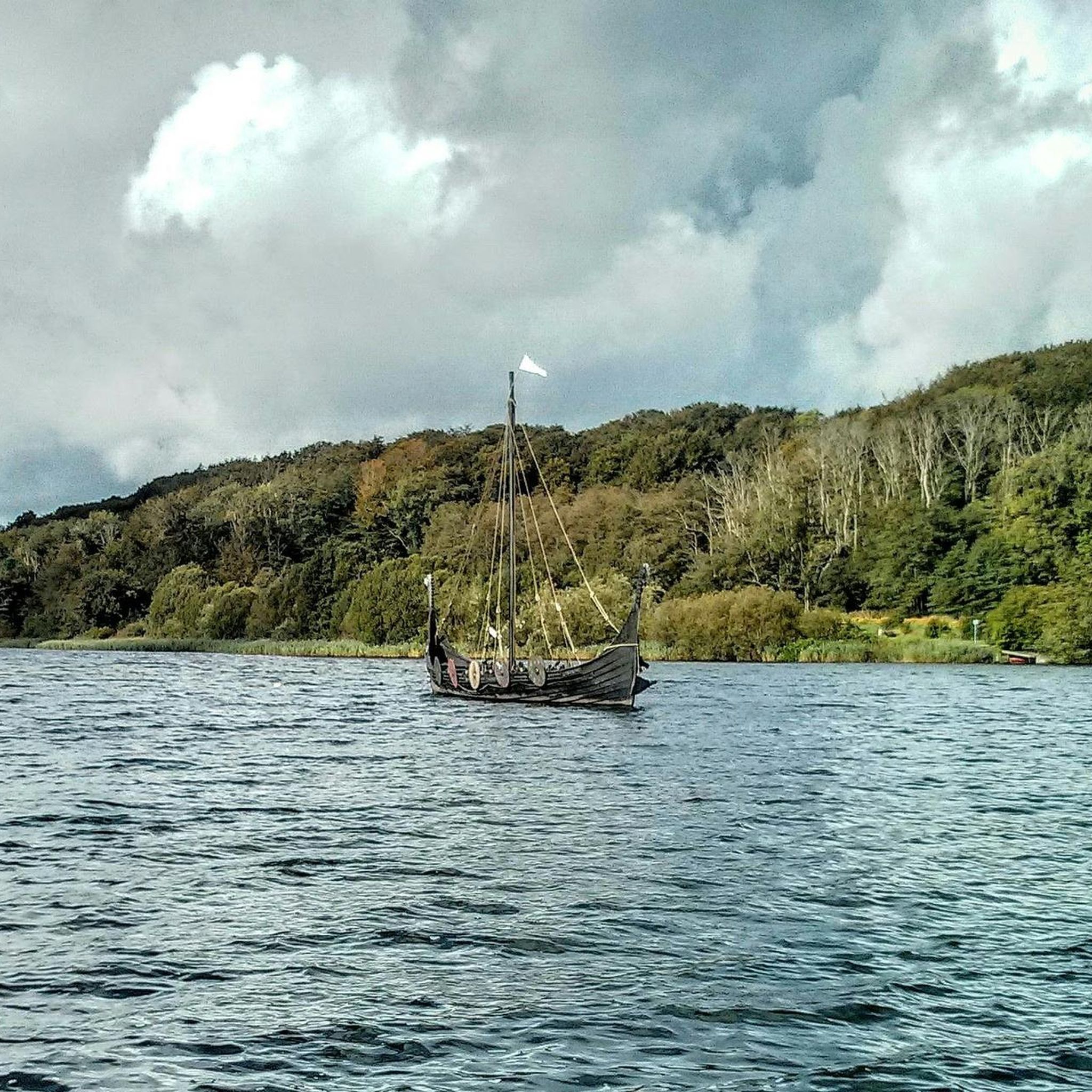
Absolutely. The historical Viking town of Jelling is very close by, and several hiking routes integrate cultural exploration. The Jelling Runestones – Jelling Church loop from Jelling connects these significant cultural landmarks with natural paths. During summer, you might also spot the 'Jelling Orm,' a 15-meter long Viking ship on the lake.
Are the hiking trails around Fårup Sø dog-friendly?
Many trails in the Fårup Sø area are suitable for dogs, but it's always recommended to keep your dog on a leash, especially when passing through nature reserves, agricultural areas, or near wildlife. Always check local signage for specific rules regarding dogs on trails.
Where can I find parking for the hiking trails?
Parking is available at several points around Fårup Sø, particularly at the eastern end of the lake. If you're starting from Jelling, there are also parking options convenient for routes like the Jelling Forest and Rugballe Mose Loop.
What facilities are available for hikers around Fårup Sø?
Along the trails, especially at the eastern end of the lake, you'll find convenient facilities such as parking, restrooms, tables, and benches for resting. There are also viewpoints and an observation platform perfect for enjoying a packed lunch or the scenery.
What do other hikers enjoy most about Fårup Sø?
The area is highly rated by the komoot community, with an average score of 4.5 stars from over 100 reviews. Hikers often praise the diverse landscapes, the serene atmosphere of the woodlands and marshlands, and the well-maintained paths that offer a mix of easy and moderately challenging routes.
Are there any opportunities for public transport to reach the hiking areas?
While specific public transport routes directly to all trailheads might vary, the nearby town of Jelling is generally well-connected. From Jelling, many trails, including those around Fårup Sø, are easily accessible, often within walking distance or a short local bus ride.
What is the best time of year to hike around Fårup Sø?
Fårup Sø offers beautiful hiking experiences year-round. Spring brings lush greenery and blooming flora, while summer provides pleasant weather for longer excursions. Autumn transforms the forests with vibrant colors, and even winter offers serene, crisp walks, especially around the frozen lake. The clean lake and diverse birdlife can be enjoyed in all seasons.
Most popular routes around Fårup Sø

Get inspired with the komoot mobile app


Explore more
Browse the best Hikes in other regions.
