The best walks and hikes around Thames Centre
4.8
(17)
145
hikers
19
hikes
Hiking around Thames Centre offers diverse landscapes shaped by the Thames River, which provides scenic backdrops with wooded corridors and river valleys. The region features lush woodlands, serene meadows, and tranquil forest paths, alongside unique wetland ecosystems like Sifton Bog. Carolinian Forests, such as Kains Woods, present a more rugged experience with tall hardwoods and steep riverbanks. Mill ponds, including Dorchester Mill Pond, also form central features for several trails.
Best hiking trails around Thames Centre
- The most popular hiking…
Last updated: October 15, 2026
6
hikers
3.52km
00:57
40m
40m
Hike the easy 2.2-mile Meadowlily Woods Trail through diverse forests and wetlands, enjoying lovely views of the Thames River.
5
hikers
Moderate hike. Good fitness required. Easily-accessible paths. Suitable for all skill levels.

3
hikers
5.75km
01:31
50m
50m
Easy hike. Great for any fitness level. Easily-accessible paths. Suitable for all skill levels.
3
hikers
Moderate hike. Good fitness required. Easily-accessible paths. Suitable for all skill levels.
3
hikers
6.12km
01:35
30m
30m
Easy hike. Great for any fitness level. Easily-accessible paths. Suitable for all skill levels.
Get access to more routes and recommendations from other explorers.
Already have an account?
Our route recommendations are based on thousands of hikes, rides, and runs completed by other people on komoot.
Start today with a free account
Your next adventure awaits.



Tips from the Community

An easy, flat out-and-back trail that's that's built on a former railway line. It's family-friendly with the and well-surfaced, being a mix of smooth gravel and tarmac.
0
0
Sarnia Bridge originally carried a railway line west from Toronto through St. Marys towards Sarnia and then Chicago. It was built in 1858 by the Grand Trunk Railway on massive stone pillars. Trains were stopped by the Canadian National Railway in 1989. St. Mary's then purchased the bridge in 1995, added a wooden boardwalk deck and reopened it for walkers in 1998.
0
0

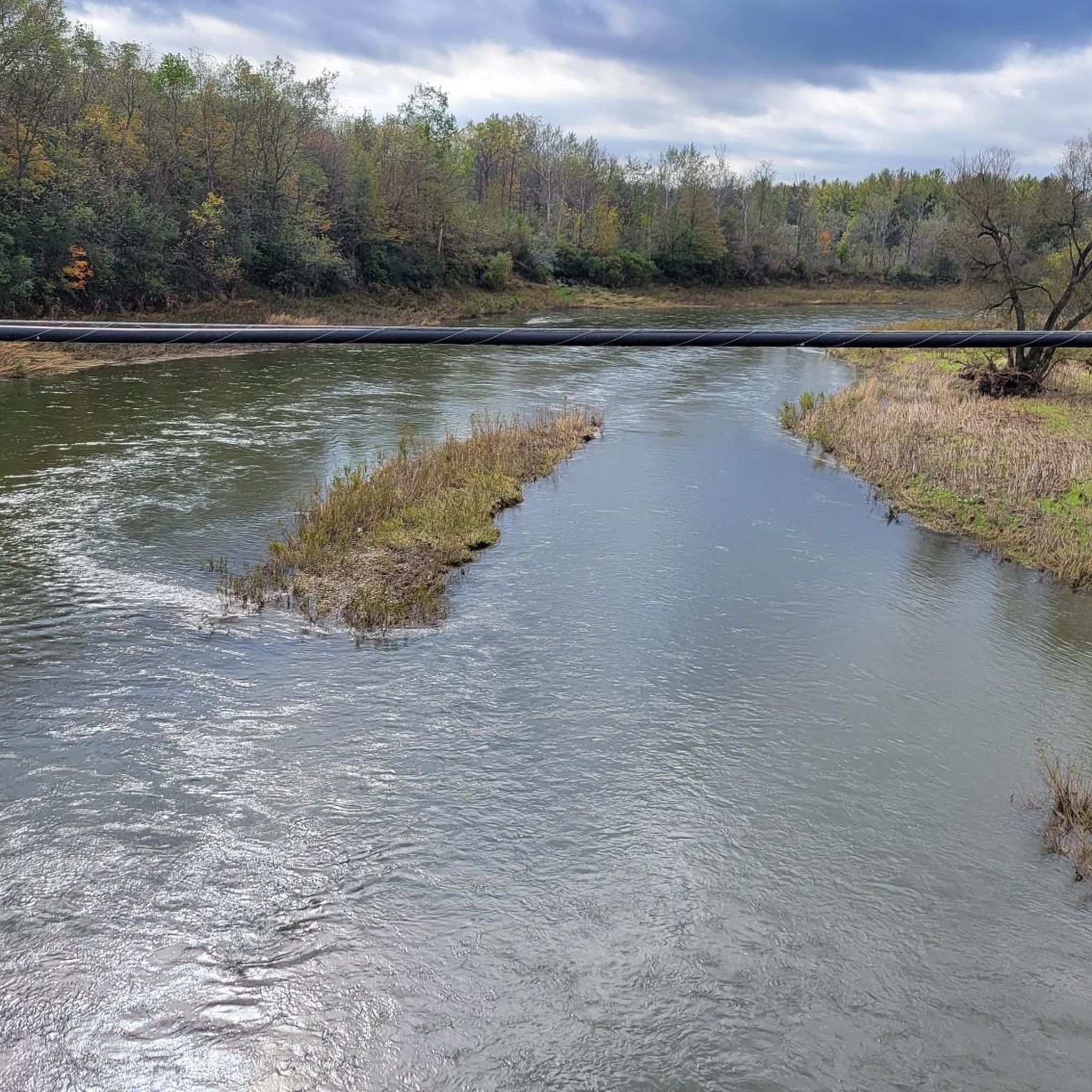
The Thames River winds through southwestern Ontario, flowing for approximately 260 kilometres from its headwaters near Woodstock to Lake St. Clair. It’s London’s defining waterway, flowing beautifully through the city and connecting many of its parks, trails, and natural areas. The river’s forested banks, wetlands, and floodplain habitats support a diverse range of wildlife and create an important green corridor within the urban landscape. As a designated Canadian Heritage River, it is recognized for both its ecological significance and its role in the history of southwestern Ontario.
0
0
Thames Valley Parkway is London’s primary multi-use trail system, following the Thames River and its branches through parks, woodlands, and beautiful riverside green spaces across the city. Spanning roughly 45 kilometres and connecting to more than 150 kilometres of additional pathways, it provides ample opportunities for walking, cycling, and running, with multiple access points. Despite its urban setting, most of the route offers beautiful river views, runs along mature forests, and provides access to some of London’s most notable parks and natural areas.
0
0
Pottersburg Park is a beautiful mix of open fields, wooded trails, and riverside green space nestled along the Thames River. The park’s easy walking paths are a great place to enjoy views of the river corridor, mature trees, and local wildlife within an otherwise urban setting. It’s also home to one of London’s largest off-leash dog areas, making it a popular spot for dog owners, so you’ll likely get a chance to meet a few furry friends while you’re here.
0
0

Fanshawe Lake is the focal point of the conservation area, stretching through a broad valley surrounded by forests, wetlands, and walking trails. Created by the construction of Fanshawe Dam, the lake is now a popular spot for paddling, rowing, fishing, and wildlife watching. This section offers wide views across the water and a chance to appreciate just how much green space surrounds the lake despite its proximity to London.
0
0
Circling the entire Fanshawe Reservoir, the Fanshawe Lake Trail is a roughly twenty-kilometre loop that passes through mature forest, open meadows, shoreline sections, and a handful of creek crossings along the way. Built as a multi-use trail for both hiking and cycling, it offers a constantly changing mix of scenery rather than a single destination. The route follows the edge of the reservoir for much of its length, with regular views of the water and plenty of opportunities to spot wildlife in the surrounding wetlands and woodlands.
0
0
Monkey Wrench branches off the main Fanshawe Lake Trail and heads into a section designed with mountain bikers in mind. The trail includes a variety of technical features such as log rides, balance elements, and small obstacles that can be ridden or bypassed. Even from the junction, it's easy to spot the difference between the wider lake loop and this more purpose-built trail tucked into the forest.
0
0
Frequently Asked Questions
How many hiking trails are available in Thames Centre?
Thames Centre offers a diverse network of over 15 hiking routes, ranging from easy strolls to more challenging paths. This includes 13 easy routes, 2 moderate, and 1 difficult trail, ensuring options for various fitness levels.
What kind of landscapes can I expect to see while hiking in Thames Centre?
Hiking in Thames Centre reveals a variety of natural beauty. You'll encounter scenic river valleys along the Thames River, lush woodlands, serene meadows, and tranquil forest paths. Notable features include picturesque mill ponds like Dorchester Mill Pond, unique wetland ecosystems such as Sifton Bog with its floating boardwalks, and Carolinian Forests like Kains Woods, known for tall hardwoods and rich biodiversity.
Are there easy hiking trails suitable for beginners or leisurely walks?
Yes, Thames Centre has many easy trails perfect for beginners or those seeking a relaxed walk. For example, the Meadowlily Woods Trail is an easy 3.5 km route through diverse forests and wetlands, offering lovely views of the Thames River. Other gentle options include the Harry Small Trail and the Mill Pond Trail.
Are there any family-friendly hiking options in Thames Centre?
Absolutely. Many trails in Thames Centre are suitable for families. The Harry Small Trail, a 3 km loop through woodlands and meadows, is ideal for a peaceful walk with children. The Mill Pond Trail and Upper Mill Pond Trail also offer easy, picturesque walks around Dorchester Mill Pond. The Two Schools Trail is another family-friendly option connecting local schools through wooded paths and open spaces.
Can I bring my dog on the hiking trails in Thames Centre?
Many trails in Thames Centre are dog-friendly, but it's always best to check specific trail regulations before you go. Generally, dogs are welcome on leash in most conservation areas and public trails. Always ensure your dog is under control and clean up after them to maintain the natural environment for everyone.
Are there any circular hiking routes in Thames Centre?
Yes, Thames Centre offers several circular routes. The Harry Small Trail is a 3 km loop, and the Kilally Meadows & Thames Valley loop — London is a moderate 7.9 km path that explores river valleys and natural areas. The Nature Trail Boardwalk loop is another easy 4 km option.
What are some longer or more challenging hikes available?
For those seeking a longer or more challenging experience, the Thames Valley Trail stretches over 270 kilometers, with sections offering varied difficulty levels and views of the Thames River. A more challenging option within the komoot guide is the Fanshawe Conservation Area loop from Huron Heights, which is a difficult 22.4 km route.
What is the best time of year to go hiking in Thames Centre?
Thames Centre offers enjoyable hiking experiences throughout the year. Spring brings vibrant new growth and blooming wildflowers, while autumn showcases stunning fall foliage. Summer is perfect for longer days and exploring the river valleys, and winter offers serene, snow-covered landscapes for those prepared for colder conditions. Each season provides a unique perspective on the region's natural beauty.
Where can I find parking for the hiking trails?
Many of the trails and conservation areas in Thames Centre, such as Dorchester Conservation Area, offer designated parking facilities. For specific routes, it's advisable to check local signage or trail information. Public transport options are limited, so driving to trailheads is often the most convenient way to access them.
What do other hikers say about the trails in Thames Centre?
The hiking trails in Thames Centre are highly regarded by the komoot community, with an average score of 4.9 stars from 13 reviews. Hikers often praise the region's diverse landscapes, from tranquil forest paths to scenic river views, and appreciate the well-maintained trails suitable for various skill levels.
Are there any unique natural features like wetlands or specific forests to explore?
Yes, Thames Centre is home to several unique natural features. You can explore the fascinating Sifton Bog, a wetland ecosystem with floating boardwalks, moss carpets, and diverse birdlife. The region also boasts Carolinian Forests, such as Kains Woods, characterized by tall hardwoods and steep riverbanks, offering a rich diversity of plant and bird species unique to this ecological zone.
Are there any conservation areas in Thames Centre that offer hiking opportunities?
Yes, Thames Centre partners with the Upper Thames River Conservation Authority (UTRCA) and Kettle Creek Conservation Authority (KCCA) to preserve natural areas. Dorchester Conservation Area is a notable day-use area offering trails around a small dam and pond, and through woods and conifer plantations. These areas protect wooded slopes with various tree species like oaks, Sugar Maple, American Beech, and and Black Cherry.
Most popular attractions around Thames Centre

Get inspired with the komoot mobile app


Explore more
Browse the best Hikes in other regions.
