The best running trails in Olympic National Park
5.0
(3)
259
runners
38
runs
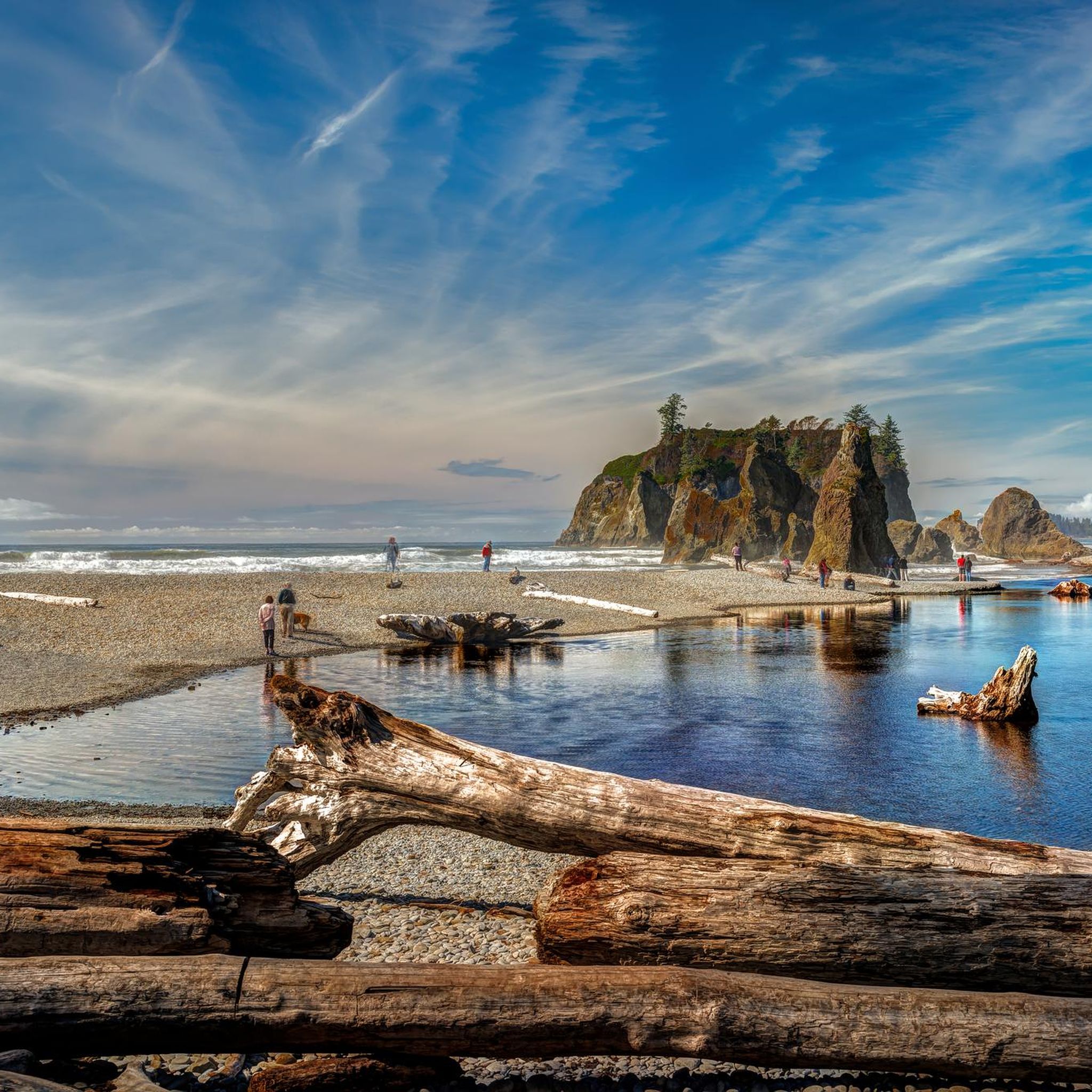
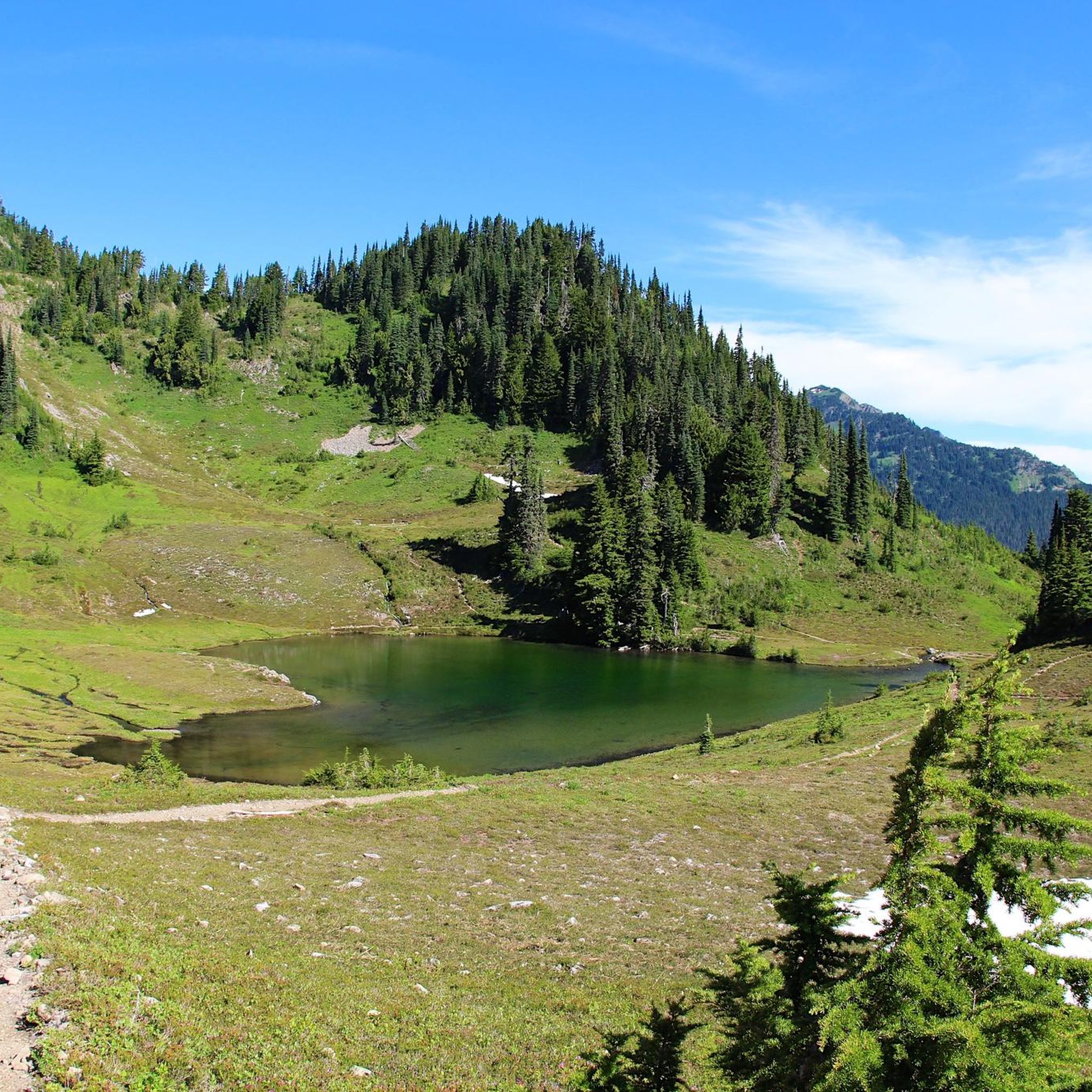
Jogging in Olympic National Park offers diverse landscapes, from rugged Pacific coastline to lush temperate rainforests and glacier-capped mountains. The region is characterized by monumental trees, dynamic beaches, and panoramic mountain vistas. Runners can find routes along interlinking rivers and lakes, providing varied terrain for different abilities. This unique combination of ecosystems makes it a distinctive destination for outdoor activities.
Best jogging routes in Olympic National Park
- The most popular jogging route is High Divide - Seven Lakes Basin Loop…
Last updated: October 10, 2026
27
runners
28.4km
04:08
1,210m
1,210m
Embark on the High Divide - Seven Lakes Basin Loop, a difficult jogging route that takes you through Olympic National Park. You will cover 17.7 miles (28.4 km) and ascend…
17
runners
5.28km
00:39
210m
210m
Embark on the Hurricane Hill Trail for a moderate jogging experience that rewards you with expansive views. This route covers 3.3 miles (5.3 km) and involves a steady climb of…

15
runners
19.3km
03:28
1,440m
1,440m
Embark on the Heather Park and Lake Angeles Loop, a difficult jogging route that spans 12.0 miles (19.3 km) with a significant elevation gain of 4718 feet (1438 metres). You…
5.0
(2)
13
runners
9.48km
01:16
120m
120m
Embark on the Lover's Lane Loop for a challenging jogging experience through a vibrant temperate rainforest. This difficult route spans 5.9 miles (9.5 km) and includes a notable elevation gain…
14
runners
8.62km
01:03
40m
40m
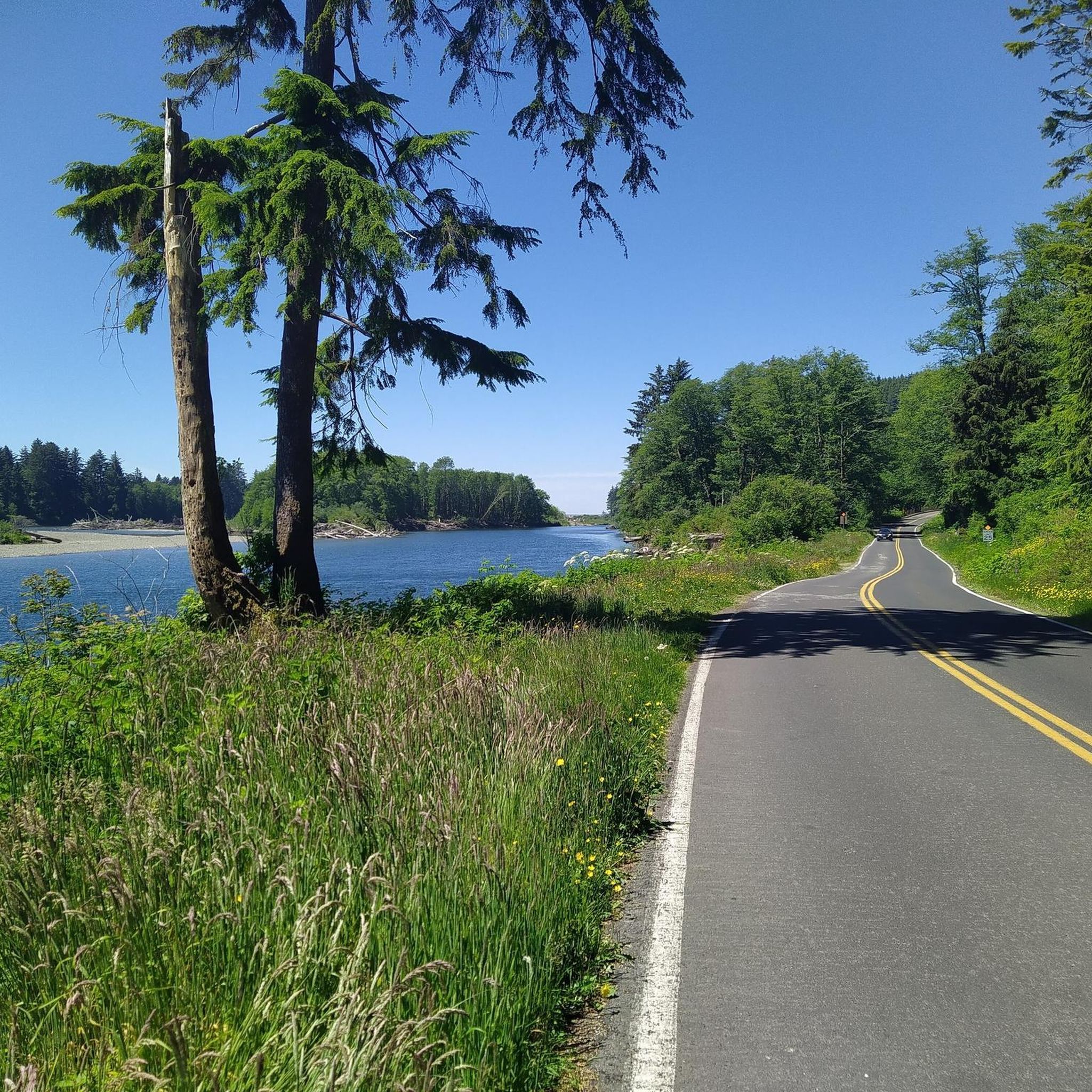
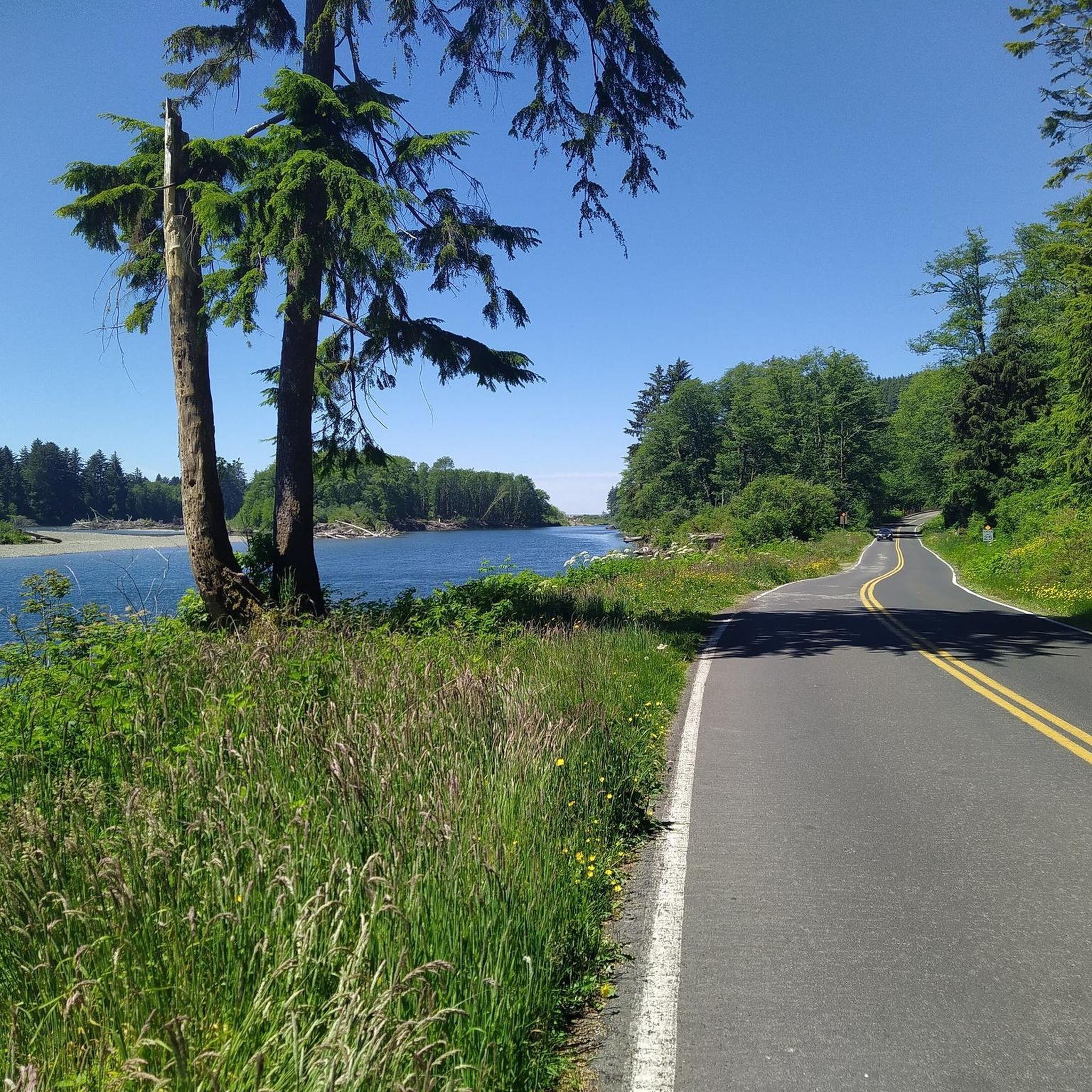
Embark on a moderate jogging adventure along the Hoh River Trail, a 5.4 miles (8.6 km) route in Olympic National Park. You will experience an intensely green, moss-draped temperate rainforest,…
Get access to more routes and recommendations from other explorers.
Already have an account?
Our route recommendations are based on thousands of hikes, rides, and runs completed by other people on komoot.
Start today with a free account
Your next adventure awaits.
Popular around Olympic National Park
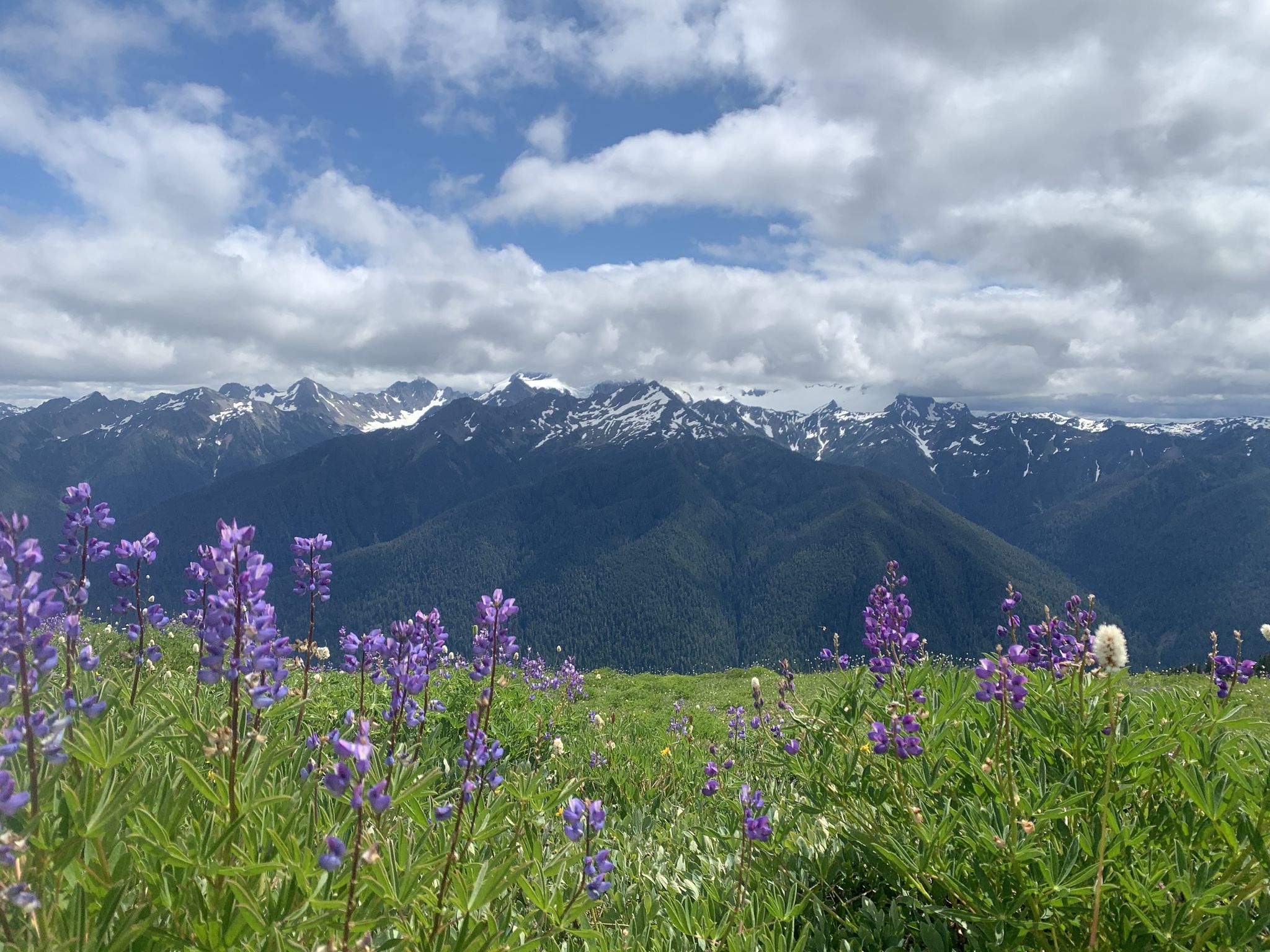
Pacific Northwest National Scenic Trail — From Alpine to Alava through the untamed Northwest
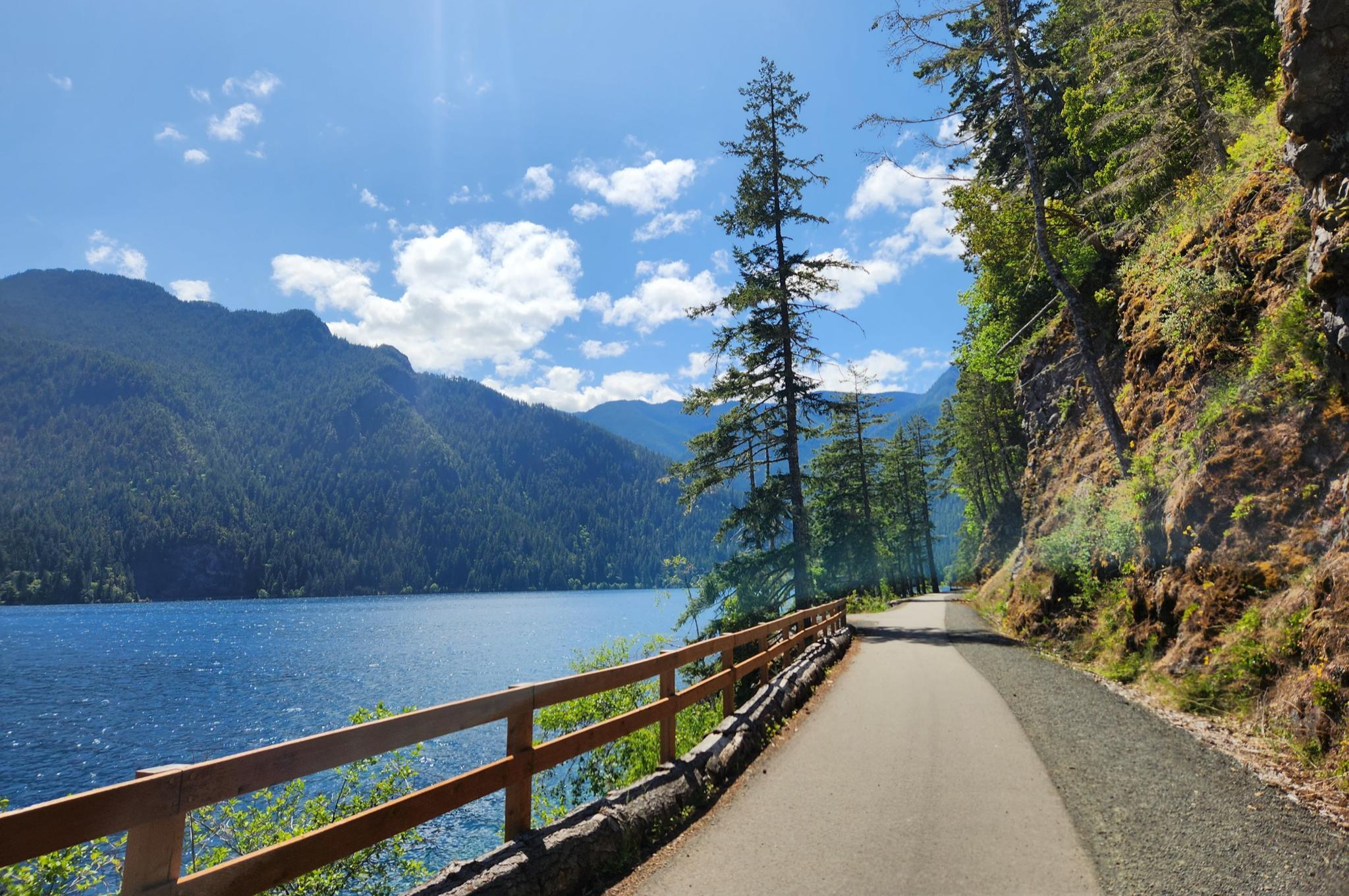
Olympic Discovery Trail — A True Northwest Adventure
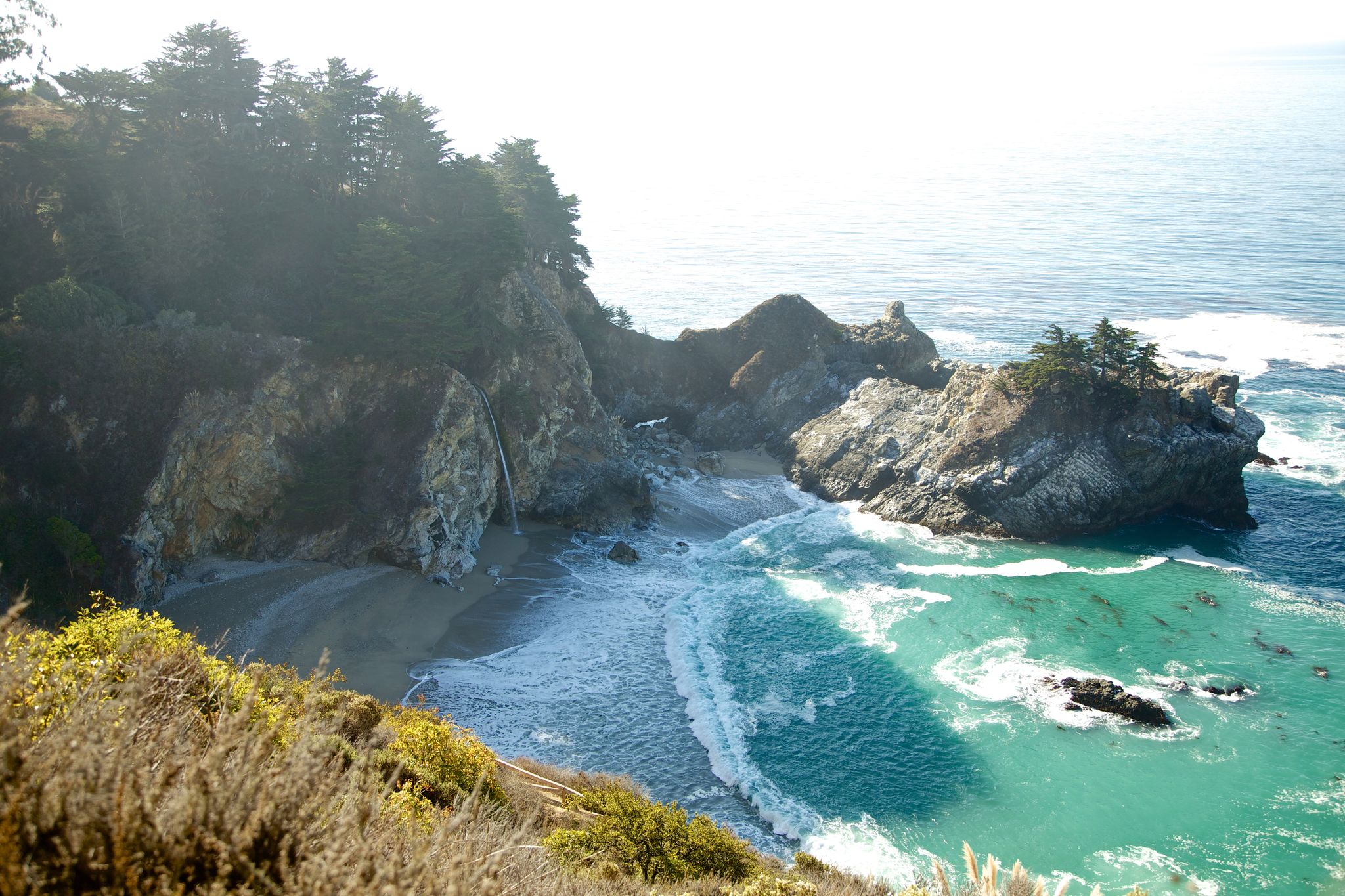
The tour of your life – music trails on the Pacific coast
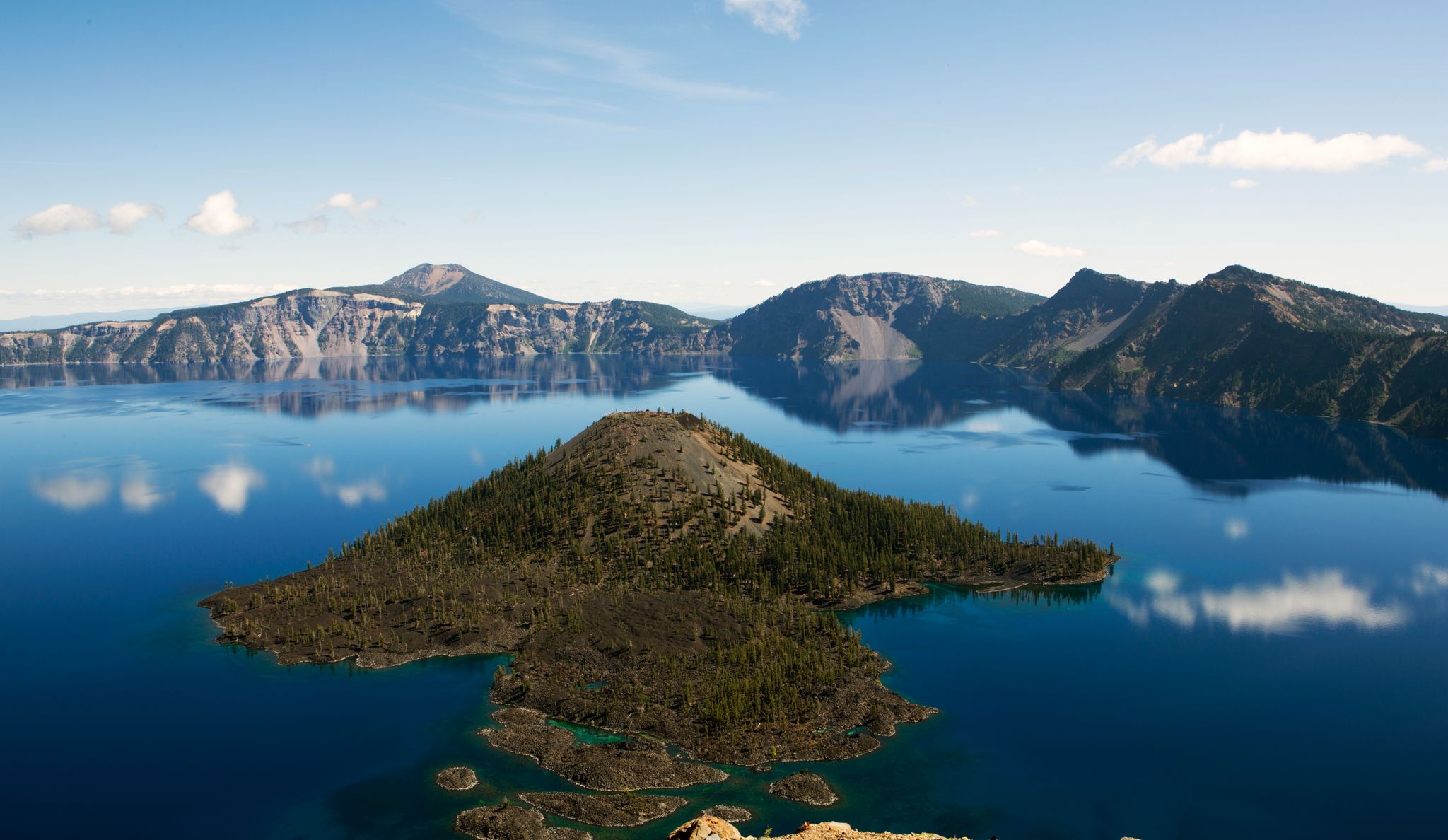
Volcanic peaks and glistening shores – discover Oregon and Washington
Hiking in Olympic National Park
MTB Trails in Olympic National Park
Road Cycling Routes in Olympic National Park
Cycling in Olympic National Park

Gravel biking in Olympic National Park
Other adventures in Olympic National Park


Tips from the Community

Definitely go in September close to Golden hour to see the rainbow over the falls at the right angle.
0
0

The Sol Duc River Trail is a favorite in Olympic National Park. It's a stunning mix of powerful waterfalls, ancient forests, and meadows where you can spot wildlife like elk and bears searching for berries. This connects with the High Divide Trail above Heart Lake. At this junction you can see panoramic views of several peaks, lakes, and valleys.
0
0
Here you can view the rugged beauty of Seven Lakes Basin. This basin, which is home to eight small lakes and many tiny ponds, boasts a stunning yet barren rocky landscape. This rocky terrain is encircled by high-elevation old-growth forests and vibrant alpine meadows adorned with wildflowers and wild blueberries.
0
0
Scenic trail that ends at Deer Lake. It's like walking through a pristine, untouched wilderness. Just follow the orange markers about 10 feet up on the trees to stay on track. The path is mostly dirt and small rocks, and there are streams that cross the trail.
0
0
The High Divide Trail is the highlight here. It's a well-kept path that takes you through open hills, along ridges with pretty meadows, and scattered trees. The views are stunning, especially on clear days. You'll see Mount Olympus, the Hoh River Valley, and more mountains in all directions. Plus, there are quick side trips to beautiful lakes if you want to take a dip or refill your water.
0
0
At this junction, the Sol Duc River Trail and the Appleton Pass Trail meet. If you are coming from Sol Duc Falls, make a right to continue on the trail, or turn left to go onto the Appleton Pass Trail. If you are coming from the Appleton Pass Trail, here you can turn right to access the Sol Duc River Trail that leads to the falls and campground. Alternatively, you can turn left to continue on the Sol Duc River Trail. At this junction, you will also find a campground.
0
0
As you cross the bridge you will see a scenic waterfall nestled within the forest. This is a great stop as it's right off the trail making it a must-see.
0
0
When at the trailhead, if you're aiming to see Sol Duc Falls, take the right path on Lover's Lane Trail. This picturesque trail follows the river and offers an easy start, but as you go further, be prepared for a steeper, more challenging hike through enchanting old-growth forest, leading to the impressive Sol Duc Falls. If you desire a loop, cross the bridge at the falls and return via the trail on the other side for a rewarding 6-mile adventure.
0
0
Frequently Asked Questions
How many running routes are available in Olympic National Park?
Olympic National Park offers a wide variety of running experiences, with over 40 routes documented on komoot. These range from easy coastal paths to challenging mountain ascents, catering to all fitness levels.
Are there easy or moderate running trails suitable for beginners in Olympic National Park?
Yes, the park features numerous easy to moderate trails perfect for runners of all levels. For example, the Hole in the Wall Trail offers a moderate coastal run with unique sea stacks, while the Hoh River Trail provides a largely flat path through the temperate rainforest for the first 12-13 miles.
What kind of natural landmarks or viewpoints can I expect to see along the jogging routes?
Olympic National Park is renowned for its diverse ecosystems. Along your runs, you can encounter majestic glacier-capped mountains, lush temperate rainforests, and pristine Pacific coastline. Specific highlights include the iconic Hoh Rain Forest, the dramatic sea stacks at Rialto Beach, and the stunning blue waters of Lake Crescent. For panoramic mountain views, consider routes near Hurricane Ridge Visitor Center.
Are there any running routes that feature waterfalls?
Yes, you can incorporate a beautiful waterfall into your running experience. The Marymere Falls are a notable attraction near Lake Crescent, accessible via a relatively short trail. Additionally, the Dosewallips Trail, located on the eastern side of the park, follows the Dosewallips River and passes by Dosewallips Falls.
What do other runners enjoy most about jogging in Olympic National Park?
The running routes in Olympic National Park are highly rated by the komoot community, with an average score of 5.0 stars. Reviewers often praise the unparalleled diversity of landscapes, from the serene rainforests to the dramatic coastline and challenging mountain vistas, offering a truly unique outdoor experience.
Are there any challenging running trails for experienced runners?
Absolutely. For those seeking a significant challenge, the High Divide - Seven Lakes Basin Loop is a difficult 17.7-mile trail with substantial elevation gain, offering spectacular mountain panoramas. Other challenging options include routes in the Olympic Mountains like the Slap Camp, Deer Park, and Gray Wolf loop, or the Royal Lake and Royal Basin trails.
Can I find running routes that are suitable for families with children?
Yes, several trails are well-suited for families. The Hall of Mosses Trail in the Hoh Rainforest is a shorter, enchanting loop through ancient groves. The Spruce Railroad Trail along Lake Crescent is another excellent option, offering an eight-mile out-and-back path with stunning lake views, featuring a mix of dirt, gravel, and paved surfaces.
What is the best time of year for trail running in Olympic National Park?
The best time for trail running generally depends on the specific ecosystem you wish to explore. Coastal and rainforest trails are often accessible year-round, though rain is common. For mountain trails and higher elevations, late spring through early fall (June to September) typically offers the most favorable conditions, with less snow and milder temperatures. Always check current weather and trail conditions before heading out.
Are there any circular running routes in the park?
While many trails are out-and-back, some areas offer loop opportunities. For instance, the Hall of Mosses Trail is a shorter loop within the Hoh Rainforest. For more challenging circular routes, areas like the Slap Camp, Deer Park, and Gray Wolf loop in the Olympic Mountains provide extensive options for experienced runners.
What are the parking options like for trailheads in Olympic National Park?
Parking is generally available at major trailheads and visitor centers throughout Olympic National Park. Popular spots like Hurricane Ridge, Lake Crescent, and the Hoh Rainforest have designated parking areas. During peak seasons, these can fill up quickly, so arriving early is advisable. Some remote trailheads might have limited parking.
Are dogs allowed on the running trails in Olympic National Park?
Olympic National Park has specific regulations regarding pets. Dogs are generally allowed on roads, in campgrounds, and on a few designated trails, but are restricted from most wilderness trails to protect wildlife and natural resources. Always check the specific trail regulations before bringing your dog. For more detailed information, you can visit the official NPS website.
Can I find less crowded jogging routes in Olympic National Park?
To avoid crowds, consider visiting during the shoulder seasons (late spring or early fall) or exploring less-trafficked areas of the park. While popular spots like Hoh Rainforest and Hurricane Ridge can be busy, trails on the eastern side of the park, such as the Dosewallips Trail, or some of the more challenging mountain routes, tend to see fewer visitors, offering a more solitary running experience.
Most popular routes in Olympic National Park
Most popular attractions in Olympic National Park

Get inspired with the komoot mobile app


Explore more
Browse the best Running Trails & Routes in other regions.
