Attractions and Places To See in Indiana Dunes National Park - Top 18
Best attractions and places to see in Indiana Dunes National Park include a diverse landscape spanning 15 miles along the southern shore of Lake Michigan. The park features towering sand dunes, lush forests, and significant wetlands. With over 15,000 acres of natural terrain, it offers a variety of natural features and cultural sites. Visitors can explore more than 50 miles of trails across its varied ecosystems.
Best attractions and places to see in Indiana Dunes National Park
- The most popular…
Last updated: October 18, 2026
Dunes Succession Trail
Highlight (Segment) • Trail
Tip by

Oak Savannah Trail
Highlight • Cycleway
Tip by

Sign up now to discover places like this
Get recommendations on the best single tracks, peaks, & plenty of other exciting outdoor places.
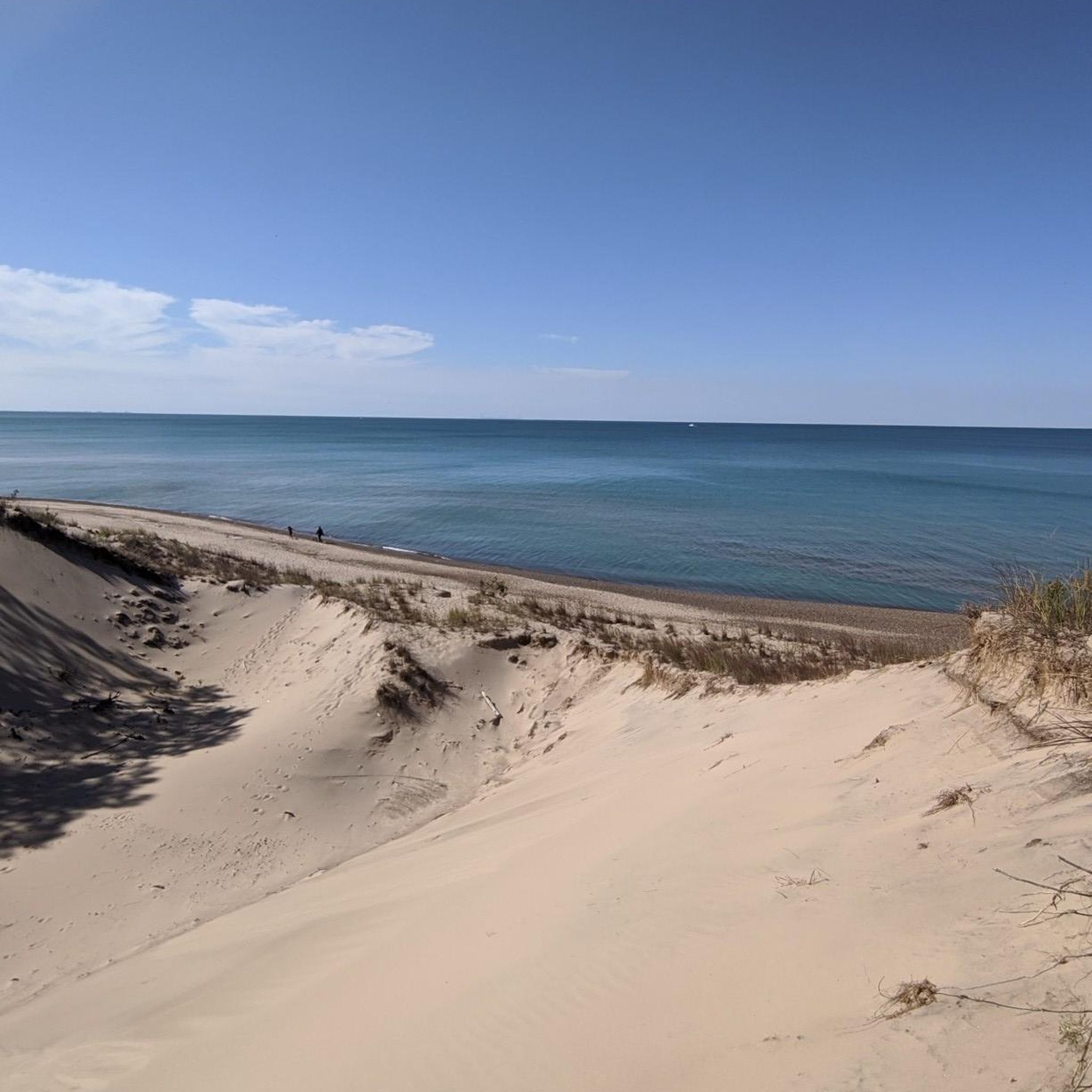
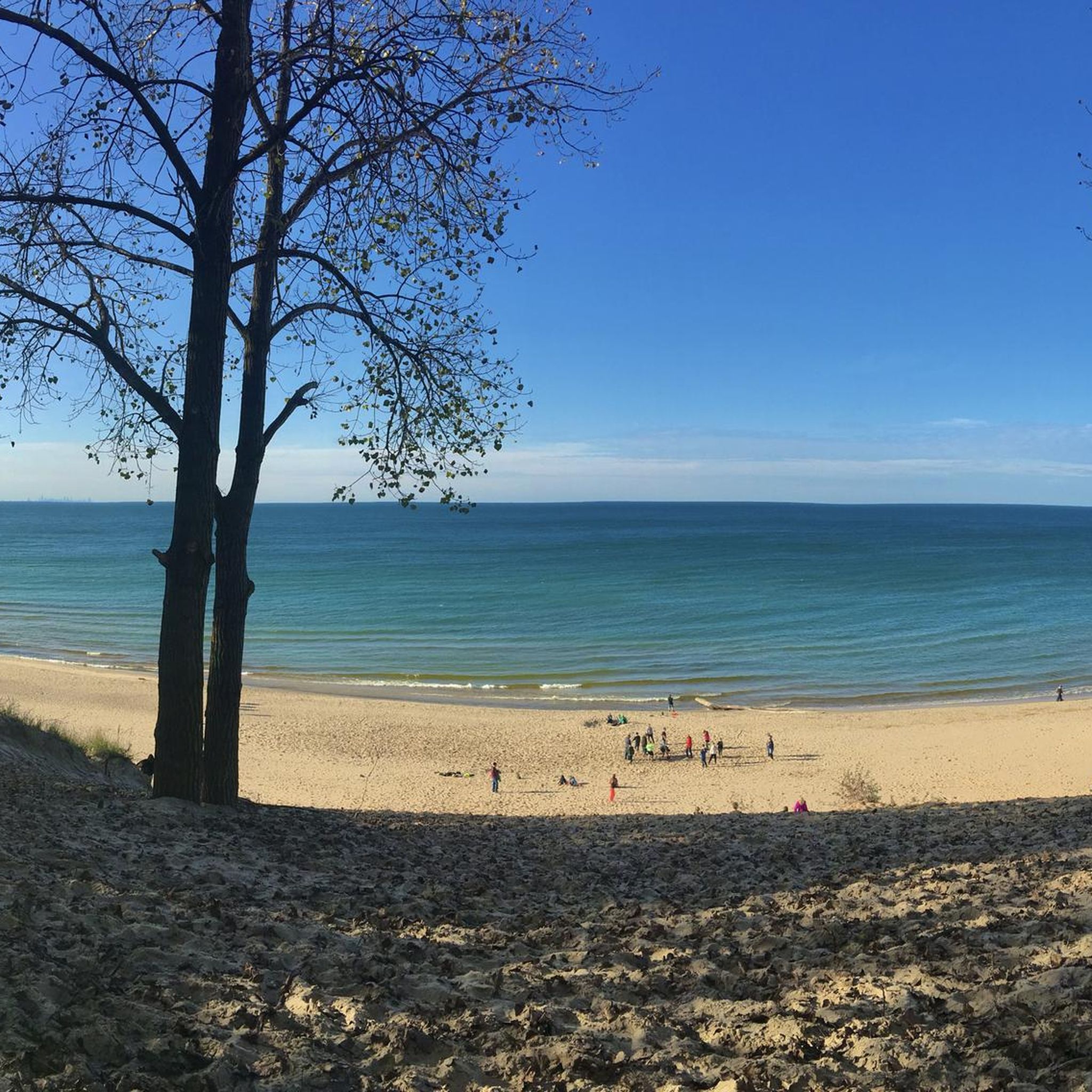
Lake Michigan Beach and Sand Dunes
Highlight • Beach
Tip by

Mount Holden
Highlight • Summit
Tip by
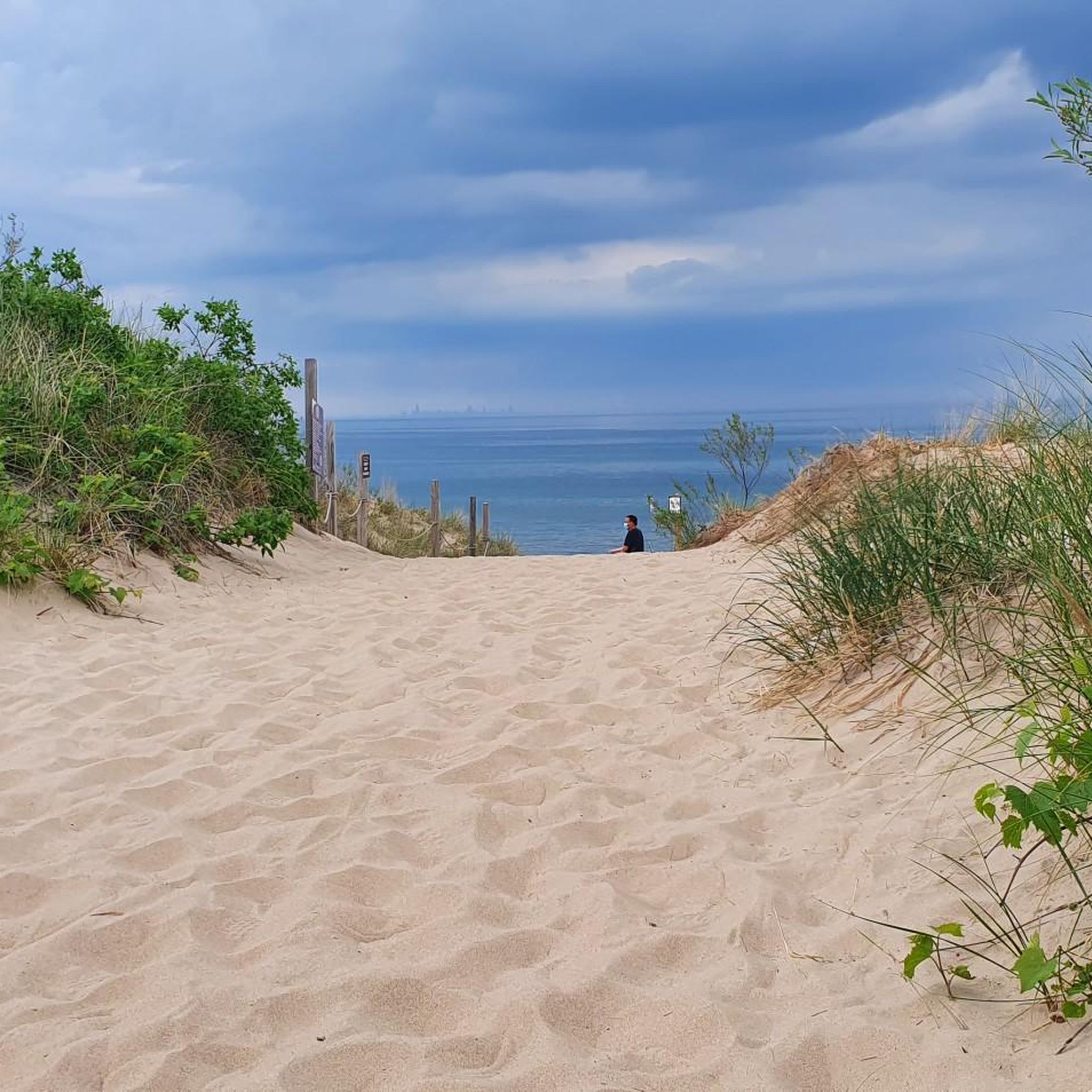
Beach Trail
Highlight (Segment) • Trail
Tip by

Sign up for free to discover even more attractions in Indiana Dunes National Park.
Already have an account?
Start today with a free account
Your next adventure awaits.

Other adventures in Indiana Dunes National Park

Tips from the Community

The Dune Succession Trail is a fantastic one-mile loop that transitions from bare dunes to oak woodlands, with 250 stairs leading to stunning views of Lake Michigan and the Chicago skyline. Climbing the stairs to the top can be relatively challenging for some, but the incredible vistas make it well worth the trek!
1
0

The Dune Succession Trail (Loop 1) highlights the four stages of dune development within its one-mile length. From the parking lot, follow the road north, toward the lake and look for the trail to pick up to the west of the bathhouse. This scenic, but strenuous, trail includes a climb up 270 stairs for a spectacular view of Lake Michigan and Chicago. Support the restoration effort in the fragile dunes and ponds by remaining on designated trails. Spot the skyline of Chicago 28 miles across Lake Michigan from the lookout point! https://www.nps.gov/indu/planyourvisit/wb16.htm
4
0

Beautiful beaches and dune landscape. In summer you can go swimming on the supervised beach. Admission to the state park parking lot is $7 per car and $2 per person.
0
0

Lake Michigan is the only Great Lake completely located in the United States. With a surface area of 22,404 square miles, it is the largest lake entirely within one country.
1
0
Mount Holden stands 184 feet above Lake Michigan, making it the second highest dune in the state of Indiana.
1
0

The Oak Savannah Trail follows the route of an old Indianna Railroad line. It has a distance of about 10 miles and is connected with other cycle paths. It has the particularity of offering many natural areas for cyclists. In fact, it revives an old forest ecosystem, within an urban area.
0
0

This is one of the hiking trails in the Indiana Dunes State Park. This path leads to the beautiful Lake Michigan beach.
0
0

This trail continues to be well maintained
0
0
Frequently Asked Questions
What unique natural features can I explore in Indiana Dunes National Park?
Indiana Dunes National Park is renowned for its diverse natural landscape. You can explore towering sand dunes, including Mount Holden, which stands 184 feet above Lake Michigan. The park also features extensive wetlands like Cowles Bog National Natural Landmark, lush forests, and 15 miles of Lake Michigan shoreline with various beaches such as West Beach and Kemil Beach.
Where can I experience the famous sand dunes and their views?
For an immersive dune experience, try the Dunes Succession Trail near West Beach. This one-mile loop features 250 stairs leading to stunning views of Lake Michigan and the Chicago skyline. You can also visit Mount Baldy, a unique 'wandering dune,' or explore the area around Mount Holden, the second highest dune in Indiana.
Are there family-friendly activities and trails in Indiana Dunes National Park?
Yes, the park offers many family-friendly options. The Oak Savannah Trail is a gentle 10-mile cycleway suitable for families. You can also visit the Chellberg Farm, a 19th-century Swedish homestead with farm animals, or enjoy the beaches like Lake Michigan Beach and Sand Dunes for swimming and picnicking. The Paul H. Douglas Center for Environmental Education also offers educational programs.
What historical sites can I visit within the park?
The park preserves over 60 historic structures. Key sites include the Bailly Homestead, a National Historic Landmark and home of an early fur trader, and the Chellberg Farm, a 19th-century Swedish homestead. You can also see the unique Century of Progress Homes in Beverly Shores, which were innovative houses from the 1933 Chicago World's Fair.
What are some popular hiking trails in Indiana Dunes National Park?
Popular hiking trails include the challenging Dunes Succession Trail with its scenic views, and the Cowles Bog National Natural Landmark trail, a 4.7-mile loop showcasing diverse ecosystems. The Paul H. Douglas (Miller Woods) Trail is another great option, leading through black oak savannas and wetlands to a beach.
Are there opportunities for cycling in Indiana Dunes National Park?
Absolutely! The park features over 37 miles of biking trails. The Oak Savannah Trail follows an old railroad line for about 10 miles, offering natural areas for cyclists. Other options include the Prairie Duneland Bike Trail and Calumet Trail. For more cycling routes, explore the Cycling in Indiana Dunes National Park guide.
When is the best time of year to visit Indiana Dunes National Park?
The park offers attractions year-round. Spring and fall are ideal for hiking and birdwatching due to milder temperatures and vibrant foliage or migrating birds. Summer is perfect for enjoying the beaches and swimming in Lake Michigan. Winter provides opportunities for cross-country skiing and snowshoeing on designated trails.
Can I find wheelchair-accessible paths or attractions in the park?
Yes, the park strives for accessibility. The Great Marsh features a wheelchair-accessible trail to an overlook, providing excellent birdwatching opportunities. The Portage Lakefront and Riverwalk also offers an accessible trail, fishing pier, and scenic views.
What kind of wildlife can I expect to see?
Indiana Dunes National Park is a haven for wildlife. It's a prime birdwatching destination, with over 350 bird species observed, especially at the Great Marsh. Along the Little Calumet River, you might spot herons, deer, or turtles. The diverse ecosystems support a wide array of flora and fauna.
Where can I find visitor information and educational programs?
The Dorothy Buell Memorial Visitor Center (Indiana Dunes Visitor Center) is your primary stop for park information, films, and an activity room. For educational programs and activities, visit the Paul H. Douglas Center for Environmental Education, which also serves as a starting point for the Paul H. Douglas Trail.
Are there opportunities for running or jogging in the park?
Yes, the park has numerous trails suitable for running and jogging. You can find a variety of routes, from easy loops to more challenging distances. For specific running trails and their difficulties, check out the Running Trails in Indiana Dunes National Park guide.
What are some significant wetland areas to explore?
The park is home to several important wetland ecosystems. The Cowles Bog National Natural Landmark is recognized for its outstanding plant diversity. The Great Marsh is a crucial feeding and resting area for migrating wetland birds, and Pinhook Bog is another significant bog within the park.
Most popular routes in Indiana Dunes National Park
Most popular attractions in Indiana Dunes National Park

Get inspired with the komoot mobile app


Explore more
Still not found the Highlight you’re looking for? See guides of the top attractions in other regions:
