Attractions and Places To See in Sequoia National Park - Top 20
Best attractions and places to see in Sequoia National Park include colossal giant sequoia trees and diverse landscapes in California's southern Sierra Nevada mountains. The park features a rich tapestry of natural wonders, historical sites, and recreational opportunities. It is home to thousands of lakes, ponds, rivers, and streams, forming important watersheds. The park also holds significant indigenous history, being the homeland of several Native American tribes for thousands of years.
Best attractions and places to see in Sequoia National…
Last updated: July 6, 2026
General Sherman Tree
Highlight • Natural Monument
Showing Translation
Tip by

Congress Trail
Highlight (Segment) • Trail
Tip by

Sign up now to discover places like this
Get recommendations on the best single tracks, peaks, & plenty of other exciting outdoor places.
Sign up for free
Giant Forest Museum
Highlight • Rest Area
Tip by

Tunnel Log (Sequoia National Park)
Highlight • Natural
Tip by

Mount Whitney
Highlight • Summit
Tip by

Sign up for free to discover even more attractions in Sequoia National Park.
Sign up for free
Already have an account?
Start today with a free account
Your next adventure awaits.
Login or Signup
Popular around Sequoia National Park
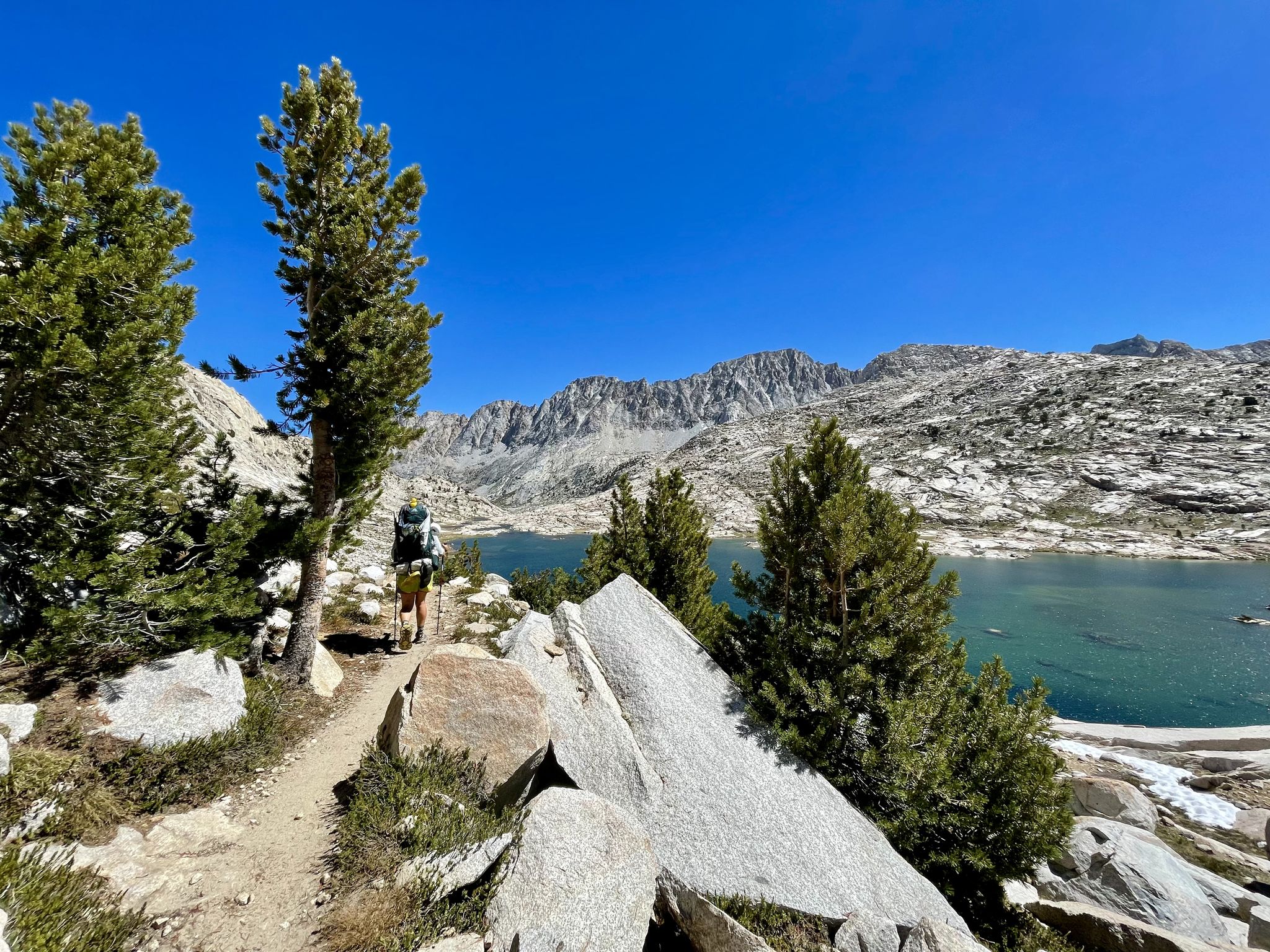
John Muir Trail – Along the legendary trail through the magical Sierra Nevada
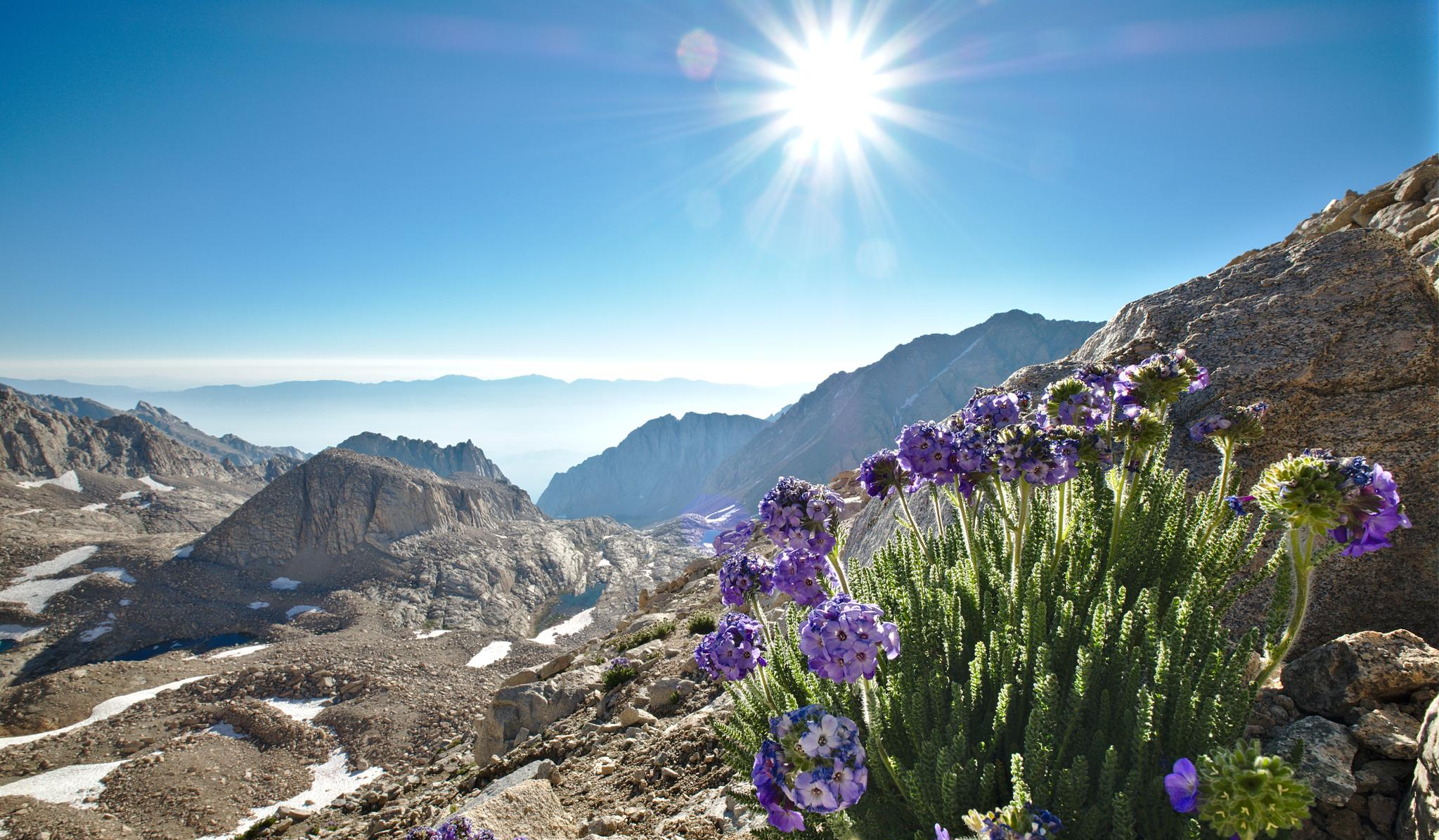
The High Sierra Trail — The Ultimate Sierra Experience
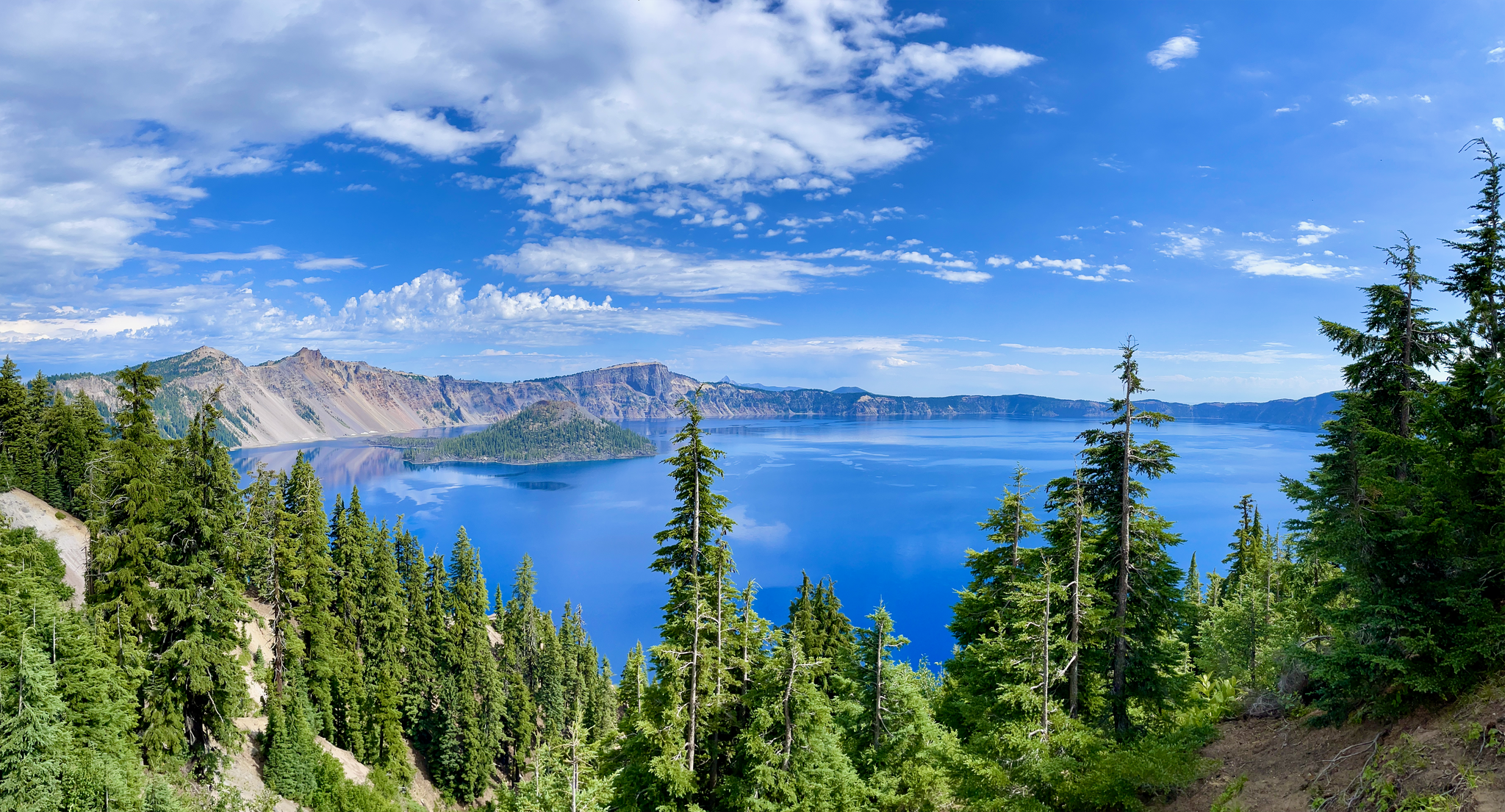
The pristine beauty of the US National Parks
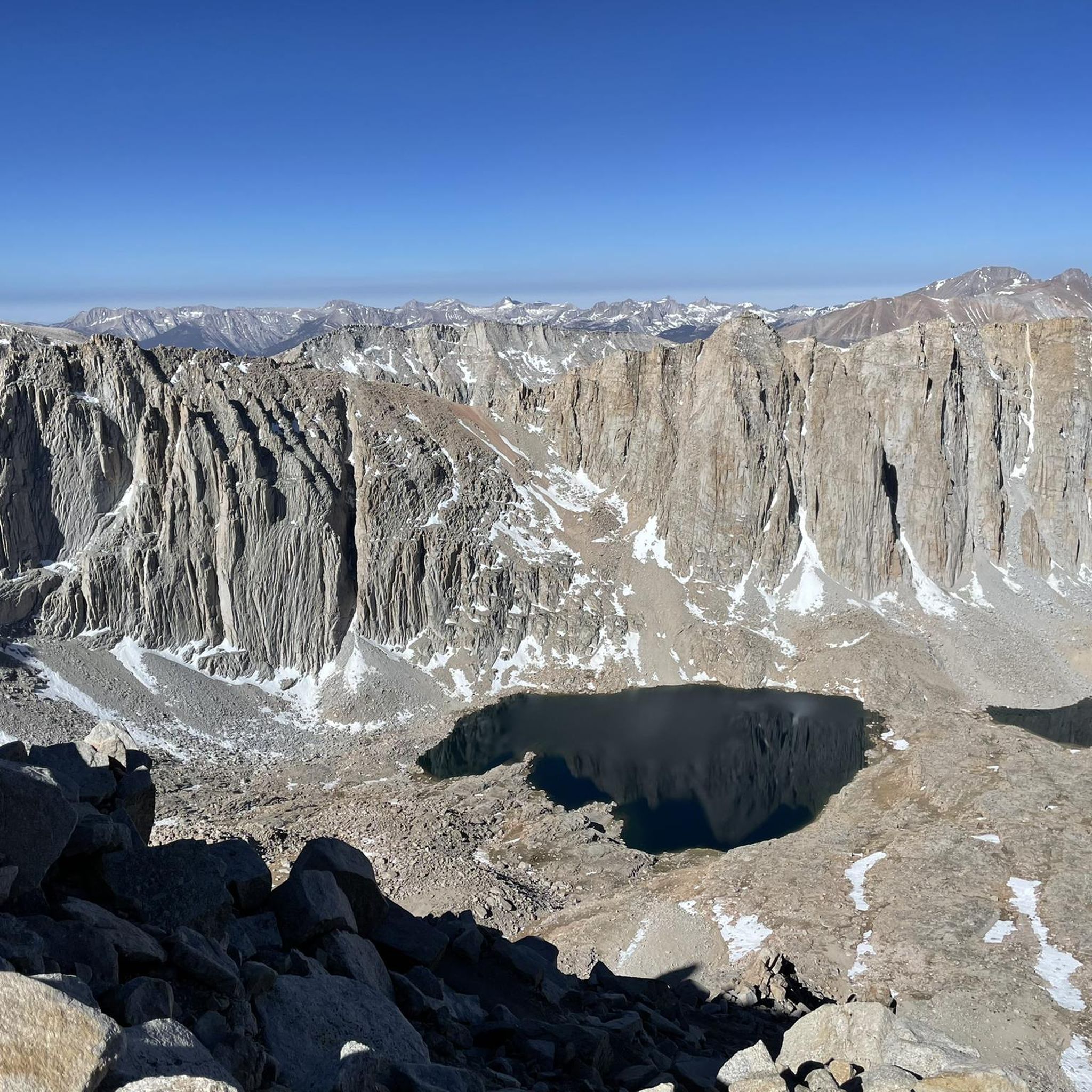
Hiking in Sequoia National Park
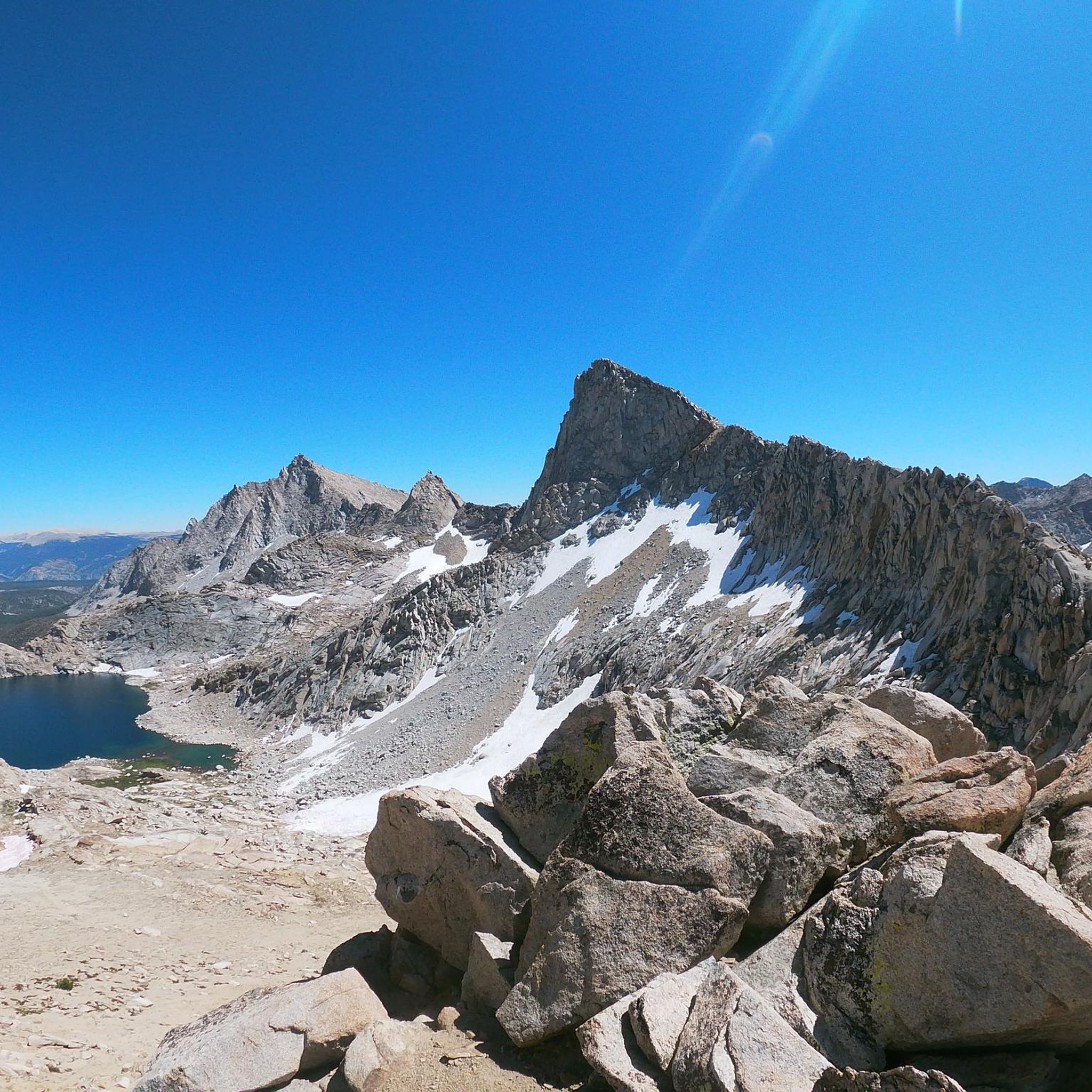
Running Trails in Sequoia National Park
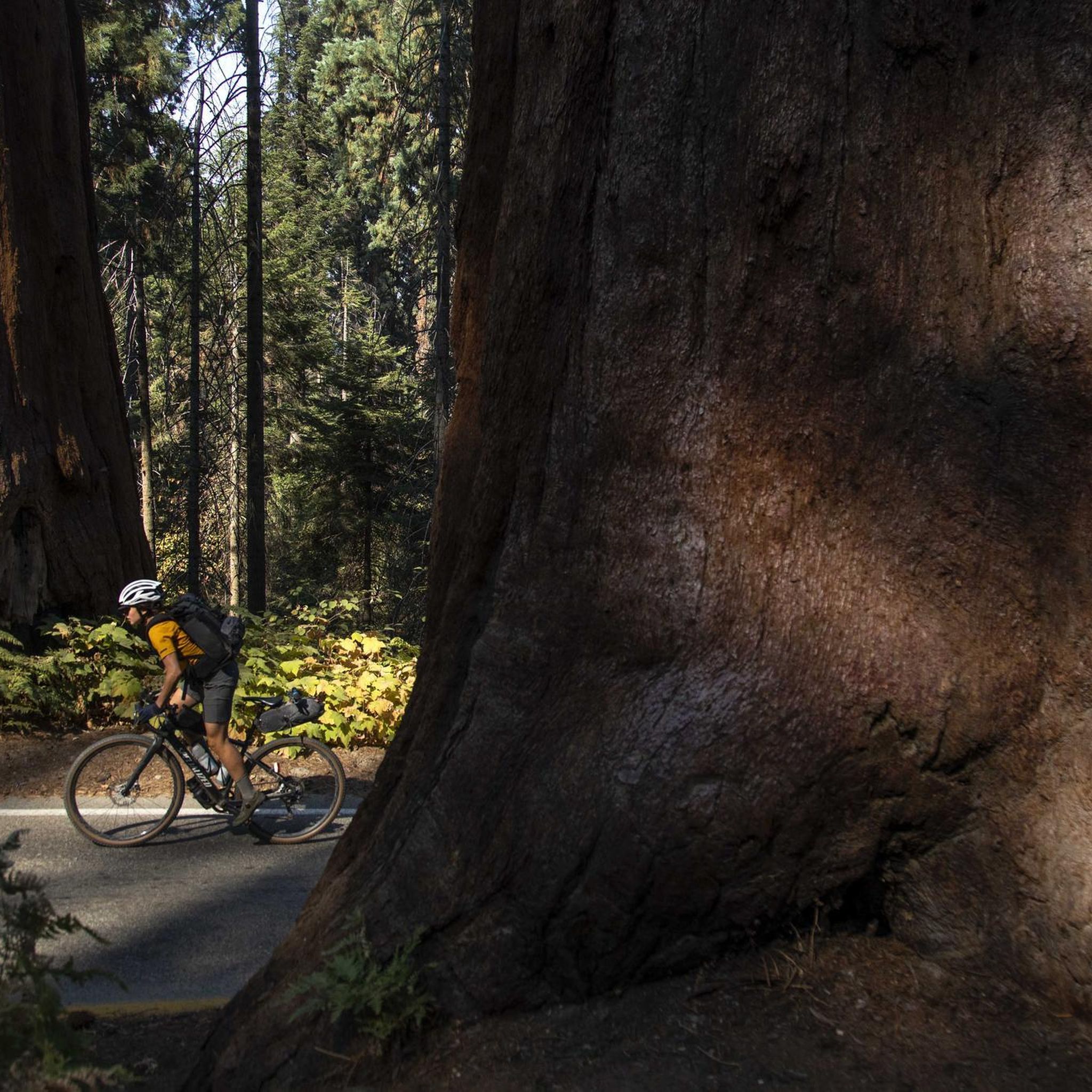
Cycling in Sequoia National Park

Road Cycling Routes in Sequoia National Park
Other adventures in Sequoia National Park


Tips from the Community

There are numerous tunnel logs in this NP. You can even drive through one of them with your car.
0
0
Was along our hike through Sequoia NP. Nicely done and informative
0
0
In this part of the NP there are numerous such tunnels, some so large that you can drive through them with a car.
0
0
For me, one of the most beautiful hikes I have ever done. These gigantic trees are so graceful and beautiful, it smells wonderful - simply fantastic.
0
0

This museum is meant to be the start of any visit to this forest of giants. It showcases the natural history of the area (and of the building itself), and also serves as the trailhead for self-guided walks through the trees.
0
0
What do you do when a giant sequoia tree falls across a hiking trail? You carve a tunnel through it, apparently. This is much like the famous "tunnel log," also in Sequoia National Park, carved out of a tree that fell across a roadway. But instead of being carved to allow a full-size vehicle through, this tunnel is just big enough for hikers.
1
0

Hikers first glimpse the massive General Sherman Tree from this spot on the General Sherman Tree Trail. Just around the bend, you can reach the base of the tree, but even from this spot, you can marvel at its immense size and grandeur.
0
0

The Congress Trail leads past some of the biggest highlights of the Giant Forest and is relatively quick and easy to hike. It was absolutely perfect for our day trip to Sequoia National Park. Don't make the mistake of turning around at the Sherman Tree, you'll miss the best spots. An absolute highlight on our west coast road trip through 3 states in the USA.
0
0
Frequently Asked Questions
What are some popular trails for experiencing the giant sequoias?
For an immersive experience among the giant sequoias, the Congress Trail is highly recommended. This 3.2 km loop starts near the General Sherman Tree and leads deeper into the Giant Forest, showcasing numerous other colossal sequoias. Another easy option is the Big Trees Trail, a 1.3-mile loop with interpretive signs that explains why sequoias thrive in the Giant Forest.
Where can I find panoramic views of Sequoia National Park?
For breathtaking panoramic views, climb Moro Rock. This iconic granite dome offers expansive vistas of the Great Western Divide, forested ridges, and deep canyons after ascending over 350 steps carved into the rock. It's a rewarding climb for those seeking stunning landscapes.
Are there family-friendly attractions in Sequoia National Park?
Yes, Sequoia National Park offers several family-friendly attractions. The Tunnel Log, where you can drive through a fallen giant sequoia, is a fun and unique photo opportunity. The Giant Forest Museum provides engaging exhibits about the park's natural and human history, and many of the sequoia trails, like the Big Trees Trail, are easy and suitable for all ages.
What unique natural formations can I explore underground in the park?
You can explore the stunning Crystal Cave, a marble karst cavern. Guided tours illuminate dramatic stalactites and intricate geological formations, offering a unique subterranean adventure. Reservations are recommended due to its popularity.
What historical or cultural sites can I visit in Sequoia National Park?
The park is rich in history. Visit Hospital Rock, a notable geological and historical site featuring ancient Native American petroglyphs. You can also see Tharp's Log, a dwelling constructed from a hollowed-out fallen giant sequoia log, used by an early settler. The Giant Forest Museum, itself listed on the National Register of Historic Places, offers insights into the region's past.
Are there any wheelchair accessible viewpoints or facilities in the park?
Yes, the Giant Forest Museum offers accessible parking, restrooms, and trail access, making it a key starting point for exploring the majestic Giant Forest. The trail to the General Sherman Tree is also paved and generally considered accessible.
What outdoor activities, like cycling, are available near the attractions?
Sequoia National Park offers diverse outdoor activities. For cycling enthusiasts, there are routes like the 'Generals Highway Scenic Drive' or 'Three Rivers to Mineral King Valley via Mineral Road'. You can find more details on road cycling routes in the park on the Road Cycling Routes in Sequoia National Park guide, and general cycling routes on the Cycling in Sequoia National Park guide.
Are there notable waterfalls or rivers to see in Sequoia National Park?
Yes, Tokopah Falls is an impressive 1,200-foot waterfall that cascades over rugged rocks. It's a rewarding destination after a moderate 4-mile round trip hike from Lodgepole Campground, especially vibrant in late spring and early summer due to snowmelt. The park is also home to thousands of lakes, ponds, and miles of rivers and streams, forming important watersheds.
Can I visit the highest peak in the contiguous United States within the park?
Yes, Mount Whitney, the highest peak in the contiguous United States at 14,494 feet, is a significant natural feature within the park. It attracts experienced hikers, though permits are required for summit attempts.
Are there any less crowded areas or 'hidden gems' to explore in Sequoia National Park?
For a more secluded experience, consider visiting the Mineral King Valley. This area offers pristine natural beauty, rugged landscapes, and a rich history away from the main tourist hubs. Crescent Meadow, described by John Muir as the 'Gem of the Sierras,' also provides opportunities for wildlife viewing and peaceful strolls amidst giant sequoias.
What is the best time to visit Sequoia National Park?
The best time to visit Sequoia National Park largely depends on your desired activities. Late spring and early summer (May-June) are ideal for seeing waterfalls like Tokopah Falls at their most vibrant due to snowmelt, and for pleasant hiking weather. Summer (July-August) offers warm weather and full access to all areas, though it's also the busiest. Fall (September-October) brings cooler temperatures and beautiful foliage, while winter (November-April) offers opportunities for snowshoeing and cross-country skiing, though some roads and facilities may be closed.
What kind of easy hikes are available in Sequoia National Park?
Sequoia National Park offers several easy hikes suitable for most visitors. The General Sherman Tree Trail is a short, paved loop leading to the world's largest tree. The Congress Trail is a 3.2 km easy loop through the Giant Forest. Another accessible option is the Big Trees Trail, a 1.3-mile loop with interpretive signs. For more options, check the Easy hikes in Sequoia National Park guide.
What can I learn about the park's ecosystem and history at the Giant Forest?
The Giant Forest Museum is an excellent starting point. It provides valuable information and exhibits on the natural history, ecology, and human history of the giant sequoias and the surrounding area. The museum helps visitors understand why these colossal trees thrive here and the significance of the Giant Forest ecosystem.
Most popular routes in Sequoia National Park
Most popular attractions in Sequoia National Park

Get inspired with the komoot mobile app


Explore more
Still not found the Highlight you’re looking for? See guides of the top attractions in other regions:
