The best road cycling routes in Hawai'I Volcanoes National Park
5.0
(4)
85
riders
12
rides
Road cycling in Hawai'I Volcanoes National Park offers a unique experience across diverse volcanic landscapes. The park features active volcanic terrain with lava fields and craters, ranging from sea level to nearly 14,000 feet. Cyclists can explore lush rainforests, ash-covered deserts, and rugged coastlines, all shaped by the ongoing geological processes of Kīlauea and Mauna Loa. This varied topography provides a dynamic environment for road cycling.
Best road cycling routes in Hawai'I Volcanoes National Park
- The most popular road cycling…
Last updated: October 24, 2026
5.0
(1)
13
riders
72.6km
03:44
1,300m
1,300m
Embark on a challenging road cycling journey along the Chain of Craters Road, a route that spans 45.1 miles (72.6 km) within Hawaiʻi Volcanoes National Park. You will encounter dramatic…
6
riders
45.4km
02:29
620m
620m
Embark on a moderate racebike journey along the Hilina Pali Road, a 28.2-mile (45.4 km) route that takes you through the diverse landscapes of Hawaiʻi Volcanoes National Park. You will…

4
riders
37.5km
07:59
850m
860m
Embark on a truly difficult racebike challenge along Mauna Loa Road, a 23.3 miles (37.5 km) ascent with a substantial 2799 feet (853 metres) of elevation gain. This demanding route,…
3
riders
21.5km
00:58
240m
240m
Crater Rim Drive offers an easy road cycling experience, covering 13.3 miles (21.5 km) with a gentle 792 feet (241 metres) of elevation gain, typically completed in about 58 minutes.…
5.0
(1)
14
riders
71.7km
03:50
1,310m
1,310m
Hard road ride. Very good fitness required. Mostly well-paved surfaces and easy to ride.
Get access to more routes and recommendations from other explorers.
Already have an account?
Our route recommendations are based on thousands of hikes, rides, and runs completed by other people on komoot.
Start today with a free account
Your next adventure awaits.

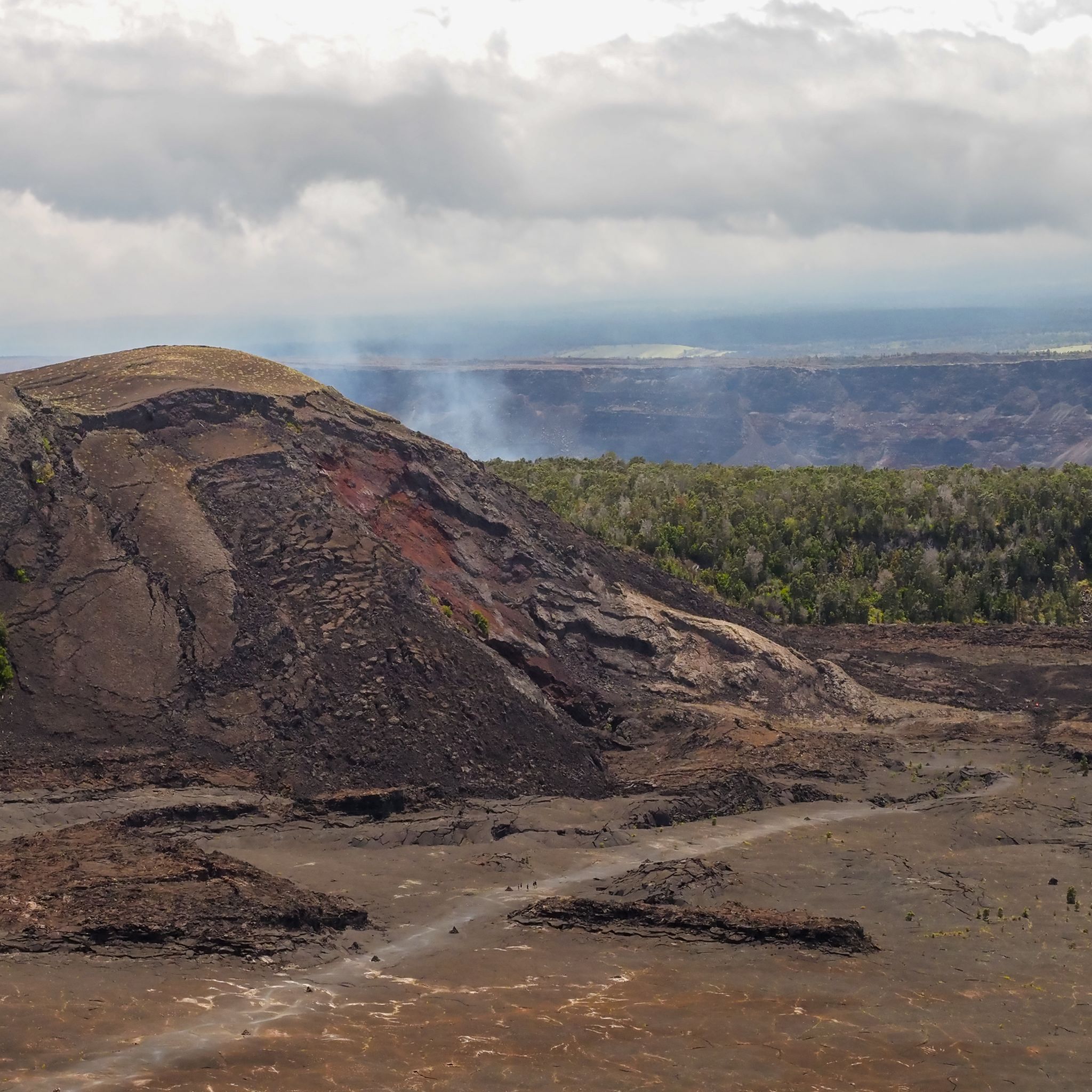
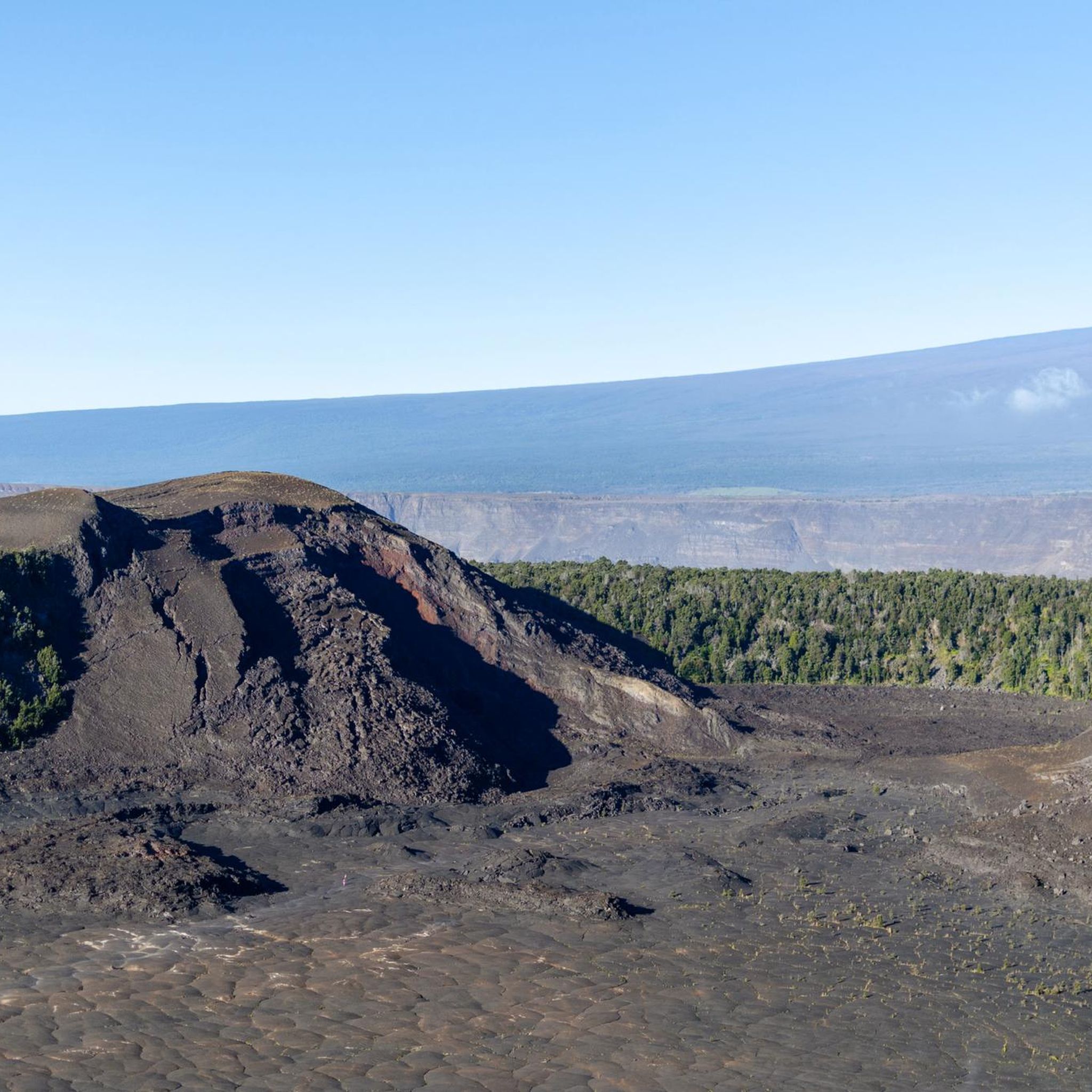
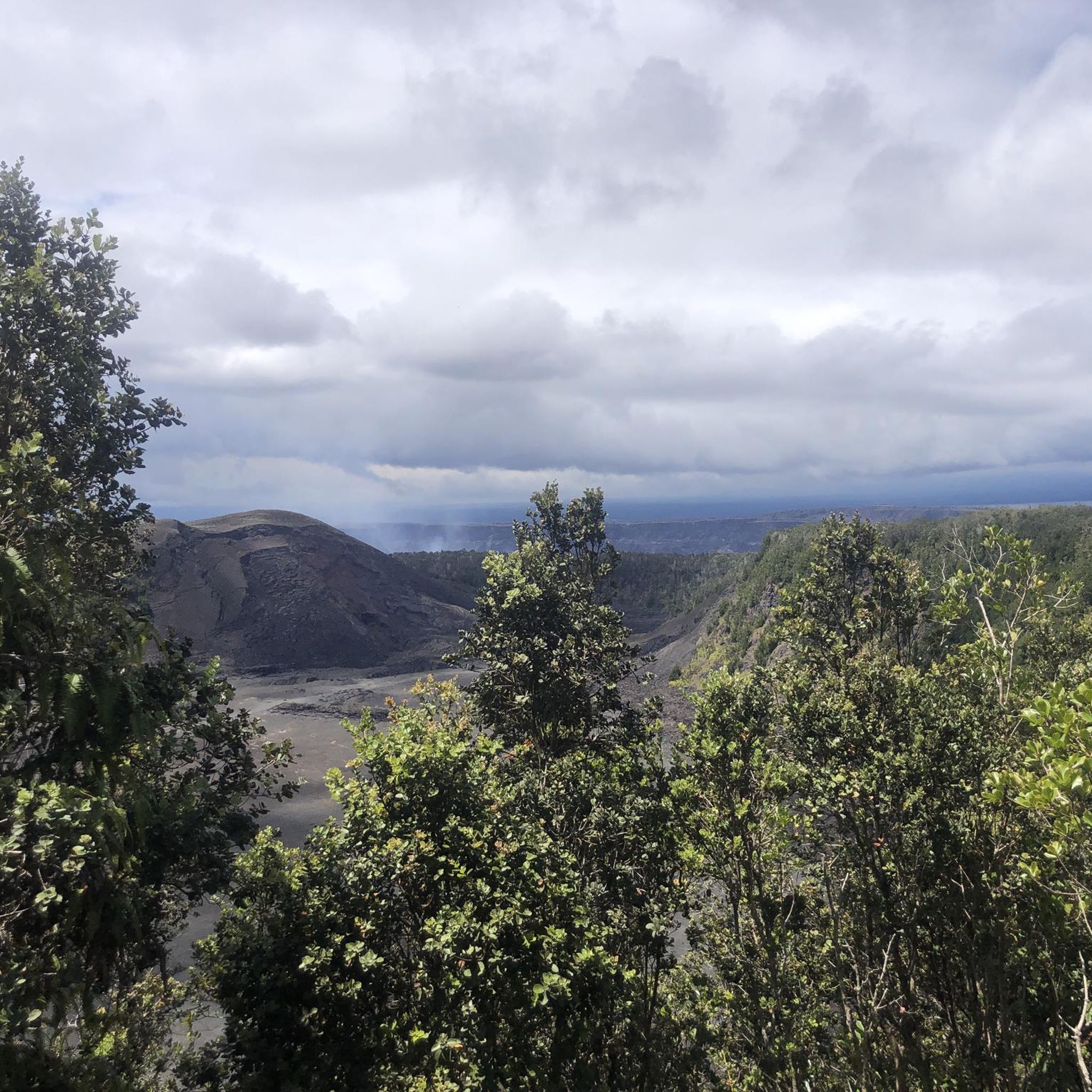
Other adventures in Hawai'I Volcanoes National Park

Tips from the Community

Viewpoint with shelter and great view of the Pacific
3
0
The lava coast with the arch is a great photo opportunity
2
0
The center is closed for renovations until August 2026
2
0

Beautiful viewpoint above the clouds with the opportunity to have a picnic. Pheasants can also be seen here occasionally.
0
0


Pauahi is 360 feet deep and 1600 feet wide! This crater has had three recent eruptions (relatively), with two in 1973 and one in 1979. The 1979 event was the most dramatic and is what left the thin veneer currently seen on the crater floor. Pauahi Crater is culturally significant and religious to many of the Hawaiian people. You may see a hoʻokupu (offering), perhaps wrapped in leaves. These should not be touched or disturbed.
0
0
Hilina Pali Overlook provides visitors with a incredible view of the Hawaiian coastline and Pacific Ocean. There is a shelter and bathroom here to provide shelter from any storms, althought there is no potable water.
0
0
Frequently Asked Questions
What types of road cycling routes can I find in Hawai'i Volcanoes National Park?
Hawai'i Volcanoes National Park offers a diverse range of road cycling experiences, from challenging climbs to scenic descents. You'll find routes that traverse active volcanic landscapes, lush rainforests, and dramatic coastlines. Options include the demanding 45.1-mile Chain of Craters Road with its significant elevation changes, and the more moderate Crater Rim Drive, which offers views of the Kīlauea Caldera.
Are there any easy or family-friendly road cycling routes in the park?
Yes, while many routes present a challenge, there are options suitable for a more relaxed ride. The Crater Rim Drive is generally considered an easy route, offering a 13.3-mile (21.5 km) paved loop through volcanic craters and rainforests. Additionally, paved sections of the Crater Rim Trail are open to bikes, providing quieter experiences.
What are the most challenging road cycling routes in Hawai'i Volcanoes National Park?
For experienced cyclists seeking a challenge, the park offers several demanding routes. The Chain of Craters Road is a difficult 45.1-mile (72.6 km) route with a dramatic descent to the coastline and a strenuous climb back. The Mauna Loa Road is another difficult option, featuring significant elevation gain over its 23.3 miles (37.5 km) to the Mauna Loa Lookout.
What landmarks and viewpoints can I see while road cycling in the park?
Road cycling routes in Hawai'i Volcanoes National Park offer incredible views of volcanic features and diverse landscapes. Along routes like the Chain of Craters Road, you can see numerous craters, recent lava flows, and coastal features such as the Holei Sea Arch. The Crater Rim Drive provides panoramic views of the Kīlauea Caldera and steaming vents. You might also pass by significant sites like the Kīlauea Iki Crater Trail and Nāhuku (Thurston Lava Tube).
Is there parking available for cyclists in Hawai'i Volcanoes National Park?
Yes, parking is generally available at various points throughout the park, including near the Kīlauea Visitor Center, which serves as a common starting point for many cycling routes. Specific parking areas are designated for different attractions and trailheads, so it's advisable to check a park map or the official park website for the most convenient spots for your chosen route.
Are e-bikes permitted on the road cycling routes?
Yes, e-bikes are permitted on all paved roads and designated bike-accessible areas within Hawai'i Volcanoes National Park. This makes the park's challenging terrain more accessible to a wider range of riders, allowing you to enjoy the dramatic climbs and scenic views with assistance.
What is the best time of year to go road cycling in Hawai'i Volcanoes National Park?
Hawai'i Volcanoes National Park generally offers good cycling conditions year-round due to its tropical climate. However, weather can vary significantly with elevation. The best time often depends on personal preference for temperature and crowd levels. Mornings are typically cooler and less windy, making them ideal for longer rides. Always check the current weather forecast and park conditions before heading out.
Are there any circular road cycling routes in the park?
Yes, the Crater Rim Drive is a notable paved scenic loop that offers a circular route around the Kīlauea Caldera. While many other routes are out-and-back, this loop provides a continuous journey through diverse volcanic landscapes.
What should I bring for a road cycling trip in Hawai'i Volcanoes National Park?
Given the park's varied terrain and weather, it's essential to be prepared. Bring plenty of water, sun protection (sunscreen, hat, sunglasses), layers of clothing for changing temperatures, rain gear, snacks, a basic bike repair kit, and a map or GPS device. Cell service can be unreliable in some areas, so a physical map is recommended.
Can I cycle past cultural sites or ancient Hawaiian carvings?
While road cycling routes primarily focus on natural volcanic landscapes, the park is rich in Hawaiian cultural history. The Puʻu Loa Petroglyphs, an ancient Hawaiian carving site, is accessible via a short walk from the Chain of Craters Road. Cyclists can park their bikes and explore these significant cultural sites on foot.
What is the elevation gain like on the road cycling routes?
The park's volcanic terrain means significant elevation changes are common. For example, the Chain of Craters Road descends over 3,700 feet (1,128 meters) to the coast, meaning the return trip involves a substantial climb. The Mauna Loa Road also features considerable elevation gain, leading to the Mauna Loa Lookout. Even shorter routes like Crater Rim Drive include noticeable ascents and descents.
Are there any permits required for road cycling in Hawai'i Volcanoes National Park?
Generally, no special permits are required for road cycling on paved roads open to vehicles within Hawai'i Volcanoes National Park, beyond the standard park entrance fee. However, it's always a good idea to check the official National Park Service website for Hawai'i Volcanoes National Park (nps.gov) for the most current regulations and any potential temporary closures or specific area restrictions.
Most popular routes in Hawai'I Volcanoes National Park
Most popular attractions in Hawai'I Volcanoes National Park

Get inspired with the komoot mobile app


Explore more
Browse the best Road cycling routes in other regions.
