Attractions and Places To See in Hawaiʻi County - Top 20
Best attractions and places to see in Hawaiʻi County include diverse landscapes shaped by volcanic activity. Hawaiʻi Island is characterized by its active volcanoes, solidified lava fields, and lush coastal areas. The region features unique geological formations, including lava tubes and craters, alongside significant historical sites. These natural and cultural landmarks offer varied exploration opportunities for visitors.
Best attractions and places to see in Hawaiʻi County
- The most popular attractions is Kīlauea Iki Crater Trail, a trail that crosses…
Last updated: August 16, 2026
Kīlauea Iki Crater Trail
Highlight (Segment) • Trail
Translated by Google •
Tip by

Nāhuku (Thurston Lava Tube)
Highlight (Segment) • Cave
Translated by Google •
Tip by

Sign up now to discover places like this
Get recommendations on the best single tracks, peaks, & plenty of other exciting outdoor places.
Sign up for free
Kealakekua Bay Snorkeling Area
Highlight • Beach
Translated by Google •
Tip by

Captain Cook Monument, Kealakekua Bay
Highlight • Monument
Translated by Google •
Tip by
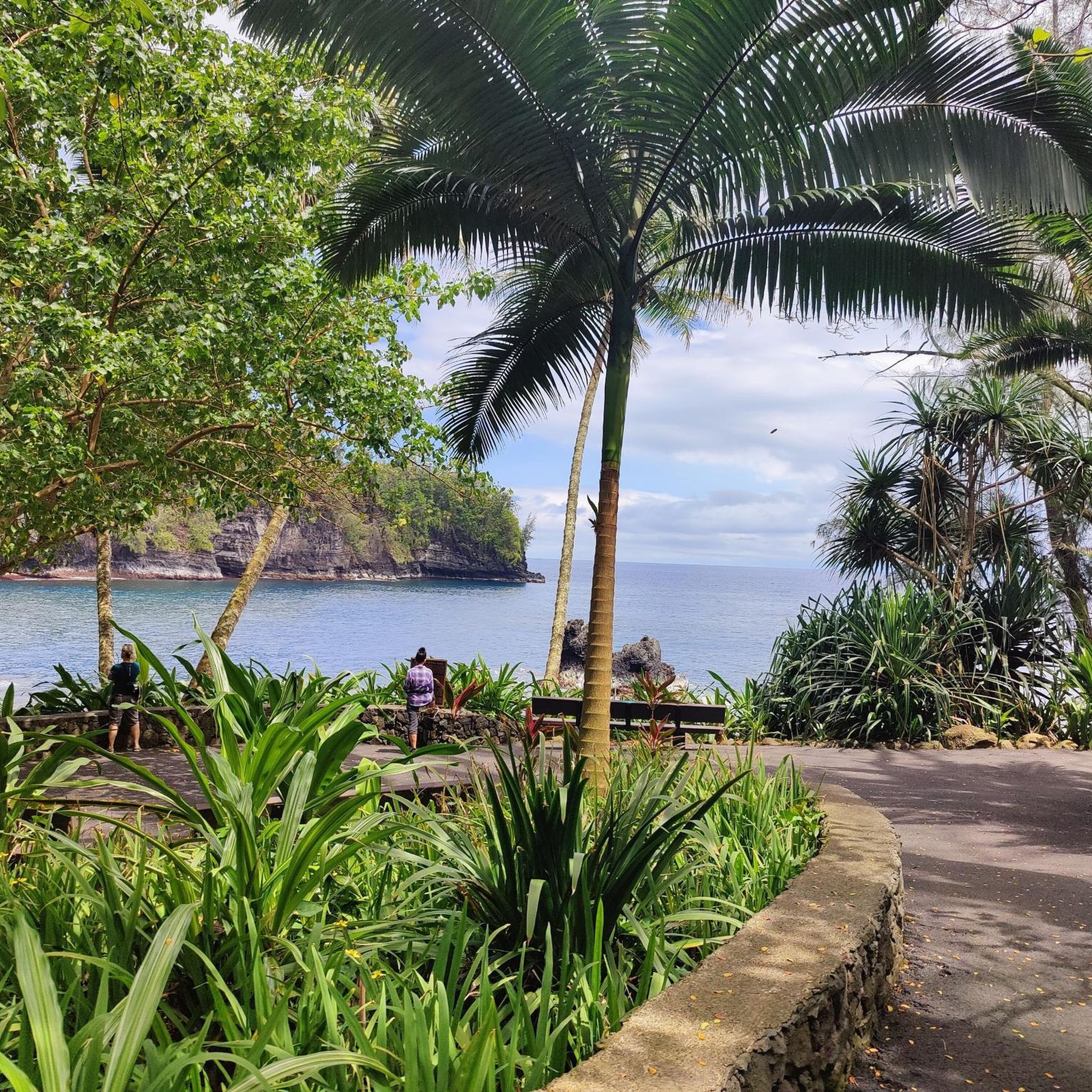
Kaulana Bay coastline
Highlight • Beach
Translated by Google •
Tip by

Akaka Falls
Highlight • Waterfall
Translated by Google •
Tip by
Akaka Falls State Park
Highlight • Waterfall
Translated by Google •
Tip by
Mauna Kea
Highlight • Summit
Translated by Google •
Tip by
Liliuokalani Gardens
Highlight • Natural
Translated by Google •
Tip by

Puʻuloa Petroglyphs
Highlight • Historical Site
Translated by Google •
Tip by
Sign up for free to discover even more attractions in Hawaiʻi County.
Sign up for free
Already have an account?
Start today with a free account
Your next adventure awaits.
Login or Signup
Other adventures in Hawaiʻi County

Tips from the Community

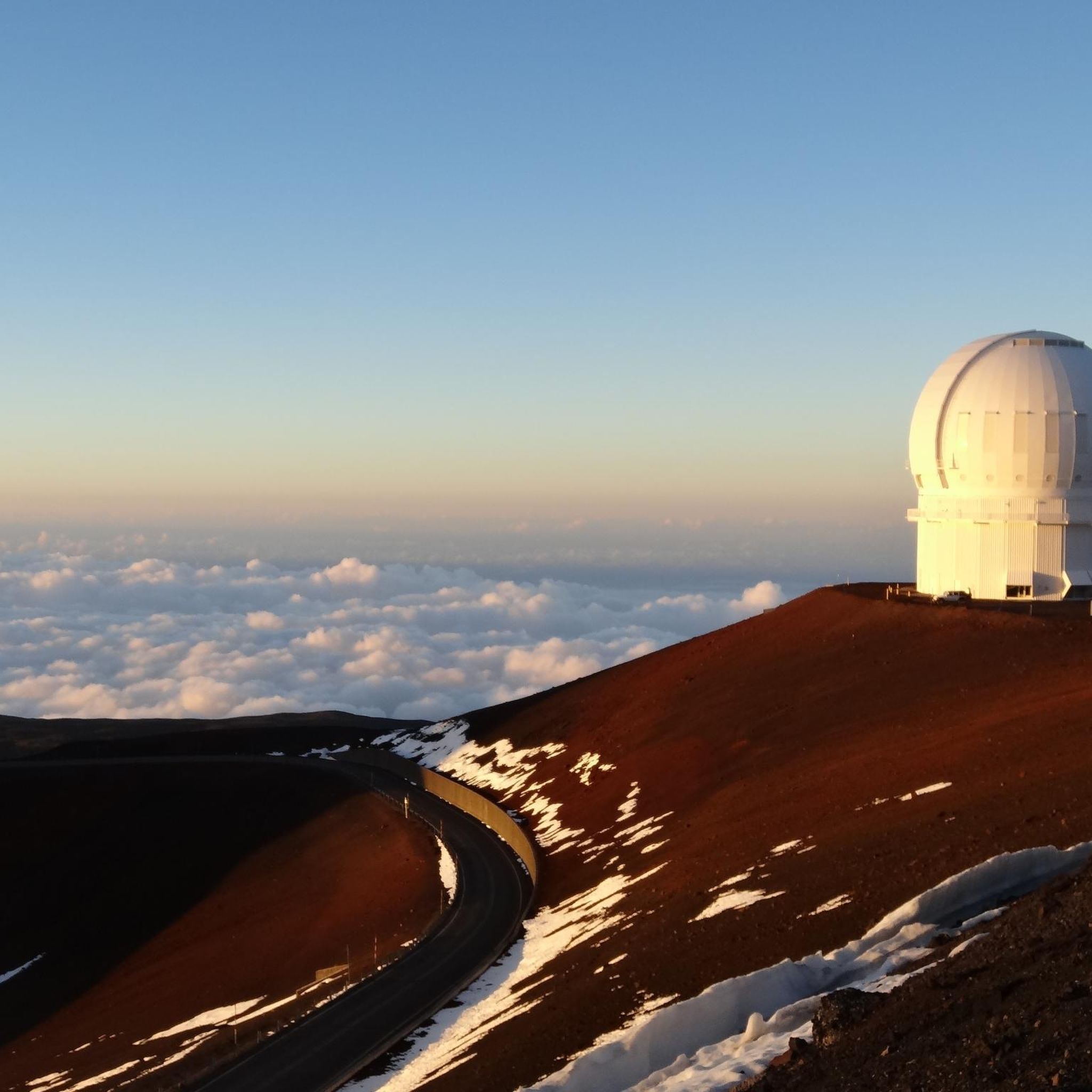
Undoubtedly one of the most beautiful and challenging experiences one can have on a bicycle and in the middle of the ocean! Setting off early in the morning from the quiet beach to reach the 4,207-meter summit of Mauna Kea is an immense satisfaction. The first part, from the city of Hilo up to a few kilometers before the Visitor Center at 2,700 meters, is relatively easy but also a bit monotonous. However, about a kilometer after taking the Mauna Kea Access Road, the gradient starts to rise steeply, often reaching double digits. Once you arrive at the Mauna Kea Visitor Information Station, after the mandatory stop at the Ranger Checkpoint, you can enjoy a well-deserved break and stock up on water before facing the toughest section of the entire climb. Immediately after the VIS begins a long stretch of unpaved road with sharp gradients and a surface that often offers little grip, putting even the strongest legs to the test. After this grueling segment, the ascent continues on asphalt again, but the slopes remain steep and the altitude begins to take its toll, making the final conquest of the summit truly a feat within a feat. Once you reach the long-awaited summit sign, you can finally take a deep breath of relief and admire—with a huge smile—the breathtaking view that awaits you. I traveled 31 hours to conquer this gem, and every bit of effort was more than worth it!
0
0

If the ocean is not calm, access to the snorkeling area is not easy, or dangerous . Pay attention to the sign indicating walking on the reef being not allowed.
0
0

beautifully landscaped Japanese-style park with tea house and giant trees
3
0
interesting petroglyphs at a place sacred to the indigenous population
2
0
impressive 500-meter-long tunnel in the lava flow
2
0

The Akaka Falls are worth seeing even when it rains.
0
0

Kaulana Bay is a picturesque bay with a dramatic, rocky shoreline and clear, turquoise waters, surrounded by rugged landscapes. It is a great spot for fishing, snorkeling, and beachcombing, and in comparison to other beaches in Hawaii, is relatively uncrowded. This is a great spot to pause as you ride along the South Point 4WD Road.
0
0
Frequently Asked Questions
What unique geological features can I explore in Hawaiʻi County?
Hawaiʻi County is renowned for its volcanic landscapes. You can walk across a solidified lava lake at Kīlauea Iki Crater Trail, which visitors describe as a lunar landscape. Another must-see is Nāhuku (Thurston Lava Tube), a 500-year-old lava tube that offers a unique insight into volcanic processes.
Are there family-friendly attractions in Hawaiʻi County?
Yes, several attractions are suitable for families. Nāhuku (Thurston Lava Tube) is considered family-friendly, offering an accessible walk through a lava cave. Additionally, Akaka Falls and Akaka Falls State Park feature easy trails leading to stunning waterfalls, perfect for a family outing.
What historical sites can I visit in Hawaiʻi County?
Hawaiʻi County offers significant historical sites. Kealakekua Bay Snorkeling Area is not only beautiful but also holds historical importance as a site of early contact with Captain James Cook. Nearby, you can find the Captain Cook Monument. Another notable site is Puʻuloa Petroglyphs, an ancient Hawaiian petroglyph field.
What is the best time to visit Hawaiʻi County attractions?
Hawaiʻi County enjoys a tropical climate year-round, making it a great destination anytime. However, the dry season from April to October generally offers sunnier weather, ideal for outdoor activities and exploring attractions. The wet season, from November to March, brings more rain, especially to the east (Hilo side), but also lush landscapes and powerful waterfalls.
Are there any easy hiking trails near the attractions?
Yes, there are several easy hiking options. The Easy hikes in Hawaiʻi County guide lists trails like the Kīlauea Iki Trail (part of Hawaiʻi Volcanoes National Park) and the Akaka Falls loop, which are popular and generally accessible.
What should I wear for hiking and exploring attractions in Hawaiʻi County?
Given the varied terrain and climate, it's best to wear comfortable, layered clothing. Sturdy closed-toe shoes are essential for hiking trails, especially on volcanic rock. A hat, sunscreen, and insect repellent are also recommended. If visiting higher elevations like Mauna Kea, bring warmer layers as temperatures can drop significantly.
What outdoor activities can I do near these attractions?
Beyond exploring the attractions themselves, Hawaiʻi County offers numerous outdoor activities. You can find various hiking trails, from easy to challenging, as detailed in the Hiking in Hawaiʻi County guide. For runners, there are dedicated routes like those found in the Running Trails in Hawaiʻi County guide. Snorkeling is also popular, especially at Kealakekua Bay Snorkeling Area.
Are there any hidden gems or less-known spots worth visiting?
While not explicitly 'hidden,' the Kaulana Bay coastline offers a unique experience, leading to the famous Green Sand Beach (Papakolea). The journey itself along the coast is scenic and less frequented than some of the more prominent attractions, providing a sense of discovery.
How long should I plan to spend at major attractions like Hawaiʻi Volcanoes National Park?
For major attractions like Hawaiʻi Volcanoes National Park, it's recommended to allocate at least a full day, or even two, to fully experience its diverse landscapes and trails, such as the Kīlauea Iki Crater Trail and Nāhuku (Thurston Lava Tube). Smaller attractions like Akaka Falls can typically be explored in 1-2 hours.
What do visitors enjoy most about Hawaiʻi County attractions?
Visitors frequently praise the incredible diversity of landscapes, from the 'lunar landscape' of Kīlauea Iki Crater Trail to the lush beauty of Akaka Falls. The historical significance of sites like Kealakekua Bay and the unique experience of walking through a lava tube at Nāhuku are also highly appreciated. Many are captivated by the opportunity to witness active volcanic processes and the island's natural wonders.
Are there viewpoints offering panoramic vistas of Hawaiʻi County?
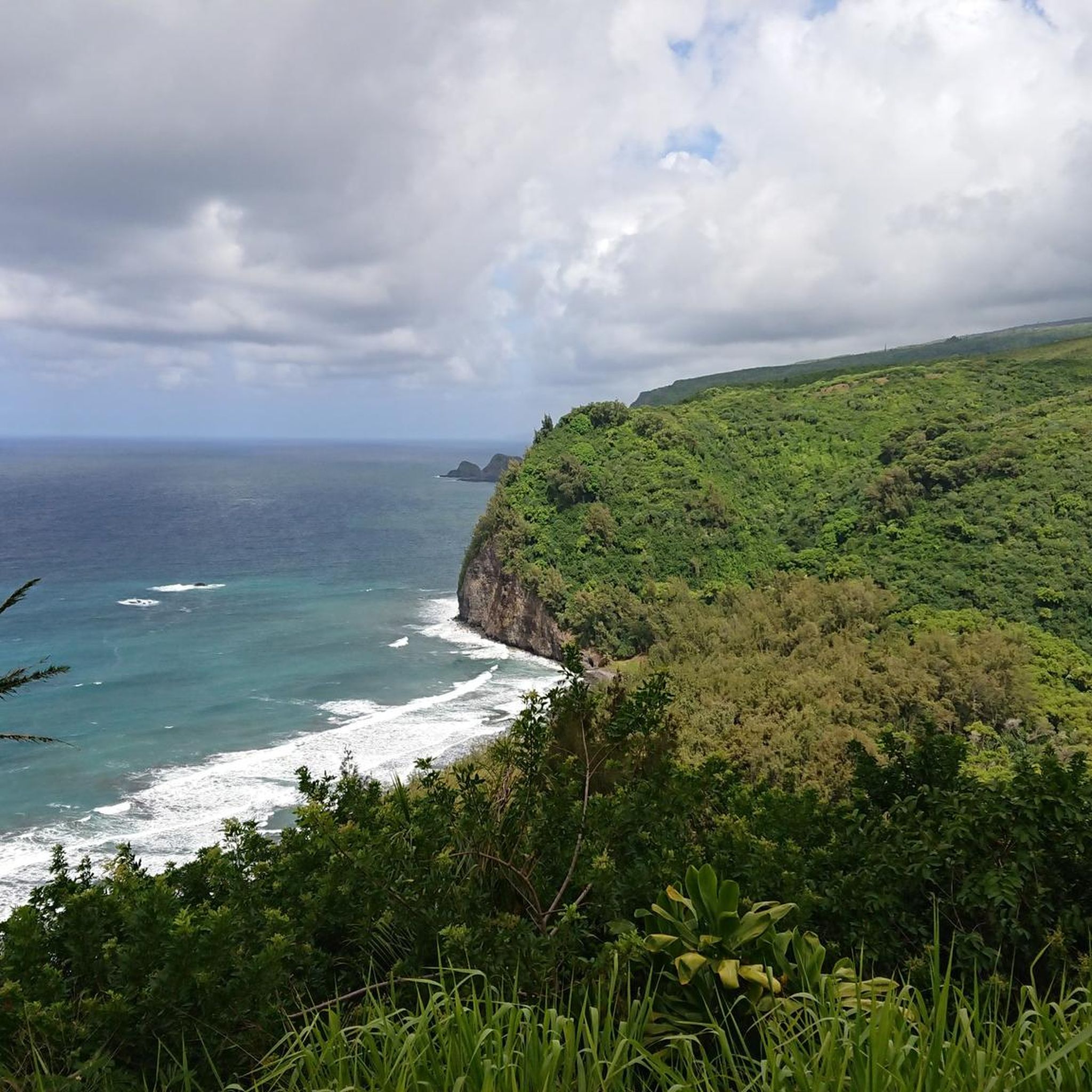
Absolutely. Waipi’o Valley Lookout provides breathtaking views into the 'Valley of Kings,' known for its dramatic cliffs, waterfalls, and black sand beach. Additionally, the summit of Mauna Kea offers unparalleled stargazing opportunities and panoramic views, though reaching the summit is a challenging endeavor.
Is parking available at popular attractions?
Parking availability varies by attraction. For popular spots like Nāhuku (Thurston Lava Tube), parking can be extremely scarce, especially during peak hours, and it's often recommended to hike in from other parking areas along the Crater Rim Trail. Akaka Falls has a paid parking lot. It's always advisable to arrive early or consider alternative transportation where possible.
Most popular routes in Hawaiʻi County
Most popular attractions in Hawaiʻi County

Get inspired with the komoot mobile app


Didn’t find what you were looking for?
Are you keen on exploring more awesome places nearby? Browse our guides:
Explore more
Still not found the Highlight you’re looking for? See guides of the top attractions in other regions:
