Attractions and Places To See in Cook County - Top 20
Best attractions and places to see in Cook County include a diverse range of natural features and historical sites. The region is characterized by its rugged landscapes, including gorges, waterfalls, and lakes, offering opportunities for outdoor exploration. It also features significant natural monuments and historical landmarks that reflect its unique geological and cultural heritage. This area provides a variety of experiences for visitors interested in both natural beauty and historical significance.
Best attractions and places to see in Cook County
…Last updated: August 18, 2026
Devil's Kettle Falls
Highlight • Waterfall
Tip by

Temperance River Gorge
Highlight • Gorge
Tip by
Sign up now to discover places like this
Get recommendations on the best single tracks, peaks, & plenty of other exciting outdoor places.
Sign up for free
Grand Marais Lighthouse
Highlight • Monument
Tip by

High Falls
Highlight • Waterfall
Tip by
Butterwort Cliffs State Scientific and Natural Area
Highlight • Natural Monument
Tip by
McFarland Trailhead
Highlight • Trail
Tip by

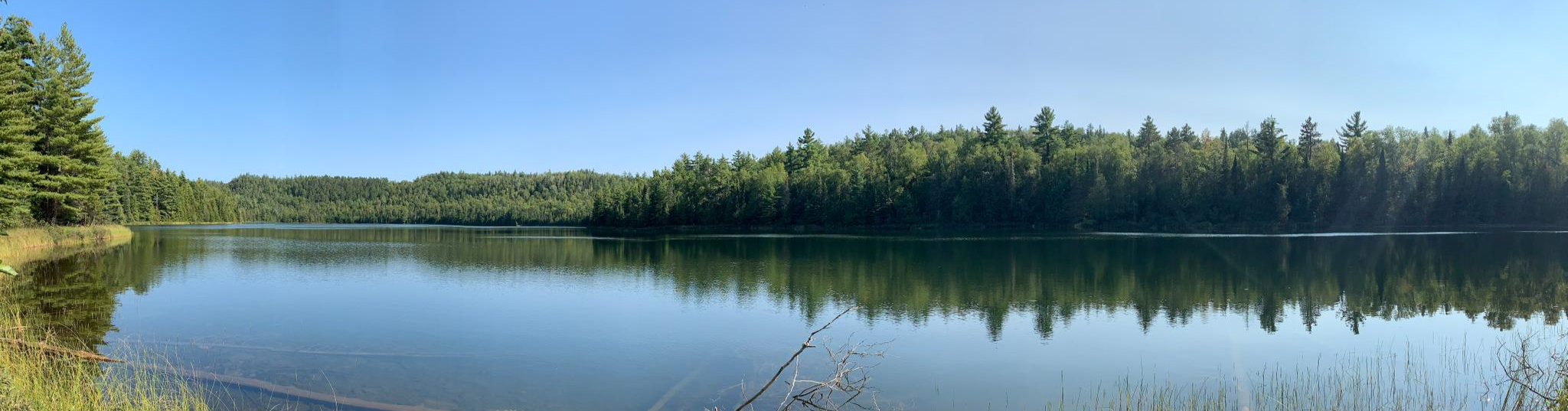
Rose Lake
Highlight • Lake
Tip by
Bryce Breon Trail
Highlight (Segment) • Trail
Tip by
Clearwater Lake West Campsite
Highlight • Rest Area
Tip by
Cut Face Creek Wayside Rest Area
Highlight • Rest Area
Tip by
Sign up for free to discover even more attractions in Cook County.
Sign up for free
Already have an account?
Start today with a free account
Your next adventure awaits.
Login or Signup



Tips from the Community

There are no designated trails in the Butterwort Cliffs SNA, so exploring the area alone is not recommended. Cascade River State Park occasionally offers interpretive walks through the Butterwort Cliffs Scientific and Natural Area (SNA). Please note that the area is closed from April 1 to July 15 due to its status as a bird sanctuary. It’s just nice to know it's there! Alpine butterwort, the namesake of the area, is a carnivorous flowering plant that is endangered in Wisconsin and listed as “of special concern” in Minnesota due to its declining habitat. This plant is carnivorous because it traps small insects that crawl across its sticky, ground-hugging leaves. The insects become stuck, and the plant digests them using specialized enzymes. Two brown SNA signs mark the location of the SNA, both located just off the shoulder of Highway 61: one at the northeast corner of the SNA and the other at the northwest corner of the property.
0
0
The Cut Face Creek Wayside Area is located at the southern end of the Gitchi Gami State Trail, which starts in Grand Marais. This area offers ample public parking, picnic facilities, viewing benches, and public restrooms. It’s an excellent starting point for a bike ride or hike along the Gitchi Gami State Trail, which takes you five miles to Grand Marais.
0
0

Grand Marais Lighthouse stands as a prominent landmark at the entrance to the harbor of Grand Marais, Michigan, on the southern shore of Lake Superior. This white, square-pyramidal skeletal lighthouse, topped with a red lantern room, was first lit in 1898. Perched on a concrete pier that extends into the vast lake, it has guided countless vessels safely into the protected waters of Grand Marais Bay, a crucial harbor of refuge along a rugged stretch of coastline. Its sturdy construction and enduring presence are a testament to its vital role in maritime navigation and the rich history of the Great Lakes shipping industry.
1
0

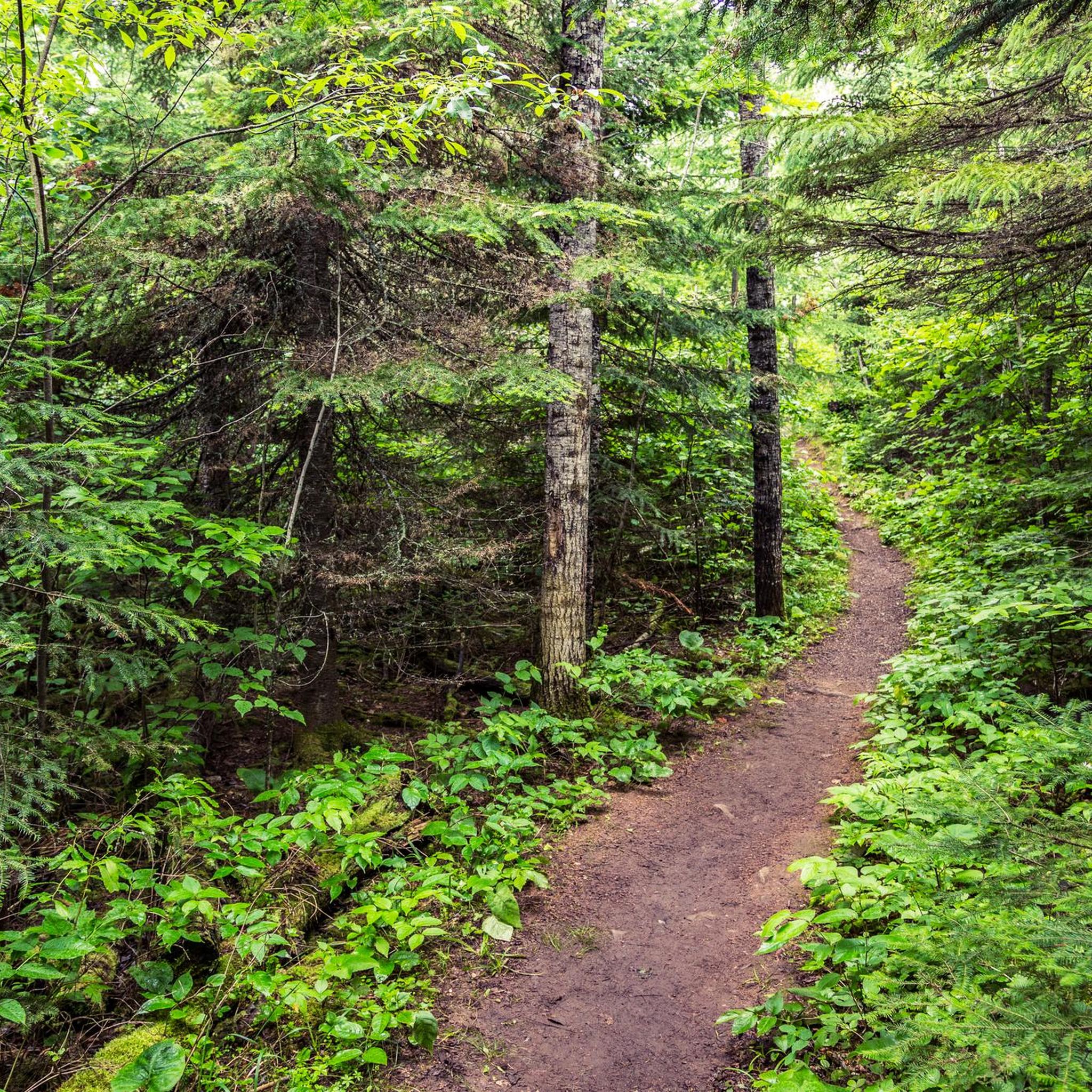
This trailhead is a great starting point for day hikers to explore the area on the Border Route Trail (BRT). There is a parking area, restrooms, and drinking water, and it is right next to the McFarland Campground, which has five primitive campsites with tent pads, a fire ring, and a picnic table. The lake is an excellent spot for swimming and fishing and a great spot to stop for a picnic or a comfortable overnight stay. The camping fee is $17 on a first come, first served basis, payable online. Once you occupy your spot, make your payment here: https://yodelportal.com/mndnr/McFarland-Lake.
0
0
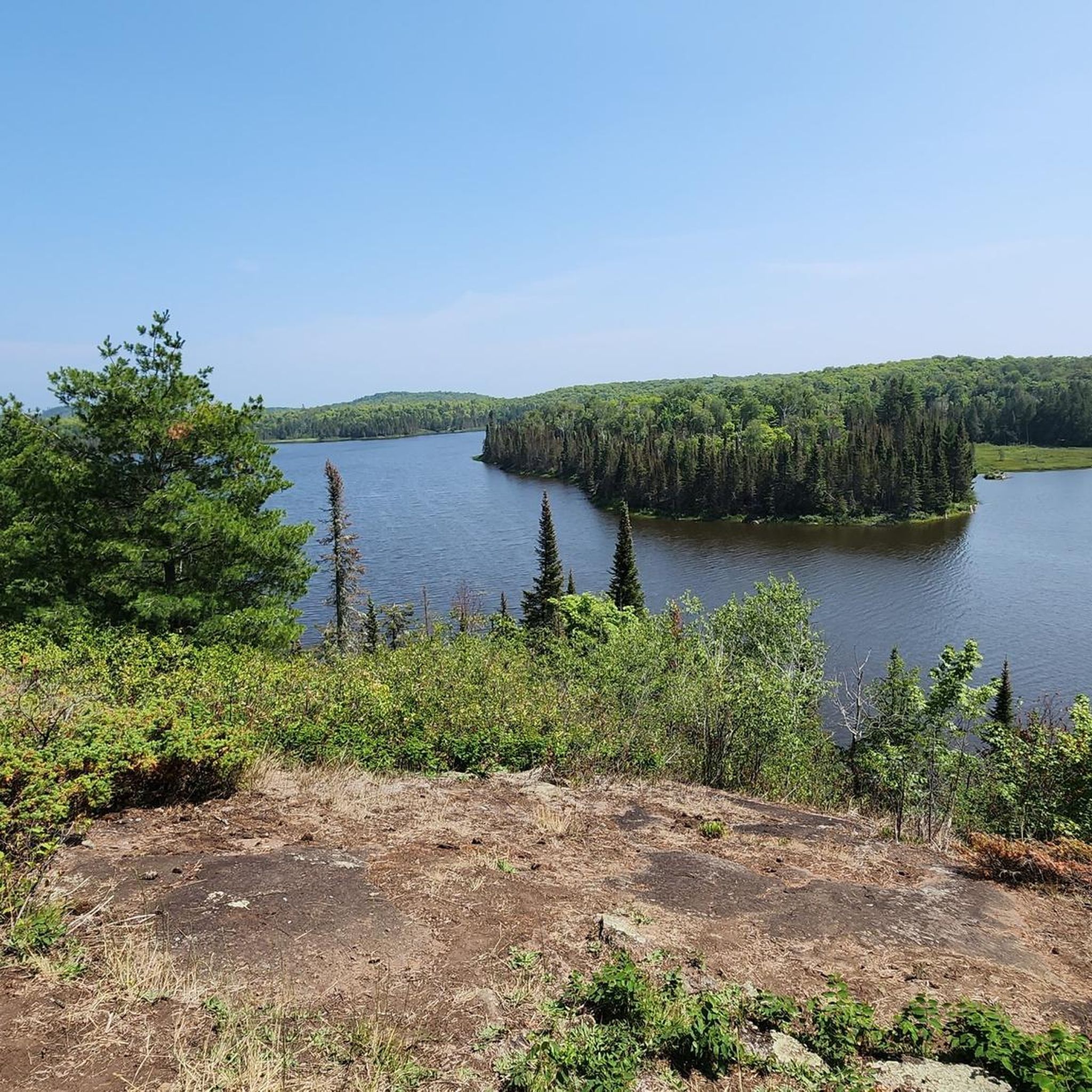
This campsite one of the best on the lake. The fire pit is well-placed on a rock platform high above the lake, offering breathtaking views to the east—perfect to watch the sunrise with a cup of coffee or tea to start your morning. There is a fantastic selection of several tent pads, and the latrine is in an ideal location, just out of the way. If you’re looking to stop for the day, this campsite is an excellent choice. It’s relatively close to the portage to Mountain Lake, so while you're here, you may hear groups passing by on the way to their next adventure.
0
0
This spur trail runs approximately eight miles along the northern banks of Loon Lake, which spans 1,095-acres lake with 14 miles of shoreline. There are some great wooden chairs close to the water, and one designated campsite on the west end close to the shore, making it a perfect spot for a quiet overnight stay. The campsite includes a toilet and a fire grate, and the views across the lake are fantastic.
0
0
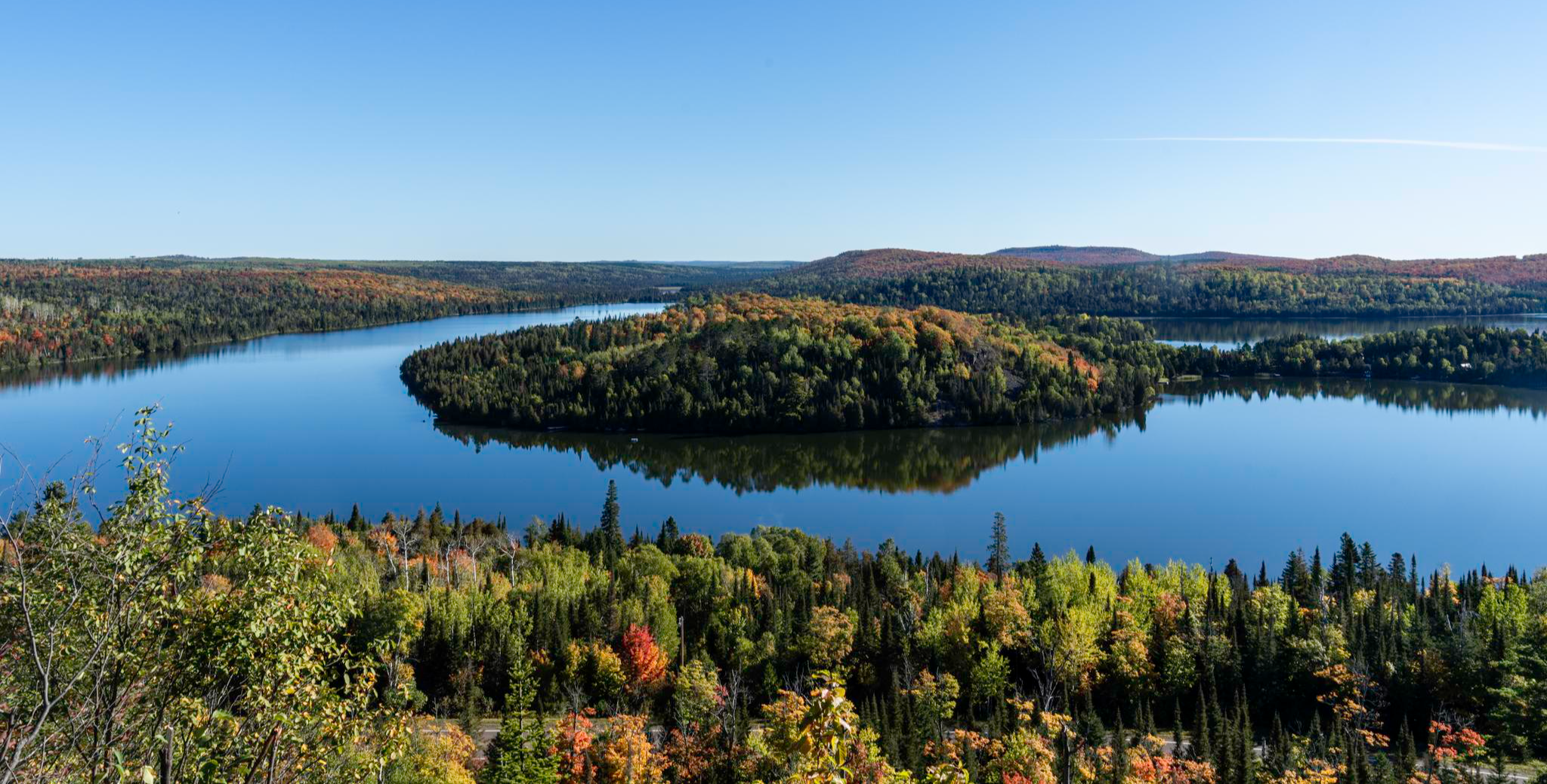
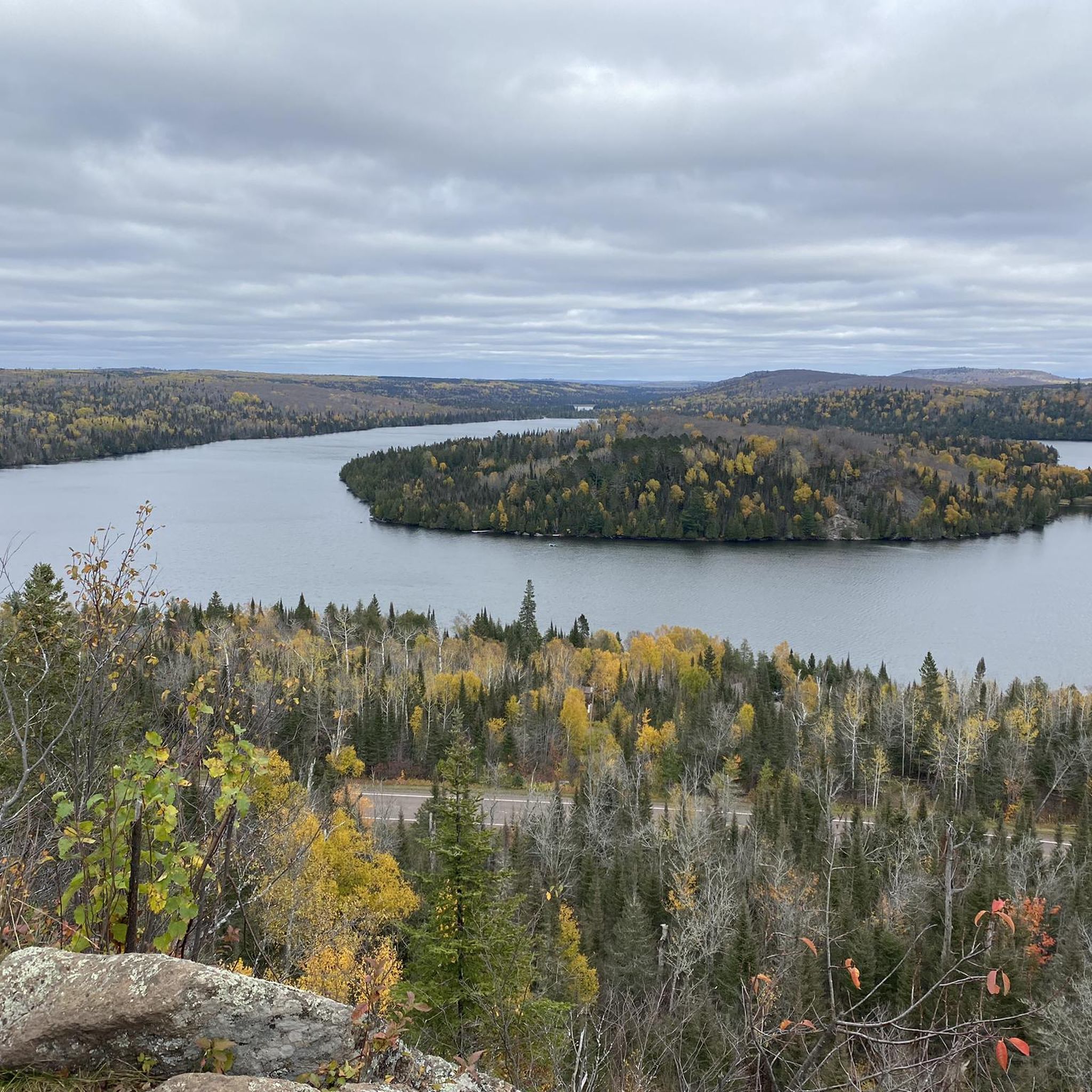
This beautiful lake lies on the international border between the United States and Canada, nestled within the Boundary Waters (BWCAW). The boundary line runs right down the center of the lake instead of following the land, resulting from a treaty establishing the border based on historical canoe routes used by voyageurs. The only access to the lake is by canoe through portages from Duncan Lake, or by hiking the Border Route Trail or Caribou Rock Trail. In many areas along the shoreline, cliffs rise 300 to 400 feet above the lake's surface, formed by hard slates that resist erosion, creating stunning natural scenic overlooks.
0
0
The views from the cliff top are spectacular, but be careful! Visitors have been known to have fallen in and swept to a watery demise.
3
0
Frequently Asked Questions
What are the most popular natural attractions in Cook County, Illinois?
Cook County boasts significant natural features, including the vast Forest Preserves of Cook County, spanning nearly 69,000 acres with diverse ecosystems and over 300 miles of trails. You can also explore the scenic views of Lake Michigan, the Rose Lake area, and the Upper Falls (Brule River), which offers an impressive sight due to the volume of water.
Are there any historical or cultural sites to visit in Cook County, Illinois?
Absolutely. Cook County is rich in history and culture. Key sites include the renowned Art Institute of Chicago, the Field Museum of Natural History, and the Museum of Science and Industry. For architectural enthusiasts, the Chicago Architecture Center, Unity Temple, and the Frank Lloyd Wright House and Studio in Oak Park are must-sees. The Baháʼí House of Worship in Wilmette also offers a unique spiritual experience.
What kind of outdoor activities can I do in Cook County, Illinois?
The region offers a wide range of outdoor activities. You can explore extensive trail networks for hiking and cycling within the Forest Preserves of Cook County. For specific routes, consider easy hikes like the Leveaux Mountain Loop Trail or the Cascade River State Park Lake Trail. Cyclists can enjoy routes such as the Fall River waterfalls loop from Grand Marais. Mountain biking trails are also available, including the Lutsen Lift loop. For more details on routes, check out the easy hikes, cycling routes, and MTB trails guides for Cook County.
Are there family-friendly attractions in Cook County, Illinois?
Yes, many attractions cater to families. Navy Pier offers entertainment, dining, and the Centennial Wheel. Millennium Park, with its iconic Cloud Gate sculpture, is also popular. The Museum of Science and Industry provides interactive exhibits, and the Shedd Aquarium is a favorite for all ages. For outdoor family fun, the McFarland Trailhead and Cut Face Creek Wayside Rest Area are noted as family-friendly, often featuring easy trails and facilities.
Where can I find scenic viewpoints in Cook County, Illinois?
For breathtaking views, the Willis Tower Skydeck and 360 Chicago offer panoramic cityscapes. Natural scenic viewpoints include the cliff tops at Temperance River Gorge and the area around High Falls. Lake Michigan also provides numerous scenic spots, and the Chicago River offers unique architectural views from boat tours.
What are some unique natural phenomena to see in Cook County, Illinois?
One truly unique natural phenomenon is Devil's Kettle Falls, where one side of the waterfall plunges into a hole and disappears, with geologists confirming it rejoins the stream downstream. The Forest Preserves also contain recognized National Natural Landmarks like Busse Forest Nature Preserve and Markham Prairie, showcasing rare and diverse ecosystems.
Are there any lighthouses or significant man-made monuments in Cook County, Illinois?
While many iconic landmarks are within Chicago, the Grand Marais Lighthouse stands as a prominent man-made monument guiding vessels. Other significant structures include the historic Wrigley Building, DuSable Bridge, and the Millennium Monument in Wrigley Square, which pays tribute to Chicago's heritage.
What is the best time to visit Cook County, Illinois, for outdoor activities?
The best time for outdoor activities generally spans from late spring through early fall (May to October), when the weather is mild and conducive for hiking, cycling, and exploring natural areas like the Forest Preserves. Fall foliage can be particularly beautiful. Winter offers opportunities for snowshoeing or cross-country skiing in some areas, but trails may be more challenging.
Can I find dog-friendly hiking trails in Cook County, Illinois?
Many trails within the Forest Preserves of Cook County are dog-friendly, provided dogs are kept on a leash. Specific highlights like Rose Lake and the Clearwater Lake West Campsite area are noted as dog-friendly, offering great opportunities to explore with your canine companion.
Are there any accessible attractions for visitors with mobility challenges in Cook County, Illinois?
Many major institutions in Cook County, such as the Art Institute of Chicago, Field Museum, and Shedd Aquarium, offer accessible facilities. Millennium Park and Navy Pier also have accessible pathways. For outdoor spaces, some sections of the Forest Preserves and urban parks like Grant Park feature paved trails suitable for wheelchairs, though specific accessibility details should be checked with individual sites.
What are some lesser-known or 'hidden gem' natural areas in Cook County, Illinois?
Beyond the major attractions, the Butterwort Cliffs State Scientific and Natural Area offers a unique ecological experience. The Des Plaines River Trail and Greenway provides extensive natural landscapes away from the urban core. Exploring the various dedicated nature preserves within the Forest Preserves of Cook County can also reveal tranquil and less-trafficked spots.
Where can I find information about parking and public transport for Cook County attractions?
Parking availability varies greatly by attraction. Major downtown Chicago attractions typically have paid parking garages nearby, and many Forest Preserves trailheads, such as the McFarland Trailhead and Cut Face Creek Wayside Rest Area, offer dedicated parking. Chicago's extensive public transportation system (CTA trains and buses) serves many city attractions, and some suburban areas are accessible via Metra commuter rail. It's advisable to check specific attraction websites for detailed transport and parking information.
Most popular attractions in Cook County

Get inspired with the komoot mobile app


Didn’t find what you were looking for?
Are you keen on exploring more awesome places nearby? Browse our guides:
Explore more
Still not found the Highlight you’re looking for? See guides of the top attractions in other regions:
