Attractions and Places To See in Cibola County - Top 20
Best attractions and places to see in Cibola County include a diverse landscape of natural wonders, historical landmarks, and cultural sites. The region features significant volcanic formations, vast national forests, and impressive natural arches. Visitors can explore ancient Puebloan communities and historic Route 66, offering a blend of outdoor adventure and cultural discovery. Cibola County provides opportunities to experience New Mexico's unique geological and historical heritage.
Best attractions and places to see in Cibola County
- The most popular attractions is…
Last updated: September 26, 2026
La Ventana ⛰️ arch
Highlight • Natural Monument
Tip by

Historic Santa Teresa - Catholic Church
Highlight • Religious Site
Tip by
Sign up now to discover places like this
Get recommendations on the best single tracks, peaks, & plenty of other exciting outdoor places.
Historic Route 66 - Neon Drive-Thru, Grants
Highlight • Monument
Tip by
Grants Welcome Signs and Park
Highlight • Settlement
Translated by Google •
Tip by

Lava Bowl
Highlight • Volcano
Tip by
Milan
Highlight • Settlement
Tip by
Lava Falls Trailhead, El Malpaís National Monument
Highlight • Natural Monument
Tip by
Mount Taylor Summit
Highlight • Summit
Tip by

Grants, New Mexico
Highlight • Settlement
Tip by

Mining Museum
Highlight • Historical Site
Tip by
Sign up for free to discover even more attractions in Cibola County.
Already have an account?
Start today with a free account
Your next adventure awaits.



Tips from the Community

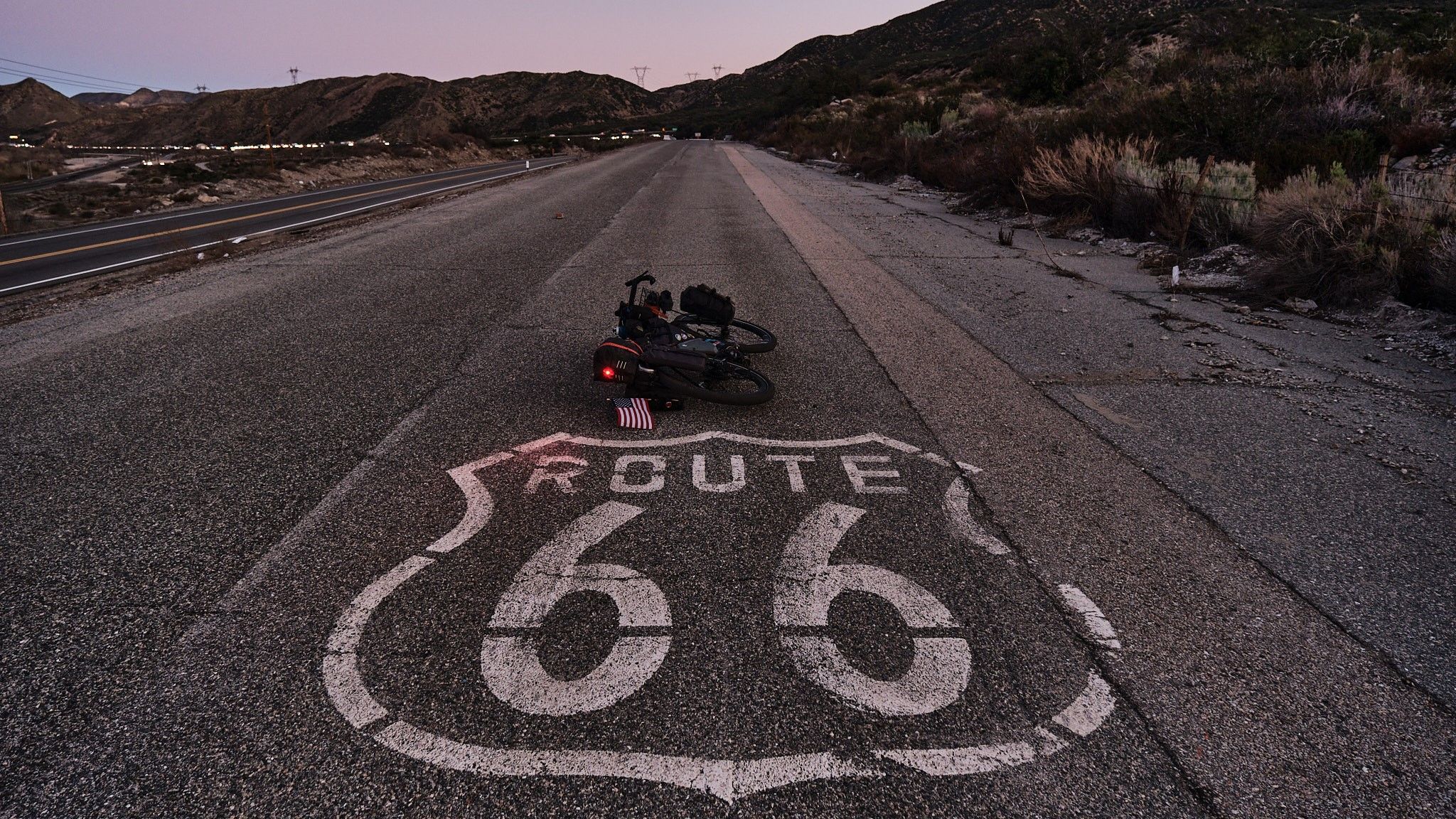
Located along historic Route 66, Grants is a gateway town to the lava flows and cinder cones of El Malpais National Monument and the rugged trails of El Morro National Monument. Once a logging and uranium boomtown, it now welcomes travelers with local museums, Route 66 landmarks, and access to hiking, caving, and volcanic landscapes. The town also serves as a key resupply stop for Great Divide Mountain Bike Route riders and long-distance hikers, making it both a practical and scenic pause on the road through western New Mexico.
0
0

Dubbed 'Carrot Capital of the U.S.' circa 1939-1961 as a suburb of Grants, Milan's population increased during the Uranium boom between 1960 and 1990, and still grew by over 1,300 between 2000 and 2010, a rate of 71.6%. Many new houses and service-oriented businesses are being built. Milan is the site of the privately run Cibola County Correctional Center, which houses more than 1,000 federal prisoners and is a major employer. It is bordered to the south by Grants, the county seat. Interstate 40 runs through the village, with access via Exit 79. New Mexico State Road 122, formerly U.S. Route 66, passes through the eastern side of town. After the decline of logging in the 1930s, the area gained fame as the "carrot capital" of the United States. Agriculture was aided by the creation of Bluewater Reservoir, and the region's volcanic soils provided ideal conditions for farming. Grants also benefited from its location on U.S. Route 66, which brought tourists and travelers and the businesses that catered to them. The Grant brothers' camp was first called Grants Camp, then Grants Station, and finally Grants. The new city enveloped the existing colonial settlement of Los Alamitos and grew along the tracks of the Atlantic and Pacific Railroad. The town prospered as a result of railroad logging in the nearby Zuni Mountains, and it served as a section point for the Atlantic and Pacific, which became part of the Atchison, Topeka, and Santa Fe railroad empire. https://www.villageofmilan.com
1
0
Construction started on a first church in Grants in 1920 and was completed in 1923. It was dedicated to St. Teresa of Avila. Grants was originally known as Los Alamitos and was settled in 1864 by Don Jesus Maria Blea followed by Don Diego Antonio Chavez in 1882. The Atlantic and Pacific Railroads contracted with three brothers named Grant to build the railroad through this area going west. They established a base camp which became known as Grant’s Camp and in time shortened to Grants. In 1911 the first Mass was celebrated in Grants by the remarkable Father Robert Kalt, known by everyone as “El Padre Roberto” at the home of don Jesus Maria Blea. Before 1920 there was no church in Grants and the people usually attended Mass in San Rafael where Padre Roberto lived. El Padre Roberto was assigned to San Fidel which served as the parish church for this whole area including Grants, San Rafael and San Mateo. He came to Grants once a month until 1933 when Mass began weekly in Grants. A large solid stone community center was built in 1951 on a large tract of land donated by the Gunderson’s located about from the old St. Teresa’s church. With the large influx of people during the uranium boom, a large church was needed to accommodate the increasing Catholic population. In 1959 a new church and rectory were constructed at the corner of High and Smith Streets. https://cibolacatholiccommunity.com/st-teresa-of-avila
1
0

The peak of Mount Taylor sits atop the area being the tallest mountain in Cibola National Forest and San Mateo Mountains. This dormant stratovolcano has a visitors log at the top; read through the entries of prior summiteers and have a snack before making your way back to the car. Be observant of the weather, as spring and summer can often bring afternoon storms.
1
0
Excellent short loop trail that explores the young lava flow, with good info panels. The trail is cairned but very uneven. Good shoes recommended
1
0

Before the railway was built, the first settlement was called Alamitos (small cotton forest). The approaching construction team of the Santa Fé Railroad was led by the Grant brothers, who built a tent city here, which was commonly known as Grant's Camp. The post office opened in 1882 also took up this name and was listed under "Grants", but the emerging city was called "Grant's Camp" until 1936. In 1950 one of the largest uranium deposits in the world was found in the nearby mountains. The population increased from around 1,200 to 12,000 people until the mines closed in 1982. The Grants Mining Museum deals with the history of mining.
0
0

The El Morro National Monument is worthwhile. There, insert a small hiking loop over 4 km.
3
1
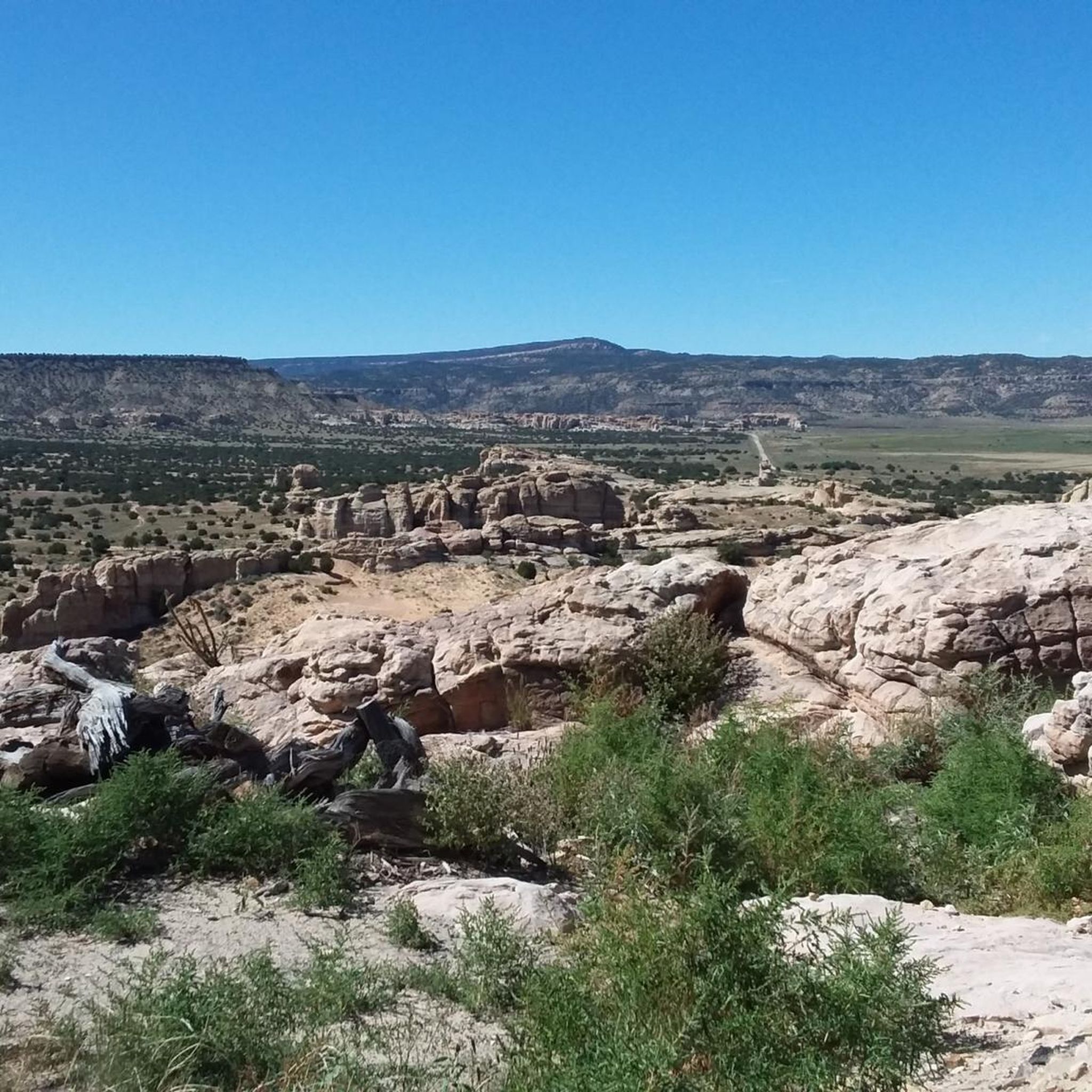
La Ventana Natural Arch, second largest of New Mexico's accessible natural arches, this massive sandstone formation lies just off of highway 117 in the park's eastern section. A short trail leads to the base of the arch. Enjoy a panoramic vista of the contact between Jurassic desert sand dunes of the Zuni Sandstone and the overlaying Cretaceous Dakota Sandstone. A visible white stripe near the 200 foot cliff top separates the two units and marks an unconformity, a missing rock record of over 60 million years. By Cretaceous time the local climate had shifted dramatically wetter as evidenced by the many fossilized inverebrate burrows. At times the CO2 levels were more than double those of today. The arch formed from the daily temperature swings of over 50F on the rock's surface throughout the year. The sandstone expands in the day and cracks apart from the still cool rock hidden behind. The rock at the base and in the center was under the greatest stress and failed first. Rocks on either side failed too somewhat symmetrically. The load from the overlying rock and the ensuing cracking apart lessened upwards. Over time this created an arc that climbed as more rock failed and collapsed. It faces southwest so the lighting can be even more spectacular after noon in the fall, winter, and spring. http://www.fourcornersgeotourism.com/content/la-ventana-natural-arch/fcaE05CA99860F9F4EFA
2
0
Frequently Asked Questions
What natural landmarks can I explore in Cibola County?
Cibola County is rich in natural wonders. You can visit La Ventana ⛰️ arch, New Mexico's second largest accessible natural arch, reachable via a short trail. Explore the volcanic landscapes at Lava Bowl, which features a 1-mile loop trail through recent lava flows. For a more challenging adventure, discover the Lava Caves, part of the Zuni-Bandera Volcanic Field, which includes the longest lava tube in North America. Don't miss the majestic Mount Taylor Summit, the tallest mountain in the Cibola National Forest, offering stunning panoramic views.
Are there any historical or cultural sites to visit in the region?
Yes, Cibola County offers several significant historical and cultural sites. You can explore the rich history of Route 66 at the Historic Route 66 - Neon Drive-Thru, Grants, or delve into the region's past at the Mining Museum in Grants. The Historic Santa Teresa - Catholic Church in Grants is also a notable historical landmark. Further afield, consider visiting the Acoma Pueblo (Sky City), one of the oldest continuously inhabited communities in North America, or El Morro National Monument (Inscription Rock), where travelers for centuries left their marks.
What are some family-friendly attractions in Cibola County?
Families can enjoy several attractions in Cibola County. The short trail to La Ventana ⛰️ arch is suitable for all ages, offering impressive views. The Mining Museum provides an educational and engaging experience about the area's heritage. Additionally, the Grants Welcome Signs and Park offers a pleasant stop with facilities. Bluewater Lake State Park is another excellent option for families, providing opportunities for boating, fishing, swimming, and camping.
What hiking opportunities are available in Cibola County?
Cibola County boasts diverse hiking trails for various skill levels. For easy walks, consider the 1-mile loop trail at Lava Bowl, or the short trail to La Ventana ⛰️ arch. More challenging hikes include the trails leading to Mount Taylor Summit, the tallest peak in the Cibola National Forest. You can find more detailed information on various routes, including easy and moderate options, in the Easy hikes in Cibola County and Hiking in Cibola County guides.
Are there any accessible attractions for visitors with mobility needs?
Yes, some attractions in Cibola County are designed to be accessible. The Historic Route 66 - Neon Drive-Thru, Grants and the Historic Santa Teresa - Catholic Church are noted as wheelchair accessible. While the trail to La Ventana ⛰️ arch is short, visitors should check specific conditions for accessibility. The town of Milan also offers accessible areas.
What is the best time of year to visit Cibola County?
The best time to visit Cibola County generally depends on your planned activities. Spring and fall offer pleasant temperatures for hiking and exploring natural sites like La Ventana ⛰️ arch and the Lava Bowl. Summer can be warm, but is ideal for water activities at Bluewater Lake State Park. If you plan to hike to Mount Taylor Summit, be observant of weather, as spring and summer can bring afternoon storms.
Can I find any unique geological formations in Cibola County?
Absolutely. Cibola County is renowned for its unique geological features. The Lava Bowl showcases recent lava flows, while the Lava Caves offer a chance to explore parts of North America's longest lava tube. La Ventana ⛰️ arch is an impressive sandstone formation. The region also includes the El Malpais National Monument and Conservation Area, preserving rugged remnants of volcanic eruptions, and the Grants Lava Flow, a National Natural Landmark.
Where can I experience the iconic Route 66 in Cibola County?
Cibola County boasts one of the longest unbroken stretches of Historic Route 66 in New Mexico. You can experience its legacy at the Historic Route 66 - Neon Drive-Thru, Grants, which highlights the road's impact on the region. The New Mexico Route 66 Museum in Grants also offers a nostalgic journey through its history.
What are some popular outdoor activities besides hiking?
Beyond hiking, Cibola County offers a variety of outdoor activities. Bluewater Lake State Park is popular for boating, fishing, and swimming. Red Rock Park is ideal for rock climbing and camping. The Cibola National Forest provides extensive opportunities for camping. The City of Grants also serves as a gateway community for the Continental Divide Trail System, welcoming hikers and other users.
Are there any specific viewpoints or scenic spots I should visit?
For breathtaking views, head to the Mount Taylor Summit, which offers panoramic vistas as the tallest mountain in the Cibola National Forest. The short trail to La Ventana ⛰️ arch also provides a panoramic vista of the surrounding landscape. The Lava Bowl offers unique views of recent lava flows.
What do visitors enjoy most about the natural attractions in Cibola County?
Visitors frequently appreciate the unique geological formations and the sense of discovery. For instance, at Lava Bowl, many enjoy the easy yet uneven 1-mile loop trail through the rugged lava, especially in the early morning to see wildflowers contrasting with the black rocks. The impressive scale of La Ventana ⛰️ arch and the panoramic views it offers are also highly regarded.
Are there any places to learn about Native American culture in Cibola County?
Yes, Cibola County and its immediate surroundings offer significant insights into Native American culture. The Laguna Pueblo provides a journey into the rich history of the Laguna people, including the San Jose de la Laguna Mission Church and the Laguna Pueblo Cultural Center and Museum. The Acoma Pueblo (Sky City), a National Historic Landmark, is one of the oldest continuously inhabited communities in North America, offering guided tours from the Sky City Cultural Center & Haak'u Museum. El Morro National Monument also preserves a large prehistoric pueblo.
Most popular routes in Cibola County
Most popular attractions in Cibola County

Get inspired with the komoot mobile app


Didn’t find what you were looking for?
Are you keen on exploring more awesome places nearby? Browse our guides:
Explore more
Still not found the Highlight you’re looking for? See guides of the top attractions in other regions:
