Top 10 Mountain Passes around Os Ancares
Best mountain passes around Os Ancares are located in a mountain range forming a natural border between Galicia and Castile and León in northwest Spain. This region is recognized as a UNESCO Biosphere Reserve, featuring rich natural and cultural heritage. The area offers diverse landscapes with forests, rivers, and peaks, alongside traditional villages and cultural landmarks.
Best mountain passes around Os Ancares
- The most popular mountain pass is Pilgrim Statue at Alto de San Roque, a man-made monument and…
Last updated: October 13, 2026
Pilgrim Statue at Alto de San Roque
Highlight • Monument
The silhouette of the pilgrim whipped by the wind represents the …
Translated by Google •
Tip by

Alto do Poio
Highlight • Mountain Pass
Translated by Google •
Tip by
Sign up now to discover places like this
Get recommendations on the best single tracks, peaks, & plenty of other exciting outdoor places.
The three passes of O Cebreiro
Highlight (Segment) • Mountain Pass
Tip by

The three peaks of Cebreiro
Highlight (Segment) • Mountain Pass
In the …
Translated by Google •
Tip by
Climb to the Ancares pass from Murias via Pan de Zarco
Highlight (Segment) • Mountain Pass
The surface is good, and the views are wonderful.
Translated by Google •
Tip by

Ascent to Puerto de Ancares from Tejedo
Highlight (Segment) • Mountain Pass
Translated by Google •
Tip by
Ancares Mountains
Highlight (Segment) • Natural Monument
Translated by Google •
Tip by

Start today with a free account
Your next adventure awaits.
Popular around Os Ancares
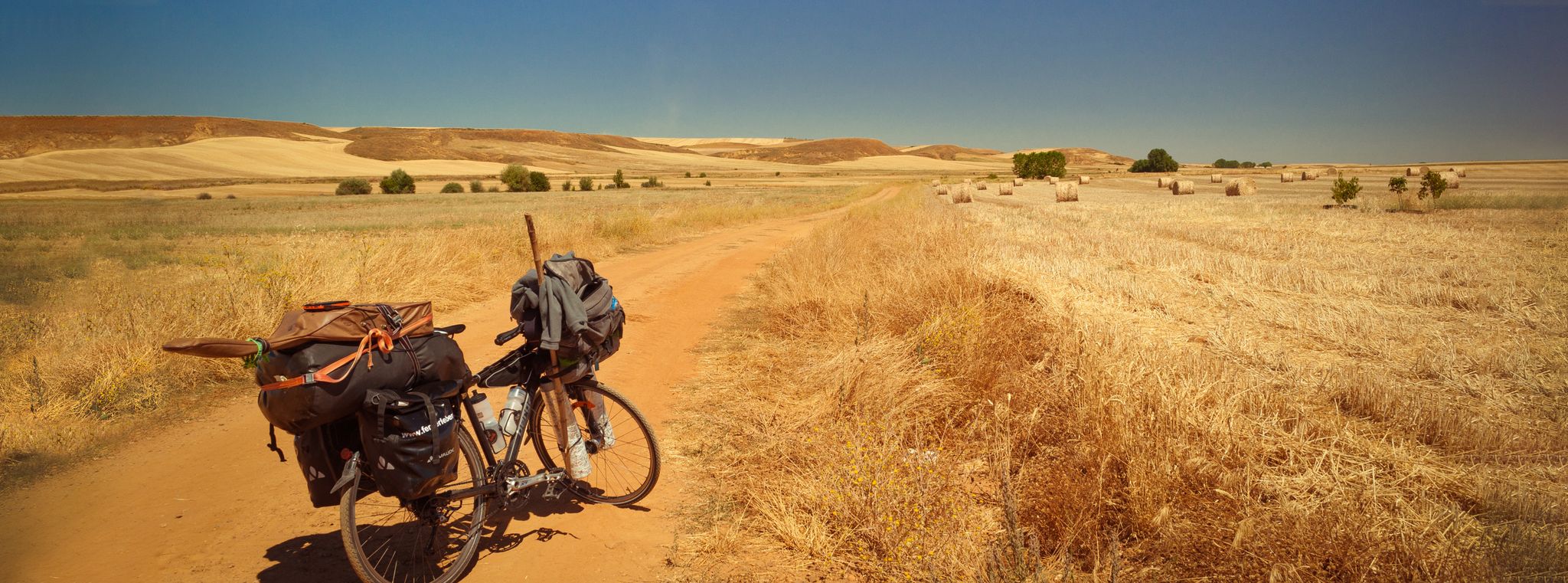
Camino Francés and Camino Finisterre – Cycling pilgrimages in Spain
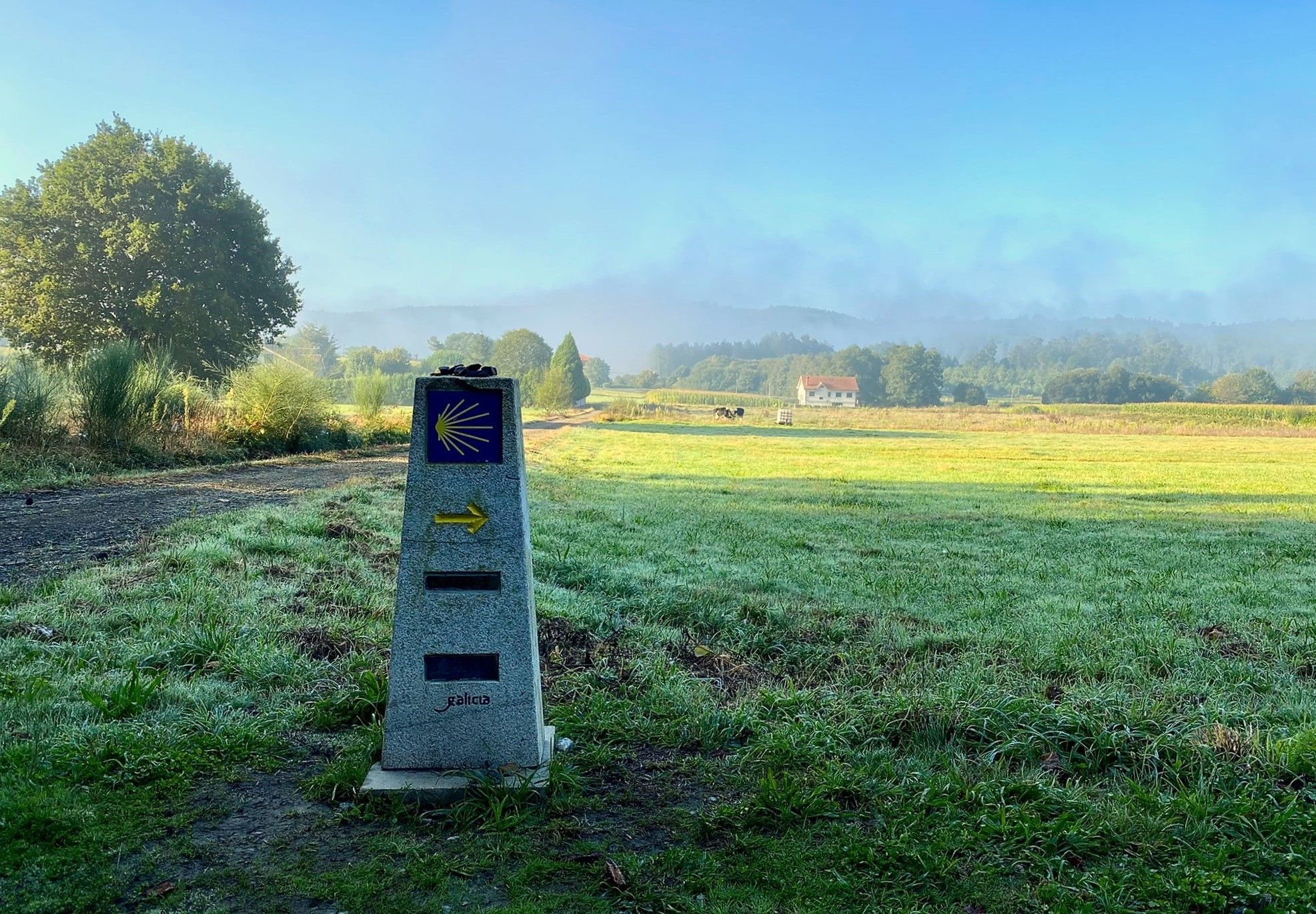
A pilgrimage on foot – Spain’s Primitive Way
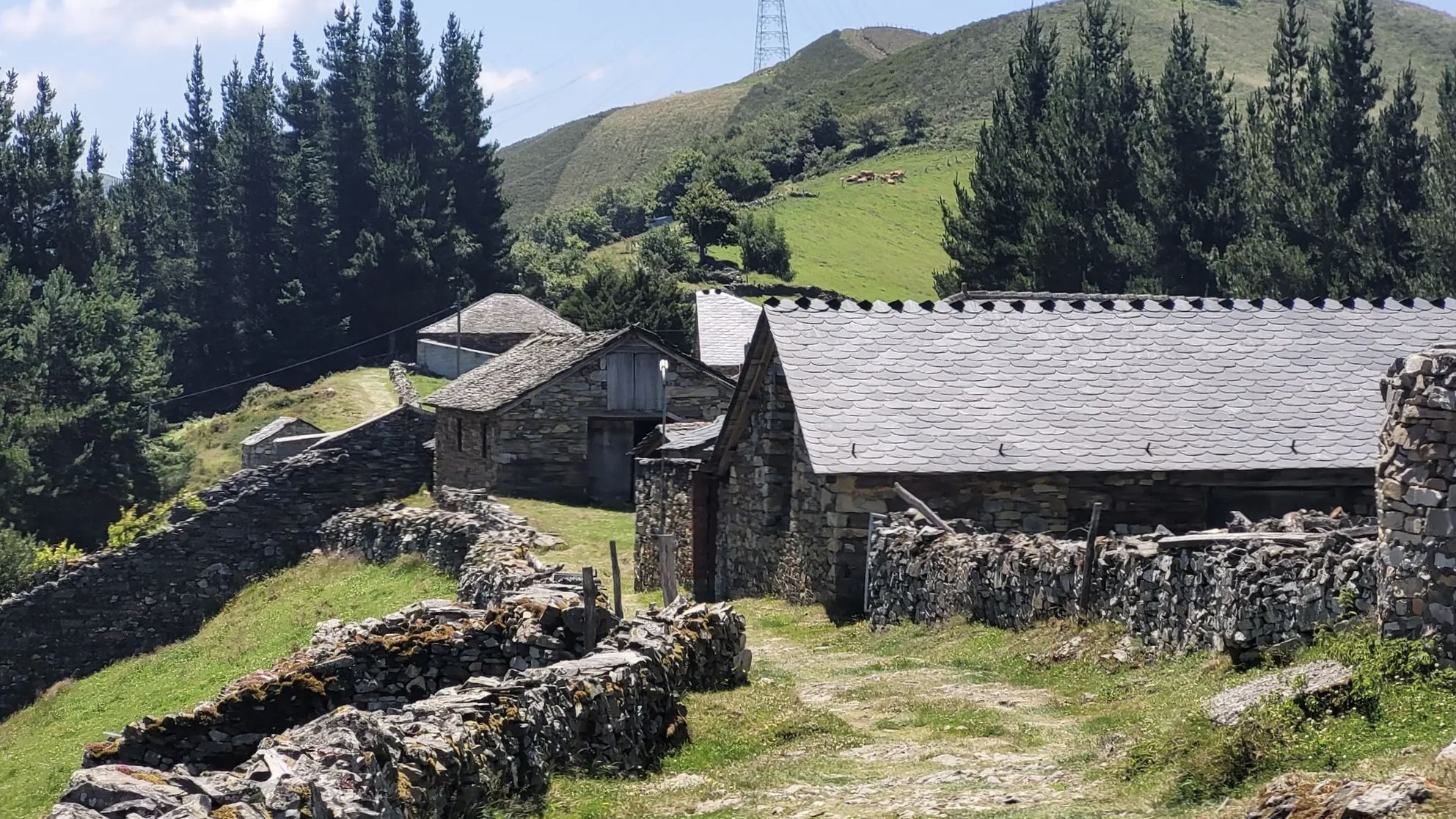
The Camino Primitivo — From Oviedo to Santiago through history
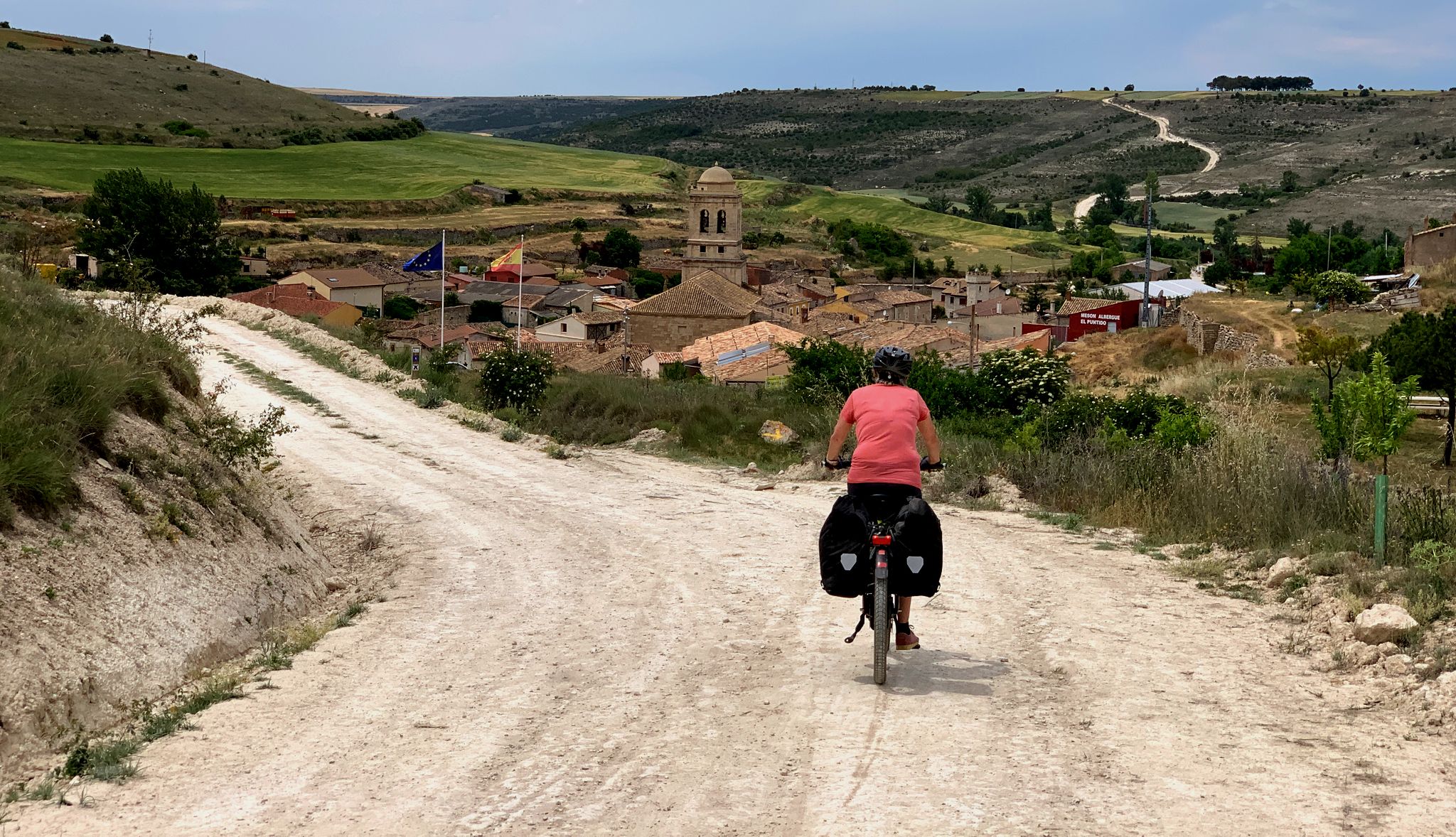
The Pilgrim Route — EuroVelo 3 through Spain
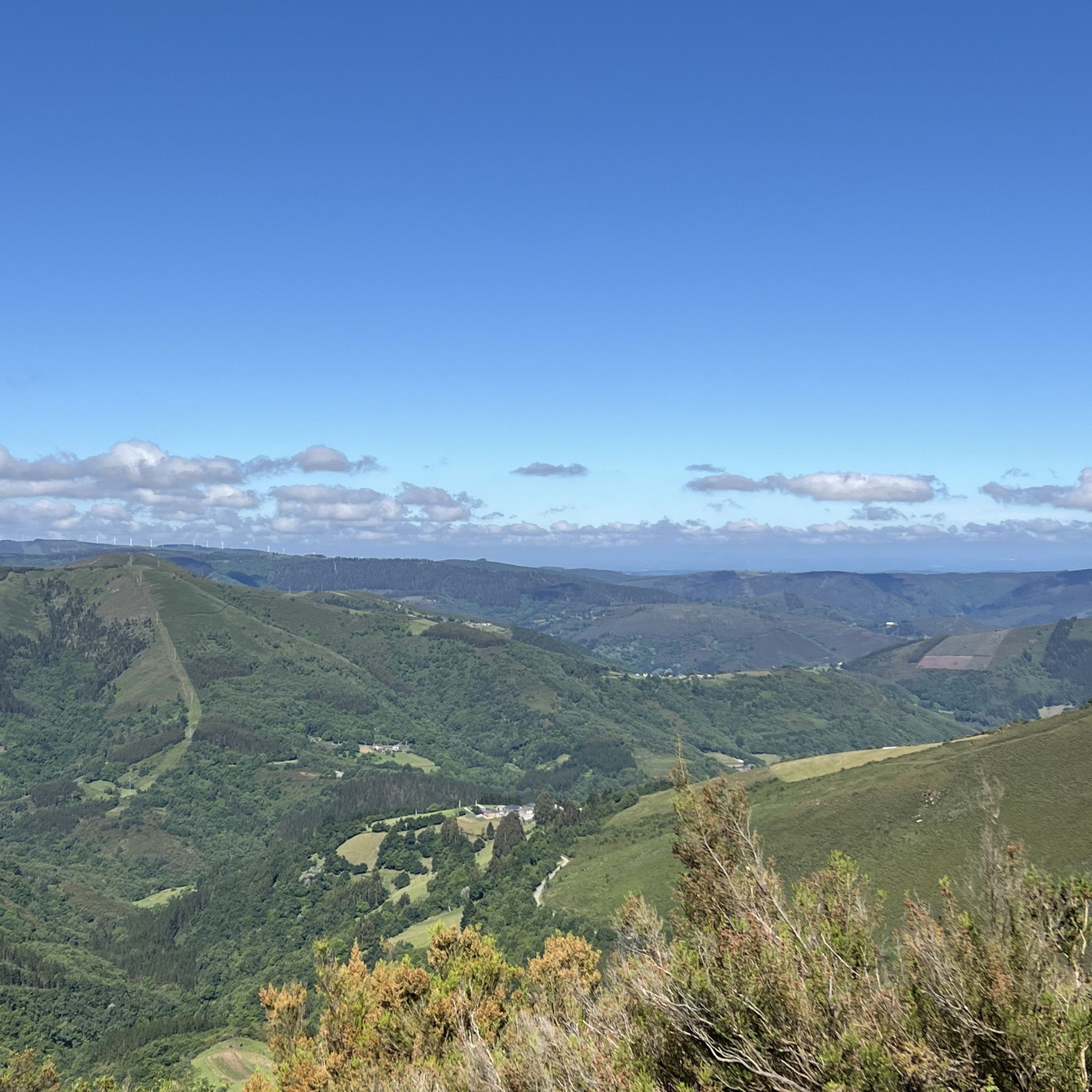
MTB Trails around Os Ancares
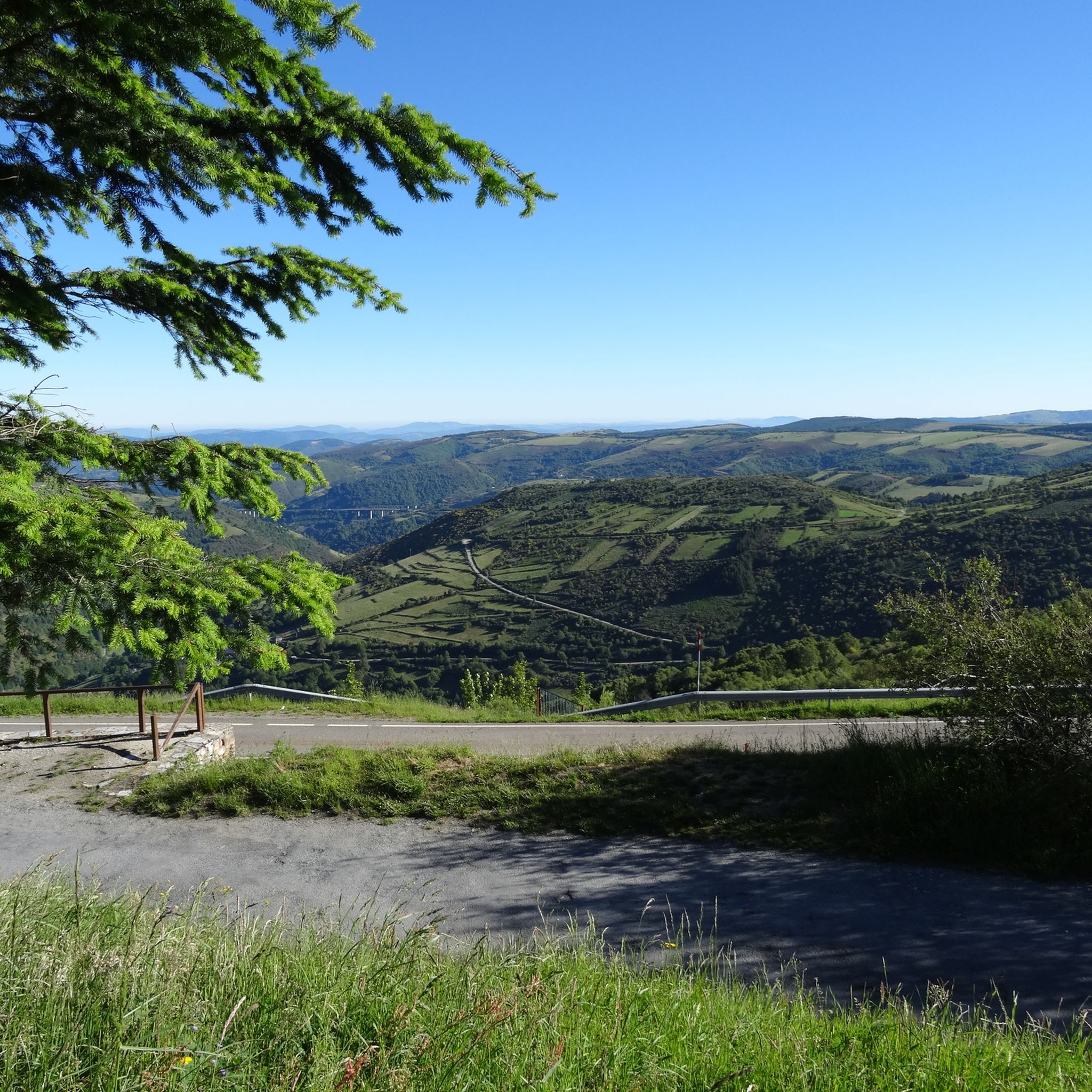
Hiking around Os Ancares
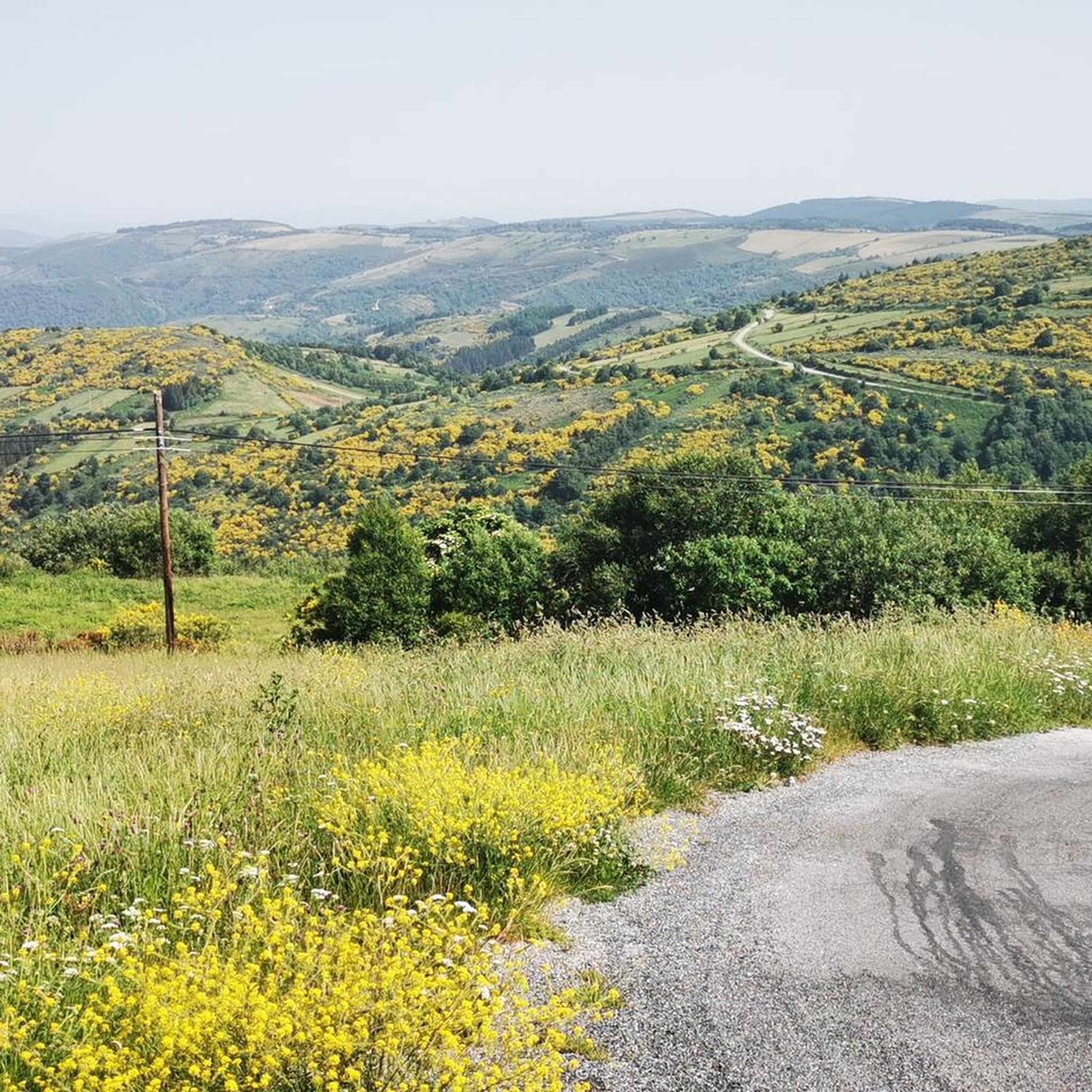
Cycling around Os Ancares
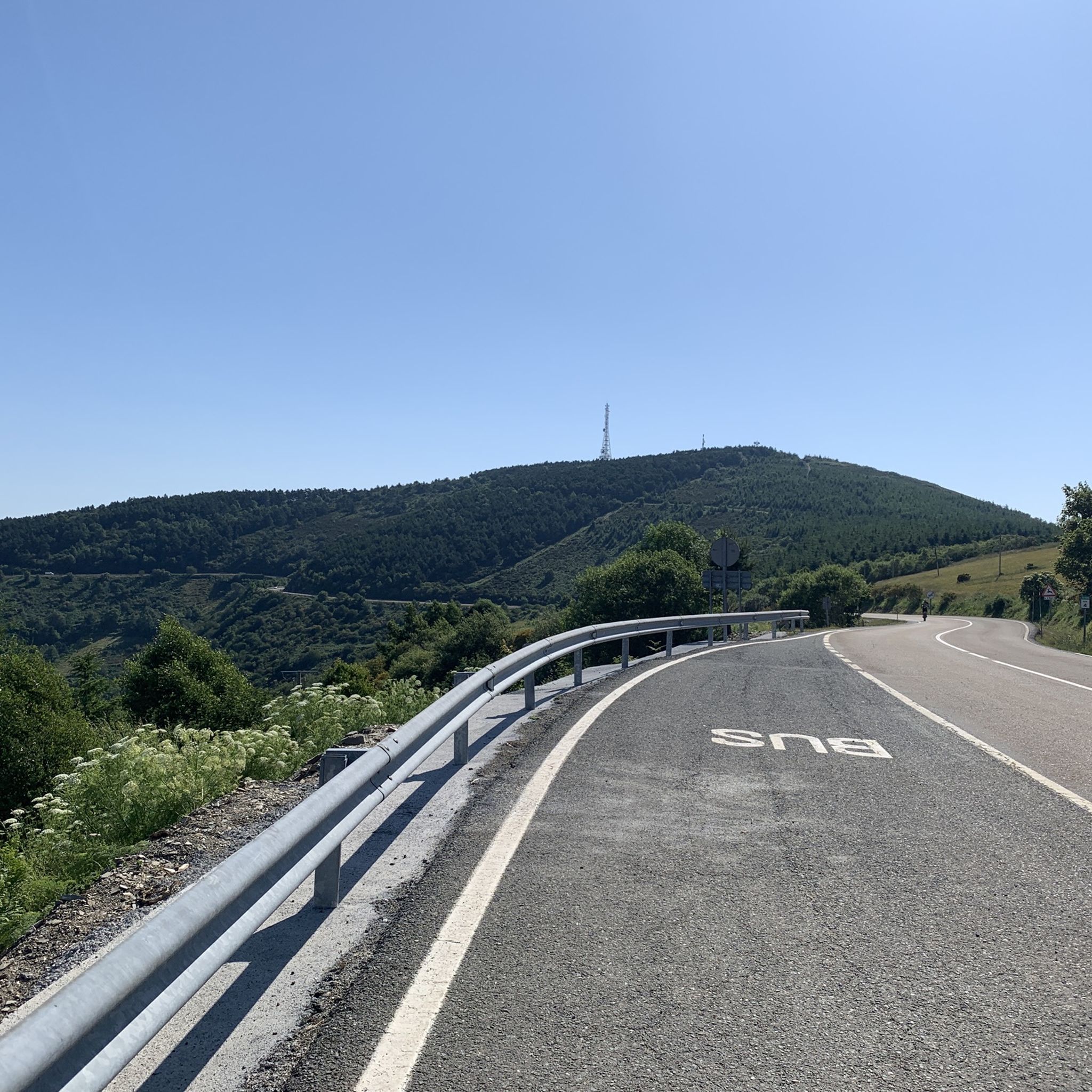
Road Cycling Routes around Os Ancares
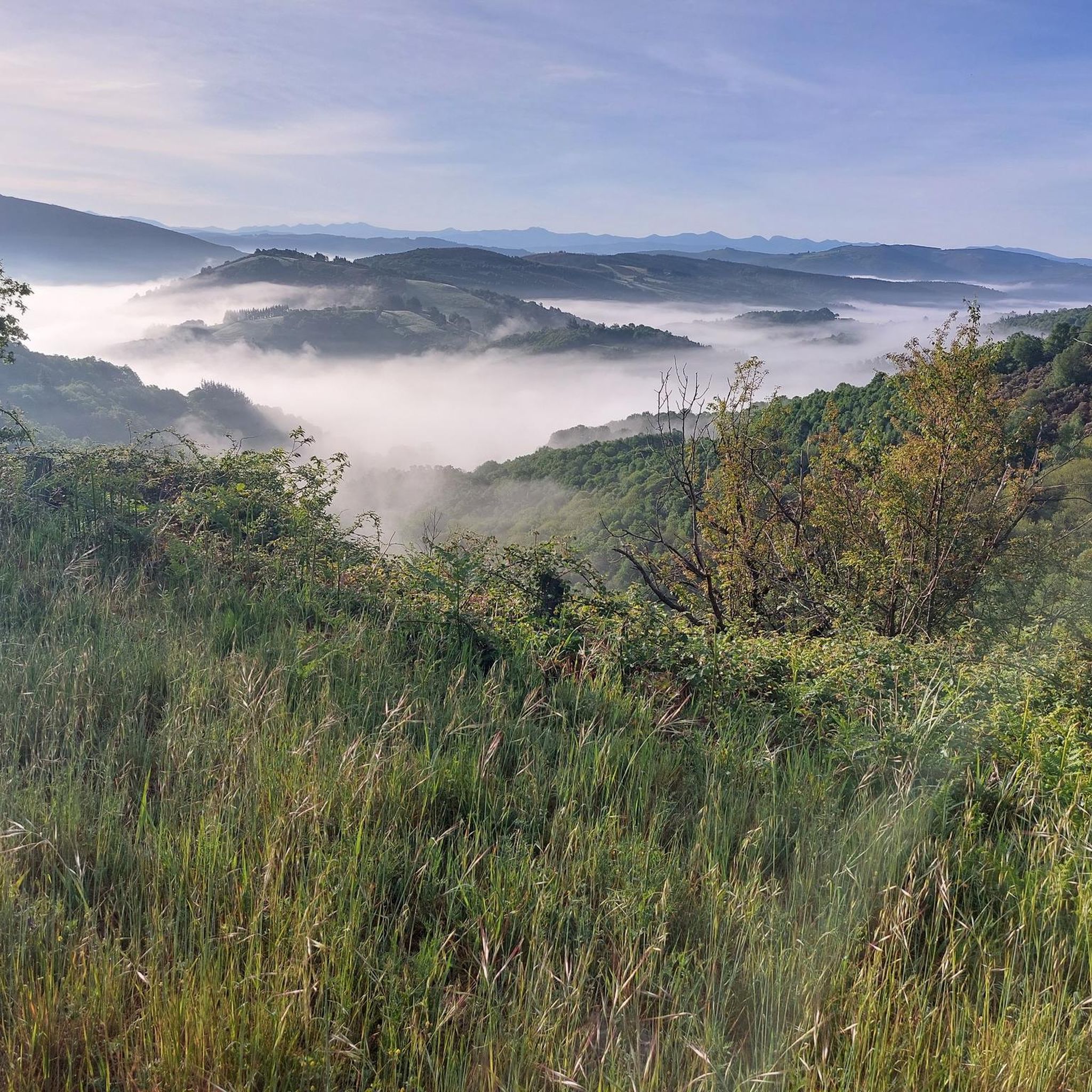
Running Trails around Os Ancares

Gravel biking around Os Ancares
Other adventures around Os Ancares


Tips from the Community

One of the highest points on the French Way of the Camino de Santiago, located between Triacastela and Fonfría, already in the province of Lugo. At 1,335 meters above sea level, this peak offers a natural viewpoint overlooking the Galician mountains. The area is often exposed to wind and changeable weather, even in summer, but the views and the feeling of having reached a milestone more than compensate. There's a hostel/bar right at the summit, useful as a stopping point for pilgrims and cyclists. Dress warmly before reaching the top: the temperature here can drop suddenly, even on sunny days. If you're on a mountain bike or e-bike, make sure you have good traction on descents and that your brakes are checked: the descent towards Fonfría is fast and winding. It's a good place to rest and refill your water or coffee before continuing.
1
0


This is a beautiful 12-kilometer climb with 1,112 meters of elevation gain at an average gradient of 9.3%, with some slopes exceeding 20%. The surface is good, and the views are wonderful.
0
0
This climb is a must if you're touring the area. It's seven and a half kilometers long, with the gradient concentrating on the final section. You ascend nearly 700 meters and face 19% gradients in a unique setting.
0
0

At the top of the pass there is a small bar where you can stock up on drinks and snacks after the long and steep climb.
3
0
The route over the 3 passes is beautiful and the scenery is very impressive. Once you have reached the Ceibero, the other passes are no longer so strenuous.
3
0

The last real climbs of the Camino are the three peaks of the Cebreiro mountain group, over a distance of approximately 13 km, divided into three equivalent segments. In the first stretch, starting from Pedrafita (1100 m above sea level) and following the LU-633 up to Cebreiro (1300 m.) there are 4 km almost entirely of climbs, which are also very tiring if you are carrying a lot of luggage: the heat accumulated for fatigue can turn into frozen sweat, cold and chills due to possible fog, tiredness and/or dehydration and the difference in temperature compared to Pedrafita; in addition to covering up, it is advisable to stop for a short refreshment at the village bar. In the second stretch you descend to Linares (1220 m), and then climb up to Alto de San Roque (1260 m), which is particularly windy, as evidenced by the statue of the saint placed on the pass of the hill. The third stretch descends again to Hospital (approximately 1250m) and then rises again reaching Alto do Poio (1335m), the highest point of the three peaks. From here the road begins to descend rapidly for about fifteen km up to 660 m. above sea level of Triacastela.
2
0
Frequently Asked Questions
What are some significant mountain passes in the Os Ancares region?
The Os Ancares region features several notable mountain passes. Puerto de Ancares (Porto de Ancares) is a high pass at 1,670 meters, connecting León and Lugo, known for its panoramic views. Another significant area is Alto do Cebreiro, a pivotal point on the Camino de Santiago, which includes The three passes of O Cebreiro (Alto do Cebreiro, Alto de San Roque, and Alto do Poio).
What natural features and viewpoints can I expect to see around the mountain passes?
The mountain passes in Os Ancares offer breathtaking landscapes with exuberant nature, including leafy forests, crystal-clear rivers, and steep peaks. From passes like Puerto de Ancares, you can enjoy expansive panoramic views of valleys and sharp peaks. Pilgrim Statue at Alto de San Roque also provides unique panoramic views of the surrounding mountains.
What is the historical and cultural significance of the mountain passes in Os Ancares?
Many passes, particularly those around O Cebreiro, hold significant historical and spiritual importance as they are traversed by the French Way of the Camino de Santiago. The village of O Cebreiro itself is a major attraction with its pre-Romanesque church and traditional thatched houses called 'pallozas,' offering a glimpse into ancestral ways of life. The Pilgrim Statue at Alto de San Roque symbolizes the effort of those on the Camino.
How challenging are the mountain passes in Os Ancares for activities like cycling or hiking?
The passes in Os Ancares offer varying levels of difficulty. Climbs like the Ascent to Puerto de Ancares from Tejedo are challenging, gaining nearly 700 meters in 7.5 kilometers with gradients up to 19%. Similarly, the Climb to the Ancares pass from Murias via Pan de Zarco is a demanding 12-kilometer ascent with over 1,100 meters of elevation gain and slopes exceeding 20%.
When is the best time to visit the mountain passes in Os Ancares?
The mountain passes in Os Ancares are generally open year-round, but the best time to visit depends on your activity. While Puerto de Ancares may close briefly in winter due to snowfall, the region's landscapes change vibrantly with the seasons. Spring and autumn offer pleasant temperatures for hiking and cycling, with lush greenery or colorful foliage. Summer is also popular, though some climbs can be strenuous.
Are there family-friendly options among the mountain passes or nearby villages?
While many passes involve challenging climbs, the village of Pedrafita do Cebreiro, located near Alto do Cebreiro, is considered family-friendly. It offers cultural attractions like the pre-Romanesque church and ethnographic museum, providing a gentler experience for families. The surrounding area also has trails suitable for various skill levels.
What outdoor activities can I do near the mountain passes in Os Ancares?
The passes are integrated into a network of trails suitable for hiking and cycling. You can find various routes, from easy walks to challenging climbs. For hiking, explore options like those in the easy hikes around Os Ancares guide or waterfall hikes. Cyclists can find demanding routes, such as those listed in the cycling around Os Ancares guide.
What kind of wildlife can be found in the Os Ancares Biosphere Reserve?
The Ancares Mountains, recognized as a UNESCO Biosphere Reserve, are home to rich biodiversity. You might encounter diverse wildlife, including roe deer, otters, wolves, and various birds of prey like golden eagles and peregrine falcons. Brown bears also inhabit parts of this protected area.
Are there traditional villages or cultural sites to visit near the passes?
Yes, the area is dotted with authentic villages where traditional rural life is preserved. The village of O Cebreiro, near the pass of the same name, is particularly notable for its well-preserved 'pallozas' (traditional thatched houses) and its pre-Romanesque church. These villages offer a unique cultural immersion.
What do visitors enjoy most about the mountain passes in Os Ancares?
Visitors frequently praise the unique panoramic views from the summits, the challenging yet rewarding climbs, and the sense of history along the Camino de Santiago. The monument to the pilgrim at Alto de San Roque is a particularly popular and photographed spot, symbolizing the effort of pilgrims.
Are there any lesser-known mountain passes or unique routes to explore in Os Ancares?
Beyond the well-known passes, the region offers many trails through the Ancares Mountains, including high mountain gravel routes that pass through areas like Campa de Tres Bispos. These routes provide spectacular views and a chance to explore the rugged terrain away from the main thoroughfares.
Most popular routes around Os Ancares
Most popular attractions around Os Ancares

Get inspired with the komoot mobile app


Didn’t find what you were looking for?
Find even more amazing mountain passes around Os Ancares organized by region:
