Attractions and Places To See around Conca De Barbera - Top 20
Best attractions and places to see around Conca De Barbera include a diverse landscape of historical sites, natural features, and cultural landmarks. This region in Catalonia, Spain, is characterized by its medieval towns, Cistercian monasteries, and significant natural parks like the Serra de Prades. The area also features unique geological formations, such as extensive cave systems, and is recognized for its wine production. Visitors can explore a rich tapestry of heritage and natural beauty.
Best attractions and places to see…
Last updated: October 10, 2026
Royal Monastery of Santa María de Poblet
Highlight • Religious Site
Translated by Google •
Tip by

Old Bridge of Montblanc
Highlight • Bridge
Translated by Google •
Tip by

Sign up now to discover places like this
Get recommendations on the best single tracks, peaks, & plenty of other exciting outdoor places.
Tossal de la Baltasana summit
Highlight • Summit
Translated by Google •
Tip by

Deport Spring
Highlight • Natural Monument
The Sport source is located …
Translated by Google •
Tip by
Ermita de Sant Josep de Montblanc
Highlight • Religious Site
Translated by Google •
Tip by

Font Baixa
Highlight • Monument
Translated by Google •
Tip by
La Pena Viewpoint
Highlight • Viewpoint
Translated by Google •
Tip by
Milmanda Castle
Highlight • Castle
Translated by Google •
Tip by

Vall Waterfall
Highlight • Waterfall
Translated by Google •
Tip by
La Riba–Farena Mountain Road
Highlight (Segment) • Mountain Pass
Translated by Google •
Tip by

Sign up for free to discover even more attractions around Conca De Barbera.
Already have an account?
Start today with a free account
Your next adventure awaits.
Popular around Conca De Barbera
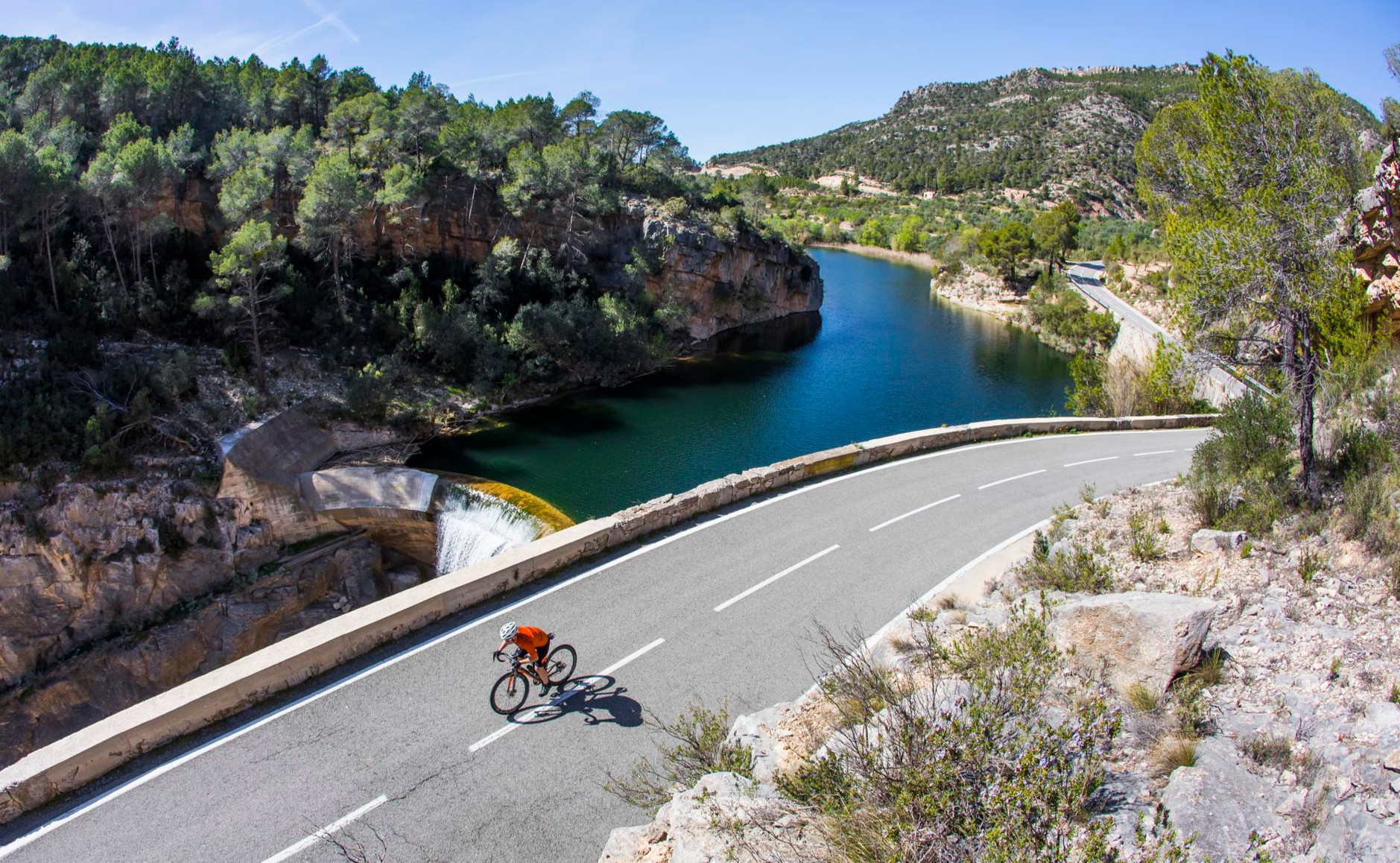
Costa Daurada - Mountains, orchards and monuments by bike
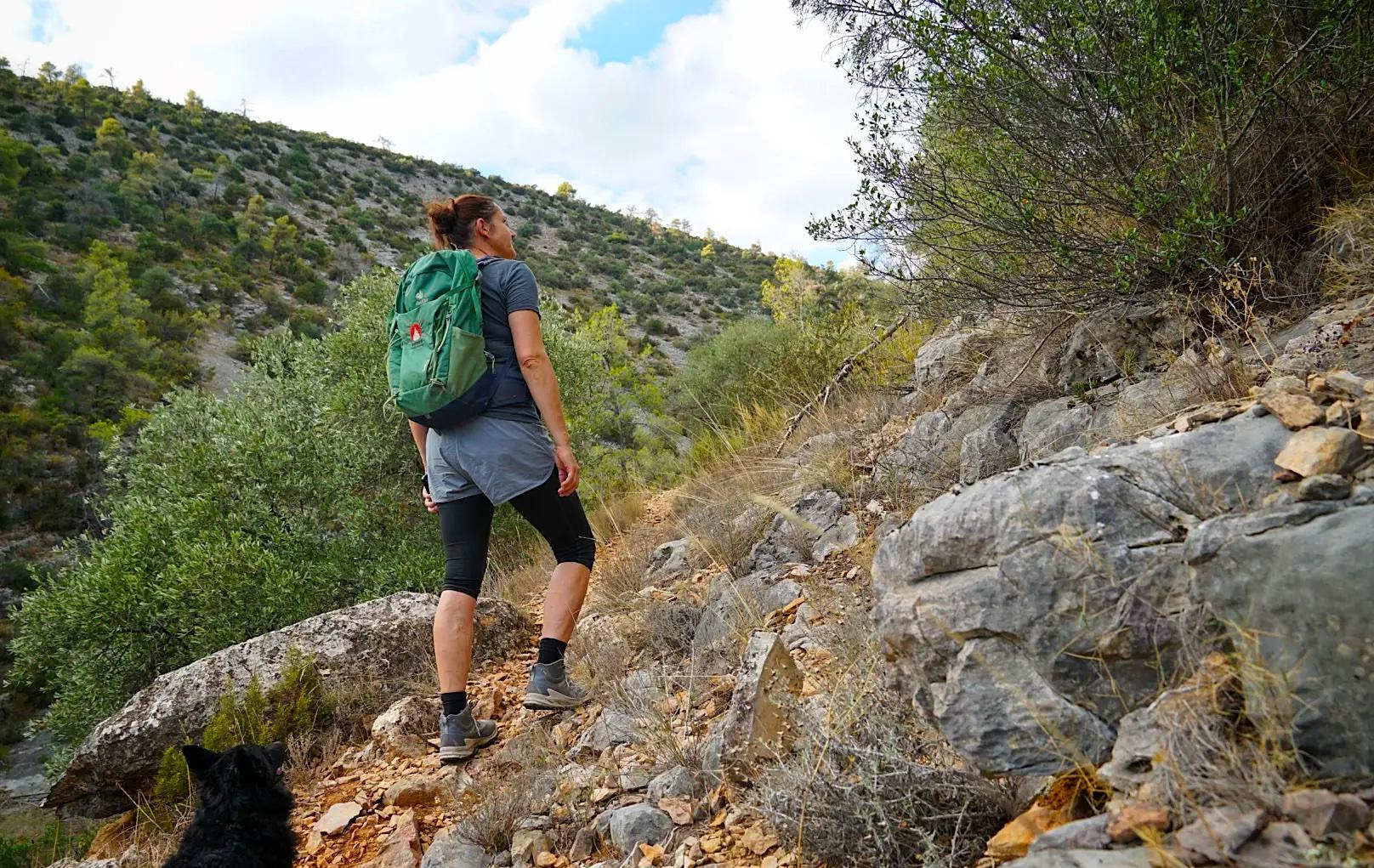
Catalonia's wild south — between sea and mountains
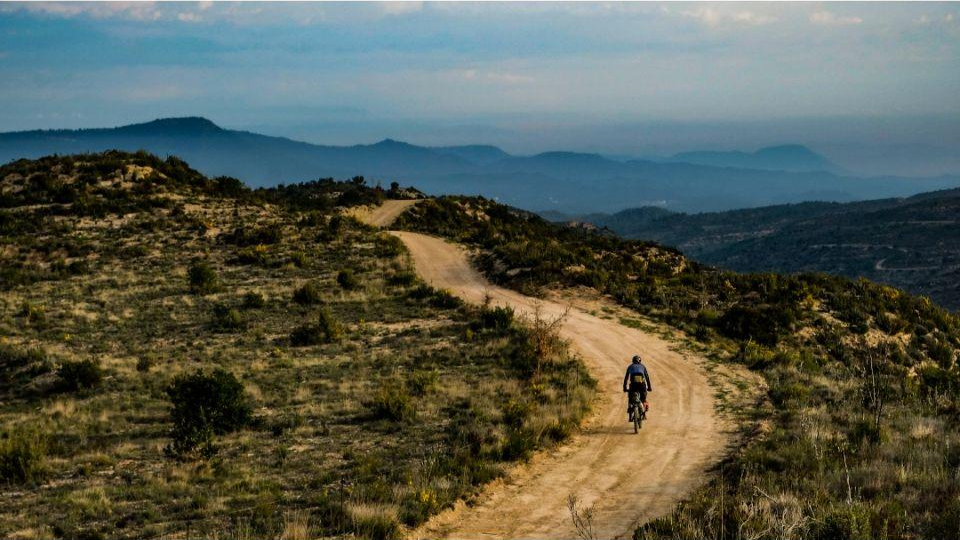
European Divide Trail across the Iberian Peninsula – north
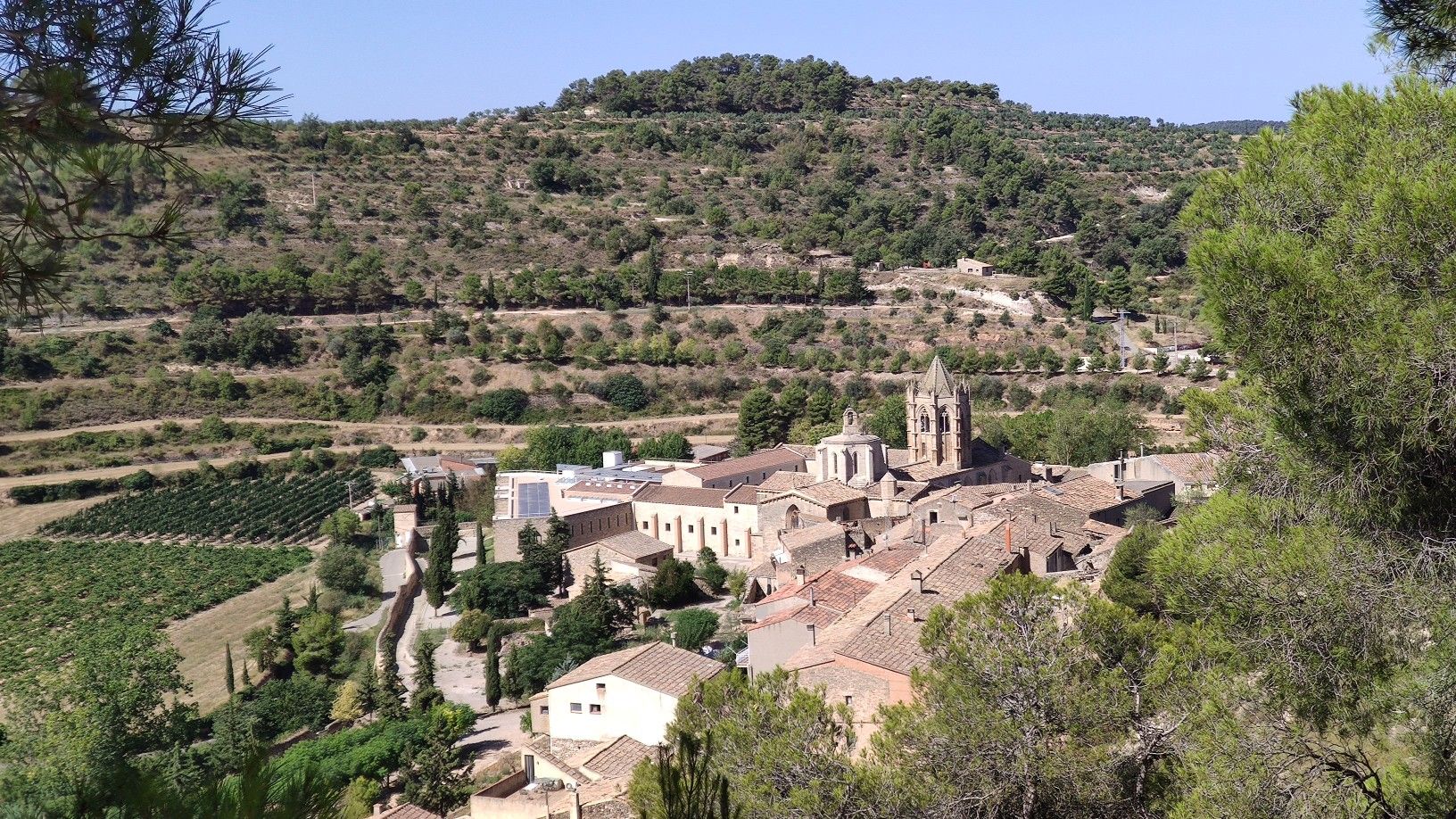
Monasteries, nature and culture – the Cistercian Route on foot
Great Hiking Routes of Catalonia
Six spectacular circular tours to discover Catalonia
A land of contrasts – Tarragona to the Pyrenees on the GR 7
From the heart of southern Catalonia – GR 171
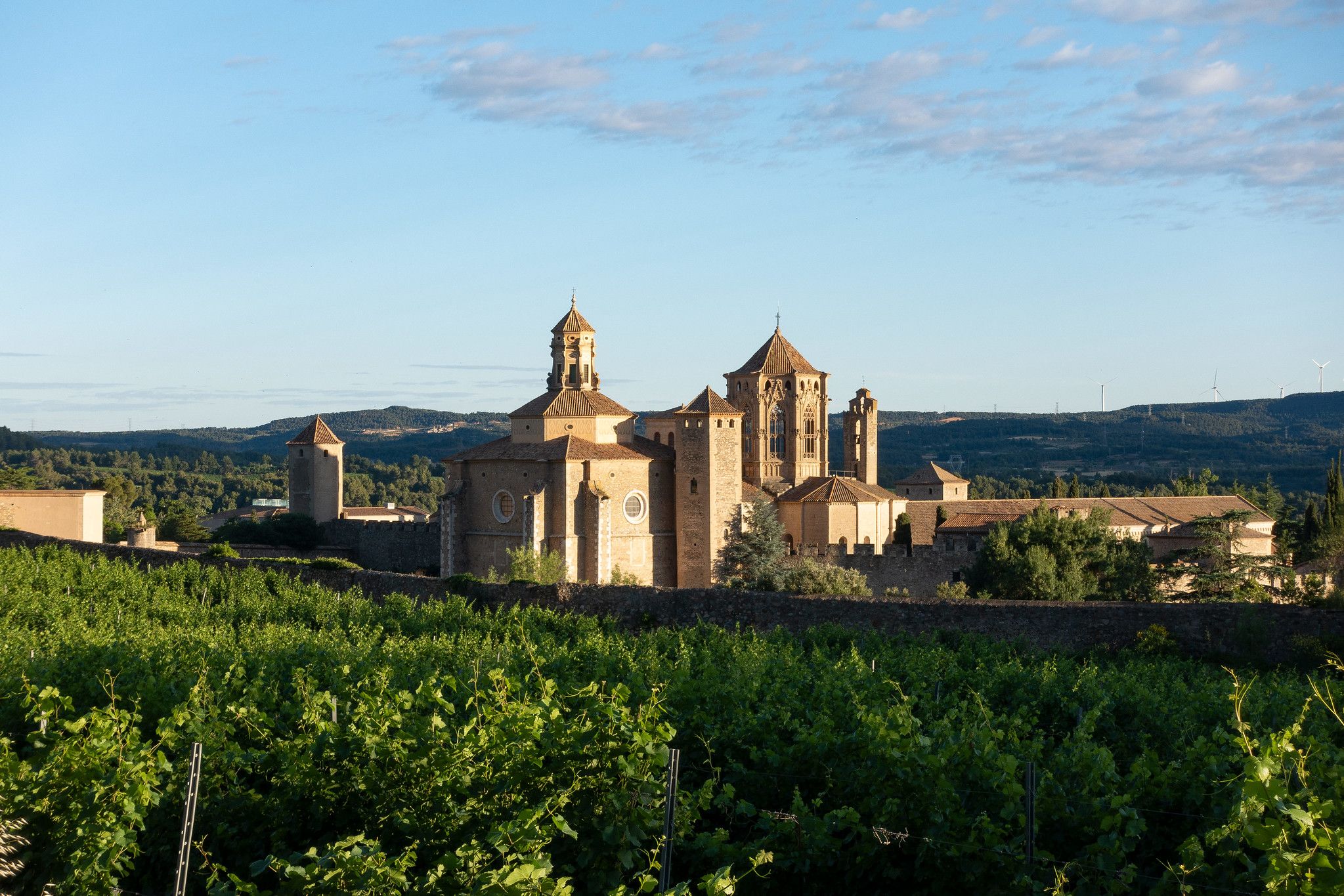
Ride Spain’s Cistercian Route – three monasteries and gravel
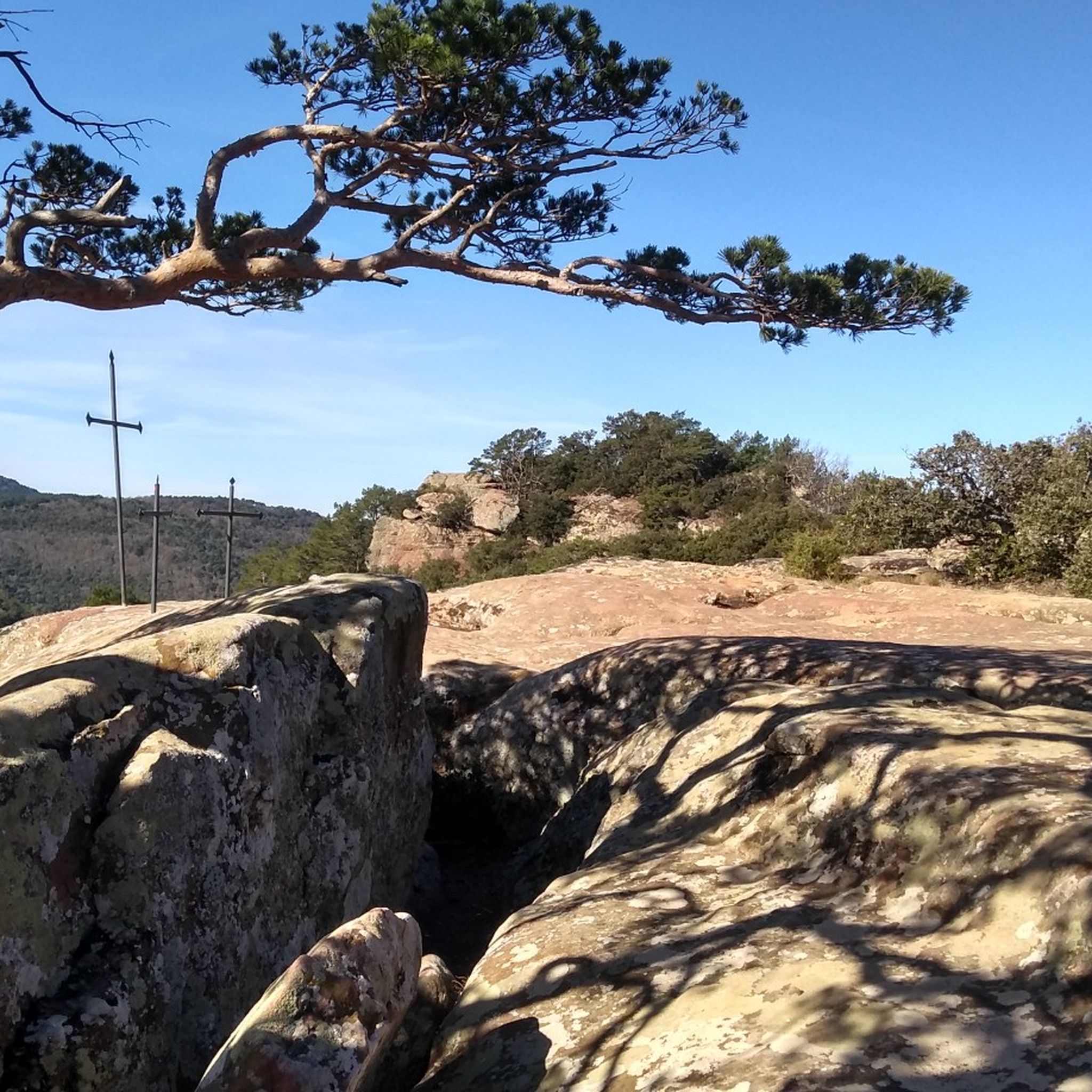
Hiking around Conca De Barbera
Other adventures around Conca De Barbera


Tips from the Community

It's always a pleasure to cross this bridge that leads us to the Viñes Pastry Shop along the main street. The Borratxo is incredible, one of the best.
0
0

Ideal place to see the Pyrenees with clear skies, amazing.
1
0

Medieval bridge (12th century) with four eyes that crosses the channel of the Francolí river. Throughout its history it has undergone numerous reforms due to floods.
0
0

A classic that is worth visiting before starting the port of Coll de l'Arena - Prades at 1034 m
0
0

This monument is located next to the Poblet Monastery. Milmanda's name means small castle. Milmanda Castle, an artistic and historical fortification where Emperors Carlos V and Felipe II hunted, can be visited from Monday to Sunday by booking in advance through its website. The tour includes a visit to the vineyard, in the Milmanda Castle, tasting of two wines, and an expert guide or sommelier throughout the tour.
1
0
There is news of this fountain as early as 1151, but in its current form it dates from 1852, although the original project was never completed. The stone used in its construction came from an old obelisk that was in the wall of the old road from Poblet to Vimbodí. The number of pipes was also increased from the current 11 to 17 (one pipe for each letter of the town where it is located). Originally the pipes were made of bronze, but they were stolen in 1954 and replaced by iron ones.
1
0
Monastery founded in 1150, when the church, the monks' refectory, the Sant Esteve chapel, the infirmary and part of the cloister were built. During the 13th century, the rest of the buildings in the complex were completed, with everything the monks needed for their lives here: chapter house, bedroom, cloister, kitchen, the scriptorium, the hospital for the poor and pilgrims, and the chapel of Santa Caterina. In later centuries the dome and the walls, the pantheon and the other royal constructions were added.
2
0
It is a medieval bridge from the 12th century with four eyes that spans the bed of the Francolí River. Throughout its history it has undergone numerous renovations due to floods. The last one was in 2019, and currently (October 2022) it is still under construction, the passage being closed, although you can circulate without problem on the new bridge, which is located right next to it.
0
0
Frequently Asked Questions
What historical sites can I visit in Conca De Barbera?
The region is rich in history. You can explore the UNESCO World Heritage site of the Royal Monastery of Santa María de Poblet, a Cistercian monastery founded in 1150. The medieval town of Montblanc, known as the birthplace of the Sant Jordi legend, offers well-preserved walls and a historic center. Additionally, Milmanda Castle, a historic fortification, is also open for visits by booking in advance.
Are there any UNESCO World Heritage sites in the Conca De Barbera region?
Yes, the Conca de Barberà boasts two significant UNESCO World Heritage sites. The Royal Monastery of Santa María de Poblet is a prominent Cistercian monastery. The medieval town of Montblanc is also recognized for its prehistoric rock paintings, which are part of a larger UNESCO World Heritage designation.
Where can I find the best panoramic views in Conca De Barbera?
For breathtaking vistas, head to the Tossal de la Baltasana summit, which offers panoramic views of Prades, the Montsant mountain range, and even the Pyrenees on clear days. The Hermitage and Viewpoint of Sant Joan de la Muntanya provides views of the Conca de Barberà, Serra Carbonària, and Montblanc. Another great spot is La Pena Viewpoint, offering a formidable panorama over the western part of the comarca.
Can I explore ancient caves or archaeological sites in the region?
Absolutely. The Coves de l'Espluga de Francolí are notable for their geological formations and archaeological significance, ranking among the longest caves globally. They feature evidence of prehistoric human presence, including a recently discovered Paleolithic sanctuary with over a hundred engravings within the Cueva Museo de la Font Major.
What is the Cistercian Route and how can I experience it?
The Cistercian Route (La Ruta del Císter) connects three important Cistercian monasteries in Catalonia: Poblet, Vallbona, and Santes Creus. It's a well-signposted path, 105 km for walkers and 108 km for cyclists, offering a unique way to experience the region's nature and monastic heritage. The Royal Monastery of Santa María de Poblet is a key stop on this route.
Are there opportunities for wine tourism in Conca De Barbera?
Yes, Conca de Barberà is a Spanish Protected Designation of Origin (DOP) for wines, particularly known for its native Trepat grape. The region features impressive modernist wineries, such as the cooperative winery of l'Espluga de Francolí, often called 'the cathedral of wine.' Many wineries offer tours and wine tastings, allowing visitors to explore vineyards and sample local wines.
What outdoor activities are available near these attractions?
The region offers diverse outdoor activities. You can find numerous hiking trails, including those that lead to natural features like the Vall Waterfall. For specific routes, explore options like the 'Waterfall hikes around Conca De Barbera' guide, which includes trails like the 'Vall Waterfall – Pujada Coma loop from Montblanc'. Cycling is also popular, with guides for 'Gravel biking around Conca De Barbera' and 'Road Cycling Routes around Conca De Barbera', featuring routes like the 'Poblet and Prades Mountains Loop'. You can find more details on these activities in the respective guides on komoot.
Are there specific hiking trails recommended for different skill levels?
Yes, the Conca De Barbera region offers hiking trails for various skill levels. For an easy walk, consider the 'Salt of the Barranc de la Vall – Vall Waterfall loop from Montblanc' (3.5 km). Moderate options include the 'Vall Waterfall – Pujada Coma loop from Montblanc' (8.2 km). More challenging routes, such as the 'Medieval Walls of Montblanc – Vall Waterfall loop from Montblanc' (18.6 km), are also available. You can find more details and routes in the 'Waterfall hikes around Conca De Barbera' guide.
What are some family-friendly attractions in Conca De Barbera?
Families can enjoy several attractions. The Coves de l'Espluga de Francolí offer an engaging experience exploring geological formations and ancient history. The Ermita de Sant Josep de Montblanc is a recreational area perfect for picnics and spending the day outdoors. Many historical sites, like the Royal Monastery of Santa María de Poblet and the medieval town of Montblanc, are also suitable for family visits.
Is Conca De Barbera a good place for stargazing?
Yes, the night sky of the Serra de Prades and the Serra de Montsant Natural Park has been declared a Starlight Tourist Destination since 2021. This recognition highlights it as the largest protected territory in Europe for its clean and star-filled night skies, making it an excellent spot for stargazing enthusiasts.
Are there natural parks or protected areas to explore?
The region is home to protected natural areas like the Poblet Nature Park and the Serra de Prades. These areas offer opportunities for outdoor activities, including walking and exploring diverse flora and fauna, making them ideal for nature lovers.
Are there any wheelchair-accessible attractions in Conca De Barbera?
While many historical sites may have limited accessibility due to their age, the Font Baixa is noted as being wheelchair-accessible. It's always recommended to check specific accessibility details for other attractions directly before your visit.
What is the best time of year to visit Conca De Barbera?
The Conca De Barbera region is pleasant to visit throughout the year, but spring (April-June) and autumn (September-October) generally offer the most comfortable weather for outdoor activities like hiking and cycling, and for exploring historical sites and vineyards. The temperatures are milder, and the landscapes are particularly beautiful.
Most popular routes around Conca De Barbera
Most popular attractions around Conca De Barbera

Get inspired with the komoot mobile app


Didn’t find what you were looking for?
Are you keen on exploring more awesome places nearby? Browse our guides:
Explore more
Still not found the Highlight you’re looking for? See guides of the top attractions in other regions:
