Top 17 Castles around Segarra
Best castles around Segarra are found in a region known as the "Land of Castles," featuring a rich collection of medieval fortifications. Many of these historical sites are designated as "Cultural Assets of National Interest," offering insight into Catalonia's past as a borderland during the 11th and 12th centuries. The area provides a journey through medieval history, with a "Route of the Castles of the River Sió" connecting many of these sites.
Best castles around Segarra
- The most popular castles is Castell de l'Aranyó, a castle that is part of the Segarra castles route. It is a restored castle with a notable history, including being the birthplace of writer Manuel de Pedrolo.
- Another must-see spot is Castillo de Montcortés, a castle. This imposing 15th-century castle stands out with its rectangular structure and two symmetrical defensive towers, contrasting with the surrounding country houses.
- Visitors also love Montfalcó Murallat, a historical site. This medieval village is entirely fortified, with almost perfectly preserved 8-meter high city walls enclosing 15 houses.
- Segarra is known for its diverse range of fortifications, including fortified villages, manor palaces, and defensive structures. Visitors can explore a variety of castles, from well-preserved sites to consolidated ruins.
- The castles around Segarra are appreciated by the komoot community, with 15 upvotes and 36 photos shared.
Last updated: October 10, 2026
Florejacs Castle
Highlight • Castle
Translated by Google •
Tip by

Montfalcó Murallat
Highlight • Historical Site
Translated by Google •
Tip by

Sign up now to discover places like this
Get recommendations on the best single tracks, peaks, & plenty of other exciting outdoor places.
Les Pallargues Castle
Highlight • Castle
Translated by Google •
Tip by
Castell de l'Aranyó
Highlight • Castle
Restored and with a great history. We will be able to go back in time with the information panels.
It is the birthplace of the writer Manuel de Pedrolo.
Apart from the castle, I recommend you to take a walk through the beautiful village with a medieval air among the cereal fields. Visit the Aranyó portal
Translated by Google •
Tip by
Castillo de Montcortés
Highlight • Castle
The closest castle is 1.5 km away and it is the Castillo d'Aranyó
Translated by Google •
Tip by
Concabella Castle
Highlight • Castle
Translated by Google •
Tip by

Sanaüja Castle
Highlight • Castle
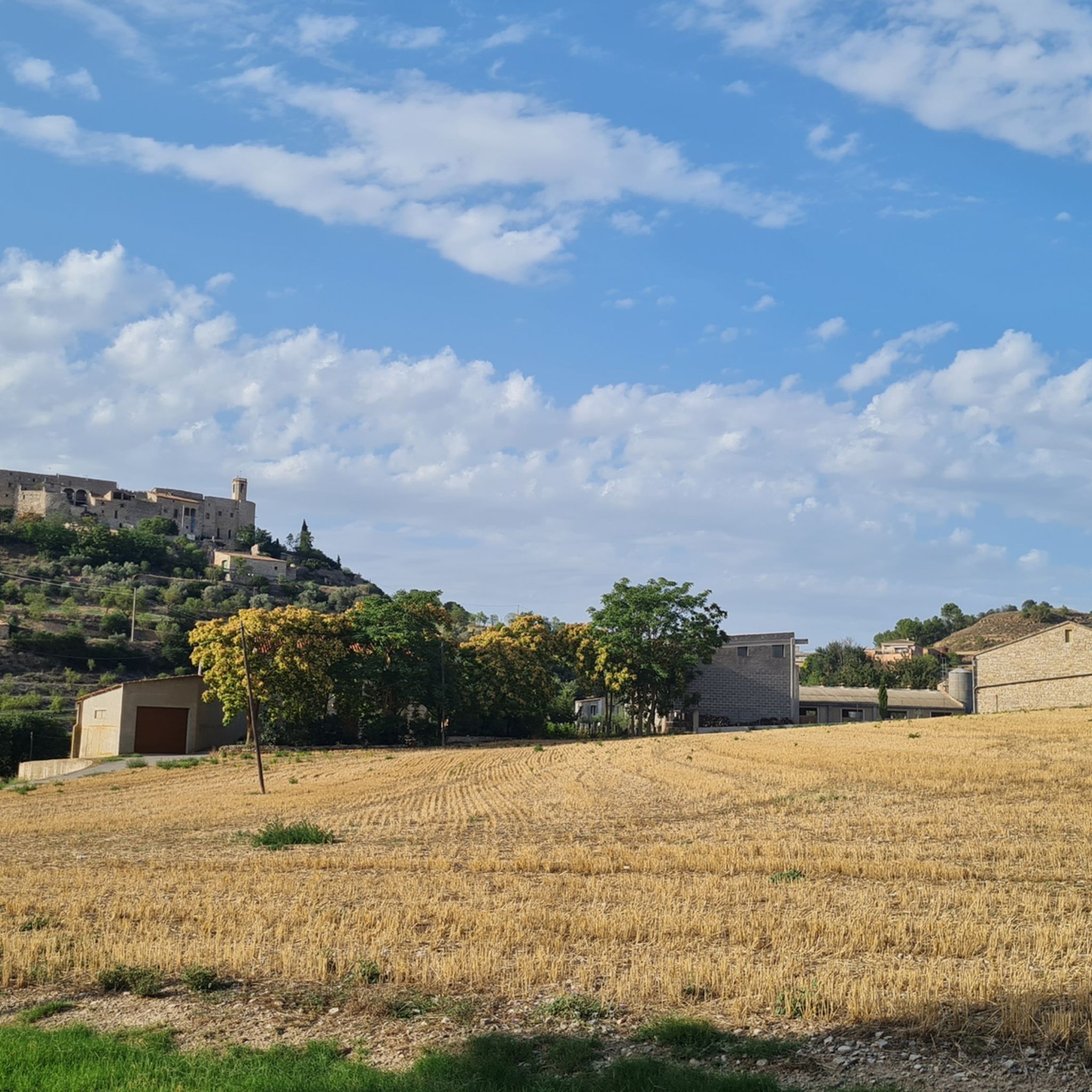
Located at the top of the town. Currently in dilapidated condition.
We cannot leave without visiting Sanahuja and its streets. Easy access
Translated by Google •
Tip by
Castillo de Meià
Highlight • Castle
It is in good condition, but is currently closed.
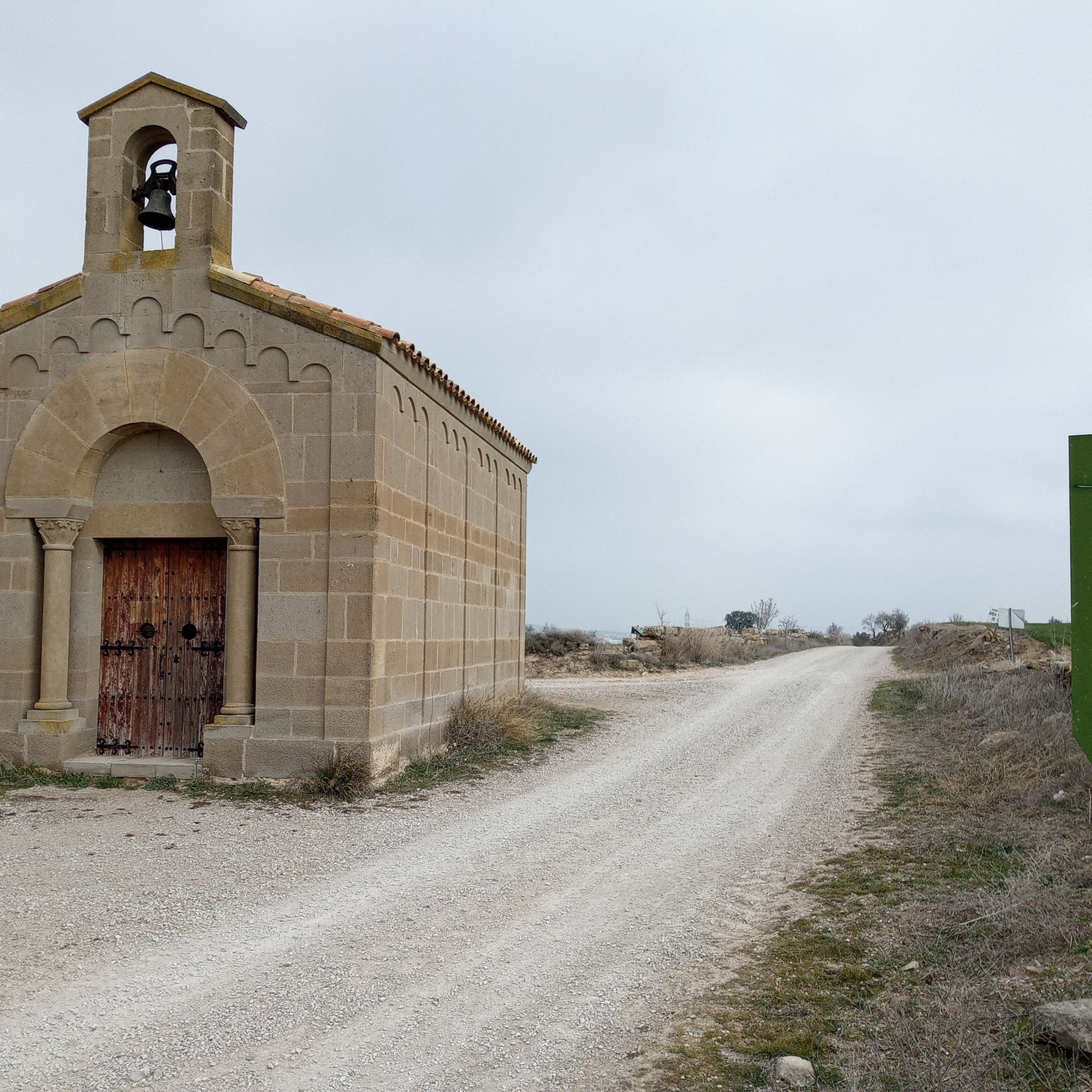
Near it, there is a small temple of Romanesque origin. This is the church of the Mare de Déu de la Llet.
Translated by Google •
Tip by
L'Ametlla de Segarra
Highlight • Settlement
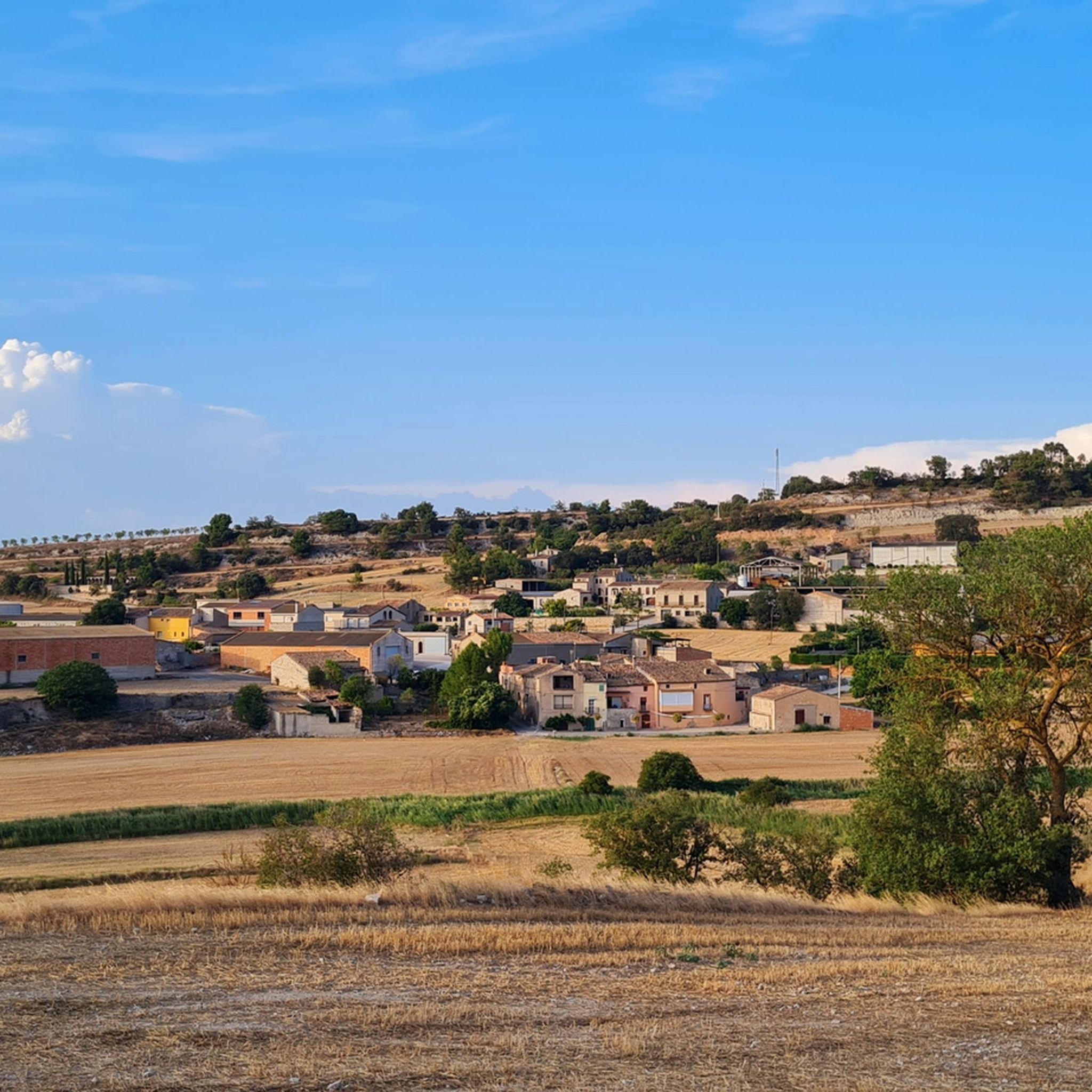
It is located in an area with a tradition of cereal farming and other rainfed crops such as olive groves and almond trees. You can also find vineyards, particularly organic vineyards that produce Comalats wine, which was the old name of the region.
Of its heritage, the church of Sant Pere and the tower of the old castle stand out.
Translated by Google •
Tip by

Santa Fe de Segarra
Highlight • Settlement
Translated by Google •
Tip by

Sign up for free to discover even more castles around Segarra.
Already have an account?
Start today with a free account
Your next adventure awaits.
Popular around Segarra

Great multi-day treks near Barcelona
The Ignatian Way - In the footsteps of Ignatius of Loyola
Discover Catalonia on your bike
Hike with your family in Catalonia
From the heart of southern Catalonia – GR 171
Hiking around Segarra
Road Cycling Routes around Segarra
MTB Trails around Segarra
Cycling around Segarra
Running Trails around Segarra
Other adventures around Segarra


Tips from the Community

It is a must-see for those who want to get to know this area and enjoy its benefits.
1
0

Sanahuja Castle is an impressive fortress located in the Segarra region, in the province of Lérida. This castle, which stands on a hill overlooking the town of Sanahuja, has a rich history dating back to the 11th century. Over the centuries, the castle has undergone various construction phases, including its transformation into a bishop's palace in the 16th and 17th centuries. Noteworthy from this period is the five-eyed bell tower, which served as a bell tower until 1929.
5
0

L'Ametlla de Segarra is a town belonging to the municipality of Montoliu de Segarra, in the Segarra region, province of Lleida. It is linked to the castle of the same name, appearing in records at the end of the 11th century. It is located in an area with a tradition of cereal farming and other rainfed crops such as olive groves and almond trees. You can also find vineyards, particularly organic vineyards that produce Comalats wine, which was the old name of the region. Of its heritage, the church of Sant Pere and the tower of the old castle stand out.
0
0

Castle that is located at the top of the same nucleus and that has been one of the key points for the development of the population until today. Nowadays only the bell tower can be seen, but in the past it was a large wall that surrounded the mountain. It is found taking the road heading east.
0
0


Santa Fe de Segarra is a town belonging to the municipality of Les Olugues. The town was built around the castle, of which a defense tower, part of the wall and a portal still remain.
0
0

Of all the picture-perfect, historical places in Catalonia, Montfalcó Murallat in the province of Lleida is probably the most impressive example of a medieval town whose city walls are almost perfectly preserved. The approximately 8 meter high building dates from the 13th century and surrounds the entire town. With a total of 15 houses, it is of a very manageable size, but still absolutely worth seeing.
2
0

Les Pallargues Castle, which is part of the Sió Castles Route, is a place that transports you to the medieval past. The guided tour is highly recommended to get an idea of what it was like and how people lived there throughout its thousand years of history.
0
0
Frequently Asked Questions
What are some of the most historically significant castles in Segarra?
Segarra is rich in medieval history. Notable castles include Concabella Castle, an 11th-century manor palace with an Interpretation Center, and Florejacs Castle, which played a strategic role as a border line during the Reconquest. Castell de Cervera, documented since 1026, also holds significant historical ties to the region.
Are there any castles in Segarra that offer public tours or interior visits?
Yes, some castles in Segarra are open to the public. Florejacs Castle offers visits to its stately rooms, cellars, and dungeons. Pallargues Castle also provides guided tours of its interiors. Concabella Castle houses a Castle Interpretation Center, making it a key reference point for understanding the region's fortified heritage.
What is the best time of year to visit the castles in Segarra?
The spring and autumn months generally offer the most pleasant weather for exploring the castles and surrounding areas. Spring brings blooming landscapes, while autumn provides cooler temperatures ideal for walking. Many visitors enjoy the beautiful routes in spring, as noted for places like Montfalcó Murallat.
Are there family-friendly castles or historical sites to visit in Segarra?
Yes, several sites are suitable for families. Montfalcó Murallat, a perfectly preserved medieval walled village, is a fascinating and manageable site for all ages. Concabella Castle, with its Interpretation Center, also offers an engaging historical experience for families.
What kind of outdoor activities can I do near the castles in Segarra?
The Segarra region offers diverse outdoor activities. You can find easy hikes, such as the 'Castell de Castellfollit and Sants Metges de Marçà Loop' or the 'University of Cervera – Cervera loop'. For more challenging adventures, there are MTB trails like the 'Castles of Sió Route' or gravel biking options. You can explore more routes in the Easy hikes around Segarra and MTB Trails around Segarra guides.
Are there specific routes or trails that connect multiple castles?
Yes, the region is known for its 'Route of the Castles of the River Sió,' which connects many historical sites. This route allows visitors to explore several fortifications, including Castell de l'Aranyó and Castillo de Montcortés. There are also MTB routes like the 'Castles of Sió Route' that cover significant distances, linking various castles.
Can I see any impressive viewpoints or natural features near the castles?
Many castles in Segarra are strategically located on hills, offering panoramic views of the surrounding cultivated fields and landscapes. Montfalcó Murallat, perched atop a hill, provides excellent vistas. Castell de l'Aranyó is also situated in a beautiful village with a medieval air among cereal fields, offering scenic views.
What is the difference between a castle ruin and a restored castle in Segarra?
Segarra features both consolidated ruins and well-preserved or restored castles. A consolidated ruin, like Castell de Cervera, allows visitors to see the remains of its original structure, offering a glimpse into its past grandeur. Restored castles, such as Castell de l'Aranyó, have undergone preservation efforts to maintain or reconstruct their historical appearance, often allowing for more extensive interior exploration.
Are there any 'hidden gem' castles or less-known sites worth visiting?
While many castles are well-known, exploring the smaller villages can reveal charming, less-frequented sites. Castillo de Meià, with its two identical circular surveillance towers and nearby chapel, is a well-preserved example that is part of the La Segarra Castle Route. Ratera Castle, though a private estate, can be admired closely in the small town of Ratera.
How long should I plan for a visit to the castles in Segarra?
The duration of your visit depends on how many castles you wish to see and whether you plan to explore their interiors or surrounding areas. For individual castles like Florejacs Castle or Concabella Castle, allow 1-2 hours. If you plan to follow the 'Route of the Castles of the River Sió' or engage in outdoor activities, a full day or even a weekend would be more appropriate to fully experience the region.
What should I bring for a castle visit in Segarra?
When visiting the castles in Segarra, it's advisable to wear comfortable walking shoes, as many sites involve walking on uneven terrain or within historical structures. Depending on the season, bring sun protection, water, and layers of clothing. If you plan to explore the surrounding trails, consider bringing a map or using a navigation app.
Most popular routes around Segarra
Most popular attractions around Segarra

Get inspired with the komoot mobile app


Didn’t find what you were looking for?
Explore Segarra’s best castles region by region:
Explore more
Looking for the best castles somewhere else? Discover other guides around Segarra:
