Attractions and Places To See around Pallars Sobira - Top 20
Best attractions and places to see around Pallars Sobira, nestled in the Catalan Pyrenees, offers a diverse landscape of natural beauty and cultural heritage. This mountainous region is characterized by its national parks, glacial lakes, and high peaks like Pica d'Estats. Visitors can explore charming villages, significant Romanesque architecture, and a variety of natural features. The area provides numerous opportunities for outdoor activities and cultural discovery.
Best attractions and places to see around Pallars Sobira
- The most popular attractions is…
Last updated: October 10, 2026
Lake Sant Maurici
Highlight • Lake
Translated by Google •
Tip by

Ratera Lake
Highlight • Lake
Translated by Google •
Tip by

Sign up now to discover places like this
Get recommendations on the best single tracks, peaks, & plenty of other exciting outdoor places.
Gerber Lake
Highlight (Segment) • Lake
Translated by Google •
Tip by

Josep Maria Blanc Refuge
Highlight • Mountain Hut
Translated by Google •
Tip by
Amitges Refuge
Highlight • Mountain Hut
Translated by Google •
Tip by

Hermitage of Sant Maurici d'Espot
Highlight • Religious Site
Translated by Google •
Tip by
Espot
Highlight • Settlement
Translated by Google •
Tip by

Coma Pedrosa Summit
Highlight • Summit
Showing Translation
Tip by

Saboredo Refuge
Highlight • Mountain Hut
Translated by Google •
Tip by

Pica d'Estats
Highlight • Summit
Showing Translation
Tip by

Sign up for free to discover even more attractions around Pallars Sobira.
Already have an account?
Start today with a free account
Your next adventure awaits.
Popular around Pallars Sobira
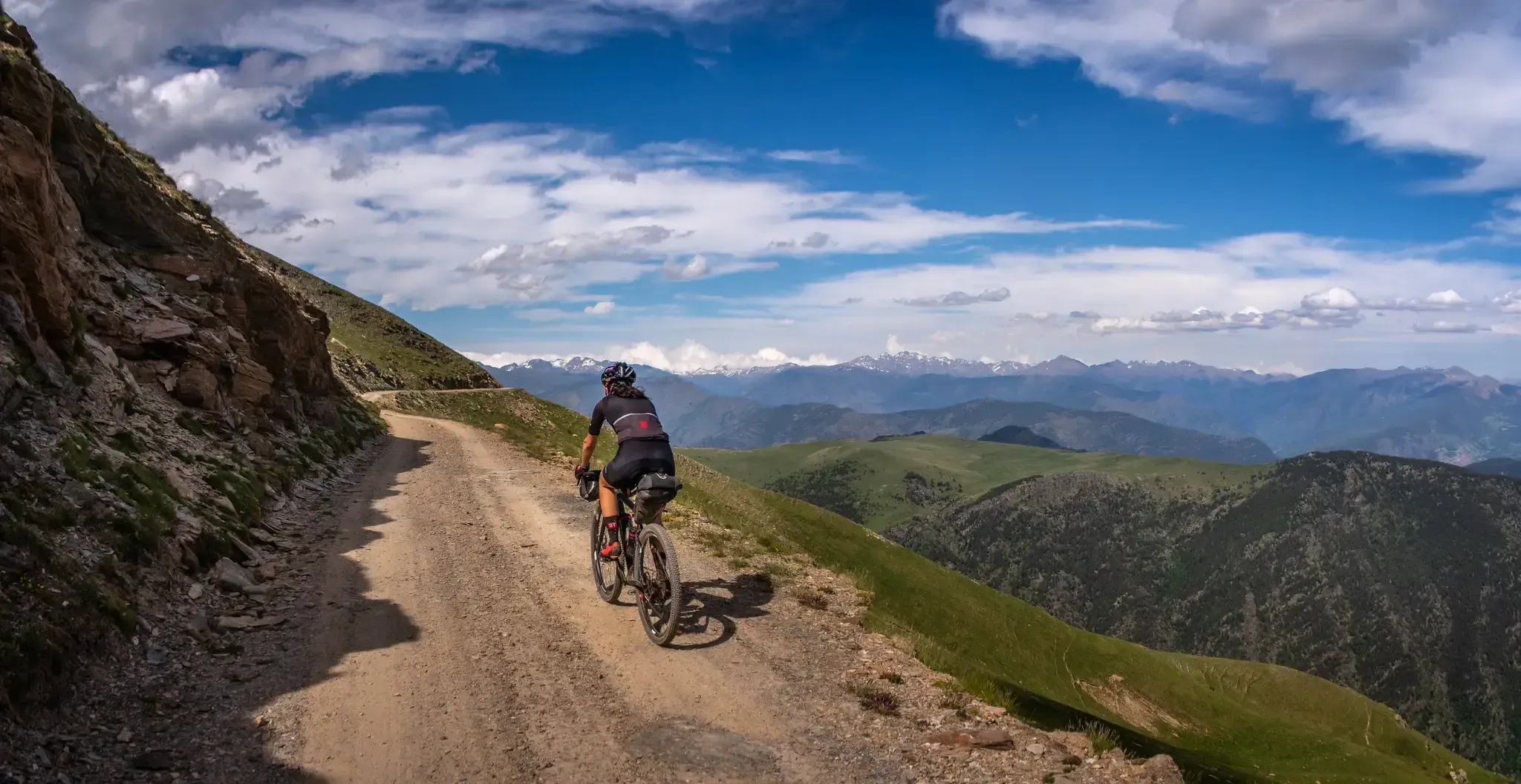
Pedals de Foc – An adventure through the Catalan Pyrenees
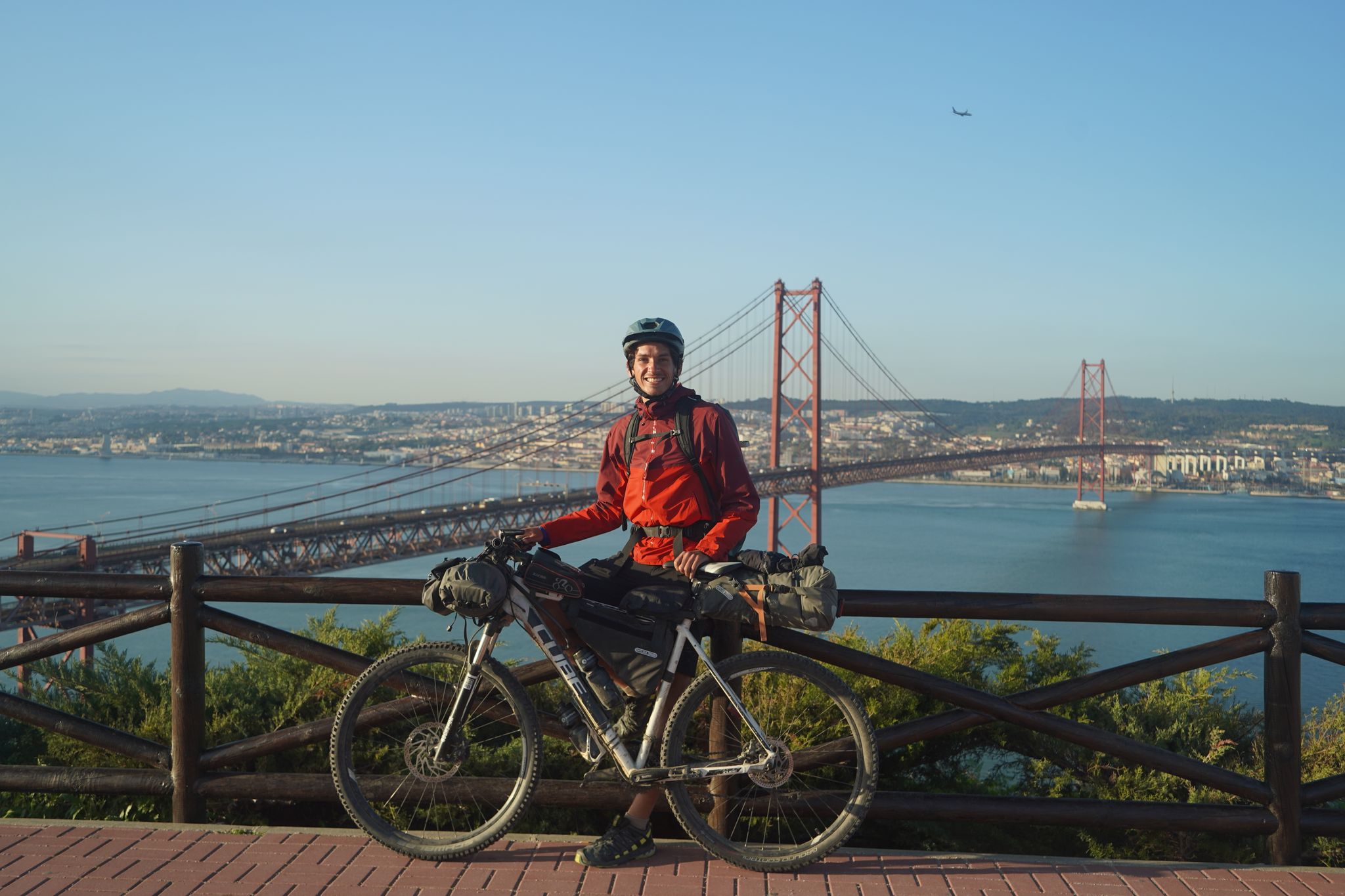
Road to Lisbon – bikepacking the Alps, Pyrenees and Picos de Europa
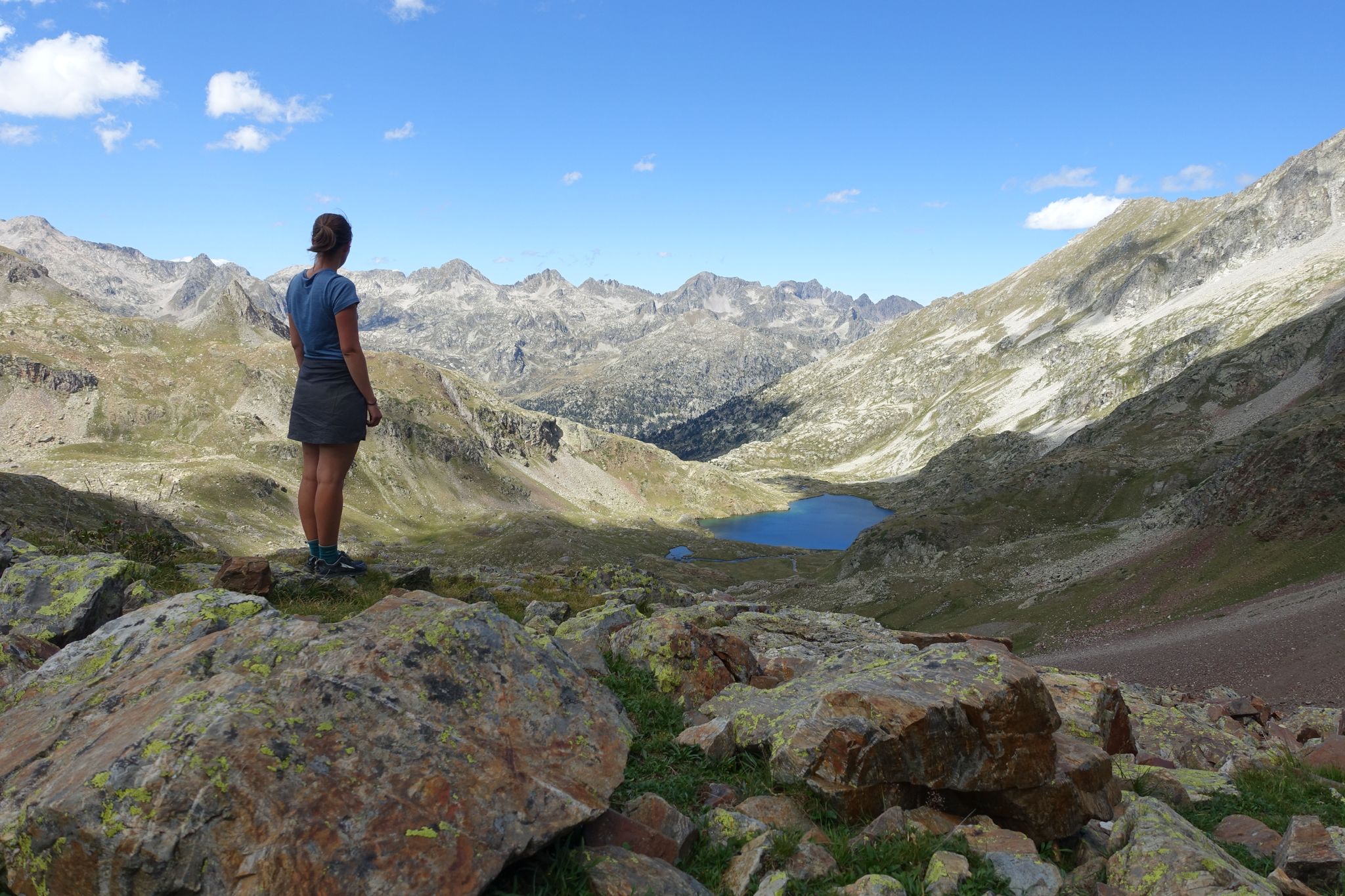
Haute Route Pyrénéenne – Pyrenees Crossing
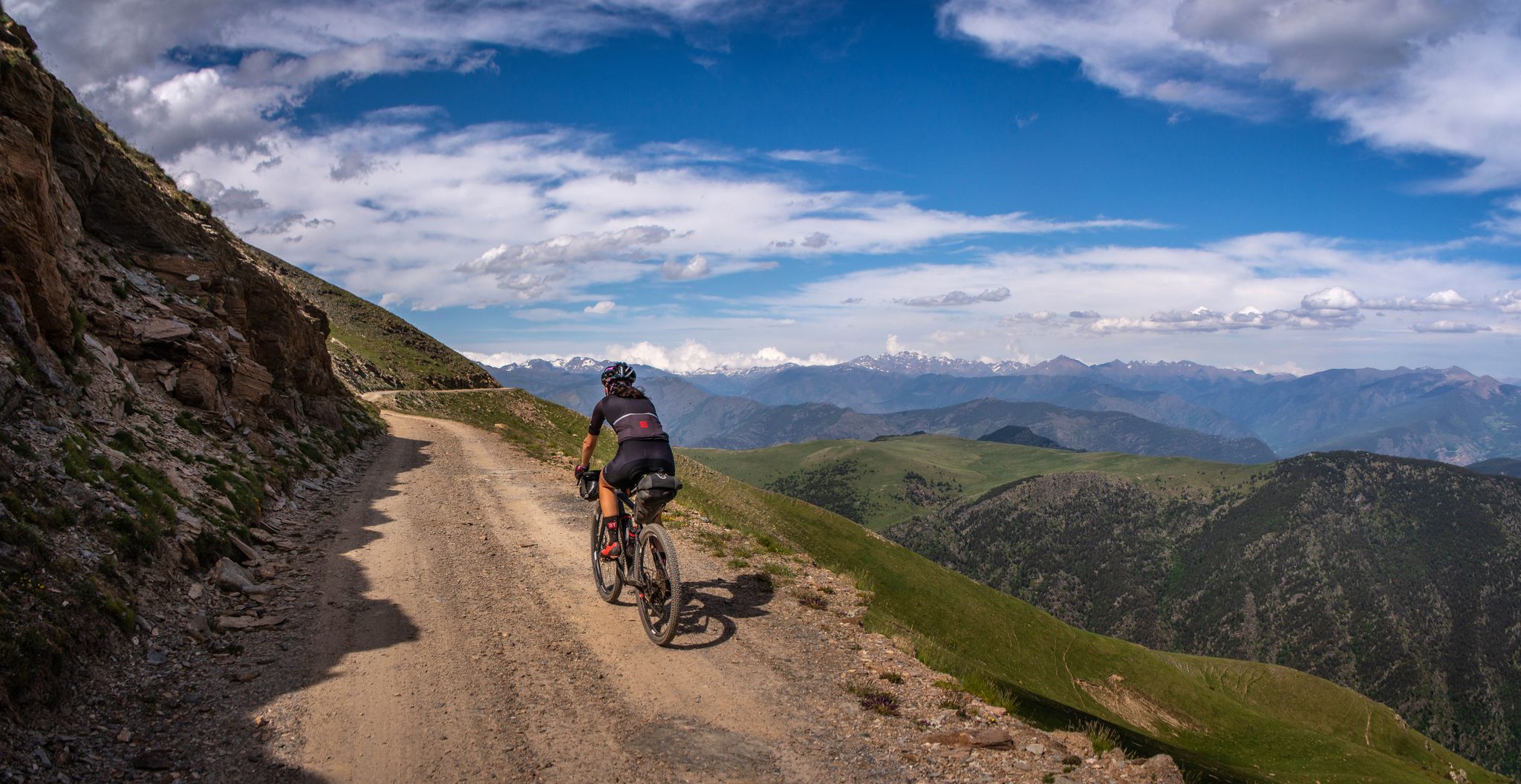
Bikepacking in the Catalan Pyrenees
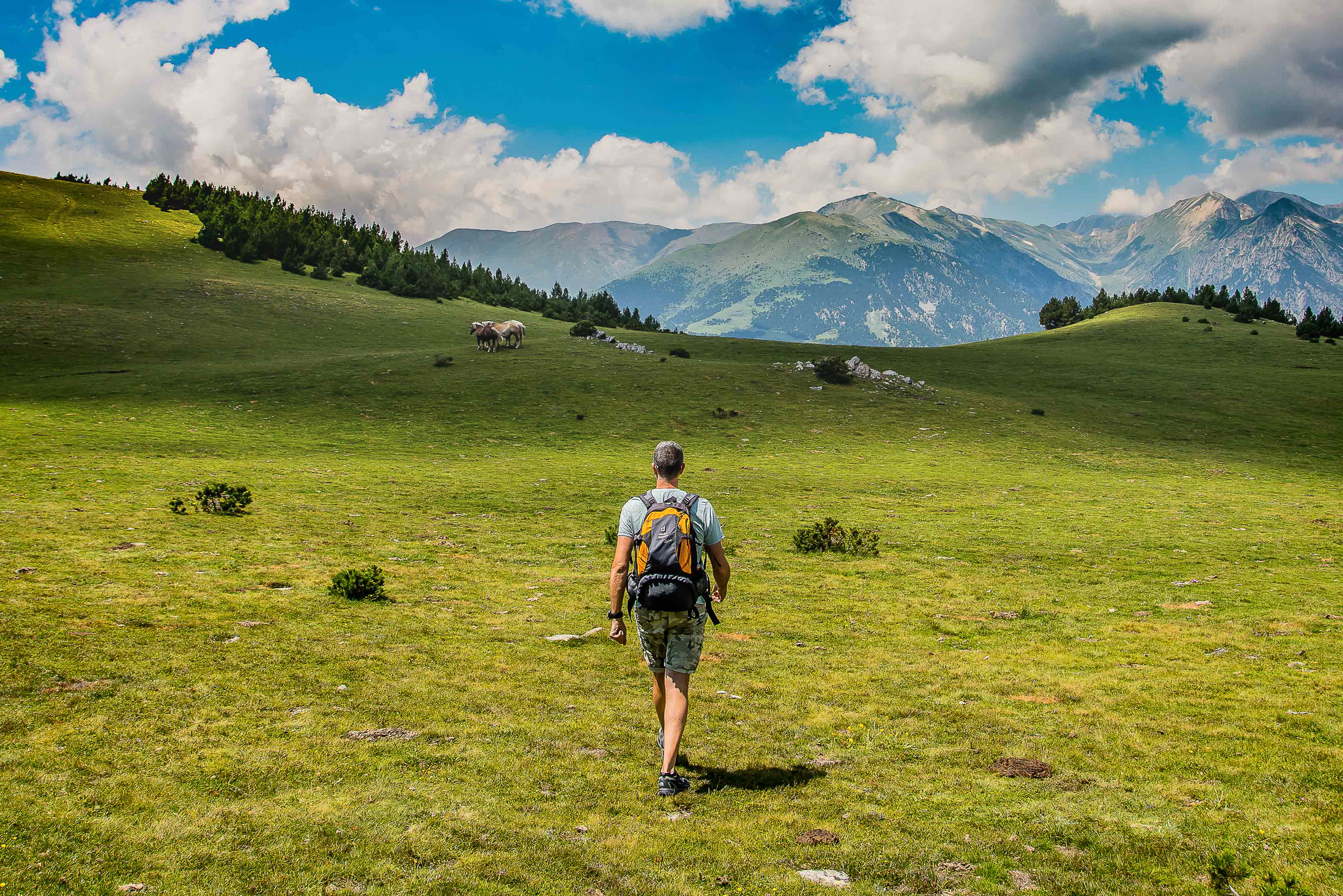
Epic journeys through the Pyrenees – 4 routes connecting 3 countries
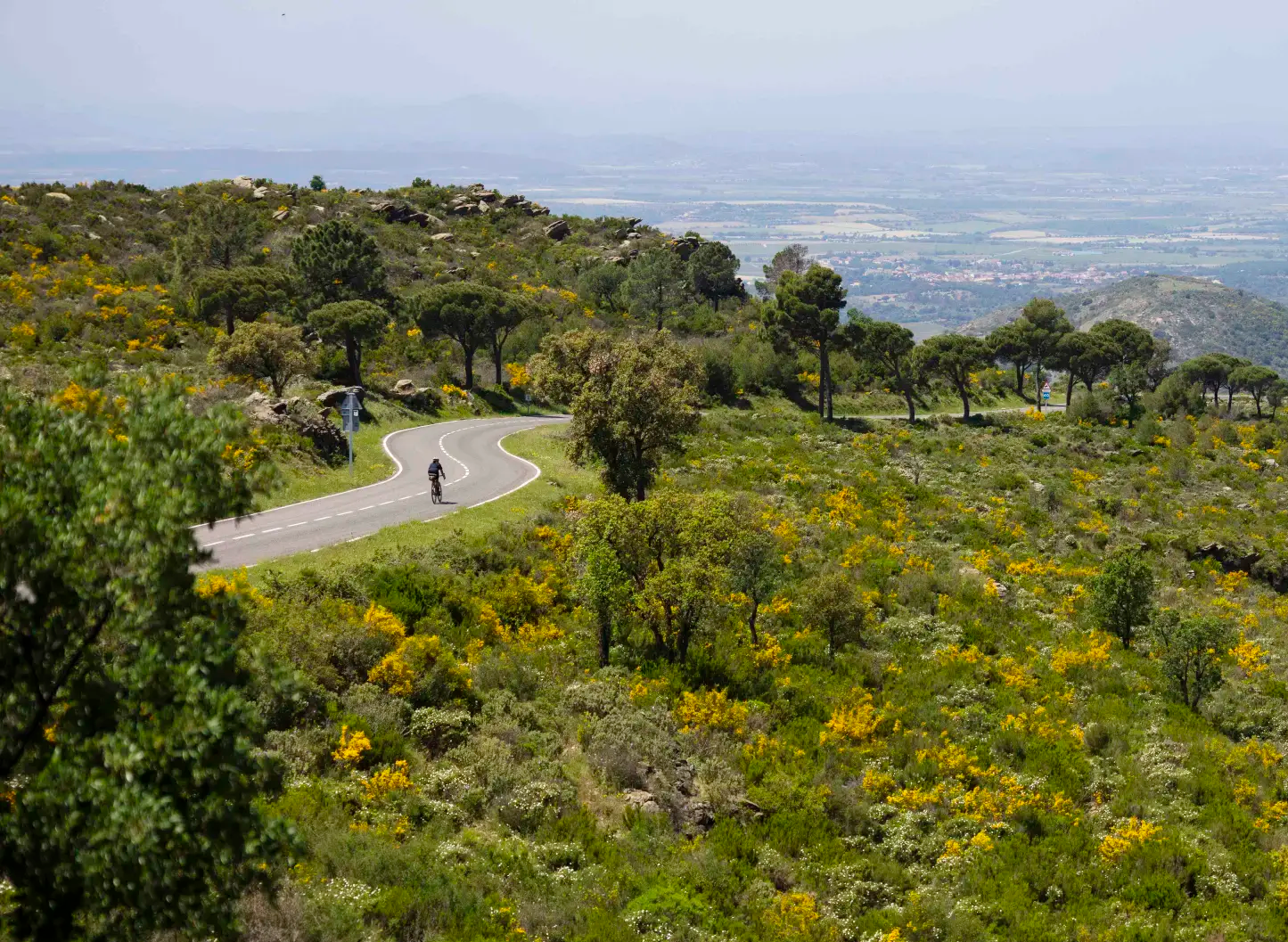
Ports and Roads — Catalonia on Wheels
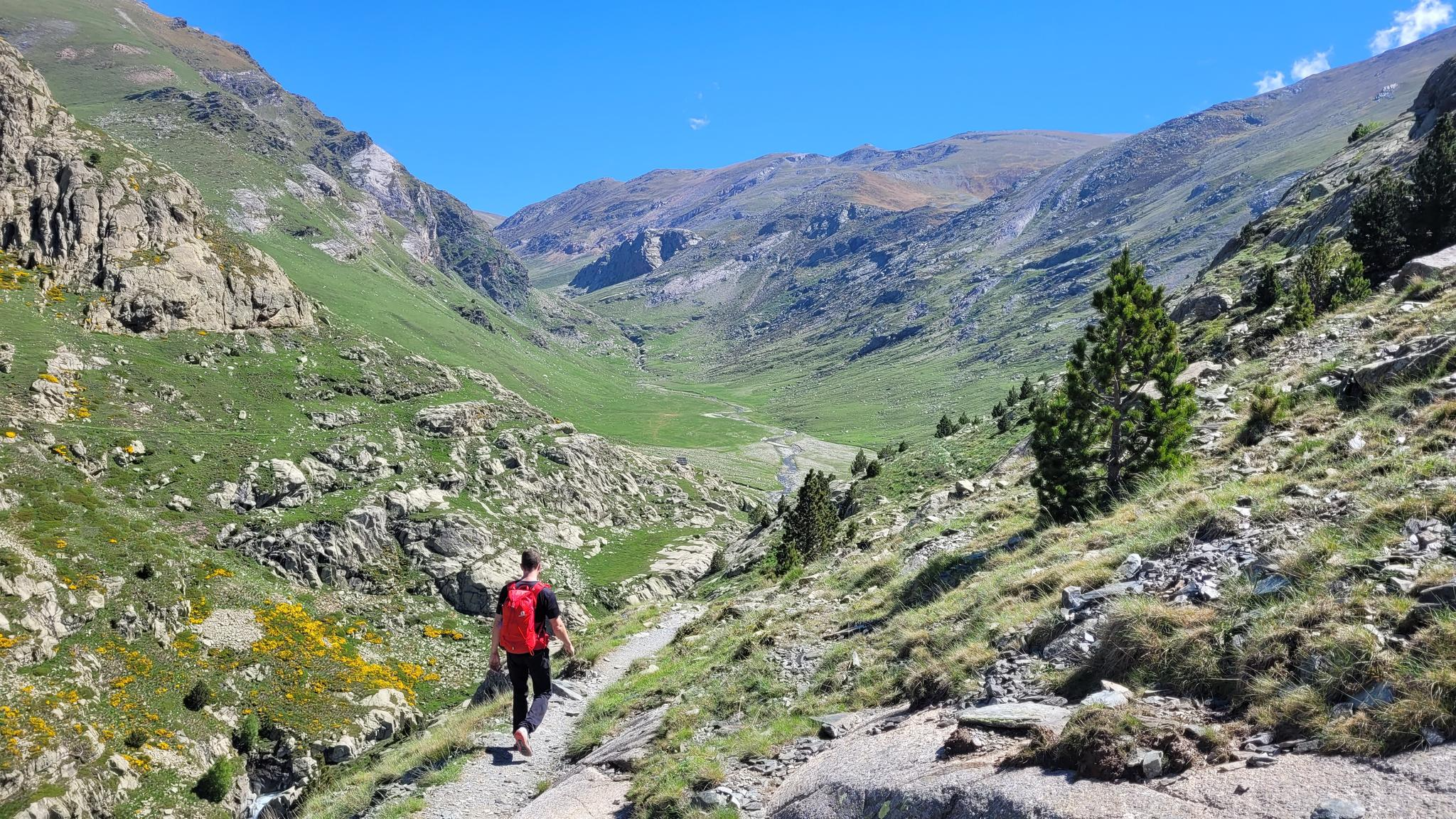
10 hikes with teenagers — Catalan paradises
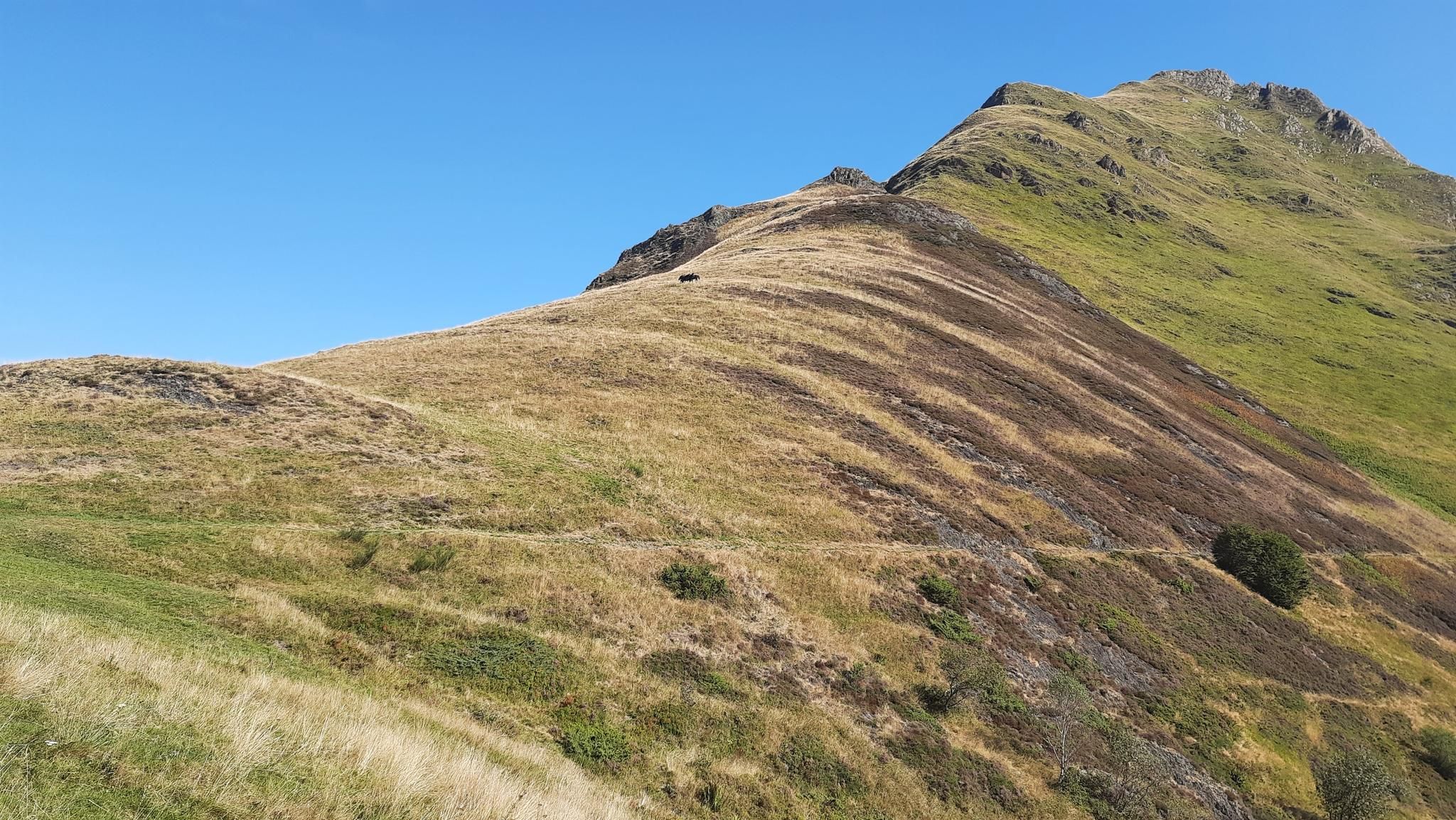
Tour of Mont Valier - The Giant of Ariège
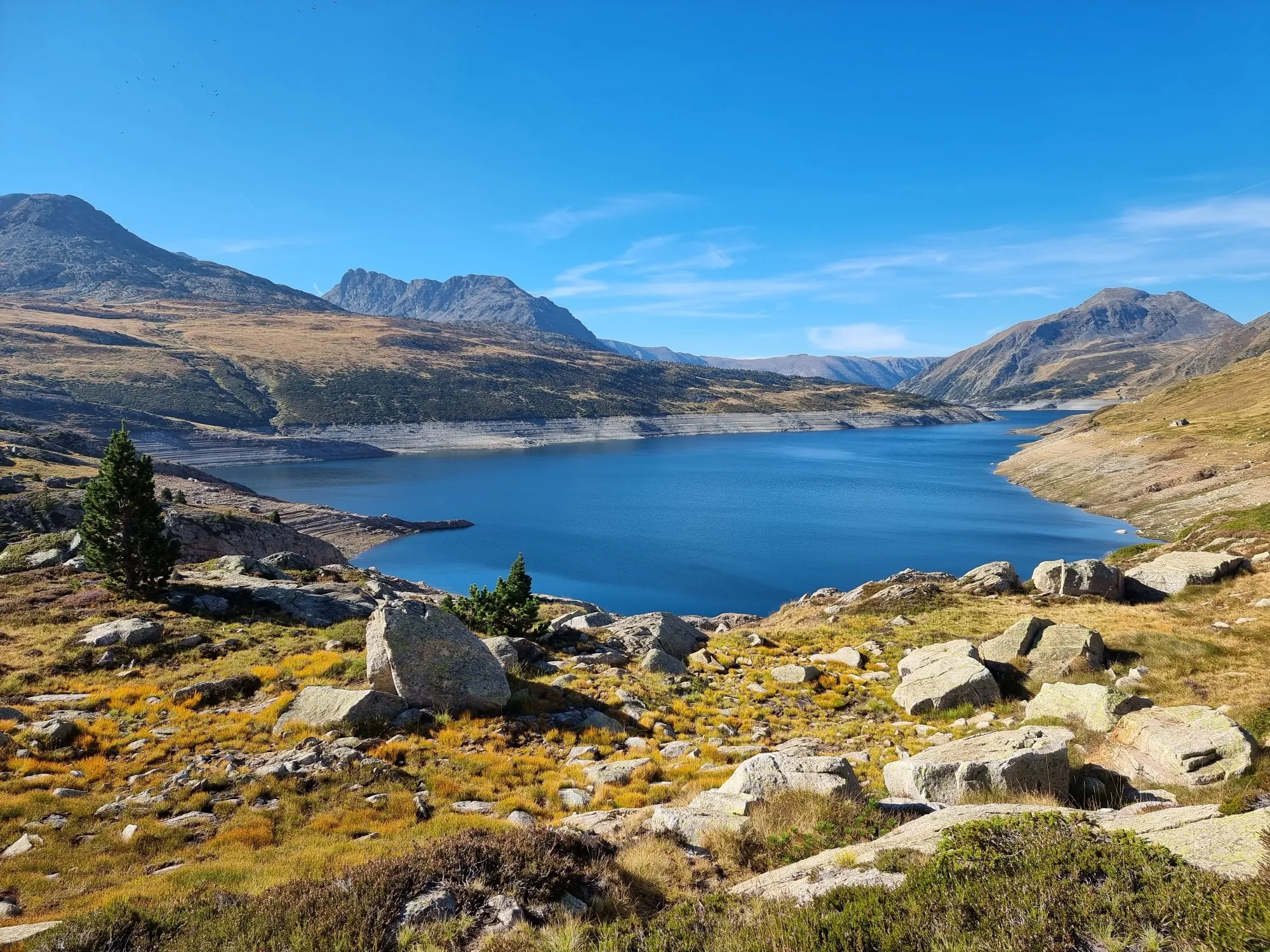
On wild ridges: Catalonia to Ariège – Hexatrek, Eastern Pyrenees
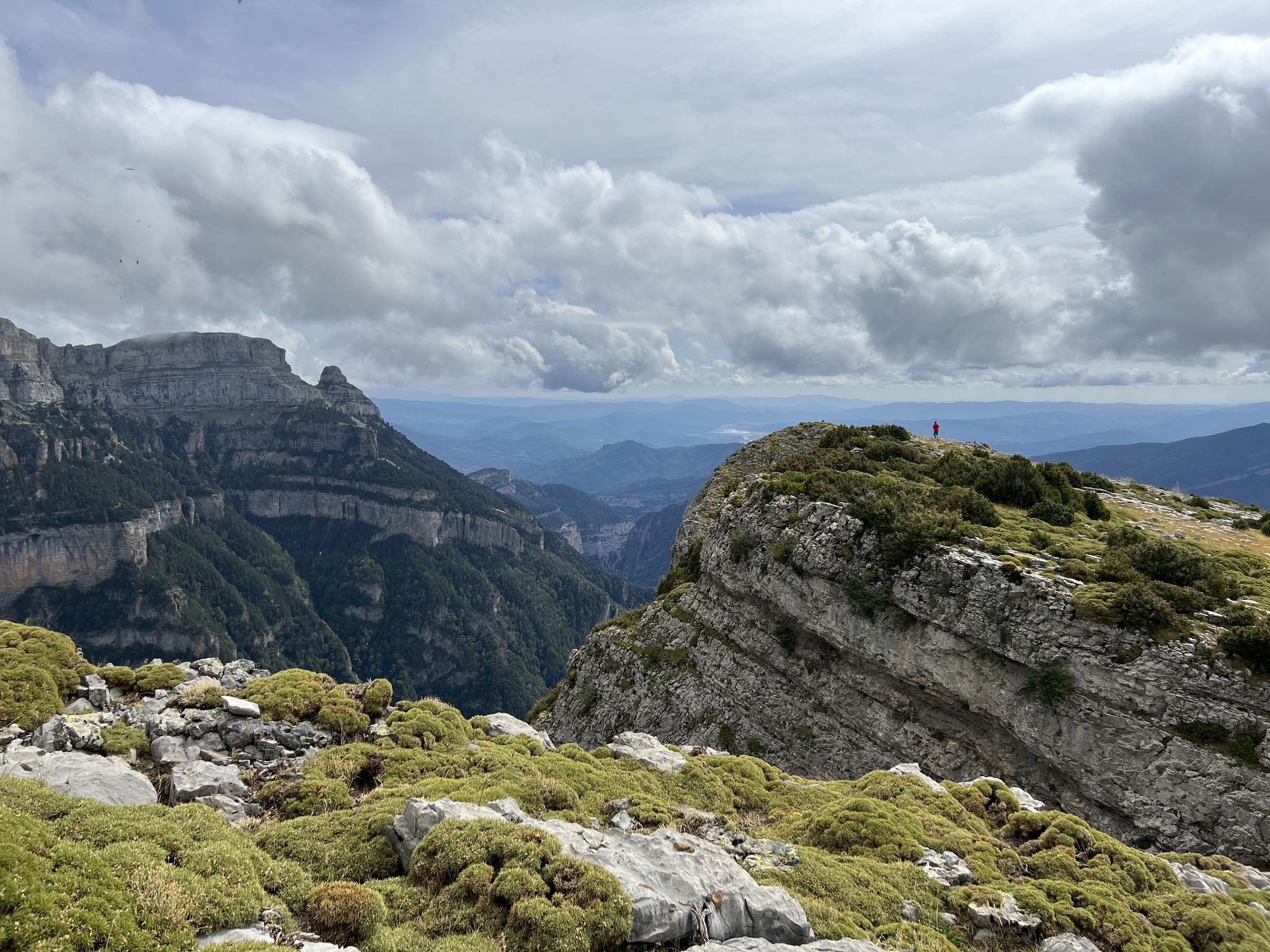
Summit conquests and idyllic mountain lakes – Spanish Pyrenees
Other adventures around Pallars Sobira


Tips from the Community

A wonderful place and a great hut - right on the lake with great seating areas and islands - Sangria from the tap in chilled glasses - delicious food
0
0

The highest peak in the Catalan Pyrenees is well worth the visit, although you have to earn it as it is a long route with considerable elevation gain to overcome.
0
1

Fantastic panoramic view all around, this summit is worth it, see my two panorama photos. Ascent from Estany de Sotllo via Pass. Took the partly exposed scrambling/climbing ridge via Pic Verdaguer. Nice scrambling, you just have to be careful to stay on the right track. Descent all around the summit, then to the same pass and down along the same beautiful mountain lakes and via Valferrera hut into the valley. The length and roughness of this path really surprised me. Luckily I didn't ascend from the hut. Especially the path along the mountainside, some way above the hut, was challenging. Again and again there are small counter-ascents over rocky tops and at some point I was on a side path below the main path, which then ended in bushes. After a short climb, everything went well again.
1
0

The location of this refuge makes it unique. It can be accessed from Prat de Pierro (all via track) or from Espot (this option is shorter but steeper).
1
1


The highest mountain in Andorra is feasible as a day trip from the country. However, one should be careful, some experienced hikers have already gotten lost. 😜 And the way to Spain or France is long... The easiest ascent is rated T3 according to the SAC scale. On the descent, I went a bit off the summit path in a northeastern direction and descended there. A bit more demanding (T4), but in this case, due to the scree in the upper part, it is easier to navigate on the descent. Here I saw some salamanders.
2
0
The summit can be reached from several sides. The direct route from the Spanish side to the summit ridge is demanding (I estimate T5 according to the SAC scale). However, you can "cheat" by first crossing to the north side via the pass, then you have to descend a bit and then you reach the path from the French side. The technically easiest ascent is certainly from the north via the Refuge du Pinet (T3). However, from the car park at L'Artigue, it is a total of around 2000 meters in altitude gain, which is why an overnight stay in the refuge is also a good idea (in October 2024, a winter room was open, €8 per night). I opted for the 3rd variant, from the Étang de Soulcem. From there, it is "only" 1500 meters in altitude gain with a difficulty of T3+/T4-. Although I chose a variant on the ascent (see my tour) that is not on the map and which I would rate as T4+.
3
0

Welcome to the roof of Andorra. Ascent without any complexity. You can descend by following the ridge northwards to the pass, and from there continue down the scree slope. The route is easy to follow except for the scree, which requires a bit of improvisation on the way down.
1
0
Frequently Asked Questions
What natural parks can I explore in Pallars Sobirà?
Pallars Sobirà is home to two significant natural parks. You can visit Aigüestortes i Estany de Sant Maurici National Park, Catalonia's only national park, known for its stunning glacial lakes like Lake Sant Maurici and Ratera Lake. Additionally, the region boasts Alt Pirineu Natural Park, the largest natural park in Catalonia, featuring high peaks, deep valleys, and diverse ecosystems.
Are there any notable waterfalls in the region?
Yes, Pallars Sobirà features impressive waterfalls. The Gerber Waterfall (also known as Salto de Comials) is one of the most popular and highest in Aigüestortes National Park, accessible via a pleasant walk. Another beautiful cascade is the Ratera Waterfall, located just 30 minutes from Lake Sant Maurici.
What are some popular hiking routes near the main attractions?
Many popular hiking routes are available, especially around the Aigüestortes i Estany de Sant Maurici National Park. You can find trails like the circular route to Cascada de la Ratera and Mirador del Lago de San Mauricio from Prat de Pierró, or a more challenging loop connecting Estany de Sant Maurici, Estany de Ratera, and Estany Gran d'Amitges. For more options, explore the Hiking around Pallars Sobira guide.
Are there any high mountain peaks suitable for experienced hikers?
Absolutely. Pallars Sobirà is home to Pica d'Estats, the highest peak in Catalonia at 3,143 meters above sea level, offering an iconic ascent for experienced hikers. Another challenging summit is Coma Pedrosa Summit, providing spectacular views for those seeking a demanding climb.
Can I find easy walking trails suitable for families?
Yes, the region offers several family-friendly options. The area around Lake Sant Maurici is particularly accessible, with options to leave your car or take a taxi to the Prat Pierró parking lot, followed by a small wooden path suitable for easy walks. Many trails around the lakes are manageable for families.
What is the best time of year to visit Pallars Sobirà for outdoor activities?
The best time to visit Pallars Sobirà for outdoor activities largely depends on your interests. Spring and summer (May to September) are ideal for hiking, cycling, and adventure sports, with pleasant temperatures and lush landscapes. Autumn (October) offers beautiful fall foliage, while winter (December to March) is perfect for skiing at resorts like Port Aine or Espot Esquí and other snow activities.
What charming villages can I visit in Pallars Sobirà?
Pallars Sobirà is dotted with 135 charming villages, many preserving traditional architecture. Notable villages include Esterri d'Àneu, the cultural center of its valley; Àreu, a gateway to Pica d'Estats; Tavascan in the Cardós valley; and Espot, known for its narrow streets and stone houses. Escaló is a walled town with a nearby preserved Romanesque monastery.
Where can I find historical or cultural sites in the region?
The region is rich in historical and cultural sites, particularly Romanesque architecture. You can explore the well-preserved Monastery of Sant Pere del Burgal near Escaló, the notable Sant Joan d'Isil church, and the Monastery of Santa Maria de Gerri de la Sal. The Hermitage of Sant Maurici d'Espot is another significant religious building.
Are there any museums or interpretation centers to learn more about the area?
Yes, several centers offer insights into the region's heritage. The Ecomuseum of the Valls d'Àneu provides information on the local culture and environment. MónNatura Pirineus in Son del Pi connects visitors with the Pyrenean essence, while the Museum de l'Ós (Bear Museum) in Isil is dedicated to the brown bear. The Museu de les Papallones (Butterfly Museum) in Ribera de Cardós showcases local butterfly species.
What kind of adventure sports are popular in Pallars Sobirà?
Pallars Sobirà is a renowned hub for adventure sports. It was one of the first places in Spain to introduce white-water rafting. Beyond rafting, the mountainous terrain is ideal for canyoning, kayaking, and climbing. The numerous lakes and rivers also offer opportunities for various water-based activities.
Are there places to stay overnight or get refreshments near the attractions?
Yes, especially in the national parks and popular hiking areas. You can find mountain huts like the Josep Maria Blanc Refuge and the Amitges Refuge, which offer accommodation, food, and drinks. Many villages also provide guesthouses, restaurants, and cafes.
What cycling opportunities are available in Pallars Sobirà?
Pallars Sobirà offers diverse cycling experiences. Road cyclists can tackle challenging routes like the Port del Cantó and Port Ainé Loop or the Port de La Bonaigua – Bonaigua Pass loop. For touring cyclists, there are scenic routes such as the Valls de Àneu circular through the villages or the TransCatalunya: Central Catalonia - Pyrenees Trail. Discover more in the Road Cycling Routes around Pallars Sobira and Cycling around Pallars Sobira guides.
Most popular routes around Pallars Sobira
Most popular attractions around Pallars Sobira

Get inspired with the komoot mobile app


Didn’t find what you were looking for?
Are you keen on exploring more awesome places nearby? Browse our guides:
Explore more
Still not found the Highlight you’re looking for? See guides of the top attractions in other regions:
