Attractions and Places To See around Garraf - Top 20
Best attractions and places to see around Garraf include a diverse range of natural landscapes, historical landmarks, and cultural sites within Catalonia, Spain. The region is characterized by the Garraf Natural Park, a vast karstic landscape with unique geological formations and Mediterranean flora. Visitors can explore ancient castles, modernist architecture, and charming coastal towns. This area offers a blend of outdoor exploration and cultural discovery.
Best attractions and places to see around Garraf
- The most popular attractions is Garraf Buddhist Monastery, Sakya Tashi Ling, a religious building that was formerly an "Indianos" house from the 19th century. It is located within the Garraf Natural Park and offers guided visits and seminars.
- Another must-see spot is Sitges — Beachfront and Historic Town, a beach and settlement known for its golden sand beaches and cultural heritage. This town features several museums and notable buildings like the Cau Ferrat.
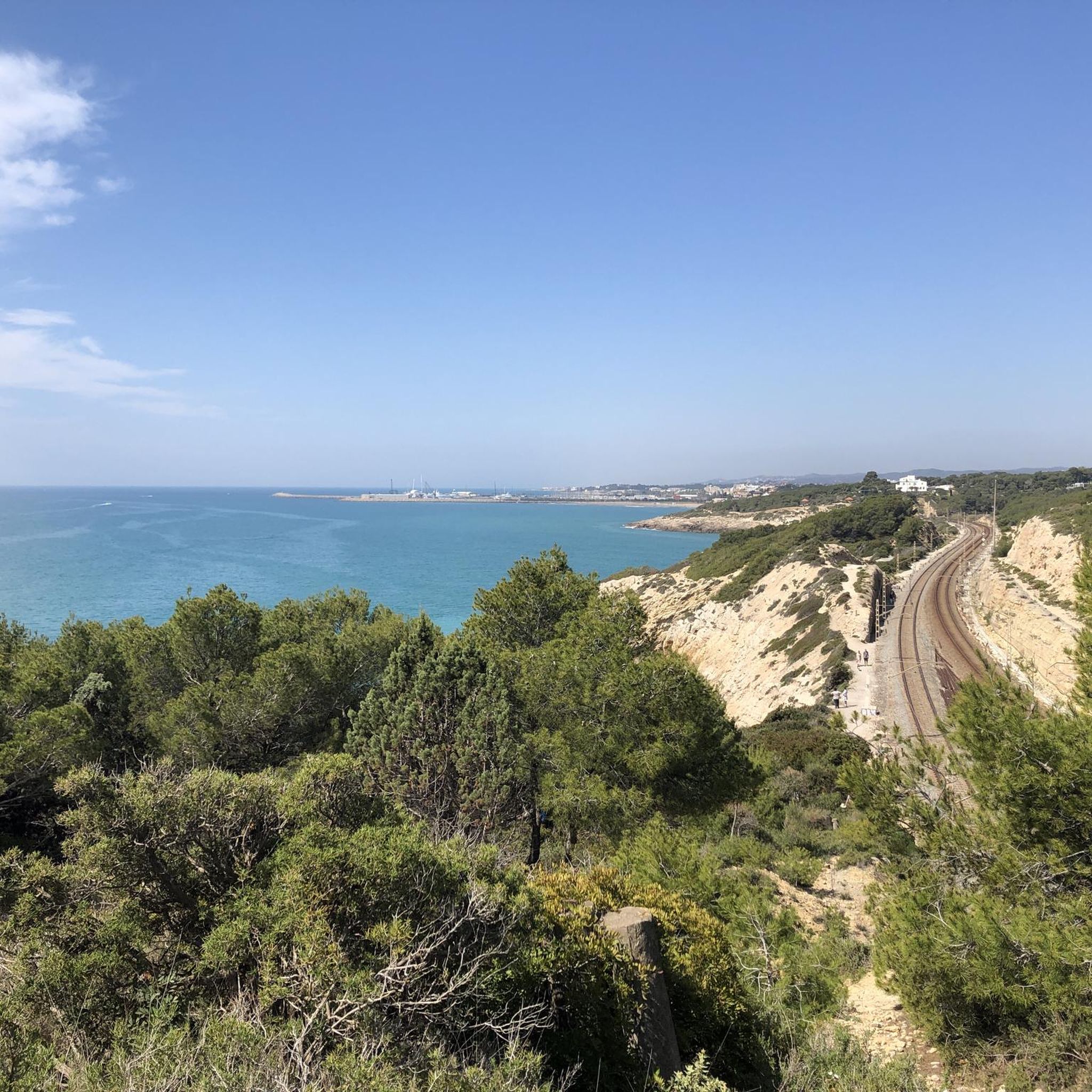
- Visitors also love Garraf Coastal Road, a cycle way offering scenic views between Castelldefels and Sitges. It provides magnificent coastal vistas.
- Garraf is known for its natural parks, historical sites, and coastal towns. The region offers a variety of attractions to see and explore, from unique geological formations to ancient architecture.
- The attractions around Garraf are appreciated by the komoot community, with 80 photos and 232 upvotes.
Last updated: October 10, 2026
Garraf Coastal Road
Highlight • Cycleway
It is better to get up early on the weekend and avoid the traffic, which is quite constant.
Translated by Google •
Tip by

Garraf Buddhist Monastery, Sakya Tashi Ling
Highlight • Religious Site
Of neo-Gothic and modernist style, it was built in the 19th century by Pere Domènech i Grau, an Indian who returned from Cuba after making his fortune there. Years later, the owner, burdened by debt, sold the palace to a community of Augustinian religious, and in 1996 it was acquired by a Buddhist community who restored it and created a museum. The monastery can be visited, more information at monjesbudistas.org
Translated by Google •
Tip by

Sign up now to discover places like this
Get recommendations on the best single tracks, peaks, & plenty of other exciting outdoor places.
Trinity Hermitage
Highlight • Religious Site
Translated by Google •
Tip by

Sitges
Highlight • Settlement
Translated by Google •
Tip by

Puig de l'Àliga
Highlight • Summit
Translated by Google •
Tip by

Rat Penat Climb
Highlight (Segment) • Climb
The most typical and challenging slope of Rat Penat is the eastern slope, which rises from the beach itself. The profile of the pass (attached is a link to the profile published by the best altimetry website, cyclingcols.com -- cyclingcols.com/col/RatPenat) perfectly describes its toughness. I just want to leave you with a couple of notes: the end of the first tough section, just as you pass the first viewpoint, becomes extremely tough. You should save time for that final ramp. The second note is that the final ramp before reaching the pass is the toughest.
Good luck and enjoy this beautiful wall!!
Translated by Google •
Tip by

Puig de la Mola
Highlight • Summit
Enclosed within the natural park, we can approach the summit from any side. Although the summit is flat and is connected by a track, its slopes consist of cliffs of a certain unevenness, especially on the southern slope, where we find, at its base and accessible by road, the Can Grau farmhouse.
Further south we find the Jafre car park, connected by a forest track. And, halfway there, we have the Palau Novella, an old palace known for housing an important Buddhist temple.
As for trails, the PR-C-37 and the GR-5 are good references that, linking with the Mediterranean path GR-92.3, can take us to the summit from different distances.
On the other hand, you can trace a much broader, more demanding and circular route from Begues. Thus, we can follow the variants of the GR 92 and crown another notable peak in the area: Morella.
In addition, we highlight another "comprehensive" route to the mountains, also starting from Begues, but not circular. We will crown Montau, we will undertake this summit and we will march towards the municipality of Castelldefels.
On the top, we will see that it has a geodesic vertex and a watchtower, with the commemorative plaque of being a regional roof.
Translated by Google •
Tip by

Can Grau Nature School and Garraf Astronomical Observatory
Highlight • Rest Area
Translated by Google •
Tip by

Campdàsens Church and Towers
Highlight • Religious Site
The old quadra (demarcation) and sparsely populated village of Campdàsens is located inside the Garraf massif. The plain of Campdàsens, in the municipality of Sitges, is a large sinkhole that has been inhabited since the time of the Iberians. The finds of two silos with remains of pottery from that time are testimony to this.
The toponymy of Campdàsens has existed since at least the 11th century (Campus asinorum). Although some authors speak of the Campdàsens castle, it seems rather that there was a strong house that was part of a square, the location and exact limits of which are difficult to determine today. The geographical situation of this square, close to the sea, made it necessary to create a good lookout system to watch the coast with strategically placed defense towers.
The territory was royal property - James II - and Bernat de Centelles and Bernat de Fonollar were feudatories. In 1385, King Pere the Ceremonious bought back the jurisdiction of the town of Sitges, together with the square of Campdàsens. And he donated it to his brother-in-law Bernat de Fortià. But his successor, Joan I (1350-1395), due to financial issues, had to sell, once again, all rights over the castles of Sitges and Campdàsens to the Pia Almoina of Barcelona.
The Campdàsens tower is located next to several houses and a church. It has an almost square plan of about 6 meters with a roof on two sides. It is not attached to any construction. It has a height of more than 10 meters. It is a construction of difficult dating, it seems to have been built from the 13th century.
Next to Ca l'Amell, a house from the 15th-16th centuries, on the same plateau, there is a circular tower about 8 meters high and about four meters in diameter with walls 80 cm thick. Located a few meters from the ground is the door of the building. Experts do not consider it earlier than the 13th century.
At one end of Campdàsens, next to Can Planes, there is another tower that was part of the square's defensive system. This tower has an almost rectangular plan. It is 3.5 x 3.6 meters inside. Its walls are only 60 cm thick. Its height is 11 meters. The door is located at the level of the first floor, three meters from the current floor. It may be from the 15th or 16th centuries.
Translated by Google •
Tip by

Creu de Sant Isidre of Puig d'en Boronet
Highlight • Monument
At the top of the Puig stands the Creu de Sant Isidre, built between 1953 and 1955 by a group of members of the Sitges Hiking Association "Amunt". The monument, eight meters high, has a base of three steps, on which rises a conical trunk topped by a cross, all in stone. The sculpture is decorated with the coat of arms of the Agrupació Excursionista and eight terracottas, two large ones (representing the Holy Christ and the Virgin of the Vineyard), and six smaller ones (Sant Llorenç and Sant Isidre, names of neighboring peaks, Sant Bernat de Menthon, patron saint of hikers, Sant Bartomeu and Santa Tecla, patron saints of Sitges, and Sant Sebastià, a name closely linked to this town).
Translated by Google •
Tip by
Sign up for free to discover even more attractions around Garraf.
Already have an account?
Start today with a free account
Your next adventure awaits.
Popular around Garraf
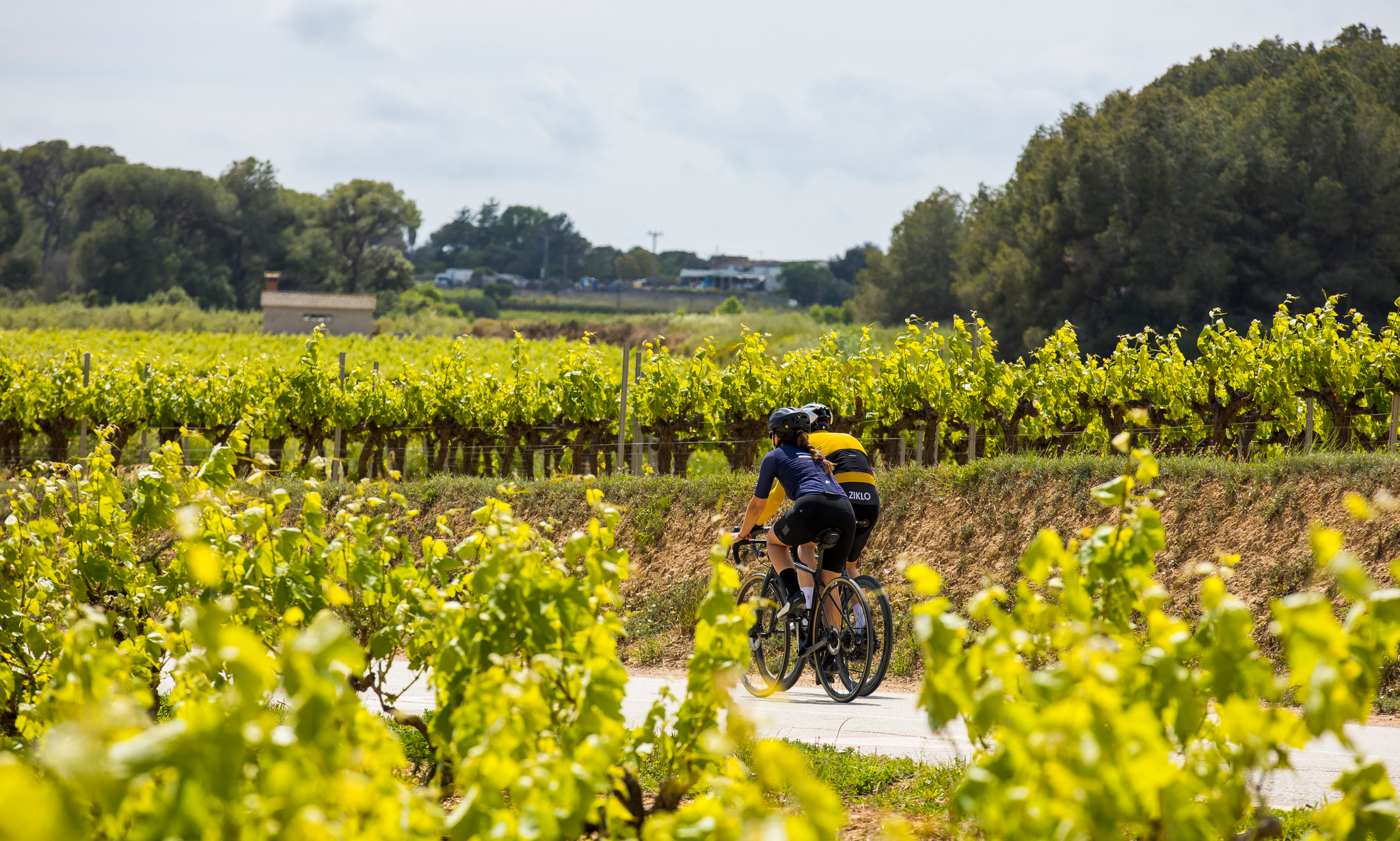
Cycling in the province of Barcelona — family routes and traverses

Great multi-day treks near Barcelona
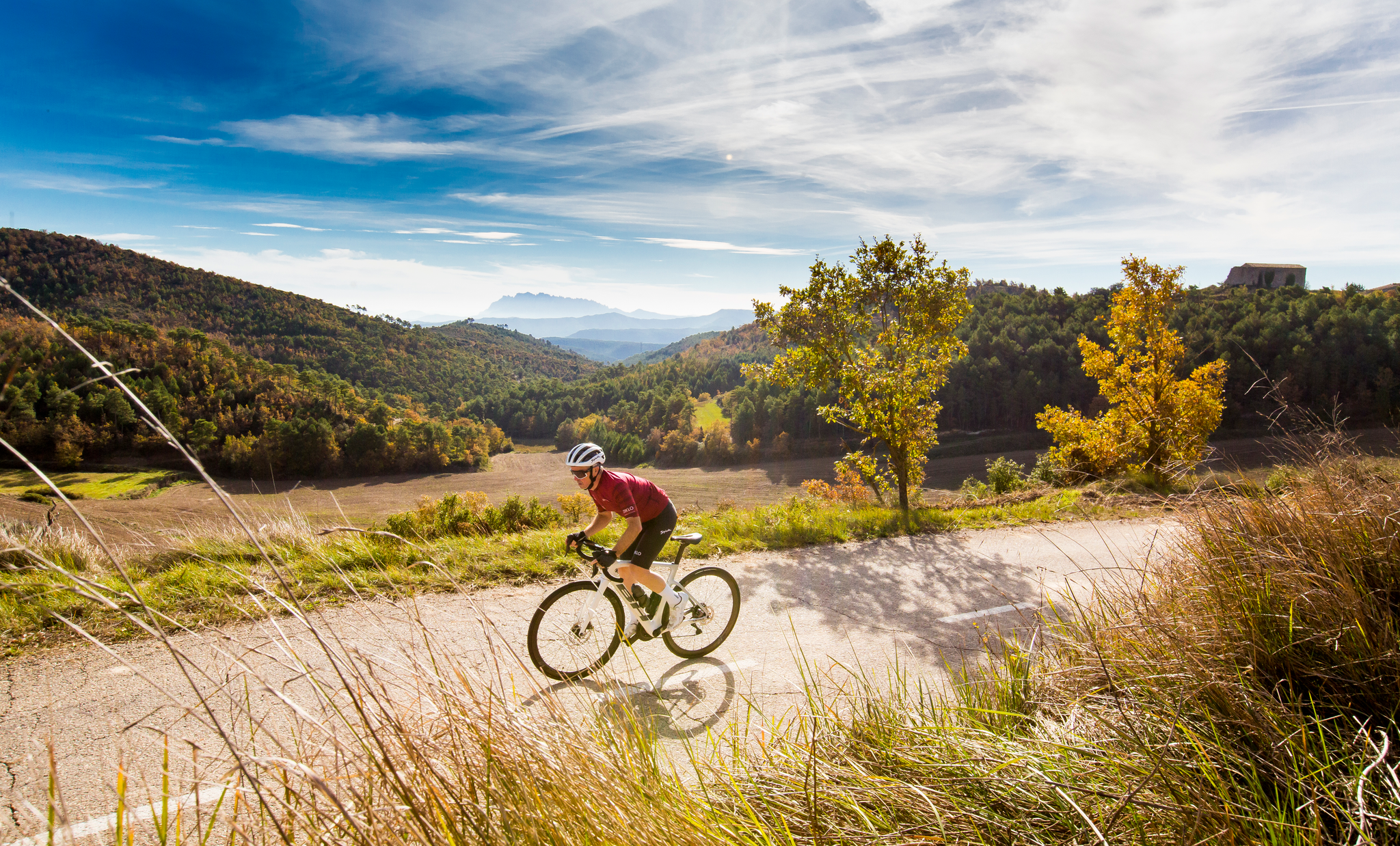
Barcelona: routes near the Tour de France 2026 Grand Départ
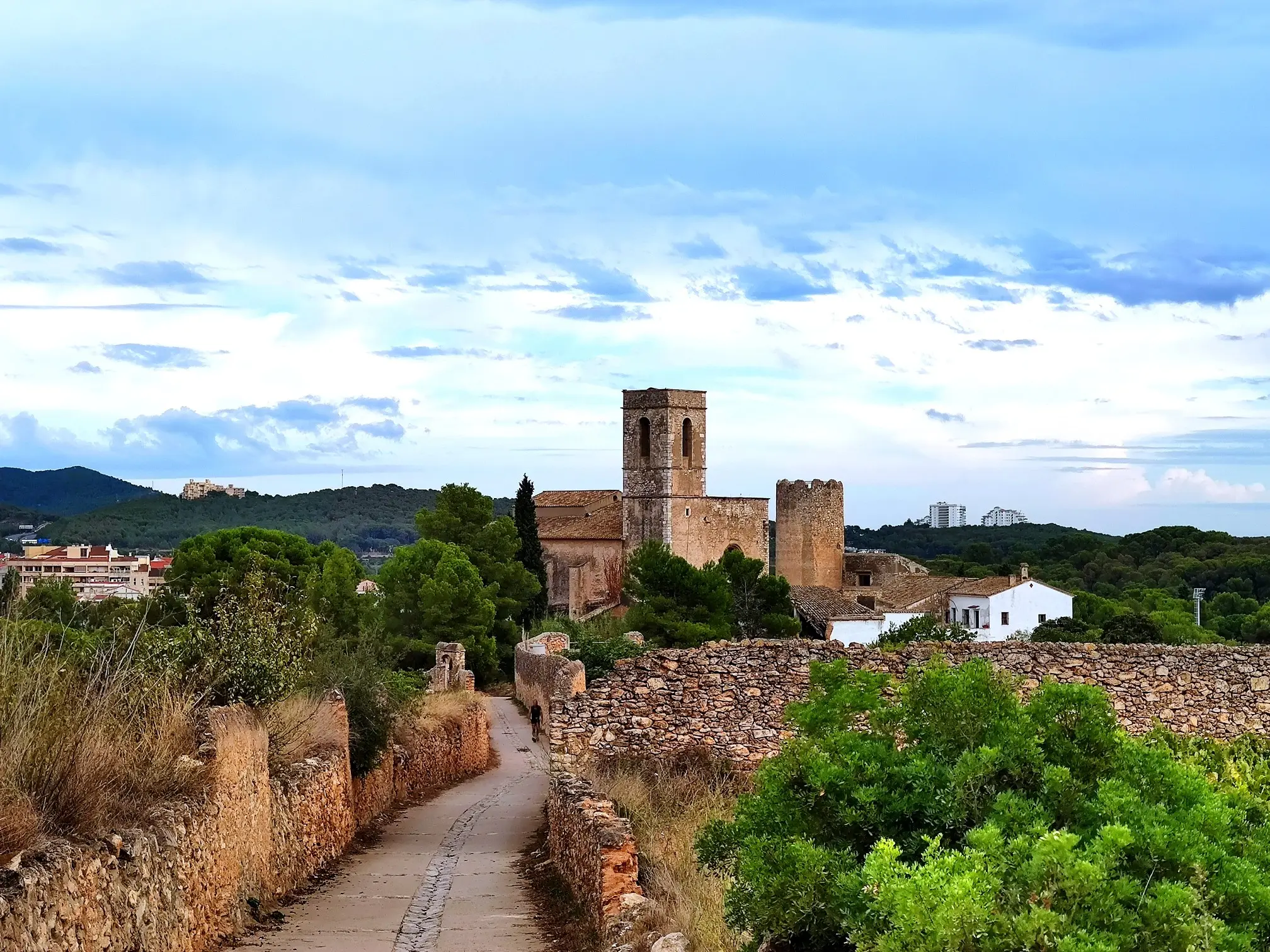
Mediterranean contrasts – gravel in the Garraf region
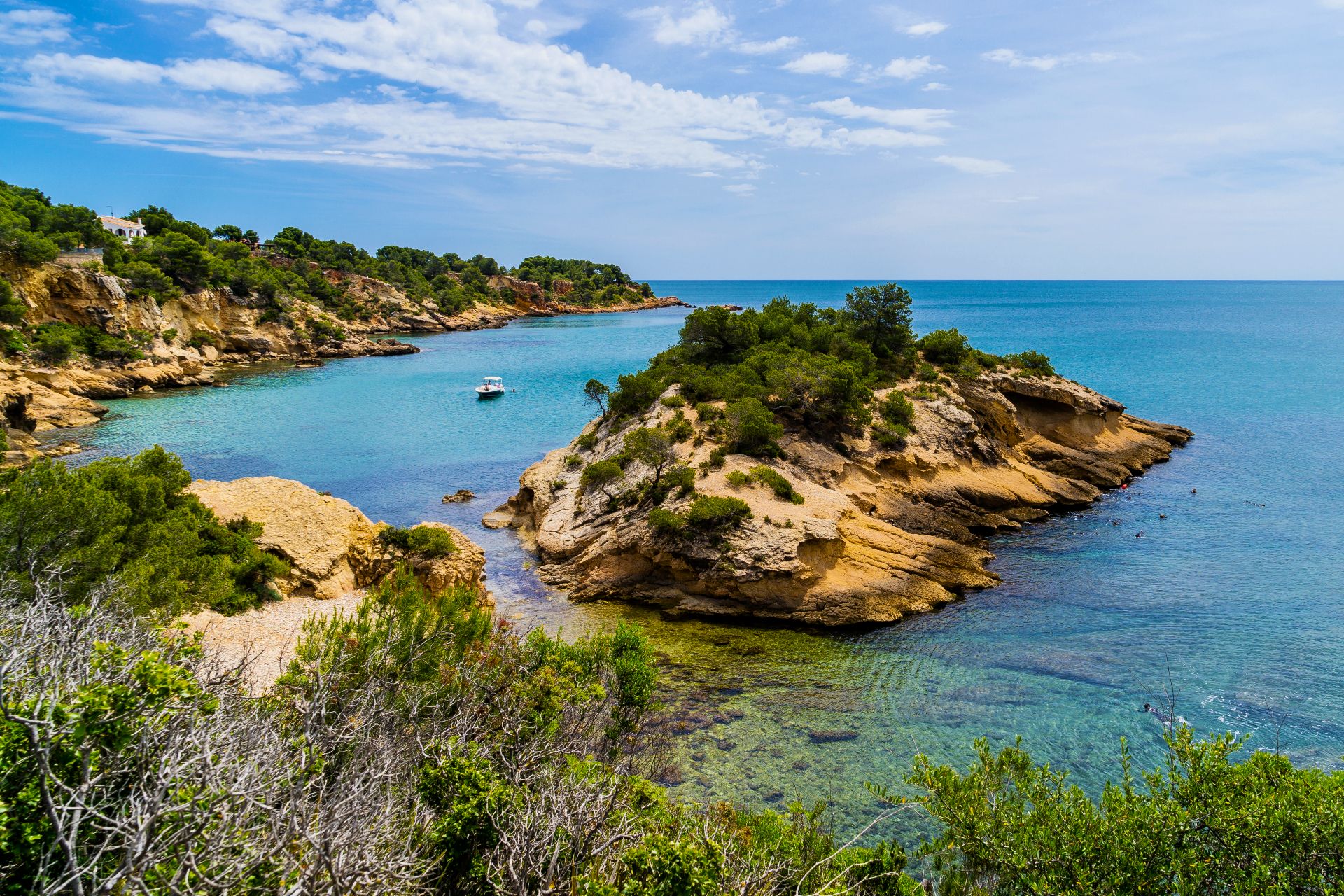
The Catalan coast on foot – Mediterranean Path (GR 92)
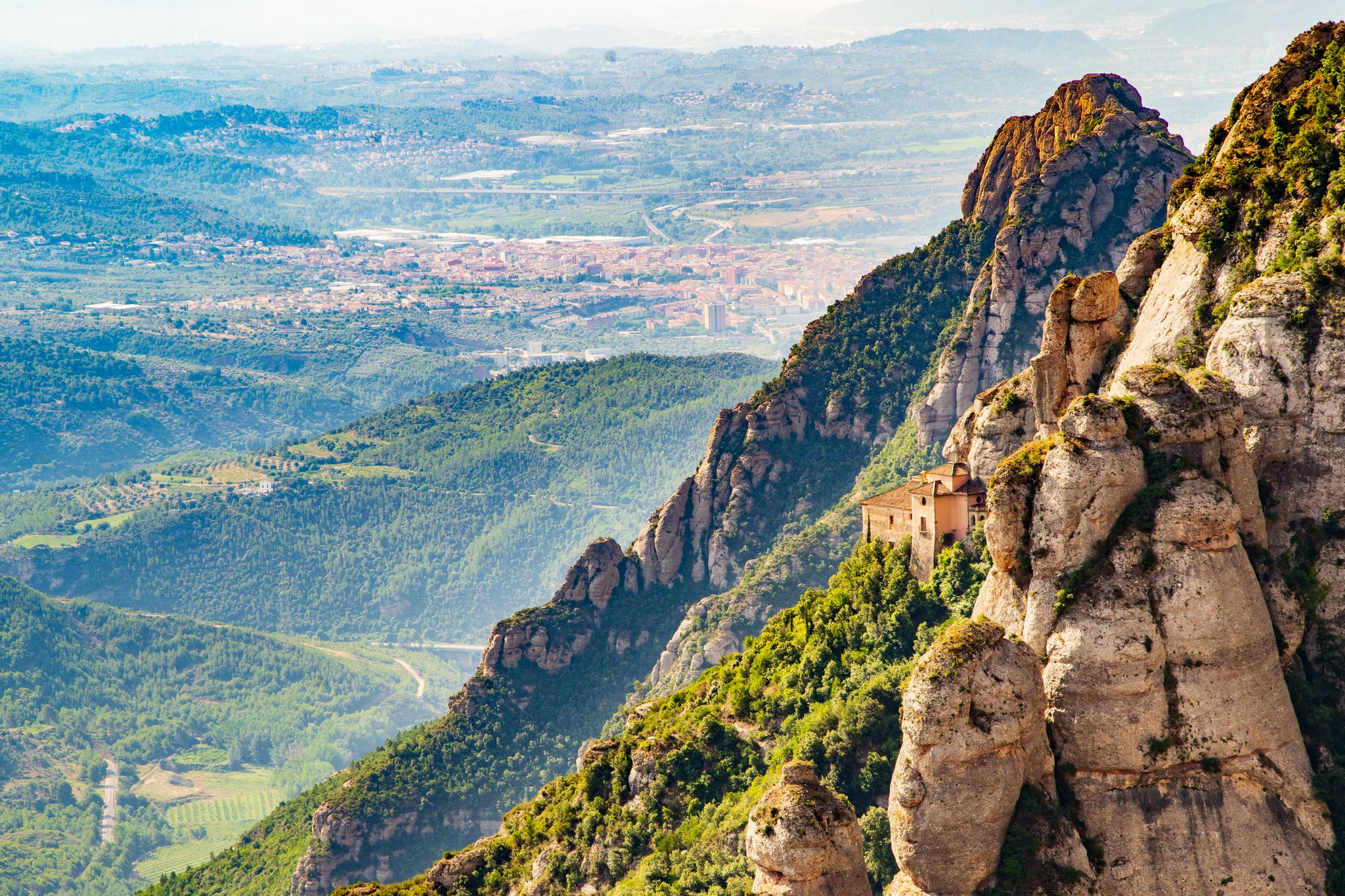
The Barcelona Arch – Natural Parks Trail (GR 5)
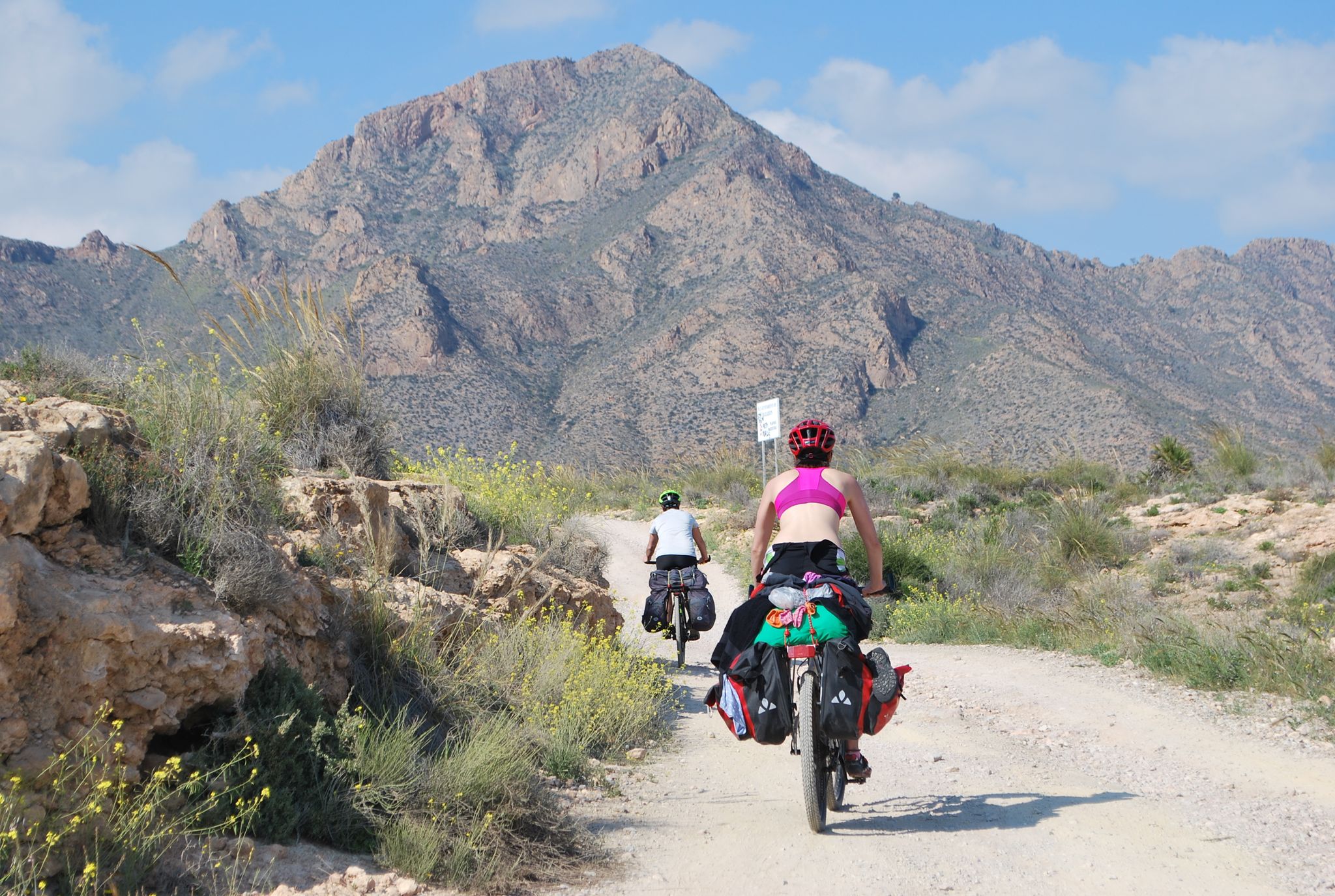
Mediterranean coastal paradise – EuroVelo 8 in Spain
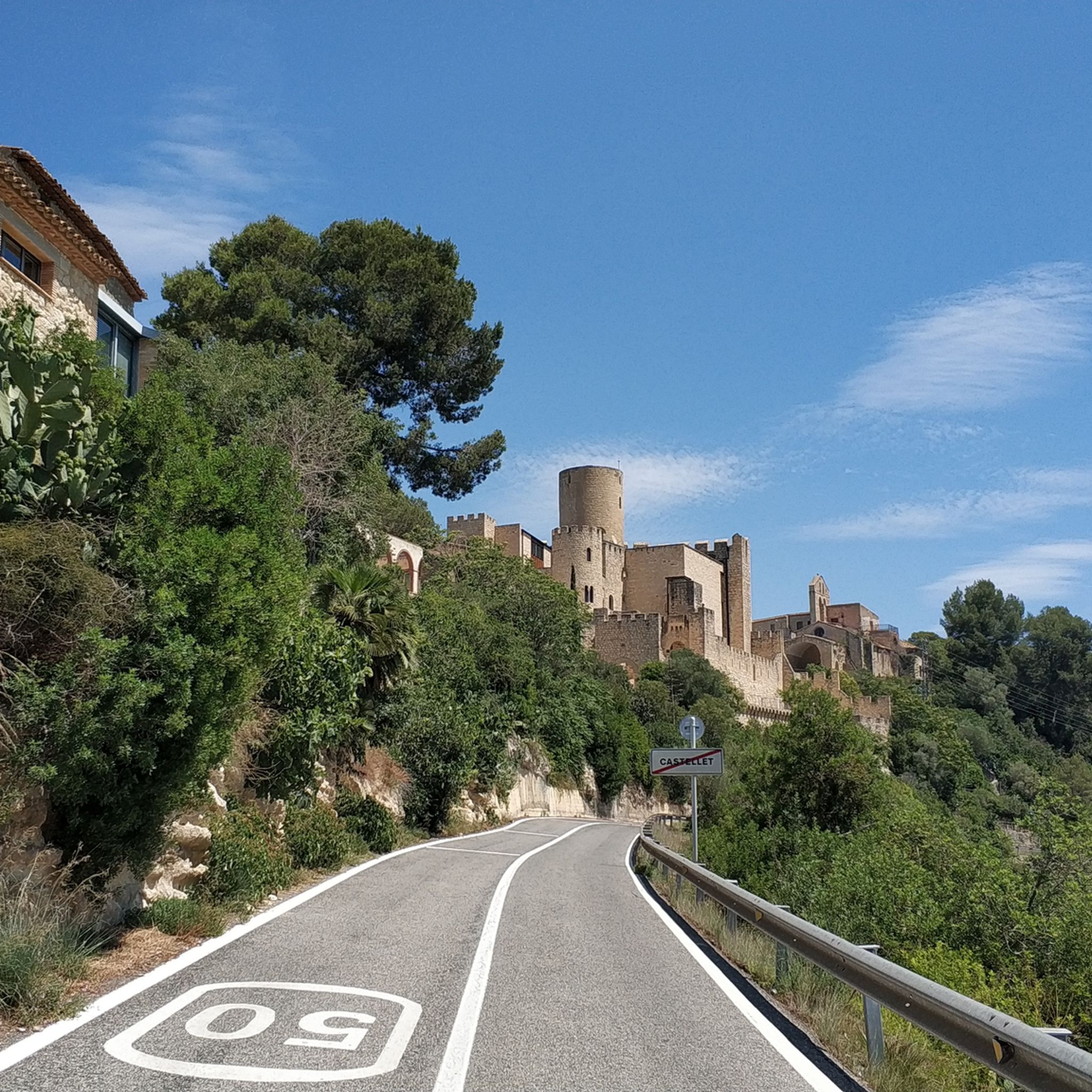
Road Cycling Routes around Garraf
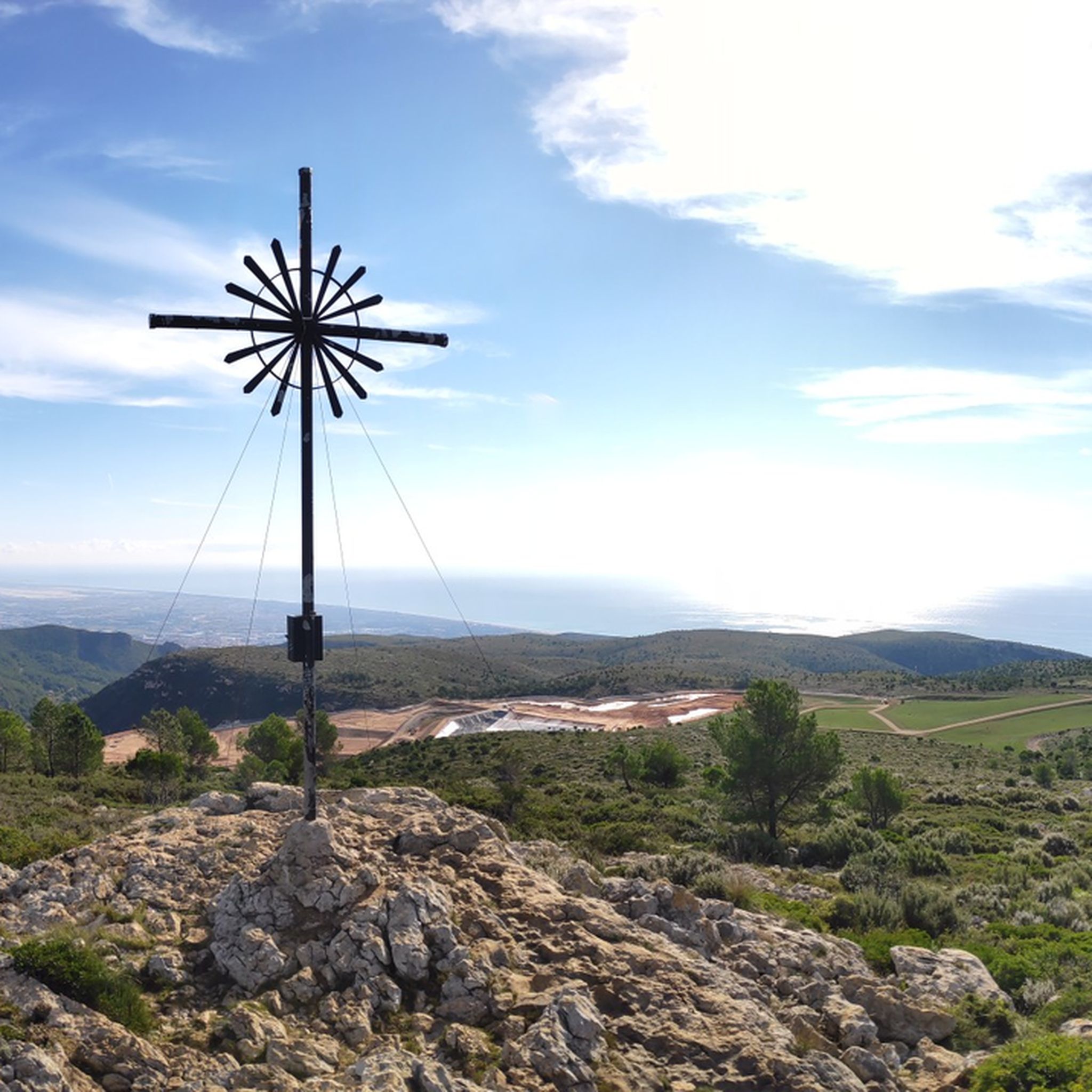
Hiking around Garraf
Running Trails around Garraf
Other adventures around Garraf


Tips from the Community

Good views, but OMG it's busy. I didn't enjoy this road at all. Unless you're riding at 7am, I wouldn't recommend this road
0
0

It is an iconic stretch of the cycling and motorcycling culture of the province of Barcelona. The continuous sea views and its viewpoints mix with the continuous ups and downs and the curves of the road. The drawback is that there is a lot of traffic and you have to be very careful.
0
0
I haven't had the pleasure of seeing it from the inside as it is rarely open to the public. Besides the hermitage, it is also worth coming up here for the views of the sea and the Garraf mountain range.
0
0

Beautiful sea views from the Garraf road
0
0

Very busy road, but drivers are fair and careful. There are plenty of parking spaces to avoid the traffic.
1
0

Amazing tranquil place to soak in the sun and the amazing view over the sea
0
0

I have been there 4 times with the MTB🚴♂️ and I see that they have improved the path to the antenna, they have concreted the pieces that were previously dangerous, the views from the Hermitage are spectacular of the sea. The chapel opens on the first day of the month only. I hope my writing is helpful.
1
0
Rat Penat is one of the quintessential cliffs near the city of Barcelona. In addition to its toughness (on both sides), it offers wonderful views of the Garraf coast and the city of Barcelona. Therefore, beyond the sporting challenge, it also offers scenic interest, as it is one of the best viewpoints in this area of the Catalan coast. The most typical and challenging slope of Rat Penat is the eastern slope, which rises from the beach itself. The profile of the pass (attached is a link to the profile published by the best altimetry website, www.cyclingcols.com -- http://www.cyclingcols.com/col/RatPenat) perfectly describes its toughness. I just want to leave you with a couple of notes: the end of the first tough section, just as you pass the first viewpoint, becomes extremely tough. You should save time for that final ramp. The second note is that the final ramp before reaching the pass is the toughest. Good luck and enjoy this beautiful wall!!
2
0
Frequently Asked Questions
What are the prominent natural features of the Garraf region?
The Garraf region is dominated by the Garraf Natural Park, a vast karstic landscape characterized by unique limestone formations, deep valleys, and numerous caves. The park features a Mediterranean climate, supporting flora like holm oak forests and the dwarf fan palm. The highest point, La Morella, offers panoramic views. Another notable natural spot is Cala Morisca, a white sandy beach nestled among impressive cliffs.
What historical landmarks can I explore in Garraf?
Garraf boasts several historical landmarks. You can visit the Garraf Buddhist Monastery, Sakya Tashi Ling, which is a former 19th-century 'Indianos' house. Other significant sites include the ancient Eramprunyà Castle and Olivella Castle, both with histories dating back centuries. The abandoned villages of Campdàsens and Jafre also offer a glimpse into the region's past.
Are there any unique architectural attractions in Garraf?
Yes, Garraf features distinctive architecture. The Celler Güell in the town of Garraf is a Modernista winery with a design influenced by Antoni Gaudí. Along the coast, the iconic Garraf Beach Huts, 33 green and white wooden structures from 1920, are recognized as an Asset of National Interest. The Garraf Buddhist Monastery, Sakya Tashi Ling itself is a neo-Gothic and Modernist building.
What kind of outdoor activities can I do near Garraf's attractions?
The Garraf region is excellent for outdoor activities, especially hiking and cycling. You can explore numerous trails within the Garraf Natural Park. For specific routes, consider checking out the hiking guide for Garraf, the MTB trails guide, or the road cycling routes guide. Popular options include the challenging Rat Penat Climb for cyclists and various trails leading to viewpoints.
Where can I find the best panoramic views in Garraf?
For breathtaking views, consider visiting the summit of Puig de l'Àliga or Puig de la Mola summit (534 m), both offering expansive vistas of the Penedès plain and the Garraf coast. The Trinity Hermitage also provides spectacular sea views. Additionally, driving along the Garraf Coastal Road offers magnificent coastal scenery.
Are there family-friendly attractions in the Garraf area?
Yes, Garraf offers several family-friendly options. The town of Sitges — Beachfront and Historic Town is known for its golden sand beaches, which are great for families. The Garraf Natural Park itself provides opportunities for easy walks and exploring nature. The Can Grau Nature School and Garraf Astronomical Observatory is another facility that can be engaging for families.
What cultural sites are available in Garraf?
Beyond historical landmarks, Garraf offers cultural experiences. The Vallgrassa Arts Center, located in a renovated farmhouse within the Garraf Park, hosts cultural activities, exhibitions, and workshops, including an artistic route. In nearby Cubelles, you can find a permanent exhibition dedicated to the famous clown Charlie Rivel. The town of Sitges — Beachfront and Historic Town also has a rich artistic heritage, including museums like Cau Ferrat.
What kind of wildlife can be found in Garraf Natural Park?
The Garraf Natural Park is home to wildlife adapted to its hot and dry conditions. Visitors might spot wild boar, rabbits, and Mediterranean tortoises. The park is also a significant habitat for various birds of prey, including the majestic Bonelli's eagle.
What is the best way to experience the Garraf coastline?
One of the most beautiful ways to experience the Garraf coastline is by driving or cycling along the Garraf Coastal Road. This scenic route between Castelldefels and Sitges offers magnificent views of the sea and the unique limestone morphology of the region. The town of Sitges — Beachfront and Historic Town itself is a coastal gem with beautiful beaches and a vibrant atmosphere.
Are there any religious or spiritual sites in Garraf?
Yes, the region has notable religious sites. The Garraf Buddhist Monastery, Sakya Tashi Ling, formerly Palau Novella, is Catalonia's first Buddhist monastery and offers guided visits. Additionally, the Trinity Hermitage, a small chapel dating back to the 14th century, is located atop a mountain with stunning views of the coast.
What is the significance of the Garraf Natural Park's terrain?
The Garraf Natural Park is renowned for its unique karstic landscape. This terrain is characterized by low, rounded reliefs, deep valleys, and rocky walls formed from limestone. This geological composition has led to the creation of numerous caves, dolines, and sinkholes, making it a fascinating area for geological exploration and hiking.
Most popular routes around Garraf
Most popular attractions around Garraf

Get inspired with the komoot mobile app


Didn’t find what you were looking for?
Are you keen on exploring more awesome places nearby? Browse our guides:
Explore more
Still not found the Highlight you’re looking for? See guides of the top attractions in other regions:
