The best road cycling routes around Los Yébenes
4.0
(4)
690
riders
14
rides
Road cycling routes around Los Yébenes are situated within the Montes de Toledo, a mountain range characterized by varied topography including mountainous alignments and extensive plains. The region features Mediterranean forests with holm oaks and cork oaks, alongside numerous springs and rivers. Cyclists encounter diverse elevation changes, from gentle ascents to more challenging climbs, with notable features like the Marjaliza Pass.
Best road cycling routes around Los Yébenes
- The most popular road cycling route is Montes de Toledo – circular to Sierra del Castañar, a 62.9 miles (101.1 km) trail that takes 4 hours 22 minutes to complete. This moderate route offers extensive views across the Montes de Toledo.
- Another top favourite among local road cyclists is Montes de Toledo: Sonseca, Mora, and Los Yébenes Loop, a moderate 36.7 miles (59.0 km) path. This route traverses varied terrain, connecting several towns within the Montes de Toledo.
- Local road cyclists also love the Consuegra, Urda y Puerto del Comendador — circular desde los Yébenes, a 61.3 miles (98.6 km) trail leading through the Puerto del Comendador, often completed in about 4 hours 12 minutes.
- Road cycling around Los Yébenes is defined by the Montes de Toledo mountain range, Mediterranean forests, and the "La Raña" plains. The network offers options for easy, moderate, and challenging ability levels.
- The routes in Los Yébenes are highly rated by the komoot community with an average score of 4.0 stars from more than 3 reviews. More than 400 road cyclists have used komoot to explore Los Yébenes's varied terrain.
Last updated: October 10, 2026
31
riders
101km
04:22
860m
860m
Moderate road ride. Good fitness required. Mostly well-paved surfaces and easy to ride.
16
riders
59.0km
02:29
440m
440m
This moderate 36.7-mile road cycling route in the Sierra de los Yébenes offers scenic views and 1428 feet of elevation gain.

14
riders
32.1km
01:30
410m
410m
Cycle a moderate 19.9-mile (32.1 km) circular route from Orgaz, tackling the scenic Paso de Los Yébenes and Puerto de Marjaliza in Montes de
12
riders
98.6km
04:13
830m
830m
Moderate road ride. Good fitness required. Mostly well-paved surfaces and easy to ride.
4
riders
69.8km
02:54
510m
510m
This moderate 43.4-mile road cycling route from Sonseca explores Castilian landscapes and historical villages near the Tagus River depressio
3.0
(1)
27
riders
51.6km
02:16
480m
480m
Moderate road ride. Good fitness required. Mostly well-paved surfaces and easy to ride.
22
riders
53.5km
02:36
710m
710m
Moderate road ride. Good fitness required. Some segments of this route may be unpaved and difficult to ride.
21
riders
21.8km
00:54
100m
100m
Easy road ride. Great for any fitness level. Mostly well-paved surfaces and easy to ride.
18
riders
43.3km
02:02
540m
540m
Moderate road ride. Good fitness required. Mostly well-paved surfaces and easy to ride.
8
riders
57.8km
02:32
450m
450m
Moderate road ride. Good fitness required. Mostly well-paved surfaces and easy to ride.
Get access to more routes and recommendations from other explorers.
Already have an account?
Our route recommendations are based on thousands of hikes, rides, and runs completed by other people on komoot.
Start today with a free account
Your next adventure awaits.
Popular around Los Yébenes
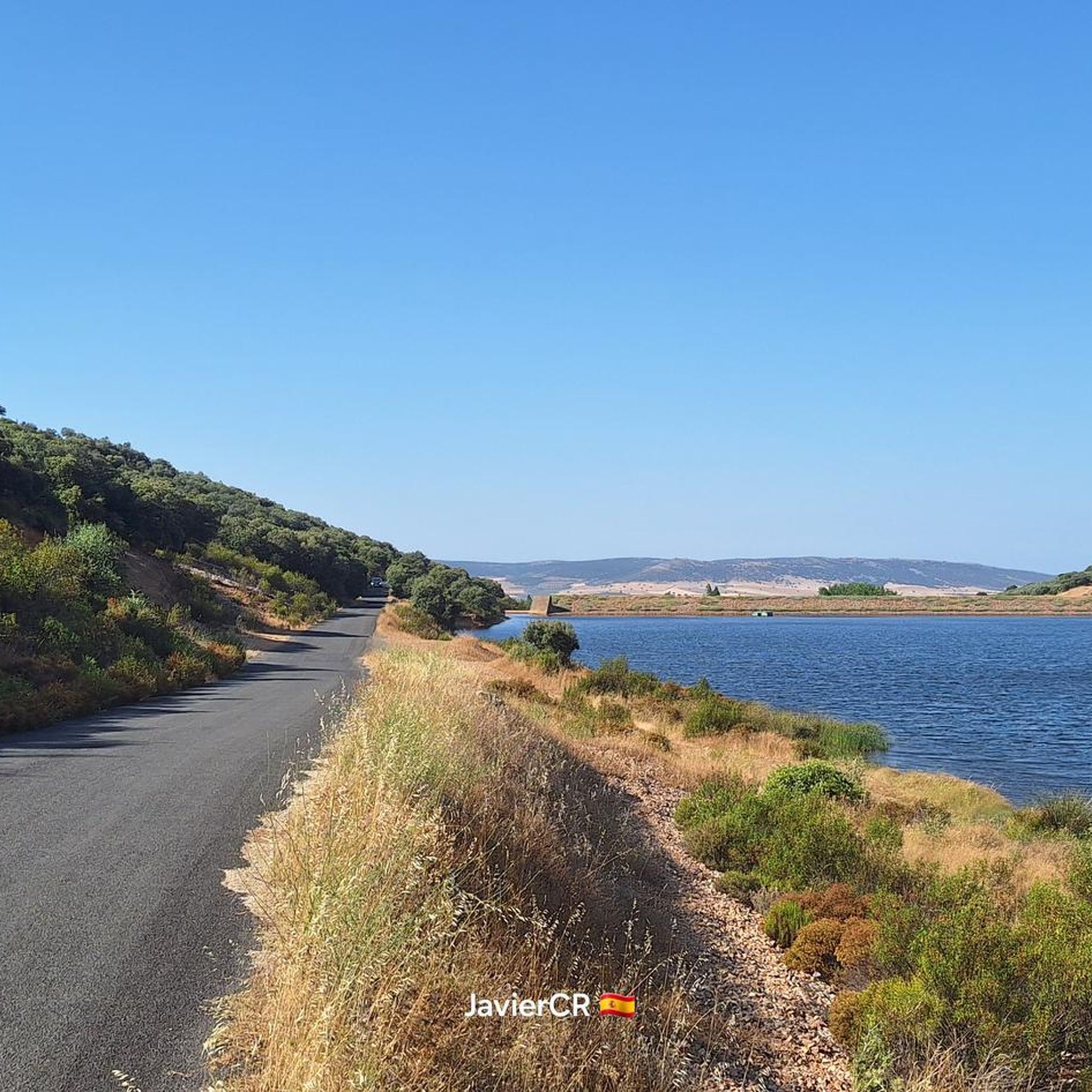
Road Cycling Routes around Los Yébenes
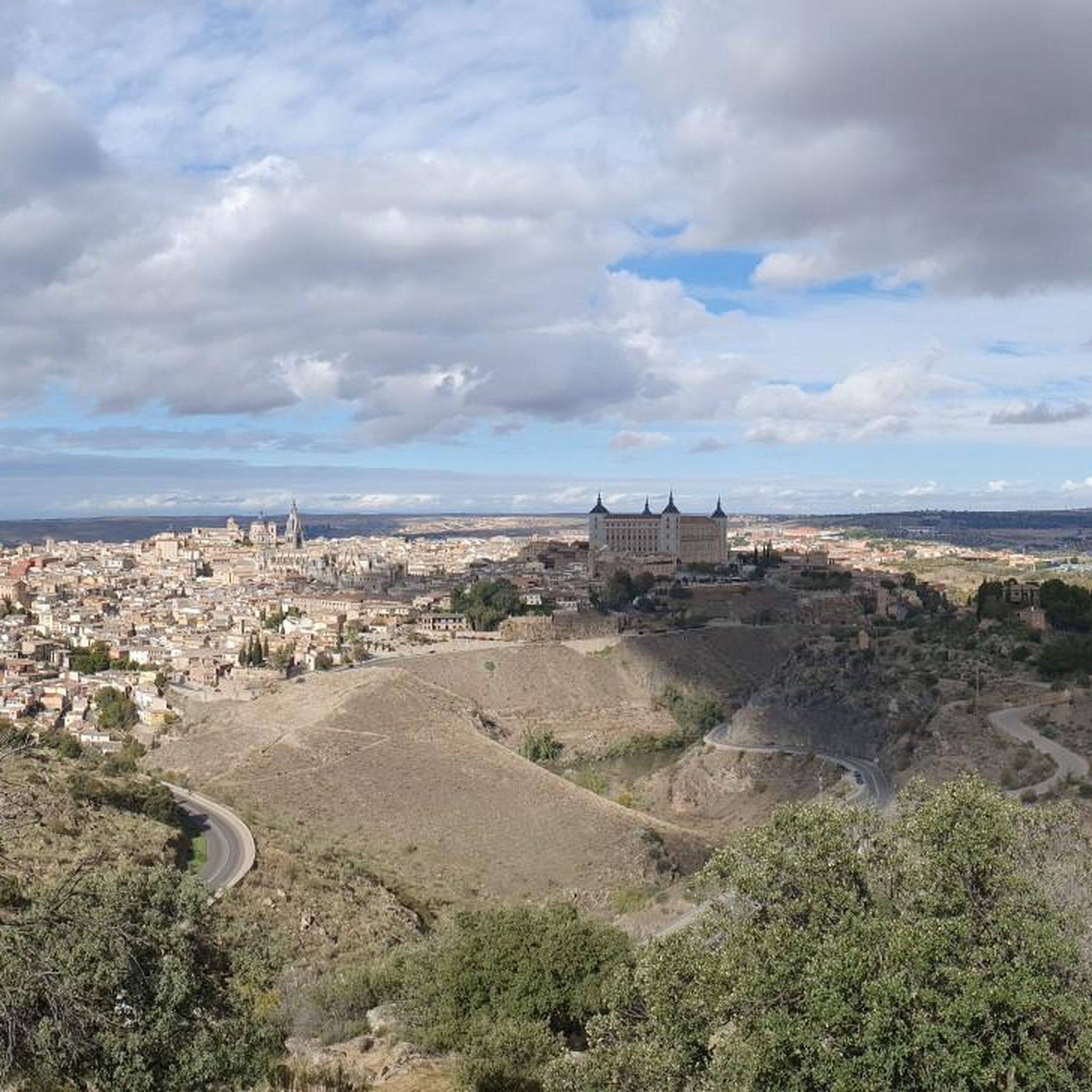
Road Cycling Routes around Orgaz

Road Cycling Routes around Mazarambroz

Road Cycling Routes around Sonseca
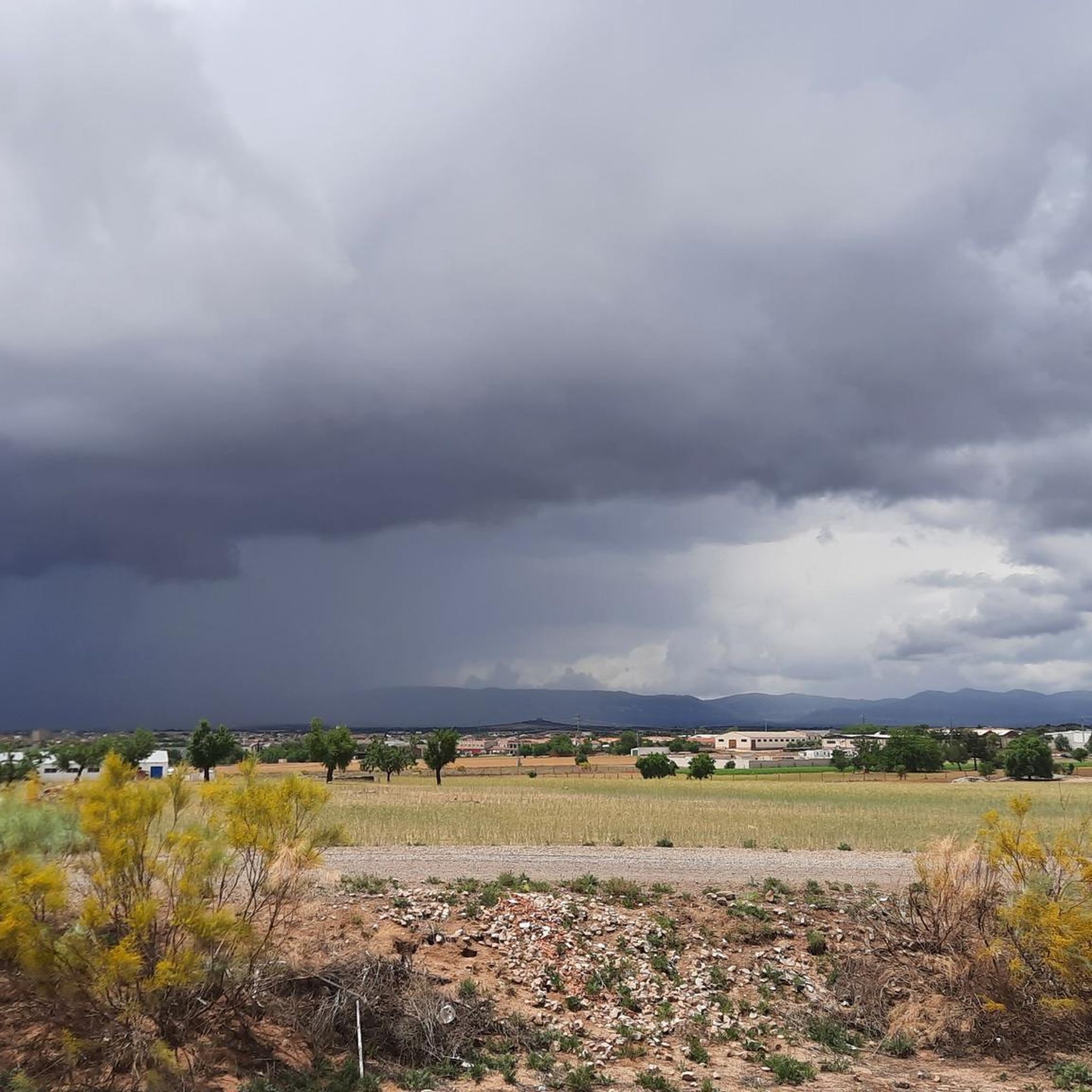
Road Cycling Routes around Ajofrín
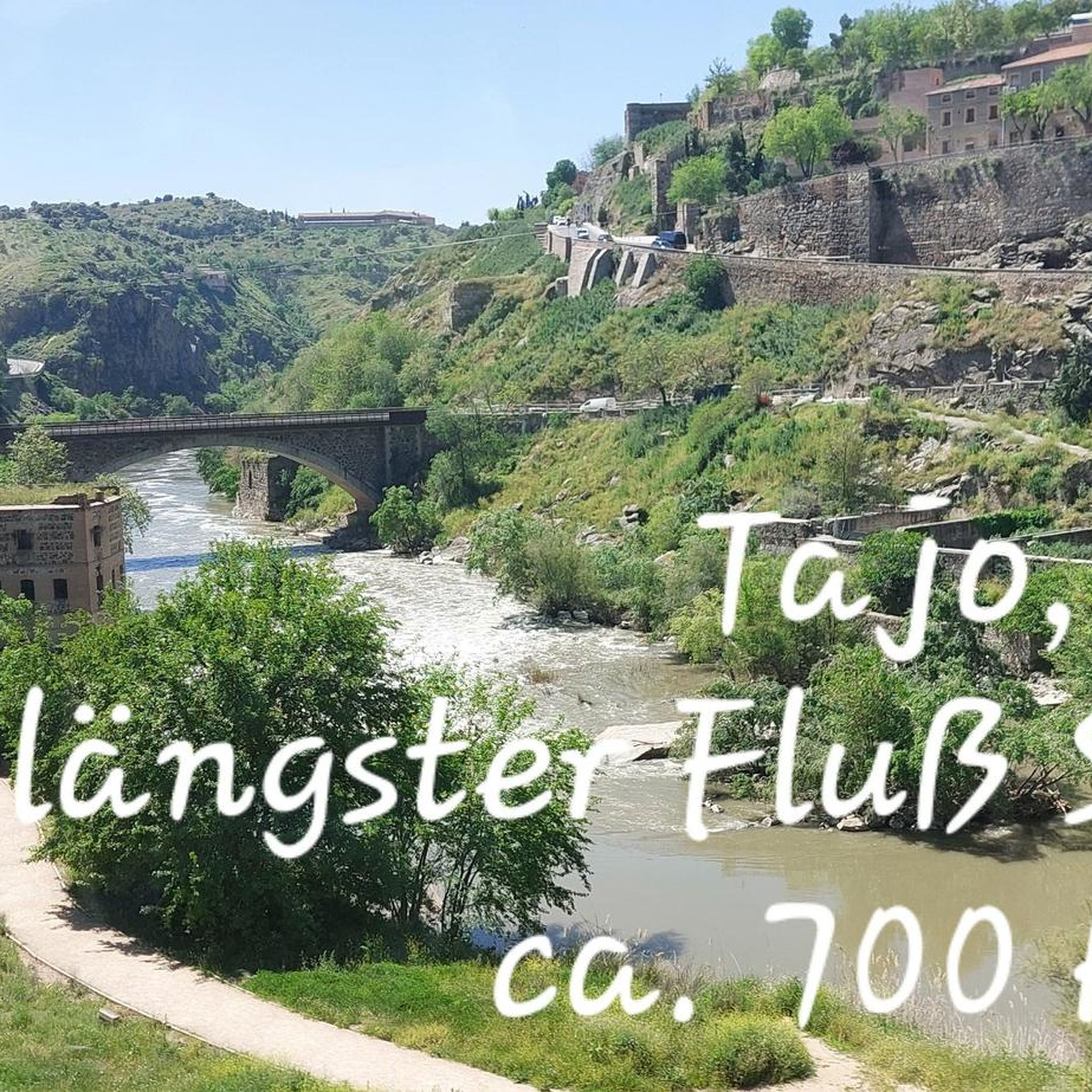
Road Cycling Routes around Chueca
Road Cycling Routes around Marjaliza
Route of Don Quixote – cycling between rivers, lagoons and hills
Cycle among the Giants of La Mancha in Spain – Route of Don Quixote

MTB Trails around Los Yébenes


Tips from the Community

L'Arco de San Huberto is a charming point of interest and a natural/historical monument located in the Sierra de Los Yébenes (Montes de Toledo, Spain). The place is traditionally linked to the Capilla de San Huberto, protector of hunters, and is a much-appreciated stop on excursions in the surroundings. To reach and enjoy this corner of nature, you can use specific routes depending on your sport.
0
0
Manzaneque is a small and quiet Spanish municipality of about 390 inhabitants, located in the autonomous community of Castilla-La Mancha (province of Toledo) The village is situated at an altitude of 715 meters and is immersed in the typical Spanish rural landscape, a short distance from the famous Ruta de Don Quijote
1
0

Manzaneque is a small town in Toledo, quiet and with about 400 inhabitants. It is about 40 km from Toledo and is ideal for a short getaway. Its main attraction is the Castle of Manzaneque, a medieval fortress. The church of San Juan Bautista, in Renaissance style, also stands out. You can stroll through its streets and enjoy the rural atmosphere. It has quiet places like the hermitage of Santa Ana. The environment is perfect for hiking and nature walks. It is surrounded by fields, olive groves, and typical La Mancha landscapes. It is a destination to disconnect, not for mass tourism. It can be combined with visits to nearby towns like Orgaz or Mora.
18
0
Located in the town center of Manzaneque, opposite the Town Hall, in the province of Toledo, its construction is primarily attributed to Don Íñigo de Ávalos (15th century), although the heraldic shields of earlier lineages (Figueroa and Orozco) suggest a possible earlier foundation. In the 14th century, it was owned by Doña María de Orozco and her husband, Lorenzo Suárez de Figueroa. It later passed to Ávalos, and in 1487 was acquired by Álvarez de Toledo, secretary to the Catholic Monarchs. Abandoned and in ruins after the 16th and 17th centuries, it was restored in the early 20th century and remodeled in the 1970s, becoming a Site of Cultural Interest in 1985.
4
0
Located in the Plaza de la Constitución, in the historic Town Hall in the Neo-Mudéjar style, designed by Ezequiel Martín Martín and built between 1927–1928, with a striking brick facade, masonry panels, horseshoe arches and ceramic decorations, culminating in a circular tower topped with a bulbous dome (tiled, from 1930).
3
0
Mascaraque Castle is one of the town's main attractions. Origin: It was built in the 14th century on the site of an earlier Muslim fortification. Historical Owners: It was renovated by the Padilla family, who were associated with the Comuneros in the 15th century. Architecture: The keep is a prominent feature, which, according to tradition, was "demolish" (lowered) by order of the Catholic Monarchs after the Revolt of the Comuneros. Interesting Details: Pentacles or Seals of Solomon can be seen on its walls, symbols that fuel legends of protection and mystery. Current Status: It is privately owned, so the interior is not open to the public, but the exterior is impressive and well worth seeing.
1
0
Mascaraque stands out for its authentic and tranquil atmosphere, ideal for those seeking a historical getaway without the crowds. Its historical heritage—centered on the castle, the church, and several hermitages—offers a rich cultural experience alongside a friendly local life. The rural surroundings reinforce this feeling of disconnection: olive groves, vineyards, and nature trails complete the appeal. In short, a destination with its own unique identity, highly valuable for lovers of heritage and charming villages.
2
0
It is located next to the Tourist Information office.
7
0
Frequently Asked Questions
What kind of road cycling routes can I expect in Los Yébenes?
Los Yébenes, situated within the Montes de Toledo, offers a diverse range of road cycling routes. You'll find varied topography, from mountainous alignments and passes like the Marjaliza Pass to extensive plains known as "la raña." The region is characterized by Mediterranean forests with holm oaks and cork oaks, providing scenic backdrops. Routes vary in difficulty, from easy rides with minimal elevation to challenging climbs with significant gains.
Are there road cycling routes suitable for beginners or those looking for an easy ride?
Yes, Los Yébenes has several easy road cycling routes perfect for beginners or those seeking a relaxed ride. These routes typically feature gentler ascents, with some offering less than 500 feet of elevation gain. An example is the Ajofrín loop from Mazarambroz, which is classified as easy.
What are some of the more challenging road cycling routes in the area?
For experienced cyclists seeking a challenge, Los Yébenes offers routes with substantial elevation gains, some exceeding 1500 or even 3000 feet. These routes often traverse the more mountainous parts of the Montes de Toledo. While all routes listed in this guide are moderate, they provide good distances and elevation for a satisfying challenge, such as the Montes de Toledo – circular to Sierra del Castañar with over 800 meters of ascent.
Can I find circular road cycling routes around Los Yébenes?
Yes, many of the road cycling routes in Los Yébenes are designed as circular loops, allowing you to start and finish in the same location. Examples include the Montes de Toledo: Sonseca, Mora, and Los Yébenes Loop and the Montes de Toledo Villages Loop, offering varied distances and scenery.
What kind of natural landscapes will I encounter on a road bike in Los Yébenes?
Road cycling in Los Yébenes will immerse you in the diverse natural beauty of the Montes de Toledo. You'll ride through typical Mediterranean forests dominated by holm oaks, oaks, and cork oaks, with aromatic shrubs like rockrose, thyme, and rosemary. From higher points, you can witness the spectacular "la raña" plains, resembling an African savannah. The area also boasts numerous springs and rivers.
Are there any historical or cultural landmarks to see along the road cycling routes?
Absolutely. Beyond the natural scenery, Los Yébenes and its surroundings are rich in history. You can incorporate visits to 16th-century churches like Santa María and San Juan Bautista, the medieval Castle of the Counts of Orgaz, or historic windmills on the "Crestería Molinera," such as the Tío Zacarías Mill. Some routes may even pass ancient Roman road sections or areas with cave paintings.
What is the best time of year for road cycling in Los Yébenes?
The Mediterranean climate of Los Yébenes makes spring and autumn ideal for road cycling, offering pleasant temperatures and vibrant landscapes. Spring brings blooming flora, while autumn provides comfortable riding conditions and the chance to observe wildlife, such as the deer rut in September. Summers can be hot, and winters mild, but always check local weather forecasts for optimal conditions.
Where can I park my car when starting a road cycling route in Los Yébenes?
While specific parking areas for each trailhead are not detailed, Los Yébenes and nearby towns like Orgaz and Sonseca, which serve as starting points for many routes, typically offer public parking options. Look for designated parking zones within these settlements, especially near town centers or local amenities, to safely leave your vehicle.
Are there any cafes or pubs along the road cycling routes for a break?
Yes, as many routes connect or pass through various towns and villages within the Montes de Toledo, you'll find opportunities for refreshment. Settlements like Los Yébenes, Sonseca, Mora, and Orgaz offer local cafes, bars, and pubs where cyclists can take a break, refuel, and experience local hospitality.
What do other road cyclists say about their experience in Los Yébenes?
The road cycling routes around Los Yébenes are highly regarded by the komoot community, with an average rating of 4.0 stars from numerous reviews. Cyclists often praise the varied terrain, the beautiful Mediterranean landscapes, and the sense of exploration offered by routes like the Consuegra, Urda y Puerto del Comendador — circular desde los Yébenes.
Can I expect to see wildlife while road cycling in Los Yébenes?
The natural environment of the Montes de Toledo is home to diverse wildlife. While road cycling, you might spot species such as deer, wild boar, rabbits, and various birds, especially in the more secluded sections of the routes. The region is particularly known for events like the deer rut in September, which adds an extra dimension to the cycling experience.
Are there any specific passes or notable climbs for road cyclists in the region?
Yes, the Marjaliza Pass, located within the Sierra de los Yébenes, is a popular feature among road cyclists. It offers a moderate challenge with a good road surface and rewarding views. Routes like the Orgaz, Marjaliza Pass, and Los Yébenes Loop specifically incorporate this climb.
Most popular routes around Los Yébenes
Most popular attractions around Los Yébenes

Get inspired with the komoot mobile app


Didn’t find what you were looking for?
Check out more Road cycling routes throughout Los Yébenes below and find the perfect route in your destination.
Explore more
Browse the best Road cycling routes in other regions.
