Attractions and Places To See around Mancha Baja - Top 20
Best attractions and places to see around Mancha Baja include a mix of historical landmarks, cultural sites, and natural features within the Castilla-La Mancha region of Spain. The area is characterized by its plains, dotted with iconic windmills and significant religious buildings. Visitors can explore medieval castles, traditional museums, and natural wetlands that host diverse flora and fauna. This region offers a variety of points of interest for those seeking historical depth and natural beauty.
Best attractions and places to…
Last updated: October 11, 2026
Ermita de Santa Rita (Mota del Cuervo)
Highlight • Religious Site
Translated by Google •
Tip by

Manjavacas Lagoon
Highlight • Lake
Translated by Google •
Tip by
Sign up now to discover places like this
Get recommendations on the best single tracks, peaks, & plenty of other exciting outdoor places.
Castle of Santiago de la Torre
Highlight • Castle
Translated by Google •
Tip by
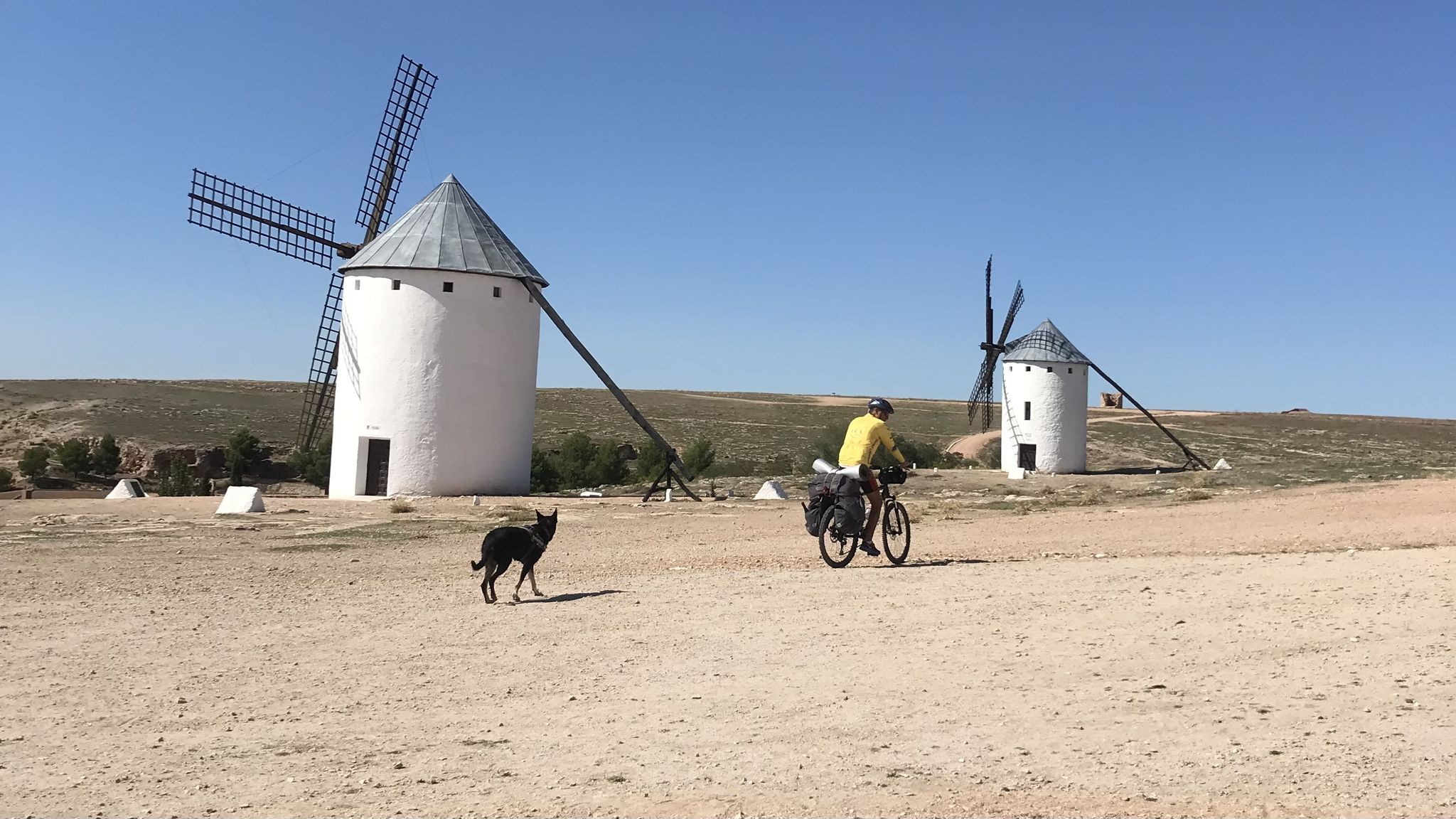
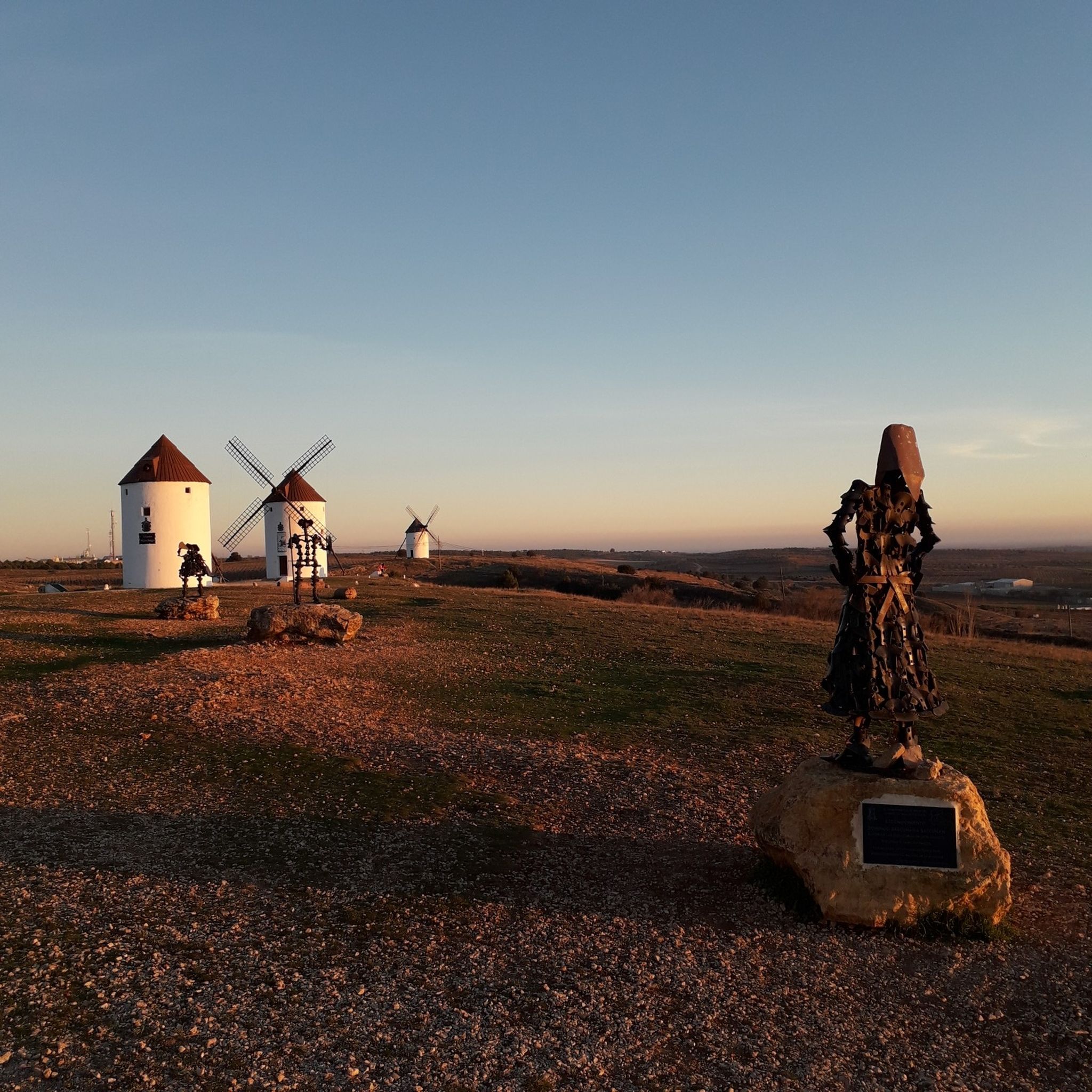
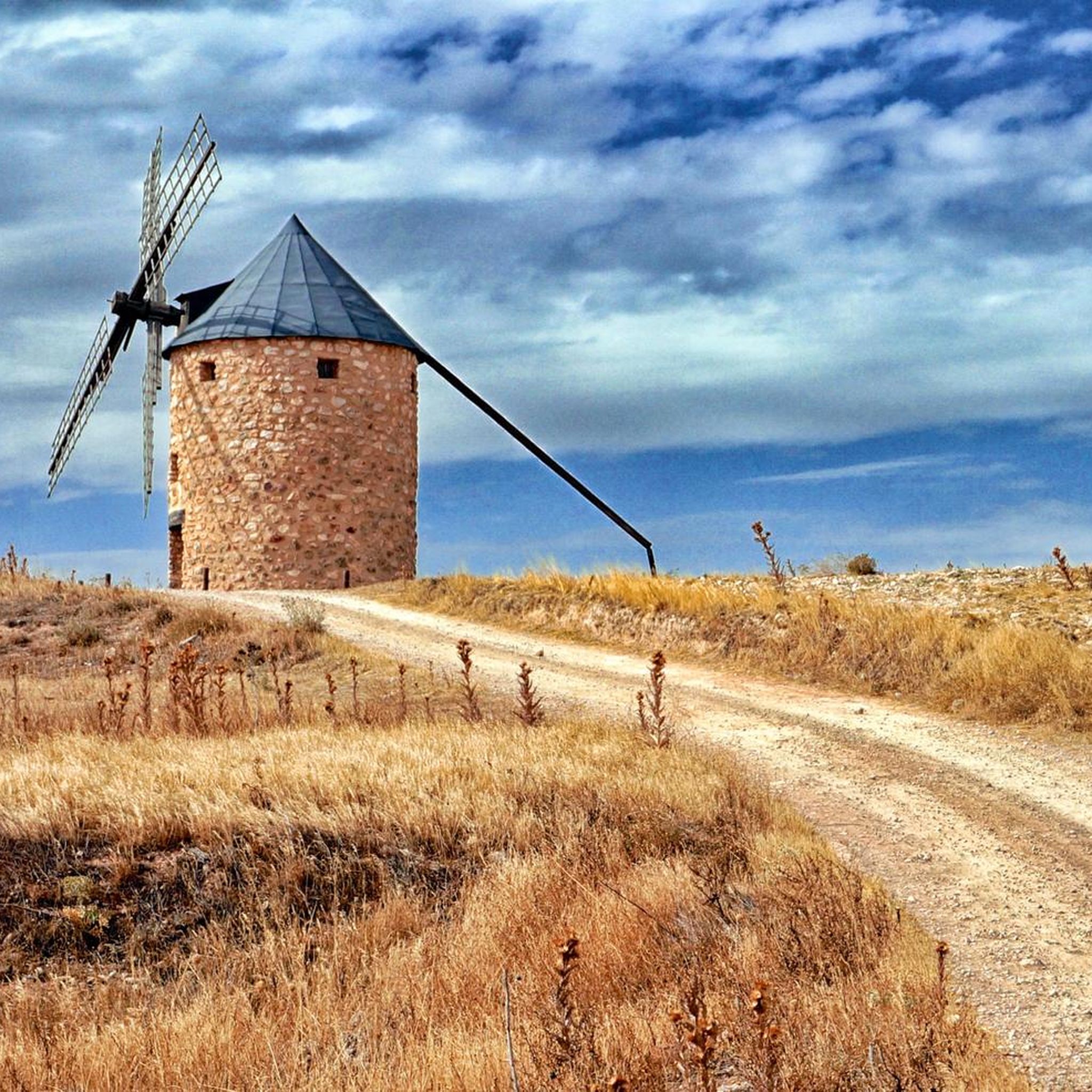
Windmills
Highlight • Monument
Translated by Google •
Tip by
Castillo de Belmonte
Highlight • Castle
Its architectural style combines Gothic and Mudejar elements.
It has …
Translated by Google •
Tip by
Hermitage of Our Lady of Manjavacas
Highlight • Religious Site
Translated by Google •
Tip by
Villamayor de Santiago
Highlight • Settlement
Translated by Google •
Tip by

Church of San Miguel Arcángel
Highlight • Religious Site
Translated by Google •
Tip by
San Clemente
Highlight • Settlement
Very well-preserved historical heritage
One of its main …
Translated by Google •
Tip by
La Tercia Real
Highlight • Historical Site
Translated by Google •
Tip by
Sign up for free to discover even more attractions around Mancha Baja.
Already have an account?
Start today with a free account
Your next adventure awaits.
Popular around Mancha Baja
Don Quixote's route – The knight of the sorry face
A journey to the interior of the Iberian Peninsula – Levante Way (GR 239)
Hiking around Mancha Baja
Cycling around Mancha Baja
Road Cycling Routes around Mancha Baja
MTB Trails around Mancha Baja
Running Trails around Mancha Baja

Gravel biking around Mancha Baja

Tips from the Community

San Clemente (Cuenca) is an ideal destination for those who enjoy history, heritage, and peaceful tourism. Highly recommended as a cultural getaway. Very well-preserved historical heritage One of its main attractions is the Old Tower, the oldest building in the town, dating back to the 14th century. It stands out for its square floor plan, battlements, gargoyles, and historical significance. Inside, you'll find the Tourist Office and the Ethnographic Museum of Farming, with antique objects that illustrate the traditional way of life in the area.
3
0
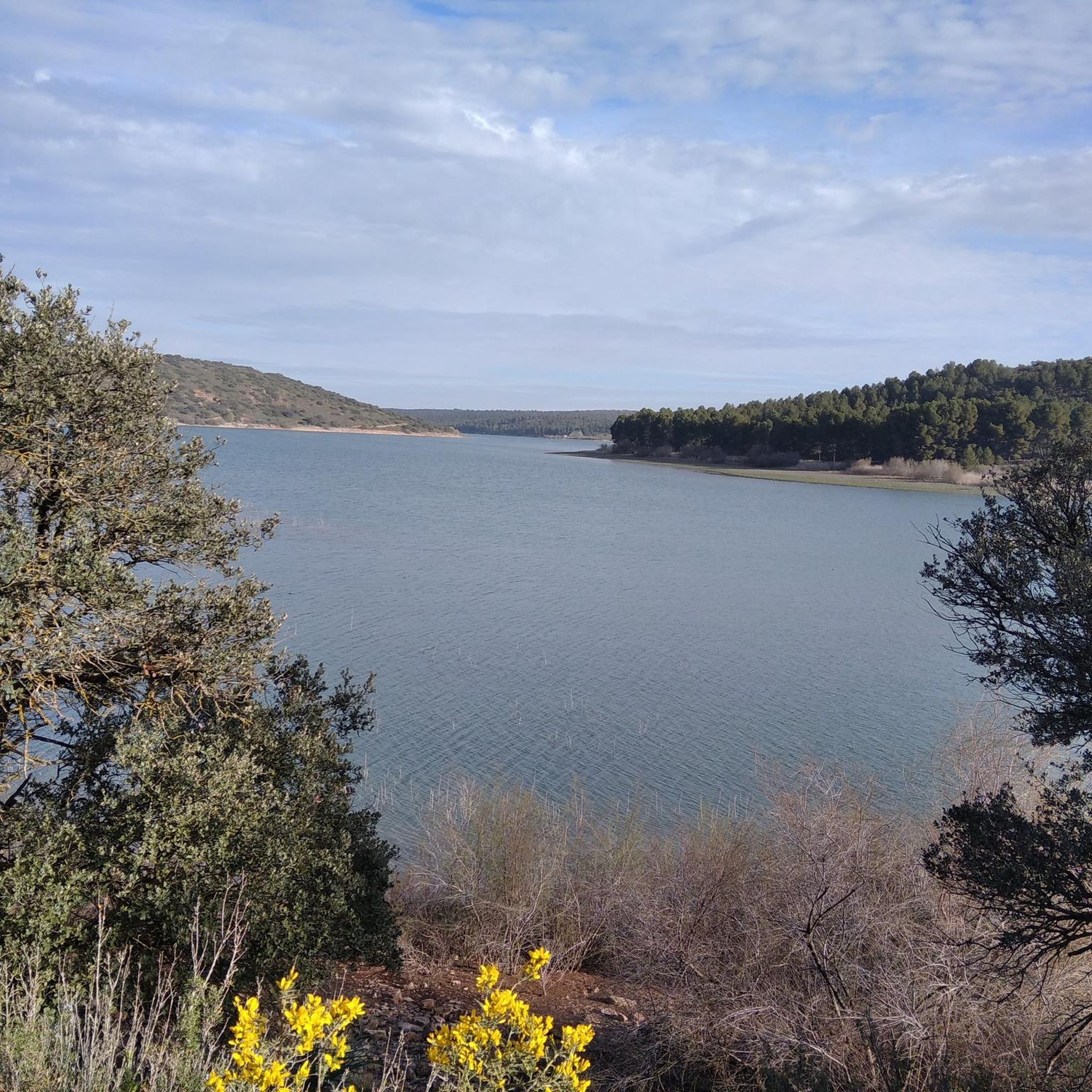
This complex is made up of four lagoons: Manjavacas, Sánchez Gómez, La Dehesilla (in Mota del Cuervo), and Alcahozo (in Pedro Muñoz). It is a key point on the migratory routes of birds between Europe and Africa, which gives it international importance.
2
0
The Manjavacas Lagoon, located in the municipality of Mota del Cuervo (Cuenca), is part of the Manjavacas Lagoon Complex, a nature reserve of great ecological and scenic value.
2
0

The town of Villamayor de Santiago sits at a crossroads, resembling a central hub, connecting municipalities in La Mancha, Toledo, and Ciudad Real via local roads. It boasts an urban complex and historic buildings that reflect the town's former importance, as numerous Commanders of the Order of Santiago and nobles lived there during the 16th and 17th centuries.
0
0
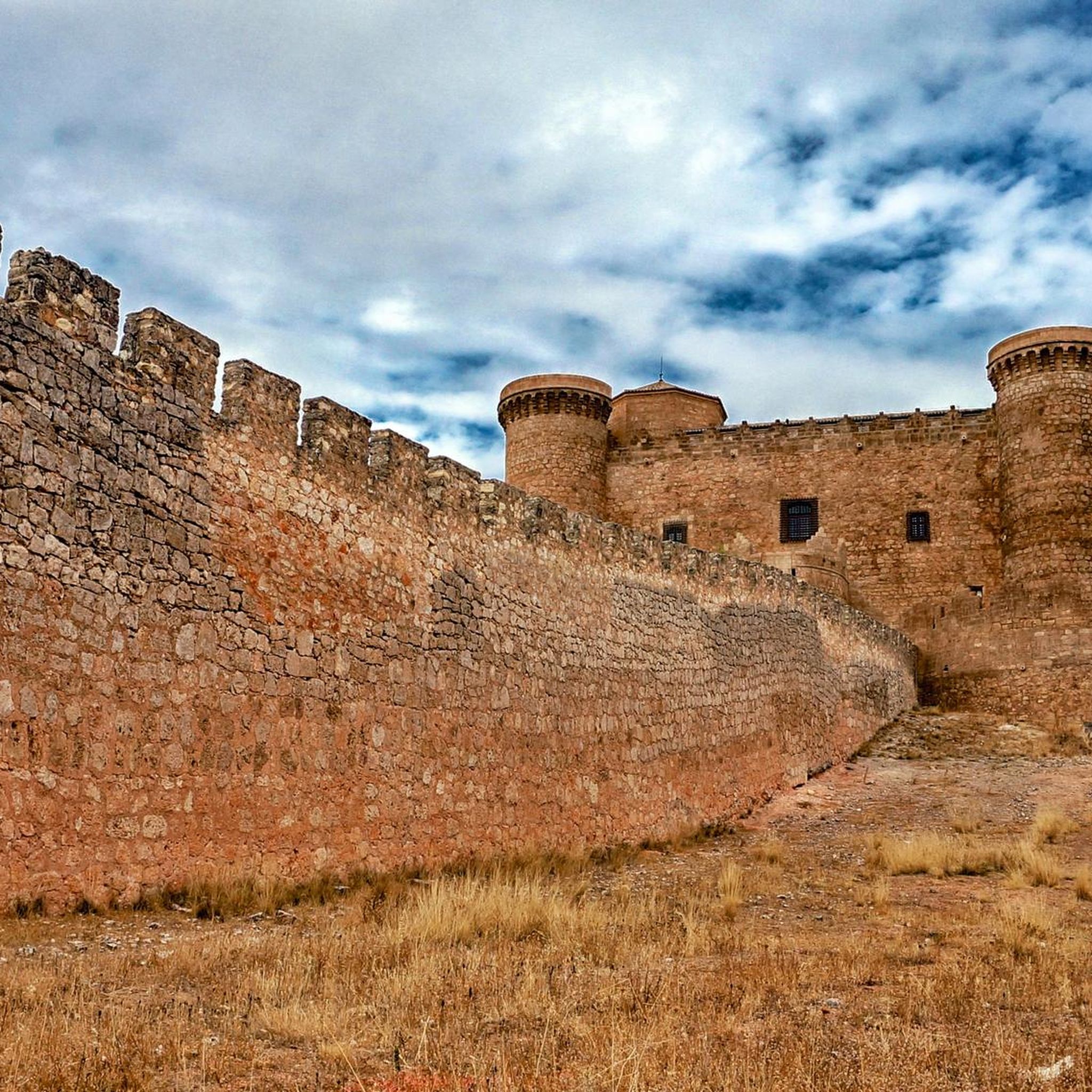
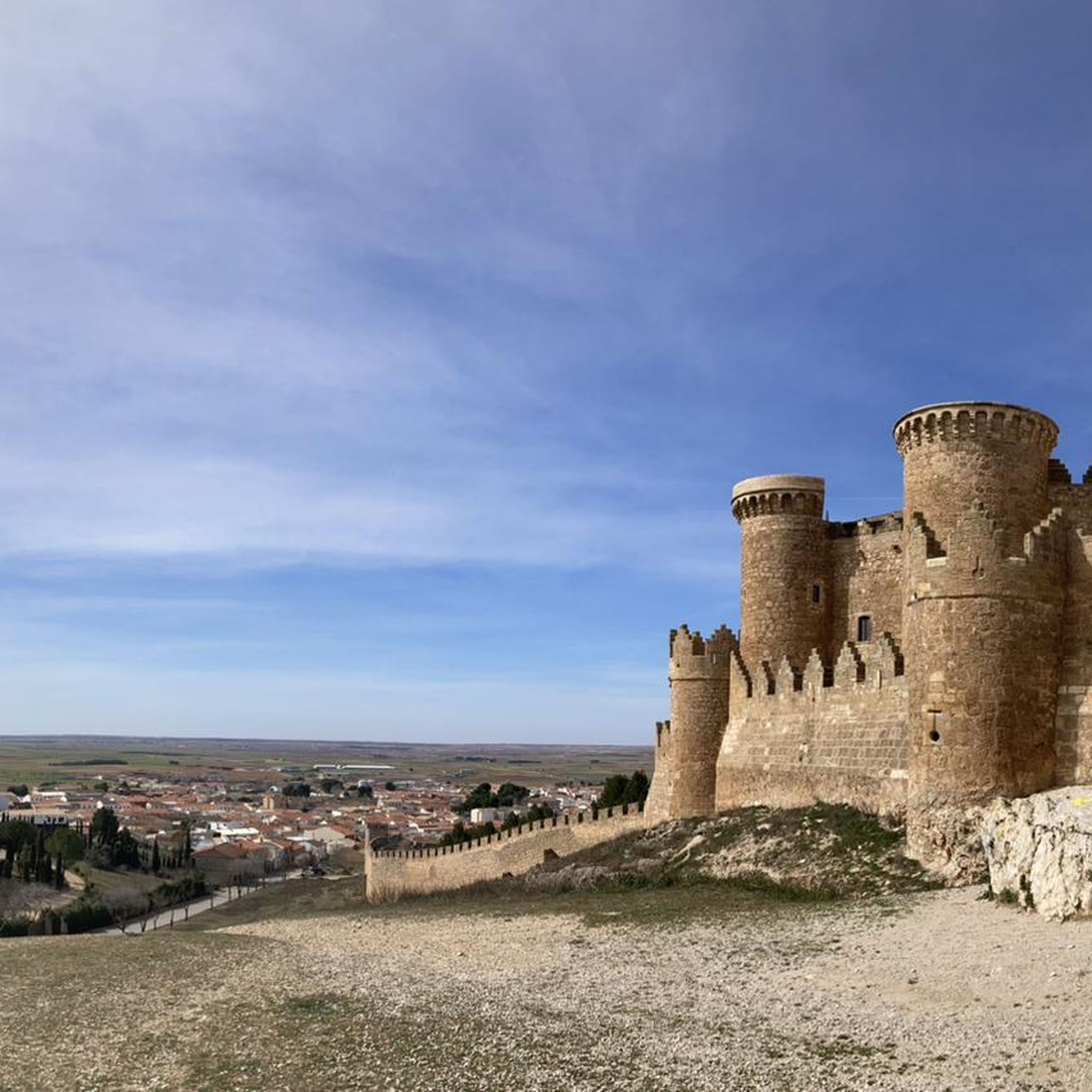
Built in the 15th century by order of Don Juan Pacheco, first Marquis of Villena, the castle is a notable example of Gothic-Mudejar architecture. The castle has been restored and turned into a museum, and is now considered a Site of Cultural Interest. In addition to its rich history, the castle is known for events such as the National Medieval Combat Championship, which is held annually.
3
0
The Church of San Miguel Arcángel in Mota del Cuervo is one of the most emblematic buildings in the town. Its construction began at the end of the 15th century and continued throughout the 16th and 17th centuries. This Catholic temple is listed as a Site of Cultural Interest. The church has a hall plan with three naves, each divided into three sections. The central nave is covered with ribbed vaults in the first and third sections, while the second section has a handkerchief vault. The apse is accessed through a triumphal arch and is covered with a dome on pendentives. On the outside, the church has two doorways. The north doorway is in Plateresque style, with a semicircular arch flanked by Corinthian columns and topped by a large scallop shell. The south doorway is more sober, in Doric style, with a pediment and Herrerian balls. The tower, located at the foot of the temple, has a square plan and is divided into two sections separated by a cornice.⛪
26
0
The Tercia Real de Mota del Cuervo, also known as Casa de Bastimento, is one of the oldest buildings in the town, along with the parish church of San Miguel. Built at the beginning of the 16th century, this building was used to store the tithes of the Mesa Maestral of the Order of Santiago. The building has a rectangular floor plan and is covered with four sides. It is built of masonry with ashlars in the corners and in the two entrance doors. One of the doors is finished with a segmental arch and the other with a semicircular arch on which a coat of arms is placed. Currently, the Tercia Real is used as a cultural centre, where various temporary exhibitions and cultural events are held.
31
0
The Hermitage of Santa Rita in Mota del Cuervo is a relatively modern building, built in the fifties. It is located in the center of the city, presiding over the square that bears its name. The hermitage stands out for its stone bell gable that contrasts with the white plaster of its ground floor. The structure has a hall plan and a wooden roof. The main entrance is a semicircular arch preceded by a portico with three arches, the central one being wider than the side ones.⛪
31
0
Frequently Asked Questions
What historical sites can I explore in Mancha Baja?
Mancha Baja is rich in history. You can visit the medieval Castle of Santiago de la Torre, an 11th-century fortress that once belonged to the Villena family. Another significant historical site is Castillo de Belmonte, a 15th-century castle featuring Gothic and Mudejar architecture, which now hosts a museum and various events. Don't miss La Tercia Real, another notable historical landmark in the region.
Are there any natural attractions or viewpoints in Mancha Baja?
Yes, Mancha Baja offers beautiful natural spots and panoramic viewpoints. The Manjavacas Lagoon is a significant natural monument and wetland, providing a habitat for diverse flora and fauna. For stunning views, head to the Windmills in Mota del Cuervo, known as the 'Balcón de La Mancha' for its vast horizon. The Záncara Promenade also offers scenic views along the river.
What religious buildings are worth visiting in Mancha Baja?
The region features several impressive religious buildings. The Ermita de Santa Rita (Mota del Cuervo) is a modern hermitage known for its stone bell gable. You can also explore the Church of San Miguel Arcángel and the historical Hermitage of Our Lady of Manjavacas. Additionally, the Church of El Salvador in La Roda, a 16th-century cultural heritage site, boasts a Renaissance altarpiece and an art collection.
Are there family-friendly activities or attractions in Mancha Baja?
Many attractions in Mancha Baja are suitable for families. The Windmills of Mota del Cuervo offer an engaging experience, especially with their connection to Don Quixote. Castillo de Belmonte hosts dramatized tours and medieval combat tournaments that children often enjoy. Natural sites like the Manjavacas Lagoon and the Záncara Promenade are also great for family outings.
What kind of outdoor activities can I do near Mancha Baja's attractions?
Mancha Baja offers various outdoor activities, especially hiking and gravel biking. You can find easy hiking trails like the 'Belmonte – circular via the Castle, the Collegiate Church of San Bartolomé and El Puntal' or 'Mota del Cuervo – circular by the mills of La Sierra'. For more options, explore the Easy hikes around Mancha Baja guide. If you're into gravel biking, routes like 'Hill Esplanade – Pinar de Vadohondo loop from Villarrobledo' are available; check the Gravel biking around Mancha Baja guide for details.
Are there any museums in the Mancha Baja region?
Yes, the region has cultural institutions. The Church of El Salvador in La Roda houses a Diocesan Museum with a diverse art collection. Additionally, the Antonio Martínez Museum in La Roda showcases traditional items from the region, including furniture, maps, religious works, and art by Benjamín Palencia. The Castillo de Belmonte also functions as a museum, displaying its rich history.
What are the iconic windmills in Mancha Baja, and where can I find them?
The iconic windmills are a defining feature of La Mancha. The most prominent set is the Windmills in Mota del Cuervo, often called the 'Balcón de La Mancha'. These seven windmills offer expansive views and are associated with Cervantes' *Don Quixote*. Other famous windmills, some retaining 16th-century mechanisms, can be found in Campo de Criptana, including Molino Infante, Burleta, and Culebro.
What is the best time of year to visit Mancha Baja?
The best time to visit Mancha Baja generally depends on your preferred activities. Spring (April-May) and Autumn (September-October) offer pleasant temperatures ideal for exploring historical sites and enjoying outdoor activities like hiking. Summers can be hot, while winters are milder but may be less suitable for extensive outdoor adventures.
Are there any wheelchair-accessible attractions in Mancha Baja?
Yes, some attractions in Mancha Baja are noted for their accessibility. La Tercia Real is listed as wheelchair accessible. When planning your visit, it's always advisable to check specific accessibility details for other sites directly, as conditions can vary.
What do visitors enjoy most about Mancha Baja?
Visitors particularly enjoy the rich historical tapestry of Mancha Baja, from its medieval castles like Castle of Santiago de la Torre to the iconic Windmills that evoke the tales of Don Quixote. The natural beauty of areas like the Manjavacas Lagoon and the scenic viewpoints are also highly appreciated. The blend of cultural heritage and natural landscapes makes for a unique experience.
Can I find hiking trails suitable for different difficulty levels in Mancha Baja?
Yes, Mancha Baja offers hiking trails for various skill levels. You can find easy routes such as the 'San Clemente: Camino de Santiago Loop' or the 'Mota del Cuervo – circular by the mills of La Sierra'. For more challenging options, consider moderate trails like the 'Geliberte Trail' or 'Santa Maria de los Llanos – circular via the Cerro Agudo trail (PR-CU 68)'. Detailed information on these and other routes can be found in the Hiking around Mancha Baja guide.
What are some unique cultural experiences in Mancha Baja?
Beyond historical sites, Mancha Baja offers unique cultural experiences. You can admire the beautiful facades of historical residences in La Roda, such as the House of Doctor La Encina or the House of the Inquisitor. The region is also known for its traditional *miguelitos*, a puff pastry and cream dessert, which is a must-try when visiting La Roda. The Záncara Promenade features urban art, adding another cultural dimension to your visit.
Most popular routes around Mancha Baja

Get inspired with the komoot mobile app


Didn’t find what you were looking for?
Are you keen on exploring more awesome places nearby? Browse our guides:
Explore more
Still not found the Highlight you’re looking for? See guides of the top attractions in other regions:
