Attractions and Places To See around Mancha - Top 20
Best attractions and places to see around Mancha include a diverse range of natural and historical sites. The region, famously associated with *Don Quixote*, features extensive plains, river valleys, and mountain ranges. It is characterized by its unique natural parks, such as the Lagunas de Ruidera, and historical landmarks. Mancha offers a variety of landscapes and cultural points of interest for exploration.
Best attractions and places to see around Mancha
- The most popular attraction is Lengua Lagoon, a lake…
Last updated: October 10, 2026
Lagoons in the most beautiful colors
Highlight • Lake
A …
Translated by Google •
Tip by

Batanas Lagoon Waterfall
Highlight • Waterfall
Translated by Google •
Tip by
Sign up now to discover places like this
Get recommendations on the best single tracks, peaks, & plenty of other exciting outdoor places.
Section at the Laguna de la Colgada
Highlight (Segment) • Lake
Translated by Google •
Tip by

Spring of the Lagunas de Ruidera
Highlight • Natural Monument
From its origin, in one of the thousand springs, …
Translated by Google •
Tip by

Hermitage of San Pedro (Ossa de Montiel)
Highlight • Religious Site
Translated by Google •
Tip by
Ossero Ford
Highlight • Bridge
Translated by Google •
Tip by
Batana Lagoon and Pared Tobácea Waterfall
Highlight • Lake
Translated by Google •
Tip by

Lengua Lagoon
Highlight • Lake
Translated by Google •
Tip by

San Pedro Lagoon Trail
Highlight • Trail
Translated by Google •
Tip by

Ruidera Paradise (La Lengua)
Highlight • Lake
Translated by Google •
Tip by
Sign up for free to discover even more attractions around Mancha.
Already have an account?
Start today with a free account
Your next adventure awaits.


Tips from the Community

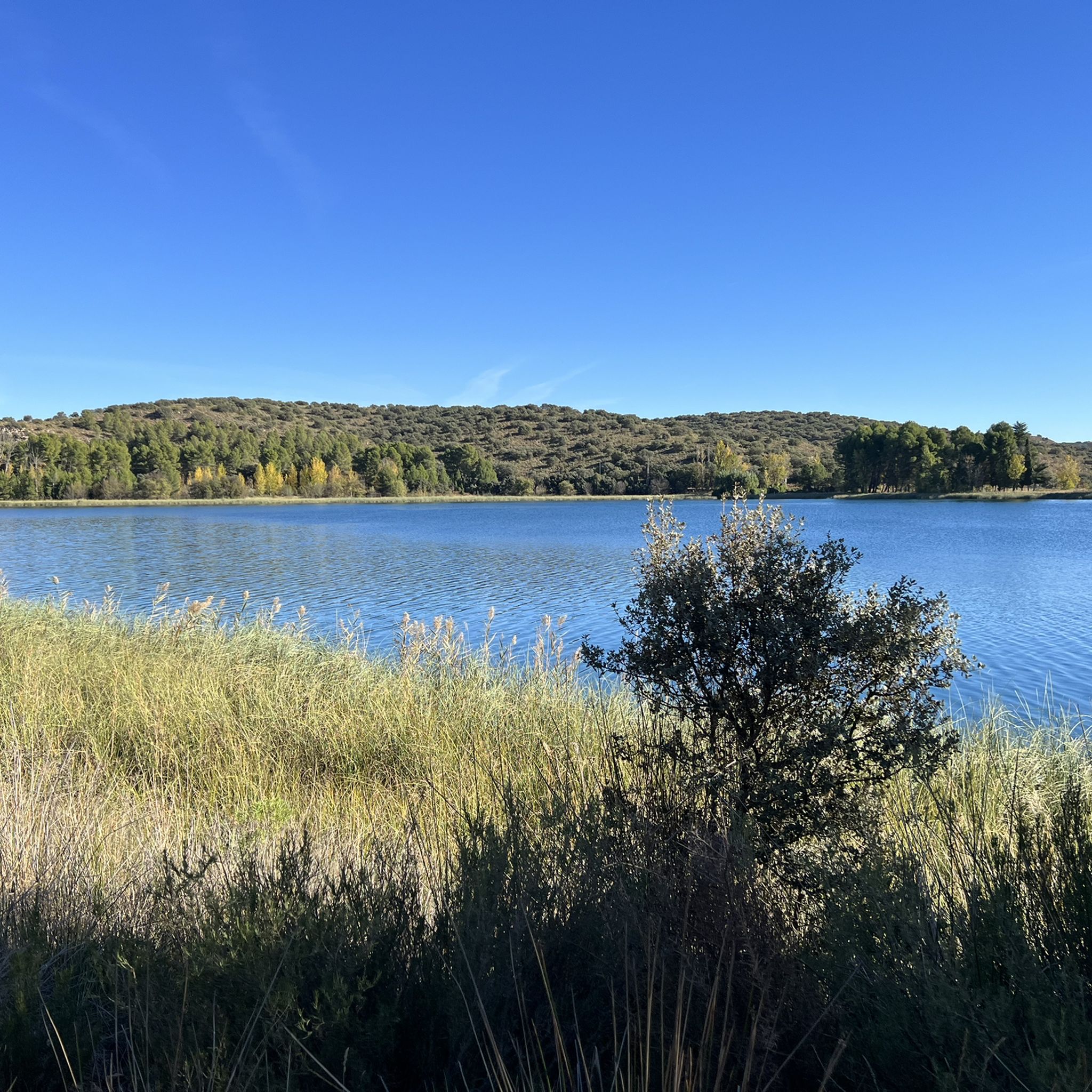
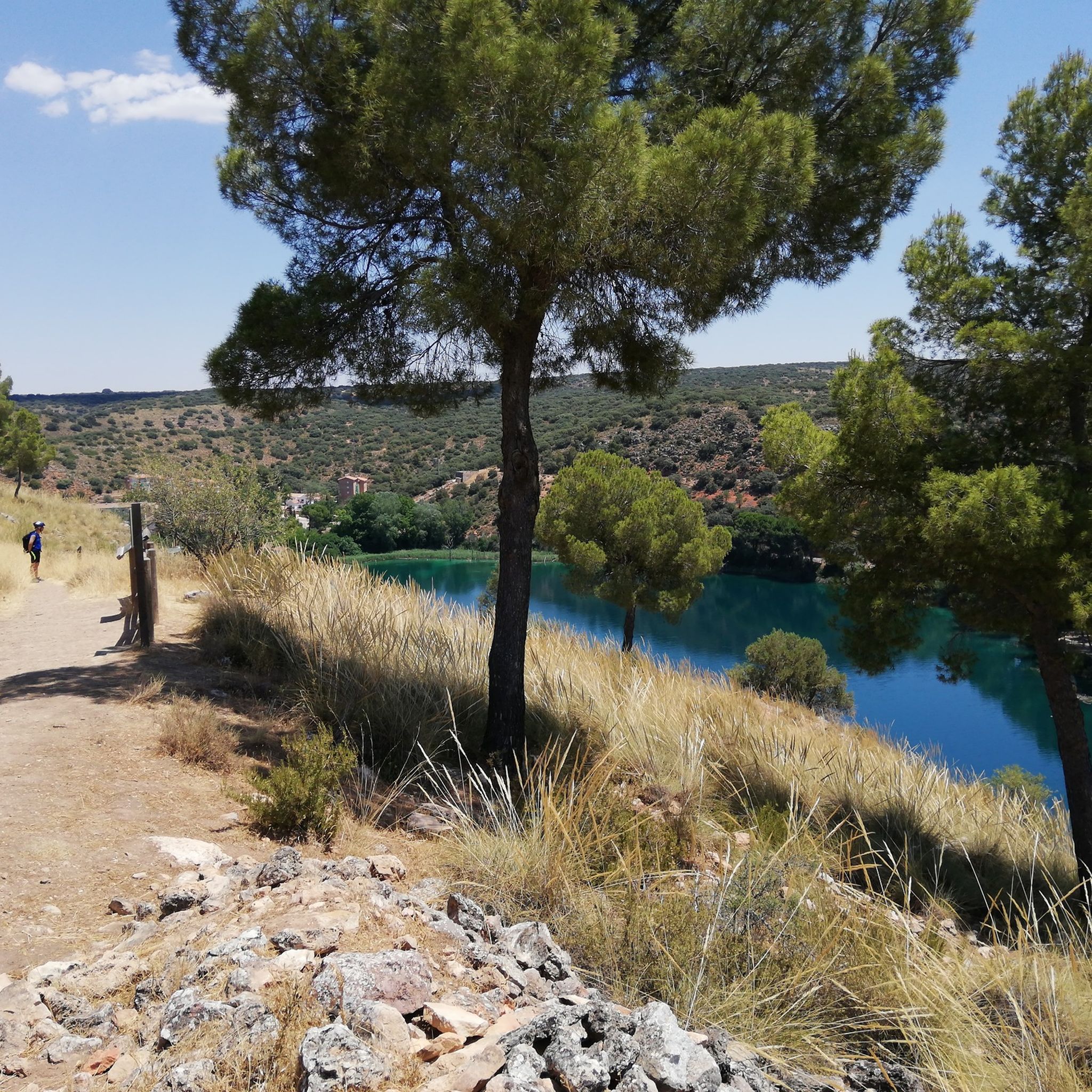
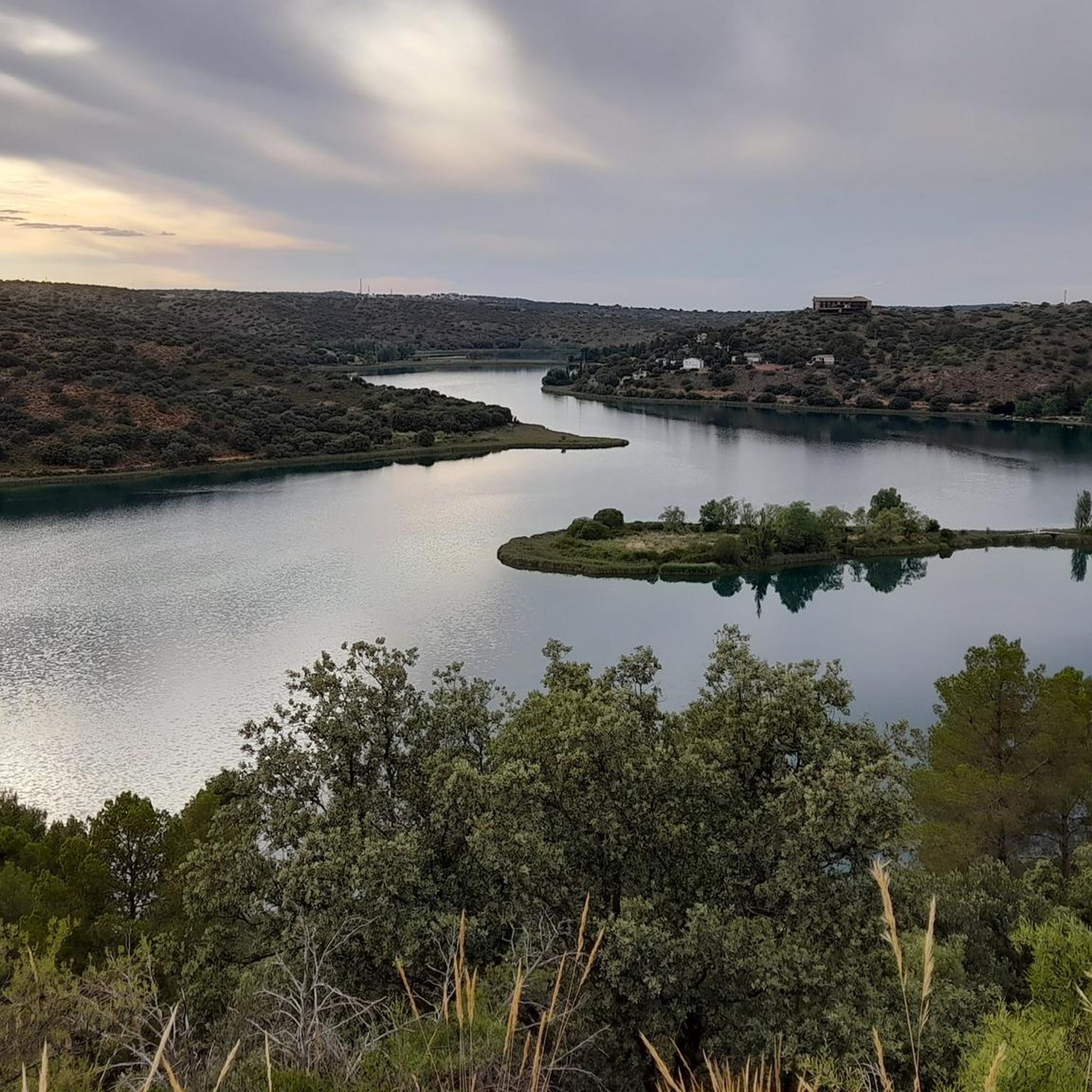
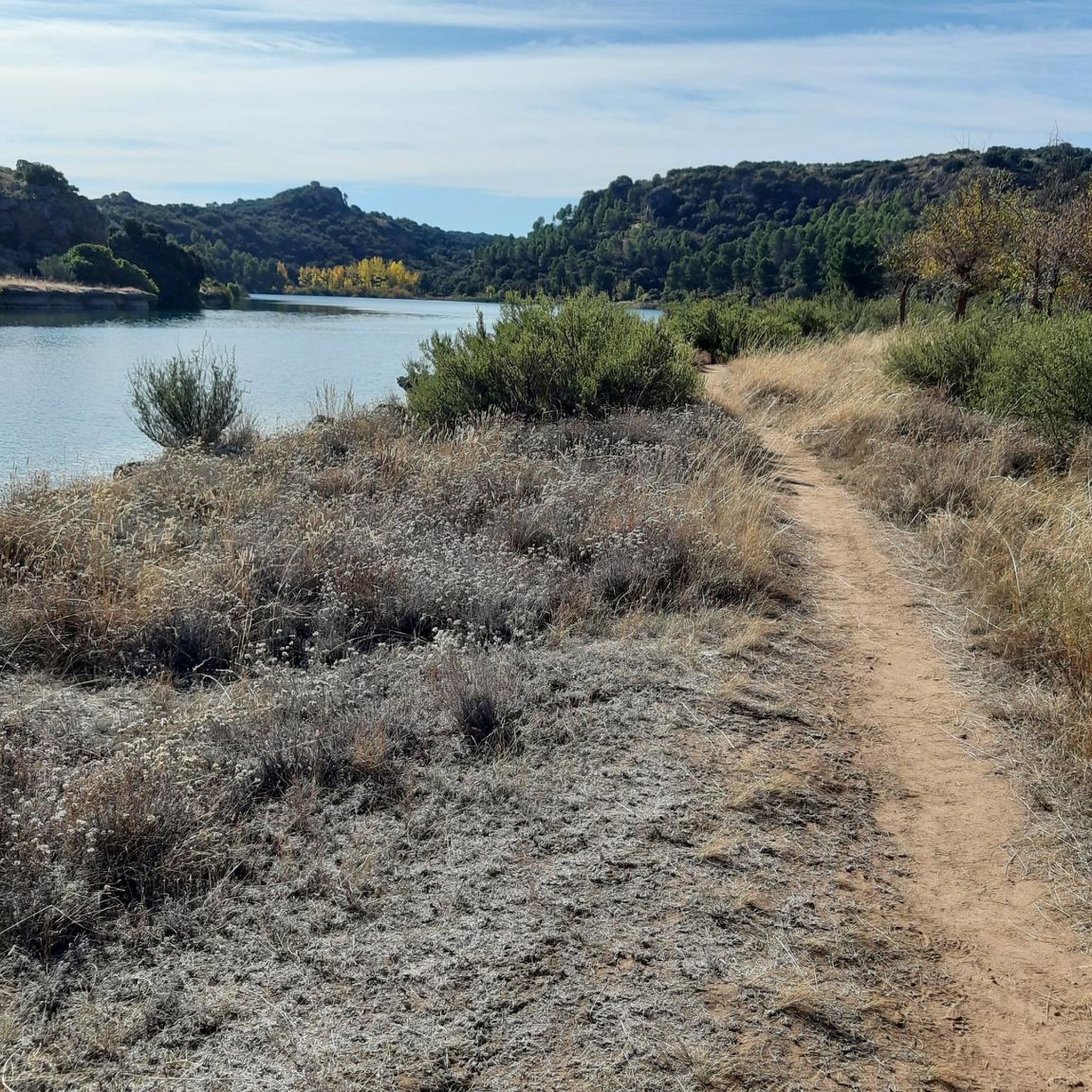
The Ruidera Lakes are one of the most spectacular natural landscapes in Castilla-La Mancha, located between Ciudad Real and Albacete, and form part of the Ruidera Lakes Natural Park. A group of 15 stepped lakes connected by waterfalls and streams, stretching for 25 km in the Upper Guadiana Valley. They are considered the source of the Guadiana River.
4
0
The Ossero Ford is located in the Ruidera Lakes Natural Park, within the municipality of Ossa de Montiel (Albacete), on the border with Villahermosa (Ciudad Real). It is a natural area that forms part of the Ossero Trail, an easy interpretive route (5.3 km one way) that skirts the Tomilla and Conceja lagoons, connecting with the Laguna Blanca.
8
0
The Batana Lagoon Viewpoint is one of the most highly recommended spots within the Ruidera Lakes Natural Park. It's located in the municipality of Ossa de Montiel (Albacete), in the area where Batana Lagoon flows into the Colgada Lagoon, forming natural waterfalls. Surrounded by pine trees and open spaces, it's a perfect place to relax and admire the scenery.
5
0

One of the most beautiful lagoons of all those that are part of the Lagunas de Ruidera area
2
0
Laguna Lengua is one of the lagoons that make up the Lagunas de Ruidera Natural Park, located in the provinces of Ciudad Real and Albacete, although it is located in the latter province, specifically in Ossa de Montial. This lagoon is the one that surprises the visitor the most, it is like a great language as its name reflects.
1
0
Laguna de Batanas is a picturesque place located in the Lagunas de Ruidera Natural Park, near the town of Ruidera in Albacete, Spain. This circular hiking route covers approximately 7.9 kilometers and is generally considered moderate in difficulty. On average, it takes around 1 hour and 56 minutes to complete. I hope you enjoy your adventure in nature! 🌿🏞️
2
0
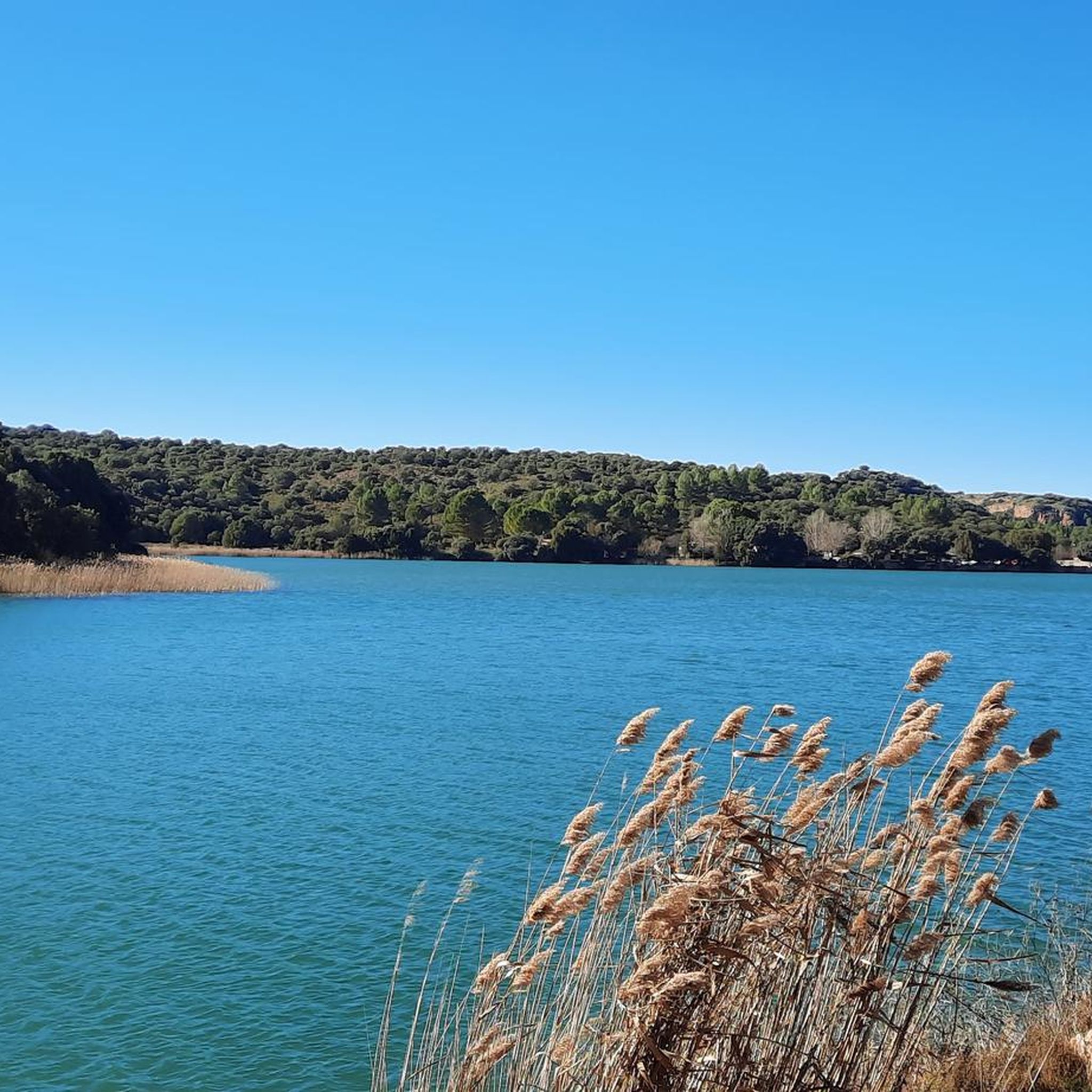
The Hanging Lagoon, located in the Lagunas de Ruidera Natural Park, is a place of exceptional beauty. This lagoon is the largest of all those found in the park, with an area of 2,400 square meters and a depth of up to 40 meters in its central part. Its waters are crystal clear and clean, and it receives input from the streams of Las Hazadillas and Laguna Batana.
7
0

Very nice lagoon with the rocks.
1
0
Frequently Asked Questions
What natural parks and lakes can I explore in La Mancha?
La Mancha is home to several stunning natural parks. The Lagunas de Ruidera Natural Park is a highlight, featuring a series of interconnected turquoise lakes and waterfalls. Within this park, you can visit specific spots like Lengua Lagoon, known for its distinctive shape, and Batana Lagoon and Pared Tobácea Waterfall. Other notable natural areas include Tablas de Daimiel National Park, Cabañeros National Park, and the unique geological formations of Ciudad Encantada in Cuenca.
Are there historical sites or cities worth visiting in La Mancha?
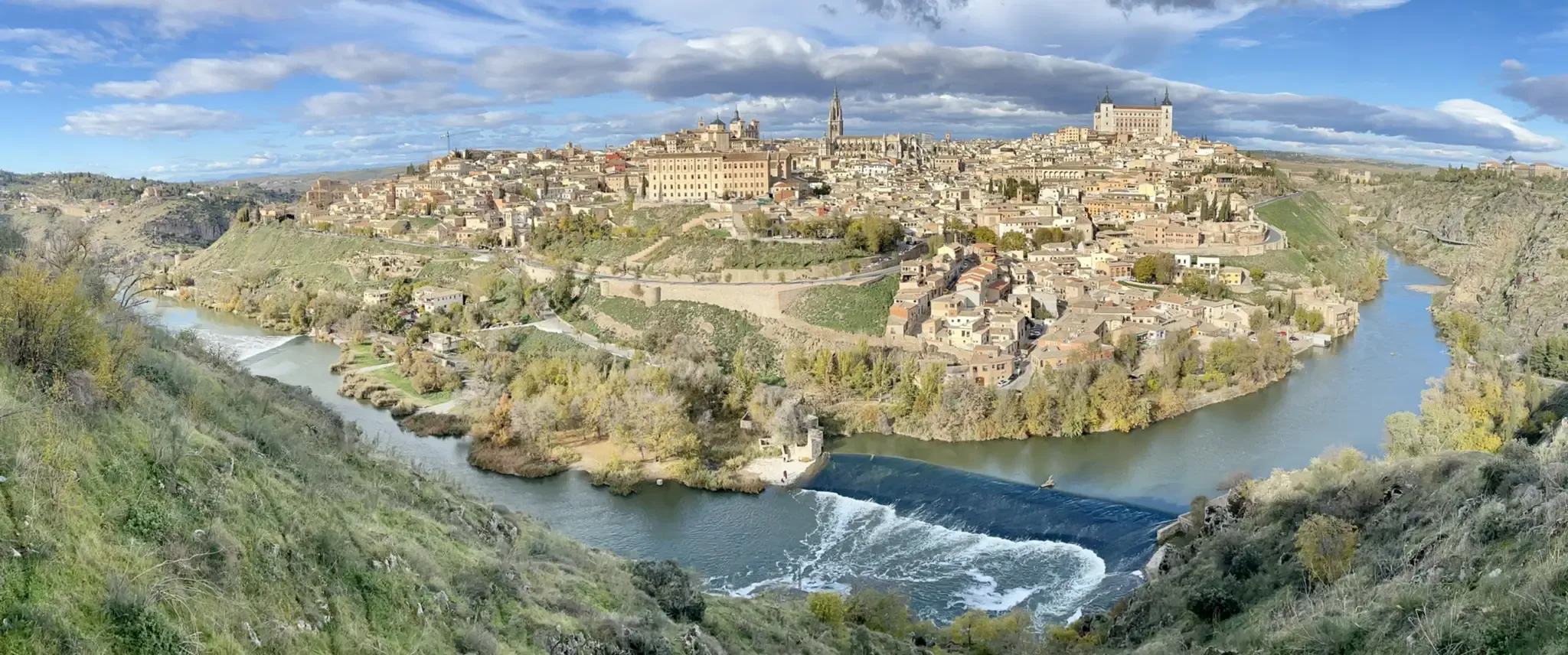
Absolutely. La Mancha is rich in history. Toledo, a UNESCO World Heritage site, is a must-see with its historic coexistence of Christian, Islamic, and Jewish cultures. You can explore the Toledo Cathedral, Alcázar of Toledo, and the Synagogue of Santa María la Blanca. Another historic gem is Cuenca, famous for its 'hanging houses' clinging to the cliffside. The region also boasts numerous medieval castles, such as Castillo de Belmonte and Castillo de Almansa, and the ancient Roman archaeological site of Segóbriga.
Where can I see the famous windmills of La Mancha?
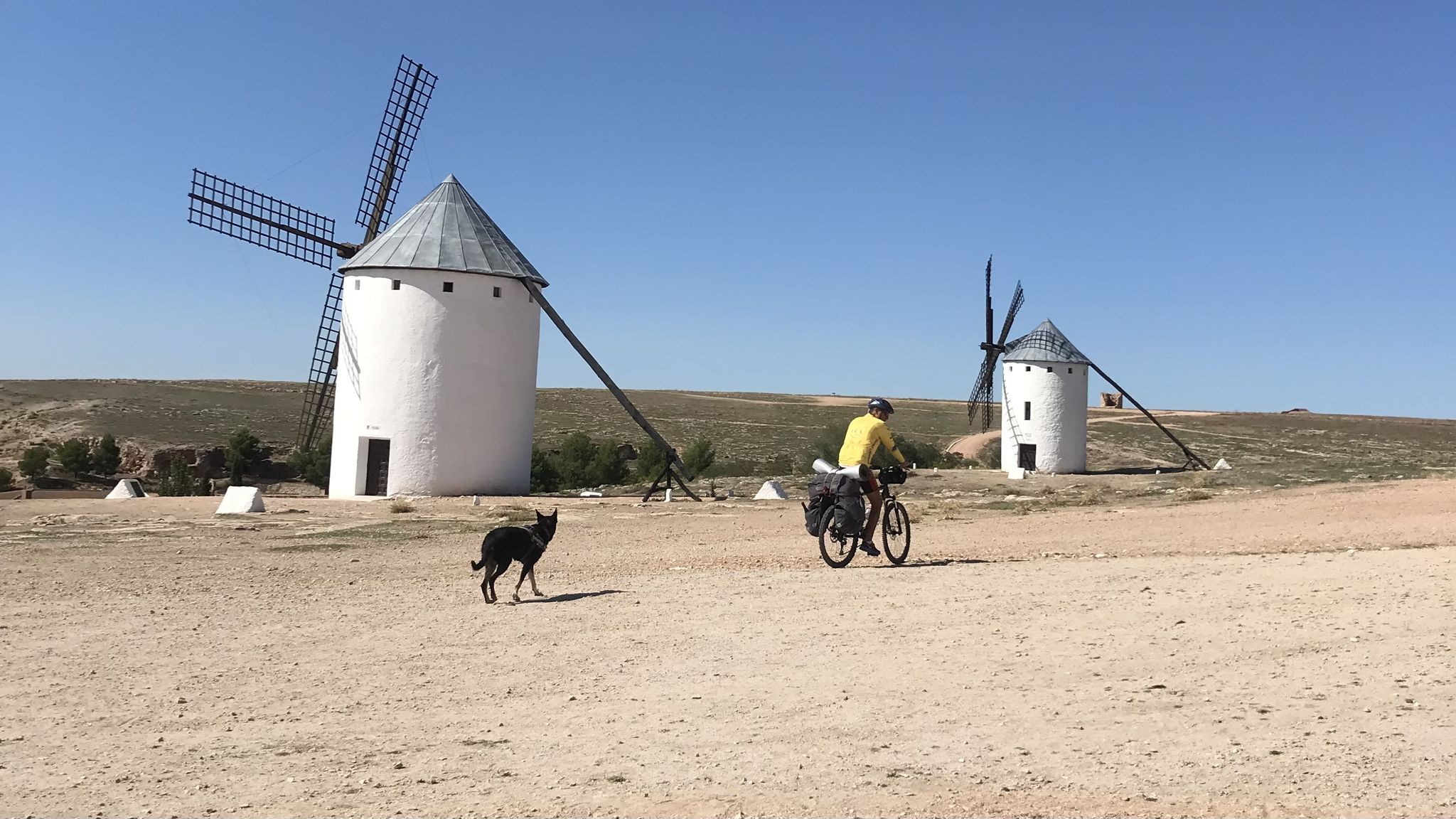
The iconic white windmills, immortalized in *Don Quixote*, are a defining symbol of La Mancha. You can find well-preserved examples in Consuegra and Campo de Criptana. Some of these windmills retain their original 16th-century machinery and are open to the public as museums, offering a glimpse into the region's past.
What kind of outdoor activities can I do near the attractions?
The natural landscapes of La Mancha offer various outdoor activities. Near the Lagunas de Ruidera, you can enjoy hiking and cycling. For instance, there are easy and moderate hiking routes like the Ruidera High Lagoons Circuit or the Pie Enmedio Trail. Cycling enthusiasts can explore routes such as the Lagunas de Ruidera — circular desde Ossa de Montiel. Many lakes also offer opportunities for swimming and kayaking.
Are there family-friendly attractions in La Mancha?
Yes, many attractions in La Mancha are suitable for families. The natural parks, especially the Lagunas de Ruidera Natural Park, offer easy walks and scenic viewpoints like Batanas Lagoon Waterfall, which are enjoyable for all ages. The historical theme park Puy du Fou España provides spectacular shows and entertainment for the whole family. Exploring the windmills of Consuegra and Campo de Criptana can also be a fun and educational experience for children.
What are some unique cultural experiences in La Mancha?
La Mancha offers unique cultural experiences beyond its historical sites. Visit Almagro to see its well-preserved Plaza Mayor and the Corral de Comedias, the oldest theater in Spain. Explore the El Greco Museum in Toledo, dedicated to the famous painter. The region is also known for its traditional crafts, such as damasquinado (inlaid metalwork) and Toledo swords. Don't miss the chance to visit the La Dulcinea House in El Toboso, linked to Don Quixote's idealized love interest.
Can I visit any castles or fortresses in the region?
La Mancha is dotted with impressive castles and fortresses. Besides the prominent Alcázar of Toledo, you can explore the medieval Castillo de Belmonte, the ruins of Castillo de Calatrava la Nueva, and Castillo de Almansa. The castle of Consuegra, located near the famous windmills, also offers rich history and panoramic views of the La Mancha plains.
What do visitors enjoy most about the natural attractions in La Mancha?
Visitors particularly enjoy the stunning beauty and tranquility of the natural attractions. Many are captivated by the 'indescribably beautiful lagoon landscape' of the Ruidera Lakes, with their 'cheesy turquoise and azure' colors. The opportunity to cool off in crystal-clear springs, like the Spring of the Lagunas de Ruidera, is also highly appreciated. The diverse flora and fauna, especially birdwatching in places like Tablas de Daimiel National Park, are also popular.
Are there any hidden gems or less-known places to discover?
Beyond the main highlights, La Mancha holds several hidden gems. Alarcón is a picturesque village nestled in gorges, featuring an ancient church and an impenetrable fortress. The Uclés Monastery is an architectural marvel often overlooked. For a unique natural experience, explore the Campo de Calatrava Volcanic Region, showcasing landscapes formed by ancient eruptions. The town of Tembleque also boasts a distinctive Plaza Mayor, a classic example of a 'Plaza Manchega'.
What kind of wildlife can I expect to see in La Mancha's natural parks?
La Mancha's natural parks are havens for diverse wildlife. In Tablas de Daimiel National Park, a UNESCO Biosphere Reserve, you can observe a wide variety of waterfowl. Cabañeros National Park, one of Europe's largest protected Mediterranean forest areas, is home to deer, wild boar, and various bird species, including imperial eagles. The Barranco del Río Dulce Natural Park is known for golden eagles, griffon vultures, and peregrine falcons.
Can I visit any wine regions or bodegas in La Mancha?
Yes, La Mancha is one of the largest wine-producing regions in the world. Many vineyards and wineries (bodegas) across the region are open for visits, offering tours and tastings. This provides an excellent opportunity to learn about the local winemaking traditions and sample the renowned wines of La Mancha.
What is the best time of year to visit La Mancha for sightseeing and outdoor activities?
The best time to visit La Mancha for sightseeing and outdoor activities is generally during the spring (April to June) and autumn (September to October). During these seasons, the weather is milder and more pleasant for exploring historical cities, natural parks, and enjoying hiking or cycling. Summers can be very hot, especially in July and August, while winters are cooler but still offer opportunities for exploration.
Most popular routes around Mancha
Most popular attractions around Mancha

Get inspired with the komoot mobile app


Didn’t find what you were looking for?
Are you keen on exploring more awesome places nearby? Browse our guides:
Explore more
Still not found the Highlight you’re looking for? See guides of the top attractions in other regions:
