The best walks and hikes in Minorca
4.5
(6104)
37,957
hikers
614
hikes
Hiking in Minorca is characterized by its diverse coastal and inland landscapes, shaped by its status as a UNESCO Biosphere Reserve. The island features the extensive Camí de Cavalls, a 185-kilometer coastal path that encircles the entire island, offering varied terrain from pristine beaches and impressive cliffs to leafy woodlands and rocky zones. Inland, hikers encounter wetlands like S'Albufera des Grau Natural Park, deep ravines, and the island's highest point, Monte Toro, providing panoramic views.
Best hiking trails in Minorca
- The most popular hiking route is Itinerary Sa Gola and calas of s'Albufera — circular Parque Natural de s'Albufera des Grau, an easy 4.6 miles (7.5 km) trail that takes 1 hour 59 minutes to complete. This route explores the wetlands and coves within S'Albufera des Grau Natural Park.
- Another top favourite among local hikers is Camí de Cavalls Trail: Son Saura to Cala en Turqueta, a moderate 5.4 miles (8.6 km) path. This section of the Camí de Cavalls offers coastal views and access to white sand beaches with turquoise waters.
- Local hikers also love the Mirador Pont d'en Gil and Far Punta Nati — circular from Ciutadella, a 10.8 miles (17.4 km) trail leading through coastal cliffs and past the Pont d'En Gil sea arch, often completed in about 4 hours 31 minutes.
- Hiking in Minorca is defined by its extensive coastal paths, deep ravines, and the island's highest point, Monte Toro. The network offers options for different ability levels, from easy strolls to more challenging treks.
- The routes in Minorca are highly rated by the komoot community with an average score of 4.5 stars from over 5,600 reviews. More than 35,000 hikers have used komoot to explore Minorca's varied terrain.
Last updated: June 24, 2026
4.7
(77)
402
hikers
Easy hike. Great for any fitness level. Easily-accessible paths. Suitable for all skill levels.
4.8
(45)
277
hikers
8.63km
02:16
70m
70m
Hike the Camí de Cavalls from Son Saura to Cala en Turqueta, a 5.4-mile route past pristine beaches and turquoise waters.

Sign up for free
4.6
(47)
180
hikers
17.4km
04:32
120m
120m
Moderate hike. Good fitness required. Easily-accessible paths. Suitable for all skill levels.
4.7
(11)
59
hikers
6.48km
01:40
30m
30m
Explore the charming village of Binibèquer Vell and its beautiful coves on this easy 4.0-mile (6.5 km) hike along Menorca's south coast.
4.0
(6)
27
hikers
13.0km
03:31
170m
170m
Hike the moderate 8.1-mile (13.0 km) Torre de Sa Nitja and Binimel-là and Cavalleria beaches trail, exploring ancient sites and stunning coa
Get access to more routes and recommendations from other explorers.
Sign up for free
Already have an account?
Our route recommendations are based on thousands of hikes, rides, and runs completed by other people on komoot.
Start today with a free account
Your next adventure awaits.
Login or Signup
Popular around Minorca
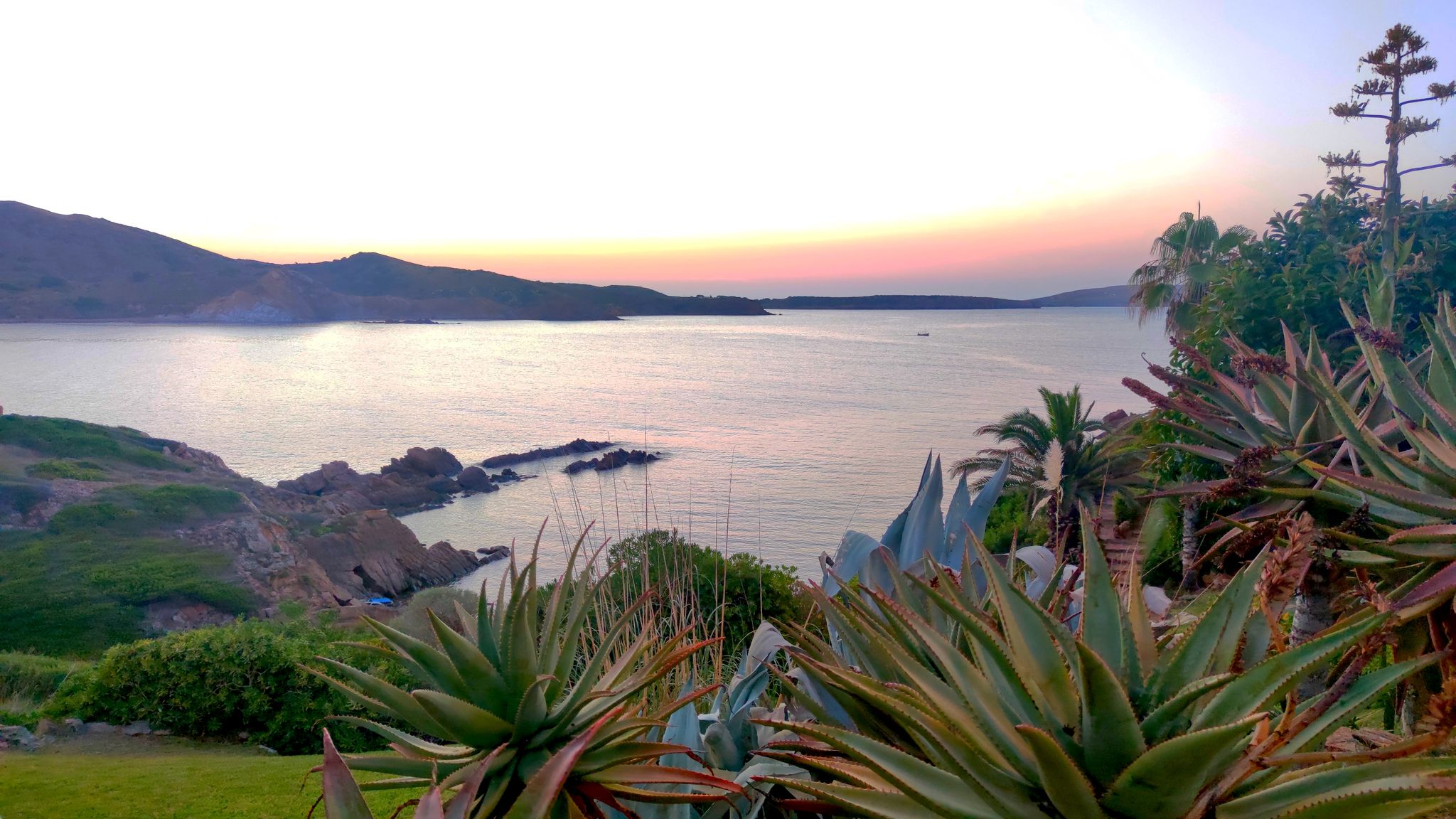
Menorca's turquoise waters and red rocks — Camí de Cavalls (GR223)
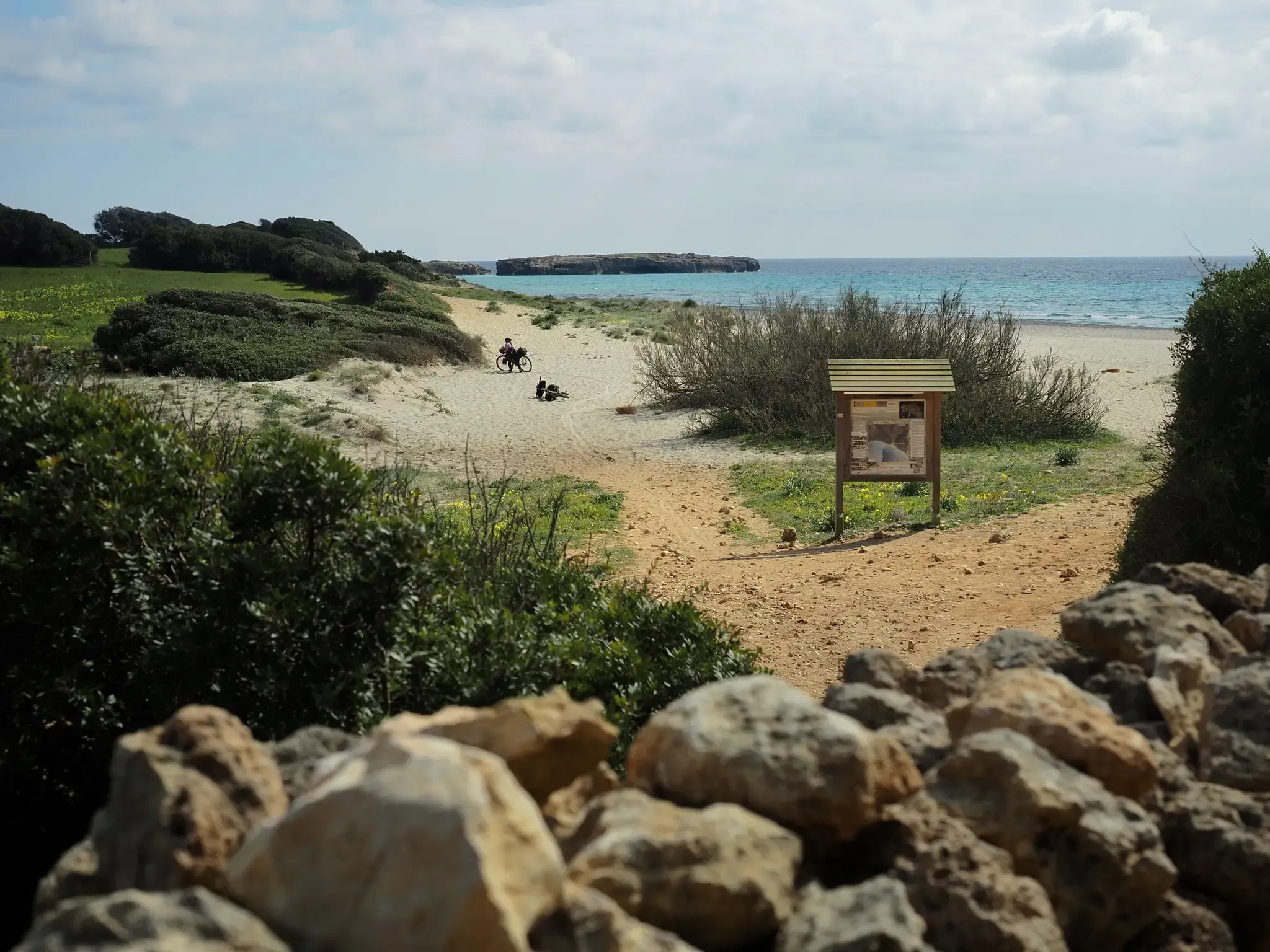
MTB adventure in Menorca – Camí de Cavalls (GR 223)
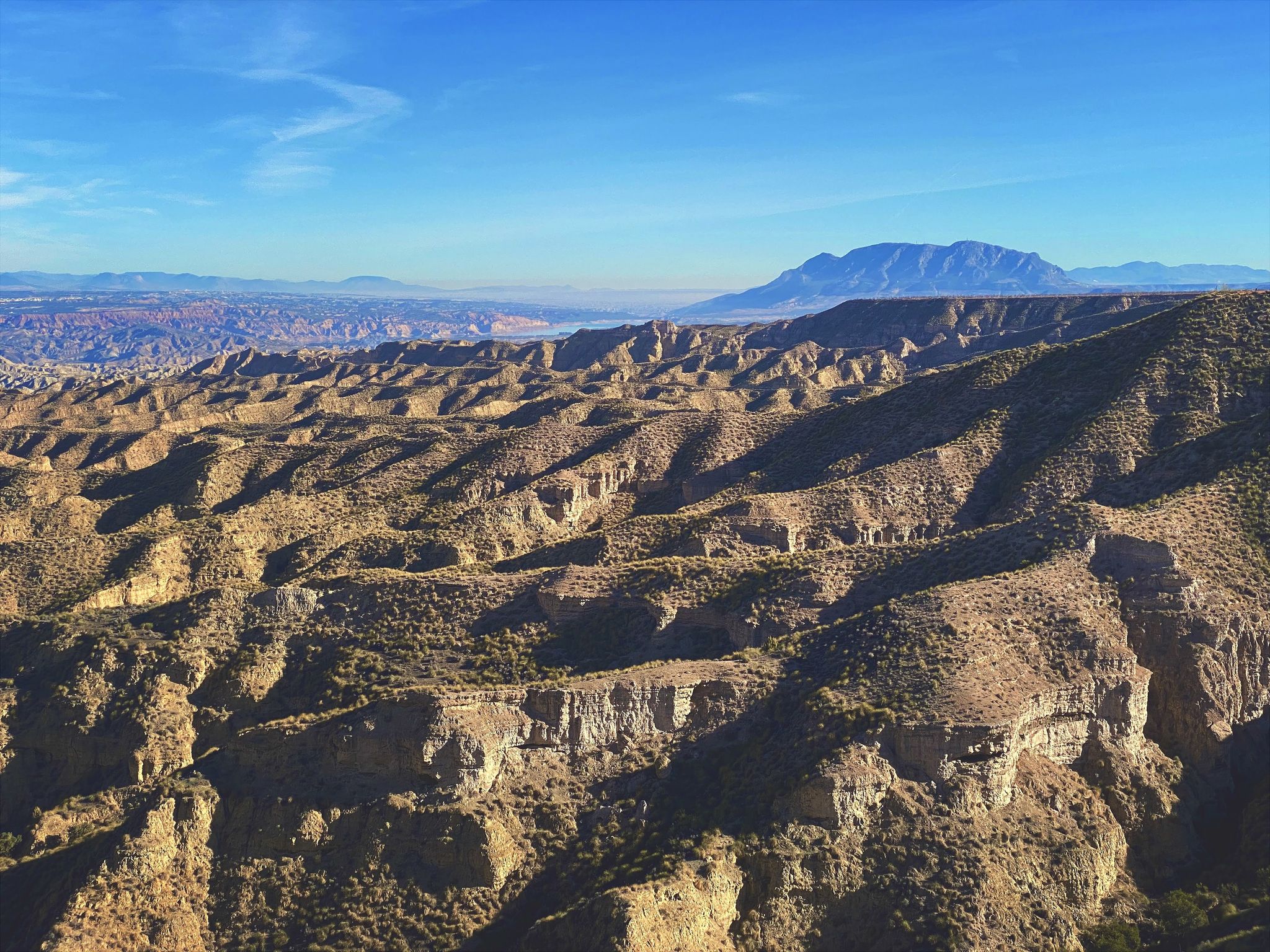
Discover Spain by gravel — a selection of must-see routes
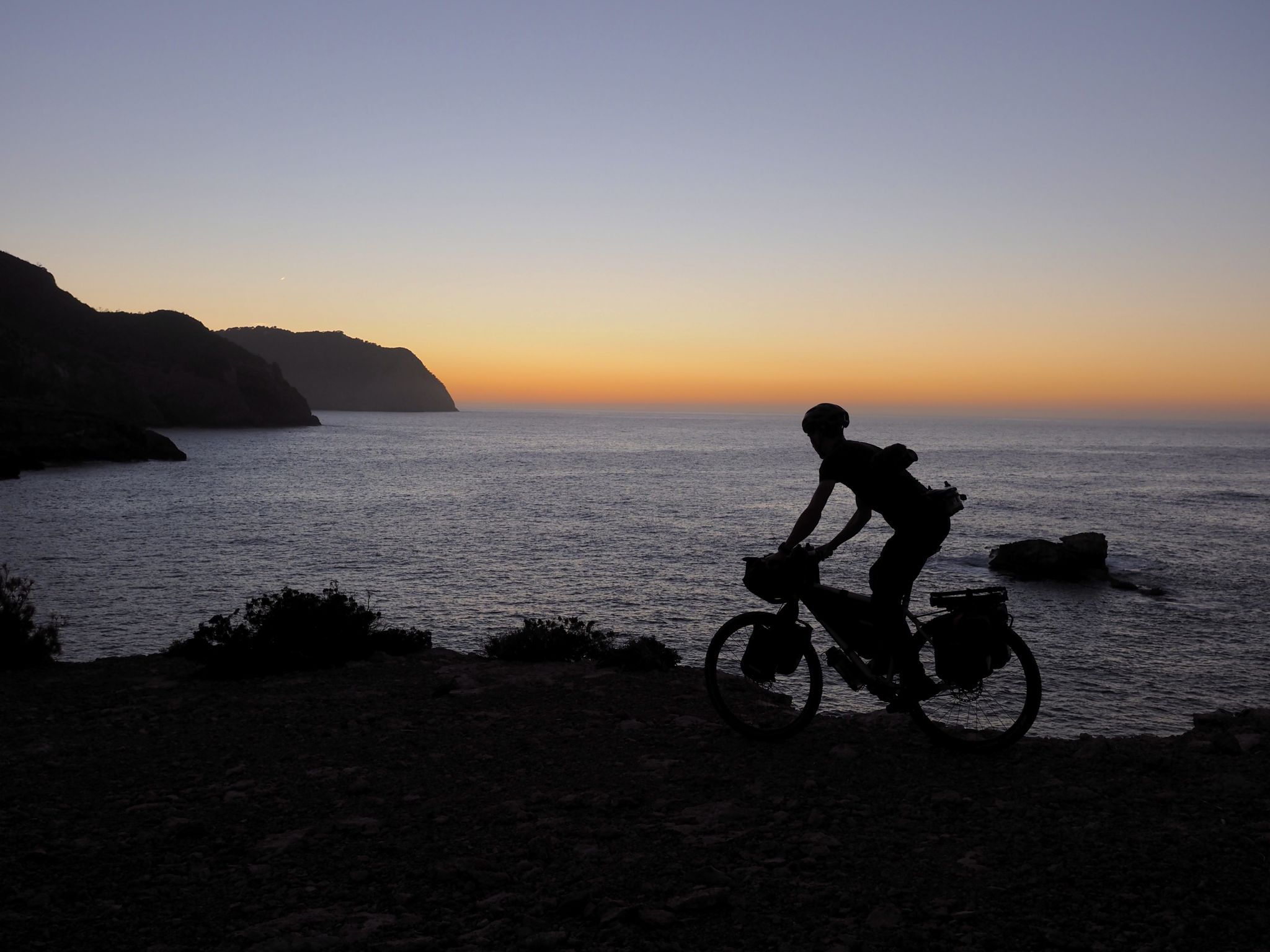
Island hopping in the Spanish Balearic Islands — the TransBaleares
MTB Trails in Minorca
Cycling in Minorca
Running Trails in Minorca
Road Cycling Routes in Minorca

Gravel biking in Minorca
Other adventures in Minorca


Tips from the Community

Located between Punta Binibeca and Cala Torret, near the unique urbanization of Biniceca or Binibéquer, this beach originates from a large, U-shaped cove surrounded by low rocky areas. It is characterized by fine white sand, a small dune system and vegetation that occupies the rear part, calm and crystalline water, and a high influx of local bathers and tourists. It is exposed to the winds of the east - south/east.
0
0
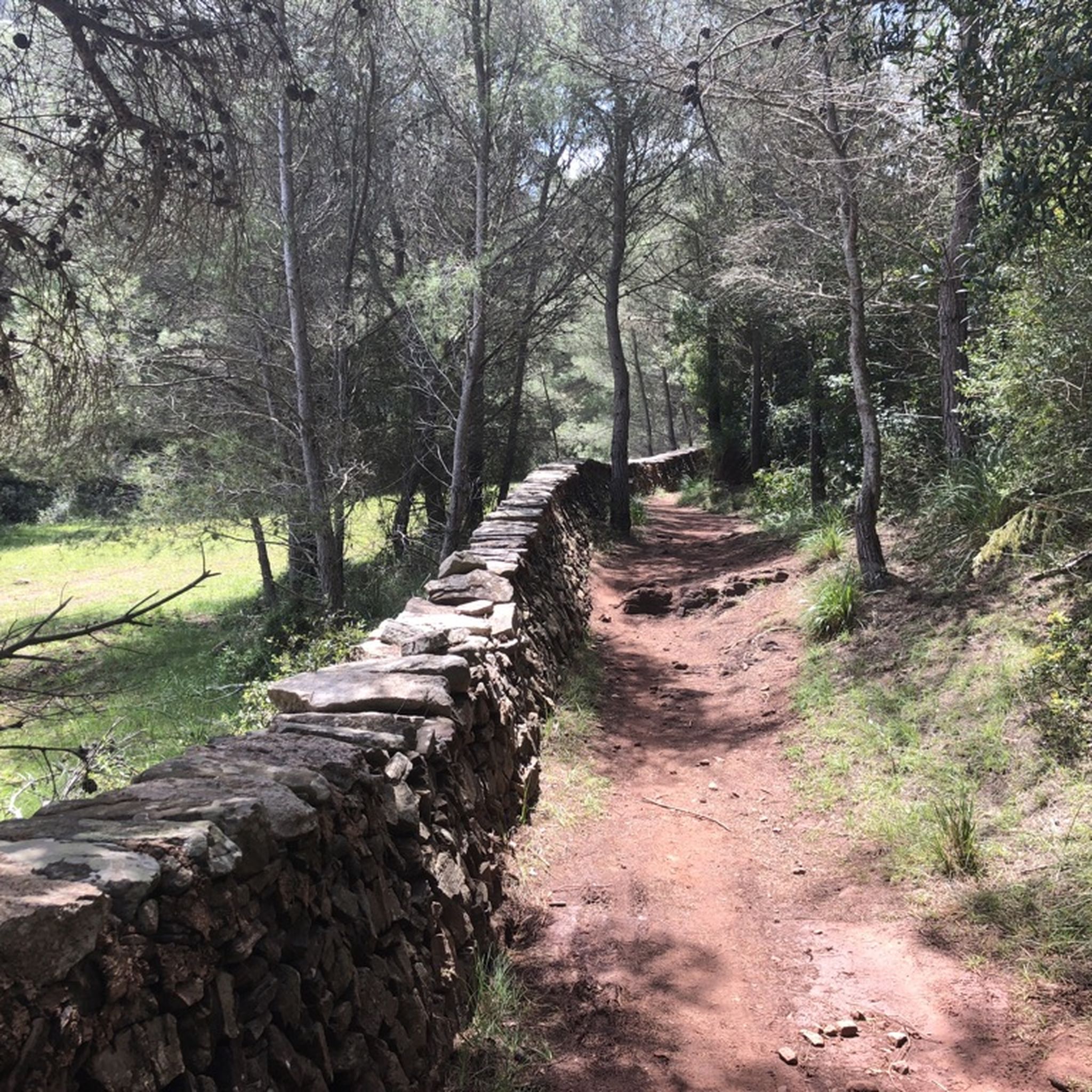
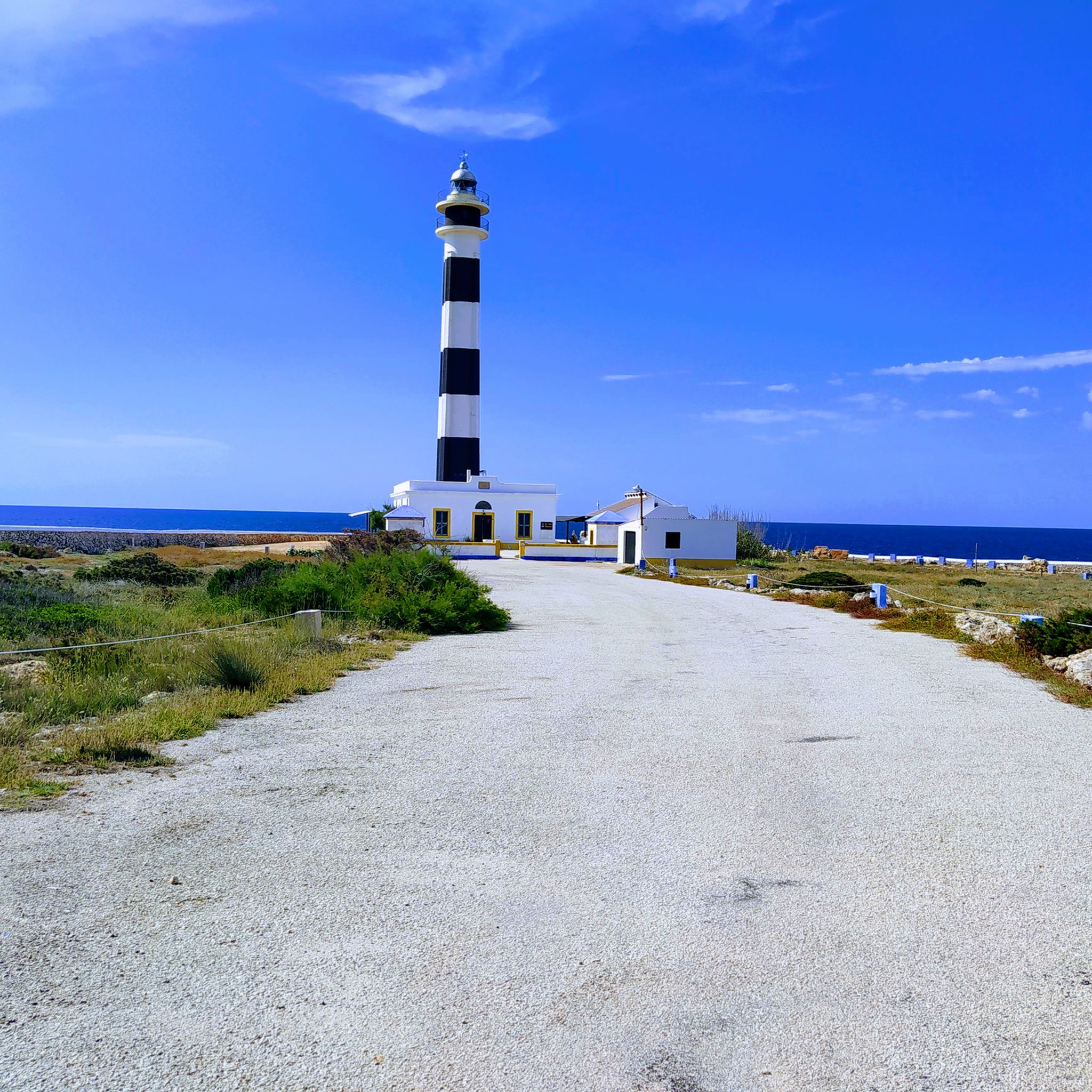
To the northwest of the island and just 6 kilometres by car from Ciutadella, you will come to the Punta Nati lighthouse, built in the middle of an arid, enveloping and almost magical place. In this island full of contrasts that is Menorca, Punta Nati is another exceptional attraction. It can be reached by a narrow road with a cycle path flanked on both sides by stone walls, called "paret seca" (dry wall) by the island's inhabitants. It is a recommended visit for all history lovers, for those who want to admire nature in its purest state, for people looking for a quiet place or for those who long for a unique refuge from where they can watch the sunset. Approaching the Punta Nati lighthouse at night to admire the stars is another activity not to be missed. Punta Nati, with the island of Mallorca on the horizon, is one of the most affected extremes of the coast due to the constant sea currents, the influence of the north winds and the formation of impressive "Bufadors": incredible waves that during stormy days, infiltrate between the cavities of the rocks of the cliff and that, pushed upwards, jump out of the ground near the lighthouse, taking the form of incredible columns of water. The continuous shipwrecks that occurred at the beginning of the 20th century, in particular that of the French steamship Général Chanzy, were the main reason for its construction in 1912. The lighthouse was inaugurated on September 1, 1913, and is still there, with its fenced perimeter, its 11.5 meters of height, and its flashing light distinguishable from 26 miles away. The landscape that surrounds Punta Nati is arid, has very little vegetation and the flat relief of the land ends in an impervious cliff. The particular characteristics of the dry wall outline numerous accesses and paths in the area, among which it is possible to glimpse stone houses where livestock were usually sheltered in case of bad weather.
2
0


You only have to walk 500 meters if you want to get to the back area. The beach itself starts right at the parking lot.
1
0

Admission is currently 7.20 euros in conjunction with the convent. We highly recommend visiting both sights.
3
0
Frequently Asked Questions
How many hiking trails are there in Minorca?
Minorca offers a wide variety of hiking experiences, with over 600 routes available on komoot. These trails cater to all levels, from easy strolls to more challenging treks, allowing you to explore the island's diverse landscapes.
What is the best time of year to go hiking in Minorca?
The ideal time for hiking in Minorca is during spring (April-May) and autumn (September-October) when the weather is mild and pleasant. Summer months can be hot, but are perfect for combining hikes with refreshing swims in the island's numerous coves and beaches. Winter offers cooler temperatures, suitable for longer treks, though some services might be limited.
Are there family-friendly hiking options in Minorca?
Yes, Minorca has many easy routes suitable for families. For instance, the Itinerary Sa Gola and calas of s'Albufera — circular Parque Natural de s'Albufera des Grau is an easy 4.6-mile (7.5 km) trail that explores wetlands and coves within S'Albufera des Grau Natural Park, offering a gentle and engaging experience for all ages.
Can I bring my dog on hiking trails in Minorca?
Many trails in Minorca, especially sections of the Camí de Cavalls and paths in natural areas, are dog-friendly. However, it's always advisable to check local regulations for specific areas, especially within protected natural parks like S'Albufera des Grau, and to keep dogs on a leash to protect local wildlife and livestock.
What kind of terrain can I expect on Minorca's hiking trails?
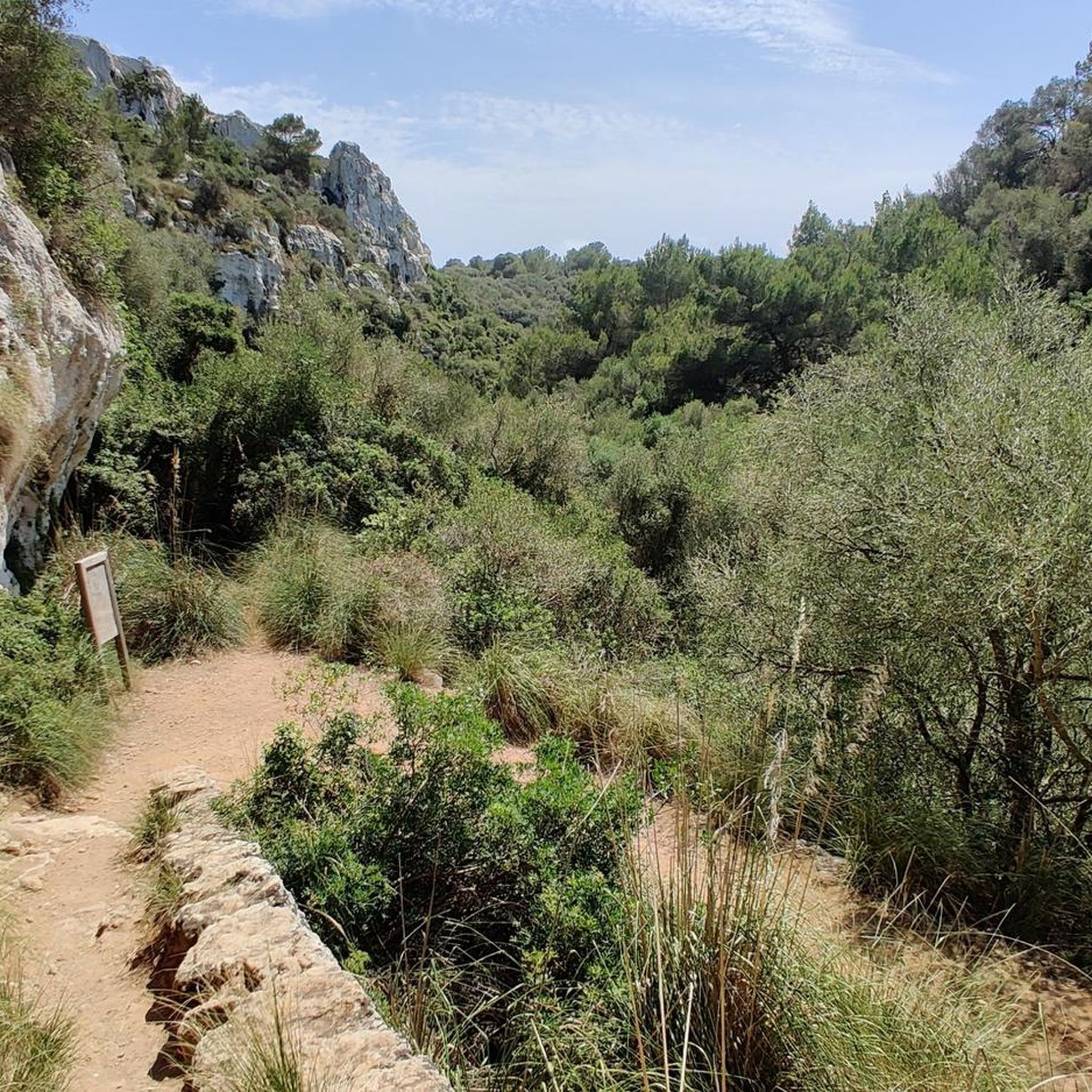
Minorca's hiking terrain is incredibly varied. You'll encounter everything from the sandy paths and rocky sections of the coastal Camí de Cavalls, to lush, shaded trails within deep ravines like Barranc d'Algendar, and the more open, agricultural landscapes of the island's interior. The north coast is generally more rugged, while the south features softer white sands.
Are there circular hiking routes in Minorca?
Yes, Minorca offers several excellent circular hiking routes. An example is the Mirador Pont d'en Gil and Far Punta Nati — circular from Ciutadella, a moderate 10.8-mile (17.4 km) trail that takes you through coastal cliffs and past the impressive Pont d'En Gil sea arch.
What natural features and landmarks can I see while hiking in Minorca?
Hiking in Minorca allows you to discover a wealth of natural beauty and historical sites. Along the trails, you can find pristine beaches like Macarella Cove and Cala Turqueta, dramatic cliffs, ancient watchtowers, and lighthouses such as Cap Favàritx and Punta Nati. The S'Albufera des Grau Natural Park is a highlight for birdwatching and diverse ecosystems.
Are there opportunities for wild swimming during hikes?
Absolutely! The Camí de Cavalls, in particular, provides access to over 50 coves and beaches, many of which are otherwise inaccessible. This makes it perfect for combining your hike with refreshing dips in the turquoise waters of places like Cala Macarelleta or Son Saura.
What do other hikers enjoy most about hiking in Minorca?
The hiking routes in Minorca are highly rated by the komoot community, with an average score of 4.5 stars from over 5,600 reviews. Hikers frequently praise the island's diverse coastal scenery, the accessibility to secluded beaches for swimming, and the well-preserved natural environment that makes it a UNESCO Biosphere Reserve.
Is public transport available to reach hiking trailheads?
Public transport options exist to reach some of Minorca's hiking trailheads, particularly those near larger towns or popular beaches. However, for more remote sections of the Camí de Cavalls or inland trails, a car might be necessary. It's advisable to check local bus schedules, especially during off-peak seasons, as services can be less frequent.
Are there any easy, short hikes for beginners?
Yes, Minorca offers several easy and relatively short hikes perfect for beginners. The Horse Trail: Binibèquer Vell is an easy 4-mile (6.5 km) route that provides a gentle introduction to the island's landscapes, often completed in under 2 hours.
Can I find accommodation or cafes along the hiking trails?
While the Camí de Cavalls connects many towns and villages where you can find accommodation and cafes, some sections, especially on the wilder north coast, are quite remote. It's recommended to plan your stages in advance and carry sufficient water and snacks, particularly if you're venturing into less populated areas. Many popular coves also have beach bars during peak season.
Most popular routes in Minorca
Most popular attractions in Minorca

Get inspired with the komoot mobile app


Explore more
Browse the best Hikes in other regions.
