Attractions and Places To See around Molenlanden - Top 20
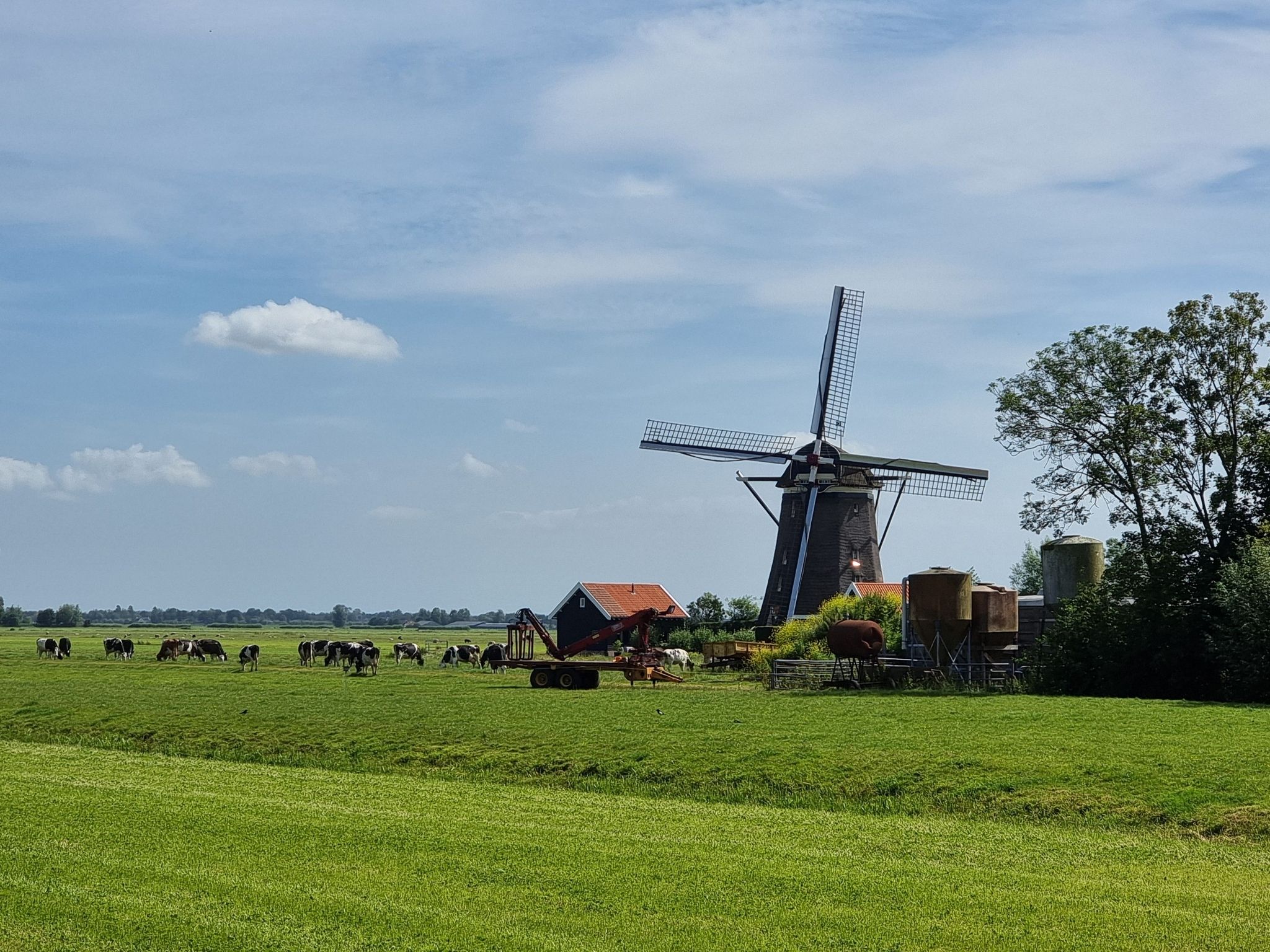
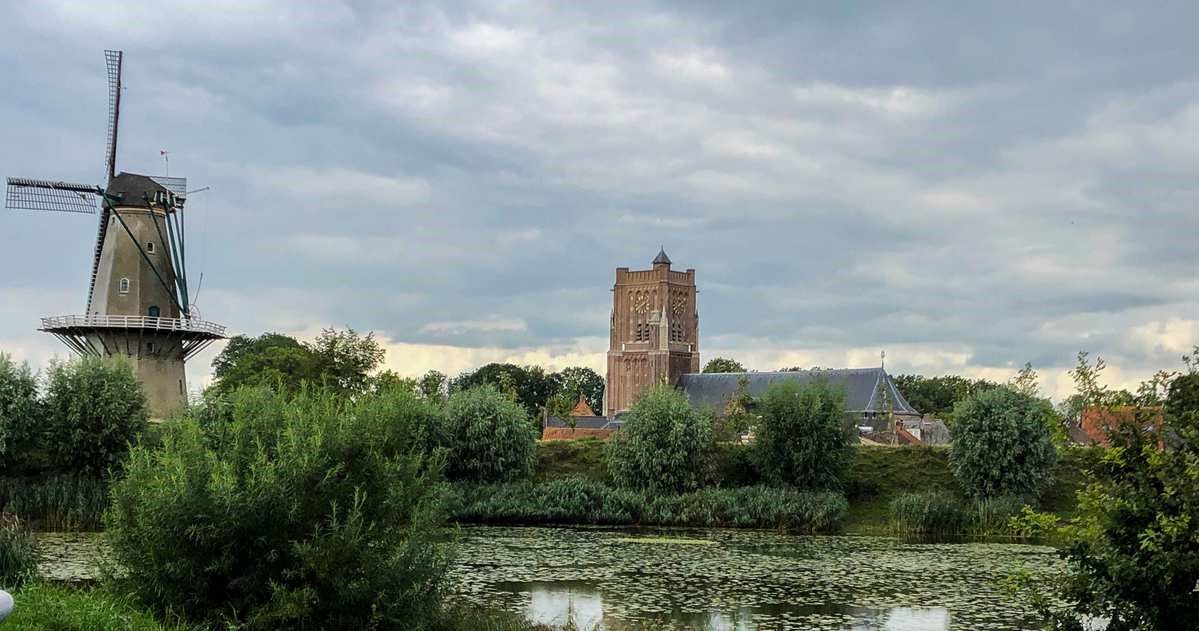
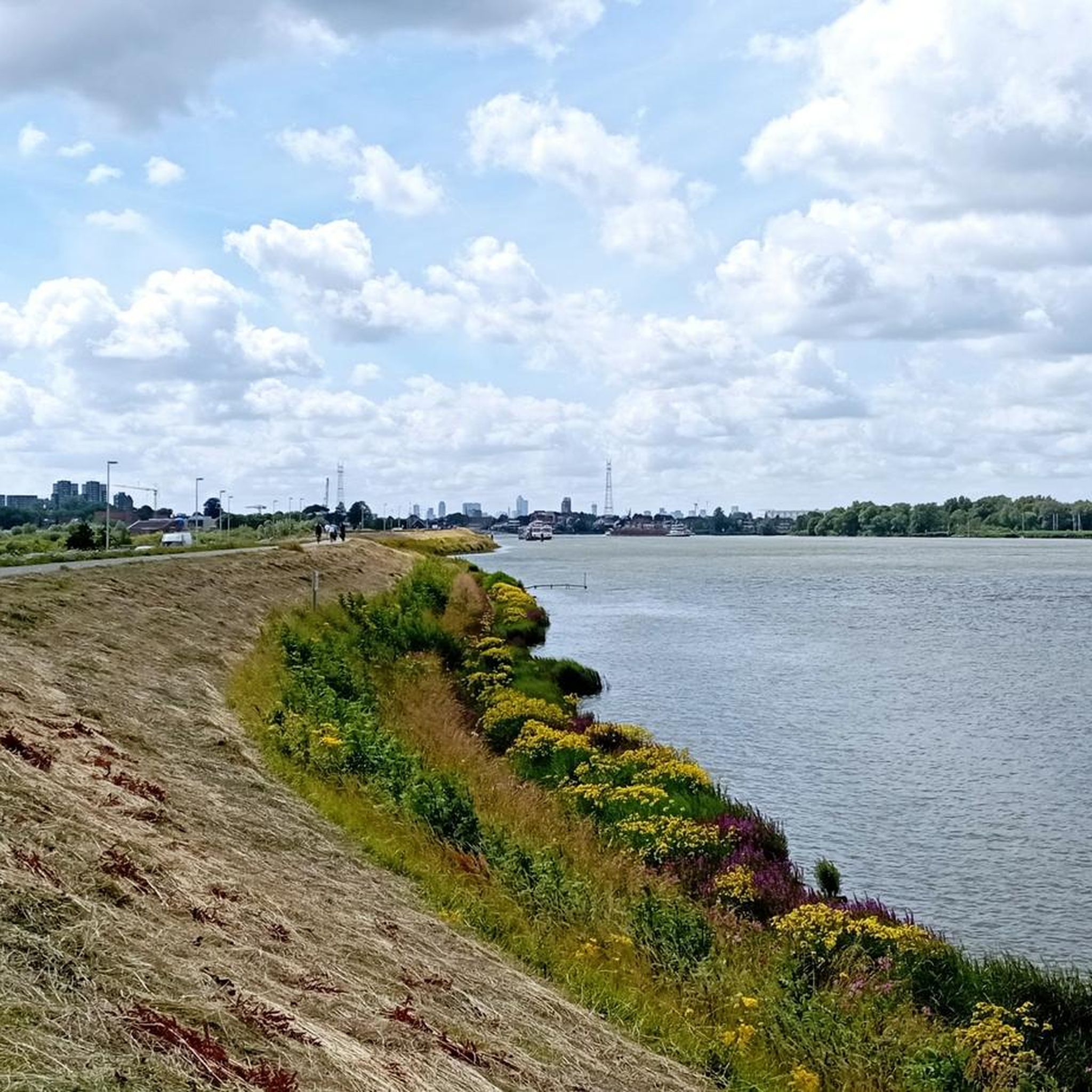
Best attractions and places to see around Molenlanden include a landscape characterized by historic windmills, polders, and waterways. This municipality in the Dutch province of South Holland offers a blend of cultural sites and natural beauty. The region is known for its water management systems and opportunities for outdoor recreation. Visitors can explore various villages and settlements, each providing insights into local Dutch culture and history.
Best attractions and places to see around Molenlanden
- The most popular attractions is Kinderdijk…
Last updated: June 23, 2026
Erasmus Bridge, Rotterdam
Highlight • Bridge
Translated by Google •
Tip by

Kinderdijk Windmills
Highlight • Monument
Translated by Google •
Tip by

Sign up now to discover places like this
Get recommendations on the best single tracks, peaks, & plenty of other exciting outdoor places.
Sign up for free
De Biesbosch National Park
Highlight • Natural
Translated by Google •
Tip by

New Merwede Ferry (Kop van 't Land – Werkendam)
Highlight • Rest Area
Translated by Google •
Tip by

Willems Bridge
Highlight • Bridge
Translated by Google •
Tip by

Sign up for free to discover even more attractions around Molenlanden.
Sign up for free
Already have an account?
Start today with a free account
Your next adventure awaits.
Login or Signup
Popular around Molenlanden
Pilgrim Trail (LAW 7-1) - Through idyllic villages and vast polders
Floris V-pad long-distance hike – Dutch History on LAW 1-3
Amsterdam to 's-Hertogenbosch – Pilgrims’ Path part 1
Road Cycling Routes around Molenlanden
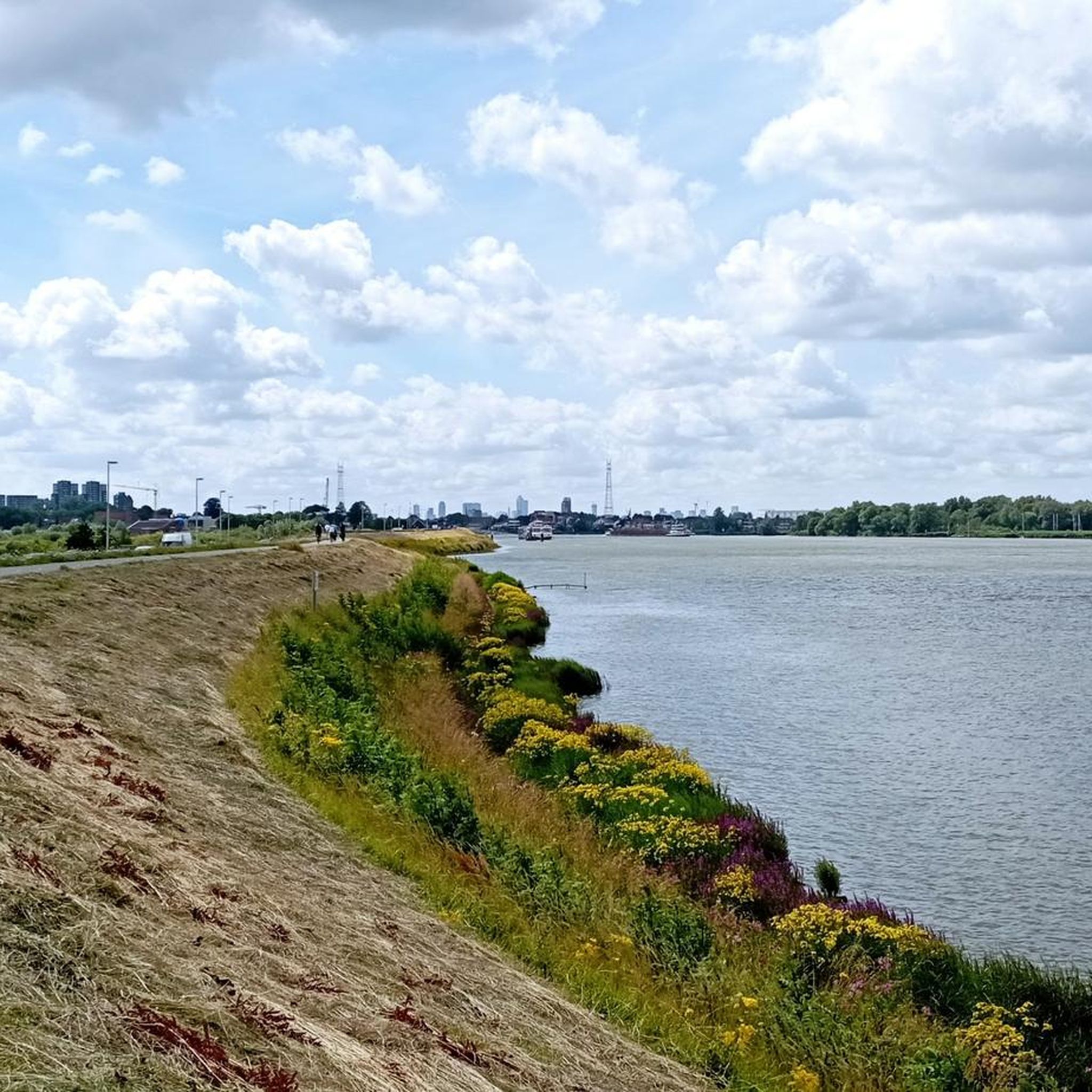
Cycling around Molenlanden
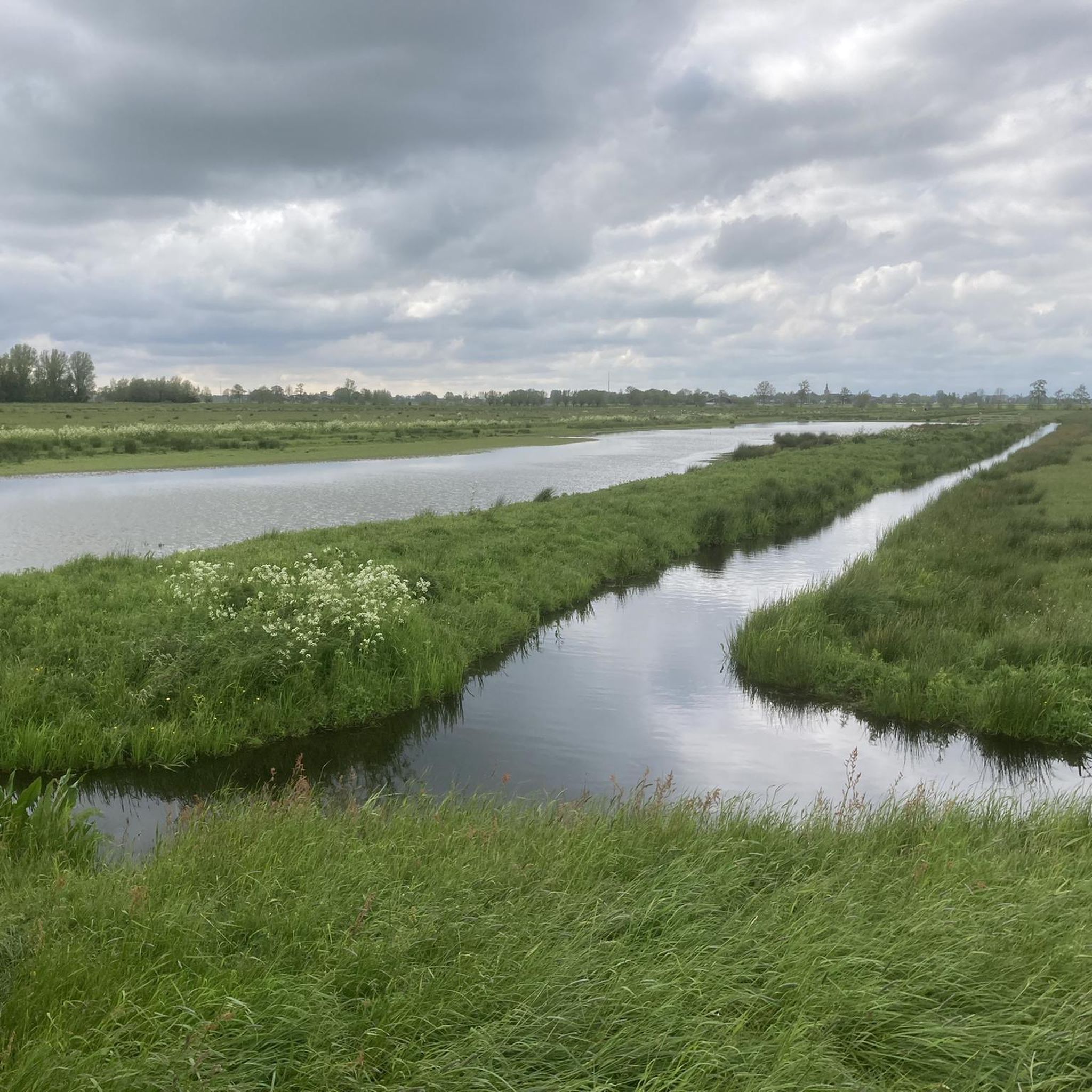
Hiking around Molenlanden
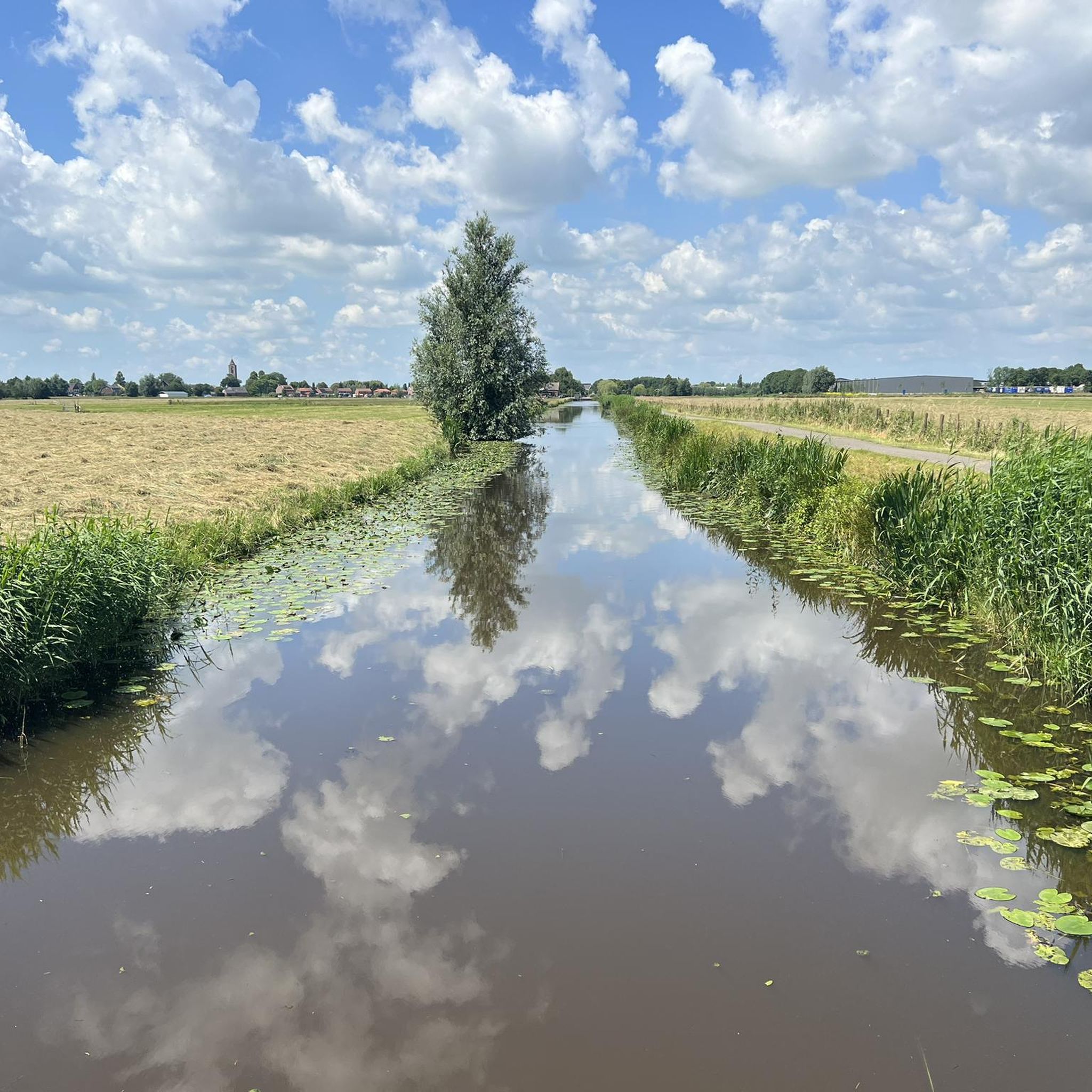
Running Trails around Molenlanden
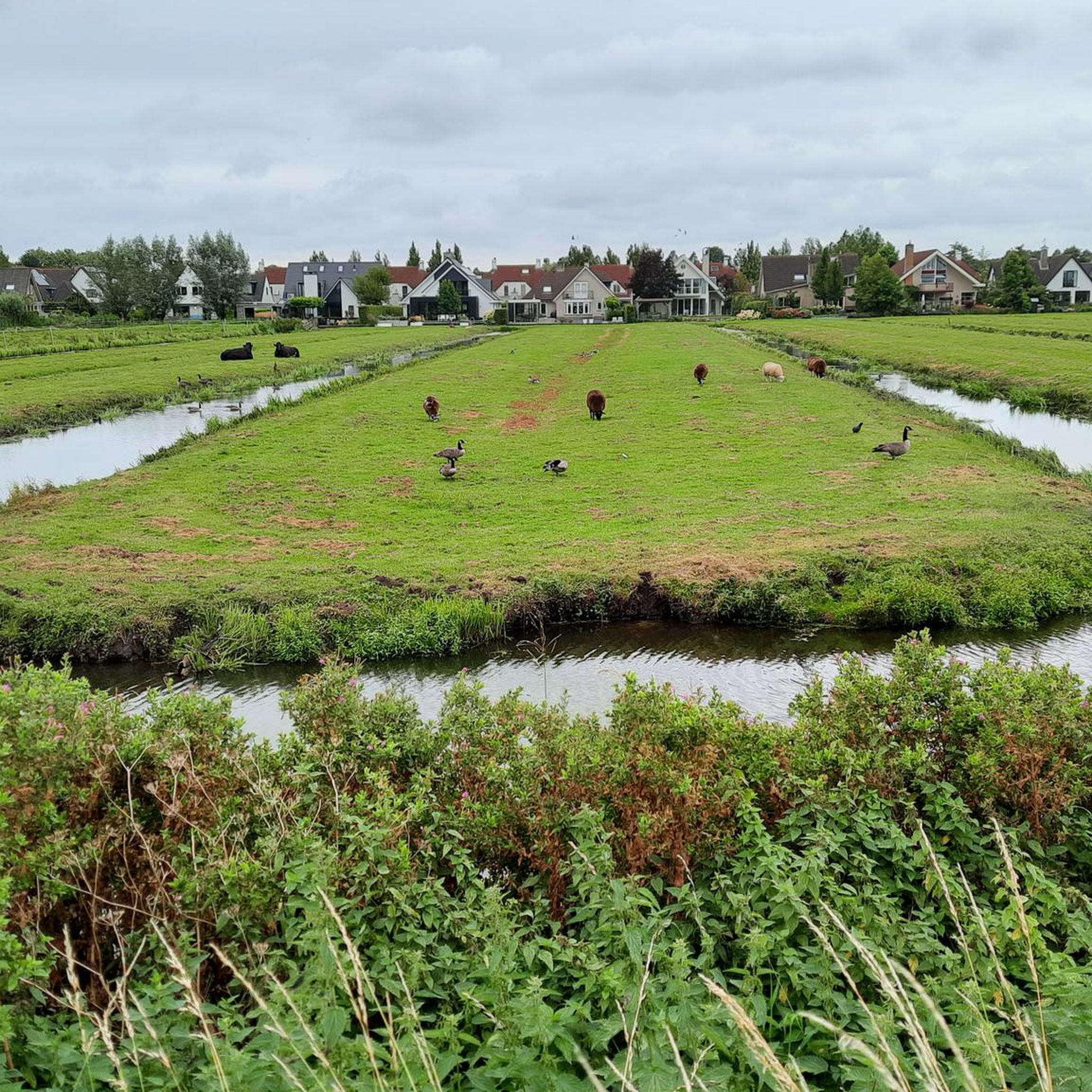
MTB Trails around Molenlanden
Other adventures around Molenlanden


Tips from the Community

Anyone visiting South Holland cannot miss a visit to the windmills of Kinderdijk. Admission to the site is free, but the tour of the windmills is not. You can also see all the sights in one go by purchasing a combination ticket. This also includes a boat trip along the canals. Unlike the windmills of Zannse Schans, the windmills of Kinderdijk have retained their authenticity. They don't appear kitschy or tourist-oriented at all, and they aren't overcrowded. However, you're almost never completely without tourists. A visit in the late afternoon is recommended, as most of the crowds are over by then. Incidentally, there are now a limited number of parking spaces in front of the entrance. The cost is just under €10 per day! There is also a shuttle bus to the nearest village, which costs the same amount, including the parking fee.
5
0

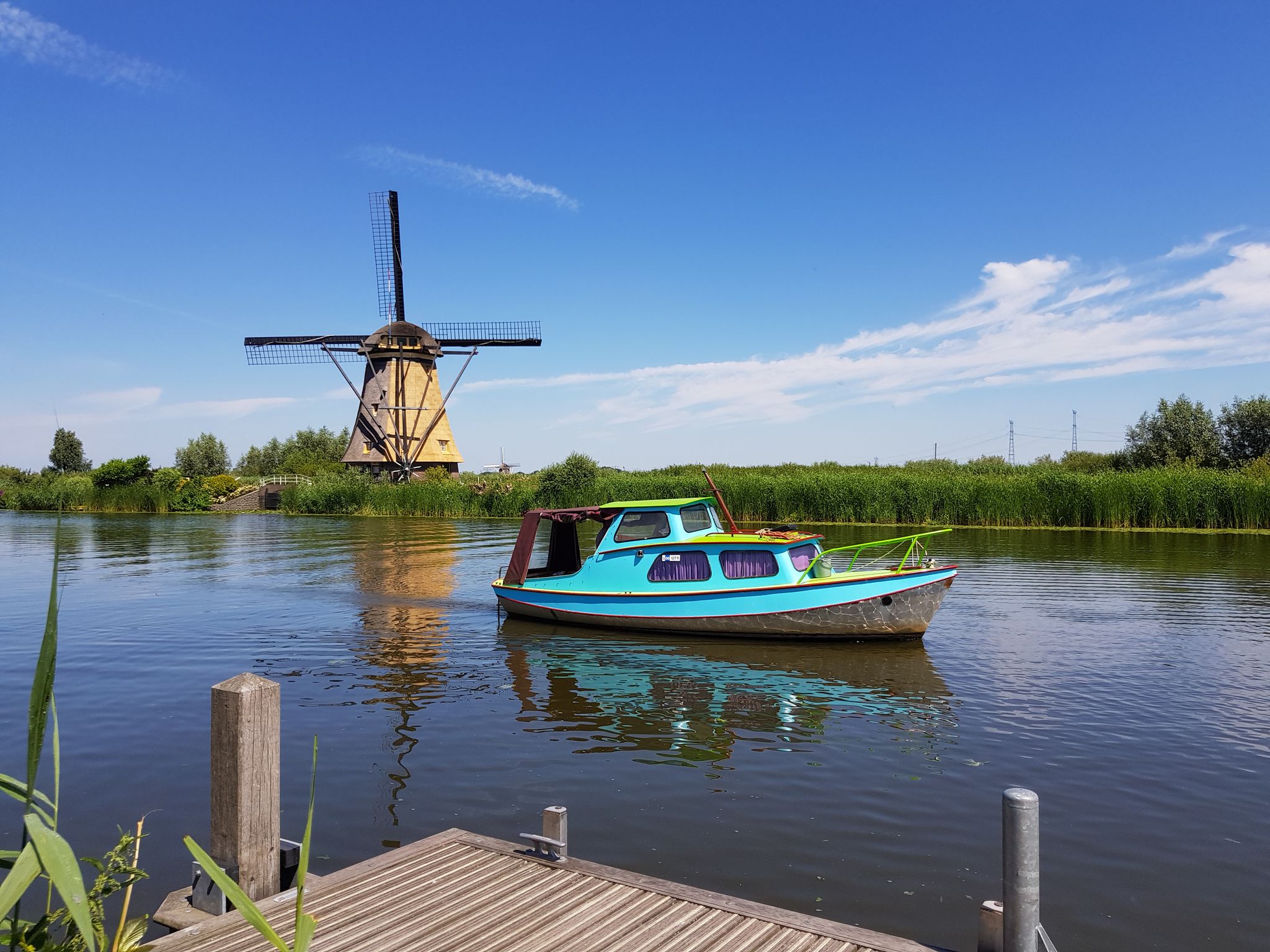
Kinderdijk is a village in the Dutch province of South Holland, located in the Alblasserwaard. The village is part of the municipality of Molenlanden. Kinderdijk is located at the place where the Noord and the Lek meet. The place is mainly known for the Kinderdijkse mills.
5
0

Even without a ticket you can walk here to your heart's content...
16
1
Beautiful location between water and windmills...
14
1

National Park De Biesbosch is on the list of protected nature reserves. De Biesbosch is partly used for agriculture and there is a lot of (water) recreation. Specially constructed reservoirs provide for the storage of clean surface water. Since 1994, De Biesbosch has been a national park, where work is now in full swing to give more space to the rivers.
2
0

Easy and fast drive to cross the river and that only for just 1€ including beautiful views !
5
0

The Kinderdijk mills are one of the most famous sights in the Netherlands. They are a group of 19 wind pumps that are used to pump the water from the polders to make the land suitable for agriculture. The mills pump the water into the Nieuwen Waterschap, which flows into the river Lek. They were built in the 18th century after the older canal systems proved ineffective. The waterways, which also separate the polders, also divide the mills into several groups: To the west of the Nieuwen Waterschap, on the Nederwaard polder, there are eight round red brick mills, all built in 1738. On the Overwaard polder to the east there are eight octagonal wooden mills right on the waterway and three similar mills a little further inside the polder. Except for one of the mills in the “polder interior” (1761), all were built in 1740. On the Blokweer polder, southeast of Kinderdijk, there is a single wooden mill, the Blokweerse Molen. It is also known by the nickname “De Blokker”. The year the original mill was built is unknown. “De Blokker” has been the victim of fires several times, most recently in 1997. Since 2001, the mill has been rebuilt and restored. This mill is also the only one in the group where the paddle wheel is outside the mill and is therefore visible from the outside. Nowadays, pumps (first diesel pumps, now electric pumps) have taken over the work of the mills. Nevertheless, the mills are still very popular. They are put back into operation on special occasions, such as the Landelijke Molendag (National Mill Day, see also Vereniging De Hollandsche Molen). One of the mills on the Nederwaard Polder can even be visited from the inside, but some others are privately owned and used as residential buildings.
9
0

The Willems Bridge is one of Rotterdam's three large bridges that cross the Nieuwe Maas. It is 365 meters long and is a cable-stayed bridge standing on two large pylons. At night, the red color comes into its own even more thanks to the lighting.
6
0
Frequently Asked Questions
Beyond Kinderdijk, are there other historic windmills to visit in Molenlanden?
Yes, Molenlanden is home to many other historic windmills. The Molenstichting SIMAV maintains 25 windmills, some of which are open to the public, such as the Achtkante Molen and De Liefde in Streefkerk, and the Westermolen in Langerak. Korenmolen De Hoop in Oud-Alblas, built in 1844, also regularly opens its doors and includes a restaurant/shop.
What natural features can I explore in Molenlanden, particularly for outdoor activities?
The expansive polder landscape itself is a significant natural and cultural feature, characterized by beautiful windmills and waterways, offering scenic routes for walking, cycling, and boating. Additionally, De Biesbosch National Park, a protected nature reserve known for its waterways, is partly within or near Molenlanden and is one of the few freshwater tidal areas in the world, perfect for hiking, cycling, or canoeing.
Are there family-friendly attractions in Molenlanden?
Absolutely! Kinderdijk Windmills is a great family destination where you can explore the area and learn about Dutch water management. Another excellent option is Avonturenboerderij Molenwaard (Adventure Farm Molenwaard), which offers a taste of Dutch rural life with activities like milking cows, tractor rides, boating, and pony riding. Museum Het Voorhuis in Bleskensgraaf is also especially suitable for children, providing insights into local history.
Are there any wheelchair-accessible attractions in Molenlanden?
Yes, several attractions in and around Molenlanden offer wheelchair accessibility. The Erasmus Bridge, Rotterdam and the Willems Bridge are both wheelchair-friendly. Additionally, the New Merwede Ferry, connecting parts of the Biesbosch, is also wheelchair accessible.
What kind of outdoor activities can I do around Molenlanden?
Molenlanden is ideal for outdoor enthusiasts. You can enjoy extensive networks of walking and cycling routes that lead along unique spots, unpaved paths, beautiful canals, and historic windmills. Exploring the area by rented sloop, whisper boat, SUP, or canoe is also a popular way to enjoy the scenic waterways. For specific routes, you can find many options for hiking, running, and mountain biking.
When is the best time to visit Molenlanden to enjoy its attractions?
The best time to visit Molenlanden is generally during the spring (April-May) and summer (June-August) months. During these periods, the weather is pleasant for outdoor activities like cycling and boating, and the windmills are often in operation. Spring also brings blooming tulips, adding to the picturesque landscape, especially around the Kinderdijk area.
What historical towns or cultural sites are worth visiting in the Molenlanden area?
The fortified town of Vestingstad Nieuwpoort is a must-see, boasting a rich history with a historic city center, an old town hall, and various fortifications. You can delve into its past at Museum Nieuwpoort. Other cultural sites include Museum Het Reghthuys in Giessenburg and the Arkels Museum, housed in a former cheese storage farm, offering a glimpse into the region's agricultural heritage.
What do komoot visitors particularly enjoy about the attractions in Molenlanden?
Komoot visitors highly appreciate the unique landscape and the historical significance of the region. Many highlight the clever water management system at Kinderdijk Windmills, noting it as a beautiful location for walking and cycling. The natural beauty and recreational opportunities in De Biesbosch National Park, described as a 'water paradise,' are also frequently praised for fantastic hiking, cycling, and canoeing.
Are there good cycling routes to explore the Molenlanden region?
Yes, Molenlanden is a fantastic region for cycling, with numerous routes winding through its polder landscapes and past historic windmills. You can find a variety of MTB trails, including routes that take you through De Biesbosch National Park and past the Kinderdijk Windmills. These routes offer a great way to experience the region's unique blend of nature and culture.
What are some unique experiences related to Dutch water management in Molenlanden?
The most iconic experience is visiting the Kinderdijk Windmills, a UNESCO World Heritage site where you can see 19 authentic 18th-century windmills that were built to pump water from the low-lying polders. This complex is a living example of Dutch water management. You can take boat tours for unique views and visit museum windmills to learn about their function and history.
Can I find places to eat or stay near the main attractions in Molenlanden?
Yes, Molenlanden has various villages and settlements like Arkel, Bleskensgraaf, Giessenburg, and Kinderdijk, which offer local eateries and accommodation options. For example, Korenmolen De Hoop in Oud-Alblas includes a restaurant/shop. The nearby city of Gorinchem also has a pleasant atmosphere with terraces on the Oude Markt, providing more dining choices.
How can I get to Kinderdijk Windmills using public transport?
Public transport options are available to reach Kinderdijk Windmills. You can typically take a bus from nearby cities like Rotterdam or Dordrecht. Alternatively, a popular and scenic option is to take a Waterbus, which offers direct connections to Kinderdijk from Rotterdam and Dordrecht, allowing you to enjoy the waterways on your journey.
Most popular attractions around Molenlanden

Get inspired with the komoot mobile app


Explore more
Still not found the Highlight you’re looking for? See guides of the top attractions in other regions:
