The best mountain hikes around Lej da Vadret
5.0
(18)
255
hikers
9
hikes
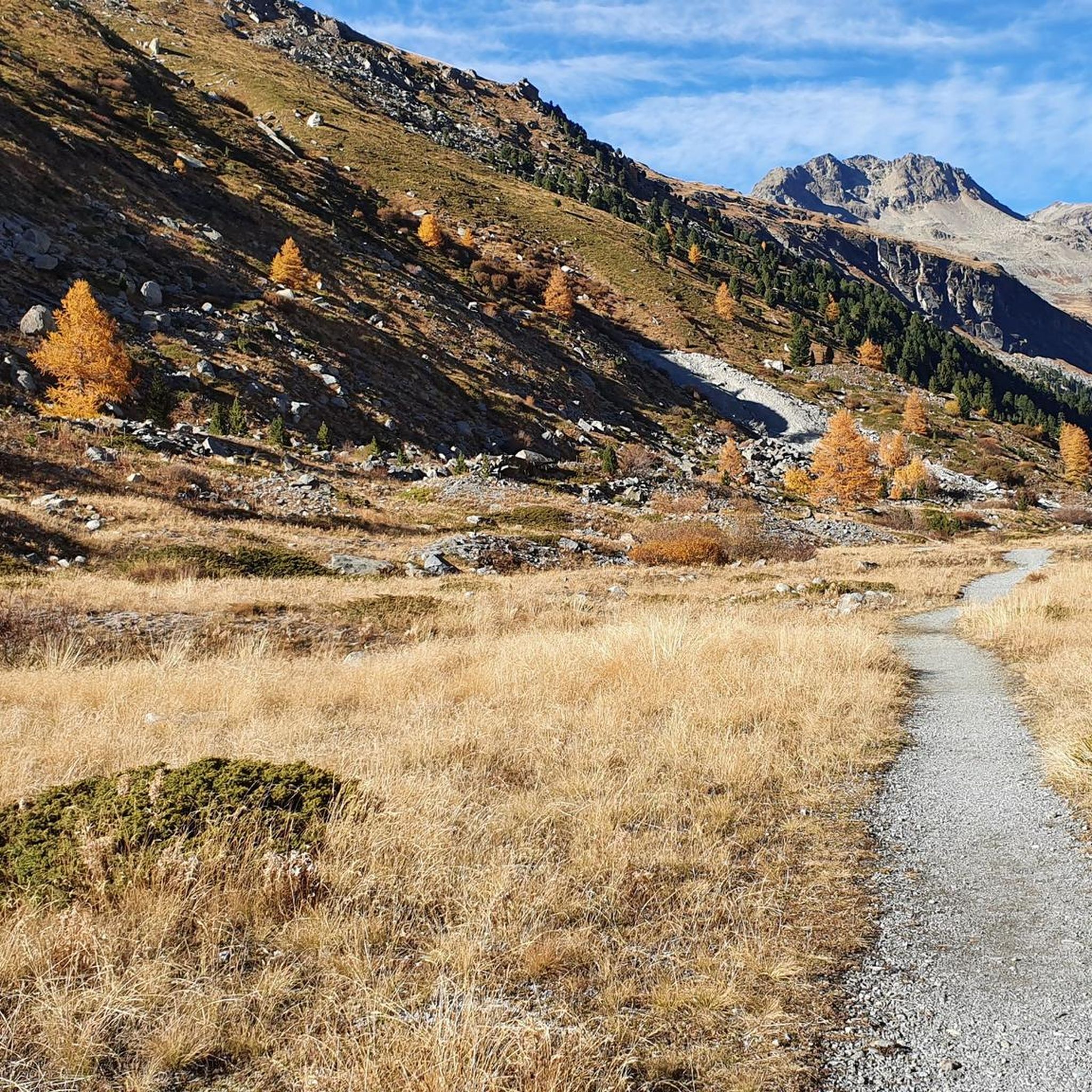
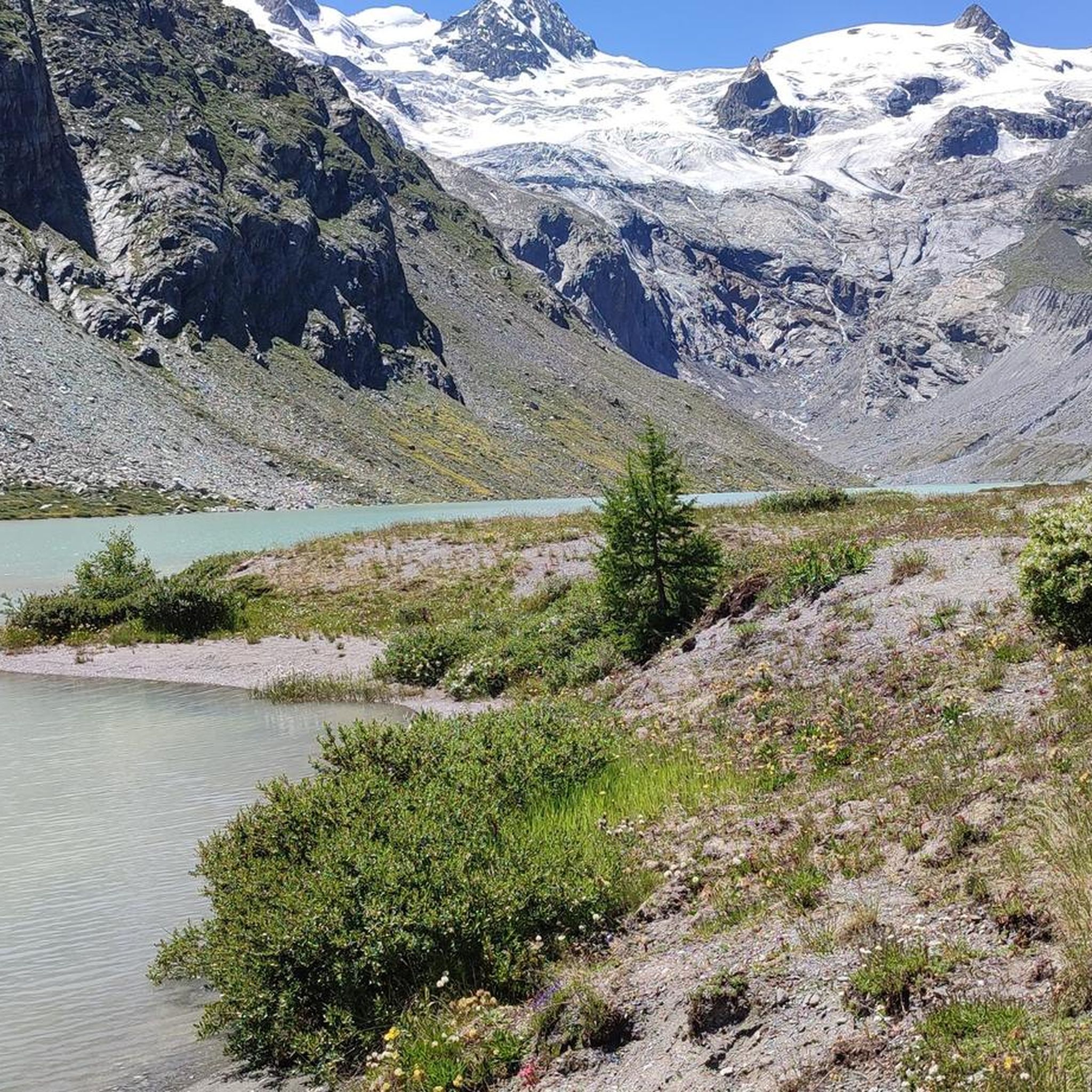
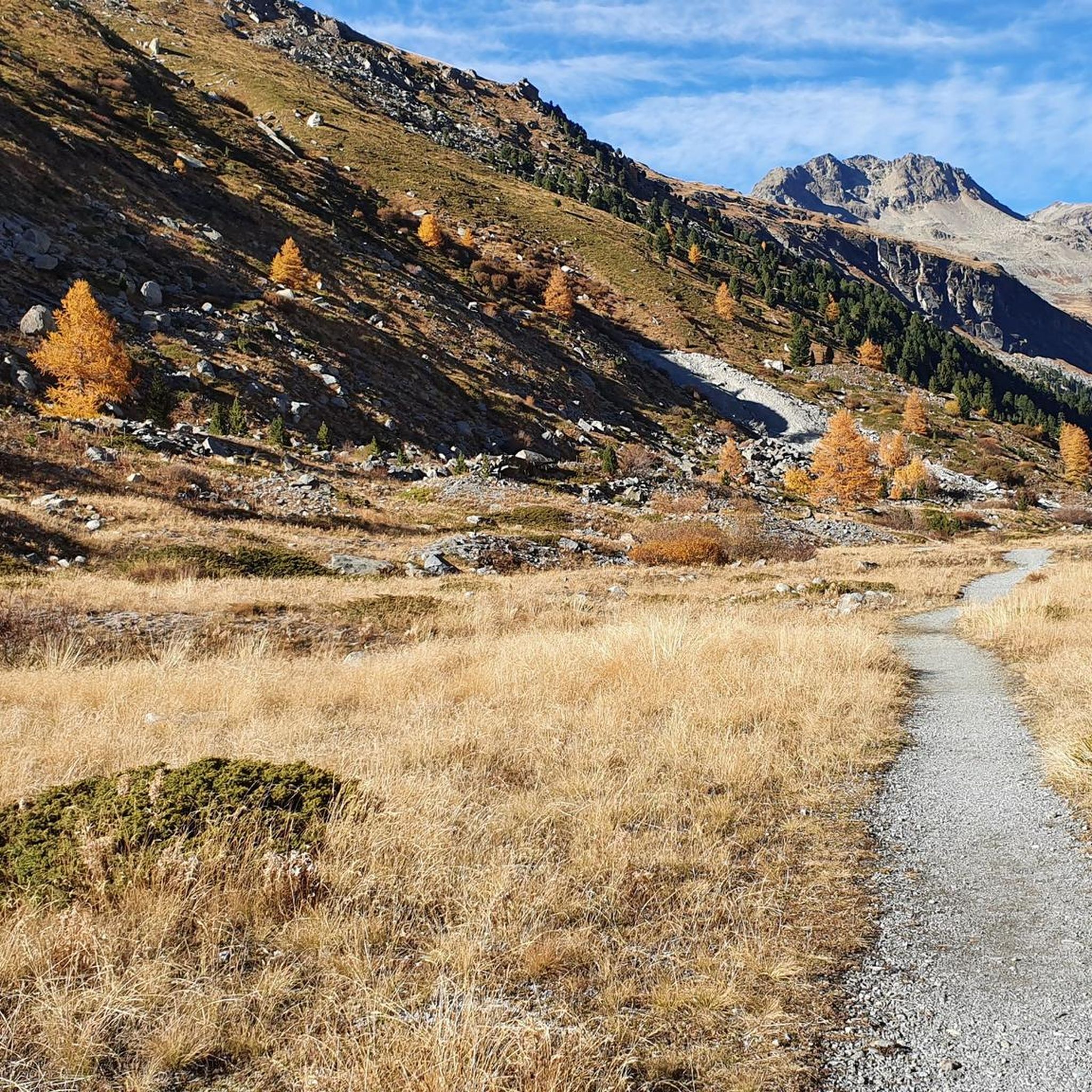
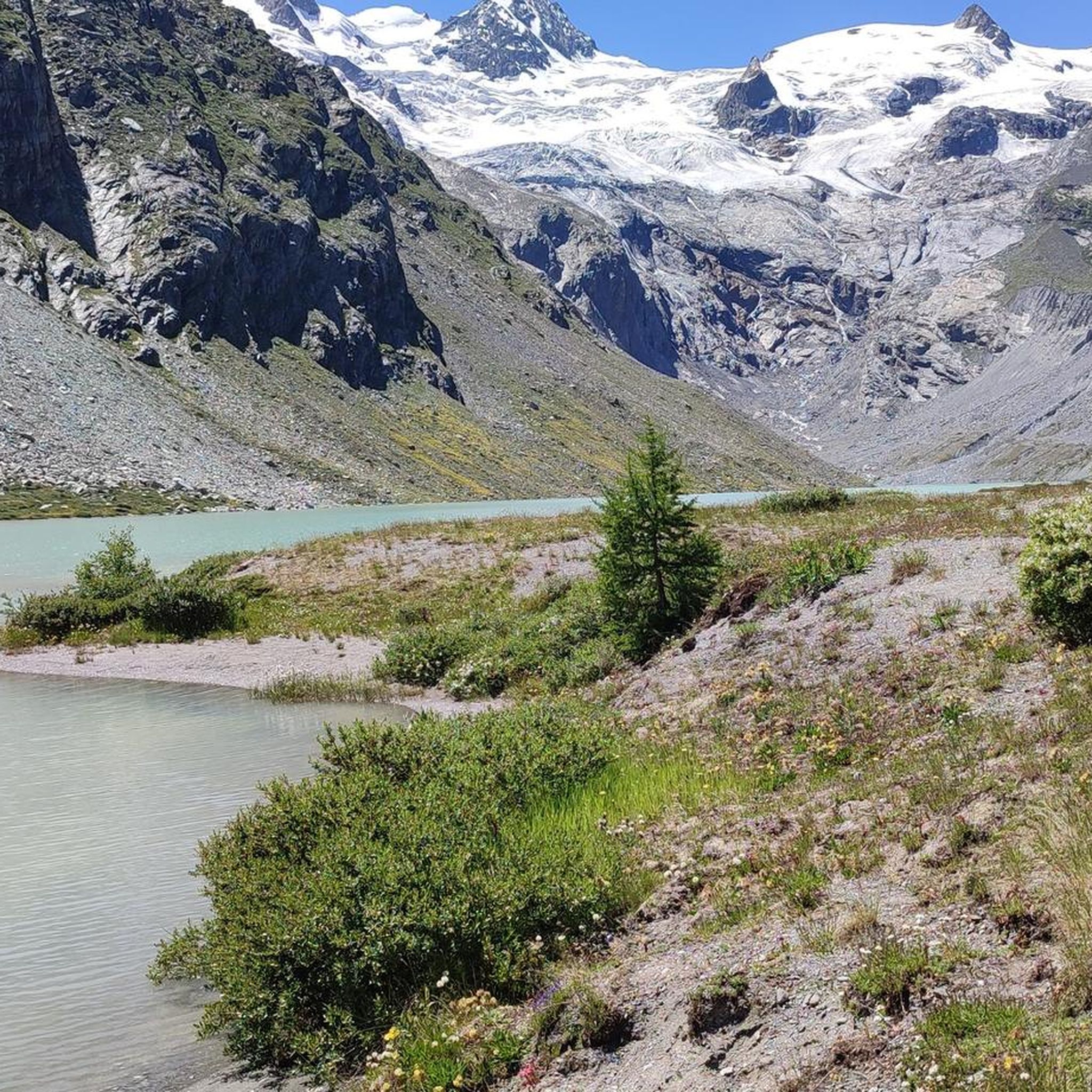
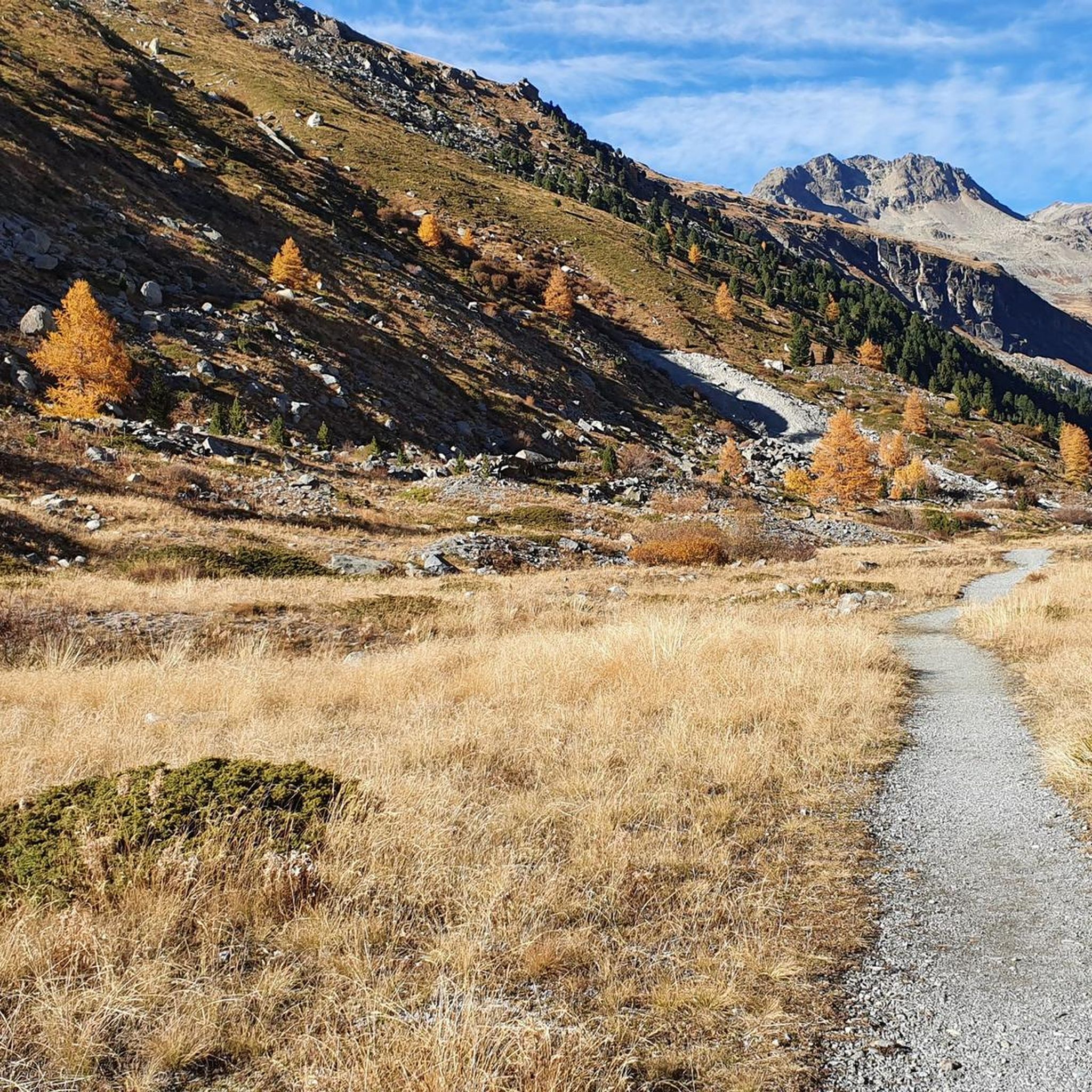
Mountaineering routes around Lej da Vadret traverse a dramatic high-alpine landscape in Switzerland's Roseg Valley. This region is characterized by prominent peaks, extensive glaciers, and a glacial tarn at 2,160 meters above sea level. The terrain includes challenging glacier crossings, rocky ridges, and steep snow and ice flanks, offering varied experiences for experienced mountaineers. The valley itself features woodlands, mountain streams, and meadows leading to the higher alpine regions.
Best mountaineering routes around Lej da Vadret
- The most popular mountaineering…
Last updated: June 28, 2026
5.0
(1)
15
hikers
17.1km
06:52
720m
720m
Hard mountaineering route. Very good fitness required. Mostly accessible paths. Sure-footedness required.
14
hikers
10.5km
04:33
560m
560m
Hard mountaineering route. Good fitness required. Sure-footedness, sturdy shoes and alpine experience required.

Sign up for free
12
hikers
2.45km
03:44
390m
380m
Hard mountaineering route. Good fitness required. Sure-footedness, sturdy shoes and alpine experience required.
5.0
(1)
7
hikers
10.7km
03:11
200m
200m
Moderate mountaineering route. Good fitness required. Mostly accessible paths. Sure-footedness required.
11
hikers
12.8km
05:05
660m
660m
Hard mountaineering route. Very good fitness required. Mostly accessible paths. Sure-footedness required.
Get access to more routes and recommendations from other explorers.
Sign up for free
Already have an account?
Our route recommendations are based on thousands of hikes, rides, and runs completed by other people on komoot.
Start today with a free account
Your next adventure awaits.
Login or Signup

Tips from the Community

Wonderful lake, popular with water sports enthusiasts, very nice path along the lake on the east bank.
0
0

Scenically very great tour. Top Top Top
0
0

Sils Maria is a historic village in the Engadine, known for its connection to Friedrich Nietzsche and its cultural significance. In the beautiful Engadine village of Sils, at 1802 meters above sea level, everything is a little more intense: the tranquility, the changing seasons, the light, nature – happiness. Vacationers who found St. Moritz too hectic continued on to Sils Maria. That's how it was a hundred years ago; and that's how it still is today. It's palpable at every turn: those who come to Sils want to nourish their souls. And in doing so, they want to experience the warmth of a small village with around 810 inhabitants, where tourism has a long tradition and has been a way of life for over 100 years. Two Hearts, One Soul Sils Maria and Sils Baselgia: Our village has two names because it comprises two settlements. Sils Baselgia grew up around the Church of San Lurench. It was first mentioned in 1356 and still stands today. "Baselgia" is derived from basilica (church). In Sils Maria, the larger of the two villages, the large dairy farm once stood. The name "Maria" refers not to a proper name, but to the term "dairy farm." "Sils" means something like "green meadow" or "long strip of land." This also referred to the Sils lake plain. It is still a "green meadow"—thanks to landscape and nature conservation efforts and the awareness of these values that the people of Sils possess. Text / Source: Sils Information Center "Engadin Tourism AG", Via da Marias 38, Sils/Segl Maria https://www.sils.ch/de/guide/sils-im-engadin/dorfportrait
15
0

Information about the restaurant can be found at https://www.roseg-gletscher.ch/de/restaurant.html When the weather is nice, the outdoor terrace is always well attended.
2
0


Lake Silvaplana, located in the Upper Engadine, is a natural jewel nestled among the majestic Swiss Alps. Famous for its constant winds, particularly the "Malojawind," it is a true paradise for lovers of water sports, such as windsurfing and kitesurfing. In summer, its crystal-clear waters reflect the peaks of Piz Corvatsch, creating breathtaking views. In winter, the frozen lake transforms into a vast natural rink for skating, cross-country skiing, and even horse racing. A place that enchants in every season.
1
0

Enjoy. While you still can. DEFINITELY go on the road between fuorcla surlej and coaz hütte.
0
0
Frequently Asked Questions
Are there any mountaineering routes suitable for beginners or those new to alpine experiences around Lej da Vadret?
Yes, while the region is known for its challenging terrain, there are options for those gaining their first alpine experiences. The Edge of the Glacier – Tschierva Hut loop from Roseg is a moderate 6.5-mile (10.4 km) path that offers stunning views and access to a mountain hut. Additionally, the ascent of Il Chapütschin (3,386m) is often recommended for those looking to gain initial experience with crampons and ropes, involving wide glacier surfaces and some easy climbing sections.
What are some of the most challenging mountaineering routes near Lej da Vadret?
For experienced mountaineers seeking significant challenges, the region offers several demanding routes. The Roseg Glacier Restaurant – Chamanna Coaz loop from Roseg is a difficult 10.7-mile (17.2 km) trail leading towards the Chamanna Coaz. Another highly challenging option is the Rifugio Marco e Rosa – Piz Bernina loop from Piz Bernina, a 1.5-mile (2.5 km) route through high alpine terrain. Piz Glüschaint (3,594m) is considered the highest and most challenging summit in the Corvatsch-Sella group, involving demanding glacier crossings and rocky ridges.
When is the best time of year for mountaineering around Lej da Vadret?
The prime season for mountaineering in the Lej da Vadret area is typically during the summer and early autumn months. This period offers more stable weather conditions, reduced snow cover at lower altitudes, and better accessibility for glacier crossings and high-alpine routes. However, conditions can change rapidly in the mountains, so always check local forecasts and glacier conditions before heading out.
Are there mountain huts available for overnight stays or refreshments near Lej da Vadret?
Yes, mountain huts are integral to mountaineering in this region, serving as essential bases for multi-day tours and early morning ascents. The Chamanna Coaz (Coaz Hut) at 2,610 meters and the Fuorcla Surlej Hut are strategically located, offering refuge, meals, and a starting point for many high-alpine routes. Access to the Coaz Hut from the Corvatsch cable car station (Murtèl) via Fuorcla Surlej is a common approach.
What natural features and landmarks can I expect to see while mountaineering in the Lej da Vadret area?
Mountaineering around Lej da Vadret immerses you in a dramatic high-alpine landscape. You'll encounter the stunning Roseg Valley, characterized by woodlands, mountain streams, and meadows leading to towering peaks. The impressive Roseg Glacier and Tschierva Glacier are prominent features, with Lej da Vadret itself being a glacial tarn formed by the retreating Roseg Glacier. Peaks like Piz Glüschaint and Il Chapütschin offer breathtaking panoramic views of the entire Bernina Group.
Are there any circular mountaineering routes in the Lej da Vadret region?
Yes, several routes in the area are designed as loops, allowing you to start and end at the same point. Examples include the difficult Roseg Glacier Restaurant – Chamanna Coaz loop from Roseg and the moderate Edge of the Glacier – Tschierva Hut loop from Roseg. These circular options provide a comprehensive experience of the diverse terrain without retracing your steps.
What do other mountaineers enjoy most about the routes around Lej da Vadret?
The mountaineering routes around Lej da Vadret are highly rated by the komoot community, with an average score of 5.0 stars from over 14 reviews. Mountaineers often praise the dramatic high-alpine landscapes, the extensive glaciers, and the challenging yet rewarding ascents of prominent peaks. The diverse terrain, from woodlands to rocky ridges, also contributes to a varied and memorable experience.
Is public transport available to access mountaineering trailheads near Lej da Vadret?
While the Roseg Valley itself is largely car-free, public transport options are available to reach the general area. From there, you might need to use local transport or walk to specific trailheads. For example, the Corvatsch cable car station (Murtèl) can be a starting point for approaches to huts like Chamanna Coaz, and it is generally accessible via public transport connections in the Engadin region. It's advisable to check local bus and train schedules for the most current information.
Are there any specific permits or gear requirements for mountaineering in this region?
While general permits for hiking are not typically required, high-alpine mountaineering in the Lej da Vadret area, especially on peaks like Piz Glüschaint and Il Chapütschin, necessitates specific gear due to glacier crossings and steep snow/ice flanks. This includes technical equipment such as crampons, ice axes, and ropes. Good fitness, sure-footedness, and alpine experience are also crucial. Always ensure you have the appropriate equipment and skills for your chosen route.
Can I bring my dog on mountaineering routes around Lej da Vadret?
Many trails in the Swiss Alps are dog-friendly, but specific rules can vary, especially in high-alpine and glacier areas. While some lower-altitude paths might be suitable, challenging mountaineering routes involving glaciers, steep rock, or technical sections may not be safe or appropriate for dogs. It's best to research specific route regulations and consider your dog's fitness and safety before planning a high-alpine tour.
How many mountaineering routes are available in the Lej da Vadret area?
There are 9 distinct mountaineering routes detailed for the Lej da Vadret area, offering a range of experiences from moderate glacier traverses to challenging summit ascents. These routes have been explored by over 200 mountaineers using komoot.
Are there any routes that offer views of Lake Silvaplana from the Lej da Vadret mountaineering area?
Yes, one of the routes, the View of Lake Silvaplana – Lake Silvaplana loop from Silvaplana, is a moderate 6.6-mile (10.7 km) mountaineering tour that provides scenic views of Lake Silvaplana, offering a different perspective of the surrounding Engadin landscape.
Most popular routes around Lej da Vadret

Get inspired with the komoot mobile app


Explore more
Browse the best Mountain Hikes & Routes in other regions.
