The best walks and hikes around Lake della Sella
4.7
(1000)
8,417
hikers
171
hikes
Hiking around Lake della Sella offers a diverse alpine experience in the Leventina region. This high-altitude reservoir, also known as Lago della Sella, is situated in a landscape characterized by rugged mountain terrain, rocky slopes, and high-alpine meadows. The area provides access to various mountain passes, including the Col Sella, and features trails that traverse both open, exposed sections and areas with sparse vegetation.
Best hiking trails around Lake della Sella
- The most popular hiking route is Lago della Sella…
Last updated: July 7, 2026
10
hikers
4.74km
01:20
100m
100m
Easy hike. Great for any fitness level. Easily-accessible paths. Suitable for all skill levels.
8
hikers
9.14km
03:33
500m
500m
Moderate hike. Good fitness required. Mostly accessible paths. Sure-footedness required.

Sign up for free
4.5
(4)
50
hikers
25.4km
11:37
1,590m
1,590m
Hard hike. Very good fitness required. Sure-footedness, sturdy shoes and alpine experience required.
4.6
(32)
164
hikers
9.36km
02:45
270m
270m
Moderate hike. Good fitness required. Easily-accessible paths. Suitable for all skill levels.
4.7
(15)
105
hikers
13.7km
04:53
620m
630m
Hard hike. Good fitness required. Sure-footedness, sturdy shoes and alpine experience required.
Get access to more routes and recommendations from other explorers.
Sign up for free
Already have an account?
Our route recommendations are based on thousands of hikes, rides, and runs completed by other people on komoot.
Start today with a free account
Your next adventure awaits.
Login or Signup
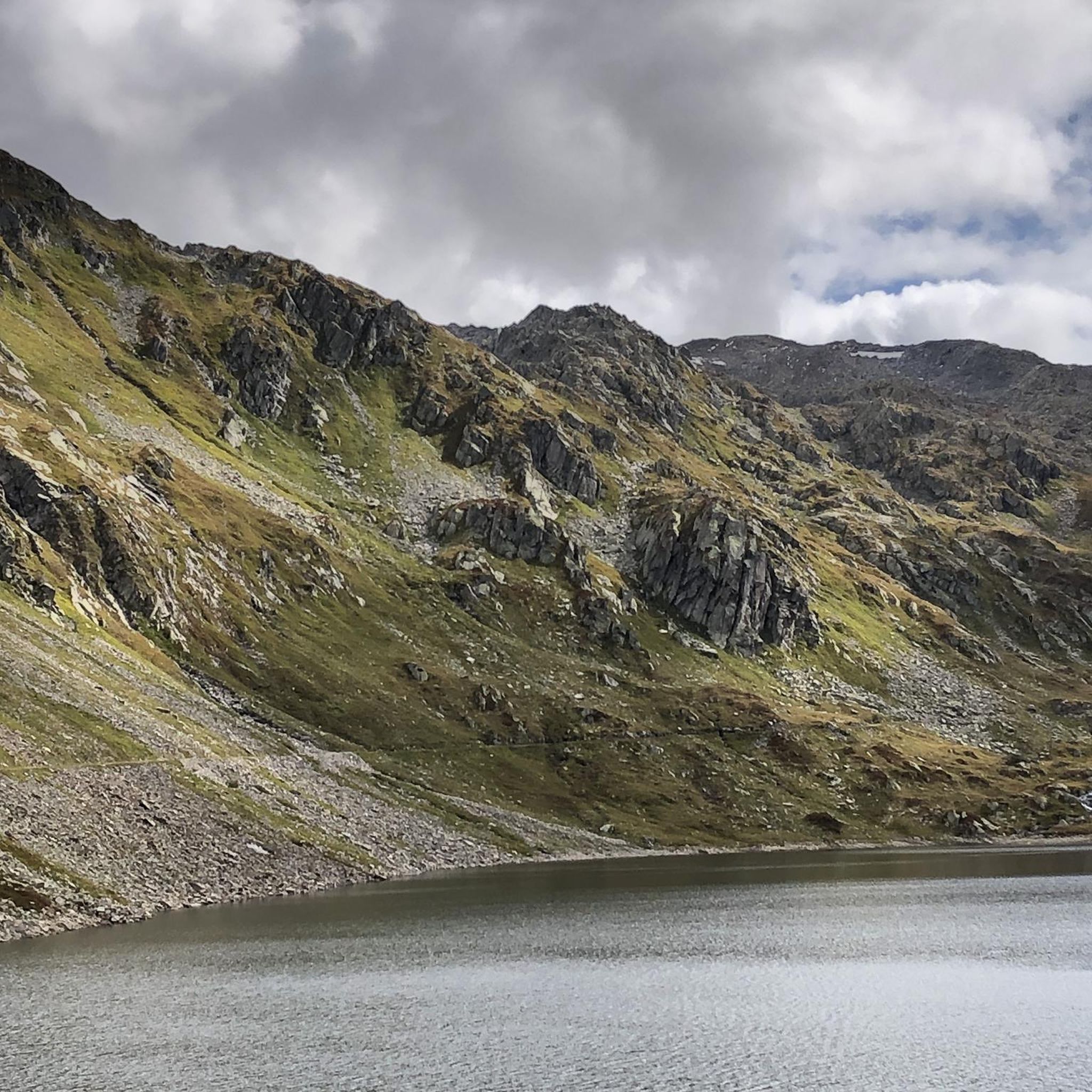
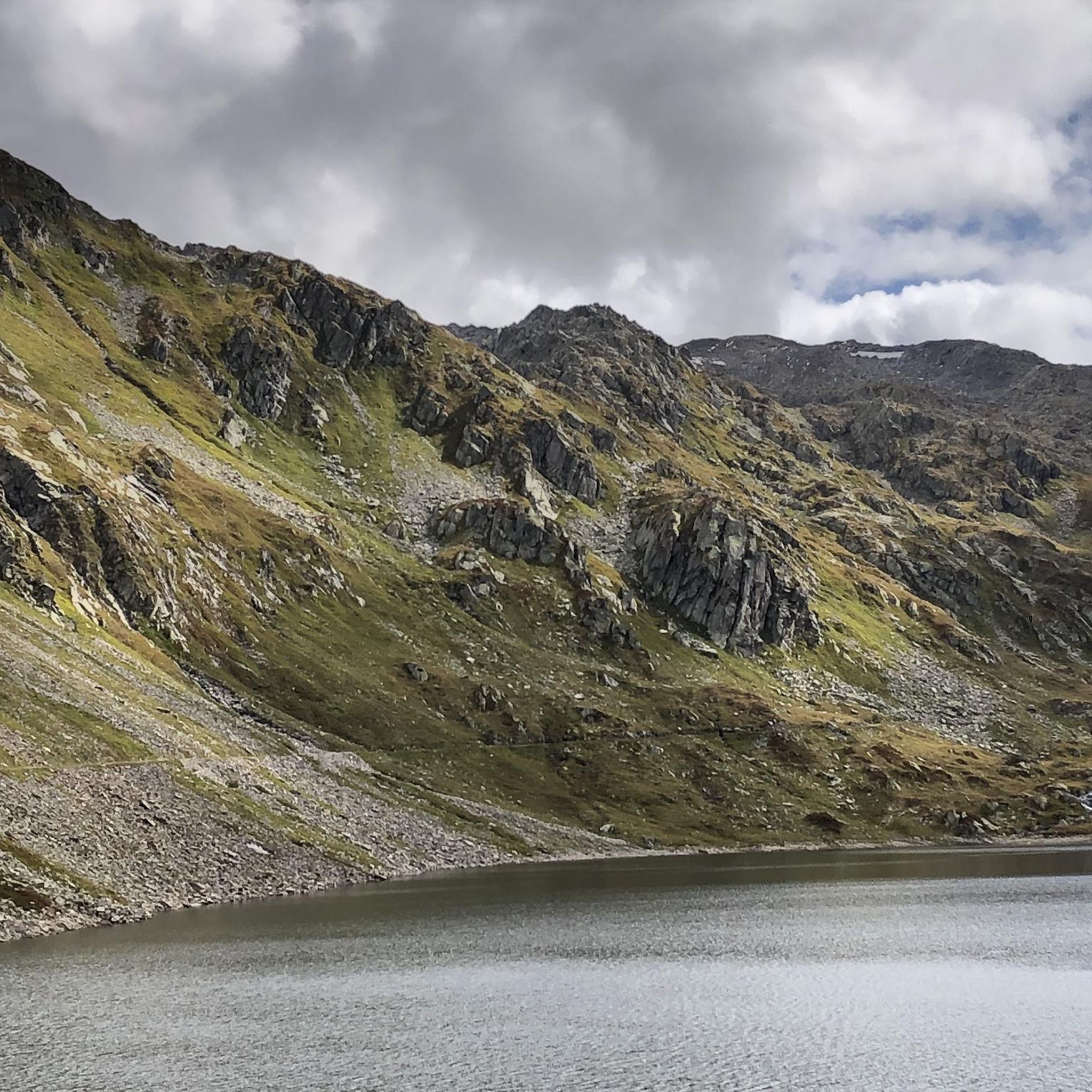
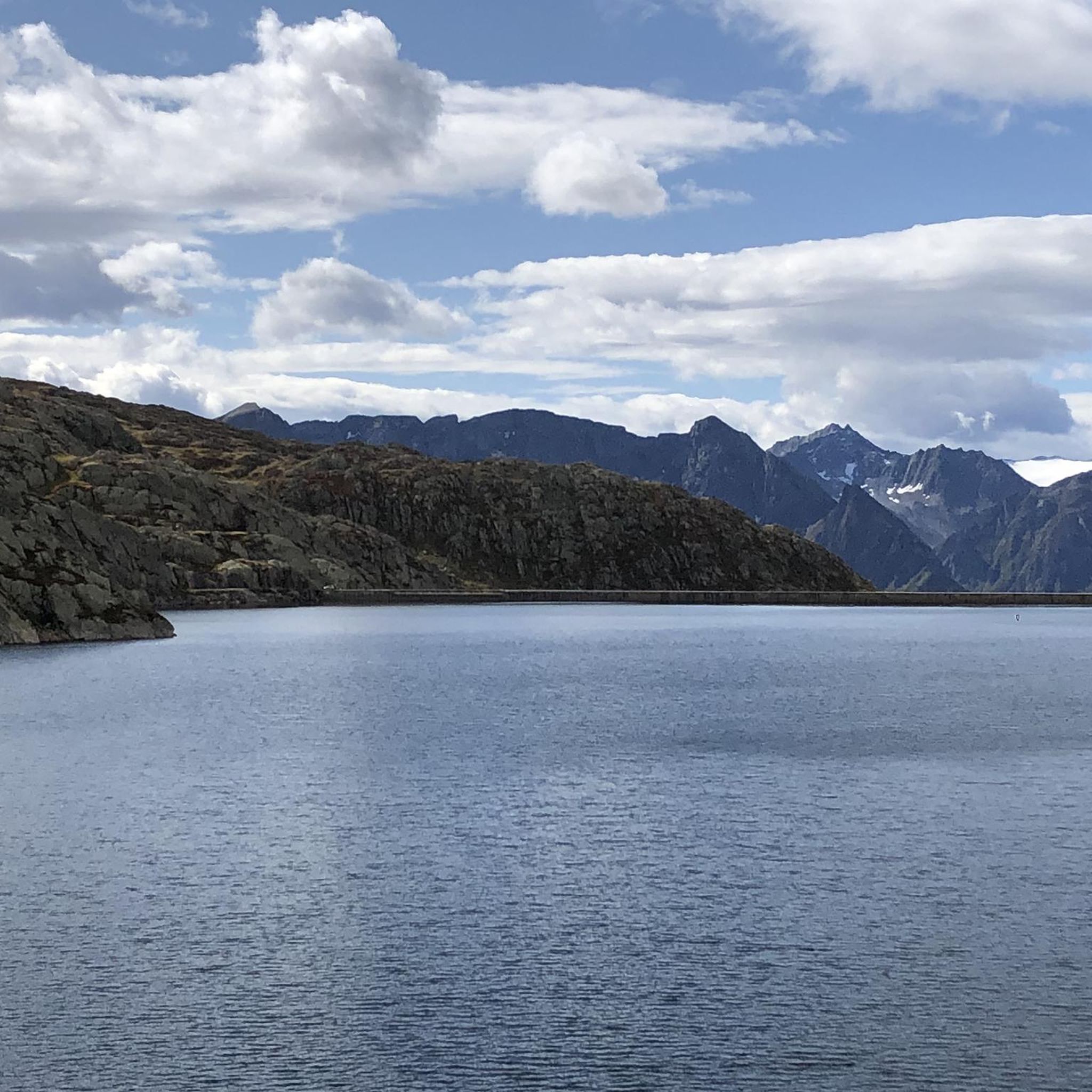
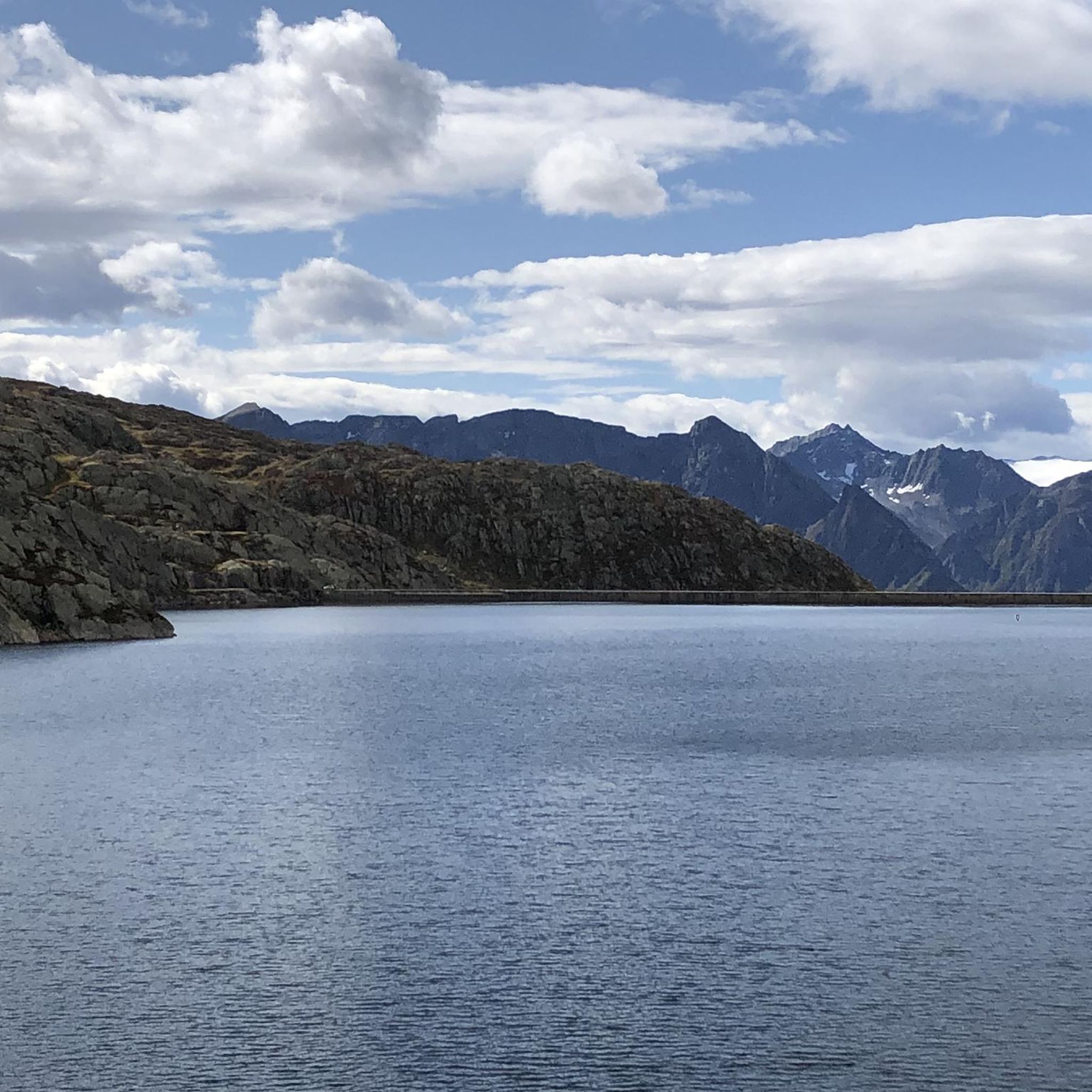


Tips from the Community

pretty here, very pretty
2
0
beautiful valley to spend time outdoors
0
0
wonderful valley to spend time outdoors
2
0
beautiful valley for spending time outdoors
2
0
Frequently Asked Questions
What are the difficulty levels of hiking trails around Lake della Sella?
The hiking trails around Lake della Sella offer a range of difficulties. You'll find options from easy loops suitable for a relaxed stroll, such as the Lago della Sella – Lake Sella loop from Lago della Sella, to more challenging routes that ascend to higher peaks. Overall, there are over 170 routes, with approximately 33 easy, 75 moderate, and 65 difficult trails available.
Are there family-friendly hiking options around Lake della Sella?
Yes, Lake della Sella offers several family-friendly hiking options. The landscape, characterized by the reservoir and surrounding peaks, provides a scenic backdrop for walks. Easy routes like the Lago della Sella – Lake Sella loop from Lago della Sella are ideal for families, offering manageable distances and minimal elevation gain.
When is the best time of year to hike around Lake della Sella?
Given its high-alpine location, the best time for hiking around Lake della Sella is typically from late spring to early autumn (June to October). During these months, the trails are generally free of snow, and the weather is more stable, offering optimal conditions to enjoy the rugged mountain terrain and panoramic views.
Can I bring my dog on the hiking trails around Lake della Sella?
Most hiking trails in the Lake della Sella region are dog-friendly, but it's always recommended to keep your dog on a leash, especially in areas with livestock or wildlife. The high-alpine environment means varied terrain, so ensure your dog is accustomed to longer walks and rocky paths. Always carry enough water for both yourself and your pet.
Are there any challenging hikes for experienced hikers around Lake della Sella?
Experienced hikers will find several challenging routes around Lake della Sella. For instance, the Gotthard Pass – Lago di Sella loop from Pizzo Centrale is a difficult, long-distance trail covering 25 km with significant elevation changes, offering a demanding high-alpine experience. Another option is the Four Sources Trail, which is also rated difficult.
What kind of views can I expect on hikes around Lake della Sella?
Hikes around Lake della Sella offer expansive views of the high-alpine landscape. You can expect panoramic vistas of the reservoir itself, rugged mountain peaks like Piz Giübin, and the surrounding valleys. Trails often traverse open, exposed sections, providing uninterrupted scenery of the Gotthard region and its dramatic terrain.
Are there circular hiking routes available at Lake della Sella?
Yes, many of the trails around Lake della Sella are designed as circular routes, allowing you to start and end at the same point. Popular options include the easy Lago della Sella – Lake Sella loop from Lago della Sella and the moderate Lake Sella from the Gotthard Pass – loop, which offers a great way to explore the area without retracing your steps.
Is public transport available to reach the hiking trailheads?
While Lake della Sella is a high-alpine location, public transport options are available to reach the general area, often involving post buses that connect to major train stations in the region, such as Airolo. From certain stops, you might need to walk or arrange further transport to specific trailheads. It's advisable to check current schedules and connections for the Gotthard Pass area.
What do other hikers enjoy most about hiking in Lake della Sella?
The area is highly rated by the komoot community, with an average score of 4.7 stars from over 900 reviews. Reviewers often praise the stunning panoramic views, the diverse high-alpine terrain, and the well-maintained trails that cater to various fitness levels. The sense of tranquility and immersion in nature is also frequently highlighted.
Are there any less crowded hiking trails around Lake della Sella?
While popular routes like the main lake loop can see more visitors, the extensive network of over 170 trails means you can often find quieter paths. Exploring some of the more challenging or longer routes, such as the Lago di Sella – Piz Giübin Summit loop from Lago della Sella, can lead you to more secluded areas, especially during off-peak hours or seasons.
What kind of terrain can I expect on the hikes?
The terrain around Lake della Sella is predominantly high-alpine, characterized by rugged mountain slopes, rocky paths, and some sections with sparse vegetation. You'll encounter a mix of well-trodden dirt paths, stony trails, and occasionally scree fields, especially on higher ascents. Sturdy hiking boots are recommended for most routes.
Are there any points of interest or landmarks to see along the trails?
Beyond the stunning natural beauty of the lake and mountains, the region is known for its mountain passes. Trails often lead near or over significant passes like the Col Sella and Passo della Sella, which are historical and geographical landmarks in the Gotthard region. These passes offer unique perspectives and a sense of traversing ancient routes.
Most popular routes around Lake della Sella

Get inspired with the komoot mobile app


Explore more
Browse the best Hikes in other regions.
