The best running trails around Gübsensee
4.4
(504)
13,620
runners
494
runs
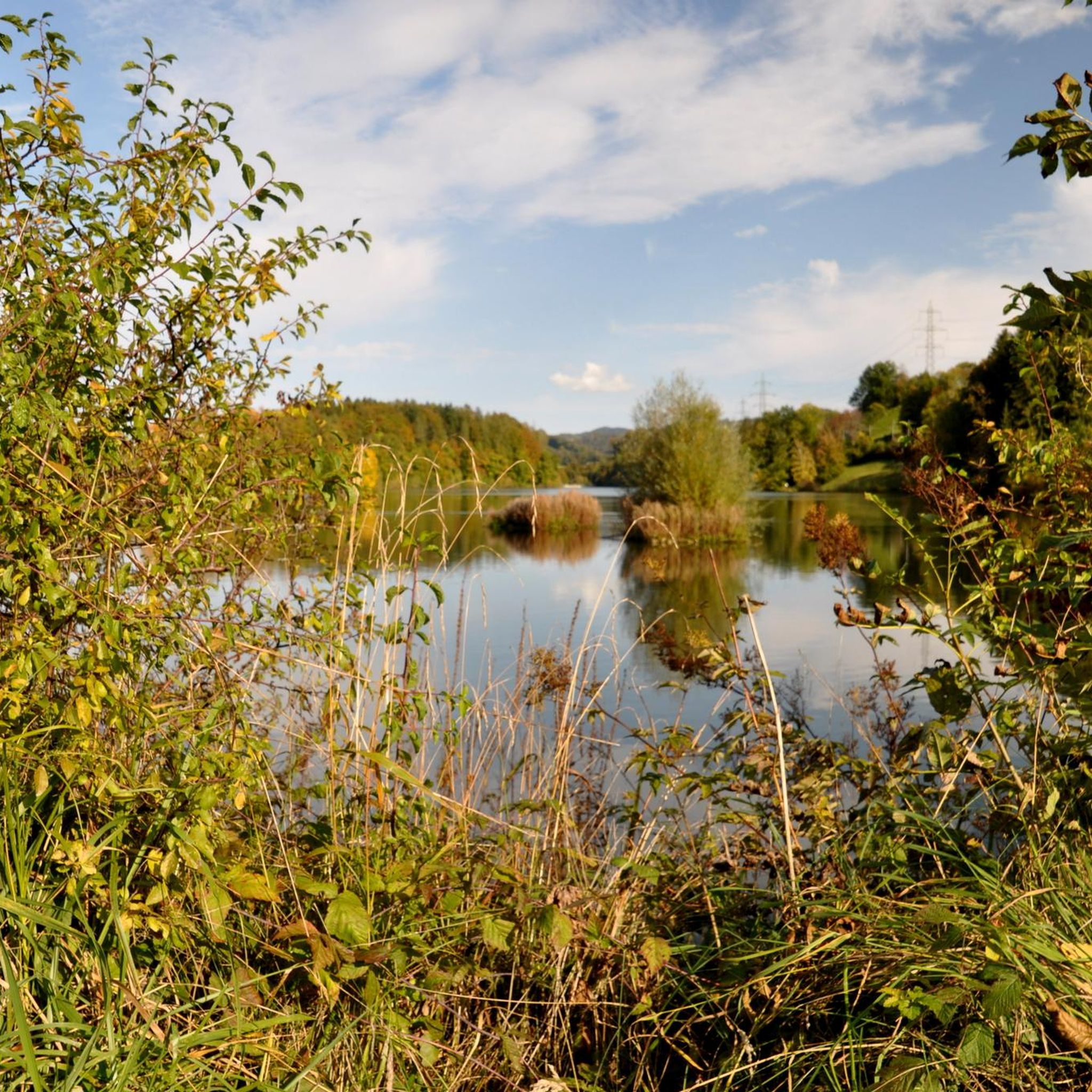
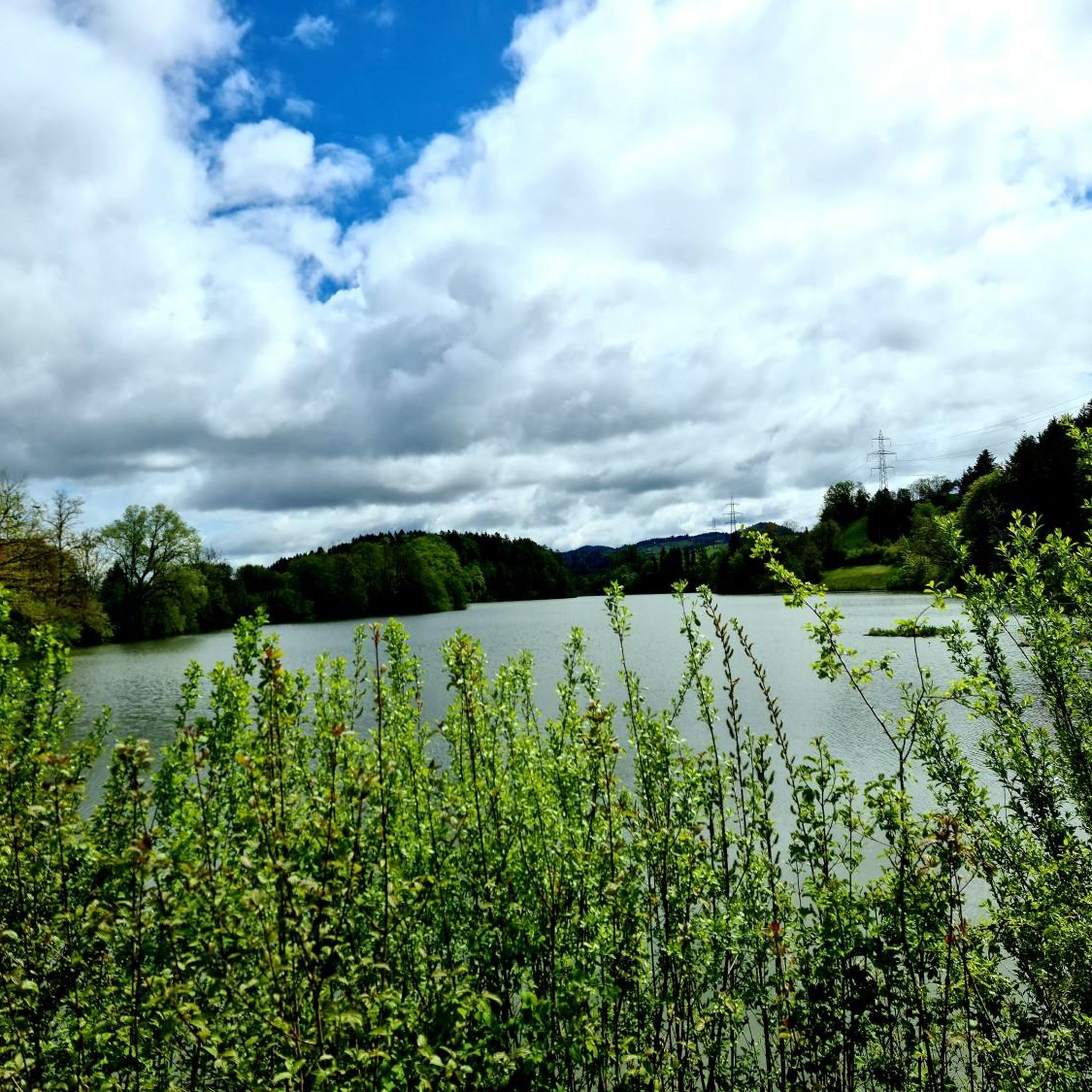
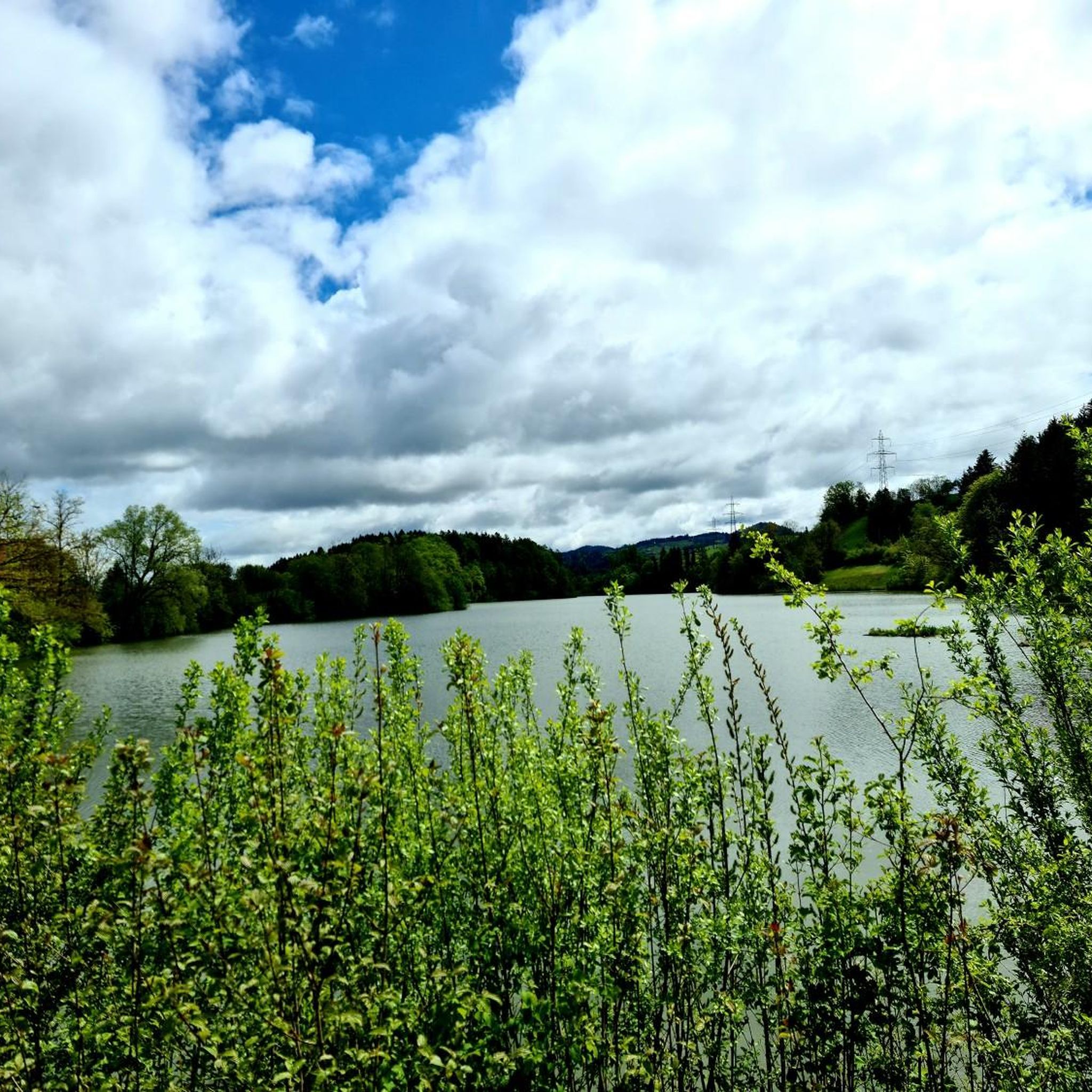
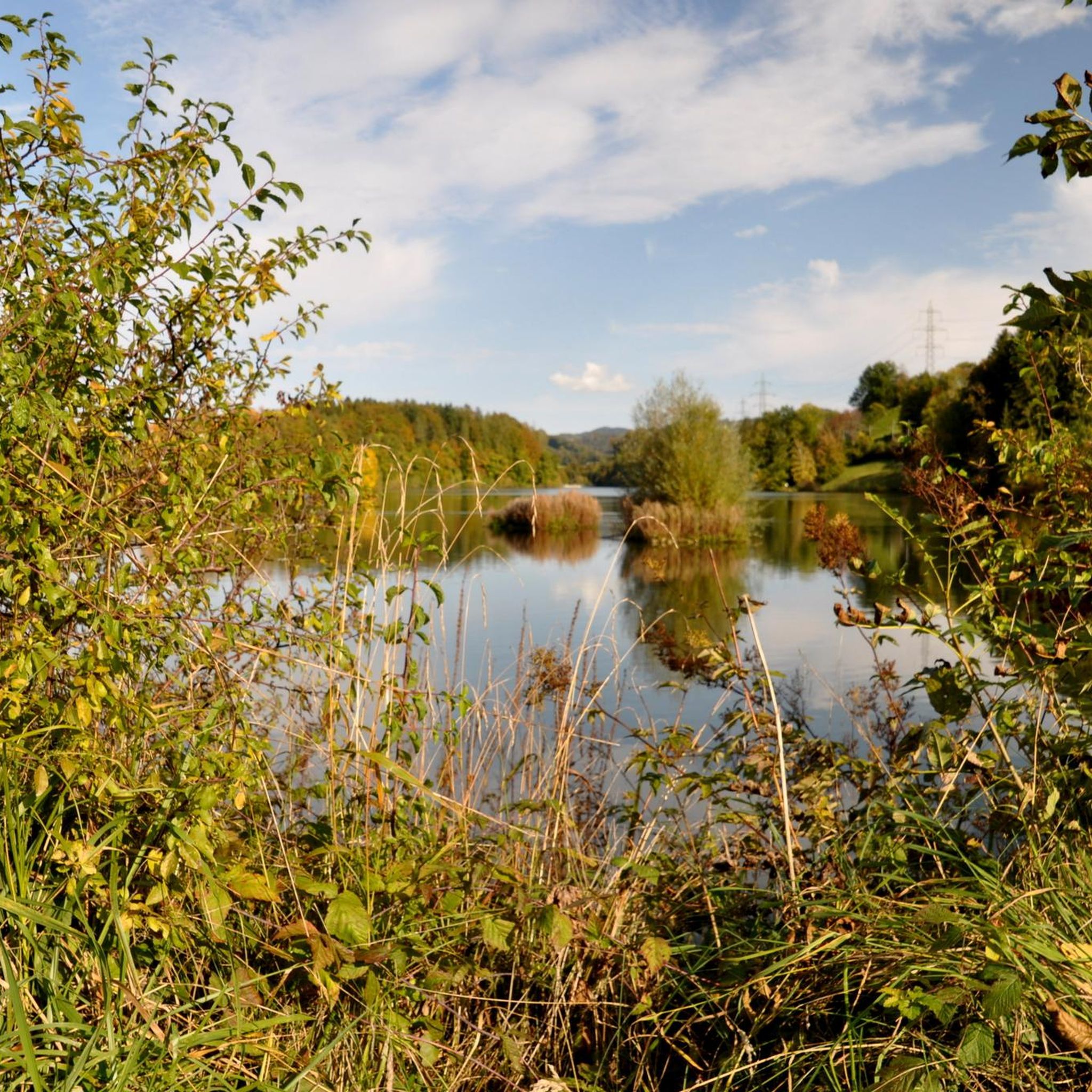
Jogging routes around Gübsensee are characterized by the serene reservoir and its surrounding nature reserve, offering a peaceful environment for runners. The area features a circular path around the lake, providing relatively flat terrain suitable for various fitness levels. Views of the Alpstein massif and Fürstenland can be observed along some routes, adding to the scenic experience. The reservoir itself was formed by Switzerland's first hydroelectric dams, creating an idyllic setting for outdoor activities.
Best jogging routes around Gübsensee
- The…
Last updated: June 29, 2026
4.6
(21)
900
runners
21.1km
02:16
250m
250m
Hard run. Very good fitness required. Mostly paved surfaces. Suitable for all skill levels.
4.3
(15)
246
runners
Moderate run. Good fitness required. Mostly paved surfaces. Suitable for all skill levels.

Sign up for free
49
runners
4.86km
00:31
70m
60m
Easy run. Great for any fitness level. Mostly paved surfaces. Suitable for all skill levels.
5.0
(1)
36
runners
9.48km
01:01
120m
120m
Moderate run. Good fitness required. Mostly paved surfaces. Suitable for all skill levels.
3.0
(1)
31
runners
13.9km
01:32
250m
250m
Moderate run. Good fitness required. Mostly paved surfaces. Suitable for all skill levels.
Get access to more routes and recommendations from other explorers.
Sign up for free
Already have an account?
Our route recommendations are based on thousands of hikes, rides, and runs completed by other people on komoot.
Start today with a free account
Your next adventure awaits.
Login or Signup


Tips from the Community

The baroque monastery of St. Gallen is the glorious culmination of a thousand years of monastic culture, growing out of the hermitage of the missionary Irish monk Gallus, who retreated to the wild high valley of the Steinach in 612. A hundred years later, his hermitage became the starting point for a new monastic community under Abbot Otmar. In 747, a fully developed monastery adopted the rule of St. Benedict. A hundred years after Otmar, at the beginning of the 9th century, Abbot Gozbert ushered in the "golden age" of the abbey. In 1805, the monastery was dissolved by the newly founded canton. Since then, the monastery has housed the government and administration of the canton of St. Gallen, as well as the head and administration of the diocese of the same name, created in 1823.
10
0
Since 1983, the Collegiate Church and Cathedral of St. Gallen (actually Collegiate Church of St. Gallus and Otmar) and the entire Abbey District have been part of the UNESCO World Heritage Site. The baroque new building of the Benedictine monastery church, built between 1755 and 1766, stands where Saint Gallus is said to be buried. From 720 onwards, Abbot Otmar organised the construction work around the crypt, and his successor Gozbert began the construction of the new monastery church from 820 onwards. The construction of the Collegiate Church in its present form - it is one of the last monumental sacred buildings of the late Baroque period - was planned by Gabriel Loser and Johann Caspar Bagnato. Its two 68-metre-high towers tower above the old town of St. Gallen.
8
0
The Evangelical Reformed Parish Church of St. Gallen is dedicated to the martyr Laurentius of Rome as its patron saint. For centuries, the church was the political, religious, and social center of the St. Gallen city republic and has had a lasting impact on the city's history. The first church on this site probably originated in the mid-12th century. St. Laurenzen received its present neo-Gothic appearance in 1845 according to the plans of Johann Georg Müller.
10
0


A small covered wooden bridge – it stands almost directly under the very high SOB railway bridge and close to power plant buildings. As a result, it doesn't really stand out.
0
0

Cathedral, St. Gallen Several earlier structures preceded the monumental church. Originally, the chapel of Saint Gallus stood on this site, where the saint was buried around 640. Later buildings incorporated Gallus's tomb. Around 720 (the founding of the monastery), a stone church was built. By the 9th century, the church had already reached its present length. In the 15th century, a new choir in the Gothic style was constructed. In 1756, the monks embarked on the final phase of the church's reconstruction, which was completed in 1766. The renowned architect Johann Kaspar Bagnato played a significant role in the design, while Johann Michael Beer oversaw the construction. The patrons were Abbots Cölestin Gugger von Staudach and Beda Angehrn. After the dissolution of the monastery, the church became a cathedral (bishop's church) in 1824. The church underwent interior renovations from 1961 to 1967 and exterior renovations from 2000 to 2003. The church has an elongated, rectangular floor plan. Within this plan, a rotunda (round structure) is inserted, resembling a transept. On the eastern end, the striking twin-tower facade rises as a dominant feature, the emblem of the Diocese, City, and Canton of St. Gallen. The facade's sculptural decoration includes figures of Saints Maurice and Desiderius and a relief depicting the Coronation of the Virgin Mary by the Holy Trinity. The interior of the church is a three-aisled, free-pillared structure with a central dome (rotunda). High-quality stucco work, vault paintings, altars, and the choir stalls are among the highlights of the interior. The concept of harmoniously coordinated art forms is the work of Christian Wentzinger, sculptor and painter. Text / Source: City of St. Gallen, Town Hall, 9001 St. Gallen https://www.stadt.sg.ch/home/freizeit-tourismus/stgallen-entdecken/stiftsbezirk-unesco-weltkulturerbe.html
16
1
Stadtlounge (Red Square), St. Gallen Switzerland's first public living room spreads out in the open air in the Bleicheli quarter of St. Gallen. It is covered with red rubber granulate and illuminated by artful light bodies. The "Stadtlounge" by artist Pipilotti Rist and architect Carlos Martinez invites you to relax and marvel. The Bleicheli quarter of St. Gallen is a typical shopping and office area. The fact that people are still out and about here until late in the evening is thanks to the airy living room designed by multimedia artist Pipilotti Rist together with architect Carlos Martinez. The large Red Square is furnished with sofas, chairs, tables, loungers and a Porsche – which, like the floor, are covered with a brightly red carpet made of plastic granulate. During the day, children use the unusual urban landscape for playing, while employees of the surrounding shops take a break on the comfortable seating. In the evening, light bodies, which hang over the square like floating boulders, illuminate the scene and attract young and young-at-heart people into their glow. Text / Source: St.Gallen-Bodensee Tourismus, Bankgasse 9, St. Gallen / myswitzerland.com https://www.myswitzerland.com/de-ch/erlebnisse/stadtlounge-roter-platz/
13
0

Wide bicycle-pedestrian bridge on the side of the SBB viaduct, the best connection between St. Gallen and Gossau.
0
0
Frequently Asked Questions
How many running routes are available around Gübsensee?
There are over 500 running routes around Gübsensee, offering a wide variety of options for all skill levels. The komoot community has explored more than 13,000 runs in the area, with routes ranging from easy to difficult.
What kind of terrain can I expect on the jogging trails around Gübsensee?
The terrain around Gübsensee is generally varied. While the circular path directly around the lake is relatively flat and ideal for a steady pace, other routes extend into surrounding areas with moderate elevation changes. For example, the View of Lake Gübsensee – St. Gallen Cathedral loop includes over 250 meters of elevation gain, offering a more challenging experience.
Are there circular running routes around Gübsensee?
Yes, a prominent feature of Gübsensee is its serene circular path around the reservoir, perfect for runners seeking a consistent loop. A popular moderate option is the View of Lake Gübsensee – Gübsensee loop from St. Gallen Winkeln, which covers 4.6 miles (7.4 km) directly around the lake.
What natural features or wildlife can I see while running in Gübsensee?
Gübsensee is a protected nature reserve, home to approximately 50 different bird species, including tufted ducks, mallards, and seasonal wild geese. You might also spot kingfishers. The area also offers picturesque views of the Alpstein massif and Fürstenland, especially during spring. The lake itself, formed by Switzerland's first hydroelectric dams, provides an idyllic backdrop for your run.
Are there places to rest or picnic along the running routes?
Yes, the circular path around Gübsensee includes access to secluded picnic areas and a well-equipped fireplace. These spots provide convenient opportunities for a break or refreshment during or after your run.
How can I get to Gübsensee by public transport?
Gübsensee is easily accessible by public transport. You can take a bus from St. Gallen railway station to Winkeln, followed by a short walk to the lake. This makes it convenient for runners without a car.
Is parking available near the jogging routes at Gübsensee?
Yes, parking is available. For those arriving by car, you can find parking at Herisau station, which provides access to the trails leading to Gübsensee.
Are there any permits required for jogging around Gübsensee?
No, there are no specific permits required for jogging around Gübsensee. The area is a public recreation space, and its paths are freely accessible for runners.
What do other runners enjoy most about jogging in Gübsensee?
The running routes in Gübsensee are highly rated by the komoot community, with an average score of 4.5 stars from over 400 reviews. Runners often praise the idyllic lake setting, the peaceful environment of the nature reserve, and the diverse landscapes that include views of distant mountain ranges.
Are there longer, more challenging running options available?
Absolutely. While there are moderate loops, you can find more difficult and longer runs. For instance, the View of Lake Gübsensee – St. Gallen Cathedral loop is a challenging 13.2 miles (21.2 km) trail with significant elevation gain, taking over two hours to complete.
What are some points of interest or landmarks to look out for around Gübsensee?
Beyond the beautiful lake itself, you can explore several interesting spots. Consider visiting Gübsensee East for different perspectives of the reservoir, or discover the Old AB Route. There are also unique man-made features like the Inlets 1 + 2 and a Stream Tunnel that add to the area's character.
Is Gübsensee suitable for family-friendly jogging or walks?
Yes, the relatively flat circular path around Gübsensee makes it suitable for family-friendly jogging or leisurely walks. The presence of picnic spots and a fireplace also enhances its appeal for family outings, allowing for breaks and enjoyment of the natural surroundings.
Most popular routes around Gübsensee
Most popular attractions around Gübsensee

Get inspired with the komoot mobile app


Explore more
Browse the best Running Trails & Routes in other regions.
