The best road cycling routes around Pantà de Baserca
5.0
(1)
122
riders
1
ride
Road cycling around Pantà de Baserca is characterized by its location within the Pyrenean mountains, offering demanding climbs and scenic routes. The region features high peaks, with several exceeding 3000 meters, and the Noguera Ribagorzana river valley, which forms a natural boundary between Catalonia and Aragon. This mountainous terrain provides a challenging backdrop for road cyclists, with routes often involving significant elevation gains. The landscape includes diverse habitats, from high mountain fields to black pine woods, offering varied scenery for…
Last updated: July 4, 2026
5
riders
151km
07:54
2,780m
2,770m
Hard road ride. Very good fitness required. Mostly well-paved surfaces and easy to ride.
13
riders
Hard road ride. Very good fitness required. Some segments of this route may be unpaved and difficult to ride.

Sign up for free
15
riders
58.7km
03:02
1,040m
1,040m
Hard road ride. Very good fitness required. Mostly well-paved surfaces and easy to ride.
5.0
(1)
8
riders
Moderate road ride. Good fitness required. Mostly well-paved surfaces and easy to ride.
69
riders
61.0km
04:17
1,870m
1,860m
Hard road ride. Very good fitness required. Some segments of this route may be unpaved and difficult to ride.
Our route recommendations are based on thousands of hikes, rides, and runs completed by other people on komoot.
Start today with a free account
Your next adventure awaits.
Login or Signup
Tips from the Community

This Romanesque cultural heritage is beautiful. The highlight for me was climbing the tower.
0
0

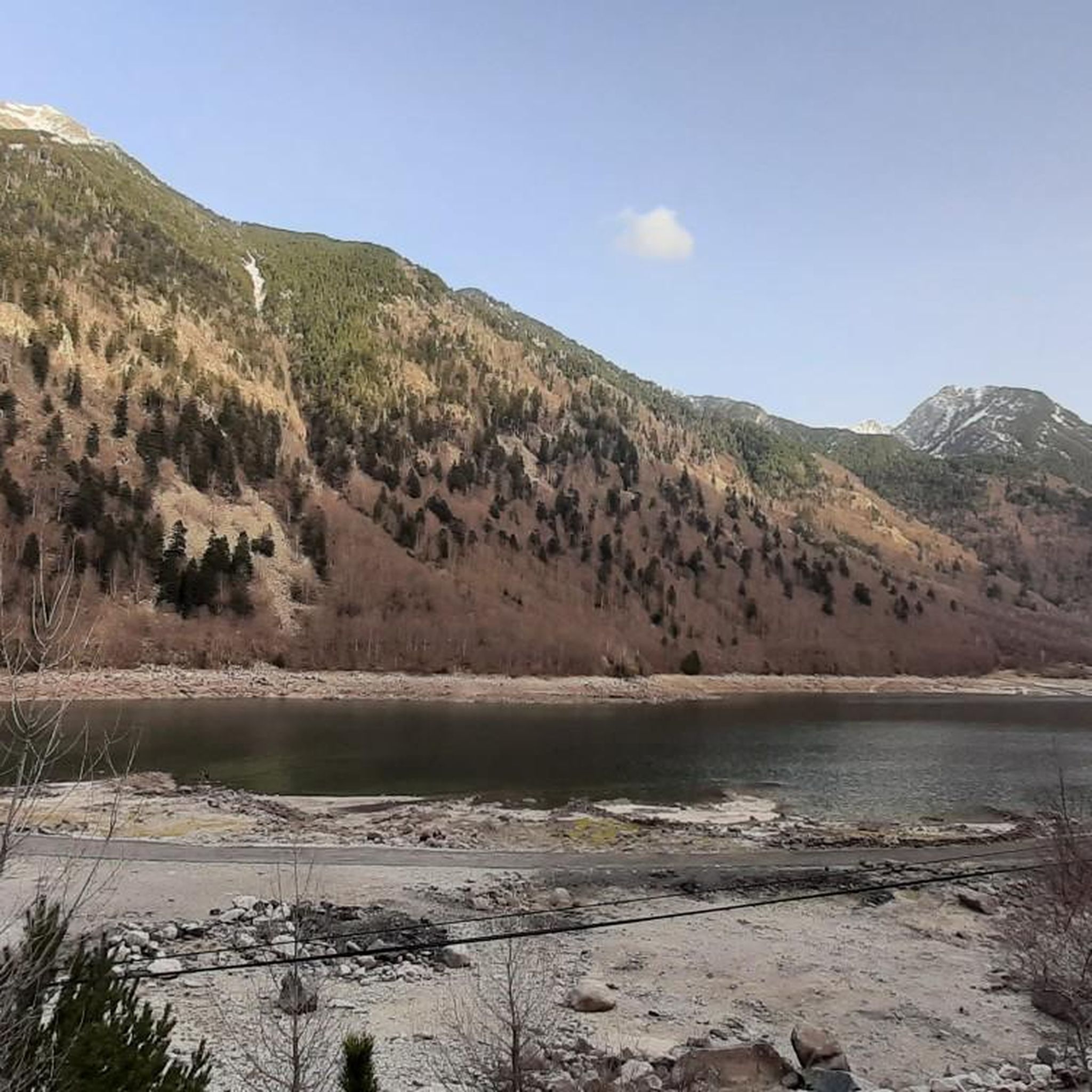
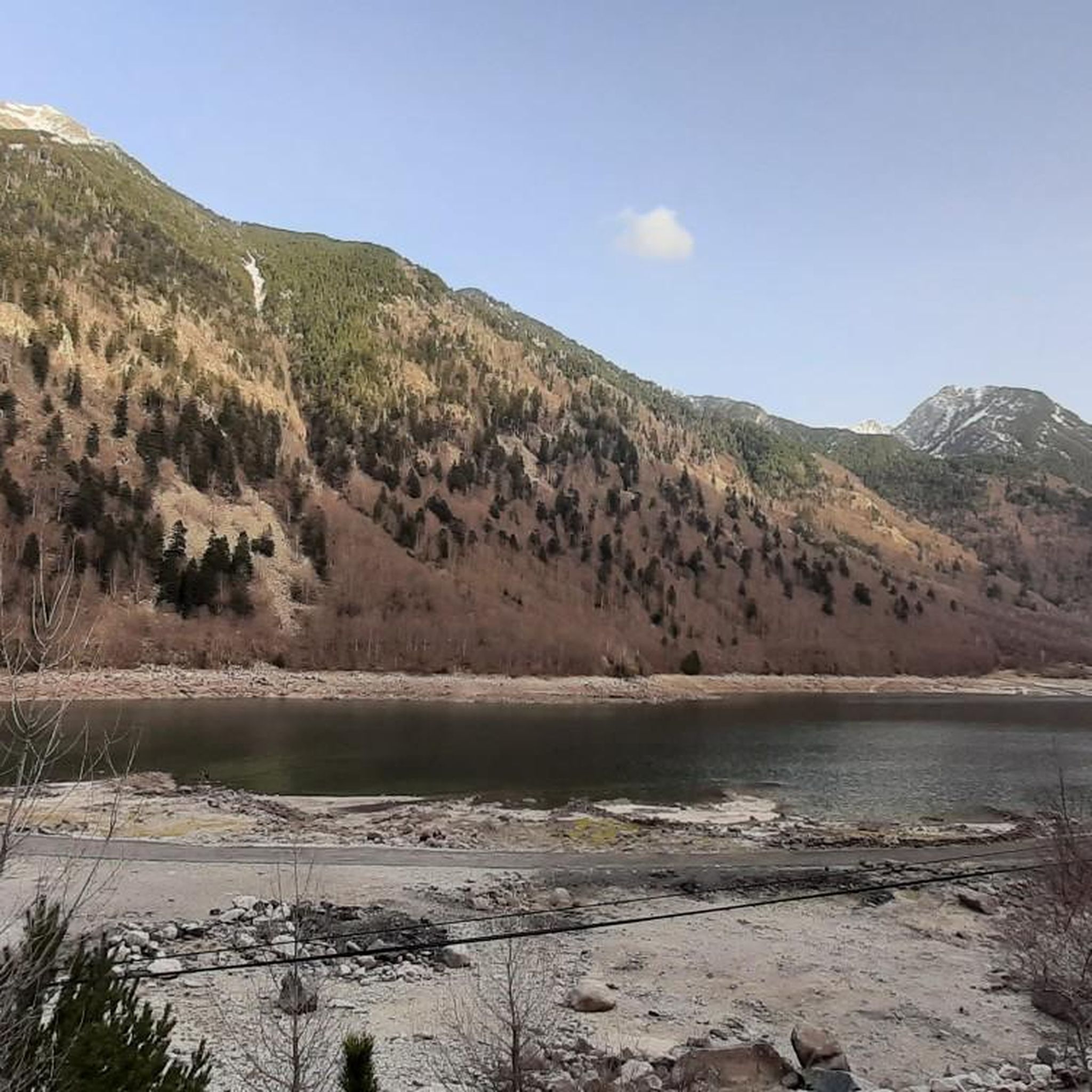
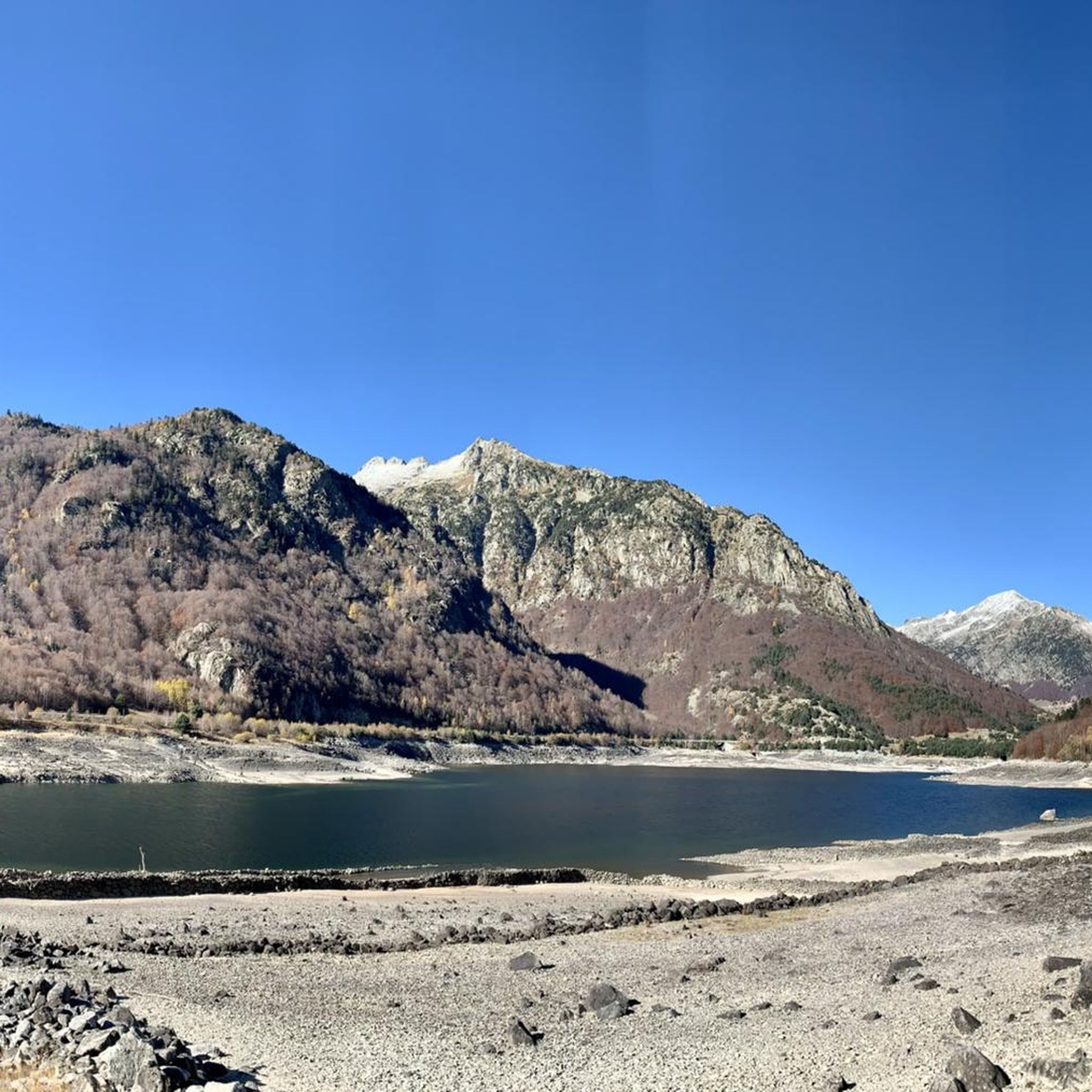
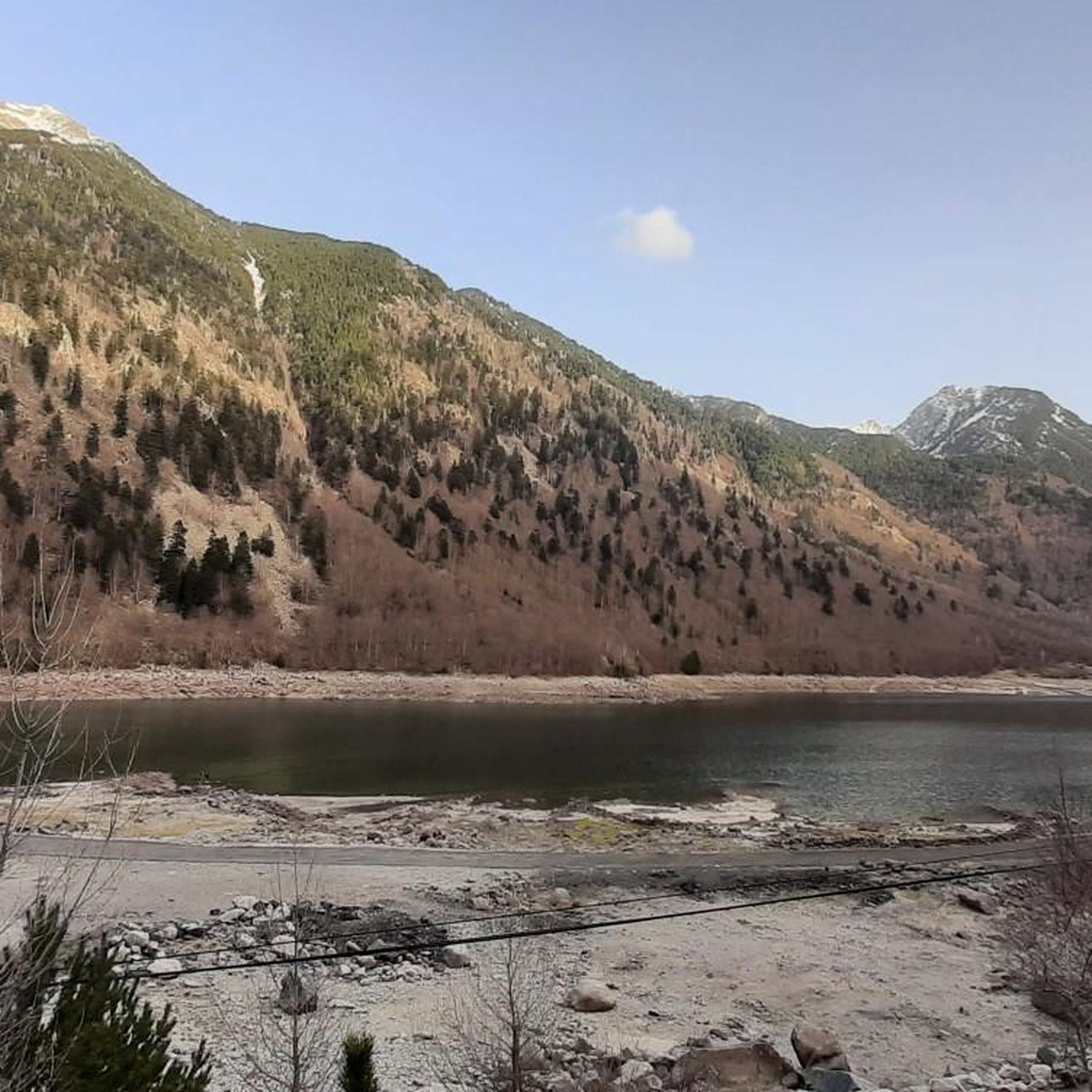
Beautiful lake, located in a very bucolic basin
0
0
Very beautiful waterfall with spectacular "giant's pothole" type pools.
0
0


"The Vall de Boi is a narrow valley, carved deep into the Catalan Pyrenees. More than 1,000 years ago, seven small villages emerged in the valley, which no one would remember if nine Romanesque churches hadn't been built at that time. The isolation has contributed to the fact that at least some of these churches have been preserved almost in their original state," says the website for the television series "Treasures of the World - Heritage of Humanity." Comprising several hundred episodes, the series (in German) presents special places from all continents and eras that – despite all their diversity – have one thing in common: They have been awarded the honorary title of World Heritage Site by UNESCO. The film about the VALL DE BOI with its Romanesque churches is available in the ARD media library under the following link => https://www.ardmediathek.de/video/schaetze-der-welt/vall-de-boi-spanien-folge-260/swr/Y3JpZDovL3N3ci5kZS82ODk4NDYw
0
0
Large village where we can find several bars and shops. From here we can go up to the gate or follow the valley of Aran, either up to find Vielha or towards Les. From Les we can take the Col de Menté, highly recommended, or go in search of the Col de Balés - incredible.
0
1
Good point to stop to take a photo of the Aran Valley that opens right in front of you.
0
0

Beautiful town that is located at the bottom of the valley formed by the Garonne river itself and that goes in the direction of France. The center is in a unique location, surrounded by immense mountains on both sides as far as the eye can see!
0
0
Frequently Asked Questions
What kind of terrain can I expect when road cycling around Pantà de Baserca?
Road cycling around Pantà de Baserca is defined by its mountainous Pyrenean setting. You can expect significant elevation changes, winding roads, and routes that often involve substantial ascents and descents. The landscape features high peaks, some over 3,000 meters, and the Noguera Ribagorzana river valley, offering diverse scenery from high mountain fields to black pine woods and picturesque beech forests.
How many road cycling routes are available around Pantà de Baserca?
There are several road cycling routes available around Pantà de Baserca, catering to various difficulty levels. Our guide features 5 distinct routes, with more being added by the komoot community.
Are there any challenging road cycling routes in the area?
Yes, the region is known for its demanding climbs and extensive ascents. For a significant challenge, consider the Vielha – Bossòst loop from Senet de Barravés, a difficult 93.6-mile (150.6 km) route with over 2,700 meters of elevation gain. Another difficult option is the Sant Climent de Taüll – Boí Taüll Mountain Pass loop from Barruera, covering 63.7 miles (102.4 km) with similar elevation challenges.
Are there any moderate road cycling routes suitable for intermediate cyclists?
Yes, there are moderate options available. The Sant Feliu de Barruera Church – Llesp loop from Sant Feliu de Barruera is a moderate 33.8-mile (54.4 km) route, offering a balanced ride through the scenic landscape. Another moderate choice is the Sant Feliu de Barruera Church – Sant Climent de Taüll loop from Barruera, a shorter 10.5-mile (16.9 km) ride.
What is the best time of year for road cycling in Pantà de Baserca?
The best time for road cycling in Pantà de Baserca is generally from late spring to early autumn. During these months, the weather is more stable, and mountain passes are typically clear of snow and ice. Autumn, in particular, offers stunning views as the beech forests display vibrant ochre, orange, and yellow hues.
Are there any circular road cycling routes?
Yes, many of the routes in the area are designed as loops, allowing you to start and finish at the same point. Examples include the challenging Vielha – Bossòst loop from Senet de Barravés and the more moderate Sant Feliu de Barruera Church – Llesp loop from Sant Feliu de Barruera.
What landmarks or scenic viewpoints can I see along the road cycling routes?
While specific highlights are not detailed for these routes, the region itself is rich in natural beauty. You'll encounter stunning Pyrenean landscapes, including high mountain peaks, the Noguera Ribagorzana river valley, and diverse forests. The road leading to Pantà de Baserca features a natural overhang, adding a distinctive element to the cycling experience. The reservoir itself, also known as Pantà de Senet, offers picturesque vistas with water reflecting the surrounding mountains.
What do other cyclists say about road cycling in Pantà de Baserca?
The road cycling routes around Pantà de Baserca are highly rated by the komoot community, with an average score of 5.0 stars from over 2 reviews. Cyclists often praise the challenging mountainous terrain, the extensive ascents, and the stunning natural beauty of the Pyrenean landscape.
What kind of road surface quality can I expect?
Given the mountainous terrain and the nature of road cycling, you can expect well-maintained paved roads suitable for road bikes. However, as with any mountain region, conditions can vary, and it's always advisable to check local reports for the most current road surface information, especially after adverse weather.
Where can I park my car when starting a road cycling route?
While specific parking areas for each route are not detailed, starting points for many routes are often in villages like Senet de Barravés or Barruera. These villages typically offer public parking options suitable for cyclists. It's recommended to check local village information for designated parking facilities.
Are there family-friendly road cycling options around Pantà de Baserca?
The primary road cycling routes in this guide are generally characterized by significant elevation gains and challenging terrain, making them more suitable for experienced road cyclists. While there isn't an 'easy' category, the Sant Feliu de Barruera Church – Sant Climent de Taüll loop from Barruera is a shorter, moderate option that might be considered for families with older, experienced cycling members. For more relaxed family outings, consider exploring the area's hiking paths, such as the easy path along the reservoir known as the 'Pista de la Central de Baserca'.
Most popular routes around Pantà de Baserca

Get inspired with the komoot mobile app


Explore more
Browse the best Road cycling routes in other regions.
