The best road cycling routes around Lake de Carucedo
4.3
(3)
472
riders
23
rides
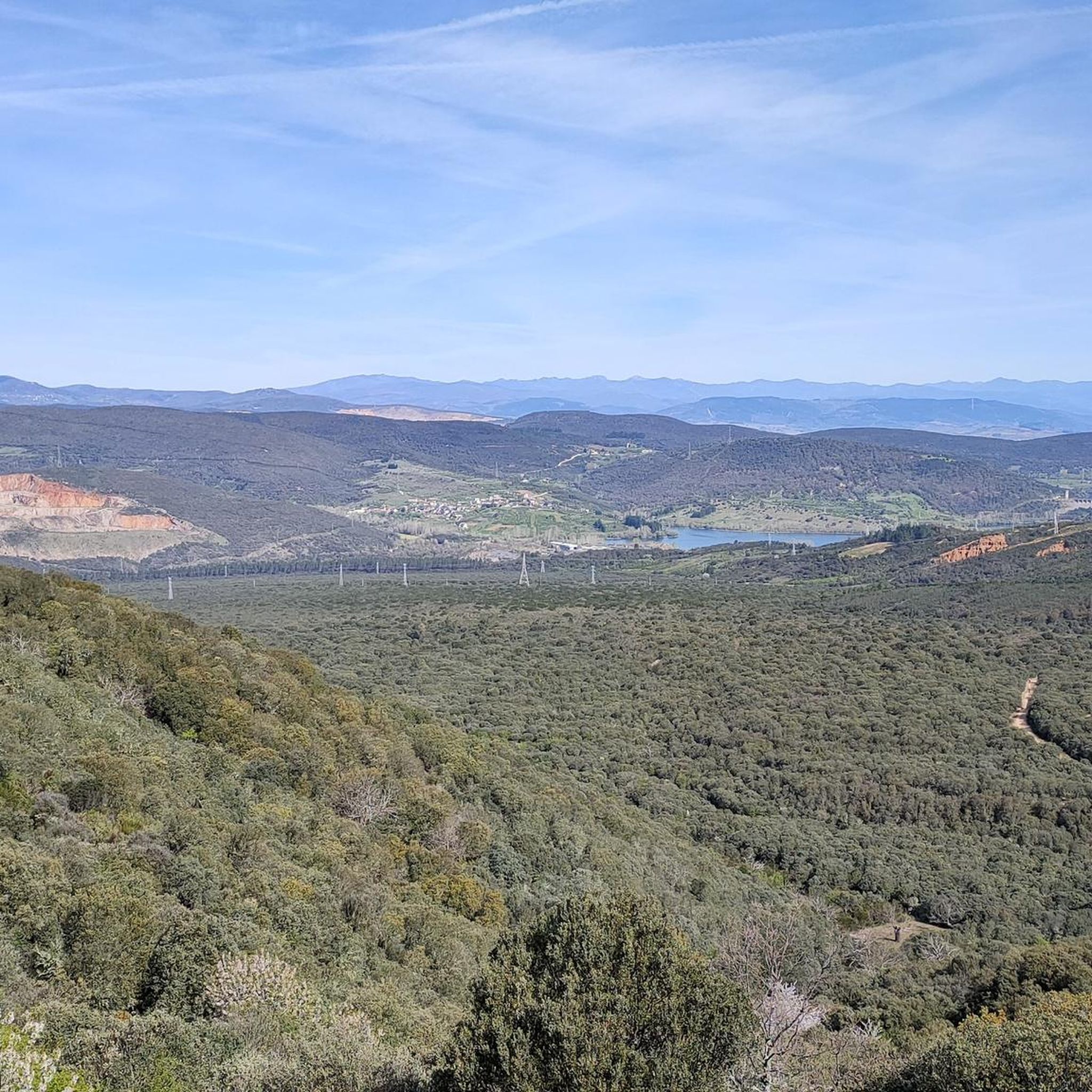
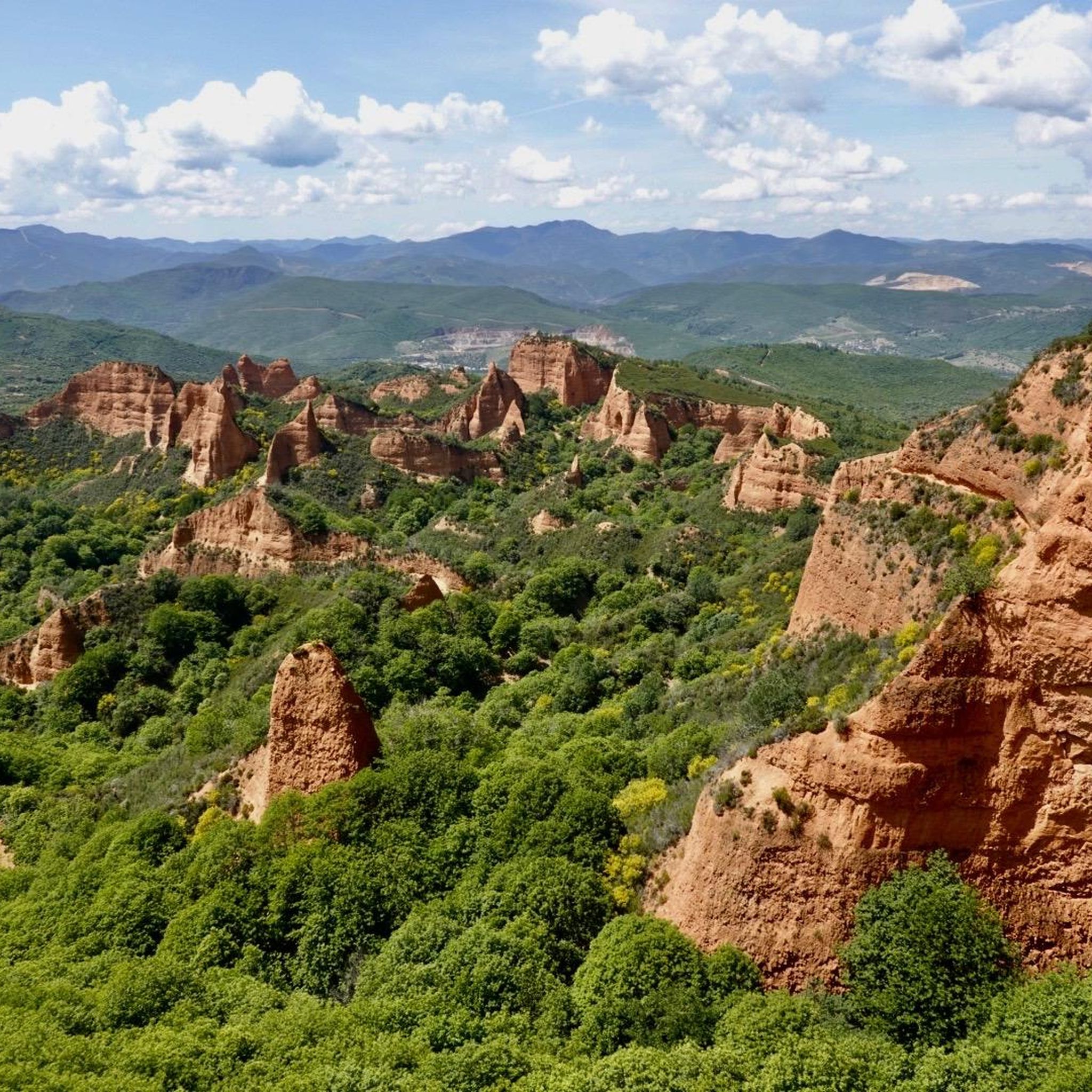
Road cycling routes around Lake de Carucedo traverse a landscape shaped by ancient Roman gold mining and natural beauty in the El Bierzo region of León, Spain. The area features the unique reddish sand peaks of Las Médulas, now covered with chestnut and oak trees, alongside the protected wetland of Lake de Carucedo. Cyclists can explore routes that wind through surrounding mountains and forests, offering varied terrain from accessible paths to challenging climbs.
Best road cycling routes around Lake de…
Last updated: October 20, 2026
13
riders
94.7km
05:32
2,190m
2,190m
Hard road ride. Very good fitness required. Mostly well-paved surfaces and easy to ride.
23
riders
35.7km
01:48
500m
500m
Moderate road ride. Good fitness required. Mostly well-paved surfaces and easy to ride.

5
riders
65.0km
03:32
1,270m
1,270m
Hard road ride. Very good fitness required. Mostly well-paved surfaces and easy to ride.
8
riders
43.9km
01:46
190m
190m
This easy 27.3-mile road cycling route from Toral de los Vados explores the picturesque El Bierzo region, passing Ponferrada Castle.
22
riders
84.4km
04:14
1,240m
1,240m
Hard road ride. Very good fitness required. Mostly well-paved surfaces and easy to ride.
Get access to more routes and recommendations from other explorers.
Already have an account?
Our route recommendations are based on thousands of hikes, rides, and runs completed by other people on komoot.
Start today with a free account
Your next adventure awaits.

Tips from the Community

Villafranca del Bierzo takes its name from French immigrants who (re)populated the region after the Reconquista and built a castle. Villafranca thus became a stop on the Camino. In later centuries it was the capital of a county. Here we find the Santiago church from 1186, the 16th century castle, the authentic Calle del Agua, the Plaza Mayor, the San Nicolas church, a Jesuit monastery and a former monastery church of San Francisco. Francis of Assisi founded the monastery in the 13th century on his pilgrimage to Santiago.
7
0

At the end of the 11th century, Osmundo, Bishop of Astorga, ordered the construction of a bridge (partly made of iron = pons ferrata) over the Sil for the pilgrims on the Way of St. James, near which a settlement was built. At the "pons ferrata", the iron bridge, the Knights Templar built a huge castle on a surface area of 160 x 90 m to protect the pilgrims on the Way of St. James. The medieval castle complex was inhabited by the Knights Templar from 1178 to 1312. Source: Wikipedia
5
0

The Templars' heyday from the 12th to 14th centuries led to the construction of this mighty fortress, among other things to protect the pilgrims on the Way of St. James. The rampart on the city hill stands out impressively against the mountain backdrop and absolutely conforms to the stereotypical image of a knight's castle. It is sensationally well maintained and a feast for the eyes.
6
0

The order, often referred to simply as the "Order of the Knights Templar," whose full name is "Poor Knights of Christ and of Solomon's Temple in Jerusalem," takes us mentally back to the 13th century. Founded in the Holy Land, it spread surprisingly quickly to many countries in Central Europe, and this castle complex in Ponferrada, northern Spain, was one of its numerous branches. The order gained notoriety through its dissolution in 1312 by the French king and the pope, and many of its members were burned at the stake as alleged heretics. The main reason for the dissolution, however, was not the members' human and religious misconduct (heresy), which was merely a pretext, but the legendary wealth of this order. King Philip IV of France primarily wanted to secure the treasures to bolster his coffers.
6
0

This bridge, which connects the neighborhoods of Toral and Merayo, is built over the Oza River and combines traditional architecture with the natural beauty of the area. Its slate and limestone masonry structure evokes a sense of historical authenticity. Although it is not as famous as other medieval bridges, its uniqueness and location make it an interesting place to visit. 😊
19
0

The Templar Castle of Ponferrada is a superb building. It houses the Templar Library and the Ponferrada Center for Research and Historical Studies, with over 1,400 books, including facsimiles of works by Leonardo da Vinci. It was originally a Roman camp and later a citadel. In the early 12th century, the Templars took possession of the fortress, strengthening and expanding it to serve as a residential palace and as a protection for pilgrims on their way to Santiago de Compostela. The building has an irregular square plan, and its most notable entrance is reached by crossing the moat over a drawbridge and, further on, two large crenellated towers joined by an arch. Its twelve original towers depicted the constellations.
5
0

A medieval stone bridge over the River Oza in the village of Toral de Merayo on the outskirts of Ponferrada. Crossing the river will take you to Plaza Nogalego, where you can eat something.
5
0

nice little village
2
0
Frequently Asked Questions
What kind of terrain can I expect when road cycling around Lake de Carucedo?
The region offers a diverse landscape for road cyclists. You'll encounter routes that wind through mountains and forests, with some featuring challenging long climbs and explosive ramps, particularly in the Las Médulas area. Other paths are more accessible, including easy valley rides. The unique reddish sand peaks of Las Médulas, a UNESCO World Heritage Site, provide a distinctive backdrop to many routes.
Are there road cycling routes suitable for beginners or families in the Lake de Carucedo area?
Yes, the area caters to various fitness levels. While many routes offer significant elevation gain, there are also easier options. For instance, the Ponferrada and the Bierzo Valley route is an easy 27.2-mile (43.9 km) trail that provides a more gentle cycling experience, ideal for those seeking less demanding rides.
What are the most notable historical or natural attractions to see while cycling around Lake de Carucedo?
The primary attraction is Las Médulas, a UNESCO World Heritage Site, known for its extraordinary landscape shaped by Roman gold mining. You can explore the Orellán Galleries, ancient underground water conduits, and the charming caves of La Cuevona and La Encantada. The Lake de Carucedo itself is a protected wetland, offering beautiful scenery and birdwatching opportunities.
How many road cycling routes are available in the Lake de Carucedo region?
There are over 15 road cycling routes available in the Lake de Carucedo region, offering a variety of distances and difficulty levels. These routes have been explored by more than 400 road cyclists using komoot.
What do other road cyclists enjoy most about the routes in Lake de Carucedo?
The road cycling routes around Lake de Carucedo are highly rated by the komoot community, with an average score of 4.0 stars. Cyclists often praise the unique historical landscapes, the varied terrain from challenging climbs to gentle valley rides, and the scenic beauty of the region, especially around Las Médulas and the lake itself.
Are there any circular road cycling routes around Lake de Carucedo?
Yes, there are several circular routes that allow you to start and end in the same location. A popular option is the challenging Lago de Carucedo – Sobradelo Medieval Bridge loop from A Barosa, which features extensive climbing and scenic views around the lake and towards a medieval bridge.
What is the best time of year for road cycling in the Lake de Carucedo area?
The region is generally pleasant for cycling from spring through autumn. While specific weather data isn't provided, the mild climate of El Bierzo typically offers good conditions for outdoor activities during these seasons. Summers can be warm, while spring and autumn provide comfortable temperatures and beautiful scenery.
Are there any specific permits required for road cycling in the Las Médulas area?
Generally, no specific permits are required for road cycling on public roads in the Las Médulas area. However, always respect local regulations, especially within the UNESCO World Heritage Site, and be mindful of any signage regarding access or protected areas.
What are the options for parking when visiting Lake de Carucedo for road cycling?
While specific parking locations for cyclists are not detailed, the region is accustomed to visitors. You can typically find parking in towns and villages near popular trailheads or attractions like Las Médulas. It's advisable to check local information for designated parking areas upon arrival.
Can I find cafes or accommodation near the road cycling routes in Lake de Carucedo?
Yes, the El Bierzo region, including the area around Lake de Carucedo and Las Médulas, has various amenities for visitors. You can find cafes, restaurants, and accommodation options in nearby towns and villages, providing convenient stops for refreshments or overnight stays during your cycling trip.
Are there any challenging road cycling routes with significant elevation gain in the area?
Absolutely. The Lake de Carucedo region offers routes with substantial climbing for experienced riders. For example, the Cosmo from La Barosa - circular by the Burbia and Sil rivers is a difficult 40.4-mile (65.0 km) route with significant elevation gain through river valleys, providing a demanding yet rewarding experience.
Is it possible to use public transport to access road cycling routes around Lake de Carucedo?
While specific public transport options for bikes are not detailed, major towns in the El Bierzo region, such as Ponferrada, are connected by bus services. It's recommended to check with local transport providers regarding their policies on carrying bicycles, especially if you plan to use public transport to reach your starting point.
Most popular routes around Lake de Carucedo

Get inspired with the komoot mobile app


Explore more
Browse the best Road cycling routes in other regions.
