Attractions and Places To See around Drumreagh Etra - Top 9
Best attractions and places to see around Drumreagh Etra include a mix of historical sites and natural landscapes. The region features a variety of outdoor attractions, from river walks to castle ruins, offering diverse exploration opportunities. Visitors can discover historical monuments and scenic viewpoints across the area. Drumreagh Etra provides options for those interested in local heritage and natural beauty.
Best attractions and places to see around Drumreagh Etra
- The most popular attraction is Dungannon Park Weir, a natural…
Last updated: June 29, 2026
Blackwater River Walk
Highlight (Segment) • Trail
Tip by

Mountjoy Castle
Highlight • Historical Site
Translated by Google •
Tip by

Sign up now to discover places like this
Get recommendations on the best single tracks, peaks, & plenty of other exciting outdoor places.
Sign up for free
The Argory Country House
Highlight • Monument
Tip by
Dungannon Park Weir
Highlight • Natural Monument
Tip by
Castle Caulfield Ruins
Highlight • Castle
Tip by

Sign up for free to discover even more attractions around Drumreagh Etra.
Sign up for free
Already have an account?
Start today with a free account
Your next adventure awaits.
Login or Signup

Tips from the Community

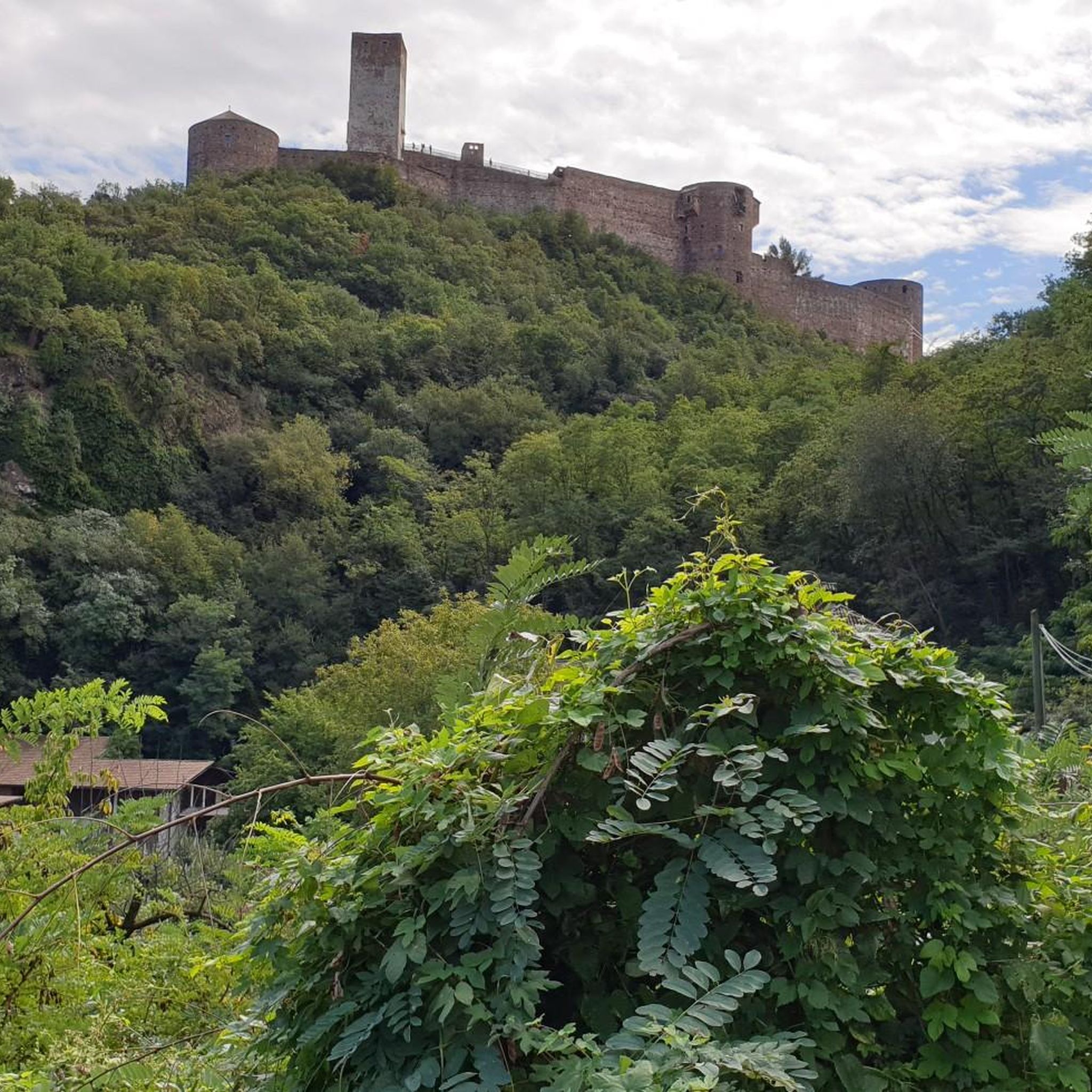
On the banks of Lough Neagh, near the village of Brockagh, you will find the impressive ruin of Mountjoy Castle. This castle was built between 1602 and 1605 by Lord Mountjoy and served at the time as a crucial military stronghold during the turbulent years of the Nine Years' War. Unique is the special combination of building materials: the lower floor is constructed from rough natural stone, while the upper floor consists of locally fired red brick. Although the castle has been a ruin since 1648, the central block and the characteristic arrow-shaped corner towers are still clearly recognizable in the landscape.
8
0

The Blackwater Riverwalk along The Argory Estate is like a walk through time. You stroll along the banks of the Blackwater, surrounded by flowering meadows and the gentle sounds of nature. The riverside promenade is an invitation to simply unwind. You might spot a kingfisher gliding across the water at lightning speed, or linger for a moment at one of the old kissing gates that make this walk so charming. Bond's Bridge, an industrial-era bridge, is a real reminder of the area's history. It not only connects two banks, but also the past with the present. As you continue walking, you'll feel the air of history that accompanies you here as the river flows along at its tranquil rhythm. If you're arriving by car, there is free parking at Bond's Bridge, although spaces are limited. Alternatively, you can park in The Argory Estate car park if you're visiting the National Trust. In any case, it is worth enjoying this idyllic route at your own pace.
1
0
The home's architecture speaks of a time of elegance and artistic expression, and the property's windows capture the changing light that gently falls on the river. But it's not just the country house itself that captivates visitors. The 320-acre property is a nature lover's paradise. A walk through the grounds reveals an impressive variety of flora and fauna. Centuries-old oaks stand next to proud chestnuts, while beeches and linden trees stretch out their branches like protective arms over the paths. The rustling of the leaves, the chirping of the birds and the scent of the earth combine to create a symphonic experience that touches the soul and invigorates the spirit.
2
0
In the shadow of Northern Ireland's vast skies, the mysterious Mountjoy Castle rises on a hill above Lough Neagh. This ruined castle, whose Irish name "Caisleán Mhuinseo" whispers into the wind, stands like a proud sentinel in the village of Mountjoy, County Tyrone. The castle was built in 1602 by order of Charles Blount, 1st Earl of Devonshire and 8th Baron Mountjoy. But times have not always been kind to this building: as early as 1643, a devastating fire left scars on the walls of the castle. What remained is a two-story brick building with the ground floor clad in stone. The architecture speaks of a time of defense and vigilance - a central rectangular block protected by four spear-shaped towers, crisscrossed by embrasures. The north-western tower testifies to the fragility of time - partially collapsed, while the western curtain wall has lost its presence. The entrance, once on the south side of the eastern curtain wall, seems to whisper stories of days gone by, while wide windows on the upper floor capture the eyes of visitors. Unfortunately, an extension at the back keeps some of the castle's secrets hidden, and the interior area is closed to visitors' eyes. But even in its ruined state, Mountjoy Castle embodies the soul and history of Northern Ireland. Not only is it a State Care Historic Monument in the townland of Magheralamfield in the Mid Ulster District, but it is also a silent testament to time, inviting every walker to pause for a moment and listen to the whispers of history.
4
0

Built in the early 17th century for Sir Toby Caulfield, who was given land during the Plantation. Park up your bike and take some time to explore the ruins by foot. Keep an eye out for the murder holes which give an idea of its grim history, as well as the Caulfield Coat of Arms in a prominent position above the doorway.
0
0

The weir at Dungannon park trickles down like a waterfall into a fresh pool of water surrounded by lush green nature.
1
0
Pull up a picnic blanket and enjoy the beautiful views over this weir in Dungannon Park. The water trickles down like a waterfall into a fresh pond surrounded by lush green nature.
2
0
The Argory is a beautiful country house situated on a 320 acre riverside estate in County Armagh, Northern Ireland. The house was built in the 1820s and looks over the River Blackwater. The estate hosts some wonderful flora and fauna featuring oaks, chestnut, beech and pollard lime trees.
3
0
Frequently Asked Questions
What historical sites can I visit around Drumreagh Etra?
The region is rich in history. You can explore the ruins of Mountjoy Castle, a State Care Historic Monument built in 1602, offering views above Lough Neagh. Another significant site is Castle Caulfield Ruins, an early 17th-century castle where you can observe features like murder holes and the Caulfield Coat of Arms. Additionally, The Argory Country House, built in the 1820s, provides insight into the area's heritage with its elegant architecture and extensive estate.
Are there family-friendly activities around Drumreagh Etra?
Yes, there are several options for families. Dungannon Park Weir is a popular spot for picnics, where you can enjoy views of the water trickling into a fresh pond. The 320-acre estate of The Argory Country House is also family-friendly, offering plenty of space to explore its flora and fauna. The Blackwater River Walk is another great choice for a family outing.
Where can I find easy walking trails near Drumreagh Etra?
For easy walks, consider the trails within Dungannon Park, such as the 'Dungannon Park loop' or the 'Dungannon Park Weir loop'. These routes are generally easy and suitable for a relaxed stroll. You can find more details and routes in the Easy hikes around Drumreagh Etra guide.
What natural features or scenic viewpoints are there?
You can enjoy the beautiful views over the weir at Dungannon Park Weir, where water gently cascades into a pond surrounded by lush greenery. The Blackwater River Walk offers lovely scenery with flowering meadows and the chance to spot Kingfishers along the river. The Argory Country House estate also features impressive flora, including centuries-old oaks, chestnuts, and beeches.
Are there any hiking opportunities near these attractions?
Yes, there are several hiking opportunities. You can find various routes, including easy options like the 'Dungannon Park loop' and the 'Dungannon Park Weir loop'. For a broader selection of trails, explore the Hiking around Drumreagh Etra guide.
What cycling routes are available around Drumreagh Etra?
The area offers several cycling routes ranging in difficulty. Examples include the 'Castle Caulfield & Ballysaggart Lough loop from Dungannon' which is an easy ride, and more challenging options like the 'Castle Caulfield Ruins – Ballysaggart Lough loop'. You can discover more routes in the Cycling around Drumreagh Etra guide.
Where can I park when visiting attractions like the Blackwater River Walk?
For the Blackwater River Walk, you can park for free at Bond's Bridge, though spaces are limited. Alternatively, you can use The Argory carpark if you are happy to pay the National Trust entrance fee for The Argory Country House, which provides access to the estate and river walk.
What do visitors enjoy most about the attractions in Drumreagh Etra?
Visitors appreciate the blend of historical significance and natural beauty. Many enjoy the peaceful atmosphere and scenic views at places like Dungannon Park Weir, perfect for a picnic. The historical insights provided by sites like Mountjoy Castle and Castle Caulfield Ruins are also highly valued, offering a glimpse into the region's past.
Are there any hidden gems or less-known spots worth visiting?
While not strictly 'hidden,' the detailed exploration of Castle Caulfield Ruins, with its murder holes and coat of arms, offers a deeper dive into history than a casual glance. Similarly, the extensive 320-acre estate of The Argory Country House provides many quiet corners and diverse flora and fauna to discover beyond the main house itself.
Can I find nature trails with wildlife viewing opportunities?
Yes, the Blackwater River Walk, which passes through The Argory estate, is an excellent spot for nature observation. You might spot Kingfishers along the river, and the surrounding meadows are home to various flowering plants. The 320-acre estate of The Argory Country House also boasts an impressive variety of flora and fauna, including ancient oaks, chestnuts, and beeches.
Are there any attractions that are wheelchair accessible?
While specific accessibility details for all attractions are not provided, parks and country estates often offer more accessible paths. For instance, parts of Dungannon Park, where the weir is located, typically have paved paths suitable for wheelchairs. It's always recommended to check directly with the specific attraction for the most up-to-date accessibility information.

Get inspired with the komoot mobile app


Explore more
Still not found the Highlight you’re looking for? See guides of the top attractions in other regions:
