The best road cycling routes around Ballymenagh
634
riders
139
rides
Road cycling around Ballymenagh offers a diverse landscape characterized by undulating glens, coastal views, and varied inland terrain. The region features a mix of challenging climbs and rewarding descents, with routes traversing areas of natural beauty. Cyclists can explore routes that wind through planted woodlands, past rivers, and over plateaus. The well-paved surfaces on many routes are suitable for road bikes, catering to different cycling abilities.
Best road cycling routes around Ballymenagh
- The most popular road cycling route is Armagh,…
Last updated: July 11, 2026
1
riders
92.6km
03:59
580m
580m
Moderate road ride. Good fitness required. Mostly well-paved surfaces and easy to ride.
55.6km
02:36
440m
440m
Moderate road ride. Good fitness required. Mostly well-paved surfaces and easy to ride.

Sign up for free
11
riders
Moderate road ride. Good fitness required. Mostly well-paved surfaces and easy to ride.
13
riders
79.8km
03:19
510m
510m
Moderate road ride. Good fitness required. Mostly well-paved surfaces and easy to ride.
11
riders
93.5km
04:00
770m
770m
Moderate road ride. Good fitness required. Mostly well-paved surfaces and easy to ride.
Get access to more routes and recommendations from other explorers.
Sign up for free
Already have an account?
Our route recommendations are based on thousands of hikes, rides, and runs completed by other people on komoot.
Start today with a free account
Your next adventure awaits.
Login or Signup
Popular around Ballymenagh

Tips from the Community

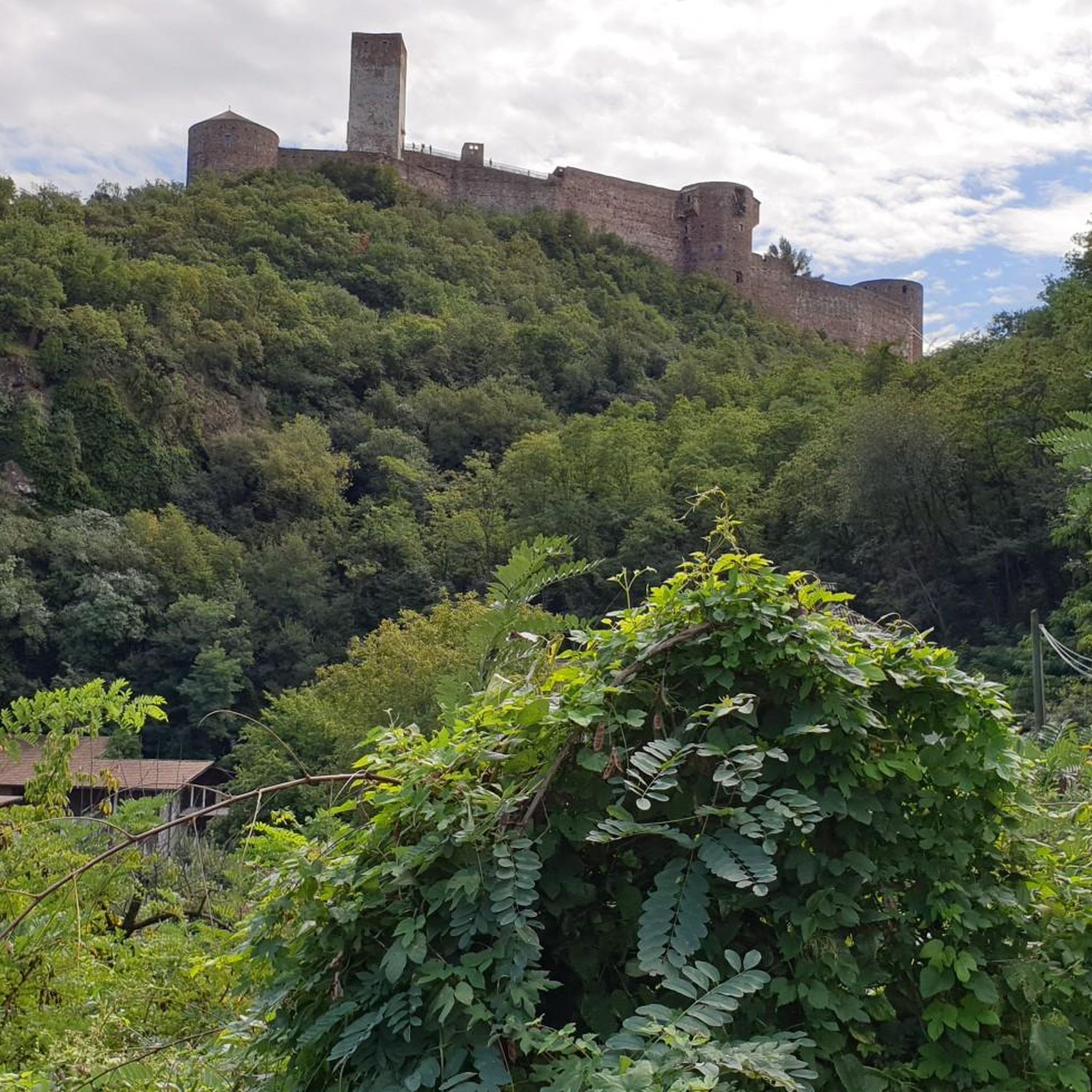
On the banks of Lough Neagh, near the village of Brockagh, you will find the impressive ruin of Mountjoy Castle. This castle was built between 1602 and 1605 by Lord Mountjoy and served at the time as a crucial military stronghold during the turbulent years of the Nine Years' War. Unique is the special combination of building materials: the lower floor is constructed from rough natural stone, while the upper floor consists of locally fired red brick. Although the castle has been a ruin since 1648, the central block and the characteristic arrow-shaped corner towers are still clearly recognizable in the landscape.
8
0
As you cycle through the rolling landscape of County Tyrone, the Wellbrook Beetling Mill is an absolute must for a stopover. Situated in an idyllic, wooded stream valley along the Ballinderry River, this 19th-century water mill provides a stark contrast to the tranquility of its surroundings. This is the last working 'beetling mill' in the United Kingdom. "Beetling" was the final step in traditional Irish linen production: using enormous wooden hammers (beetles), powered by a water wheel nearly five metres high, the linen was processed for hours until it acquired its characteristic sheen. When the mill is running, you can hear the rhythmic thudding from afar – an impressive sound that takes you straight back to the industrial heyday of Northern Ireland.
8
0

In the shadow of Northern Ireland's vast skies, the mysterious Mountjoy Castle rises on a hill above Lough Neagh. This ruined castle, whose Irish name "Caisleán Mhuinseo" whispers into the wind, stands like a proud sentinel in the village of Mountjoy, County Tyrone. The castle was built in 1602 by order of Charles Blount, 1st Earl of Devonshire and 8th Baron Mountjoy. But times have not always been kind to this building: as early as 1643, a devastating fire left scars on the walls of the castle. What remained is a two-story brick building with the ground floor clad in stone. The architecture speaks of a time of defense and vigilance - a central rectangular block protected by four spear-shaped towers, crisscrossed by embrasures. The north-western tower testifies to the fragility of time - partially collapsed, while the western curtain wall has lost its presence. The entrance, once on the south side of the eastern curtain wall, seems to whisper stories of days gone by, while wide windows on the upper floor capture the eyes of visitors. Unfortunately, an extension at the back keeps some of the castle's secrets hidden, and the interior area is closed to visitors' eyes. But even in its ruined state, Mountjoy Castle embodies the soul and history of Northern Ireland. Not only is it a State Care Historic Monument in the townland of Magheralamfield in the Mid Ulster District, but it is also a silent testament to time, inviting every walker to pause for a moment and listen to the whispers of history.
4
0

Also known as Black Lough, it's unique habitat means it is a great place for bird watching with a number of rare species being seen. You're also likely to spot people course fishing for pike and perch. There are even eels in the water.
0
0
The O'Neills ruled the region for over 400 years and this was their seat of power for over 300. You can enjoy a guided tour and learn more about the history of Ulster and marvel at the views from the top, from where you can see all the way to the Sperrin Mountains, the Mournes and Lough Neagh. A fine view for the O'Neills over their land.
0
0
Built in the early 17th century for Sir Toby Caulfield, who was given land during the Plantation. Park up your bike and take some time to explore the ruins by foot. Keep an eye out for the murder holes which give an idea of its grim history, as well as the Caulfield Coat of Arms in a prominent position above the doorway.
0
0
Despite being a village, Clogher boasts a Cathedral. It dates from 1744 and of note is the spectacular stained glass window behind the altar. History lovers will enjoy a stroll round the churchyard where interesting graves are labelled.
0
0
Take a look down the lane to the east and you'll get a glimpse into Clogher's history. Falling into ruins is the workhouse, built between 1842 and 1843 as part of the New Poor Law of 1834. Workhouses were notoriously harsh places, with overcrowding, family separation and malnutrition common place.
1
0
Frequently Asked Questions
How many road cycling routes are available around Ballymenagh?
There are over 150 road cycling routes around Ballymenagh, offering a wide range of options for different skill levels. This includes 17 easy routes, 125 moderate routes, and 13 difficult routes, ensuring there's something for every cyclist.
What kind of terrain can I expect when road cycling near Ballymenagh?
Road cycling around Ballymenagh offers diverse terrain, from the undulating glens and dramatic coastal scenery of the Antrim Coast and Glens Area of Outstanding Natural Beauty to inland routes with challenging climbs and rewarding descents. You'll encounter well-paved surfaces, varied elevation, and scenic stretches through woodlands and over plateaus.
What landmarks or scenic viewpoints can I see along road cycling routes in Ballymenagh?
Many routes offer stunning views and pass by notable landmarks. You might cycle past historical sites like Mountjoy Castle or Castle Caulfield Ruins. Natural monuments such as Dungannon Park Weir and Tullyhogue Fort are also accessible. The iconic Slemish Mountain provides a distinctive landmark and panoramic views.
Are there road cycling routes suitable for beginners in Ballymenagh?
Yes, Ballymenagh offers 17 easy road cycling routes, perfect for beginners or those looking for a more relaxed ride. These routes typically feature less elevation gain and shorter distances, allowing you to enjoy the scenery at a comfortable pace.
Where can I find more challenging road cycling routes around Ballymenagh?
For more challenging rides, explore the 13 difficult routes available, often found in the Antrim Coast and Glens AONB. Routes like the 'Torr Head loop' (mentioned in regional research) offer significant elevation gain and demanding terrain. The 'Broughshane to Slemish Mountain loop' is another challenging option with panoramic views.
Are there circular road cycling routes available?
Yes, many road cycling routes around Ballymenagh are designed as loops, allowing you to start and finish at the same point. Examples include the 'Broughshane to Slemish Mountain loop' and routes within Glenariff Forest Park, providing varied and engaging rides.
Are there any natural parks or forests I can cycle near?
Absolutely. You can cycle roads leading to and around Glenariff Forest Park, known as the 'Queen of the Glens,' offering beautiful scenery. Ecos Nature Park on the outskirts of Ballymena also provides scenic paths through woodlands and wetlands, with the 'ecos Cycle Trail' connecting Ballymena to Glenarm.
Are there any routes that feature waterfalls?
While road cycling routes typically stick to paved roads, you can incorporate visits to areas known for waterfalls. Glenariff Forest Park, for instance, is famous for its waterfalls, and while the trails within the park are more suited for walking, the roads leading to and around it offer scenic cycling opportunities. More information about the waterfalls can be found on the nidirect.gov.uk website.
What is the best time of year for road cycling in Ballymenagh?
The spring and summer months (April to September) generally offer the most favorable conditions for road cycling in Ballymenagh, with milder temperatures and longer daylight hours. However, the region's weather can be unpredictable, so it's always advisable to check the forecast before heading out.
Is parking available near the road cycling routes?
Parking is generally available at various starting points for road cycling routes around Ballymenagh, particularly near popular attractions like Glenariff Forest Park or Ecos Nature Park. Specific parking details can often be found on individual route descriptions on komoot.
Can I find cafes or pubs along the road cycling routes?
Yes, many road cycling routes pass through or near charming villages and towns where you can find cafes, pubs, and other amenities. The Antrim Coast, for example, features picturesque villages with options for refreshments. It's a good idea to check the route details or a map beforehand to plan your stops.
What do other road cyclists enjoy about the routes around Ballymenagh?
Road cyclists frequently praise the diverse landscape and the mix of challenging climbs and scenic stretches. The well-paved surfaces are ideal for road bikes, and the opportunity to explore both dramatic coastal views and serene inland glens is highly valued. The region's natural beauty and varied terrain make for engaging rides.
Are there family-friendly road cycling options in Ballymenagh?
Yes, there are family-friendly road cycling options, particularly among the 17 easy routes available. Ecos Nature Park, for example, offers over 8km of scenic paths that are generally suitable for families. When choosing a route, look for those with lower elevation gain and shorter distances for a more enjoyable family experience.
Most popular routes around Ballymenagh
Most popular attractions around Ballymenagh

Get inspired with the komoot mobile app


Explore more
Browse the best Road cycling routes in other regions.
