The best road cycling routes around Knockmany
165
riders
38
rides
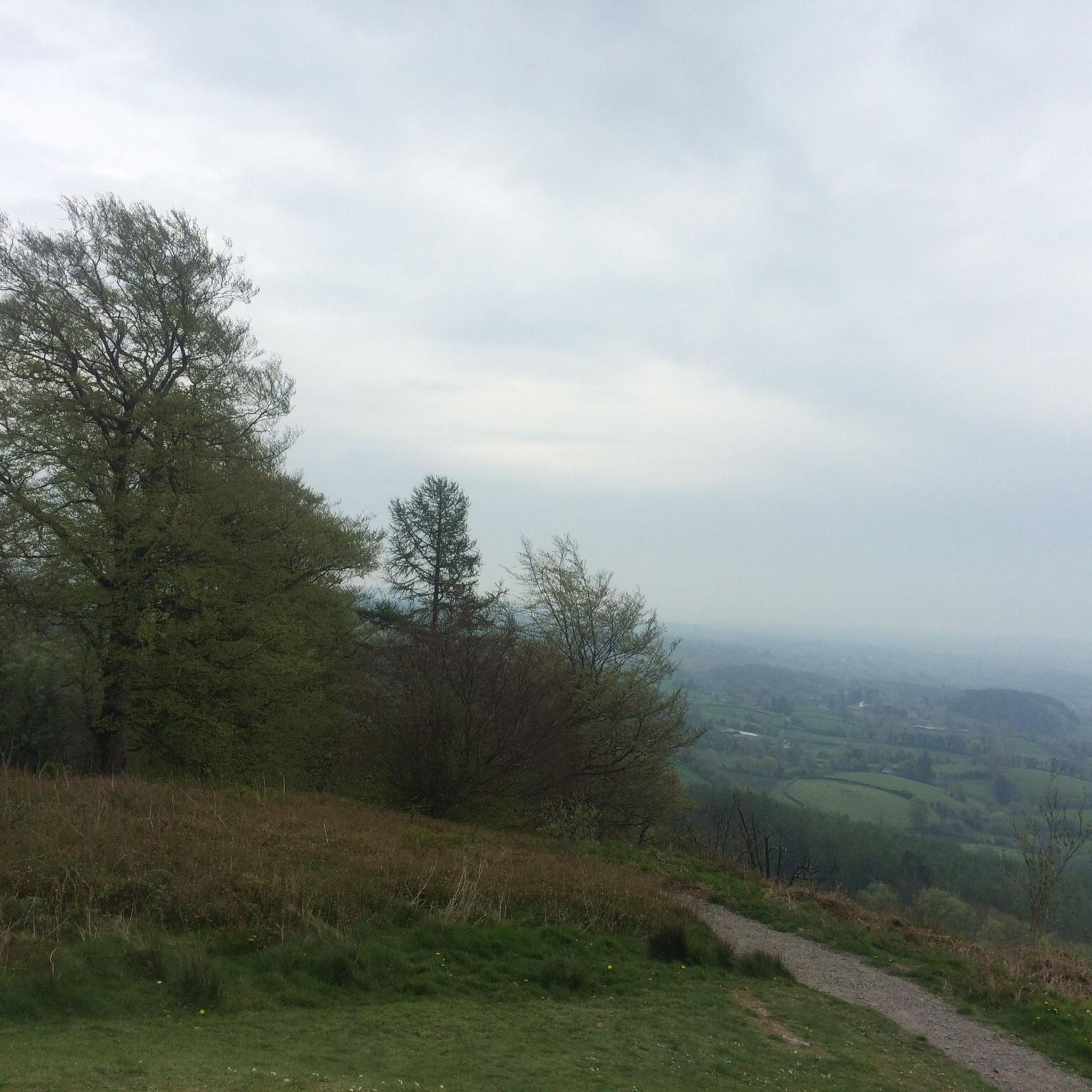
Road cycling around Knockmany offers routes through the tranquil countryside of County Tyrone, Northern Ireland. The area features Knockmany Hill, which provides panoramic views across the Clogher Valley, with distant sights of the Sperrin Mountains. Cyclists can explore roads winding through Knockmany Forest, characterized by its blend of conifer and broadleaved woodlands. The region's peaceful setting provides an appealing backdrop for road cycling away from heavy traffic.
Best road cycling routes around Knockmany
- The most popular road cycling route is…
Last updated: May 1, 2026
1
riders
40.5km
01:51
290m
290m
Easy road ride. Great for any fitness level. Mostly well-paved surfaces and easy to ride.
17
riders
72.0km
03:07
470m
470m
Moderate road ride. Good fitness required. Mostly well-paved surfaces and easy to ride.

Sign up for free
19
riders
41.0km
01:44
290m
290m
Easy road ride. Great for any fitness level. Mostly well-paved surfaces and easy to ride.
17
riders
90.4km
03:55
640m
640m
Moderate road ride. Good fitness required. Mostly well-paved surfaces and easy to ride.
8
riders
51.9km
02:14
430m
430m
Moderate road ride. Good fitness required. Mostly well-paved surfaces and easy to ride.
Get access to more routes and recommendations from other explorers.
Sign up for free
Already have an account?
Our route recommendations are based on thousands of hikes, rides, and runs completed by other people on komoot.
Start today with a free account
Your next adventure awaits.
Login or Signup
Popular around Knockmany

Tips from the Community

Navan Fort, also known as Emain Macha, is one of those places that literally breathes history. As a cyclist, you can feel a breath of the past here as you roll gently over the grassy hills. The site, rich in Neolithic, Bronze Age and Iron Age finds, is not only archaeologically fascinating, but also firmly embedded in Irish mythology. The kings of Ulster are said to have ruled here, and the legends of Macha, the namesake, are omnipresent. The gentle climbs around the fort are not too demanding, but give you space to let your gaze wander over the green hills - particularly dramatic when dark clouds pile up in the sky and cast a mystical atmosphere over the landscape. A detour to the visitor center is worthwhile: Here you can find out more about the exciting stories and the excavations that provide insight into Ireland's deepest past.
2
0
The Caledon Beam Engine is an exciting relic from another era that will accompany you on your tour through the Northern Ireland countryside. Nestled in the remains of an old wool mill, the beam engine tells of an era when the pounding and banging of machines shaped everyday life. Today it stands almost forgotten by the roadside and is a reminder of the region's industrial past. The ruin has its own charm - rusty gears, weathered walls and a feeling of time standing still. If you want to pause for a moment to take in the surroundings, this is an ideal place to dismount for a moment. This is not about perfectly restored monuments, but about the raw charm and stories that such places carry. Look out for the old inscriptions and the signs of decay that give the Beam Engine an almost sculptural appearance. This place is a silent witness to a time long gone and offers you a welcome change from the wide fields and winding roads of the region.
1
0


The last housed beam engine in Ireland is a significant piece of industrial and social history. The Caldon Beam Engine has been preserved since the Woollen Mill was destroyed in 1985.
1
0
Take a look down the lane to the east and you'll get a glimpse into Clogher's history. Falling into ruins is the workhouse, built between 1842 and 1843 as part of the New Poor Law of 1834. Workhouses were notoriously harsh places, with overcrowding, family separation and malnutrition common place.
0
0
Also known as Black Lough, it's unique habitat means it is a great place for bird watching with a number of rare species being seen. You're also likely to spot people course fishing for pike and perch. There are even eels in the water.
0
0
Built in the early 17th century for Sir Toby Caulfield, who was given land during the Plantation. Park up your bike and take some time to explore the ruins by foot. Keep an eye out for the murder holes which give an idea of its grim history, as well as the Caulfield Coat of Arms in a prominent position above the doorway.
0
0
Navan Fort is an important part of Irish mythology. It is said to be a pre-Christian royal site and is sometimes known as Navan Rath. It is full of legend and archeology. There is a visitor centre at the fort with guided tours available. For further information see the website https://visitarmagh.com/places-to-explore/navan-centre-fort/
2
0
Frequently Asked Questions
What is the general terrain like for road cycling around Knockmany?
Road cycling around Knockmany offers a peaceful experience through the tranquil countryside of County Tyrone. You'll find roads winding through Knockmany Forest, characterized by a blend of conifer and broadleaved woodlands. The area features gentle ascents, such as to Knockmany Hill, which provides panoramic views across the Clogher Valley, with distant sights of the Sperrin Mountains on clear days. The overall setting is ideal for cycling away from heavy traffic.
Are there road cycling routes suitable for beginners in Knockmany?
Yes, Knockmany offers several road cycling routes suitable for beginners. There are 4 easy routes available, providing a gentle introduction to the area's scenic beauty. An example is the Clogher to Seskinore loop, which is an easy 25.2 miles (40.5 km) ride.
Are there more challenging road cycling routes for experienced cyclists?
For experienced cyclists seeking a challenge, Knockmany and its surroundings offer more demanding routes. There are 32 moderate and 2 difficult routes available. A popular moderate option is the Castle Caulfield Ruins – Ballysaggart Lough loop from Augher, which covers 44.7 miles (72.0 km) and includes more significant elevation changes.
What natural sights can I expect to see while road cycling in Knockmany?
While road cycling in Knockmany, you can expect to enjoy diverse natural sights. The routes often pass through Knockmany Forest, with its mix of conifer and broadleaved trees, and offer views of the picturesque Clogher Valley. Ascending Knockmany Hill provides panoramic vistas, and during spring, you might even see bluebells carpeting the forest floor.
Are there any historical landmarks along the road cycling routes?
Yes, the region around Knockmany is rich in history. A significant landmark is the Knockmany Passage Tomb (Anya's Tomb) atop Knockmany Hill, a Neolithic burial monument featuring rare megalithic art. While cycling, you might also encounter parts of the Carleton Trail, which links places associated with the novelist William Carleton, adding a literary dimension to your ride.
Where can I find scenic viewpoints during my ride?
The primary scenic viewpoint is from Knockmany Hill itself, offering panoramic views across the Clogher Valley and distant glimpses of the Sperrin Mountains on clear days. Many of the country roads also provide picturesque vistas of the rolling landscape and tranquil woodlands.
Is there parking available for road cyclists near Knockmany Forest?
While specific parking areas dedicated solely to road cyclists are not detailed, Knockmany Forest Park typically offers parking facilities for visitors. For routes starting from nearby villages like Augher or Ballygawley, you would generally find local parking options suitable for accessing the cycling routes.
What is the best time of year for road cycling in Knockmany?
The best time for road cycling in Knockmany is generally during the spring, summer, and early autumn months. These seasons offer more favorable weather conditions, with milder temperatures and less chance of rain, allowing you to fully appreciate the natural beauty and panoramic views. Spring also brings the seasonal display of bluebells in Knockmany Forest.
Are there any loop trails for road cycling around Knockmany?
Yes, many of the road cycling routes around Knockmany are designed as loops, allowing you to start and finish in the same location. Examples include the Clogher to Seskinore loop and the Parkanaur House – Castle Caulfield Ruins loop from Ballygawley, providing convenient circular journeys.
What do other road cyclists enjoy the most about road cycling in Knockmany?
Road cyclists often praise the tranquil countryside and the peaceful setting of the roads around Knockmany, which allow for cycling away from heavy traffic. The panoramic views across the Clogher Valley and the scenic woodlands are frequently highlighted as enjoyable aspects of the routes.
Are there any family-friendly road cycling options in the Knockmany area?
For families, the easier road cycling routes around Knockmany are a good option. These routes typically feature less elevation gain and quieter roads, making them more suitable for a leisurely family ride. The Clogher to Seskinore loop is an easy route that could be considered for families.
Can I find cafes or pubs near the road cycling routes in Knockmany?
While Knockmany Forest itself is a natural area, the nearby villages such as Augher and Ballygawley, which serve as common starting points for many routes, offer local amenities including cafes and pubs where you can refuel or relax after your ride.
Most popular routes around Knockmany
Most popular attractions around Knockmany

Get inspired with the komoot mobile app


Explore more
Browse the best Road cycling routes in other regions.
