Attractions and Places To See around Bowerchalke - Top 20
Best attractions and places to see around Bowerchalke offer a diverse range of experiences. The region features prominent historical sites, expansive viewpoints, and ancient earthworks. Visitors can explore the highest points of Cranborne Chase, discover medieval castles, and walk along prehistoric boundaries. This area provides opportunities for exploring both natural landscapes and significant historical landmarks.
Best attractions and places to see around Bowerchalke
- The most popular attractions is Win Green Summit, a historical site that is the highest point…
Last updated: August 25, 2026
Win Green Summit
Highlight • Historical Site
Tip by

Zig Zag Hill Climb
Highlight (Segment) • Viewpoint
Tip by

Sign up now to discover places like this
Get recommendations on the best single tracks, peaks, & plenty of other exciting outdoor places.
Sign up for free
Bokerley Dyke
Highlight • Trail
Tip by

Wimborne St Giles Village and Church
Highlight • Religious Site
Tip by

Old Wardour Castle
Highlight • Viewpoint
Tip by

Sign up for free to discover even more attractions around Bowerchalke.
Sign up for free
Already have an account?
Start today with a free account
Your next adventure awaits.
Login or Signup
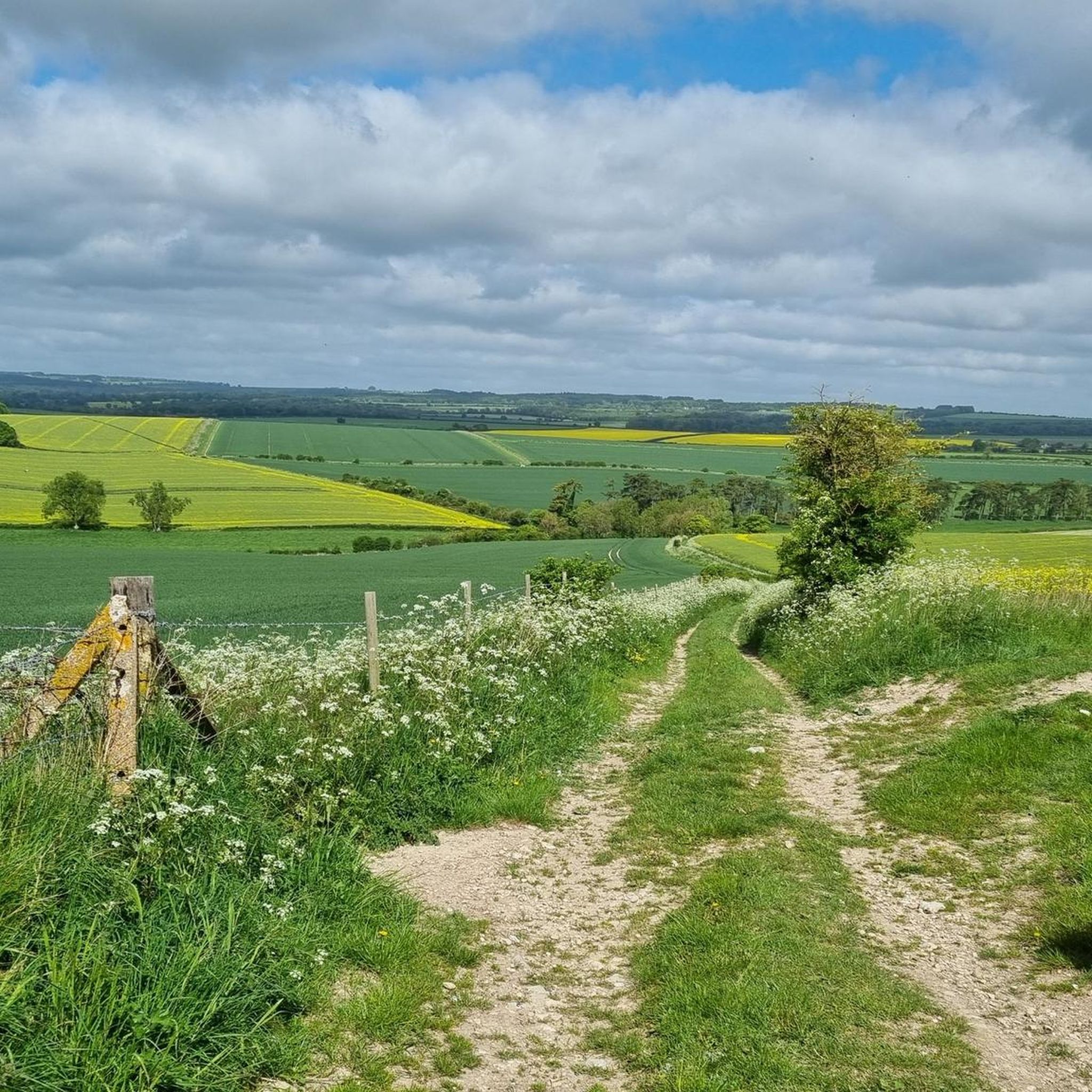
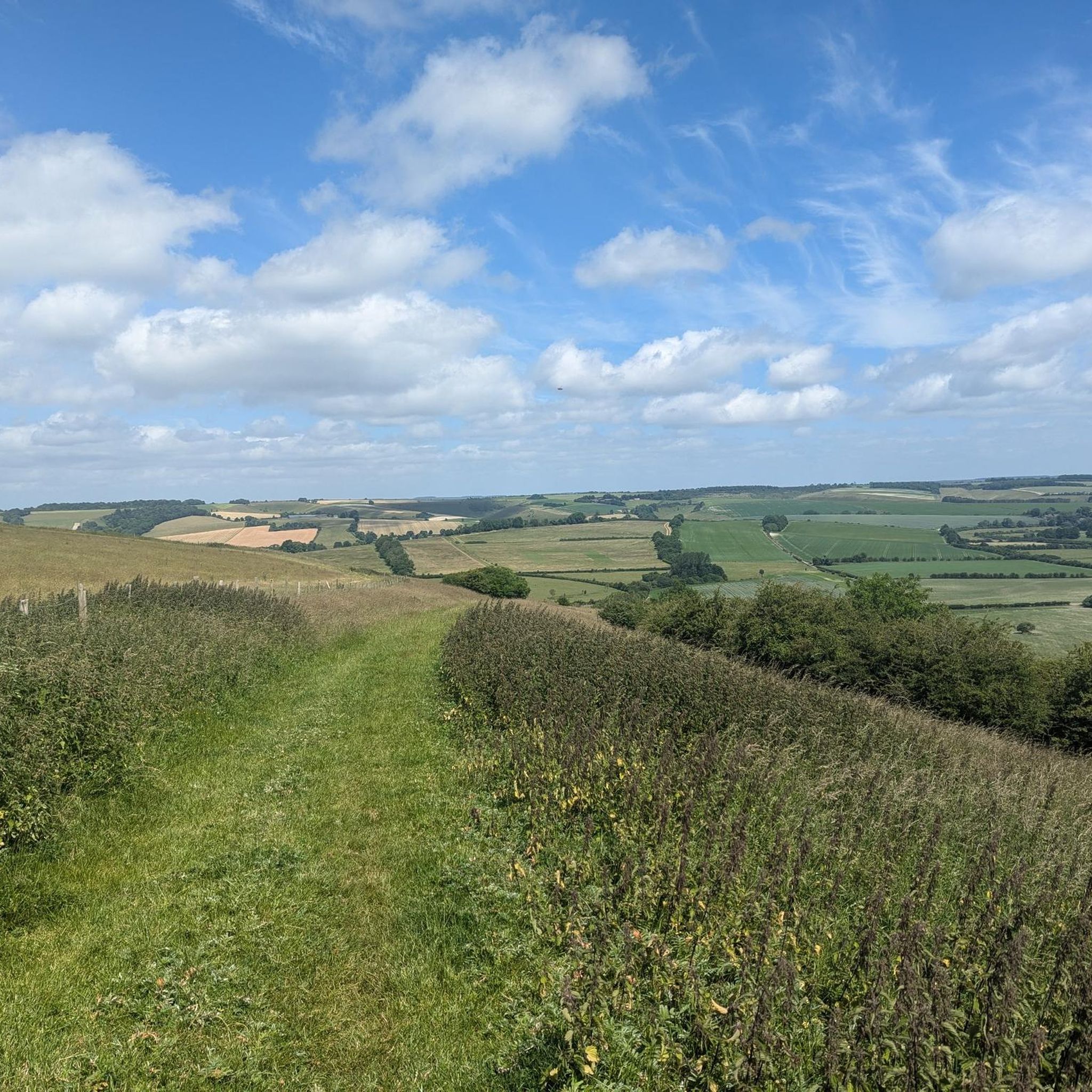
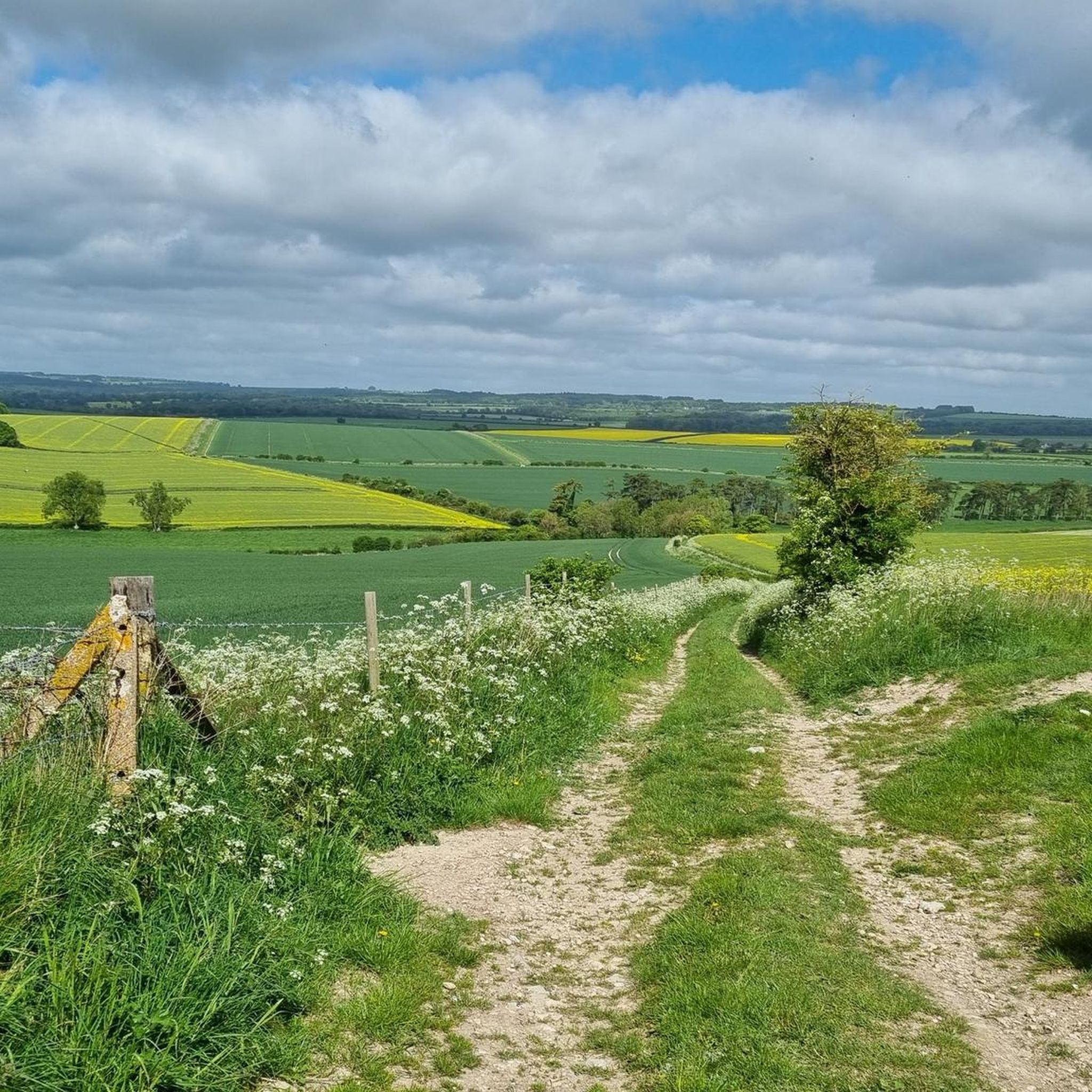
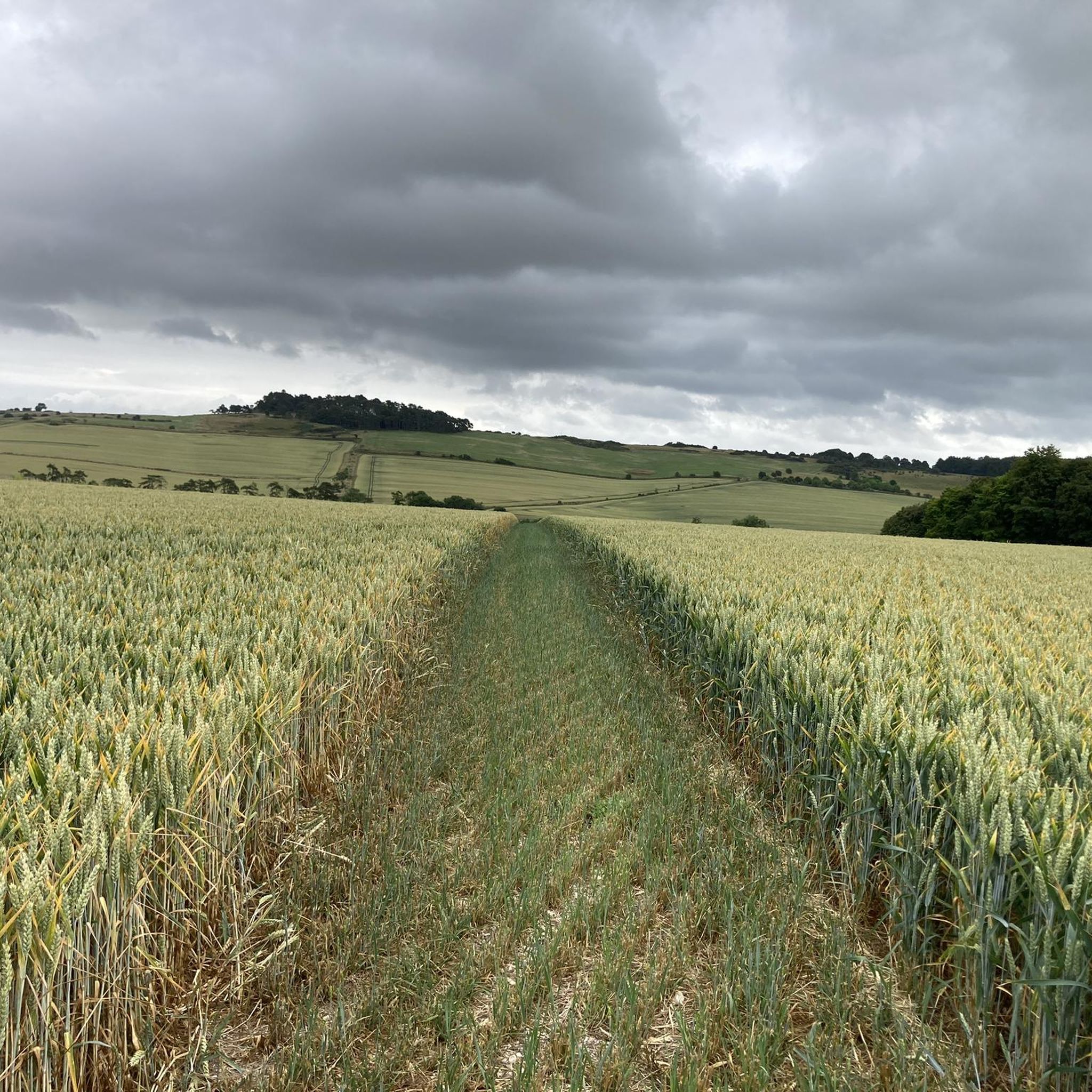


Tips from the Community

St. Giles Church is known for its numerous monuments, particularly those dedicated to the Earls of Shaftesbury. Sir Anthony Ashley's Tomb: A historic highlight is the spectacular gilded tomb of Sir Anthony Ashley, dating to 1628. The tomb features intricate classical columns and symbolism. A curious detail is a sphere at his feet, which has been the subject of various theories, including that it represents a globe, a jewel, or even a cabbage. Ashley-Cooper Family Memorials: The church houses several other memorials to the Ashley-Cooper family, including tombs for the 1st, 3rd, 4th, 7th, and 9th Earls. The 1st Earl's memorial includes a bust by Rysbrack, and the 3rd Earl's is a grand wall monument by Scheemakers. Crusader Effigy: There is a much-restored 14th-century effigy of a crusading knight, believed to be Sir John de Plecy. Comper's Work: The interior is almost entirely a result of Sir Ninian Comper's restoration. This includes the highly decorated screen separating the nave and chancel, new stained glass windows, and the gilded tester over the altar.
1
0
19th-Century Gothic Revival: In the 19th century, the church was remodeled twice. The most significant work was in 1887, a Gothic Revival-style memorial to the 8th Earl of Shaftesbury. The 1908 Fire and Comper's Restoration: A catastrophic fire in 1908 destroyed most of the church's interior, leaving only the walls standing. The 9th Earl of Shaftesbury commissioned the renowned Gothic Revival architect Sir Ninian Comper to restore and rebuild the church. Comper's work, completed between 1908 and 1910, is considered one of his masterpieces. He kept the 18th-century external walls but completely redesigned the interior, adding a new north aisle and a lady chapel. His intricate work, including stained glass, a wooden screen, and numerous sculptures, makes the church a "treasure-house of Comper work," as described by Sir John Betjeman.
1
0
St. Giles Church is the parish church for the village of Wimborne St Giles in Dorset. It has a rich and complex history, marked by several rebuilds, a major fire, and the patronage of the Ashley-Cooper family, the Earls of Shaftesbury. The church's origins date back to at least the 13th century, with the first recorded rector in 1207. The current building is a fascinating mix of architectural styles due to its turbulent history. 18th-Century Georgian: The church was almost entirely rebuilt in 1732 by the Dorset architects John and William Bastard, who were also responsible for much of the reconstruction of the town of Blandford Forum after a fire. The exterior of the church, with its greensand and flint walls, still largely reflects this Early Georgian design.
1
0
Bokerley Dyke is a substantial linear earthwork, approximately 5.75 kilometers (3.6 miles) long, located on Cranborne Chase. It runs along part of the border between Dorset and Hampshire, specifically between Woodyates and Martin. It is part of a larger Scheduled Monument that also includes Grim's Ditch and other earthworks. The dyke has a multi-period history. It is believed to have originated in the Bronze Age or Early Iron Age as an important political and cultural boundary. In the 1st century, it was cut through by a Roman road, Ackling Dyke, which ran between Old Sarum and Badbury Rings. In the 4th century, the dyke was remodeled and brought back into use. During this period, the Roman road was blocked. A coin of Valens found during excavations dates this activity to shortly after 364 AD, with some sources suggesting it was built between 367-368 AD. This remodeling may have been a defensive measure against attacks on Britain by Picts, Scots, and Saxons. The Roman road was eventually reopened, but the dyke may have continued to be used as a boundary after the Roman administration ended. Today, it still forms part of the border between the counties of Dorset and Hampshire.
0
0

beautiful location by the old castle in the winter
1
0

Definitely worth a visit beautiful ancient castle and amazing history
1
0
One of the most beautiful places in the south of England 🏴 and amazing views of Wiltshire and Dorset 🤩
0
0

Win Green at 277 m is the highest point on Cranbourne Chase. The tree topped summit also has a Bronze Age hill barrow, topography stone and trig point. Lots of great running loops from here as well as easy parking close by.
0
0
Frequently Asked Questions
What are the best viewpoints around Bowerchalke?
For breathtaking panoramic views, visit Win Green Summit, the highest point in Cranborne Chase. From here, you can see Blackmore Vale, Salisbury Plain, and even the Isle of Wight on clear days. Another excellent spot is the Zig Zag Hill Climb, which offers great views across Dorset from the top of Cranborne Chase.
Are there family-friendly attractions in the Bowerchalke area?
Yes, several attractions are suitable for families. Win Green Summit is considered family-friendly, offering space to explore and enjoy the views. Old Wardour Castle, with its ruined medieval structure set in parkland overlooking a lake, provides an engaging historical experience for all ages. Additionally, Wimborne St Giles Village and Church offers a fascinating glimpse into history and architecture.
What historical sites can I visit near Bowerchalke?
The region is rich in history. Explore Old Wardour Castle, a 14th-century castle with a turbulent past, now a picturesque ruin. Discover Bokerley Dyke, a substantial linear earthwork dating back to the Bronze Age, which once formed a significant boundary. Win Green Summit also features a Bronze Age bowl barrow at its peak. Don't miss Wimborne St Giles Village and Church, a historical church with origins in the 13th century and significant architectural and monumental history.
Are there easy walks or beginner hiking trails around Bowerchalke?
Yes, there are options for easier walks. The area around Win Green Summit offers a 6-mile walk through the Rushmore Estate, which is generally considered pleasant. For a dedicated easy hiking route, consider the 'Bokerley Ditch – Bokerley Dyke loop from Martin Down National Nature Reserve', which is approximately 7.1 kilometers long. You can find more hiking options on the Hiking around Bowerchalke guide.
What outdoor activities can I do near these attractions?
The area around Bowerchalke is excellent for various outdoor activities. You can find numerous hiking trails, including moderate loops like 'Martin Down loop' and 'Broad Chalke & Fifield Bavant loop'. There are also running trails, such as the 'Gurston Down Hillclimb loop', and challenging mountain biking routes like the 'Win Green and Cranborne Droves Way Loop'. Explore more options on the Hiking around Bowerchalke, Running Trails around Bowerchalke, and MTB Trails around Bowerchalke guides.
Are the attractions around Bowerchalke dog-friendly?
Many outdoor attractions in the area are dog-friendly. For instance, the walks around Win Green Summit are suitable for dogs, though they should be kept on a lead in certain areas due to local animals. When visiting historical sites or nature reserves, always check specific rules regarding dogs, especially concerning leads and access to certain areas.
What is the best time to visit Bowerchalke attractions?
The best time to visit Bowerchalke attractions largely depends on your preferred activities. Spring and summer offer pleasant weather for exploring historical sites and enjoying panoramic views, with longer daylight hours. Autumn provides beautiful foliage, especially around viewpoints like Win Green. While some attractions are accessible year-round, always check opening times for specific sites like Old Wardour Castle, as these may vary seasonally.
Where can I find less crowded walks near Bowerchalke?
While popular spots like Win Green Summit can attract visitors, the wider Cranborne Chase area offers many trails where you can find solitude. Exploring the extensive network of paths around Bokerley Dyke or venturing into the various loops mentioned in the hiking guides, such as those around Martin Down National Nature Reserve, can lead to quieter experiences. Early mornings or weekdays are generally less crowded.
Are there any hidden gems or lesser-known spots to discover?
Beyond the main highlights, the charm of Bowerchalke lies in its rural landscape and historical nuances. The intricate details and rich history of Wimborne St Giles Village and Church, with its unique Comper restoration and ancient monuments, could be considered a hidden gem for those interested in architectural history. Exploring the smaller trails and villages within Cranborne Chase can also reveal unexpected delights and tranquil spots.
What are the walking conditions like around Bowerchalke?
Walking conditions around Bowerchalke vary. Many trails, especially those on Cranborne Chase, involve chalk downland, which can be firm and dry in summer but muddy and slippery after rain. Paths can range from well-maintained tracks to grassy or uneven terrain. For example, the Zig Zag Hill Climb has a newly smoothed surface, while other trails like Bokerley Dyke are ancient earthworks. Always wear appropriate footwear and be prepared for changing conditions, especially during wetter months.
What do visitors enjoy most about the attractions near Bowerchalke?
Visitors frequently praise the stunning panoramic views from locations like Win Green Summit and the historical depth of sites such as Old Wardour Castle and Bokerley Dyke. The blend of natural beauty, ancient history, and opportunities for outdoor activities like walking and cycling are highly appreciated. The peaceful, unspoiled nature of the Cranborne Chase area is also a significant draw.
Most popular routes around Bowerchalke
Most popular attractions around Bowerchalke

Get inspired with the komoot mobile app


Explore more
Still not found the Highlight you’re looking for? See guides of the top attractions in other regions:
