Attractions and Places To See around Donhead St. Andrew - Top 20
Best attractions and places to see around Donhead St. Andrew include a variety of historical sites, viewpoints, and natural landscapes. This region, situated within the Cranborne Chase Area of Outstanding Natural Beauty, offers diverse terrain from chalk downland to historic settlements. Visitors can explore Bronze Age barrows, challenging climbs, and serene abbey ruins. The area provides opportunities for outdoor activities and photography, with many viewpoints offering extensive vistas.
Best attractions and places to see around Donhead St. Andrew
- The most…
Last updated: August 11, 2026
Win Green Summit
Highlight • Historical Site
Tip by

Zig Zag Hill Climb
Highlight (Segment) • Viewpoint
Tip by

Sign up now to discover places like this
Get recommendations on the best single tracks, peaks, & plenty of other exciting outdoor places.
Sign up for free
Gold Hill, Shaftesbury
Highlight • Climb
Tip by
Shaftesbury Abbey — Ruins and Gardens
Highlight • Historical Site
Translated by Google •
Tip by

Fontmell Down
Highlight (Segment) • Viewpoint
Tip by

Sign up for free to discover even more attractions around Donhead St. Andrew.
Sign up for free
Already have an account?
Start today with a free account
Your next adventure awaits.
Login or Signup


Tips from the Community

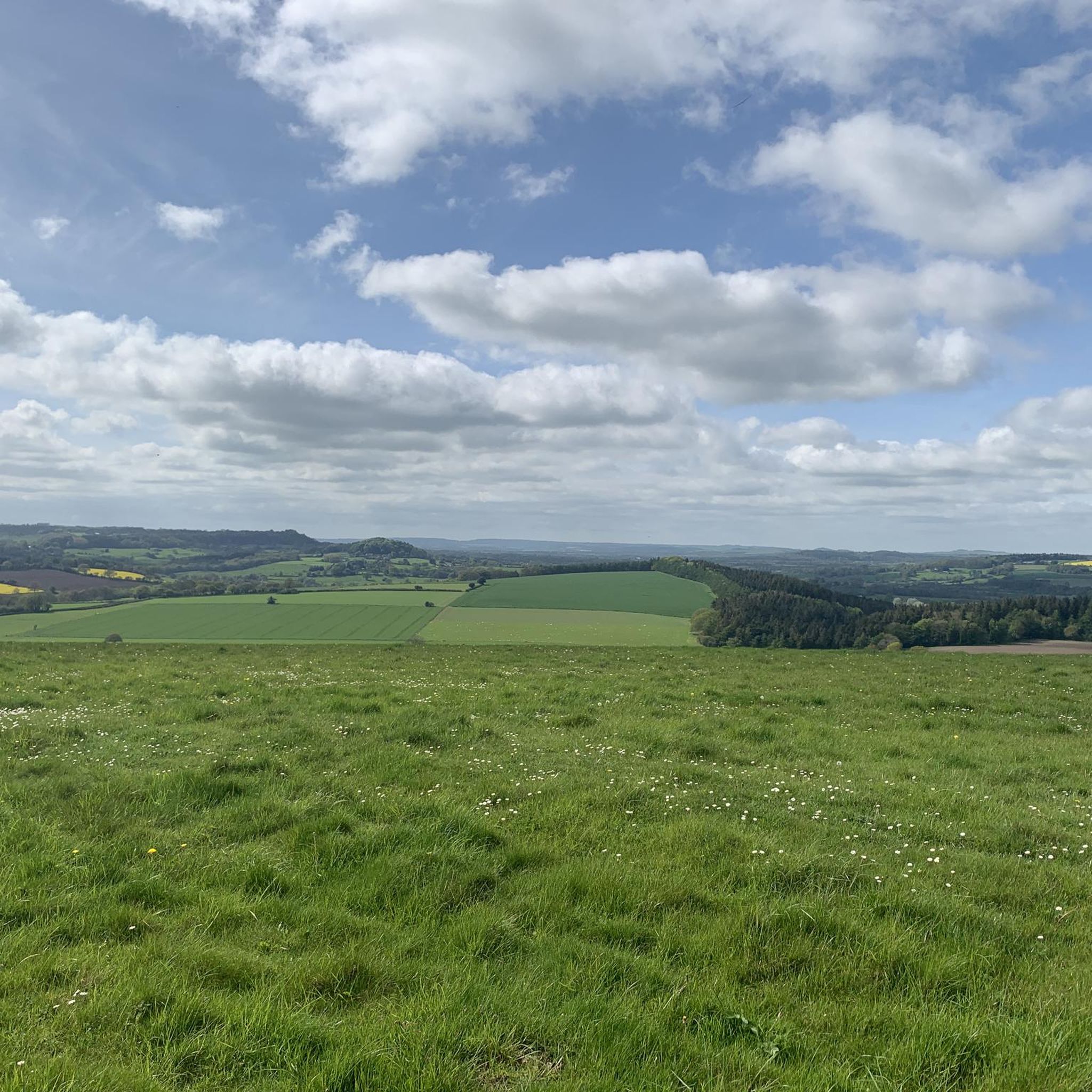
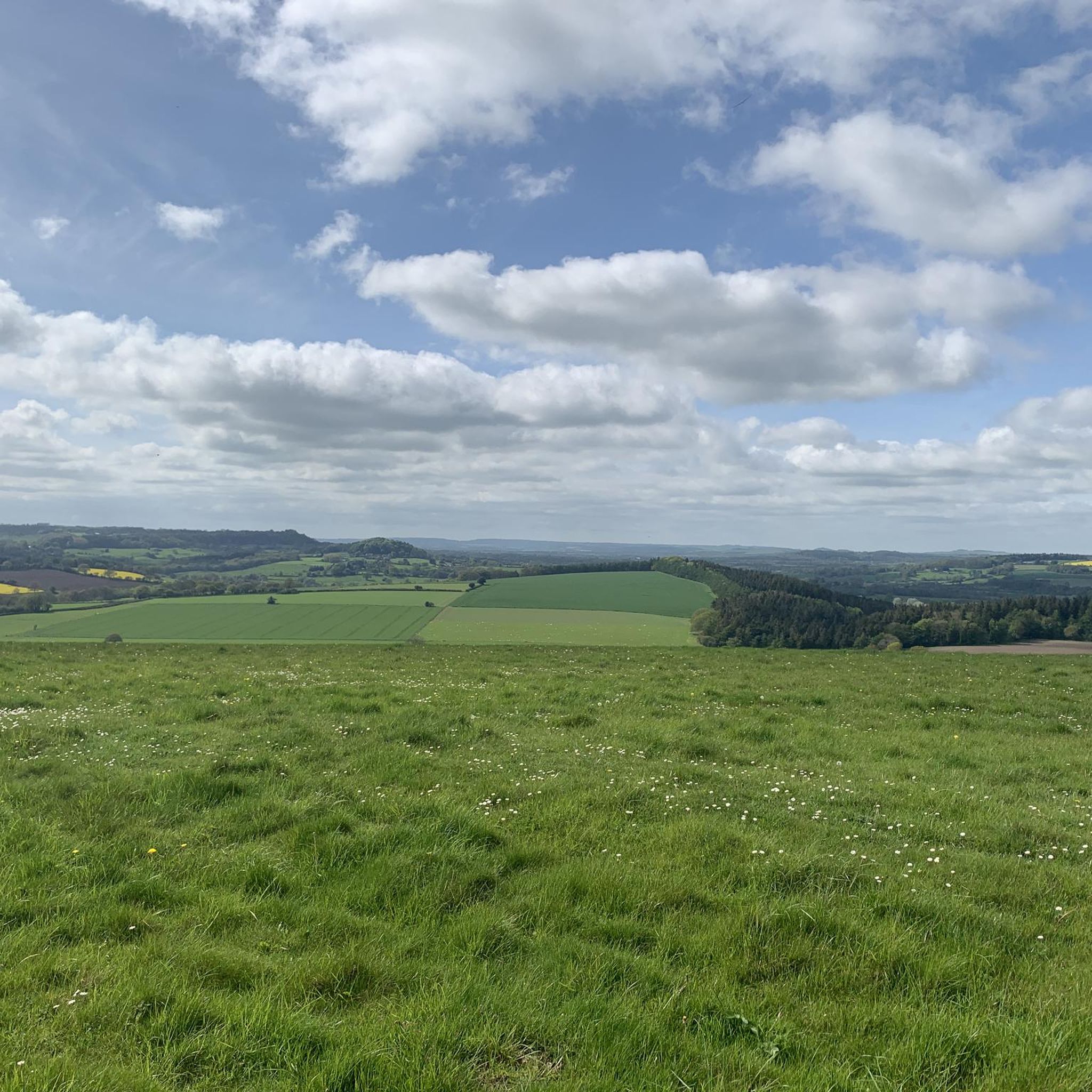
Fontmell Down is a Site of Special Scientific Interest (SSSI) and a nature reserve located in Dorset, England, within the Cranborne Chase Area of Outstanding Natural Beauty. It is known for its beautiful chalk downland, rich biodiversity, and panoramic views. The down is a steep, sinuous flank of a chalk plateau, offering extensive views across the Blackmore Vale, a landscape featured in the novels of Thomas Hardy. The chalk was formed about 100 million years ago from microscopic plants, and the down's steep-sided dry valleys were created by periglacial meltwater erosion during the last Ice Age. Earthworks visible on the down are much more recent, including those from a golf course that was present in the 1930s. In 1645, the downs were the site of an assembly of 3,000 Dorset "Clubmen," who were local residents protesting against the armies of both sides in the English Civil War.
0
0
Once one of the most important and wealthiest nunneries in England. The abbey's ruins, consisting mainly of its foundations and remnants of walls, are located in a peaceful walled garden next to the famous Gold Hill. Shaftesbury Abbey was founded by King Alfred the Great in 888 AD. It was the first religious house in England established exclusively for women, and Alfred's daughter, Æthelgifu, was its first abbess. The abbey grew in wealth and importance, particularly after it became the burial site and shrine of St Edward the Martyr, a Saxon king who was murdered at Corfe Castle in 978 AD. His shrine attracted a large number of pilgrims, which brought significant income to the abbey. By the time of the Dissolution of the Monasteries under King Henry VIII in 1539, Shaftesbury Abbey was the second wealthiest nunnery in the country. It was the last abbey to be dissolved, and its buildings were systematically destroyed, with locals taking the stone for their own buildings. The ruins we see today are the excavated foundations of the church and other parts of the abbey complex. Entry is free, and the lovely volunteers are happy to offer a little tour with some details on the Abbey. It must have looked mightily impressive in its day.
0
0

One of the most beautiful places in the south of England 🏴 and amazing views of Wiltshire and Dorset 🤩
0
0

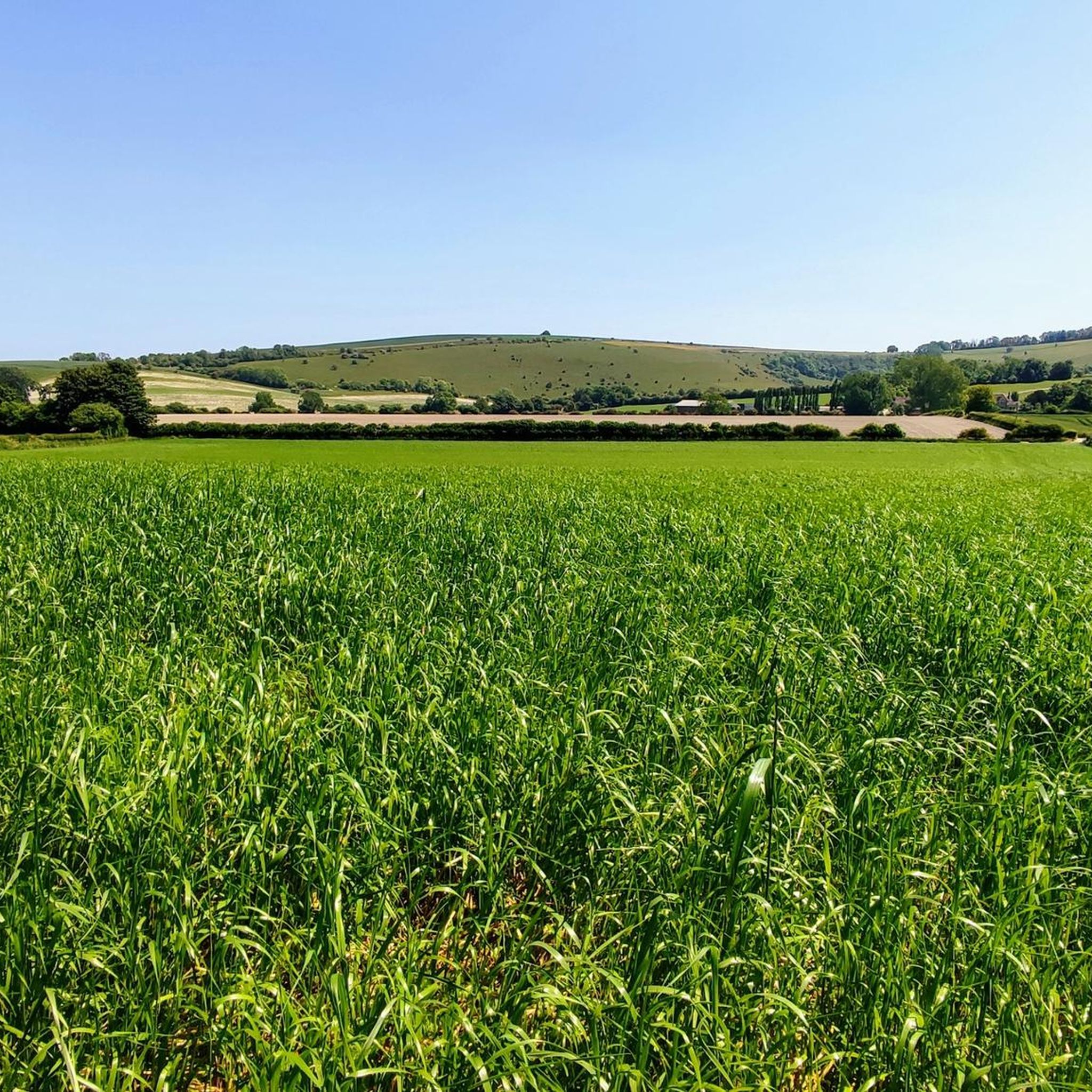
Win Green at 277 m is the highest point on Cranbourne Chase. The tree topped summit also has a Bronze Age hill barrow, topography stone and trig point. Lots of great running loops from here as well as easy parking close by.
0
0

Former Benedictine Abbey from 888. It became really famous as a place of pilgrimage after the relics of King Edward the Martyr were brought here a good 100 years later. Today everything lies in ruins, but is lovingly cared for and managed by a trust. Admission is free, but donations are requested. With a souvenir shop, many benches and toilets. We liked it!
4
0
Not as stunning from below as from above!
2
0
Tip: We have been here three times over the last few years and each time we managed to get a table in the café at the top of the street. One of the most beautiful views in England is made even more beautiful with cream tea or another treat! Here you sit quietly and just wait until no one is in sight: and then quickly take your dream photo! In addition, the service is friendly and the prices are not too high. The view of Gold Hill is nowhere better than from here.
2
0

Frequently Asked Questions
What are the best viewpoints for photography around Donhead St. Andrew?
The region offers several stunning viewpoints. Win Green Summit provides panoramic views over Blackmore Vale and Salisbury Plain, even stretching to the Isle of Wight on clear days. Zig Zag Hill Climb offers views from the top of Wingreen Hill. Additionally, Fontmell Down, a Site of Special Scientific Interest, boasts magnificent views across the Blackmore Vale.
Are there easy walking trails near Donhead St. Andrew?
Yes, there are several options for walks. While some trails can be challenging, many areas offer easier sections. For example, the area around Win Green Summit includes a 6-mile walk through the Rushmore Estate, which is generally pleasant. You can find various hiking routes, including easy ones, in the Hiking around Donhead St. Andrew guide.
What historical sites can I visit near Donhead St. Andrew?
The area is rich in history. Win Green Summit is crowned by beech trees atop a Bronze Age bowl barrow. Gold Hill, Shaftesbury, is an iconic steep, cobbled street known for its ancient houses and abbey wall. Nearby, Shaftesbury Abbey — Ruins and Gardens offers a glimpse into one of England's most important medieval nunneries, founded by King Alfred the Great.
Are there family-friendly activities or attractions in the Donhead St. Andrew area?
Yes, several attractions are suitable for families. Win Green Summit is considered family-friendly, offering open spaces and views. The peaceful Shaftesbury Abbey — Ruins and Gardens provides an educational and calm environment for all ages, with its historical ruins and well-maintained gardens.
What outdoor activities are available near Donhead St. Andrew?
Beyond exploring the attractions, the region is excellent for outdoor pursuits. You can find numerous routes for hiking, mountain biking, and gravel biking. Explore detailed options in the Hiking around Donhead St. Andrew, MTB Trails around Donhead St. Andrew, and Gravel biking around Donhead St. Andrew guides.
Can I go mountain biking or gravel biking in the area?
Absolutely. The Donhead St. Andrew area, particularly within the Cranborne Chase, offers diverse terrain for cycling. You can find various routes for both mountain biking and gravel biking. Check out the MTB Trails around Donhead St. Andrew and Gravel biking around Donhead St. Andrew guides for specific routes and difficulty levels.
Are there accessible attractions for wheelchair users near Donhead St. Andrew?
While many natural sites in the Cranborne Chase Area of Outstanding Natural Beauty involve uneven terrain, some areas may offer more accessible paths. For specific accessibility information, it's recommended to check directly with individual attractions or visitor centers. Shaftesbury Abbey — Ruins and Gardens, for example, is managed by a trust and may have facilities to accommodate visitors.
When is the best time of year to visit attractions around Donhead St. Andrew?
The Cranborne Chase area is beautiful year-round. Spring and summer offer vibrant landscapes, ideal for walking and enjoying the views. Autumn brings stunning foliage, particularly around areas like Win Green Summit with its beech trees. Winter can offer crisp, clear views, though some paths might be muddy. The choice depends on your preferred activities and weather conditions.
What should I wear for outdoor activities in the Donhead St. Andrew area?
Given the varied terrain and potential for changing weather, it's advisable to wear layers. Sturdy walking shoes or hiking boots are recommended for trails, especially on chalk downland or cobbled streets like Gold Hill. A waterproof jacket is always a good idea, regardless of the season, as is sun protection during warmer months.
Are there dog-friendly walks near Donhead St. Andrew?
Many of the outdoor areas around Donhead St. Andrew are dog-friendly. For instance, the walk through the Rushmore Estate near Win Green Summit is suitable for dogs, though they may need to be kept on a lead in certain sections due to livestock. Always ensure dogs are under control and follow local signage, especially in nature reserves like Fontmell Down.
What are some hidden gems or less-known spots around Donhead St. Andrew?
While the main highlights are well-loved, exploring the wider Cranborne Chase Area of Outstanding Natural Beauty can reveal many quiet corners. Fontmell Down, a National Trust property, offers a tranquil experience with its flowery downland and excellent butterfly populations, often less crowded than more prominent sites. Wandering the smaller villages and their footpaths can also lead to charming discoveries.
How long should I plan to spend at attractions near Donhead St. Andrew?
The time needed varies by attraction. For viewpoints like Win Green Summit or Zig Zag Hill Climb, you might spend 30 minutes to an hour enjoying the views and taking photos. Historical sites like Shaftesbury Abbey — Ruins and Gardens could take 1-2 hours to explore thoroughly. If you plan to combine several attractions with a walk or cycle, a full day or even a weekend would be ideal.
Most popular routes around Donhead St. Andrew
Most popular attractions around Donhead St. Andrew

Get inspired with the komoot mobile app


Explore more
Still not found the Highlight you’re looking for? See guides of the top attractions in other regions:
