Attractions and Places To See around Upton Lovell - Top 20
Best attractions and places to see around Upton Lovell include a rich tapestry of historical landmarks and natural features. This Wiltshire village is situated along the River Wylye, offering a landscape of open fields and chalk downland. The area is notable for its prehistoric archaeological sites, including Bronze Age barrows and an Iron Age hillfort, alongside medieval churches. Upton Lovell provides insights into ancient civilizations and the English countryside.
Best attractions and places to see around Upton Lovell
- The most popular attractions is Shearwater Mountain Bike Trails, a forest that contains a number of short downhill trails and extensive singletrack. Cyclists can explore these trails for hours, with many weaving throughout the woods.
- Another must-see spot is Westbury White Horse and Bratton Camp, a historical site featuring an Iron Age hillfort carved into chalk downland over 2000 years ago. This site offers outstanding views and is believed to be where the Battle of Ethandun took place.
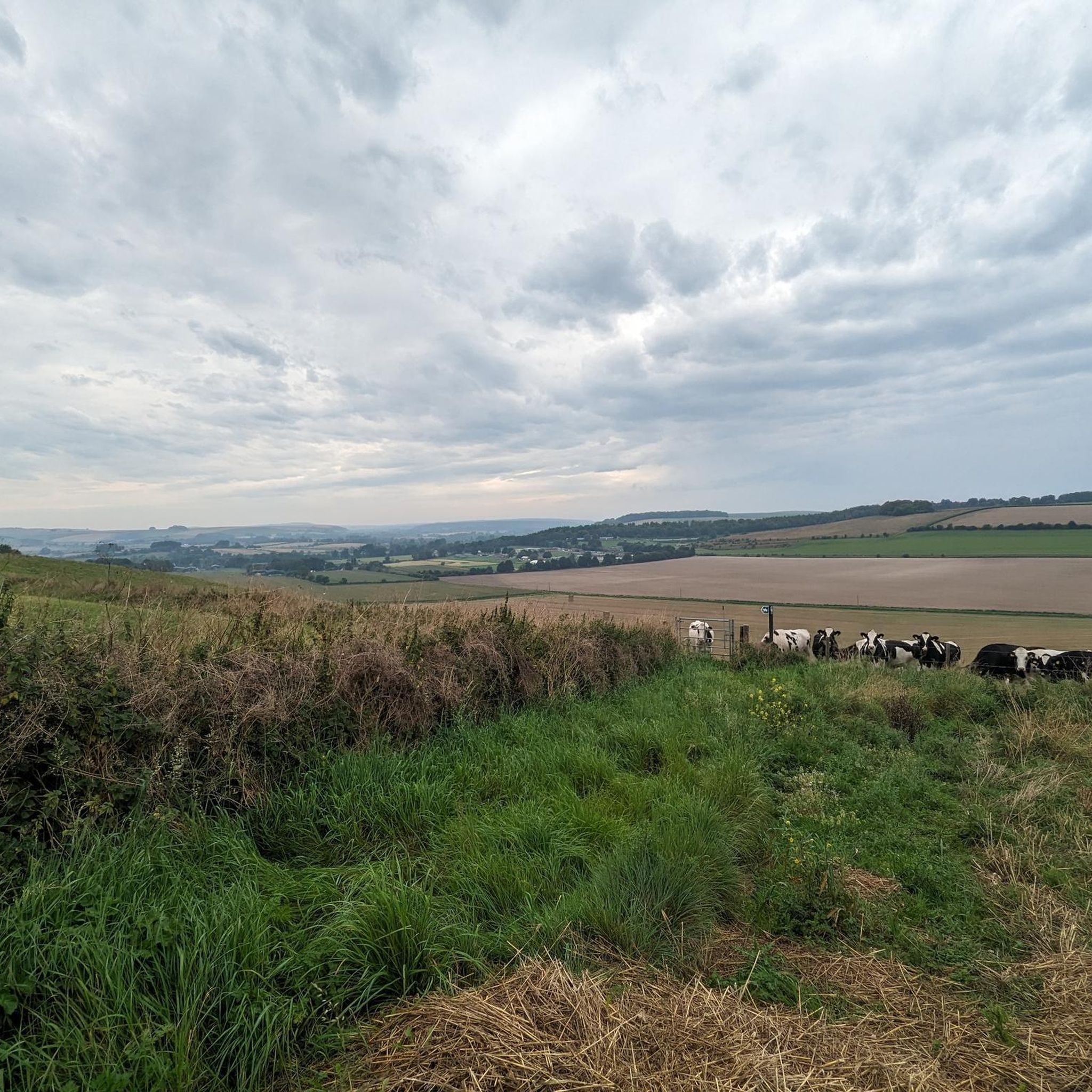
- Visitors also love Cold Kitchen Hill Trig Point, a viewpoint at 257 m. From this location, Alfred's Tower at Stourhead is visible, along with vast expanses of Wiltshire and the West Country.
- Upton Lovell is known for its ancient historical sites, prominent natural features, and diverse outdoor activity areas. Visitors can explore prehistoric barrows, Iron Age hillforts, medieval churches, and scenic viewpoints.
- The attractions around Upton Lovell are appreciated by the komoot community, with more than 70 upvotes and 8 photos shared.
Last updated: July 2, 2026
Shearwater Mountain Bike Trails
Highlight • Forest
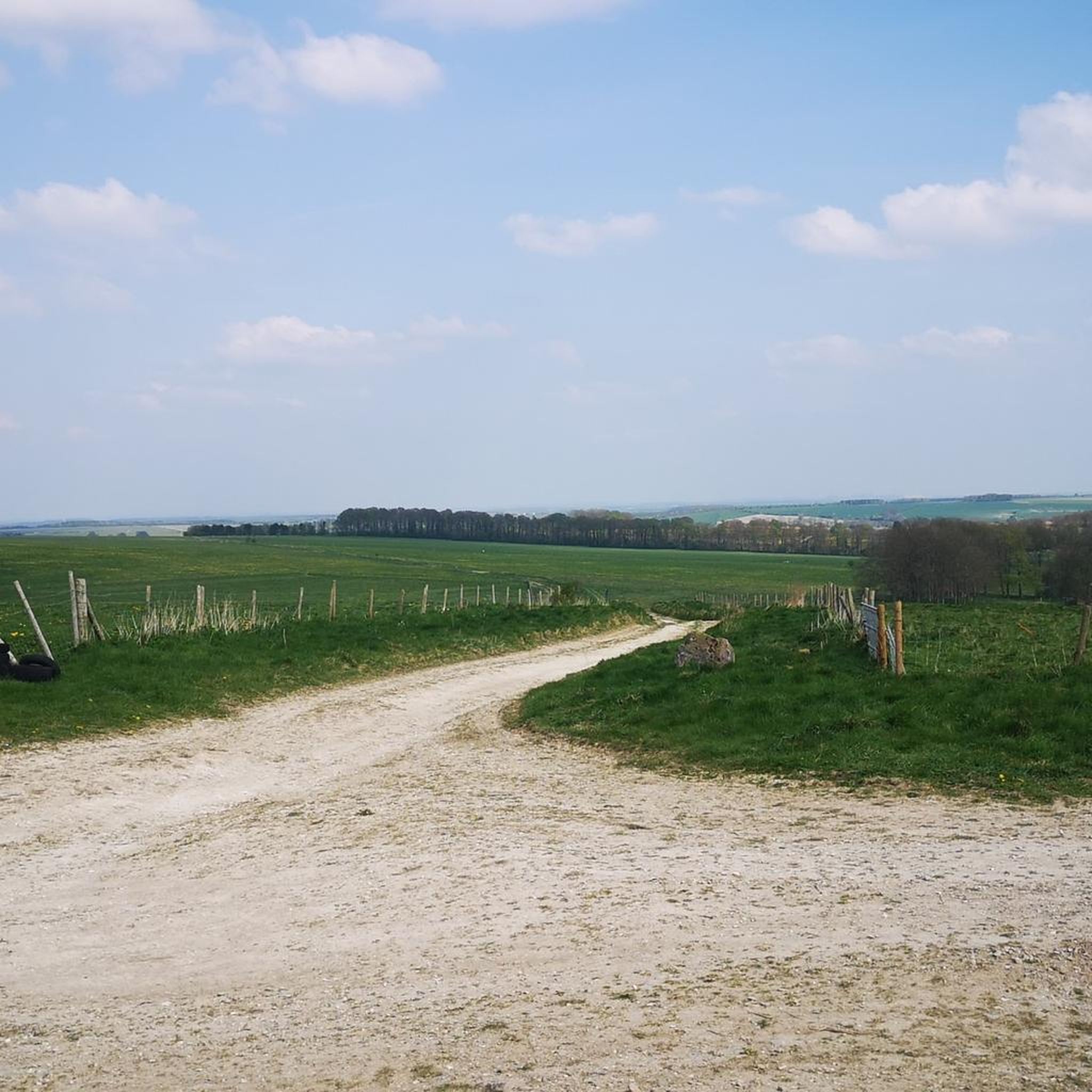
A lay-by is good for parking and is also an ideal access point for many of the trails.
To the south is where most of the steeper and more technical trails are located. To the north and east there are endless single track trails that weave throughout the woods.
You can cycle here for hours and still have not found all of the trails.
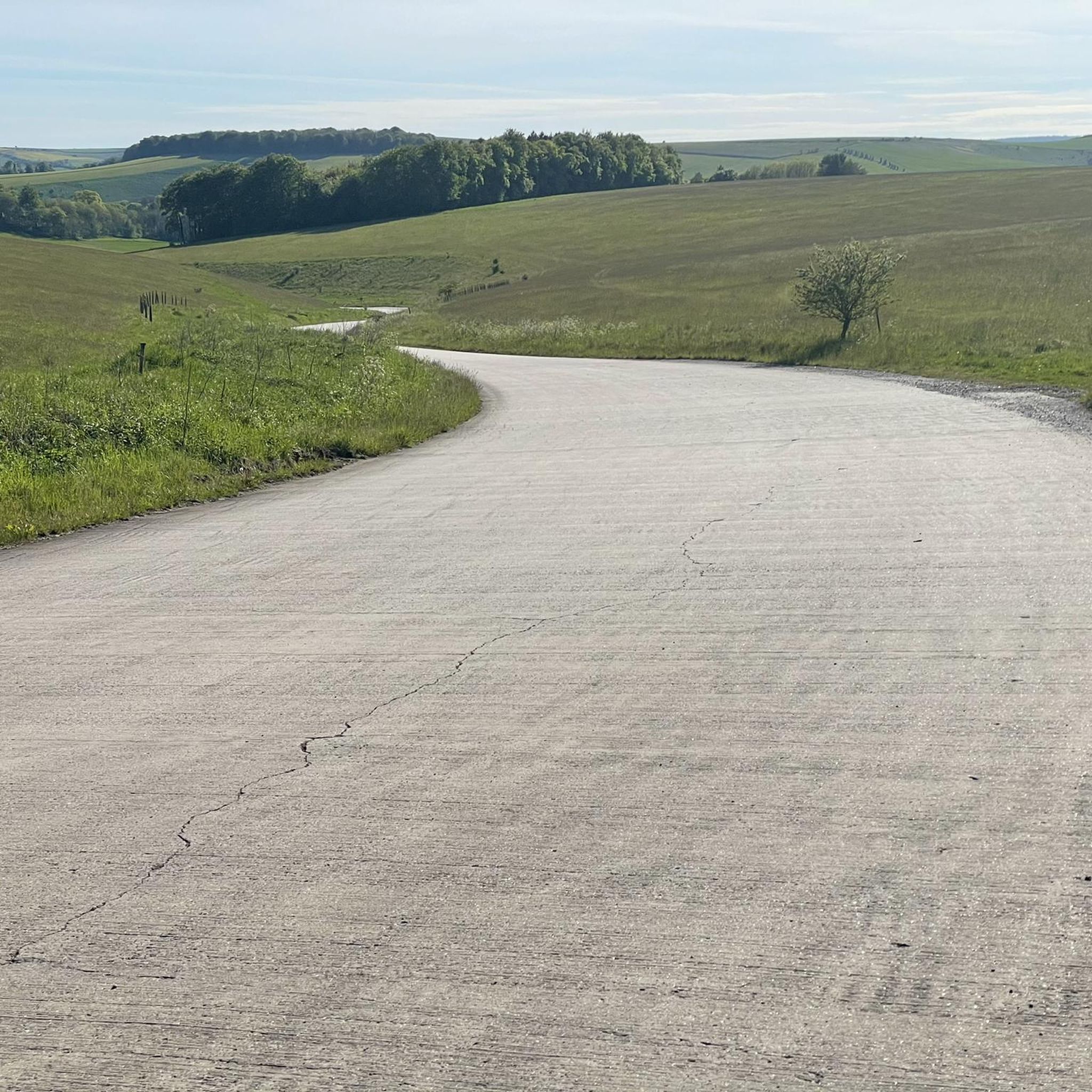
Cycling along the fire roads is a quick way to get around and you will see many trails off the sides in different directions.
Beware that in the summer it can get busy with walkers and families as some of the trails come out directly, or cross over, the fire roads. Usually everyone is bike friendly and stays off the trails.
At the very bottom to the south is Shearwater lake which is a great place to stop for a drink and snack and to enjoy the view before heading back up to the trails.
Tip by

Westbury White Horse
Highlight • Natural Monument
Today the hill's most defining feature is the striking white horse cut into its slopes. Records suggest that the horse was made at the end of the 17th century to commemorate the Battle of Ethandun.
Despite its turbulent past, Bratton Camp is now a relaxing place to take a stroll. The chalk grassland is teeming with wildlife and insects. Look out for the rare Adonis Blue butterfly which can be found here.
You can visit any time during daylight hours. Entrance is free.
Tip by

Sign up now to discover places like this
Get recommendations on the best single tracks, peaks, & plenty of other exciting outdoor places.
Sign up for free
St James' Church, Bratton
Highlight • Other
Tip by

Cold Kitchen Hill Trig Point
Highlight • Viewpoint
Tip by

Church of St Peter and St Paul, Heytesbury
Highlight • Religious Site
In the 13th century the holder of the deanery became, and remained, the Dean of Salisbury. The college at Heytesbury and its property belonged to him. Most parishes came under the jurisdiction of the Bishop of the Diocese, but Heytesbury belonged to the Dean and was therefore known as a peculiar. The Cathedrals Act of 1840 dissolved the college and abolished the prebends.
The church itself is described by Pevsner as 'a large and impressive church, but an over-restored one'. The external view is dominated by its low, massive and square Norman tower in the centre. Most of the building dates from the late 12th, the 13th and the 15th centuries.
Tip by

Sign up for free to discover even more attractions around Upton Lovell.
Sign up for free
Already have an account?
Start today with a free account
Your next adventure awaits.
Login or Signup


Tips from the Community

Good climb, was across fields but fine today as they’ve been harvested. Might have been tricky earlier in the year
0
0

James the Greater (the Latin 'major' is not translated as 'great' in English), to whom this church near Bratton was dedicated, was, together with his brother, part of the inner circle of Jesus' disciples. In his version of the "Good News" (this is the meaning of the word "gospel"), the Evangelist Mark enumerates a list of the apostles: "James, the son of Zebedee, and John, the brother of James—them he surnamed Boanerges, which means Sons of Thunder" (Mark 3:17). They were said to have had strong tempers, but were faithful followers of Jesus Christ, in whom they recognized the promised Messiah. According to the Acts of the Apostles, James was executed for his faith. His tomb in Santiago de Compostela, Galicia (Spain), is one of the most famous and important pilgrimage destinations in the world.
0
0

Amazing views of the hills. If your lucky you can see the gliders circling above from the Wing Farm Airfield
0
0

an absolutely beautiful halfway point to sit and have a snack or two. the views are breathtaking.
0
0

Cold Kitchen Hill has a trig point at 257 m. Alfred's Tower at Stourhead is visible, as well as vast swathes of Wiltshire and the West Country.
0
0

he parish church of St. Peter and St. Paul was founded in the late 11th century. It was given to Salisbury Cathedral c.1115 by Henry I to form part of a living. The value of this church was soon increased by other gifts of property, and within a few years there were canons at Heytesbury. By c.1160 it was established as a collegiate church with a dean and four prebendaries, two each of priests and deacons. A collegiate church was effectively a 'mother church' with resident priests whose task it was to go out into the wider community as missionaries, with the aim of encouraging new 'daughter churches'. In the 13th century the holder of the deanery became, and remained, the Dean of Salisbury. The college at Heytesbury and its property belonged to him. Most parishes came under the jurisdiction of the Bishop of the Diocese, but Heytesbury belonged to the Dean and was therefore known as a peculiar. The Cathedrals Act of 1840 dissolved the college and abolished the prebends. The church itself is described by Pevsner as 'a large and impressive church, but an over-restored one'. The external view is dominated by its low, massive and square Norman tower in the centre. Most of the building dates from the late 12th, the 13th and the 15th centuries.
2
0
The oldest of the Wiltshire white horses this was originally cut in 1772 and restored in 1778. There was evidence of an older horse here facing the other way, but no strong evidence suggests how old that was. In 1872/1873 the horse was considered to be losing its shape, it was re cut and edging stones added. In 1957 the horse was concreted to preserve it. For the runner the trails around the top of the horse are great fun and the 33-mile Imber trail also passes here. There are nice loops from the car park above the horse or from nearby Westbury.
1
0

Set amidst classic Wiltshire countryside of rolling chalk downland dotted with ancient remnants of human habitation, Cold Kitchen Hill rises above the Deverills - a series of villages set along the valley of the River Deverill. Head for the trig point at the top.
0
0
Frequently Asked Questions
What historical sites can I explore in Upton Lovell?
Upton Lovell is rich in history. You can visit several Bronze Age barrows, including Golden Barrow, Upton Barrow, Castle Barrow, and Upton Great Barrow, which showcase prehistoric archaeological significance. The Iron Age hillfort of Knook Castle is also nearby. For medieval history, explore the 13th-century St Augustine of Canterbury Church. Additionally, the area features Westbury White Horse and Bratton Camp, an Iron Age hillfort with a famous chalk carving, and the historic St James' Church, Bratton, dating to the 14th century.
Are there good walking or hiking trails around Upton Lovell?
Yes, Upton Lovell offers excellent opportunities for walking and hiking. The parish lies on the River Wylye, with scenic walks along the river and through ancient water meadows. You can explore rolling chalk downland and open fields. For specific routes, consider trails like the 'River Wylye & Knook Horse Hill loop from Heytesbury' or the 'Riverside Path – Swan Pool loop from Heytesbury'. You can find more hiking options in the Hiking around Upton Lovell guide.
What natural features are prominent in the Upton Lovell area?
The landscape around Upton Lovell is characterized by the tranquil River Wylye, which flows through the parish, and extensive open fields and classic rolling chalk downland. These areas offer wide-ranging views and are home to diverse wildflowers, such as the snake's head fritillary in spring. You can also find scenic viewpoints like Cold Kitchen Hill Trig Point, offering panoramic vistas of Wiltshire and the West Country.
Are there any family-friendly attractions or activities near Upton Lovell?
While specific family-focused attractions are not detailed, the outdoor environment around Upton Lovell provides plenty for families. Exploring the historic barrows and the Iron Age hillforts can be an engaging educational experience. Easy walks along the River Wylye or through the open fields are suitable for families. The Church of St Peter and St Paul, Heytesbury is also noted as family-friendly.
Where can I find cycling or mountain biking trails near Upton Lovell?
For cycling enthusiasts, the area around Upton Lovell provides several options. Shearwater Mountain Bike Trails is a popular spot with numerous short downhill trails and extensive singletrack weaving through the woods, suitable for hours of exploration. You can also find road cycling routes like the 'Wylye Valley Quiet Road – Historic Amesbury loop'. More cycling routes are available in the Cycling around Upton Lovell guide.
What is the significance of the Bronze Age barrows in Upton Lovell?
The Bronze Age barrows around Upton Lovell are highly significant archaeological sites, offering a glimpse into prehistoric life and burial practices. Excavations of sites like Golden Barrow and Upton Great Barrow have unearthed rich grave goods, including gold beads, amber, and earthenware, which are now housed in the Wiltshire Museum. These discoveries provide valuable insights into ancient civilizations and their beliefs in the region.
Can I visit any historic churches in the Upton Lovell area?
Yes, the area features several historic churches. The 13th-century St Augustine of Canterbury Church in Upton Lovell itself is a central cultural and historical site, featuring a 12th-century font and a late 14th-century knight's effigy. Nearby, you can also visit St James' Church, Bratton, a striking 14th-century church with a Norman font, and the impressive Church of St Peter and St Paul, Heytesbury, which dates back to the late 11th century.
Are there any viewpoints with good scenery near Upton Lovell?
Absolutely. The rolling chalk downland offers many scenic vistas. A notable viewpoint is Cold Kitchen Hill Trig Point, situated at 257 meters. From here, you can see Alfred's Tower at Stourhead and vast expanses of Wiltshire and the wider West Country. The Westbury White Horse and Bratton Camp also provides outstanding views from its strategic position.
What is the best time of year to visit Upton Lovell for outdoor activities?
The spring and summer months are generally ideal for outdoor activities in Upton Lovell, allowing you to fully enjoy the walking trails, cycling routes, and natural features. Spring brings wildflowers like the snake's head fritillary to the downland. However, the area's historical sites and churches can be visited year-round. Be mindful that some trails might be exposed and less grippy in winter conditions.
What is the 'Upton Lovell Shaman' and where can I learn more?
The 'Upton Lovell Shaman' refers to a fascinating Bronze Age burial discovery in the area. Artifacts found at the site, including bone jewelry, flint cups, a battle-axe, and tattooing tools, are believed to have belonged to a shaman, offering a unique insight into ancient beliefs and practices. While the site itself is not a public attraction, the artifacts are housed and displayed at the Wiltshire Museum in Devizes.
Are there any easy walking trails suitable for all abilities near Upton Lovell?
Yes, there are several easy walking trails. The 'Riverside Path – Swan Pool loop from Heytesbury' and the 'Pooh Sticks Bridge – The Dove Pub loop from Upton Lovell' are both rated as easy and offer pleasant strolls. These routes often follow the River Wylye, providing gentle terrain. You can find more easy options in the Easy hikes around Upton Lovell guide.
Most popular attractions around Upton Lovell

Get inspired with the komoot mobile app


Explore more
Still not found the Highlight you’re looking for? See guides of the top attractions in other regions:
