Attractions and Places To See around Wilsford - Top 20
Attractions and places to see around Wilsford, a village in Wiltshire, are characterized by their rich prehistoric connections and diverse natural landscapes. The area is situated in the Vale of Pewsey, with the Salisbury Avon river forming part of its northern boundary and Salisbury Plain to the south. Visitors can explore ancient sites, chalk downland, and historical earthworks.
Best attractions and places to see around Wilsford
- The most popular attractions is Sarsen Stone at Stonehenge Visitor Centre, a man-made…
Last updated: July 7, 2026
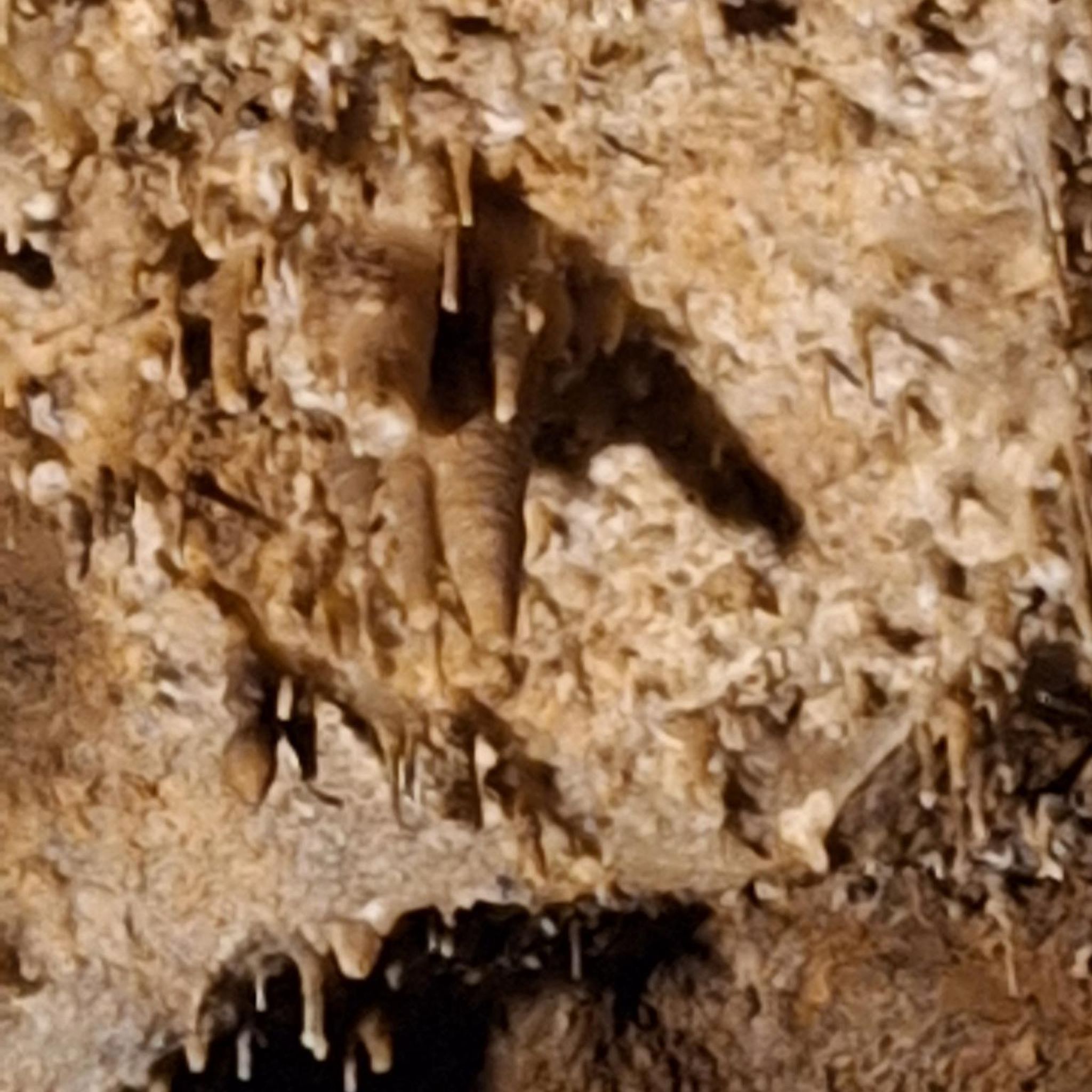
Sarsen Stone at Stonehenge Visitor Centre
Highlight • Monument
Translated by Google •
Tip by

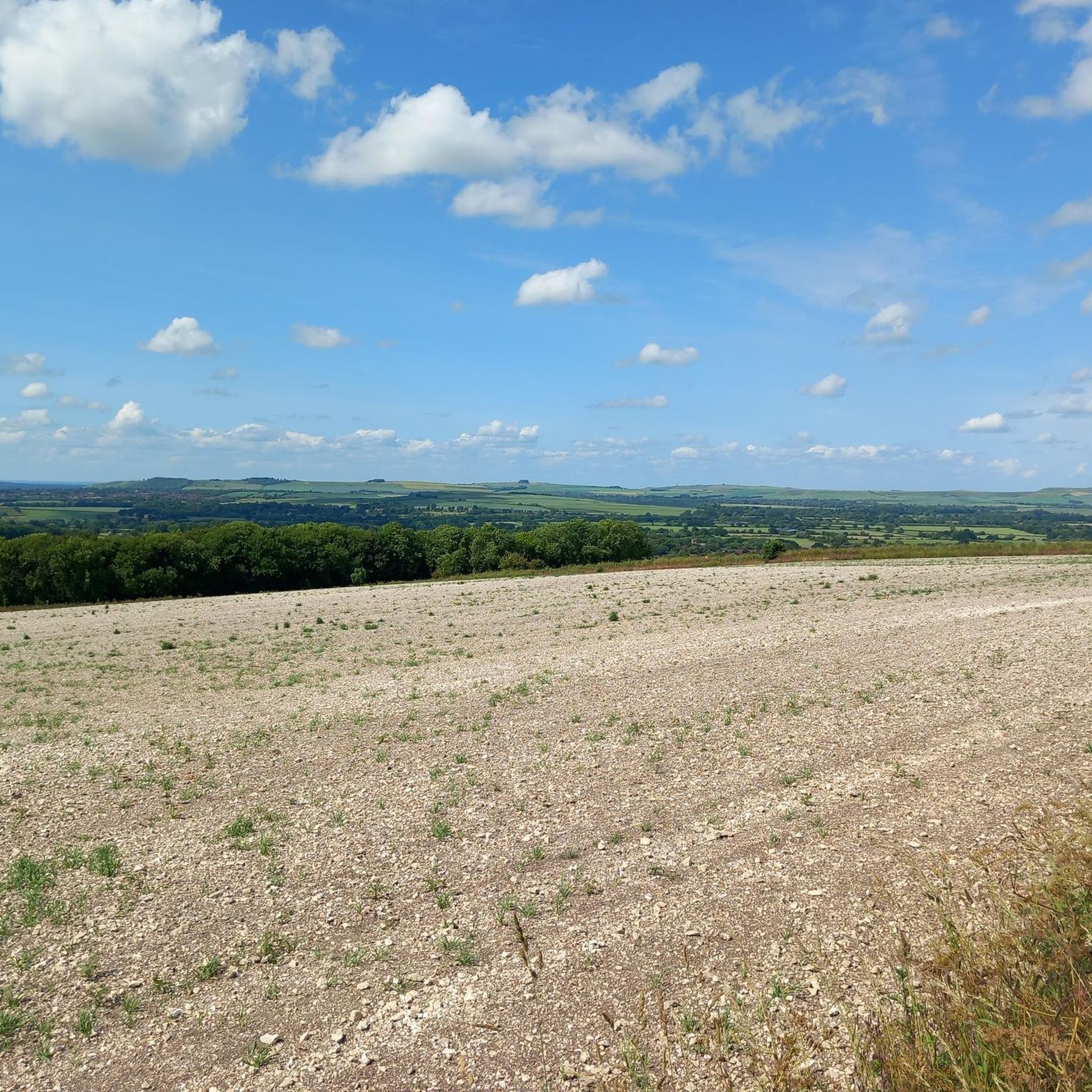
Walkers Hill
Highlight • Natural Monument
Tip by

Sign up now to discover places like this
Get recommendations on the best single tracks, peaks, & plenty of other exciting outdoor places.
Sign up for free
Cursus Barrows
Highlight • Natural Monument
Translated by Google •
Tip by
The Wansdyke Path
Highlight • Trail
The path begins in Marlborough near the famous Marlborough White Horse before passing Savernake Forest, Knapp Hill and Tan Hill and finishing at Morgan's Hill.
Tip by

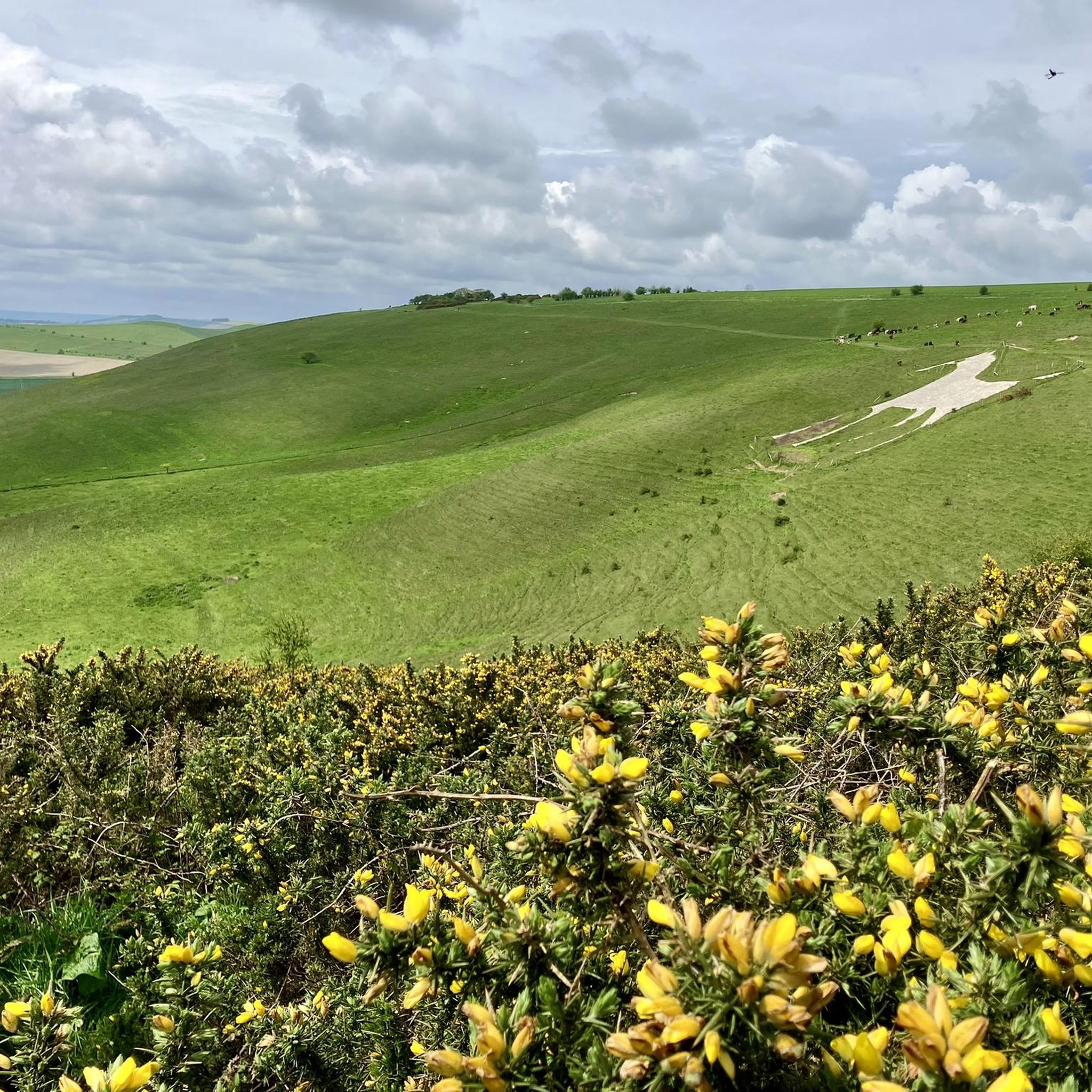
Alton Barnes White Horse
Highlight • Viewpoint
Tip by

Sign up for free to discover even more attractions around Wilsford.
Sign up for free
Already have an account?
Start today with a free account
Your next adventure awaits.
Login or Signup

Tips from the Community

Why exactly there? Archaeologists suspect several reasons: Line of sight From the mounds, there is a direct view of Stonehenge. Sacred landscape The entire plain was a ritual area with paths, graves, and ceremonial sites. Status symbol Important people were buried near the famous sanctuary. Interesting fact There are over 300 burial mounds in the vicinity of Stonehenge – one of the largest prehistoric burial landscapes in Europe.
0
0
Here is a simple overview map explaining the landscape south of Stonehenge and why the burial mounds are located there. Landscape south of Stonehenge The most important range of mounds is called Normanton Down Barrows. It lies about 1 km south of Stonehenge. There are over 40 burial mounds there, dating from 2600–1600 BC. The mounds are situated on a long ridge that faces directly towards Stonehenge. Simplified diagram of the location North ↑ Stonehenge ○ | | approx. 1 km | ───────────────── Hill ridge with many burial mounds (Normanton Down) ○ ○ ○ ○ ○ ○ ○ ○ ○ ○ ↓ South Important hills there One particularly famous burial mound is Bush Barrow A richly furnished grave of a Bronze Age prince, containing gold objects and weapons, was found there.
0
0


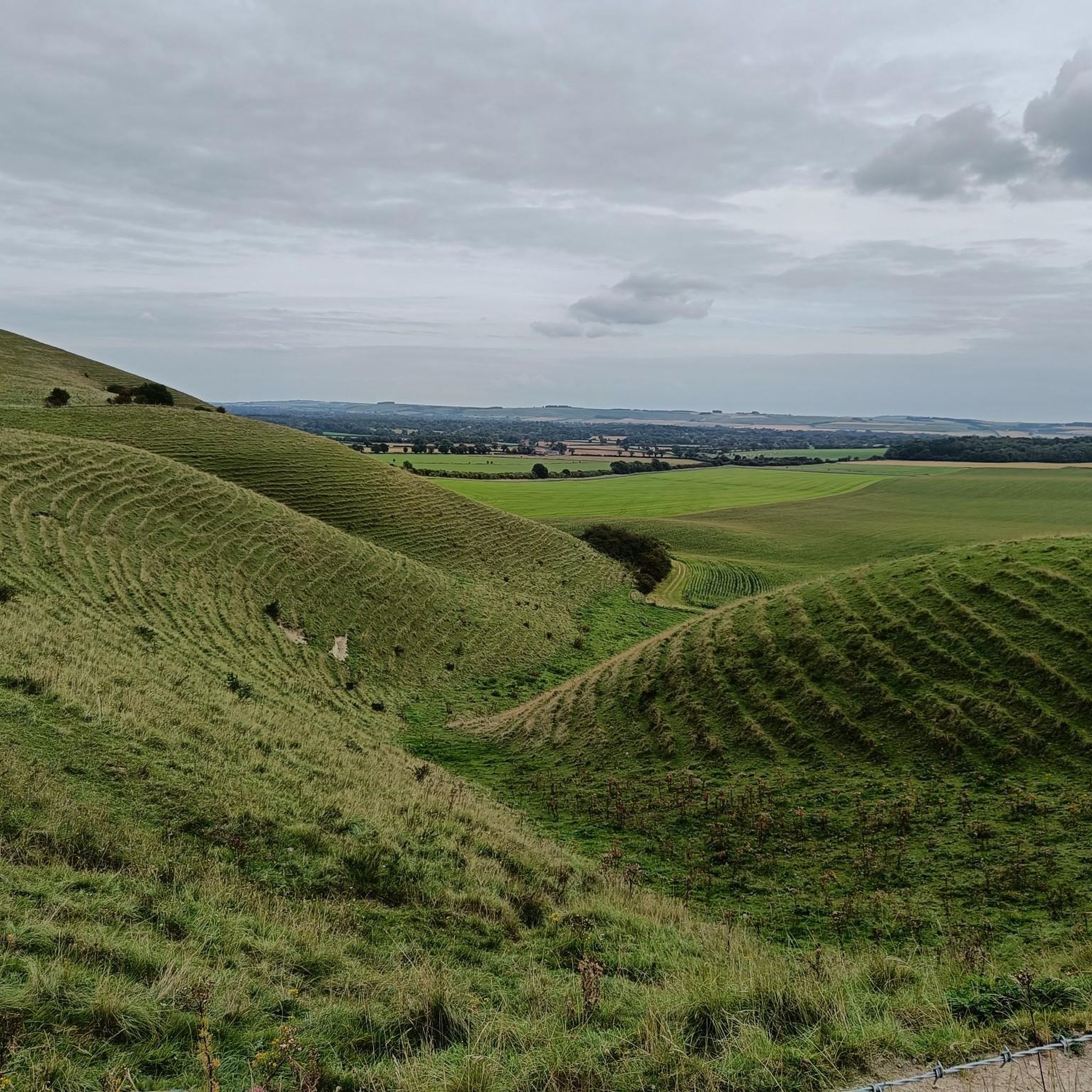
The Path: The formal Wansdyke Path is a long-distance walking route that primarily follows the impressive East Wansdyke in Wiltshire. Route: It typically runs for about 13 miles (21 km) between Marlborough and Morgan's Hill. Experience: Walking the path offers a spectacular experience, with sections that allow you to walk along the top of the impressive bank, providing commanding views over the surrounding Marlborough Downs and Pewsey Vale. Connectivity: Parts of the Wansdyke Path coincide with other regional walking routes, such as the White Horse Trail and the Wessex Ridgeway.
0
0
The Wansdyke is traditionally divided into two main parts: East Wansdyke: The most impressive and best-preserved section, running between Savernake Forest near Marlborough and Morgan's Hill in Wiltshire. West Wansdyke: A less substantial section running from Monkton Combe (south of Bath) to the hill fort of Maes Knoll (south of Bristol). Middle Section: The section connecting the two is often marked by the line of the old London to Bath Roman road.
0
0
Dating and Purpose: It is generally believed to be post-Roman (late Roman or sub-Roman, possibly 5th or 6th century AD) and was likely built by the native Britons as a defensive measure against the expanding Anglo-Saxons.
0
0
A series of early medieval defensive linear earthworks consisting of a large bank and a deep ditch. The ditch generally faces north, suggesting it was built as a defence against invaders coming from the north. Location: The Wansdyke runs in an east-west direction through the West Country of England, stretching across parts of Wiltshire and Somerset. Name Origin: Its name, Wansdyke, is thought to be derived from "Woden's Dyke", referring to the Anglo-Saxon god Woden.
0
0

It's unbelievable what people have achieved and built in the past (without any technology) - it's simply impressive and breathtaking
2
0
Frequently Asked Questions
What historical and prehistoric sites can I explore around Wilsford?
Wilsford, Wiltshire, is rich in history and prehistory. You can visit the iconic Sarsen Stone at Stonehenge Visitor Centre, which offers a tangible connection to Stonehenge. Other significant sites include Walkers Hill, home to Adam's Grave, a Neolithic long barrow, and the Cursus Barrows, a Neolithic and Bronze Age round barrow cemetery. The area is also close to world-renowned sites like Stonehenge, Woodhenge, Avebury Stone Circle, Salisbury Cathedral, and Old Sarum.
Where can I see the famous White Horses carved into the chalk hillsides?
The most prominent White Horse near Wilsford is the Alton Barnes White Horse. This viewpoint is carved into the chalk hillside within a beautiful sweep of chalk downland, offering expansive views across the Vale of Pewsey.
Are there any ancient earthworks or burial mounds near Wilsford?
Yes, the region features several ancient earthworks and burial mounds. Walkers Hill contains Adam's Grave, a notable Neolithic long barrow, along with cross dykes and tumuli. To the south of Stonehenge, you'll find the Cursus Barrows, a significant Neolithic and Bronze Age round barrow cemetery. Additionally, the Wansdyke Path follows a series of early medieval defensive linear earthworks.
What natural landscapes and viewpoints can I discover around Wilsford?
Wilsford is situated in the picturesque Vale of Pewsey, with the Salisbury Avon river forming part of its northern boundary and Salisbury Plain to the south. You can enjoy expansive views from Walkers Hill, which overlooks the Vale of Pewsey and surrounding downland. The Alton Barnes White Horse also offers a wonderful viewpoint within a chalk downland nature reserve.
What hiking opportunities are available near Wilsford?
There are several hiking opportunities around Wilsford, catering to various skill levels. For easy walks, consider routes like the Wilcot and Kennet & Avon Canal Trail, or the Alton Barnes White Horse – Milk Hill loop. You can find more details and routes in the Easy hikes around Wilsford guide.
Are there cycling routes suitable for different skill levels around Wilsford?
Yes, the Wilsford area offers a variety of cycling routes. Options range from easy loops like the Pewsey White Horse – Marden Henge loop, to moderate and difficult rides such as the Redhorn Hill Byway – Pewsey White Horse loop or The Sanctuary, Avebury – Pewsey White Horse loop. Explore these and more in the Cycling around Wilsford guide.
Can I find mountain biking trails in the Wilsford area?
Absolutely. The region provides several mountain biking trails, many of which are of moderate difficulty. Popular routes include loops around Stonehenge, the Salisbury Plain Perimeter Path, and the Wansdyke Path. For detailed routes and information, refer to the MTB Trails around Wilsford guide.
What do visitors enjoy most about the attractions around Wilsford?
Visitors particularly appreciate the rich historical significance and the stunning natural views. Highlights like Walkers Hill are praised for their exceptional vistas and historical features like Adam's Grave. The Alton Barnes White Horse is loved for its beautiful chalk downland setting and photographic opportunities. The area's ancient sites, such as the Cursus Barrows, are valued for their historical insights and well-explained display boards.
Are there family-friendly attractions around Wilsford?
Yes, the Sarsen Stone at Stonehenge Visitor Centre is categorized as family-friendly, offering an engaging experience for all ages to learn about the iconic stones. The broader area, with its open landscapes and historical sites, provides opportunities for educational and adventurous family outings.
Are there any wheelchair-accessible attractions in the Wilsford area?
The Sarsen Stone at Stonehenge Visitor Centre is noted as being wheelchair accessible, making it a suitable option for visitors with mobility needs.
Where can I find information about the Sarsen stones and their history?
You can learn about the Sarsen stones at the Sarsen Stone at Stonehenge Visitor Centre. These large sandstone blocks are famously associated with Stonehenge, and the center provides insights into their origin and significance, including their historical name meaning 'heathen stone'.
What is the Wansdyke Path and its historical significance?
The Wansdyke Path follows a series of early medieval defensive linear earthworks, consisting of a large bank and a deep ditch. Believed to be post-Roman (5th or 6th century AD), it was likely built by native Britons as a defense against Anglo-Saxon invaders, with its name possibly derived from 'Woden's Dyke'.
Most popular attractions around Wilsford

Get inspired with the komoot mobile app


Explore more
Still not found the Highlight you’re looking for? See guides of the top attractions in other regions:
