Attractions and Places To See around Holt - Top 20
Best attractions and places to see around Holt include a variety of historical sites, natural trails, and cultural landmarks. The region offers opportunities to explore disused railway lines converted into multi-use paths, ancient religious buildings, and Iron Age hillforts. These diverse attractions provide insights into the area's history and natural environment.
Best attractions and places to see around Holt
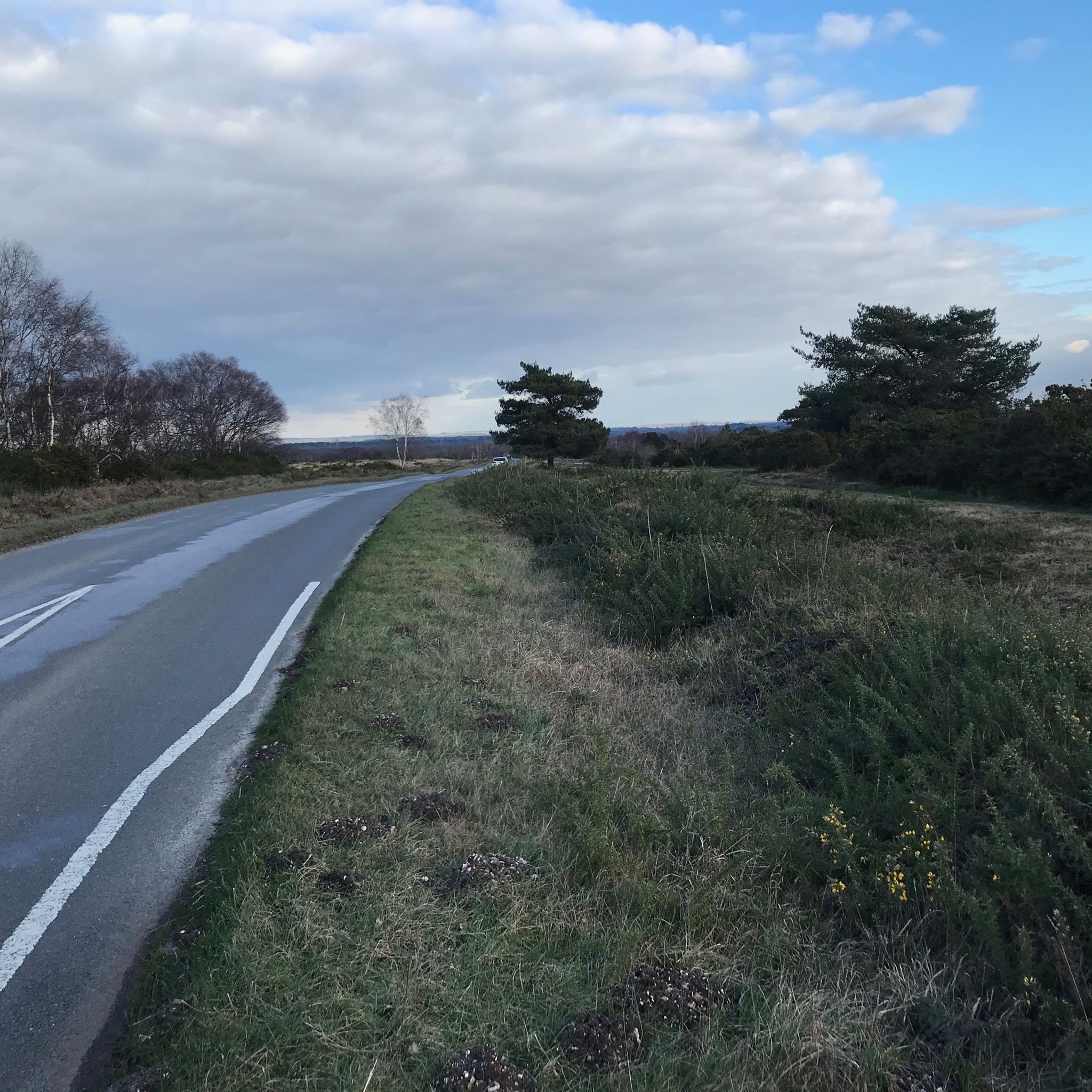
- The most popular attractions is Castleman Trailway — gravel route from Ringwood, a cycle way that follows a disused railway line. This 15-mile route is suitable for families and connects 3 country parks.
- Another must-see spot is Wimborne Minster and Chained Library, a historical religious building. It is notable for being the burial site of a King of Wessex and housing one of the few surviving chained libraries in the world.
- Visitors also love Badbury Rings Iron Age hillfort, an Iron Age hillfort and scheduled monument. It offers views and is recognized for its historical significance, with Roman-era structures also present nearby.
- Holt is known for its historical sites, cycling routes, and natural viewpoints. The area provides a range of attractions for those interested in history, outdoor activities, and scenic landscapes.
- The attractions around Holt are appreciated by the komoot community, with over 100 upvotes and 19 photos shared across the highlights.
Last updated: July 2, 2026
Castleman Trailway — gravel route from Ringwood
Highlight • Cycleway
The trail runs for a distance of about 15 miles on a fairly flat path so it's a good ride for families or anyone looking for an easy, sheltered walk.
Tip by

Wimborne Minster and Chained Library
Highlight • Religious Site
Tip by

Sign up now to discover places like this
Get recommendations on the best single tracks, peaks, & plenty of other exciting outdoor places.
Sign up for free
Castleman Trailway
Highlight • Cycleway
Translated by Google •
Tip by
Moors Valley Forest Trails
Highlight • MTB Park
Tip by

Badbury Rings Iron Age hillfort
Highlight • Viewpoint
It sits over 300 feet above sea level, and there are two main phases of construction; the first covered 18 acres and was defended by multiple ditches, while the second was more than twice the size, covering 41 acres and defended by a single ditch and rampart. These ramparts make for great walking, but imagine the terror of trying to scale one whilst under attack from the occupants. Once you'd scaled one, there were more waiting for you. No wonder it was the last fort to be sacked by the Romans. Wonder just how many soldiers died trying to take it.
Until 1983 Badbury Rings was privately owned as part of the Kingston Lacy estate, and the owners discouraged investigation of the site.[2] The site now belongs to the National Trust.[2] A survey of the hillfort by the RCHME was begun in 1993. The summit area was cleared of undergrowth by the National Trust in 1997 and the conifer plantation was thinned out. A survey in 1998, which recorded 28 potential hut sites within the ramparts, although some depressions are probably caused by uprooted trees. The first excavations, led by Martin Papworth, took place in 2004, when three evaluation trenches were dug. Almost all of the pottery found was dated to the Late Iron Age. The current evidence does not suggest that the hillfort was a principal settlement in the Early Iron Age. It seems likely that the hillfort became depopulated towards the end of the Late Iron Age, perhaps as the Vindocladia settlement near Shapwick developed.
Tip by

Sign up for free to discover even more attractions around Holt.
Sign up for free
Already have an account?
Start today with a free account
Your next adventure awaits.
Login or Signup
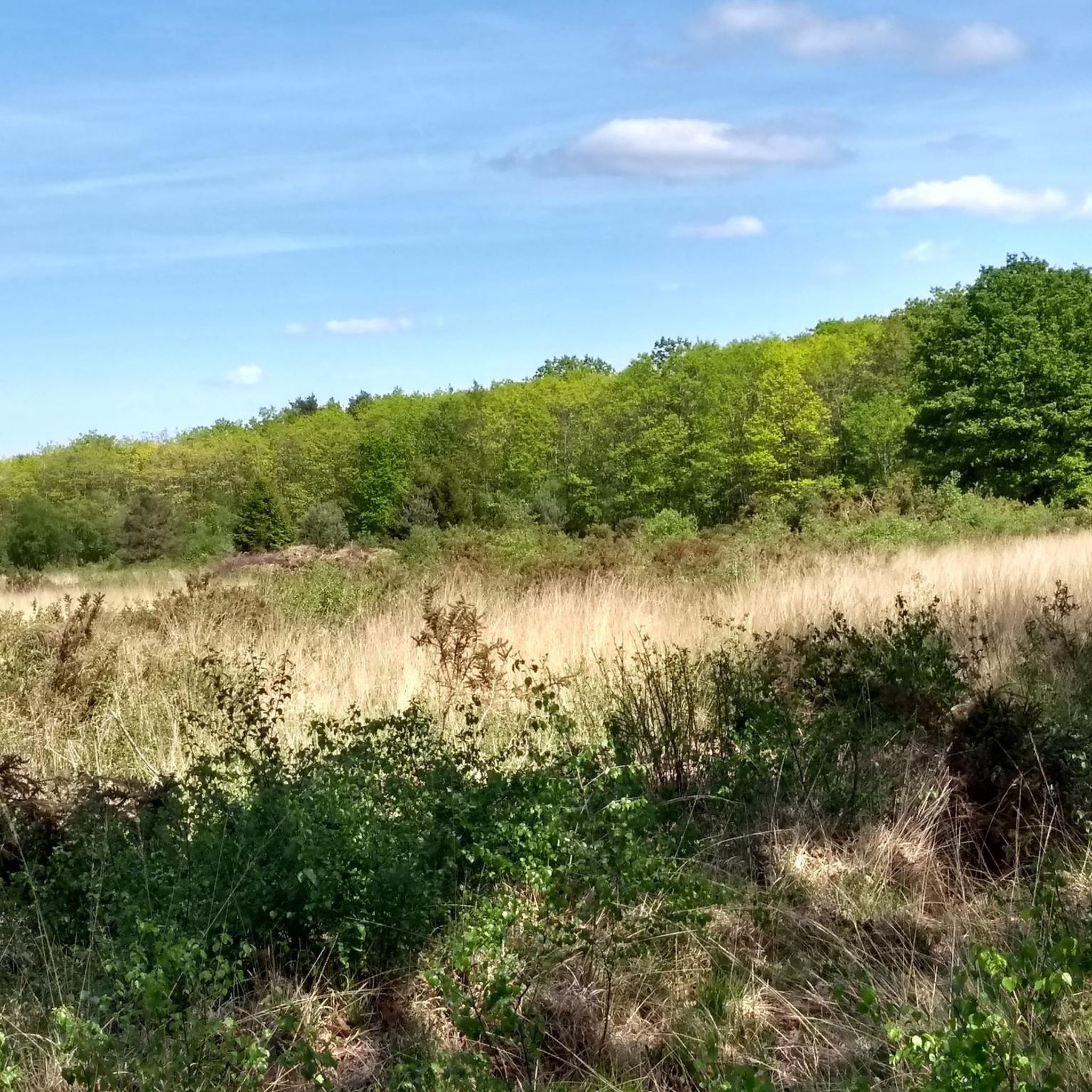

Tips from the Community

Lovely place overall, but the visitor centre area can get very busy. We found the trails a bit tricky to locate at first—look out for the “dog wash area” and then the “bike hire” just after it; they’re good waypoints to find the trail access, which is to the right and slightly behind the visitor centre (when facing it from the car park). Also worth noting there’s free parking at Potterne Park, not far from the centre.
0
0

Nice wide pathways for a large section of this routes.
0
0

Great traffic free route for the whole family. Bit muddy at times
0
1

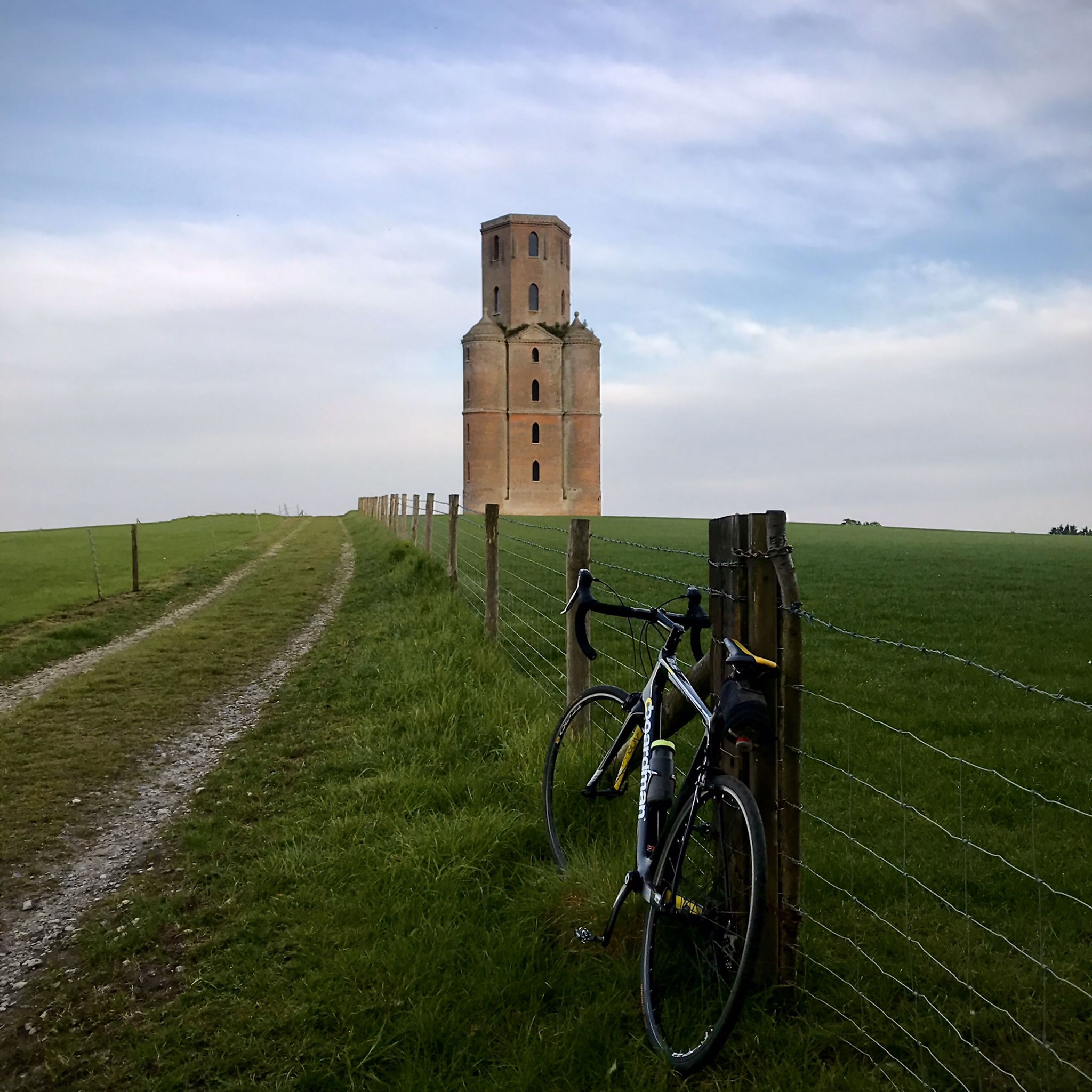
Badbury Rings is an Iron Age hill fort and Scheduled Monument in east Dorset, England. In the Roman era a temple was located immediately west of the fort, and there was a Romano-British town known as Vindocladia ( Known today as Shapwick ) a short distance to the south-west. It sits over 300 feet above sea level, and there are two main phases of construction; the first covered 18 acres and was defended by multiple ditches, while the second was more than twice the size, covering 41 acres and defended by a single ditch and rampart. These ramparts make for great walking, but imagine the terror of trying to scale one whilst under attack from the occupants. Once you'd scaled one, there were more waiting for you. No wonder it was the last fort to be sacked by the Romans. Wonder just how many soldiers died trying to take it. Until 1983 Badbury Rings was privately owned as part of the Kingston Lacy estate, and the owners discouraged investigation of the site.[2] The site now belongs to the National Trust.[2] A survey of the hillfort by the RCHME was begun in 1993. The summit area was cleared of undergrowth by the National Trust in 1997 and the conifer plantation was thinned out. A survey in 1998, which recorded 28 potential hut sites within the ramparts, although some depressions are probably caused by uprooted trees. The first excavations, led by Martin Papworth, took place in 2004, when three evaluation trenches were dug. Almost all of the pottery found was dated to the Late Iron Age. The current evidence does not suggest that the hillfort was a principal settlement in the Early Iron Age. It seems likely that the hillfort became depopulated towards the end of the Late Iron Age, perhaps as the Vindocladia settlement near Shapwick developed.
1
0
Wimborne Minster is the parish church of Wimborne, Dorset, England. The minster has existed for over 1300 years and is recognised for its unusual chained library (one of only a few surviving chained libraries in the world). The minster is a former monastery and Benedictine nunnery, and King Æthelred of Wessex is buried there. The Chained library is located upstairs, up a very windy stone staircase. No lifts to it. Until it was confiscated during Henry VIII's reign, the old Treasury held the wealth of the minster and numerous artefacts such as (reputed to be) a piece of the true cross, wood from the Manger and cloth from the Shroud. Since 1686 it has housed an important chained library. The chained library was one of the first public libraries in the UK, and it remains the second-largest. Some of the collections of the library include a manuscript written on lambskin in 1343, a book bound for the Court of Henry VIII, an incunabulum printed in 1495 on the works of Saint Anselm, and a Paraphrase of Erasmus printed in 1522 with a title page designed by Holbein. The library is run by volunteers and remains open to the public on week days 10.30-12.30 & 2-4 (closed in winter season). The Bells Since 1911 the west tower at the minster has been home to a ring of ten bells. The original tenor bell was housed in the central tower and was cast in 1385. The central tower was considered too structurally weak to add much more additional weight, so in 1464 the west tower was constructed in order to house five bells. In 1629 the tenor bell was recast. Besides the tenor, the minster at this time was home to the 'Bell of St. Cuthburga', 'The Fyfer Bell', 'The Jesus Bell' and 'The Morrow Mass Bell'; presumably all housed in the west tower. In 2012, the bells were augmented to 12 by Whitechapel Bell Foundry, with an additional semitone bell cast to make a total of 13 bells. Tombs The most important tomb in the church is that of King Ethelred, the brother of Alfred the Great. Ethelred was mortally wounded in a battle at Martin, near Cranborne. The exact location of the tomb however is unknown, though sources and legend indicate that it resides somewhere near the altar.
0
0
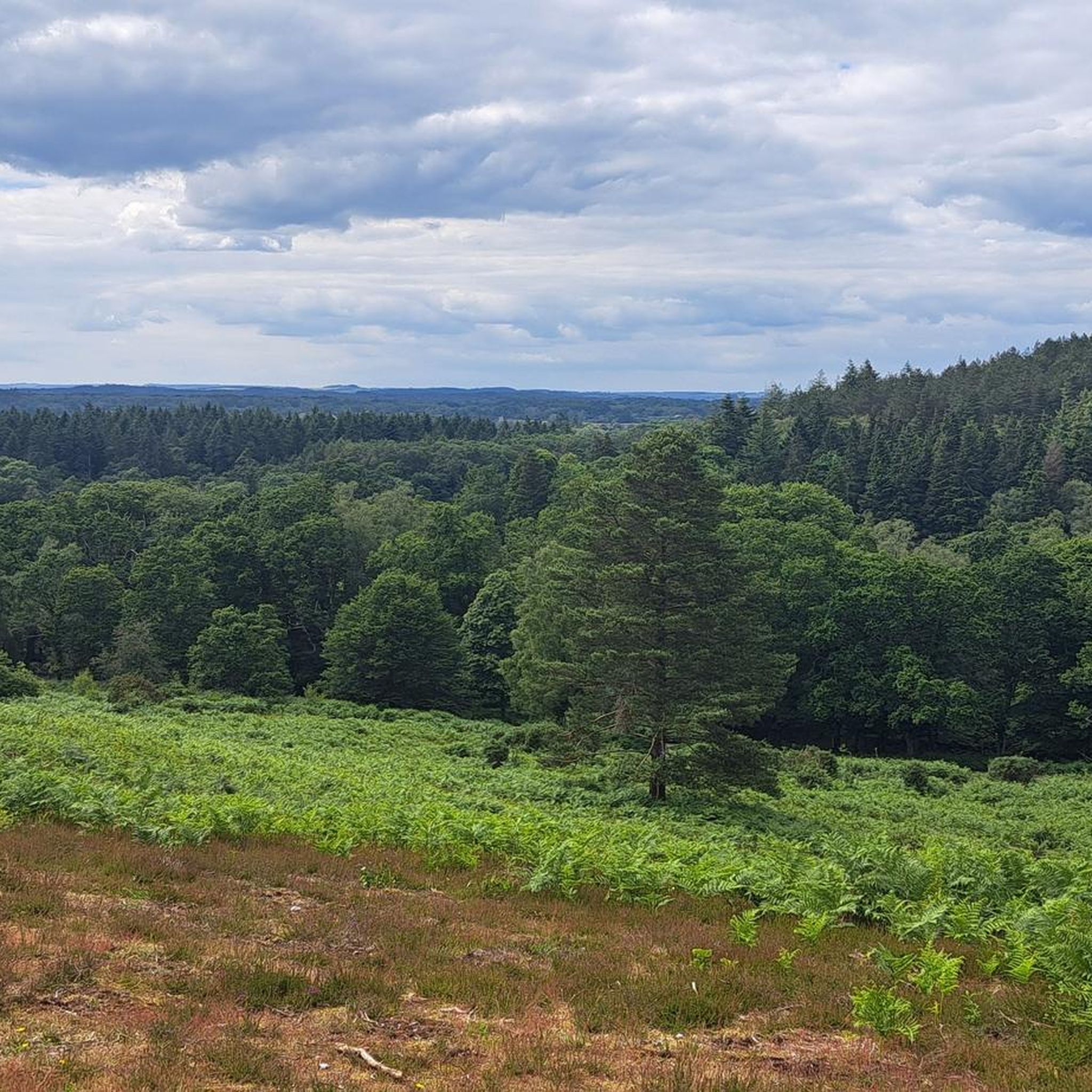
Lovely open country side with easy terrain
0
0

Bradbury Rings is an Iron Age hill fort. The Romans built a temple here and there was a Romano-British town known as Vindocladia nearby. Today, you can run the earthworks and around the edge, it's fun and fascinating. The National Trust own and manage the site but it's open access to all.
0
0

Castleman's Corkscrew Trailway is a walking, cycling and horse riding route that follows much of the old railway line from Southampton to Dorchester. It is named after Charles Castleman, a Wimborne barrister, who was responsible for building the original railway line and was the first to connect Dorset to the wider rail network. The trailway is 16.5 miles long and runs through some of the beautiful East Dorset countryside, with moorland, rivers and woodland. It is also connected to Avon Heath Country Park, Moors Valley Country Park and Upton Country Park.
6
0
Frequently Asked Questions
Are there family-friendly attractions around Holt?
Yes, several attractions around Holt are suitable for families. The Castleman Trailway is a multi-use path, perfect for cycling or walking with children, connecting three country parks. Badbury Rings Iron Age hillfort offers open spaces for exploration and impressive earthworks. Additionally, White Mill Bridge and its nearby mill provide an interesting historical stop.
What historical sites can I visit near Holt?
Holt is rich in history. You can explore Wimborne Minster and Chained Library, a significant religious building and one of the few surviving chained libraries globally. The Badbury Rings Iron Age hillfort offers a glimpse into ancient history with its impressive earthworks and Roman-era structures. The 14th-century White Mill Bridge is another notable historical landmark.
Where can I find easy walking trails around Holt?
For easy walks, consider the easy hikes around Holt. Routes like the 'Holt Heath Nature Reserve – View of Heather Fields loop' or the 'View of Heather Fields loop from Holt' offer pleasant, accessible paths, often through scenic natural areas. The Castleman Trailway is also a relatively flat, sheltered path suitable for easy walks.
Are there good cycling routes or MTB trails near Holt's attractions?
Yes, the area around Holt is excellent for cycling. The Castleman Trailway is a 15-mile gravel route following a disused railway line, ideal for family cycling. For more challenging mountain biking, explore the MTB trails around Holt, which include routes like 'Through the Forest Singletrack – Castleman Trailway loop from West Moors'.
What makes Wimborne Minster a unique historical site?
Wimborne Minster is unique for several reasons. It is the burial site of King Æthelred of Wessex, brother of Alfred the Great, dating back to the 9th century. It also houses one of the few surviving chained libraries in the world, a fascinating collection of ancient books secured by chains to prevent theft, which you can visit upstairs.
Can I explore ancient history, like Iron Age sites, near Holt?
Absolutely. The most prominent ancient site is Badbury Rings Iron Age hillfort. This scheduled monument features impressive defensive earthworks and offers insights into Iron Age life, with Roman-era structures also present nearby. It's a great spot for both history enthusiasts and those seeking scenic views.
What kind of natural features can I expect to see around Holt?
The region around Holt offers diverse natural landscapes. You can experience the open views from Badbury Rings Iron Age hillfort, or enjoy riverside scenery near White Mill Bridge over the River Stour. The Castleman Trailway passes through various country parks, providing opportunities to enjoy woodlands and open spaces.
Are there opportunities for running near the attractions in Holt?
Yes, there are several running trails available. You can find various options in the Running Trails around Holt guide. Routes like the 'Deceptively Deep Puddle – Castlemain Trailway loop from Colehill' or the 'Allendale Centre Café – Wimborne Minster loop from Wimborne Minster' offer moderate distances and varied terrain for runners.
What do visitors enjoy most about the attractions around Holt?
Visitors particularly enjoy the blend of history and nature. The Castleman Trailway is praised for its safe, level gravel tracks, making it great for families. Wimborne Minster is appreciated for its interesting features, including the chained library and historical tombs. The impressive earthworks and views at Badbury Rings are also highly rated for exploration.
Is there a good time of year to visit Holt's attractions?
The attractions around Holt can be enjoyed year-round. Spring and summer offer pleasant weather for outdoor activities like cycling the Castleman Trailway and exploring Badbury Rings. Autumn brings beautiful foliage to the natural areas. Historical sites like Wimborne Minster are accessible throughout the year, though the chained library may have reduced winter hours.
Are there any notable bridges or river views near Holt?
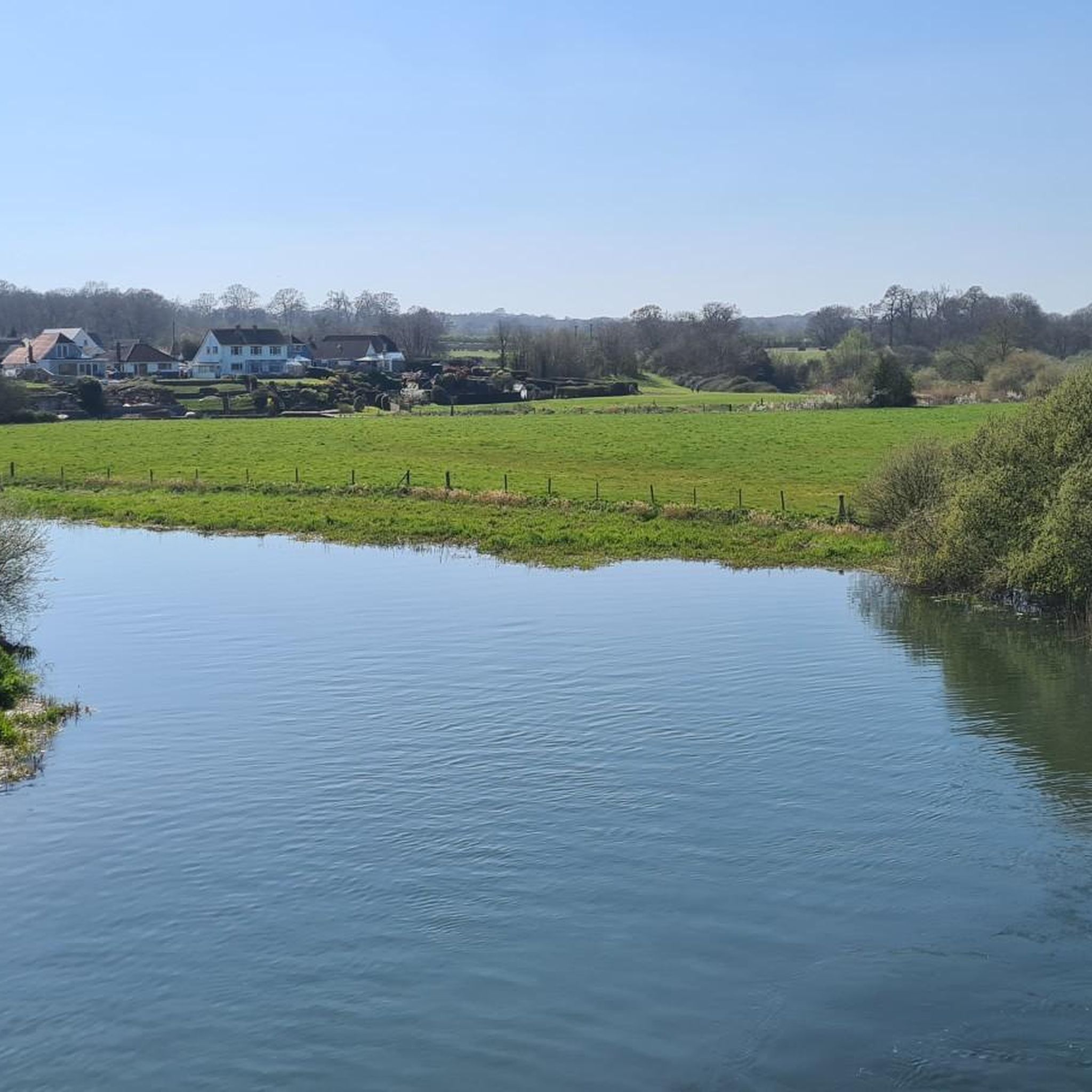
Yes, the White Mill Bridge is a significant landmark. This Grade 1 listed 14th-century stone bridge offers nice views over the River Stour. The nearby 18th-century corn mill, managed by the National Trust, can also be visited on weekends.
Most popular routes around Holt
Most popular attractions around Holt

Get inspired with the komoot mobile app


Explore more
Still not found the Highlight you’re looking for? See guides of the top attractions in other regions:
