The 9 Most Amazing Peaks around Tarrant Launceston
Best mountain peaks around Tarrant Launceston are characterized by rolling chalk grasslands, ancient woodlands, and serene river valleys rather than prominent mountain peaks. The region, part of the Cranborne Chase National Landscape, features notable hills and elevated viewpoints that provide scenic vistas. These geographical features offer excellent opportunities for walking and exploring the countryside.
Best mountain peaks around Tarrant Launceston
- The most popular mountain peaks is Win Green Summit, a historical site that is the highest point in the…
Last updated: June 29, 2026
Win Green Summit
Highlight • Historical Site
Tip by

Hambledon Hill Iron Age hill fort
Highlight • Viewpoint
Tip by
Sign up now to discover places like this
Get recommendations on the best single tracks, peaks, & plenty of other exciting outdoor places.
Sign up for free
Hambledon Hill Ramparts
Highlight • Historical Site
Tip by

Pentbury Knoll (Pentridge Hill Summit)
Highlight • Summit
Tip by

Trig Point of Spetisbury Ring
Highlight • Viewpoint
Tip by

Sign up for free to discover even more peaks around Tarrant Launceston.
Sign up for free
Already have an account?
Start today with a free account
Your next adventure awaits.
Login or Signup

Tips from the Community

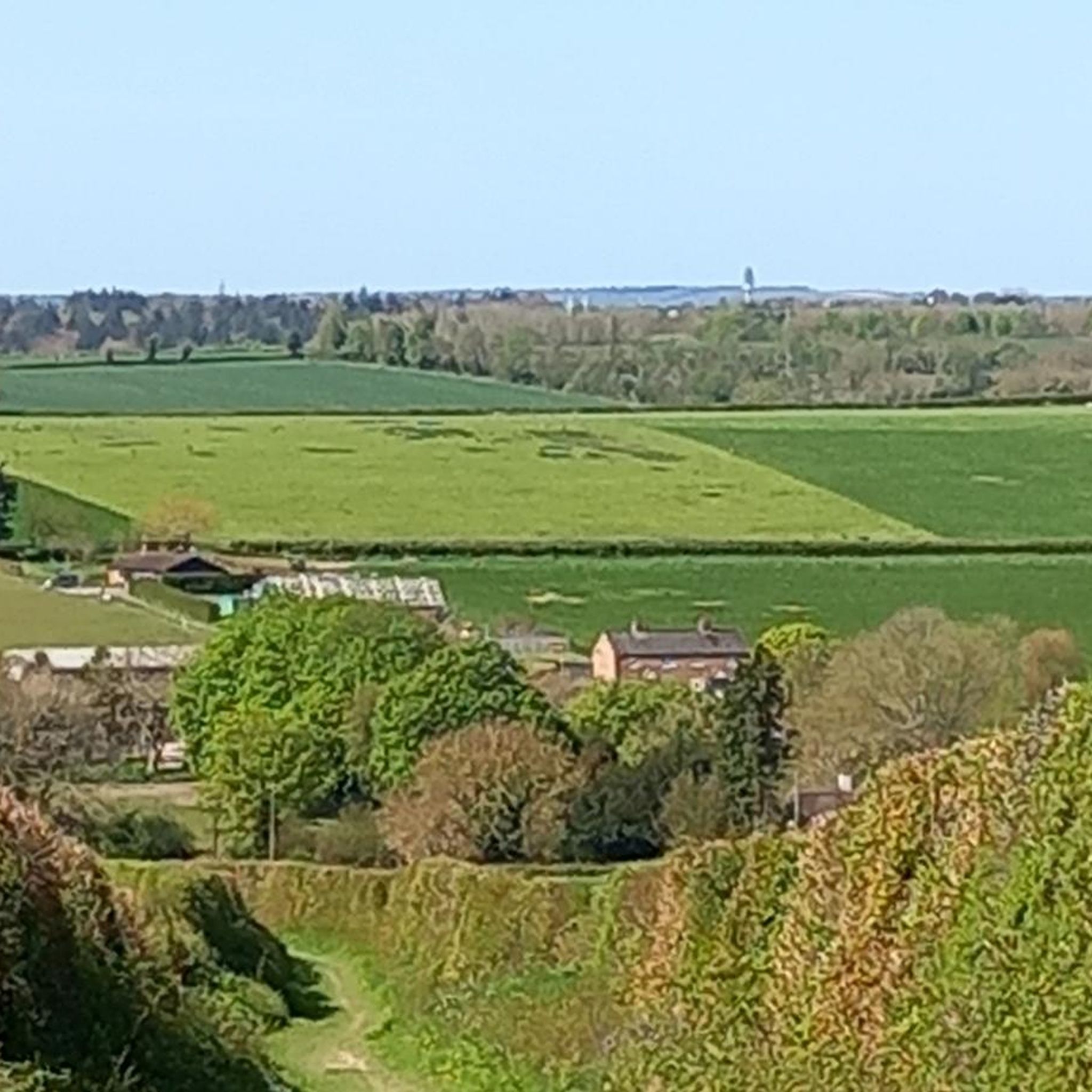
The trig point at Spetisbury Rings is a distinctive feature located on the summit of the ancient Iron Age hillfort, offering excellent panoramic views of the surrounding Dorset countryside and the Stour Valley. Location: The trig point is situated on the highest point of Spetisbury Rings (also historically known as Crawford Castle), an Iron Age hillfort just south of the village of Spetisbury, Dorset. Purpose: A trigonometrical station (or "trig point") is a concrete pillar used by the Ordnance Survey (OS) for the triangulation of Great Britain. They mark a point of high elevation and visibility, which is why they are often found on the summits of hills and mountains. Elevation: The hillfort's summit, where the trig point is located, reaches an elevation of approximately 81 metres (266 feet) above sea level.
0
0

Pop into the cricketers pub before or after your hike it’s in the village (shroton)
0
0
Stunning panoramic views from the trig check out the the Shack nearby for a good pint afterwards
0
0
Nice walking area and the shack has food and drink 😋 🍺
0
0
One of the most beautiful places in the south of England 🏴 and amazing views of Wiltshire and Dorset 🤩
0
0
The hill is now a National Nature Reserve (NNR) with common plants including milkwort, salad burnet, horseshoe vetch, squinancywort, pyramidal orchid and wild thyme. Rarer species include bastard toadflax, meadow saxifrage, early gentian and dwarf sedge. Butterflies include dingy skipper, grizzled skipper, chalkhill blue and Adonis blue. In August 2014, Hambledon Hill fort was acquired by the National Trust for £450,000. The money to buy the hill had come from a Natural England grant and a legacy gift left to benefit Dorset countryside. The hillfort is a Scheduled Monument, as is the adjacent Neolithic causewayed camp.
2
0
Hambledon Hill is a prehistoric hill fort in Dorset, England, in the Blackmore Vale five miles northwest of Blandford Forum. The hill itself is a chalk outcrop, on the southwestern corner of Cranborne Chase, separated from the Dorset Downs by the River Stour. It is owned by the National Trust. Hambledon Hill is the first in a series of Iron Age earthworks,] which continues with Hod Hill, Spetisbury Rings, Buzbury Rings, Badbury Rings and Dudsbury Camp. The Iron Age port at Hengistbury Head forms a final Iron Age monument in this small chain of sites. The ramparts are a lot longer than you think, amazing fun getting around them all though.
1
0
Frequently Asked Questions
What kind of elevated areas or 'peaks' can I expect to find around Tarrant Launceston?
Around Tarrant Launceston, you'll discover a landscape of rolling chalk grasslands, ancient woodlands, and serene river valleys, rather than prominent mountain peaks. The region, part of the Cranborne Chase National Landscape, features notable hills and elevated viewpoints that provide scenic vistas and excellent opportunities for walking and exploring the countryside. These include significant Iron Age hill forts and various downs offering expansive views.
Which are the most popular elevated viewpoints or 'peaks' in the Tarrant Launceston area?
Among the most popular elevated spots are Win Green Summit, the highest point in the Cranborne Chase with panoramic views, and Hambledon Hill Iron Age hill fort, known for its breathtaking views and historical significance. Visitors also appreciate Hambledon Hill Ramparts for understanding the scale of its ancient fortifications.
Are there any historical sites among the elevated areas near Tarrant Launceston?
Yes, several elevated areas are rich in history. Win Green Summit is a historical site crowned by beech trees atop a Bronze Age bowl barrow. Hambledon Hill Iron Age hill fort is one of Britain's best-preserved Iron Age hill forts, and its Ramparts offer a glimpse into its formidable defensive past. The Trig Point of Spetisbury Ring is also part of a historical site.
Are there family-friendly walks to these elevated viewpoints?
Yes, Win Green Summit is noted as family-friendly, offering a great 6-mile walk through the Rushmore Estate. The rolling chalk downlands in general provide numerous paths and trails suitable for families to explore the varied terrain and enjoy the tranquil setting.
What is the best time of year to visit the elevated areas around Tarrant Launceston?
The rolling chalk downlands and elevated viewpoints around Tarrant Launceston are beautiful throughout the seasons. Spring brings wildflowers, summer offers clear, expansive views, and autumn showcases vibrant foliage. Even in winter, clear days can provide stunning vistas, though trails might be muddy. Always check local weather conditions before heading out.
What kind of wildlife can I spot near these elevated areas?
The region is rich in wildlife, especially around sites like Hambledon Hill Iron Age hill fort, which is a National Nature Reserve. Here, you might spot rare plant species like bastard toadflax and early gentian, and butterflies such as dingy skipper, chalkhill blue, and Adonis blue. The open fields and woodlands also host various bird species and other local fauna.
Are there any less-known or 'hidden gem' elevated spots worth visiting?
While not as widely known as Win Green or Hambledon Hill, Pentbury Knoll (Pentridge Hill Summit) offers excellent views despite its modest height of 185 meters. It's a peaceful spot where the Jubilee Trail and Hardy Way cross, providing a quieter experience of the Cranborne Chase Plateau.
What outdoor activities can I do near these elevated areas?
Beyond walking and hiking, the Tarrant Launceston area offers diverse outdoor activities. You can explore numerous cycling routes, including easy to difficult options like the 'Spetisbury Station loop from Blandford Forum' or the 'Gussage All Saints Church – Cranborne Garden Centre loop'. Mountain biking is also popular, with trails such as the 'Hodway Lane Trail Intersection – Okeford Hill Viewpoint loop'. For more details, check out the Cycling around Tarrant Launceston or MTB Trails around Tarrant Launceston guides.
Are there options for gravel biking near the elevated viewpoints?
Yes, the region is excellent for gravel biking. Routes range from moderate to difficult, such as the 'North Dorset Trailway – Hodway Lane Trail Intersection loop from Tarrant Keyneston' or the 'River Stour at Spetisbury – Stour Bridge loop from Tarrant Launceston'. These routes allow you to experience the varied terrain of the chalk downlands. You can find more information in the Gravel biking around Tarrant Launceston guide.
Are there any cafes or pubs near the trails to these elevated areas?
Yes, some highlights mention nearby amenities. For instance, after exploring Hambledon Hill Ramparts, you can pop into the Cricketers pub in Shroton village. Near the Trig Point of Spetisbury Ring, there's 'the shack' which offers food and drink. Many villages in the Tarrant Valley also have charming local establishments.
What do visitors enjoy most about the elevated areas around Tarrant Launceston?
Visitors consistently praise the breathtaking panoramic views offered from spots like Win Green Summit and Hambledon Hill. The historical significance of the Iron Age hill forts, the tranquility of the rolling chalk downlands, and the opportunities for walking, cycling, and nature appreciation are also highly valued. Many enjoy the sense of escape and the natural beauty of the Dorset countryside.
Most popular routes around Tarrant Launceston
Most popular attractions around Tarrant Launceston

Get inspired with the komoot mobile app


Explore more
See even more amazing summits around Tarrant Launceston with these guides:
