The best MTB trails around Lake Verney
4.6
(273)
3,001
riders
54
rides
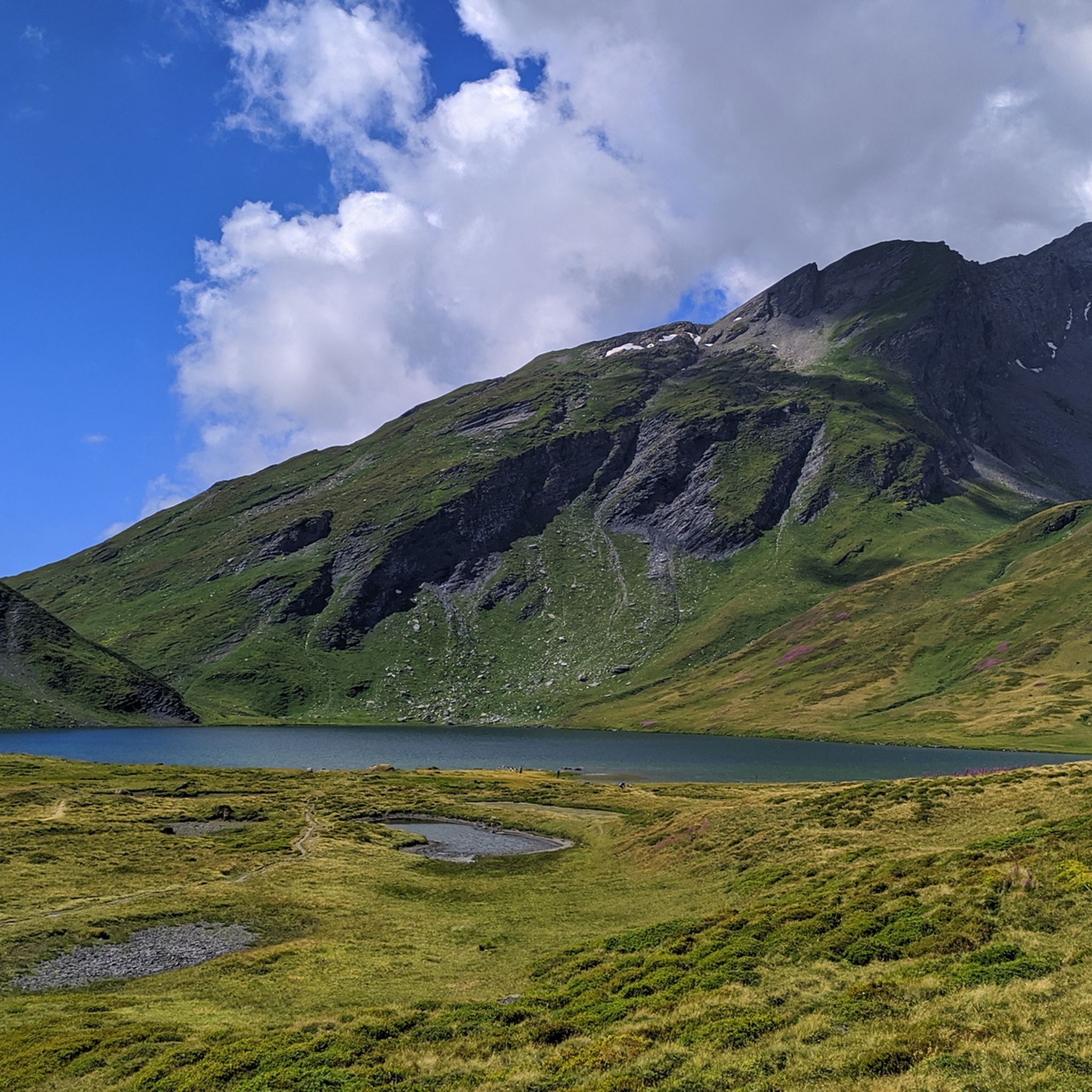
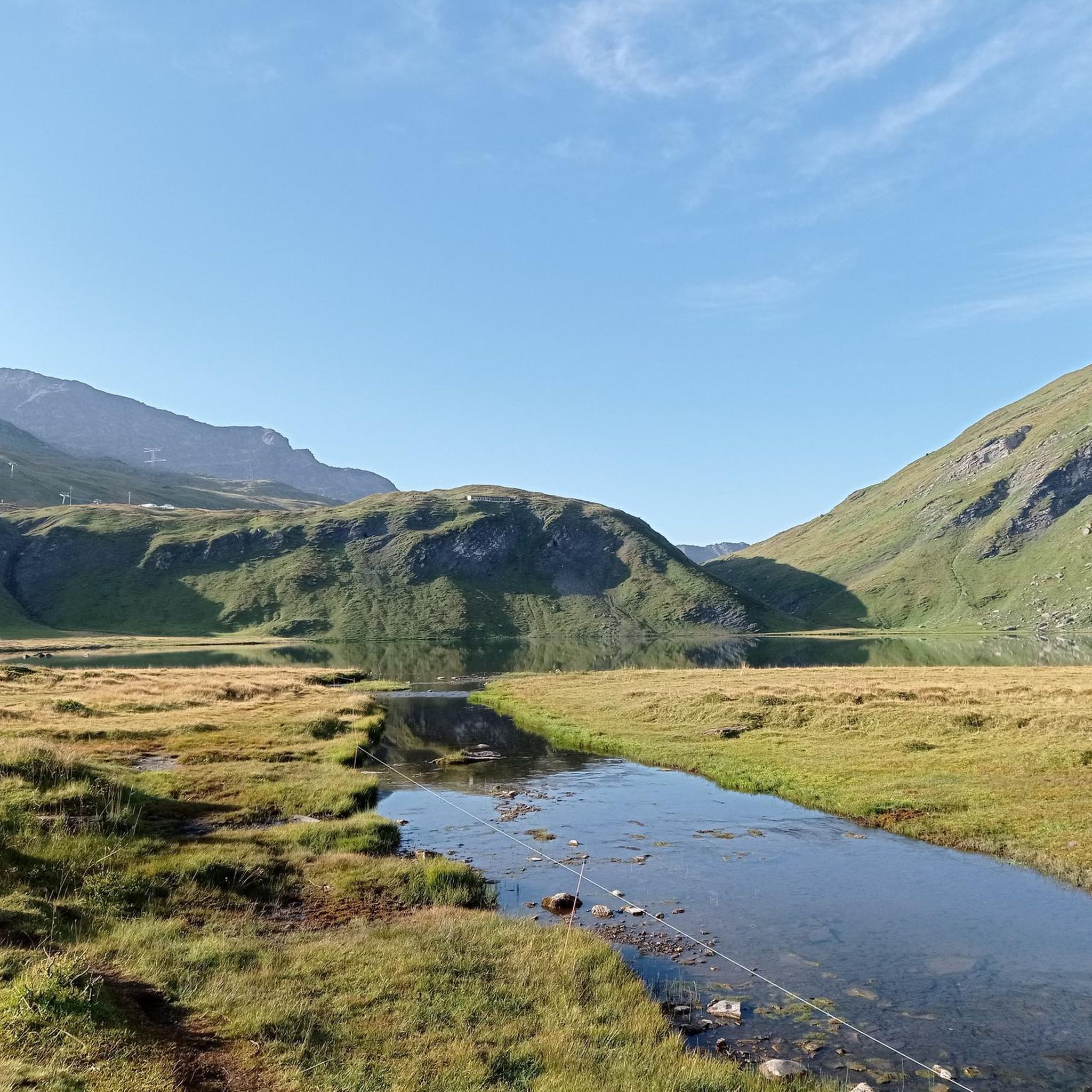
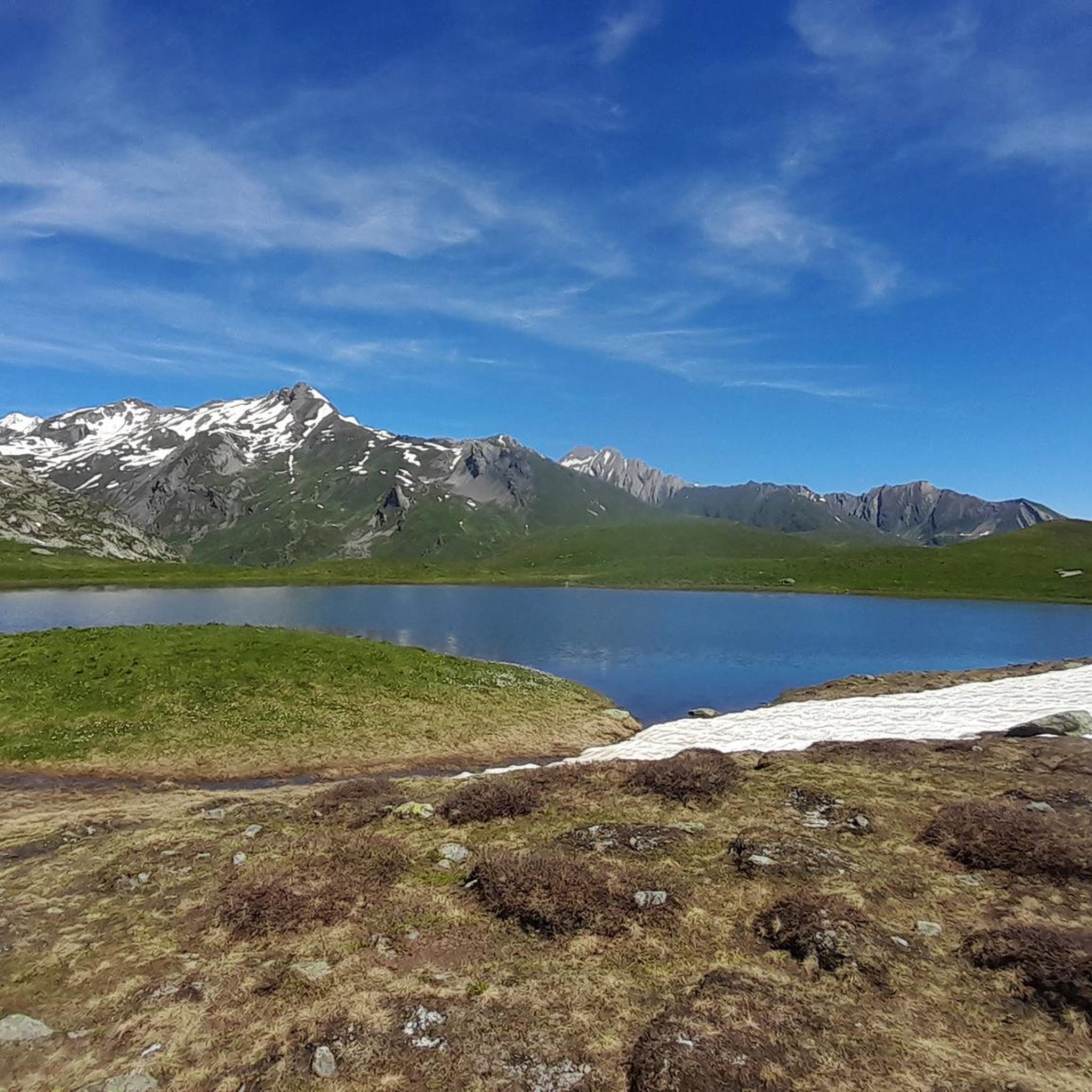
Mountain biking around Lake Verney, situated in the Aosta Valley, offers diverse alpine terrain for cyclists. The region is characterized by high mountain passes, deep valleys, and forested slopes, providing varied elevation changes. Trails often traverse through subalpine meadows and past glacial lakes, with routes ranging from challenging climbs to technical descents. The landscape provides a backdrop of rugged peaks and natural features typical of the Western Alps.
Best mountain bike trails around Lake Verney
- The most popular mountain bike…
Last updated: October 8, 2026
4.7
(39)
512
riders
35.0km
04:16
1,410m
1,410m
Hard mountain bike ride. Very good fitness required. Advanced riding skills necessary. Some portions of the route may require you to push your bike.
5.0
(3)
13
riders
12.3km
02:19
1,010m
30m
Hard mountain bike ride. Very good fitness required. Advanced riding skills necessary.

4.4
(8)
85
riders
29.7km
02:34
860m
860m
Moderate mountain bike ride. Good fitness required. Suitable for all skill levels.
4.7
(6)
39
riders
26.7km
03:03
1,040m
1,040m
Hard mountain bike ride. Very good fitness required. Advanced riding skills necessary. Some portions of the route may require you to push your bike.
5.0
(1)
16
riders
39.9km
05:51
1,840m
1,840m
Hard mountain bike ride. Very good fitness required. Advanced riding skills necessary. Some portions of the route may require you to push your bike.
Get access to more routes and recommendations from other explorers.
Already have an account?
Our route recommendations are based on thousands of hikes, rides, and runs completed by other people on komoot.
Start today with a free account
Your next adventure awaits.
Tips from the Community

From the Colle di Chavannes, the view opens onto a vast high-altitude landscape, between valleys, ridges, and alpine peaks. On the clearest days, the panorama extends to the Mont Blanc massif, which dominates the horizon.
0
0
L’Alpe Chavannes Supérieure is a high-altitude pasture immersed in the Chavannes valley, surrounded by meadows and large open spaces. From here, the landscape becomes decidedly more alpine, with wide views towards the peaks and passes that mark the border with France.
0
0
The long dirt road of Chavannes crosses a wide and secluded valley, between high-altitude pastures and increasingly open views of the surrounding mountains. It is an ideal stretch for finding your rhythm and enjoying the sensation of cycling in one of the wildest corners of the La Thuile area.
0
0
Chez Le Lapin is a farm-restaurant in the Chavannes valley, housed in an old rural building renovated in stone and wood. Here you can stop to taste Aosta Valley cuisine prepared also with products from the farm, including cured meats, crepes, soup, polenta and carbonada.
0
0


Perfect spot to take advantage and have a good refuel if you are coming from the French side.
0
0

La Thuile develops at the confluence of two main watercourses: the Dora di Verney and the Dora del Rutor. The Dora di Verney descends from the Colle del Piccolo San Bernardo and crosses the inhabited area longitudinally. At the central bridge, near which the wooden sculpture of the skier is located, the stream receives the waters of the Dora del Rutor from the right, fed by the glaciers above and known for the system of waterfalls that characterize its drop into the valley. From the union of these two branches originates the Dora di La Thuile, which continues its course downstream. The urban fabric of the town follows the design traced by these rivers, which define its natural boundaries.
0
0

Great mountain pass to climb in winter, it's quite steep but short and doable!
0
0
Frequently Asked Questions
How many mountain bike trails are available around Lake Verney?
There are over 50 mountain bike trails around Lake Verney, offering a wide range of options for different skill levels. The area is highly rated by the komoot community, with an average score of 4.5 stars from over 180 reviews.
What kind of terrain can I expect on mountain bike trails near Lake Verney?
The terrain around Lake Verney is typical of the Western Alps, featuring high mountain passes, deep valleys, and forested slopes. You'll encounter varied elevation changes, often traversing through subalpine meadows and past glacial lakes. Routes range from challenging climbs to technical descents.
Are there any easy mountain bike trails suitable for beginners around Lake Verney?
Yes, while many trails are challenging, there are 2 easy mountain bike routes available around Lake Verney. These are great for those new to mountain biking or looking for a more relaxed ride.
Are there any moderate mountain bike trails around Lake Verney?
Yes, Lake Verney offers 13 moderate mountain bike trails. An example is the Les Suches, La Thuile – Le Suches loop from Tête de l'Âne, which covers 10.3 miles (16.6 km) with an elevation gain of 652 meters, typically taking around 2 hours to complete.
What are some of the more challenging mountain bike routes near Lake Verney?
For experienced riders, there are 35 difficult mountain bike routes. A notable challenging route is the Les Suches, La Thuile – Lower Navajo Trail loop from La Thuile, a 32.4 miles (52.1 km) path with over 2,000 meters of elevation gain, often including technical sections.
Are there any circular mountain bike routes around Lake Verney?
Yes, many of the mountain bike trails around Lake Verney are circular. For instance, the Lake Sans Fond – Pointe de Lancebranlette loop from Col du Petit-Saint-Bernard is a 13.0 miles (20.9 km) circular trail that leads through high mountain passes and past alpine lakes.
What kind of natural features or landmarks can I see while mountain biking around Lake Verney?
Mountain biking around Lake Verney offers views of rugged peaks, high mountain passes, and pristine alpine lakes. The region is characterized by its natural beauty typical of the Western Alps, with trails often traversing through subalpine meadows and forested valleys.
What is the typical length and elevation gain for mountain bike trails in this region?
Trail lengths vary significantly, from shorter loops to extensive rides. For example, the La Thuile – Le Suches loop from Col du Petit-Saint-Bernard is 19.9 miles (32.1 km) with over 1,300 meters of elevation gain, while others like the Vallone d'Arp – Panoramic View of the Alps loop from La Thuile cover 22.7 miles (36.5 km) with about 940 meters of ascent.
What do other mountain bikers say about the trails around Lake Verney?
The trails around Lake Verney are highly regarded by the komoot community, holding an average rating of 4.5 out of 5 stars from over 180 reviews. Mountain bikers often praise the diverse alpine landscapes, challenging climbs, and the variety of terrain available.
Is Lake Verney a good destination for mountain bikers looking for extensive rides?
Absolutely. The region offers many routes for extensive riding. For example, the Les Suches, La Thuile – Lower Navajo Trail loop from La Thuile is a demanding 32.4 miles (52.1 km) route with significant climbing, perfect for those seeking a long and challenging day out.
Most popular routes around Lake Verney

Get inspired with the komoot mobile app


Explore more
Browse the best MTB trails in other regions.
