The best running trails around Durweston
4.1
(37)
2,233
runners
245
runs
Jogging around Durweston offers diverse terrain within Dorset's chalk downs and the Stour Valley. The region is characterized by undulating hills, including notable Iron Age hill forts like Hambledon Hill and Hod Hill, which provide varied elevation. The willow-bordered River Stour and its associated Stour Valley Way offer flatter, scenic running routes. This combination of river paths and elevated chalk landscapes provides a range of running experiences.
Best jogging routes around Durweston
- The most popular jogging route is Stour Valley…
Last updated: June 23, 2026
23
runners
11.9km
01:17
140m
140m
Moderate run. Good fitness required. Mostly paved surfaces. Suitable for all skill levels.
5.0
(2)
181
runners
17.4km
02:08
460m
460m
Hard run. Very good fitness required. Mostly paved surfaces. Suitable for all skill levels.

Sign up for free
53
runners
Hard run. Very good fitness required. Mostly paved surfaces. Suitable for all skill levels.
10
runners
Moderate run. Good fitness required. Mostly paved surfaces. Suitable for all skill levels.
9
runners
10.1km
01:05
130m
130m
Moderate run. Good fitness required. Mostly paved surfaces. Suitable for all skill levels.
Get access to more routes and recommendations from other explorers.
Sign up for free
Already have an account?
Our route recommendations are based on thousands of hikes, rides, and runs completed by other people on komoot.
Start today with a free account
Your next adventure awaits.
Login or Signup
Tips from the Community

All aboard for a massive hit of nostalgia! Shillingstone Station is like a beautifully preserved 1950s time capsule tucked away in the Dorset countryside. Once a vital stop on the legendary Somerset & Dorset Joint Railway (the "Slow and Dirty"), it’s now being lovingly restored by a team of dedicated volunteers. You can wander the original platforms, explore vintage signal boxes, and even have tea in a converted railway carriage. It’s the perfect spot to pretend you're an extra in Brief Encounter while the North Dorset Trailway hikers buzz past. No trains to Bath today, but the atmosphere is pure gold!
0
0

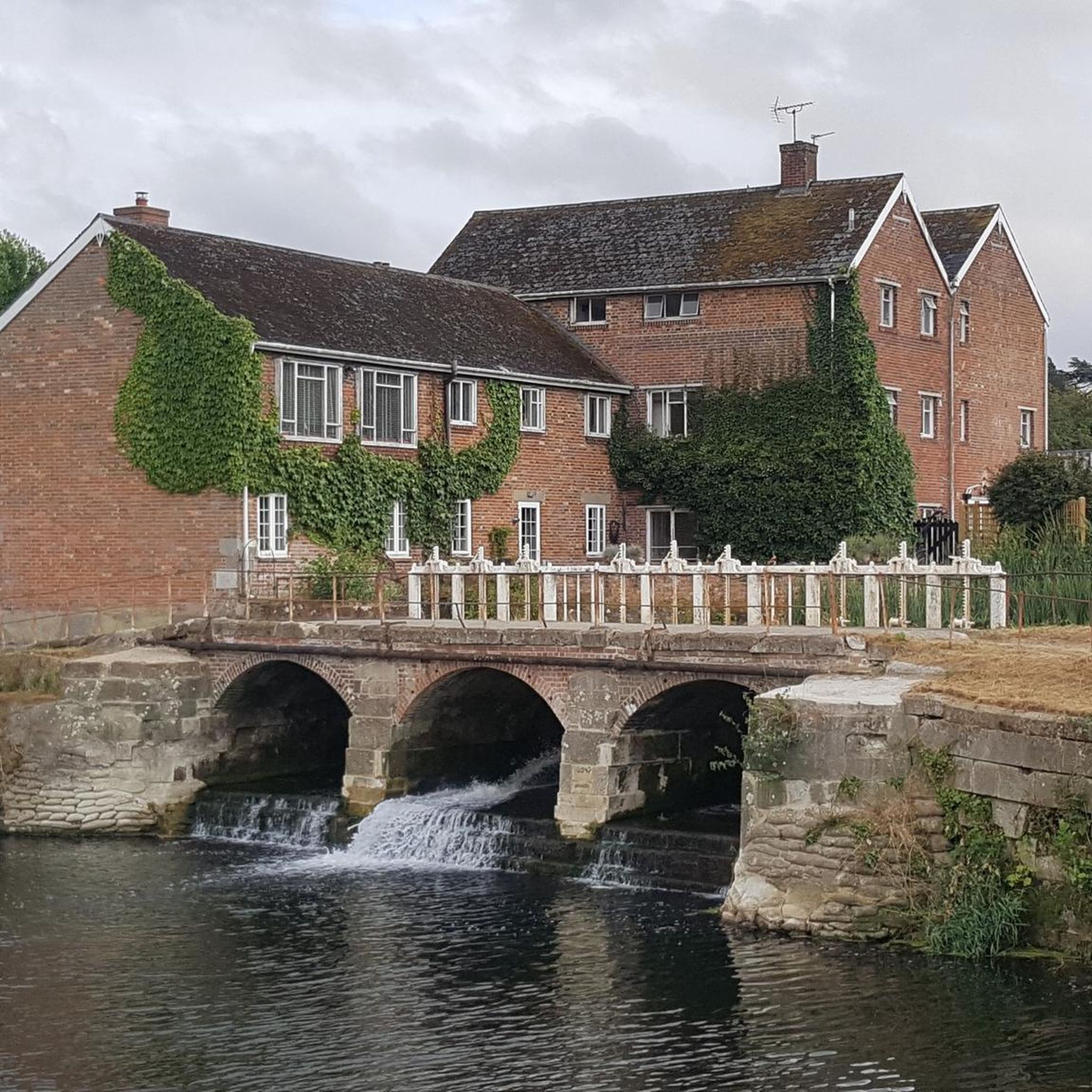
Durweston Mill is a Grade II listed building, that has been converted into a holiday accommodation with two apartments, Coopers and Riverside, overlooking the River Stour. It also features a separate 5-acre private island with glamping and camping facilities, which are open for bookings and offer activities like fishing, wild swimming, and dog walking.
0
0

Using the power of moving water to drive a mill wheel is an ancient invention of the human spirit of discovery, the origins of which can be traced back to times long past. Thanks to such a construction, a watercourse - natural or artificial - could simply replace human or animal muscle power with the power of the natural elements, for example to grind grain into corn or to press oil from fruit. There are essentially two different ways of driving watermills: * Either the flowing water simply hits the blades of the water wheel from below to set it in motion; or * the water is guided - usually through a so-called "mill channel" - above the wheel and falls onto the blades; this type of construction is more efficient due to natural gravity.
0
0

I imagine it to be a nice little cafe selling cakes, teas and coffees. unfortunately it only opens from 10am on a saturday
0
0
A very welcome stop to let your legs recover for a bit.
0
0
Great views and not far from the pub at stourpaine
0
0
Lovely mill house very close to stourpaine which has a brilliant pub called the white horse 🍻
0
0
Frequently Asked Questions
How many running routes are available around Durweston?
Durweston offers a wide variety of running experiences, with over 250 routes available. These range from gentle riverside paths to more challenging climbs over the chalk downs.
What kind of terrain can I expect on jogging trails in Durweston?
Jogging routes in Durweston feature diverse terrain. You'll find flatter paths along the willow-bordered River Stour, particularly on sections of the Stour Valley Way. For a more challenging run, the area includes undulating chalk downs and significant ascents to ancient Iron Age hill forts like Hambledon Hill and Hod Hill.
Are there any challenging running routes for experienced runners?
Yes, Durweston has several challenging routes. For instance, the Durweston Mill – Hod Hill Iron Age Hill Fort loop from Durweston is a difficult 10.8-mile (17.5 km) path with significant elevation gain, offering a rewarding workout and expansive views from Hod Hill.
Can I find routes that offer scenic views or historical landmarks?
Absolutely. Many routes provide stunning views and pass by historical sites. The Hod Hill Iron Age Hill Fort – Hambledon Hill Trig Point loop from Durweston takes you past two prominent Iron Age hill forts, Hod Hill and Hambledon Hill, both offering panoramic vistas across the Blackmore Vale and into neighboring counties.
Are there any family-friendly jogging routes in Durweston?
While specific 'family-friendly' routes are not explicitly categorized, many of the flatter sections along the River Stour, such as parts of the Stour Valley Way, could be suitable for families looking for an easier run. These paths often avoid steep climbs and offer pleasant scenery.
What do other runners say about the trails in Durweston?
The running routes in Durweston are highly regarded by the komoot community, holding an average score of 4.0 stars from over 30 reviews. Runners frequently praise the varied terrain, from tranquil riverside paths to the rewarding climbs of the ancient hill forts, and the stunning views they offer.
Are there any circular running routes available?
Yes, many routes in the area are circular, allowing you to start and finish in the same location. An example is the Stour Valley Way and Blandford Forum Loop, which is a popular 7.4-mile (11.9 km) circular trail following the River Stour.
Are the jogging routes in Durweston suitable for dogs?
Many trails in the Durweston area, particularly those along public footpaths and bridleways, are generally dog-friendly. However, always keep dogs under control, especially near livestock, and be mindful of local signage, particularly in nature reserves or protected areas like the hill forts, where specific rules may apply.
Are there any routes that pass through towns or villages with amenities?
Yes, some routes connect to nearby towns. The Stour Valley Way and Blandford Forum Loop, for example, passes through the historic town of Blandford Forum, where you can find various amenities.
What is the best time of year to go running in Durweston?
Spring and summer are particularly vibrant for running in Durweston, as the calcareous grasslands on the hill forts burst with plant life and butterflies. The Stour Valley also offers serene views. However, the diverse terrain means that with appropriate gear, running can be enjoyed year-round, with autumn offering beautiful foliage and winter providing crisp, clear views.
Are there any longer distance running trails for endurance training?
For those looking for longer runs, the Stourpaine – Shillingstone Railway Station loop from Stourpaine is a 12.0-mile (19.3 km) trail through the Stour Valley, offering a good distance for endurance training.
What are some notable natural features I might encounter on a run?
You'll encounter the tranquil, willow-bordered River Stour and its water meadows, as well as the dramatic chalk downs. The most prominent natural features are the Iron Age hill forts of Hambledon Hill and Hod Hill, which offer unique geological formations and ecological diversity.
Most popular attractions around Durweston

Get inspired with the komoot mobile app


Explore more
Browse the best Running Trails & Routes in other regions.
