Top 20 Natural Monuments around Corfe Castle
Best natural monuments around Corfe Castle are characterized by diverse geological formations and coastal landscapes. The castle itself is situated on a chalk hill isolated by twin water gaps, a geomorphologically significant feature. The surrounding region, part of the Jurassic Coast, features chalk sea stacks, limestone arches, and unique rock formations. These sites provide insight into Earth's history and opportunities for outdoor activities.
Best natural monuments around Corfe Castle
- The most popular natural monuments is Old Harry Rocks, a…
Last updated: August 19, 2026
Old Harry Rocks
Highlight • Natural Monument
Translated by Google •
Tip by

Winspit Quarry Caves
Highlight • Cave
Tip by

Sign up now to discover places like this
Get recommendations on the best single tracks, peaks, & plenty of other exciting outdoor places.
Sign up for free
Dancing Ledge
Highlight • Natural
Tip by
Kimmeridge Bay and Clavell Tower
Highlight • Viewpoint
Tip by

Agglestone Rock
Highlight • Natural Monument
Tip by

Sign up for free to discover even more natural monuments around Corfe Castle.
Sign up for free
Already have an account?
Start today with a free account
Your next adventure awaits.
Login or Signup
Popular around Corfe Castle
E9 Plymouth to Dover — An epic exploration of England's south coast
Heaths, history, commons and coast – 5 beautiful Purbeck walks
Hiking around Corfe Castle
Running Trails around Corfe Castle
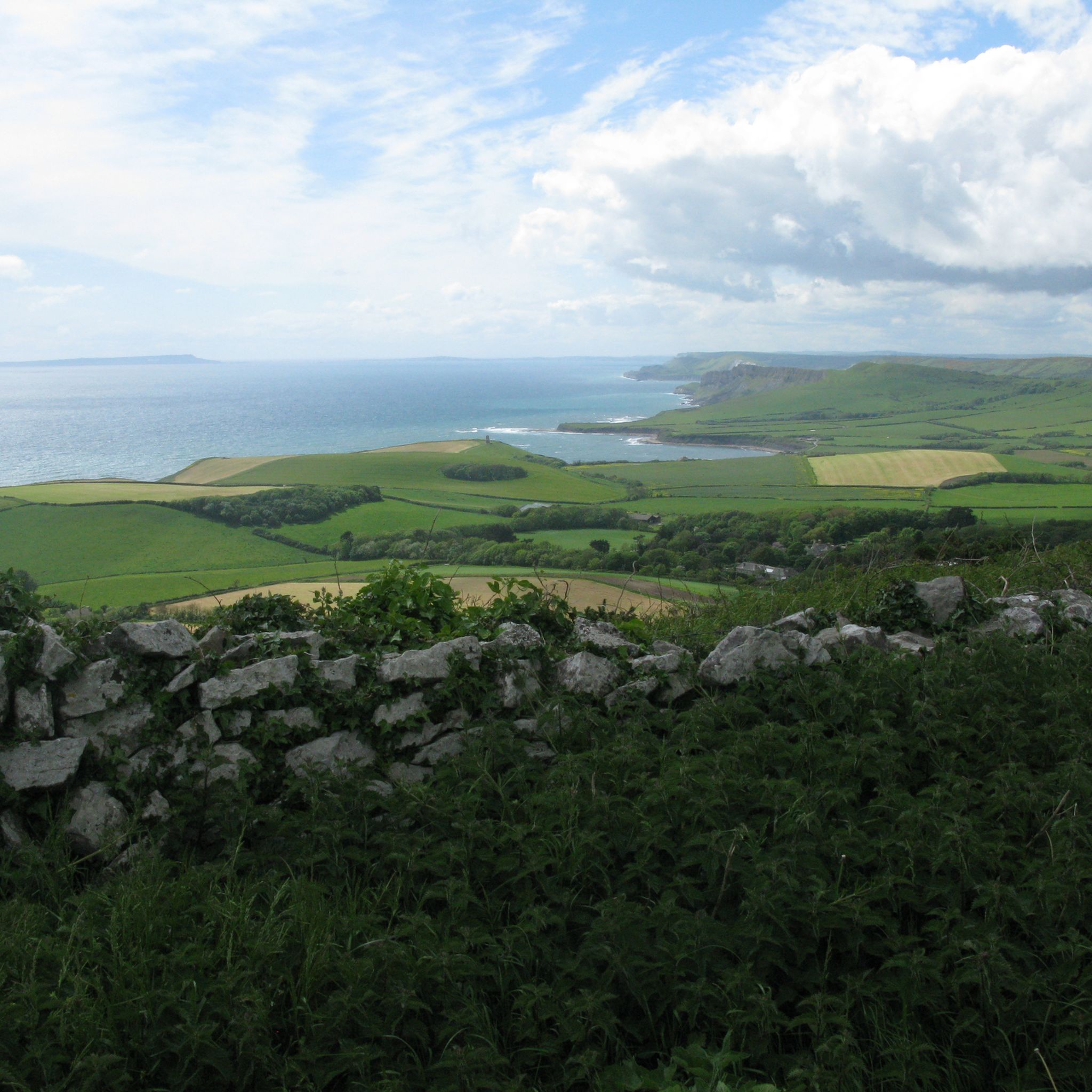
MTB Trails around Corfe Castle
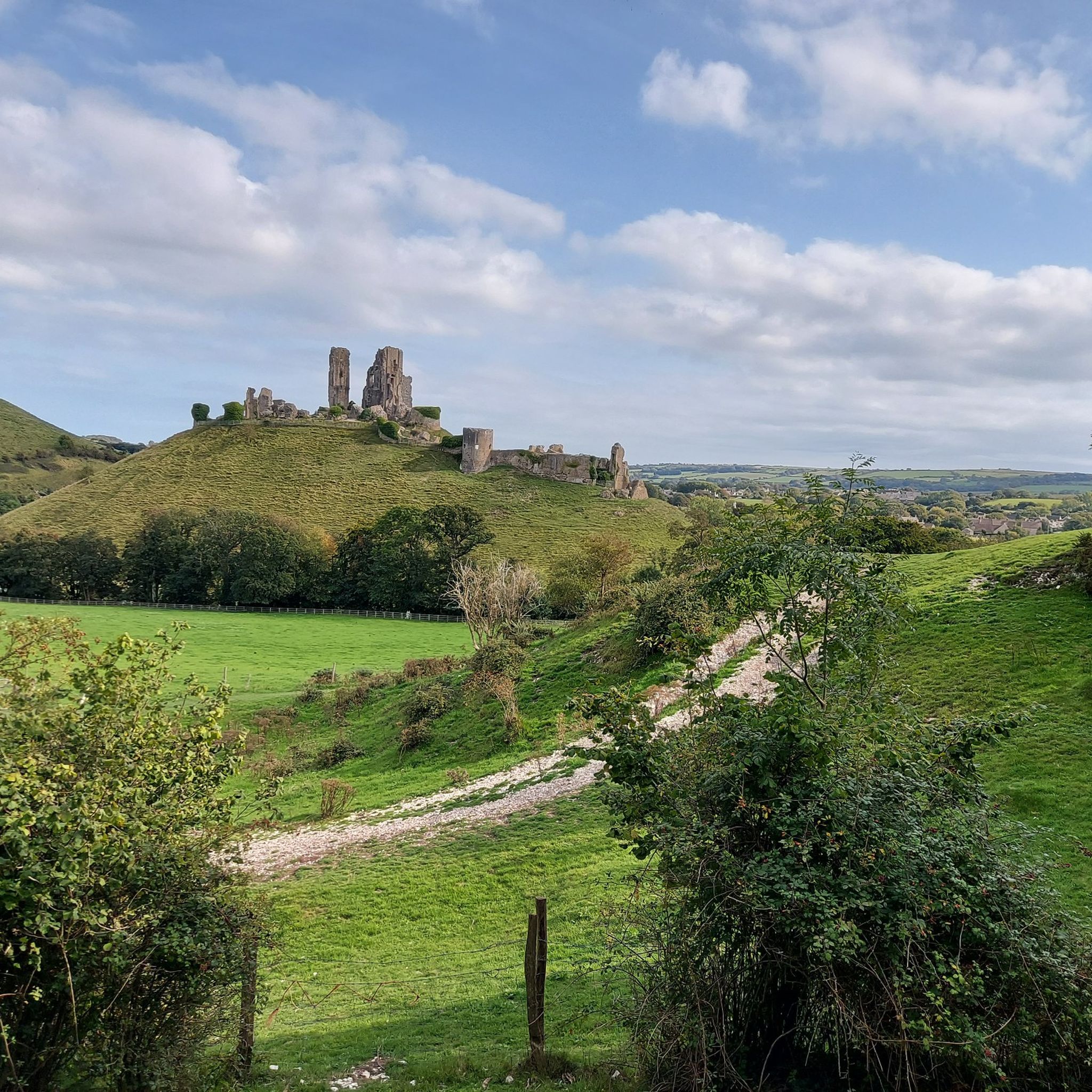
Cycling around Corfe Castle
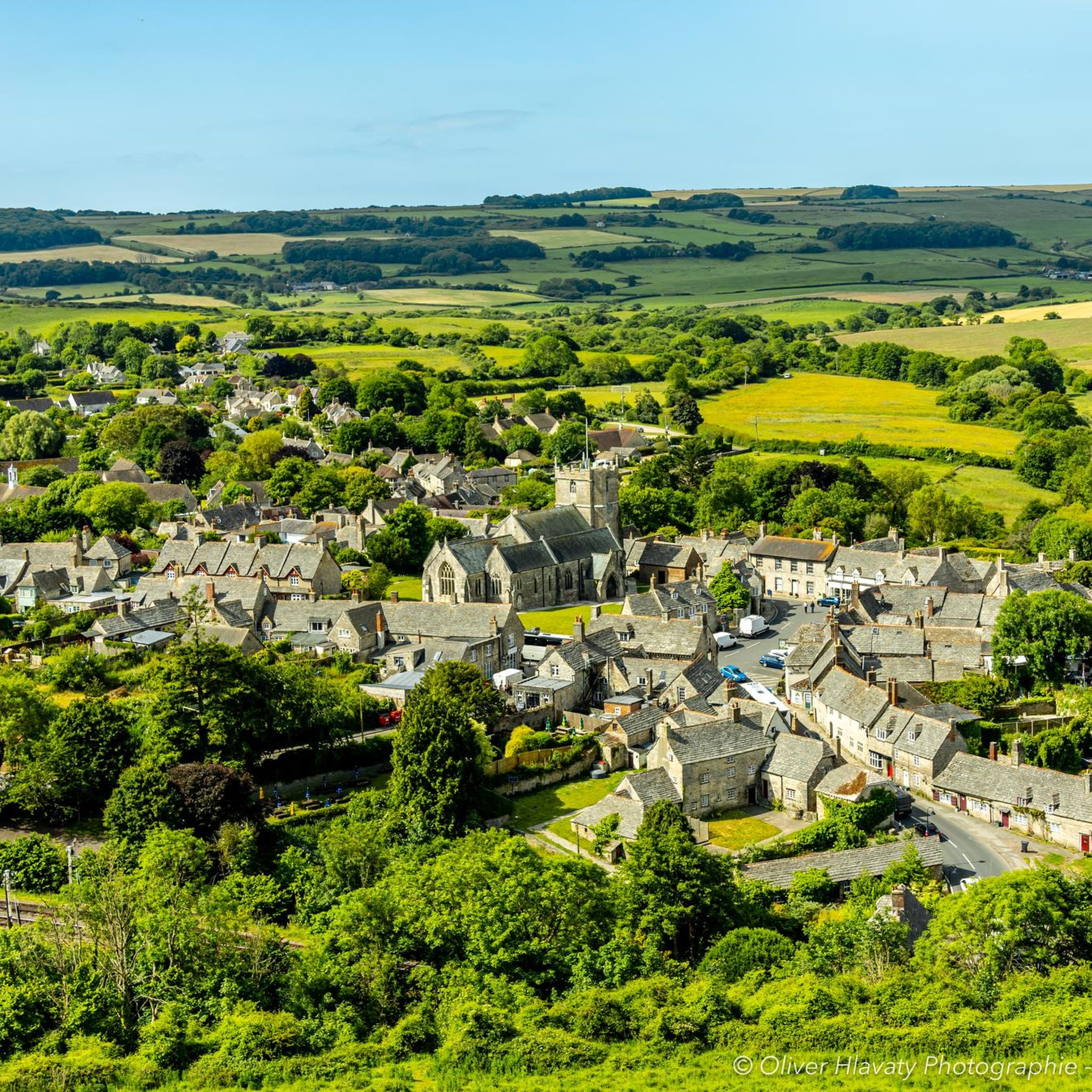
Road Cycling Routes around Corfe Castle
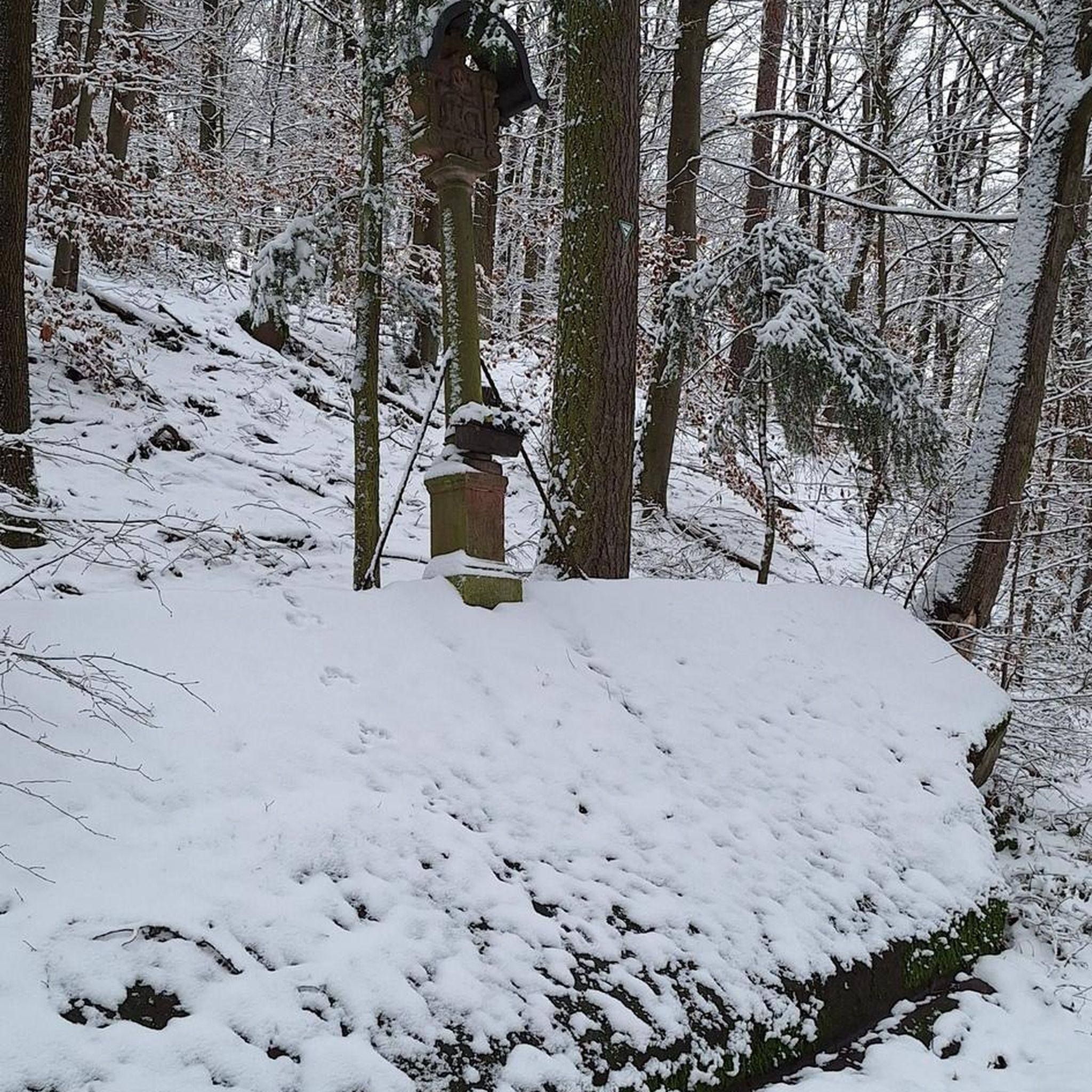
Gravel biking around Corfe Castle


Tips from the Community

A great space for lunch and to explore for heading back up onto the coast path
0
0

Formerly an "anvil" shape with a flat top, in 1970 it fell on one end and one side, leaving the top at an angle of about 45°.
0
0

also known as the "Devil's Anvil," is a large, distinctive sandstone block located on a conical hill on Godlingston Heath near the village of Studland in south Dorset, England. This impressive rock, weighing approximately 400 tonnes, is a popular landmark and a local curiosity. Local legends offer a more dramatic explanation for the rock's existence. The most famous myth says the Devil, standing on The Needles on the Isle of Wight, hurled the massive rock with the intention of hitting Corfe Castle, Bindon Abbey, or Salisbury Cathedral. However, his aim was poor, and the rock landed short of its target, where it now sits. Before it toppled over in 1970, the rock had a flat top and an anvil-like shape, which led to its nickname "the Devil's Anvil." Some folklore also suggests that the rock was a holy stone or a Druidical altar.
0
0

There is a slight climb down to the pool but doable, just watch your footing.
0
0


Frequently Asked Questions
What are some of the most striking natural monuments to visit near Corfe Castle?
The region boasts several remarkable natural monuments. Old Harry Rocks, located at Handfast Point, are iconic chalk sea stacks formed by coastal erosion. Another must-see is Agglestone Rock, a mysterious 400-tonne sandstone formation on Godlingston Heath. While a short distance away, Durdle Door, a natural limestone arch, is also a major draw in the wider Purbeck area.
Are there any natural monuments with historical significance around Corfe Castle?
Yes, several natural sites also have historical ties. The very site of Corfe Castle itself is a significant natural monument, sitting on a chalk hill isolated by rare twin water gaps. Winspit Quarry Caves, near Worth Matravers, were once active stone quarries providing materials for London buildings and later used for naval defenses. Similarly, Dancing Ledge was a sea quarry, where Purbeck stone was loaded directly onto ships.
What kind of geological features can I expect to see in this area?
The area is part of the renowned Jurassic Coast, a UNESCO World Heritage Site, offering diverse geological formations. You'll find impressive chalk sea stacks like Old Harry Rocks, a natural limestone arch at Durdle Door, and the unique twin water gaps that shaped the landscape around Corfe Castle. Kimmeridge Bay is also famous for its rich geological interest and fossil collecting opportunities.
What outdoor activities can I do near these natural monuments?
The natural monuments around Corfe Castle offer excellent opportunities for outdoor activities. You can enjoy extensive hiking along the South West Coast Path, which connects many sites like Old Harry Rocks and Durdle Door. Cycling and gravel biking routes are also popular, with options like the 'View of Corfe Castle' loop or the 'Nine Barrow Down – Agglestone Rock' loop. For more details on routes, explore the cycling, gravel biking, and running trails guides.
Are there family-friendly natural attractions near Corfe Castle?
Yes, several natural attractions are suitable for families. Kimmeridge Bay is excellent for rock pooling and offers some of the safest snorkeling in Dorset. The Blue Pool, a former clay pit, is a unique beauty spot with woodland walks and changing water colors, perfect for a leisurely family outing. Lulworth Cove is also a popular spot for swimming and paddling.
What is the best time of year to visit the natural monuments around Corfe Castle?
The natural monuments are beautiful year-round, but spring and autumn generally offer pleasant weather for walking and fewer crowds. Summer is ideal for coastal activities like swimming at Lulworth Cove or snorkeling at Kimmeridge Bay. Winter can provide dramatic coastal views, but some paths may be muddy or exposed to strong winds, so appropriate clothing is essential.
Can I bring my dog to the natural monuments?
Many natural monuments and associated trails in the Corfe Castle area are dog-friendly, especially the coastal paths and open heathlands. However, it's always best to check specific site regulations, as some areas may require dogs to be on a lead, particularly during nesting seasons or near livestock. Always clean up after your dog.
Are there good viewpoints to appreciate the landscape?
Absolutely. The entire region offers stunning viewpoints. The coastal paths leading to Old Harry Rocks provide breathtaking vistas across the English Channel and towards the Isle of Wight. From Kimmeridge Bay, you can hike up to Clavell Tower for sweeping scenes. The trails around Corfe Castle itself offer panoramic views of the castle and the surrounding Purbeck Hills.
What makes Corfe Castle's location geologically unique?
Corfe Castle is situated on a chalk hill that is geomorphologically significant due to its 'twin water gaps'. Two small streams, the Corfe River and the Byle Brook, have eroded deep, parallel gaps through the Chalk ridge of the Purbeck Hills, effectively isolating the castle hill. This phenomenon, especially with active stream-filled gaps, is uncommon in Southern England and showcases how natural forces shaped the landscape upon which the historic castle was built.
Where can I find opportunities for fossil collecting or marine exploration?
Kimmeridge Bay is renowned for its rich geological interest and excellent opportunities for fossil collecting and rock pooling. It's also a marine Special Area of Conservation, offering some of the safest snorkeling in Dorset, with a snorkel trail available in summer. The Wild Seas Centre at Kimmeridge provides further information on local marine life.
Are there any natural monuments that are less well-known but worth visiting?
While popular sites draw crowds, Winspit Quarry Caves offer a unique blend of natural and historical interest, with fascinating rock formations and a past as a working quarry. The Blue Pool, with its constantly changing water colors and tranquil woodland setting, provides a serene escape and a different kind of natural beauty away from the coast.
What should I wear when exploring the natural monuments, especially in winter?
Given the coastal and often exposed nature of many sites, layers are always recommended. Sturdy, waterproof walking boots are essential, especially for trails that can be muddy or uneven. In winter, add waterproof outer layers, a warm hat, gloves, and extra layers as conditions can be very changeable and exposed along the coast.
Most popular routes around Corfe Castle
Most popular attractions around Corfe Castle

Get inspired with the komoot mobile app


Explore more
Extend your search for the best caves by checking out these guides of the top ones around Corfe Castle:
