Attractions and Places To See around Grimston - Top 20
Best attractions and places to see around Grimston include a range of historical sites, natural features, and cultural experiences. The area has a rich past, evidenced by ancient pottery production and a Roman villa site. Grimston is situated near significant landmarks such as the Sandringham Estate and medieval fortifications. Its natural landscape also features sites of scientific interest.
Best attractions and places to see around Grimston
- The most popular attractions is Wetherby Railway Viaduct, a man-made monument that spans…
Last updated: July 2, 2026
Barwick-in-Elmet Maypole
Highlight • Settlement
Tip by

St John the Baptist Church, Healaugh
Highlight • Historical Site
Tip by
Sign up now to discover places like this
Get recommendations on the best single tracks, peaks, & plenty of other exciting outdoor places.
Sign up for free
Garforth Tunnel
Highlight • Structure
Tip by

Nellie's Tree
Highlight • Natural Monument
---
Nearly 100 years ago, Vic Stead would walk from his home in Garforth near Leeds, …
Tip by

Cawood Castle Gatehouse
Highlight • Other
Tip by

Sign up for free to discover even more attractions around Grimston.
Sign up for free
Already have an account?
Start today with a free account
Your next adventure awaits.
Login or Signup


Tips from the Community

stop off at the pub or coffee shop after. check opening times. parking on the main road is free
0
0

Grade I listed building. The surviving fifteenth-century structures formed part of a fortified medieval palace belonging to the Archbishops of York, which was dismantled in the aftermath of the English Civil War. The only remaining parts of the castle are the gatehouse and the banqueting hall. Stones from the destroyed castle were used in the construction of surrounding houses. The foundations of some other structures do remain as well as the castle's cellar, which was excavated in the 19th century. The gatehouse served as a courthouse until the 1930s, before being used as an officers' mess and a building for the Home Guard during World War II. The first fortifications on this site are believed to be those built by King Athelstan in the 10th Century.
1
0


Barwick-in-Elmet unveils itself as a charming village. It stands as one of merely three locales in the region with a direct link to the storied Romano-British kingdom of Elmet from antiquity. In this village, an exploration awaits, highlighted by noteworthy attractions. Among them is the village's pride: the second-largest Maypole in the United Kingdom. Another gem, Hall Tower Hill, once an observatory during the Second World War, graces the landscape. Completing the village experience, one can find solace within the welcoming confines of any of its three public houses.
1
0
The construction of the church is thought to have taken place around 1150, and remnants of the Norman-era structure remain both within its walls and on its exterior. The chancel and the south door stand as the most ancient segments that persist, originating from the earliest times. Subsequently, the north aisle and the priest's door emerged during the final quarter of the 12th century, marking the next stages of architectural evolution. The trio of church bells, crafted by George Dalton in the year 1786. While these bells frequently ring out, their full peal cannot be executed due to a crack within the tower. This precautionary measure is in place to prevent exacerbating the crack's condition through excessive vibrations.
2
0

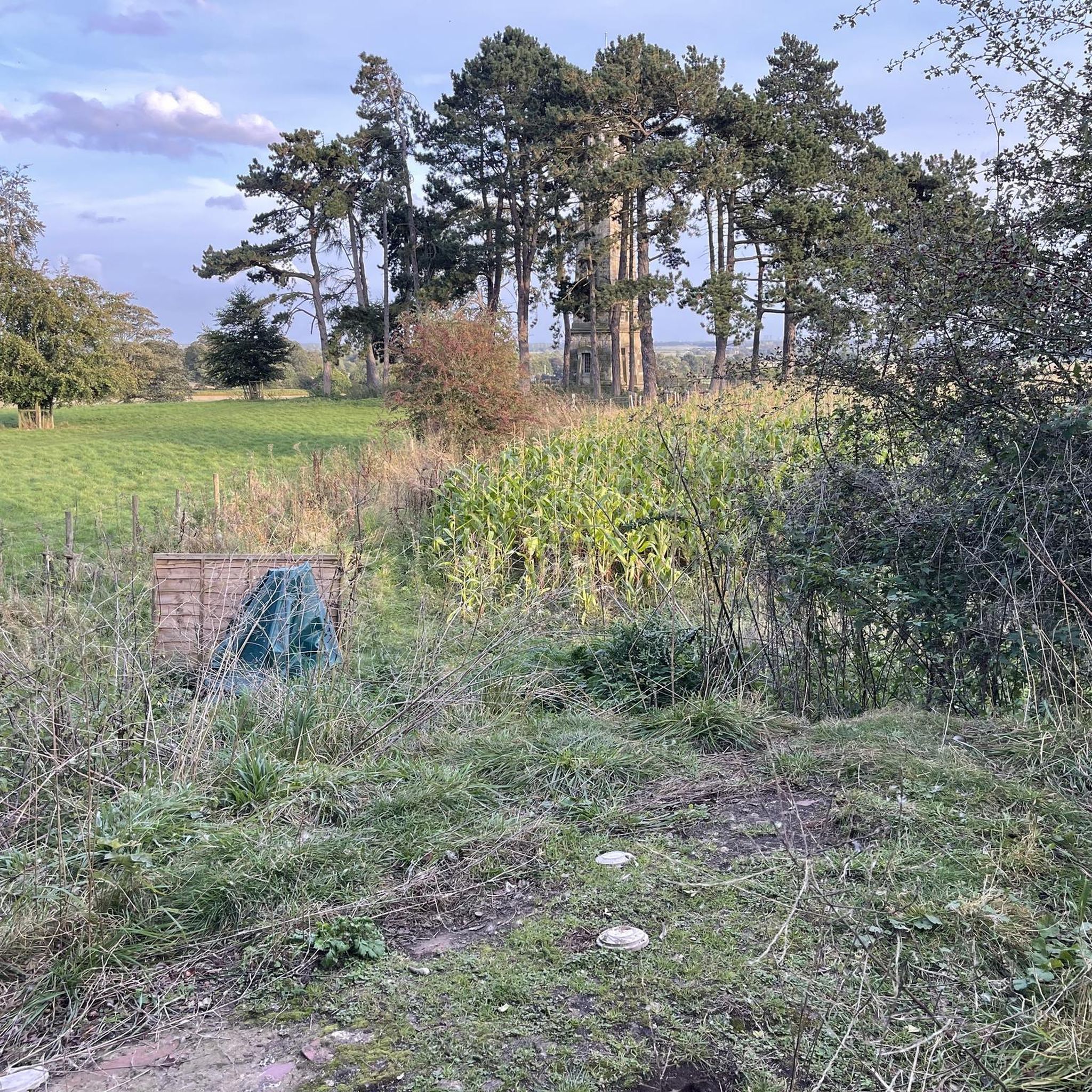
Tunnel closed due to concerns of falling masonry. Possibly closed for 6 months from the 6th Dec. 2021. There is a good cyclable path at the side.
0
0

One of Barwick in Elmet's most distinctive landmarks, this 86-foot (26m) maypole is the second highest in the UK. Every three years, a raising ceremony takes place where tradition dictates that a local villager climbs the pole to spin 'the fox', which is actually a weather vane. The maypole marks the end of the first of the four traditional stages of the Leeds Country Way.
0
0
Frequently Asked Questions
What historical sites can I visit around Grimston?
Grimston and its surroundings are rich in history. You can explore the Thirteenth-Century St. Botolph's Church, known for its medieval bench-ends. Nearby, discover the well-preserved medieval fortification of Castle Rising Castle, which dates back to 1138, or the extensive monastic ruins of Castle Acre Priory. Don't miss Castle Acre Castle and Bailey Gate, an impressive Norman earthwork.
Are there any natural attractions or unique geological sites near Grimston?
Yes, Grimston is home to the Grimston Warren Pit, a designated Site of Special Scientific Interest (SSSI). This site is notable for its abundance of fossils from the Lower Cretaceous Period, offering a glimpse into ancient geological history.
What family-friendly activities are available in the Grimston area?
For families, the wider Norfolk area offers several attractions. While not directly in Grimston, Sandringham Estate provides extensive gardens and a museum to explore. About 11.6 miles away, SEA LIFE Hunstanton offers an engaging aquarium experience. The area also has various parks and cultural venues like the Corn Exchange Theatre in King's Lynn.
Where can I learn about Grimston's ancient past and local heritage?
Grimston has a fascinating ancient past, particularly as a major center for pottery production from the 11th to 16th centuries. Examples of 'Grimstonware,' often featuring carved faces, can be seen in local museums, such as the Castle Museum in Norwich. Additionally, a substantial Roman villa site was discovered and excavated in Grimston, indicating its long history.
Are there any royal connections or estates to visit nearby?
Absolutely. The famous Sandringham Estate, a royal retreat, is just a few miles from Grimston. Visitors can explore the historic house, museum, and its vast 20,000 acres of gardens, parks, and woodlands. It's a significant site, having been where both George V and George VI passed away.
What outdoor activities or routes can I find around Grimston?
The area around Grimston offers various outdoor activities, especially cycling. You can find numerous routes for road cycling, mountain biking, and touring. For detailed options, explore the Road Cycling Routes around Grimston, MTB Trails around Grimston, and Cycling around Grimston guides.
Are there any notable castles or medieval ruins to explore?
Yes, the region boasts impressive medieval sites. Just 3.6 miles from Grimston, you can visit Castle Rising Castle, a well-preserved ruined fortification with a rich history. Also, Castle Acre Castle and Bailey Gate offers a chance to see one of the country's most impressive Norman earthworks, which is free to enter.
What is the significance of Grimston's pottery history?
Grimston, particularly with the nearby hamlet of Pott Row, was a prominent center for pottery production between the 11th and 16th centuries. Its distinctive 'Grimstonware' was widely distributed, even reaching Scandinavia. This historical industry highlights the area's economic and cultural importance in medieval times.
Can I find any gardens or stately homes to visit near Grimston?
Beyond the royal Sandringham Estate, you can also visit Houghton Hall & Gardens Norfolk in the wider region. These offer another opportunity to explore historic buildings and beautifully maintained gardens.
What are some lesser-known or 'hidden gems' in the Grimston area?
While not widely publicized, the historical significance of Grimston's ancient pottery production and the discovery of a Roman villa site offer unique insights into the area's deep past. Exploring the quiet charm of St. Botolph's Church and its medieval features also provides a peaceful and historically rich experience.

Get inspired with the komoot mobile app


Explore more
Still not found the Highlight you’re looking for? See guides of the top attractions in other regions:
