The best walks and hikes around Gwennap
4.6
(1464)
13,500
hikers
22
hikes
Hiking around Gwennap, Cornwall, offers a unique blend of industrial heritage and natural beauty. The region is characterized by its historic mining landscape, featuring remnants of engine houses and mineral tramways, now repurposed into extensive trail networks. Elevated viewpoints like Carn Marth provide panoramic vistas across the area, while the distinctive Gwennap Pit offers a notable geological feature. These varied terrains provide a diverse environment for outdoor activities.
Best hiking trails around Gwennap
- The most popular hiking route is Old…
Last updated: October 12, 2026
5.0
(4)
31
hikers
4.32km
01:06
10m
10m
Easy hike. Great for any fitness level. Easily-accessible paths. Suitable for all skill levels.
5.0
(7)
24
hikers
5.62km
01:31
70m
70m
Easy hike. Great for any fitness level. Easily-accessible paths. Suitable for all skill levels.

22
hikers
2.94km
00:46
20m
20m
Easy hike. Great for any fitness level. Easily-accessible paths. Suitable for all skill levels.
5.0
(1)
35
hikers
10.7km
02:44
40m
40m
Moderate hike. Good fitness required. Easily-accessible paths. Suitable for all skill levels.
1.0
(1)
18
hikers
Easy hike. Great for any fitness level. Easily-accessible paths. Suitable for all skill levels.
Get access to more routes and recommendations from other explorers.
Already have an account?
Our route recommendations are based on thousands of hikes, rides, and runs completed by other people on komoot.
Start today with a free account
Your next adventure awaits.

Other adventures around Gwennap

Tips from the Community

The remains of the bases for Californian stamps are among the most prominent remnants at Poldice Mine. These machines crushed ore-bearing rocks into fine sand, contributing to significant noise across the valley. Unlike traditional Cornish stamps, Californian stamps operated more rapidly and thoroughly, with each stamp head capable of crushing 1.5 tons of ore daily compared to the one ton processed by Cornish stamps.
0
0
Built in 1897, this calciner was used to roast arsenic ore - check out the date above the archway. Arsenic gas was driven off by the heat and travelled towards the stack higher up the hill and through the labyrinth, or lambreth, where it condensed on the walls. See this link for a diagram of the Brunton roasting furnace with the revolving hearth upload.wikimedia.org/wikipedia/commons/a/af/Brunton_roasting_furnace.png
0
0
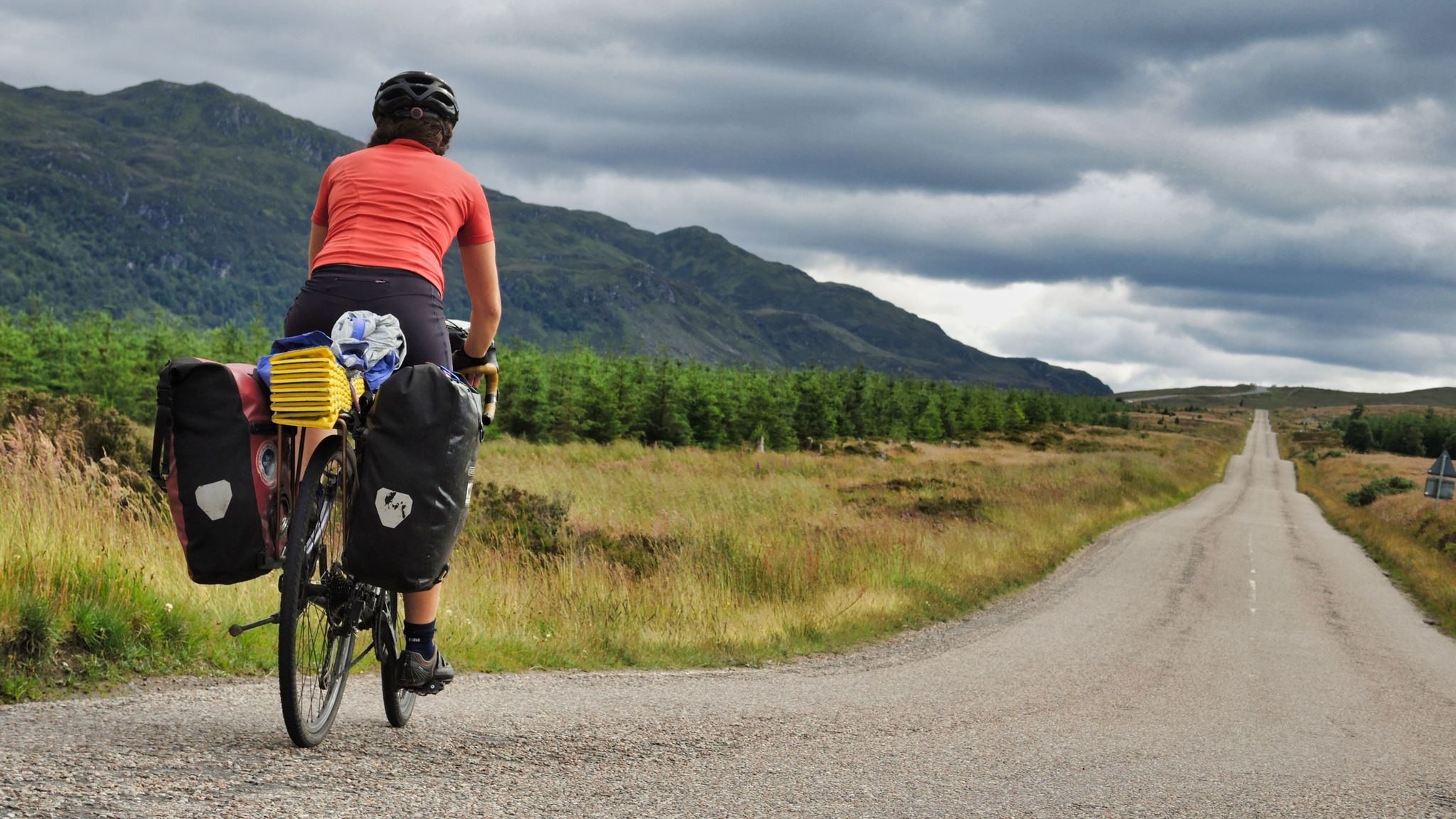
This is a welcome stop and popular with both hikers and cyclists.
0
0

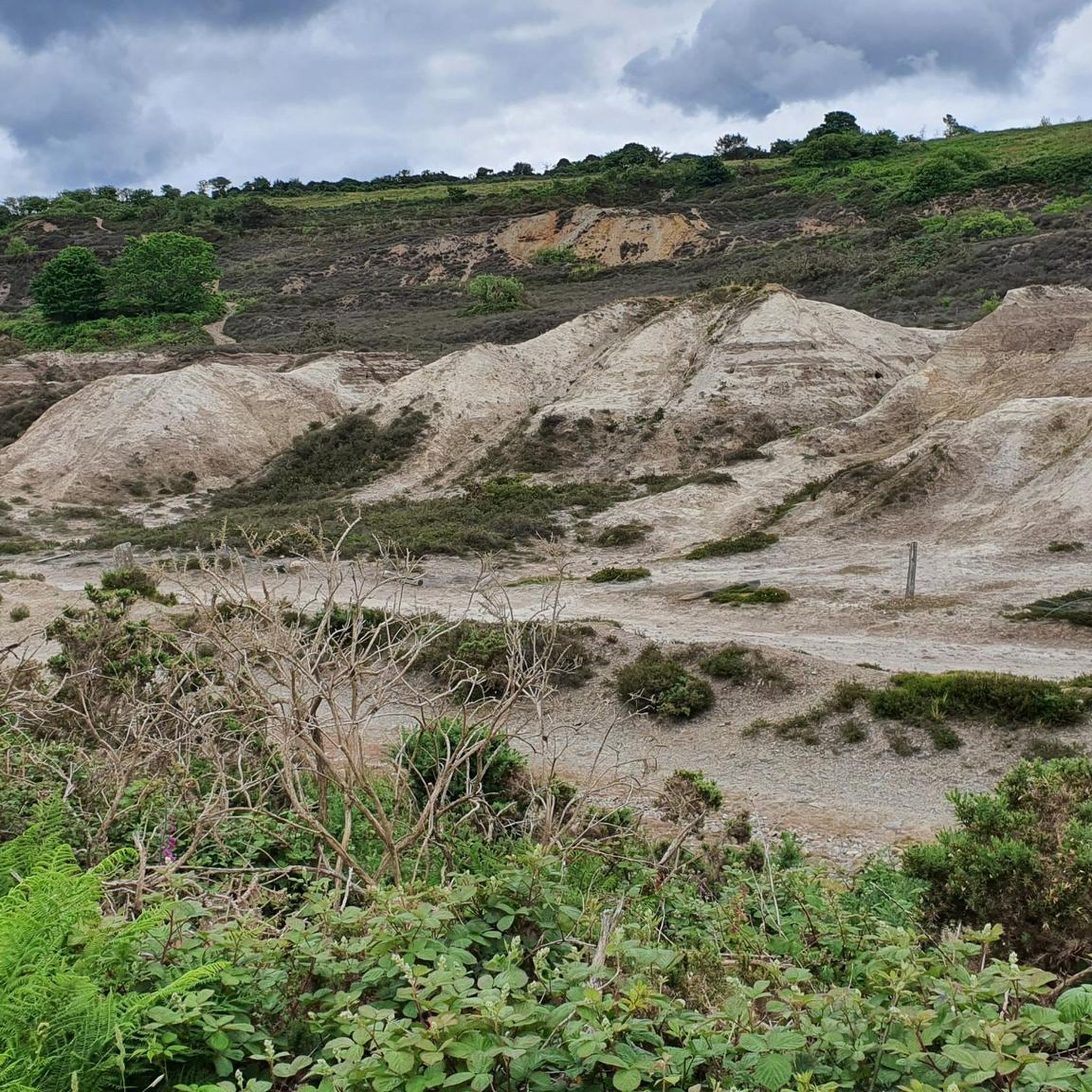
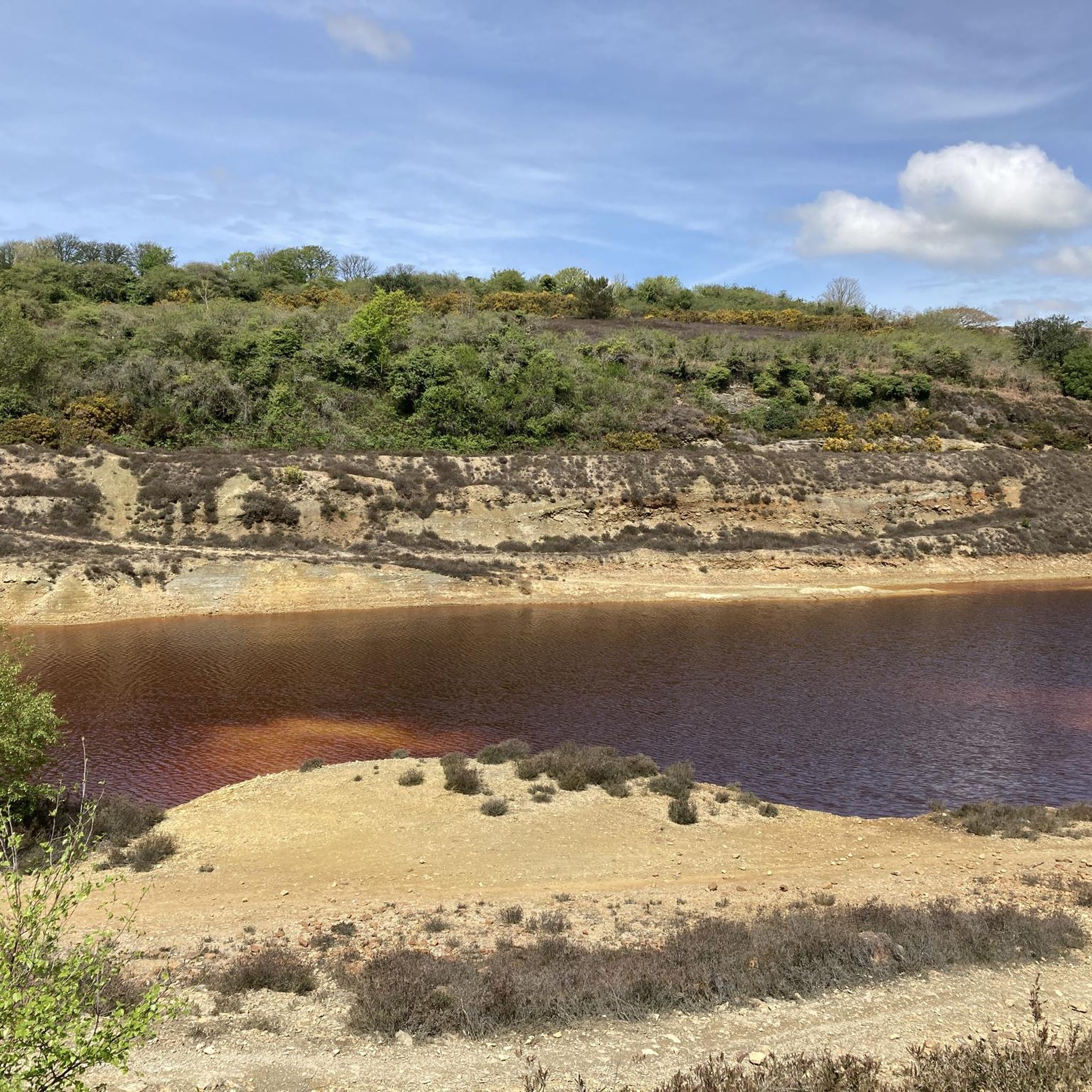
Impressive industrial remains, a great place to walk but note the warning signs related to the tailings from Mount Wellington, in the lagoons, which contain heavy metals and arsenic.
0
0

Harbour of Devoran: nice view and seat for resting
0
0

Everything a cyclist needs. Great food, great drinks and a selection of essential spares.
0
0
As well as great food and drinks, this fabulous cafe carries cycle parts and essential spares. Just brilliant.
0
0

Frequently Asked Questions
How many hiking trails are available in Gwennap?
Gwennap offers a diverse range of hiking opportunities, with over 20 trails documented on komoot. These include 15 easy routes and 5 moderate routes, catering to various fitness levels.
What kind of terrain can I expect on Gwennap's hiking trails?
The terrain in Gwennap is largely shaped by its rich mining heritage. You'll find extensive networks of former mineral tramways, which provide wide, relatively flat trails. However, routes can also include elevated viewpoints like Carn Marth, offering panoramic views, and woodland paths. The area is part of the Cornwall and West Devon Mining Area World Heritage Site, so expect a unique blend of industrial history and natural beauty.
Are there any family-friendly hiking options in Gwennap?
Yes, Gwennap has several easy trails suitable for families. Many of the former mineral tramways have been repurposed into accessible paths. An example of an easy, shorter route is the Bike Chain Bissoe Café – Bon Appétit Café loop from Gwennap, which is just under 3 km.
Can I bring my dog on the trails in Gwennap?
Many of Gwennap's trails, particularly the former tramways and public rights of way, are dog-friendly. It's always recommended to keep dogs under control, especially around livestock or wildlife, and to check specific trail regulations if available.
Are there circular walks available in Gwennap?
Yes, Gwennap features several well-documented circular walks that allow you to explore the area's key features without retracing your steps. Routes like the Old Mining Chimney and Ruins – Heather Fields and Ruins loop from Gwennap and the Carnon Viaduct – Lily Pond loop from Gwennap are popular circular options.
What notable landmarks or natural features can I see while hiking in Gwennap?
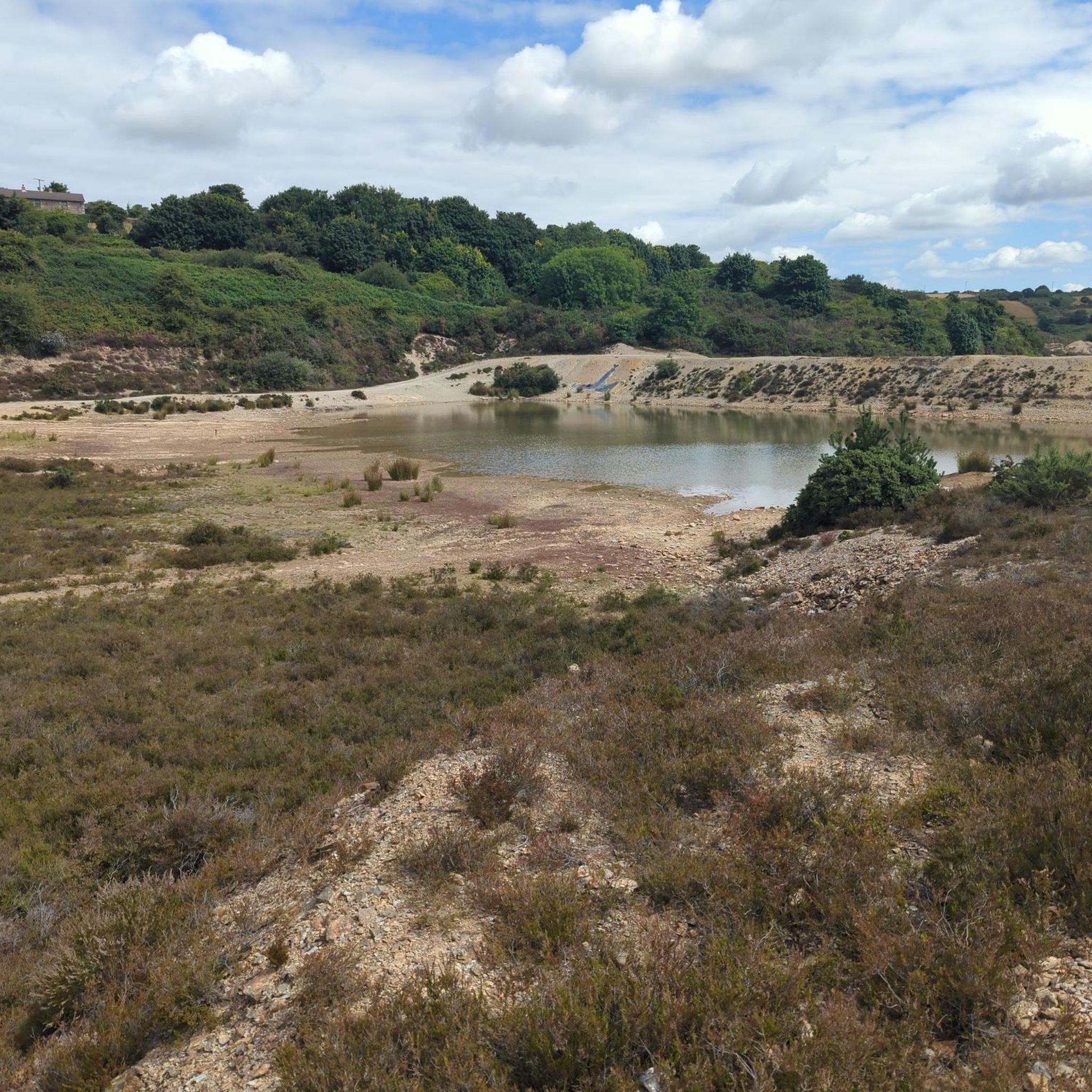
While hiking in Gwennap, you can explore the unique Gwennap Pit, an unusual multi-tiered amphitheater with historical significance. Carn Marth offers panoramic views across the mining landscape. You'll also encounter numerous remnants of engine houses and mine shafts, part of the region's World Heritage Site status. For natural beauty, consider visiting Carn Marth and Hick's Quarry Pool or exploring the woodlands of Kennall Vale.
What is the best time of year to go hiking in Gwennap?
Gwennap is suitable for hiking year-round, but spring and autumn offer particularly pleasant conditions with milder temperatures and beautiful scenery. Spring brings rhododendron flowers, while autumn showcases vibrant foliage. Summer is also popular, though trails can be busier. Winter hikes are possible, but be prepared for potentially wet and muddy conditions.
Are there accessible trails for all abilities in Gwennap?
Many of the former mineral tramways have been adapted to be easily accessible, with some trails suitable for families and even wheelchair users. These wide, flat paths offer a gentle way to experience the landscape.
Where can I find parking for hiking trails in Gwennap?
Parking is generally available at various points along the extensive trail network, particularly near popular starting points or villages. Specific parking information is often detailed on individual route descriptions on komoot or local signage.
What do other hikers say about the trails in Gwennap?
The trails in Gwennap are highly rated by the komoot community, with an average score of 4.7 stars from over 890 reviews. Hikers often praise the unique blend of industrial heritage and natural beauty, the well-maintained paths, and the fascinating historical sites encountered along the way.
Are there any hikes that include a pub or cafe stop?
Yes, some routes in Gwennap are designed to pass by or connect to local amenities. For example, the Bike Chain Bissoe Café – Bon Appétit Café loop from Gwennap specifically mentions cafes, offering convenient refreshment stops during your walk.
What is the typical length of hikes in Gwennap?
Hikes in Gwennap vary in length to suit different preferences. You can find shorter, easy walks like the Bike Chain Bissoe Café – Bon Appétit Café loop from Gwennap, which is about 2.9 km. Longer, moderate routes, such as the Old Mining Chimney and Ruins – Killifreth Engine House loop from Gwennap, can extend to over 10 km.
Most popular attractions around Gwennap

Get inspired with the komoot mobile app


Explore more
Browse the best Hikes in other regions.
