The best walks and hikes around St. Day
4.6
(993)
7,888
hikers
24
hikes
Hikes around St. Day explore a landscape shaped by Cornwall's industrial past, part of a UNESCO World Heritage Site. The terrain is characterized by rolling hills, remnants of historic engine houses, and paths that often follow old miners' tracks. The region contains a mix of open fields and woodlands, which cover nearly 40% of the area, with routes passing notable features like Gwennap Pit and Carn Marth.
Best hiking trails around St. Day
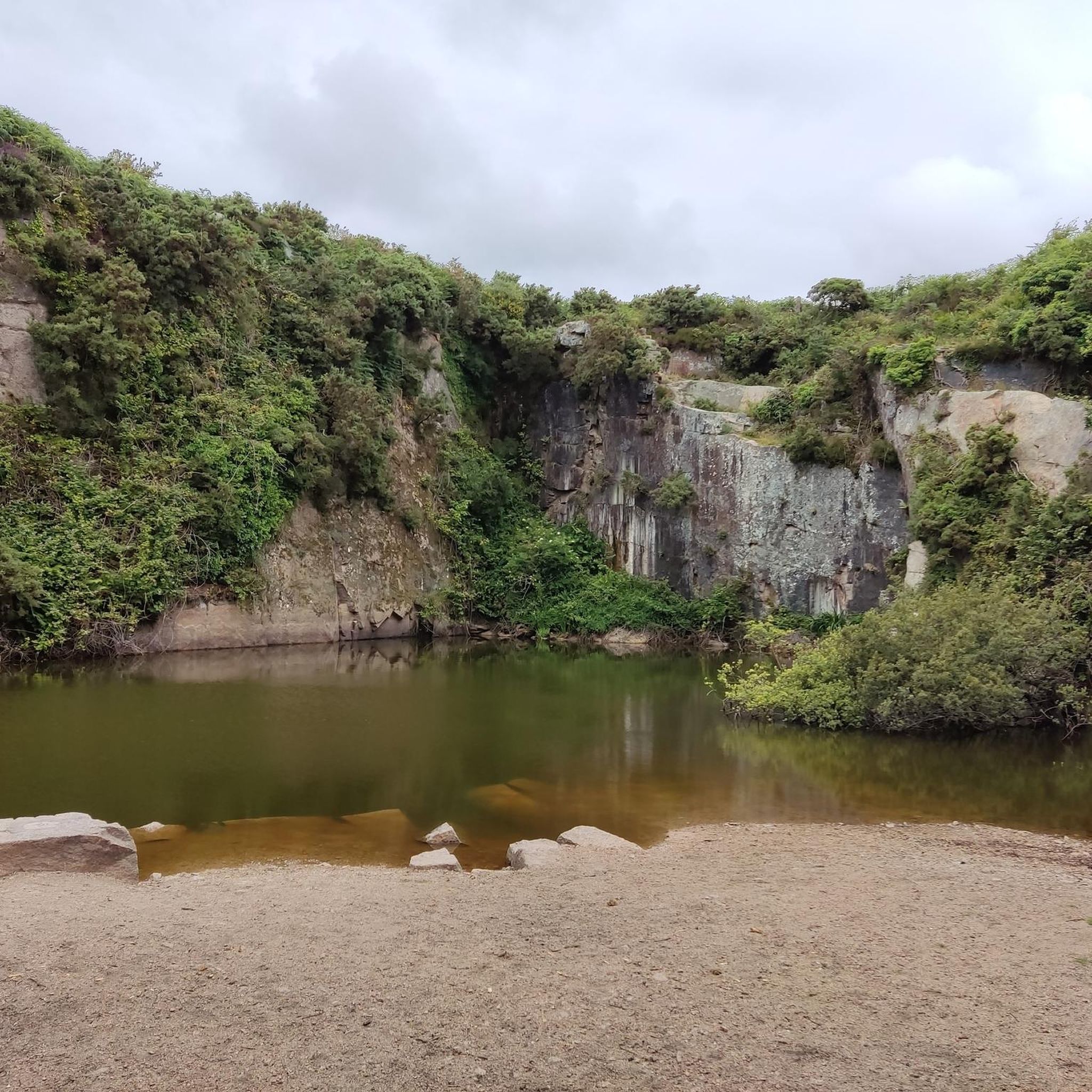
- The most popular hiking route is Gwennap Pit – Carn Marth Quarry Pool loop from St Day, a 3.7 mile (6.0 km) trail that takes about 1 hour 40 minutes to complete. The route features a moderate climb to the Carn Marth Quarry Pool.
- Another top favourite among local hiking enthusiasts is Old Mining Chimney and Ruins – Wheal Maid Valley Tailings Dam loop from St Day, a moderate 5.0 mile (8.0 km) path. This trail passes by historic mining structures and through the Wheal Maid Valley.
- Local hiking enthusiasts also love the Gwennap Pit – View of Carn Brea loop from Redruth, a 1.9 mile (3.1 km) trail leading through the area around Gwennap Pit, often completed in about 50 minutes.
- Hiking around St. Day is defined by its industrial heritage trails, rolling countryside, and woodland paths. The network of routes offers options for different ability levels, from short, easy walks to more challenging hikes.
- The routes in St. Day are highly rated by the komoot community with an average score of 4.5 stars from 50 reviews. More than 140 hikers have used komoot to explore St. Day's varied terrain.
Last updated: October 12, 2026
5.0
(7)
22
hikers
3.18km
00:53
60m
60m
Easy hike. Great for any fitness level. Easily-accessible paths. Suitable for all skill levels.
4.5
(6)
7
hikers
6.03km
01:43
140m
140m
Easy hike. Great for any fitness level. Easily-accessible paths. Suitable for all skill levels.

4.7
(11)
30
hikers
Moderate hike. Good fitness required. Easily-accessible paths. Suitable for all skill levels.
2.5
(4)
10
hikers
4.08km
01:06
50m
50m
Easy hike. Great for any fitness level. Easily-accessible paths. Suitable for all skill levels.
4.5
(2)
6
hikers
Easy hike. Great for any fitness level. Easily-accessible paths. Suitable for all skill levels.
Get access to more routes and recommendations from other explorers.
Already have an account?
Our route recommendations are based on thousands of hikes, rides, and runs completed by other people on komoot.
Start today with a free account
Your next adventure awaits.
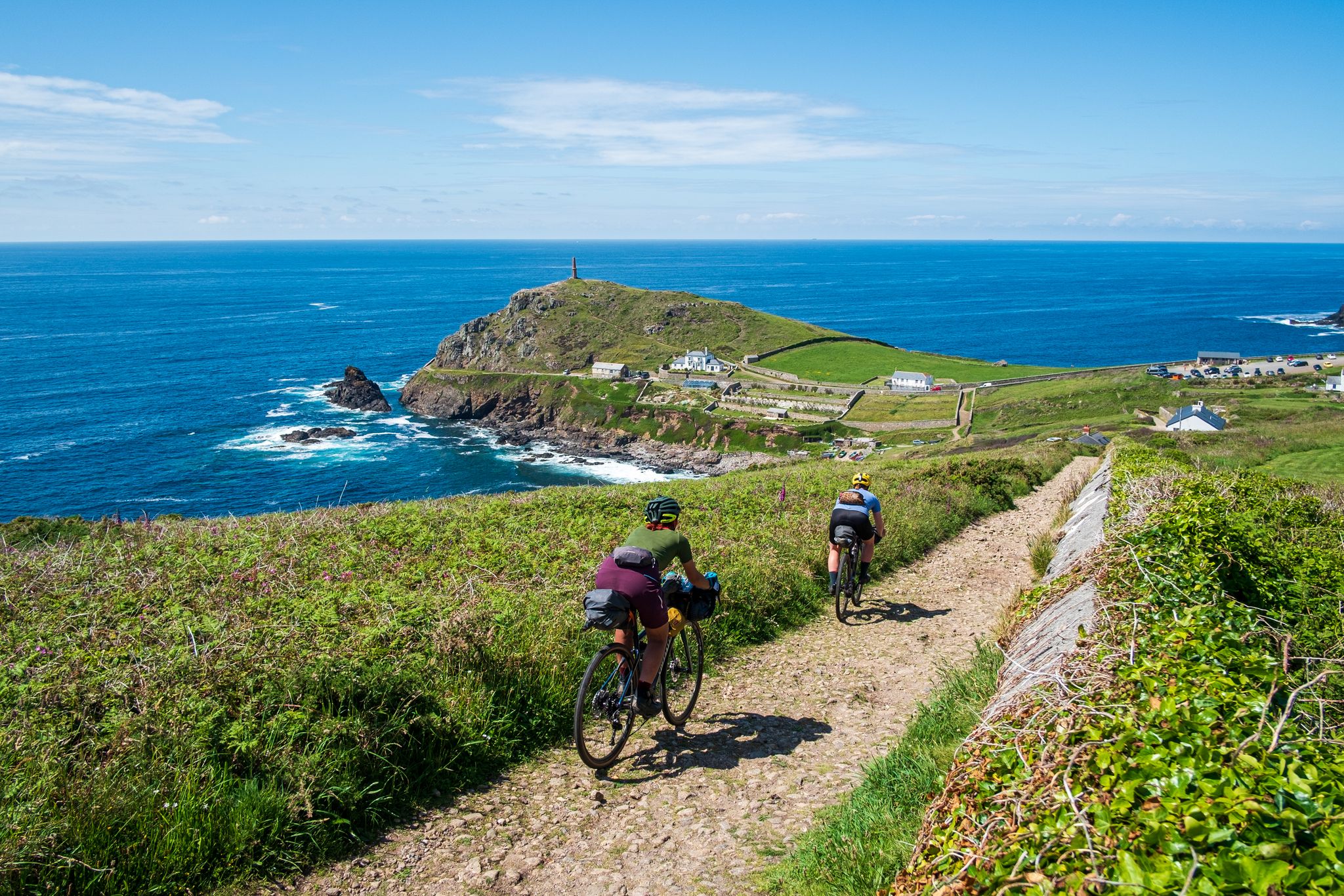
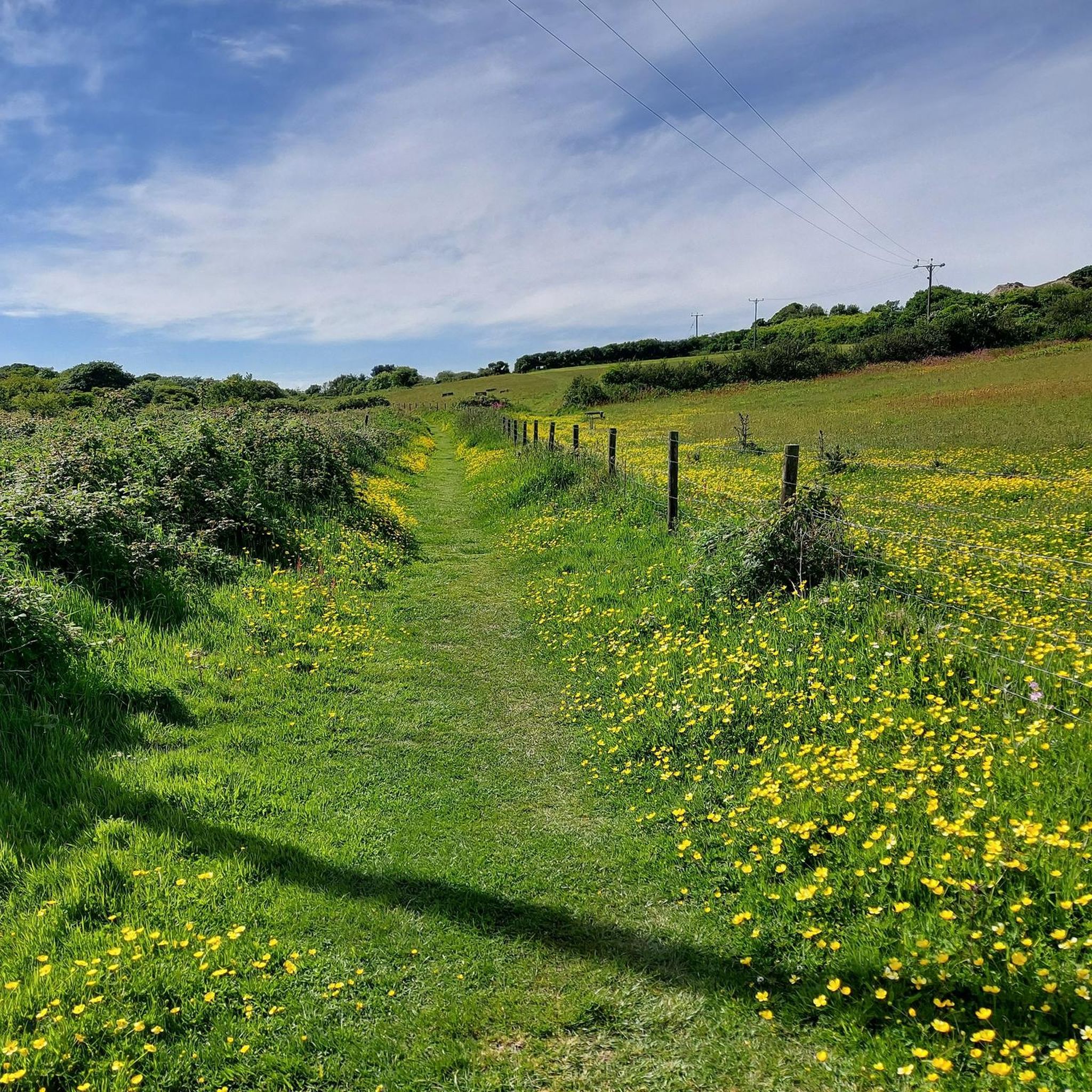
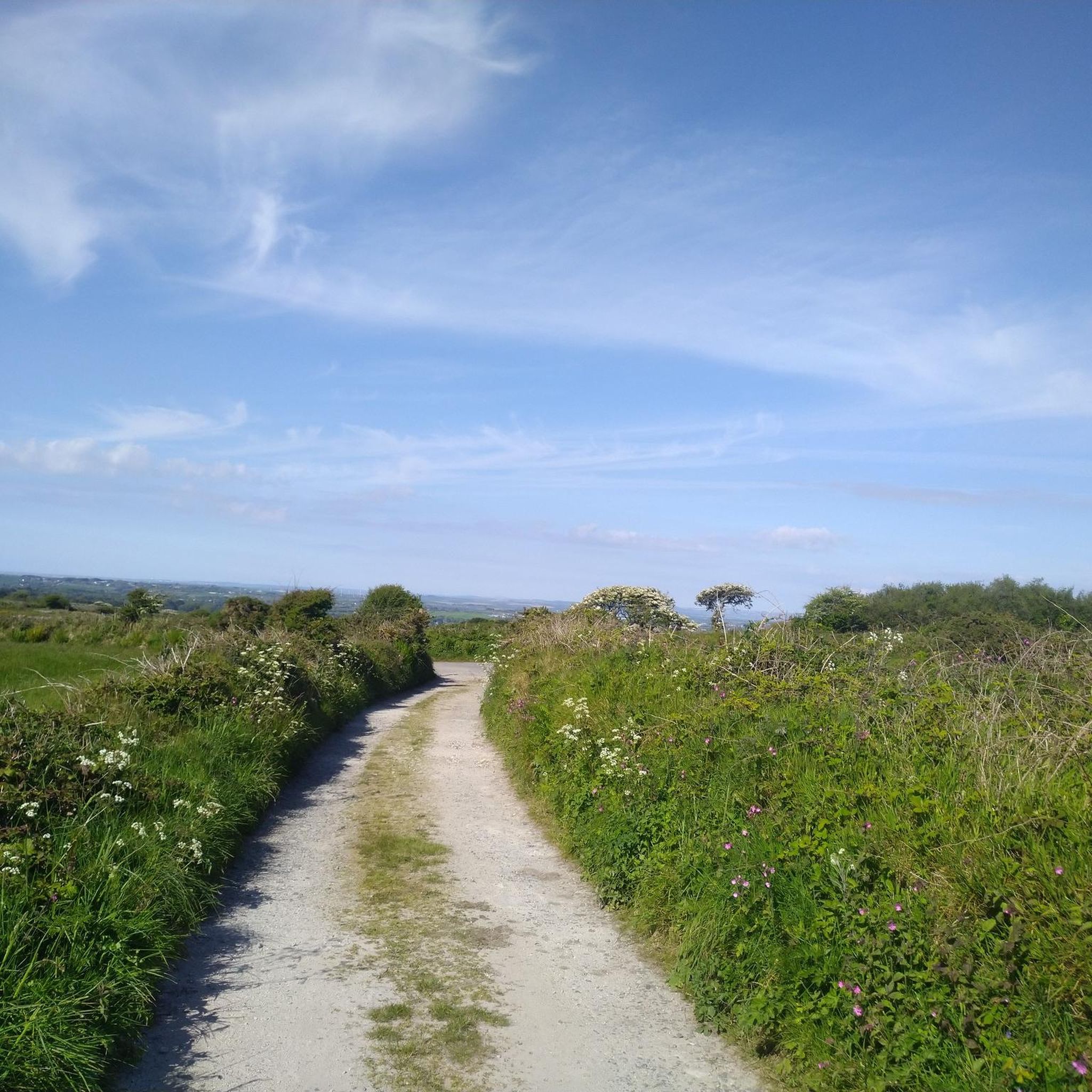

Other adventures around St. Day

Tips from the Community

The historic amphitheater is considered one of the most important historical sites of the Methodist Church worldwide. John Wesley preached there a total of 18 times from 1762-1789. Today, services are still held there. Gwennap Pit belongs to the UNESCO World Heritage Site of the Mining Landscape of Cornwall.
0
0

In tin production, ore was roasted above 300°C to remove impurities such as sulphur and arsenic which otherwise made the cast tin brittle. If arsenic was desired, fumes from the calciner passed through a long flue known as a 'lambreth' or labyrinth, where the gas cooled and condensed, forming arsenic crystals on the walls. When sufficient had collected, the calciners were stopped, iron doors in the lambreth were opened, and the arsenic ‘soot’ was swept off the walls and shovelled out. Workers put wads of cotton wool in their nostrils and a cloth over their mouths. and followed strict washing regulations, but still experienced skin irritations. Some workers were believed to have developed partial immunity, and folklore suggested arsenic improved complexion and hair condition. The lambreth had a tall stack at the end to create a strong through draught and also to reduce the damage caused by the noxious fumes.
0
0
Built in 1897, this calciner was used to roast arsenic ore - check out the date above the archway. Arsenic gas was driven off by the heat and travelled towards the stack higher up the hill and through the labyrinth, or lambreth, where it condensed on the walls. See this link for a diagram of the Brunton roasting furnace with the revolving hearth upload.wikimedia.org/wikipedia/commons/a/af/Brunton_roasting_furnace.png
0
0
This is a welcome stop and popular with both hikers and cyclists.
0
0

Impressive industrial remains, a great place to walk but note the warning signs related to the tailings from Mount Wellington, in the lagoons, which contain heavy metals and arsenic.
0
0

Everything a cyclist needs. Great food, great drinks and a selection of essential spares.
0
0
As well as great food and drinks, this fabulous cafe carries cycle parts and essential spares. Just brilliant.
0
0

Frequently Asked Questions
What is the landscape like for hiking around St. Day?
The hiking around St. Day is unique, taking you through a landscape shaped by its rich mining history, which is part of the Cornwall and West Devon Mining Landscape UNESCO World Heritage Site. Expect to see rolling hills dotted with the dramatic ruins of old engine houses and chimneys. The trails often follow historic miners' tracks, passing through a mix of open countryside and woodlands.
Are there many circular walks available?
Yes, circular walks are very common in the St. Day area. Many routes are designed as loops, allowing you to start and end in the same place without retracing your steps. These trails are perfect for exploring the historic mining ruins and natural scenery, such as the area around Gwennap Pit and Carn Marth.
Are there any easy, family-friendly trails near St. Day?
Definitely. The area has numerous easy trails suitable for families. A great option is the Gwennap Pit – View of Carn Brea loop from Redruth, which is a short walk of about 3 km. For a full day out, Tehidy Country Park, a short drive away, is the largest woodland in West Cornwall and offers over nine miles of paths, lakes, and a café.
Can I bring my dog on the trails?
Most trails in the countryside around St. Day are suitable for dogs, but it's always best to keep them on a lead, especially near farmland or historical sites. The open spaces and woodland paths are great for exercising with your pet. For a dedicated dog-friendly walk, Kennall Vale nature reserve is a popular choice, with its fascinating industrial ruins set within a beautiful woodland.
What are the must-see viewpoints in the area?
For the best panoramic views, a hike up Carn Marth is essential. From its summit, you can see across Cornwall from the north to the south coast on a clear day. The hill itself features a disused granite quarry that has been transformed into an open-air theatre, adding to its unique character.
What kind of historical sites will I see on the walks?
The trails are steeped in history. You will constantly encounter remnants of the 19th-century copper mining boom. Key sites include the iconic engine houses and chimneys that define the skyline, the old miners' tracks you'll be walking on, and the famous Gwennap Pit, a large open-air amphitheater with a fascinating history as a preaching spot for John Wesley.
Are there any challenging hikes for experienced walkers?
Yes, while the area is known for its accessible trails, there are more demanding options. For a long and challenging day of hiking, consider the Water Lily Pond – Penponds Viaduct loop from St Day. This route covers nearly 30 km and involves significant elevation, offering a thorough exploration of the wider region.
What do other hikers think of the trails around St. Day?
The trails are highly regarded by the komoot community, with an average rating of 4.5 stars. Hikers often praise the unique blend of industrial heritage and natural beauty, the well-marked paths, and the stunning views from high points like Carn Marth.
How many hiking trails are there to choose from?
There is a great variety of routes to explore. You can find nearly 30 different hiking trails around St. Day on komoot, ranging from short, easy strolls to more strenuous all-day hikes, ensuring there's a walk for every ability level.
Are there any woodland walks in the area?
Yes, woodlands cover a significant portion of the region. A fantastic woodland walk is through Kennall Vale, a nature reserve where the ruins of an old gunpowder factory are scattered among the trees along the River Kennall. Tehidy Country Park also offers extensive woodland paths perfect for a peaceful walk.
What is the best time of year to hike around St. Day?
Hiking here is rewarding year-round. Spring brings vibrant wildflowers and bluebells in the woodlands. Summer offers long, sunny days perfect for tackling longer routes. Autumn provides beautiful colours across the landscape, while winter walks have their own appeal with the stark beauty of the engine houses against dramatic skies.
Where can I find a moderate hike that showcases the mining heritage?
A great choice for a moderate hike is the Old Mining Chimney and Ruins – Wheal Maid Valley Tailings Dam loop from St Day. This 8 km route takes you past several historic mining structures and offers a fantastic perspective on the industrial landscape of the Wheal Maid Valley.
Most popular routes around St. Day
Most popular attractions around St. Day

Get inspired with the komoot mobile app


Explore more
Browse the best Hikes in other regions.
