Attractions and Places To See around Pauntley - Top 20
Best attractions and places to see around Pauntley include a blend of historical sites, natural beauty, and cultural points of interest. This tranquil village in Gloucestershire features rolling hills, the picturesque Leadon Valley, and well-preserved traditional English architecture. Visitors can explore ancient manor houses, Norman churches, and scenic landscapes. The area offers opportunities to engage with England's storied past and natural environment.
Best attractions and places to see around Pauntley
- The most popular attractions is Herefordshire Beacon (British Camp),…
Last updated: June 22, 2026
Herefordshire Beacon (British Camp)
Highlight • Summit
Tip by

Midsummer Hill Iron Age Hillfort
Highlight • Historical Site
Tip by

Sign up now to discover places like this
Get recommendations on the best single tracks, peaks, & plenty of other exciting outdoor places.
Sign up for free
May Hill Summit
Highlight • Summit
Tip by

Millennium Hill
Highlight • Viewpoint
Tip by

Clutter's Cave
Highlight • Viewpoint
Tip by
Sign up for free to discover even more attractions around Pauntley.
Sign up for free
Already have an account?
Start today with a free account
Your next adventure awaits.
Login or Signup

Tips from the Community

Small little cave but great to get out of the rain/sun for a quick drink and snack.
0
0

One of the finest hills in the Malverns with it's Iron Age Hillfort (yes another one on the Malverns!), and superb views west across Eastnor Park. It used to be heavily wooded on the Eastern Side, but Ash Die-back disease has caused a huge number of large mature Ash trees to be felled in recent times. This is still a hill to be savoured and you will not see too many people here either.
0
0
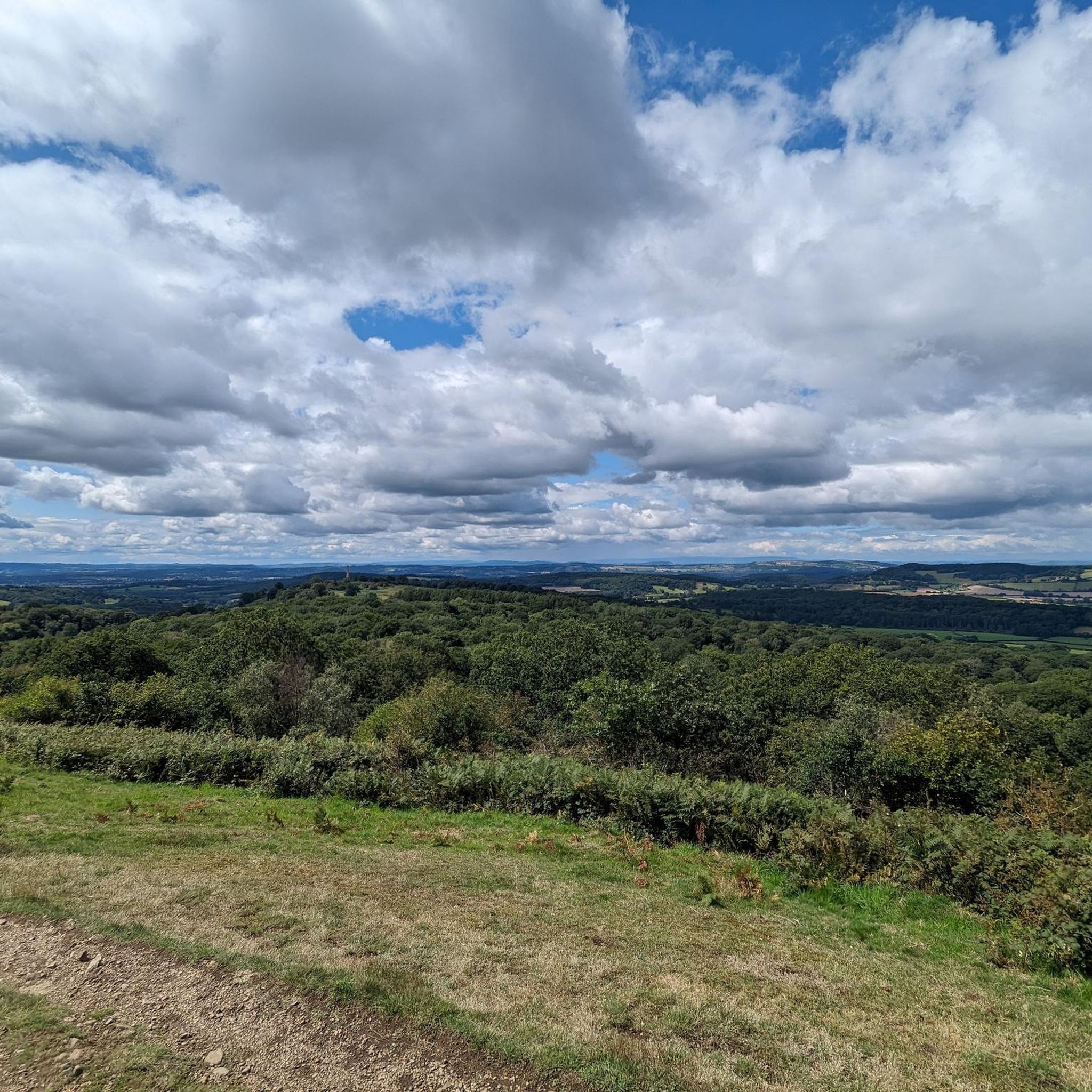
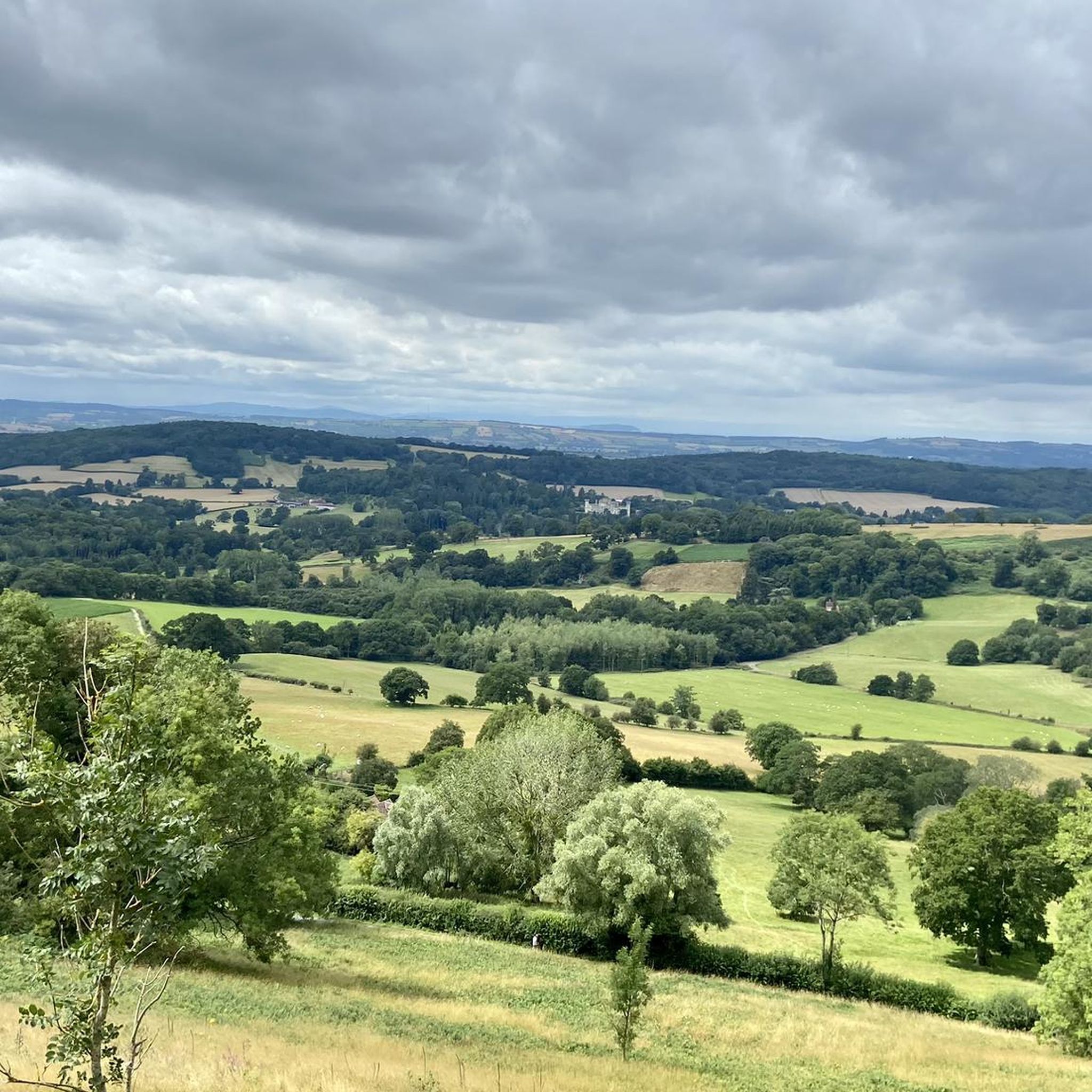
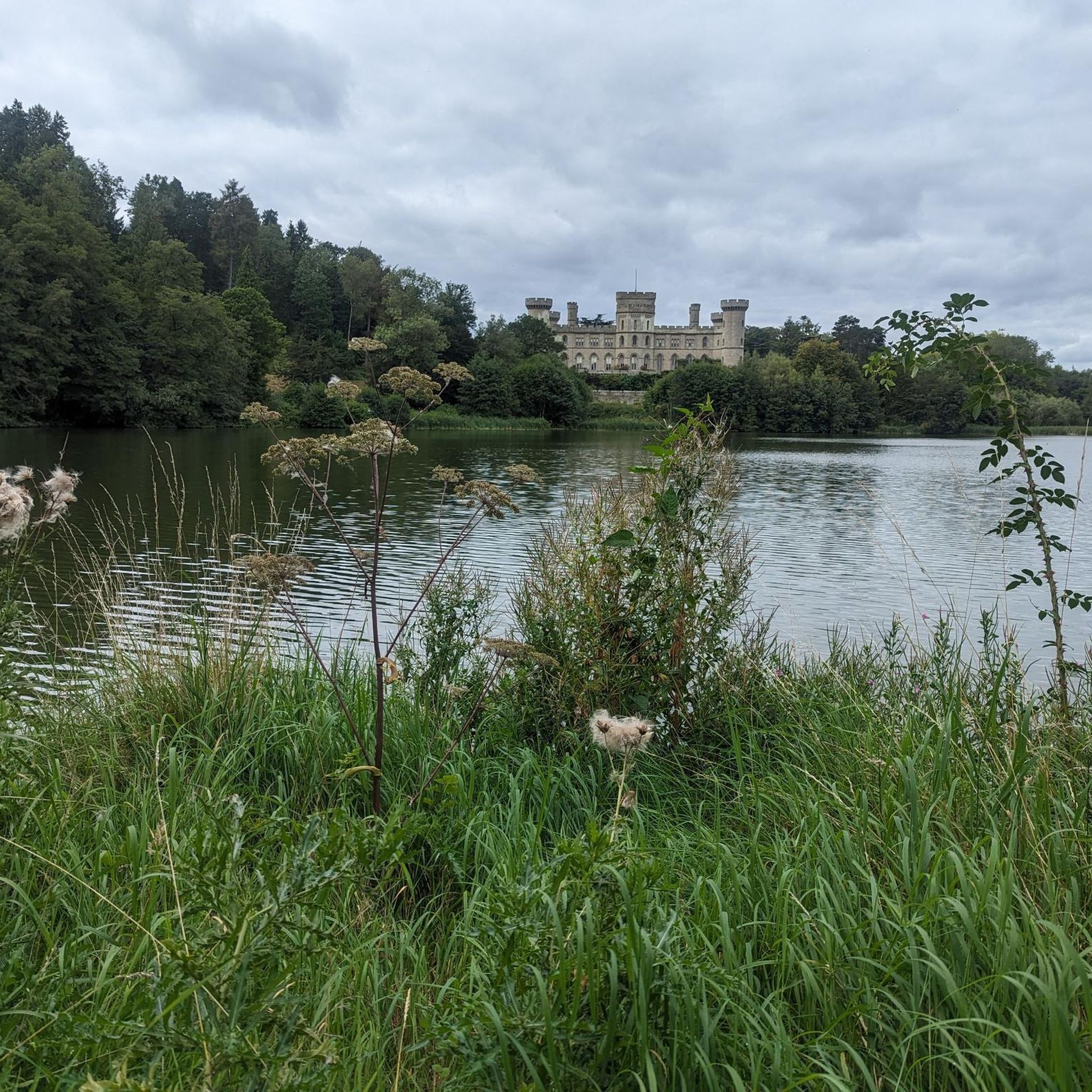
The other end of Hereford beacon, with good views of the Eastnor Estate with it's obelisk.
0
0

From Myseries of Mercia - a book and facebook page.... A mysterious cave on the Malvern hills and an enormous lump of stone in a nearby village...what connects them? This is Clutters Cave, an apparently man-made grotto within a volcanic basalt outcrop. Very little is known about it, not least who on earth "Clutter" was, but it's been mentioned in connection with various points in history going back to the medieval age. Folklore claims that Owain Glyndwr, the legendary Welsh hero, hid in Clutters Cave after his abortive attempt to invade England and retreat from North Worcestershire. He was never seen again so it's as good a story as any. I've also been told that a hermit once lived in the cave, dispensing blessings and wisdom to those who climbed up the hills to see him. Alfred Watkins, author of The Old Straight Track and father of the ley line concept, reckoned he had found a "door" to the cave a few yards away in a nearby gulley which was used as a "sacrificial stone" by "druids". He even got his assistant McKaig to lie on it as a "victim" to prove his point. Unfortunately for Watkins, we know that at least part of his theory was wide of the mark as his cave door is of a completely different type of rock. So what about the big rock? This lies at the centre of the village of Colwall and folklore gives us a reason for its presence. Another name for Clutters Cave is "Giant's Cave" and the story goes that this giant lived on the Malvern Hills with his human wife. One day he saw a man flirting with his good lady down in the valley where Colwall now lies. Erupting with rage as he watched the two of them giggling, he dug his hands into the rock and scooped out an enormous lump which he hurled at the pair down below, crushing them both. It was said that they lay under the rock for centuries until someone dragged it away to clear the obstruction, whereupon the giant put it back into place the next night! Strangely, there is a record of a payment made to a local man to drag the current stone into position to replace "the stone that once stood there". Some say that Clutters Cave is actually a Victorian folly, but nobody has any idea when it appeared. I find this unlikely as although Alfred Watkins did misidentify a few sites he surely would have been aware of something being just a few decades old. I've also seen a reference to it in a novel from 1883 and in the journal of the Royal Anthropological Institute from 1881, neither of which dismiss it as a folly.
0
0
Enjoy the walk up from Clifford Mesne, and then taken in the expansive views. Don't miss the copse at the top, planted to commemorate Queen Victoria's Golden Jubilee.
0
0

Midsummer Hill rises in the southern part of the Malvern Hills and is a very worthy objective. Site of a former hillfort, along with neighbouring Hollybush Hill, it provides extensive views, with the impressive Eastnor Castle visible in the Herefordshire countryside. A hike to the top could be combined with Herefordshire Beacon to the north, or a longer outing traversing the entire Malvern ridge.
0
0

The Herefordshire Beacon is one of the highest peaks of the Malvern Hills. It is surrounded by a British Iron Age hill fort earthwork known as British Camp. The fort subsequently had a ringwork and bailey castle built inside its boundary and there is evidence of 120 huts in the area. British Camp has been a scheduled monument since 1923. On the eastern slope of Herefordshire Beacon, there is a disused reservoir, British Camp Reservoir, which holds approximately 213,000 cubic metres (7,500,000 cu ft) of water. Herefordshire Beacon represents one of the Malvern Hills, 1,109 feet (338 m) high, and is the second highest summit in the hills. It is within the county of Herefordshire, but is directly adjacent to the border with Worcestershire to the east. Atop Herefordshire Beacon, there is an Iron Age hill fort, known as British Camp, and would have held a settlement between 4th century BCE and 1st century CE. A ringwork and bailey castle was built within the site of the hill fort, and there is evidence of 120 huts having been built within the boundaries of the fort. The hill fort received scheduled monument status on 10 August 1923. Nearby to British Camp, on the eastern slope of Herefordshire Beacon, there is a reservoir called British Camp Reservoir. It has a capacity of 213,000 cubic metres (7,500,000 cu ft), although it has not been used for many years. In 2017, Severn Trent proposed to dismantle the treatment plant associated with the reservoir and drain it, leaving an 8,000 cubic metres (280,000 cu ft) pond. source: Wikipedia
0
0
Midsummer Hill is situated in the range of Malvern Hills that runs approximately 13 kilometres (8 mi) north-south along the Herefordshire-Worcestershire border. It lies to the south of Herefordshire Beacon with views to Eastnor Castle. It has an elevation of 284 metres (932 ft). To the north is Swinyard Hill. It is the site of an Iron Age hill fort which spans Midsummer Hill and Hollybush Hill. The hillfort is protected as a Scheduled Ancient Monument and is owned by Natural England. It can be accessed via a footpath which leads south from the car park at British Camp on the A449 or a footpath which heads north from the car park in Hollybush on the A438. The hillfort is very unusual in that the ramparts enclose two hills and the intervening valley. Bowden speculates that the spring within the valley "enhance[s] the position of the hillfort as a site of symbolic value". Source: Wikipedia
0
1
Frequently Asked Questions
What natural features can I explore around Pauntley?
Pauntley is surrounded by the picturesque Leadon Valley, known for its lush meadows, ancient woodlands, and the gently flowing River Leadon. You can also find May Hill Summit, distinctive for its 'hat of trees' and offering far-reaching views towards the Welsh border and over the River Severn. Additionally, Collin Park Wood is a designated Site of Special Scientific Interest (SSSI), highlighting the area's rich biodiversity.
What historical sites and landmarks are notable in the Pauntley area?
The area boasts several historical gems. Herefordshire Beacon (British Camp) and Midsummer Hill Iron Age Hillfort offer extensive views and a glimpse into ancient Britain. Within Pauntley itself, you can find Pauntley Court, a 15th-century manor house believed to be the birthplace of Dick Whittington, and the Church of St. John the Evangelist with its Norman origins and Romanesque sculpture. Nearby, St. Mary's Church in Kempley is renowned for its well-preserved medieval wall paintings.
Are there good walking or hiking trails near Pauntley?
Yes, the rolling hills and verdant landscapes around Pauntley offer numerous scenic walking and cycling routes. For dedicated hiking, you can explore trails around the Malvern Hills, which include challenging climbs to viewpoints like Herefordshire Beacon and Midsummer Hill Iron Age Hillfort. Komoot offers various hiking routes, such as the moderate 'Swinyard Hill – Millennium Hill loop from Bromesberrow' or 'St Mary's Church, Kempley loop from Dymock'. You can find more details on Hiking around Pauntley.
What kind of terrain can I expect on trails around Pauntley?
The terrain around Pauntley varies from lush meadows and ancient woodlands in the Leadon Valley to the more challenging ascents of the Malvern Hills. Trails can range from leisurely, flat walks along the river to steep climbs up hills like Herefordshire Beacon, which rewards with splendid views. Many routes are moderate in difficulty, suitable for those looking for a good workout with scenic rewards.
When is the best time of year to visit Pauntley?
Pauntley is beautiful throughout the year, but spring and summer offer the most pleasant weather for exploring the natural landscapes and historical sites. The lush meadows and flowering gardens are particularly vibrant during these seasons. Autumn brings beautiful foliage to the woodlands, while winter offers crisp, quiet walks, though some trails may be muddy.
Are there family-friendly activities or attractions near Pauntley?
Families can enjoy leisurely walks through the Leadon Valley or explore the grounds of Pauntley Court. A short drive away, the historic market town of Newent is home to the International Centre for Birds of Prey, which offers fascinating displays. Hartpury Heritage Farm also provides an educational experience about traditional farming practices and rural life, making it a great option for families.
Can I find dog-friendly trails around Pauntley?
Many of the natural trails and walking routes around Pauntley and the surrounding Gloucestershire countryside are dog-friendly. Areas like the Leadon Valley and the various footpaths through the rolling hills are ideal for walks with your canine companion. Always ensure dogs are kept under control, especially near livestock, and follow local signage regarding leash requirements.
What outdoor sports or activities can I do near these attractions?
Beyond hiking, the area around Pauntley is excellent for mountain biking and running. You can find various MTB trails, including routes like the 'Gullet Quarry – View of Castlemorton Common loop' or the 'Forest Path – Glasshouse Hill loop'. For runners, options like the 'Daffodil Way' or 'Dymock Wood loop' provide scenic routes. Explore more options for MTB Trails around Pauntley and Running Trails around Pauntley.
What do visitors enjoy most about the attractions around Pauntley?
Visitors frequently praise the stunning views from elevated points like Herefordshire Beacon and May Hill Summit, often noting the rewarding experience after a climb. The rich historical significance of sites like the Iron Age hillforts and the well-preserved architecture of the village and its churches are also highly appreciated. The tranquility and natural beauty of the Gloucestershire countryside provide a peaceful escape for many.
Are there any unique cultural points of interest nearby?
Yes, beyond the immediate village, you can visit the Three Choirs Vineyard, one of England's oldest and largest vineyards, offering tours and tastings. The nearby market town of Newent hosts the annual Newent Onion Fayre, a unique local event. For a deeper dive into history, St. Mary's Church in Kempley features remarkable 12th and 14th-century medieval wall paintings.
Are there any hidden gems or lesser-known spots worth visiting?
While not entirely hidden, Clutter's Cave, located south of British Camp on the Malvern Hills, offers a unique geological and historical curiosity. This man-made cave, excavated into pillow lavas, provides beautiful views over the Herefordshire countryside and is steeped in local folklore. It's a fascinating stop for those looking for something a little different.
What are the options for parking when visiting attractions around Pauntley?
Parking availability varies by attraction. For popular hiking spots like Herefordshire Beacon, there are often designated car parks at the base or nearby access points, though these can fill up during peak times. For village attractions like Pauntley Court or the Church of St. John the Evangelist, street parking or small village car parks may be available. It's advisable to check specific locations for detailed parking information.
Most popular attractions around Pauntley

Get inspired with the komoot mobile app


Explore more
Still not found the Highlight you’re looking for? See guides of the top attractions in other regions:
